

If you’ve lost a mother because providers missed hemorrhage, preeclampsia, infection, anesthesia complications, or other obstetric emergencies, the Orlando Medical Malpractice Lawyer at the Law Offices of Anidjar and Levine can protect your rights and investigate what happened.
Your attorney can preserve records and specimens, identify negligent doctors or hospitals, work with qualified experts, handle insurers, and pursue wrongful death damages under Florida law for support, services, companionship, and funeral costs.
The sections below explain what to do next.
Main Takeaways
- An Orlando maternal death malpractice lawyer can investigate providers, preserve evidence, and coordinate qualified medical experts to assess preventability and liability.
- Florida claims require proof of duty, breach of the accepted standard of care, causation, and damages resulting from wrongful death.
- Common fatal failures include delayed hemorrhage treatment, missed preeclampsia, anesthesia errors, postpartum infection neglect, and poor escalation or communication.
- Families should quickly preserve records, pathology specimens, provider names, billing documents, and timelines to protect the claim.
- Surviving relatives in Florida may recover damages for lost support, services, companionship, funeral expenses, and other wrongful death losses.
How We Can Help With Your Orlando Maternal Death Malpractice Injury Claim
Steer through this process with a legal team that understands both the medical and legal issues involved in a maternal death malpractice claim. You need advocates who listen carefully, organize essential records, and protect your family’s interests with discipline and respect during an overwhelming time.
Your attorneys can investigate providers, preserve evidence, consult qualified experts, and build a clear account of what happened. They can handle insurer communications, meet court deadlines, and explain each step so you can make informed decisions confidently. Because service matters, your team can also connect you with bereavement counseling and other practical support that helps your household function.


They should approach every conversation with dignity, including sensitivity to cultural considerations that shape mourning, family roles, and decision-making. With focused guidance, you can pursue accountability, safeguard your loved one’s legacy, and seek resources that support your family’s future while honoring the values and care your community depends on daily.
Understanding Orlando Maternal Death Malpractice Injury Cases
OUR CONSULTATIONSARE FREE
START YOUR FREE CASE REVIEW

Because these claims arise at the intersection of obstetric medicine and Florida malpractice law, understanding an Orlando maternal death malpractice injury case starts with identifying whether a preventable medical failure contributed to a mother’s death during pregnancy, childbirth, or the postpartum period.
As you seek accountability, you must show that a provider owed a professional duty, breached the accepted standard of care, and caused a fatal outcome. These cases often require careful review of prenatal records, hospital charting, consultations, informed consent discussions, and follow-up care. You should also understand how maternal mortality data, timing of treatment, and documented risk factors may clarify whether warning signs were recognized and addressed appropriately.


In Florida, procedural requirements shape how you investigate and present the claim, so early legal and medical evaluation matters. When you pursue this work, you do more than protect your family’s rights. You also help promote safer care, stronger systems, and greater respect for mothers throughout the Orlando community overall.
Common Causes of Orlando Maternal Death Malpractice
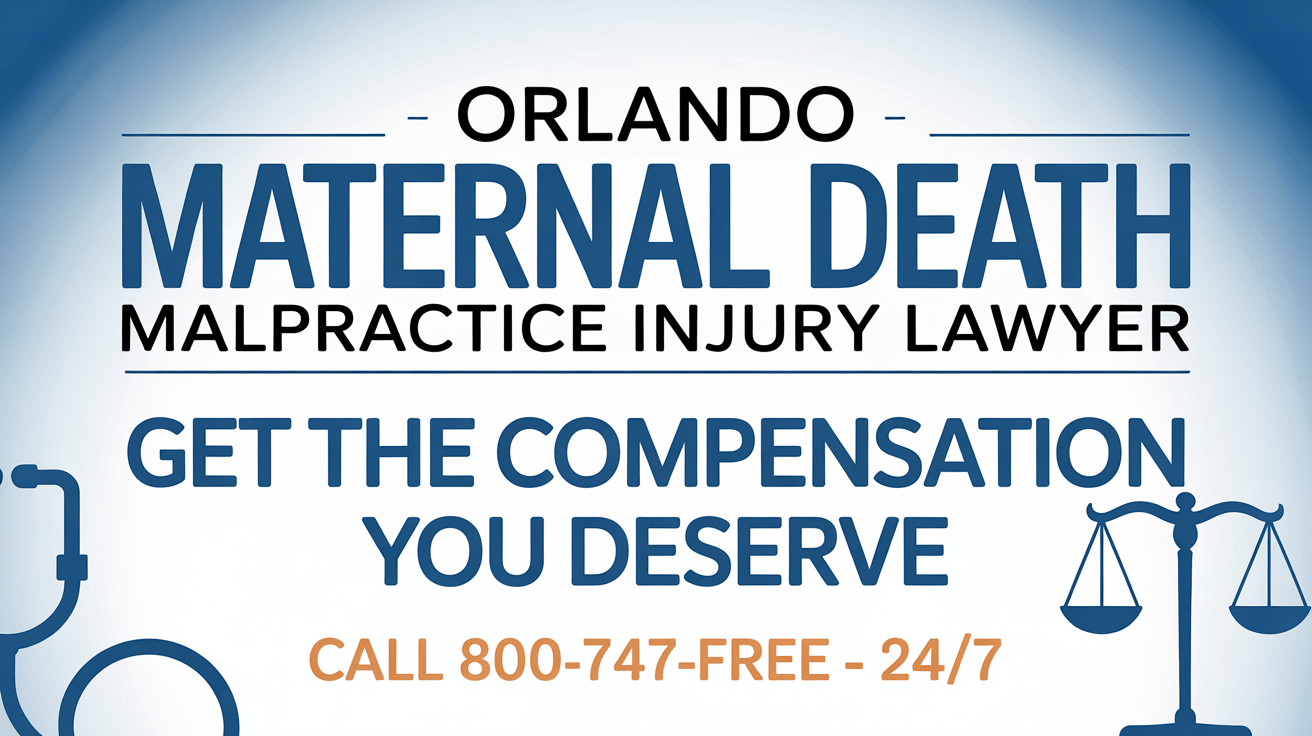
You should understand that maternal death malpractice often stems from preventable failures in crucial stages of care. Your case may involve delayed hemorrhage treatment, preeclampsia misdiagnosis, anesthesia monitoring errors, or postpartum infection neglect, each of which can place a mother at immediate and severe risk. When providers miss warning signs or fail to act promptly, you may face grounds to question whether substandard medical care caused a fatal outcome.
Delayed Hemorrhage Treatment
Recognize delayed hemorrhage treatment for what it is: a preventable breakdown in obstetric care that can turn a manageable complication into a fatal emergency. When your care team misses ongoing blood loss, ignores warning signs, or delays escalation, you face rapidly worsening shock, organ failure, and death. Prompt action saves lives.
You depend on hospitals to use delayed hemorrhage diagnostics, monitor crucial signs closely, and respond without hesitation when bleeding continues after delivery. Effective hemorrhage response training helps nurses and physicians communicate clearly, activate massive transfusion protocols, secure surgical intervention, and stabilize patients before injuries become irreversible.
When providers fail to act with urgency, families lose mothers who could’ve been saved through attentive monitoring, timely treatment, and disciplined adherence to established obstetric safety standards and emergency procedures.
Preeclampsia Misdiagnosis
Preeclampsia misdiagnosis reflects another serious failure in obstetric care, one that can leave a dangerous hypertensive disorder untreated until it causes stroke, seizures, organ damage, or death. When your medical team overlooks warning signs, you may lose the chance for timely intervention that could protect both mother and child.
You depend on clinicians to track blood pressure carefully, recognize sudden swelling, evaluate headaches or changes in vision, and properly assess proteinuria. If providers dismiss abnormal findings, delay follow-up testing, or fail to escalate care, the consequences can become irreversible within hours. In a profession centered on service, providers must respond with vigilance, clear judgment, and urgency. When they do not, families may face a preventable tragedy rooted in missed diagnosis, delayed treatment, and a breach of the duty to safeguard life.
Anesthesia Monitoring Errors
Because anesthesia can change a mother’s condition within minutes, careful monitoring before, during, and after administration isn’t optional. When providers miss falling oxygen levels, unstable blood pressure, or irregular heart rhythms, a preventable crisis can become fatal very quickly during labor and delivery.
You depend on the team to watch every response, confirm ventilator settings, and react when monitoring alarms signal danger. If clinicians silence alerts, delay assessment, or fail to recognize respiratory depression, aspiration, or airway obstruction, they breach a basic duty of care. Proper anesthesia monitoring also requires clear communication, timely charting, and immediate intervention when complications emerge.
When that vigilance breaks down, your family may suffer a devastating loss that competent, attentive medical care should have prevented through disciplined observation and rapid action.
Postpartum Infection Neglect
Postpartum infections can set in quickly after delivery, and providers must catch the warning signs before a treatable condition turns into sepsis, organ failure, or death. If your medical team ignores fever, uterine tenderness, foul drainage, or rising heart rate, you may face preventable harm within hours. Proper wound monitoring, timely cultures, and antibiotics can save your life.
When nurses or physicians dismiss your symptoms, fail to review lab results, or delay escalation of care, postpartum sepsis can progress rapidly. You trust caregivers to protect you so you can continue serving your family and community. That trust is broken when basic postpartum safeguards aren’t followed. In these cases, neglected infection control may support a malpractice claim, especially when earlier intervention would’ve likely prevented catastrophic maternal injury or death from occurring.
Legal Rights of Orlando Maternal Death Malpractice Injury Victims
When a preventable maternal death stems from medical negligence, Florida law gives surviving family members the right to pursue accountability and financial recovery through a wrongful death claim. You may seek justice not only to address your family’s losses, but also to protect other patients through Patient advocacy and higher standards of care.
Florida families may pursue wrongful death claims after preventable maternal loss to seek accountability, financial recovery, and safer standards of care.
Your legal rights can include compensation for both economic and emotional harm, while recognizing the family’s need for dignity, service, and Bereavement counseling during an overwhelming time.
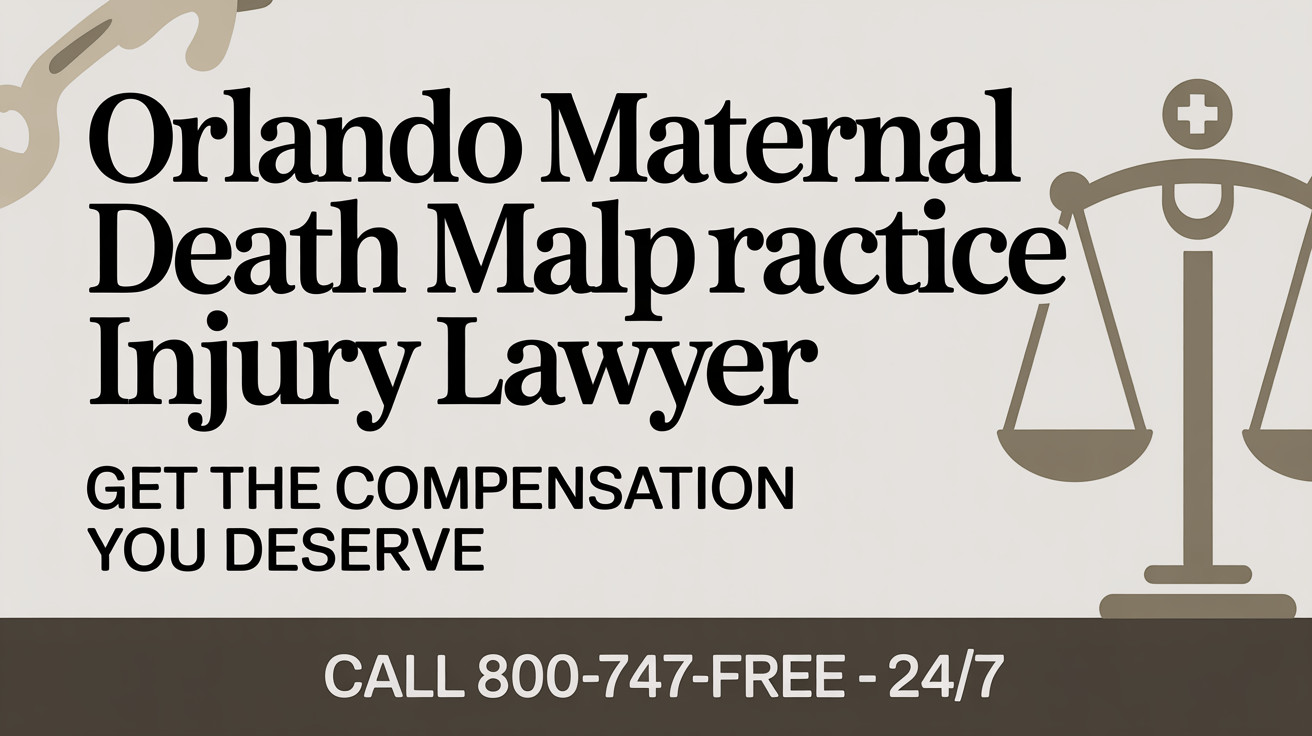
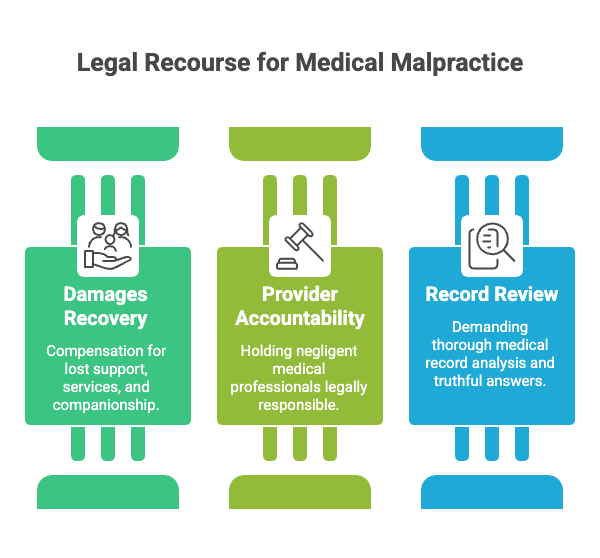
- You may recover damages for lost support, services, companionship, and funeral expenses.
- You may hold negligent doctors, nurses, hospitals, or other providers legally responsible.
- You may demand a thorough review of records, expert evaluation, and truthful answers about what occurred.
Steps to Take After an Orlando Maternal Death Malpractice Injury
After an Orlando maternal death malpractice injury, you should seek legal guidance as soon as possible so you can protect your rights and understand your options. You should also preserve all medical records, hospital communications, billing statements, and related evidence, because these materials can play a pivotal role in proving what happened. As you move forward, document your family’s financial and personal losses carefully, since a clear record can strengthen your claim and support a full assessment of damages.
Seek Immediate Legal Guidance
Act promptly and seek legal guidance as soon as you suspect that medical negligence contributed to a maternal death, because early action can protect pivotal evidence and clarify your options. An attorney can provide an urgent consultation, explain your rights, and help you make informed decisions during an overwhelming time.
When you speak with counsel quickly, you strengthen your ability to pursue accountability and support your family with purpose. Your lawyer can outline an initial strategy, identify responsible parties, and advise you on deadlines that may affect your claim. This guidance also helps you avoid missteps when communicating with insurers, hospitals, or other representatives. By acting without delay, you place yourself in a stronger position to seek justice, promote safer care for other mothers, and honor your loved one’s memory through meaningful action.
Preserve Medical Evidence
Preserving medical evidence should be one of your next priorities, because the records and materials tied to a maternal death malpractice claim can change, disappear, or become harder to obtain with time. You should request complete hospital charts, fetal monitoring strips, medication logs, lab results, imaging, and incident reports as soon as possible. Ask that providers retain pathology slides, blood samples, and other specimens to support sample preservation.
You should also secure the names of treating professionals, care timelines, and the locations where records are stored. If personal items, devices, or photographs may matter, keep them protected and unchanged. Your attorney can send preservation letters, confirm the chain of custody, and work with experts to review the evidence carefully. By acting promptly, you help protect the truth and support accountability for those you serve.
Document Family Losses
Because a maternal death harms more than the patient alone, you should carefully document the losses your family has suffered from the outset. Create a clear record of funeral costs, lost household services, childcare needs, counseling expenses, and the income the mother would have provided. Keep receipts, invoices, employment records, and written timelines that show how your family’s daily responsibilities have changed.
You should also maintain grief documentation that reflects the emotional and relational impact on children, a spouse, and other dependents. Journals, therapy notes, school reports, and statements from relatives or faith leaders can help illustrate these losses. Gather heirship records, including birth certificates, marriage documents, and probate materials, so you can establish who may bring claims and who has suffered compensable harm under Florida law.
How an Orlando Maternal Death Malpractice Injury Lawyer Can Help You
Finding your way through a maternal death malpractice claim after the loss of a loved one can feel overwhelming, but an Orlando maternal death malpractice injury lawyer can help you identify whether medical negligence contributed to the death and what legal options may be available.
Your lawyer serves your family by combining legal skill with medical advocacy and practical guidance. You can rely on counsel to gather records, consult qualified experts, and connect you with bereavement counseling when support is needed. An attorney also protects your voice during a difficult time by handling communications and building a clear claim.
Counsel supports your family with legal guidance, medical insight, and compassionate advocacy while building and protecting your claim.
- Review prenatal, delivery, and postpartum care for preventable errors.
- Preserve evidence, calculate losses, and explain your rights with precision.
- Negotiate with insurers or pursue litigation if fair accountability isn’t offered.
With focused representation, you can seek answers, honor your loved one’s memory, and pursue justice in a way that may help protect other families facing similar harm.
Long-Term Effects of Orlando Maternal Death Malpractice Injuries
You may face ongoing physical complications that affect your health, daily functioning, and need for continued medical care long after the initial injury. You may also experience lasting emotional trauma, as grief, anxiety, and psychological distress can disrupt your relationships and overall stability. In many cases, your family can suffer serious financial hardship due to medical expenses, lost income, and the long-term costs of support and recovery.
Ongoing Physical Complications
When maternal malpractice causes severe injury, the physical effects often continue long after the delivery and can alter nearly every part of daily life. You may face Chronic pain from nerve damage, untreated hemorrhage complications, pelvic floor injuries, or surgical errors, making it harder to work, rest, care for your family, and serve others consistently.
You may also experience Sexual dysfunction, incontinence, mobility limits, infection-related damage, or organ impairment that requires ongoing treatment, rehabilitation, and medical monitoring. These complications can restrict basic tasks, reduce stamina, and force significant changes in how you manage your home, employment, and community responsibilities. As you pursue recovery, clear medical documentation helps show how malpractice caused lasting physical harm and why you need compensation for future care, assistive support, and the losses these injuries continue to impose.
Lasting Emotional Trauma
Although some injuries are visible and immediate, maternal malpractice often leaves deep emotional trauma that persists long after the medical crisis has ended. You may relive the loss through anxiety, depression, guilt, or persistent fear during future medical care. Ordinary moments, including hospital visits, anniversaries, or newborn milestones, can become trauma triggers that disrupt sleep, concentration, and relationships.
As someone devoted to caring for others, you may ignore your own suffering while trying to support family members. Yet recovery requires attention, structure, and compassionate support. Grief counseling can help you process the loss, recognize harmful patterns, and rebuild a sense of stability. With appropriate mental health care, you can strengthen your ability to function, serve those you love, and move forward while honoring the life that was taken far too soon.
Family Financial Hardship
Instability often reaches far beyond the hospital room, because a maternal death caused by medical negligence can dismantle a family’s financial foundation in a matter of days. You may face funeral costs, lost household income, childcare expenses, and sudden debt while trying to care for others with strength and dignity.
As bills accumulate, Medical bankruptcy becomes a real threat, especially when insurance disputes or missed work reduce available resources. You might postpone your children’s education plans, sell property, or take out high-interest loans simply to maintain stability. Retirement disruption can also follow, as savings intended for later years are redirected toward daily needs and long-term caregiving. When negligence causes this harm, pursuing accountability can help protect your family’s future and preserve the resources needed to continue serving those who depend on you.
Proving Liability in Orlando Maternal Death Malpractice Injury Cases
Because maternal death malpractice claims turn on medical facts and legal standards, proving liability in an Orlando case requires clear evidence that a doctor, nurse, hospital, or other provider failed to meet the accepted standard of care and that this failure caused the death. You must show what competent providers would have done under similar circumstances and how the care team departed from clinical protocols during pregnancy, labor, delivery, or postpartum treatment.
To build that proof, you gather medical records, fetal monitoring strips, nursing notes, lab results, medication logs, and hospital policies. You then use expert testimony from qualified physicians or nurses who can explain the standard of care, identify specific errors, and connect those errors to the mother’s death. You may also rely on timeline evidence showing delayed diagnosis, ignored warning signs, poor communication, or inadequate emergency response. When you present organized, credible evidence, you help your family seek accountability and honor a life devoted to caring for others.
Dealing With Insurance Companies After an Orlando Maternal Death Malpractice Injury
Once you’ve assembled the evidence needed to prove liability, you also have to deal carefully with the insurance companies involved in an Orlando maternal death malpractice claim. You should expect adjusters to protect their company’s interests first, not your family’s welfare. That means you must stay alert to insurance tactics, including requests for broad medical authorizations, recorded statements, or quick settlement discussions before your losses are fully understood.
You serve your loved one’s memory best by communicating carefully, documenting every contact, and preserving all written correspondence. You should avoid speculation, limit direct statements, and refuse pressure to minimize the harm your family has suffered. It also helps to track claim timelines closely, because delays can affect evidence, records, and your ability to respond effectively. When you approach insurers with preparation and discipline, you strengthen your position and reduce opportunities for manipulation. Careful handling protects your family, supports accountability, and helps you pursue a just result.
What to Expect During an Orlando Maternal Death Malpractice Injury Claim Process
You can expect the claim process to begin with an initial case evaluation, where your attorney reviews the facts, identifies potential negligence, and explains your legal options. From there, you’ll work jointly to gather medical evidence, document losses, and file the claim within the required deadlines. As your case moves forward, your lawyer will pursue a fair settlement, but if the other side won’t offer reasonable compensation, you should be prepared for trial.
Initial Case Evaluation
Begin the initial case evaluation by meeting with an Orlando maternal death lawyer who’ll review the medical timeline, the care your loved one received, and the circumstances surrounding the death.
During this free consultation, you’ll explain what happened, ask questions, and learn whether malpractice may have played a role. Your lawyer will assess basic facts, identify potential defendants, and explain your legal options with care and clarity. You can expect a straightforward discussion about your family’s goals, your role in the process, and the claim timeline. This meeting also helps your attorney understand how your loss affects those who depend on your support and service.
By the end, you should know whether your case appears viable, what immediate steps may follow, and how legal guidance can help you pursue accountability and justice.
Gathering Medical Evidence
After that initial review, your attorney will start gathering the medical evidence needed to determine whether the care your loved one received fell below the accepted standard. You can expect a careful collection of hospital charts, nursing notes, fetal monitoring strips, medication records, and emergency response logs.
Your legal team will often work with qualified physicians to closely examine each record. That may include forensic pathology findings, a radiology review of scans, and lab interpretation of bloodwork and cultures. Your attorney will also verify timelines, compare provider decisions to accepted practices, and protect the chain of custody for essential records and specimens. As this work unfolds, you help by identifying caregivers, preserving personal notes, and sharing your observations. Each detail can support accountability and help prevent similar harm to other families.
Filing The Claim
With the preliminary evidence in place, your attorney can move from investigation to filing the claim and giving the case a formal legal structure. You will review the parties, allegations, damages, and supporting records to ensure the complaint accurately and responsibly reflects the loss. Your lawyer also addresses statute nuances and filing deadlines, which matter greatly in Florida malpractice and wrongful death actions.
After filing, your attorney serves the defendants and tracks each procedural requirement with care. You may help answer factual questions, identify family representatives, and provide documents that confirm expenses, dependency, and authority to act. This stage creates an organized framework for accountability, helping you pursue justice in a way that honors your loved one and supports others who depend on truthful medical standards, patient safety, and faithful professional responsibility.
Settlement Or Trial
As the case moves forward, most Orlando maternal death malpractice claims enter a period of negotiation, case evaluation, and strategic preparation for either settlement or trial. During this stage, you and your attorney review expert findings, damages, and witness credibility to determine whether resolution serves your family and honors your loved one’s memory.
You may receive settlement offers, participate in mediation options, or continue preparing for court if insurers refuse fair compensation. Your lawyer advises you on risks, likely outcomes, and how each choice may support accountability and future patient safety. If trial becomes necessary, your case could proceed before a jury or as a bench trial, depending on the issues involved. Throughout this process, you remain focused on justice, while your legal team advances your claim with discipline, preparation, and purpose.
Compensation for Orlando Maternal Death Malpractice Injury Damages
Because a maternal death caused by medical negligence can leave your family facing profound financial and personal losses, compensation in an Orlando malpractice claim may include damages for medical expenses, funeral and burial costs, lost income and support, and the loss of companionship, guidance, and services the mother would have provided.
You may also pursue recovery for funeral expenses already paid, outstanding hospital bills, and the value of household contributions your loved one can no longer provide. If surviving children or a spouse need bereavement counseling, those related costs may also strengthen the full picture of harm your family has endured. An attorney can help you document these losses carefully, gather records, and present a clear claim that reflects your family’s needs and future stability.
By seeking fair compensation, you don’t diminish your loved one’s memory; you protect those who depended on her care and preserve resources that allow your family to continue serving one another with dignity, support, and stability.
Economic vs Non-Economic Damages in Orlando Maternal Death Malpractice Cases
In these cases, you may pursue economic damages for measurable losses, such as medical bills, lost income, and funeral expenses. You may also seek non-economic damages for losses that don’t come with receipts, including pain and suffering, loss of companionship, and emotional harm. To recover either type of compensation, you must present clear evidence in court that shows the extent of your losses and connects them to the malpractice.
Economic Damages Explained
Clarity matters when you evaluate damages in an Orlando maternal death malpractice case, since the law separates losses into economic and non-economic categories. Economic damages cover measurable financial harm that you and your family can document through bills, records, and expert analysis after a preventable maternal death.
You may seek reimbursement for medical expenses tied to the negligent care, funeral and burial costs, and the value of household services the mother provided. If your family depended on her income, you can also pursue lost earnings and future wages, based on her work history, skills, and expected career path. In many cases, financial experts help calculate these amounts with care and accuracy. By identifying every concrete loss, you strengthen your claim and protect your family’s ability to continue serving one another and your community well.
Non-Economic Losses Overview
Losses that don’t appear on a bill often carry the deepest weight after a preventable maternal death. You may face profound non-economic harm that affects how you care for your family, serve your community, and move through daily life. These losses include grief, mental anguish, loss of companionship, and the disruption of guidance, comfort, and shared purpose.
You may also experience psychic injury, including trauma symptoms, anxiety, depression, and the lasting shock that follows a medical failure during pregnancy or childbirth. For many families, societal stigma can intensify suffering, especially when others minimize maternal health concerns or misunderstand the aftermath of loss. Non-economic damages recognize these human consequences. They address the dignity of your relationship, the value of emotional support, and the personal suffering that no invoice can mend fully.
Proving Damages In Court
Establishing damages requires more than describing what your family has endured; it requires organized proof that connects the maternal death to measurable economic harm and substantial non-economic suffering. You must present records showing medical bills, funeral costs, lost income, and the value of household services the mother provided.
You also need credible evidence of grief, loss of companionship, and the guidance children no longer receive. In court, expert testimony often explains future earnings, life expectancy, and the emotional impact of the loss. Your lawyer may also address burden shifting when the defense challenges causation or minimizes losses without solid support. By gathering financial documents, witness statements, and professional opinions, you help the court see the full scope of harm. That proof strengthens accountability and supports a recovery that honors your loved one’s service to family and community.
When an Orlando Maternal Death Malpractice Injury Case Goes to Trial vs Settlement
Although many Orlando maternal death malpractice cases resolve through negotiated settlement, some proceed to trial when the parties dispute liability, causation, or the full value of the family’s damages. As you evaluate options, your attorney weighs trial dynamics, settlement pressures, evidentiary strength, witness credibility, and the defense’s willingness to accept responsibility.
Settlement can provide privacy, faster compensation, and reduced strain on your family, helping you continue serving others while rebuilding your daily life. A trial may become necessary when insurers minimize losses, contest medical errors, or refuse fair compensation despite strong evidence. In court, you present expert testimony, records, and family evidence so a jury can assess accountability and damages. Your lawyer also considers costs, timing, appellate risk, and how each path aligns with your goals. By preparing every case as if it will be tried, you strengthen negotiating leverage and position your family to pursue justice with dignity, clarity, and purpose under difficult circumstances.
The Statute of Limitations for Orlando Maternal Death Malpractice Injury Cases
Because Florida imposes strict filing deadlines in medical malpractice and wrongful death cases, you must evaluate the statute of limitations as soon as you suspect that negligent maternal care contributed to your loved one’s death. In many situations, your deadline depends on when the malpractice was discovered or reasonably should’ve been discovered, but the law also places outer limits on how long you may wait.
You should also understand that maternal death claims can involve statute nuances, especially when medical negligence and wrongful death rules intersect. Pre-suit investigation requirements may affect the timing, and certain filing exceptions may apply in limited circumstances, such as fraud, concealment, or the delayed discovery of pivotal facts. If you’re seeking accountability to protect other families and improve standards of care, acting promptly helps preserve records, witness memories, and legal options. Careful attention to these deadlines supports your ability to pursue justice in a thoughtful, service-minded way for your community.
When to Contact an Orlando Maternal Death Malpractice Injury Lawyer
If you suspect that substandard prenatal, labor, delivery, or postpartum care contributed to a mother’s death, you should contact an Orlando maternal death malpractice injury lawyer as soon as possible. Early action helps you preserve records, identify witnesses, and protect important details before they fade. It also allows your family to make informed decisions while honoring the mother’s life and service to others.
You should also seek guidance when a hospital gives unclear explanations, when medical notes seem incomplete, or when concerns arise after postpartum counseling. Quick consultation matters because legal timing can affect access to evidence and required notice procedures. Even if you are still gathering facts, speaking with a lawyer can help you understand the next practical steps and avoid preventable delays. Reaching out promptly does not require certainty. It means you are acting responsibly, protecting your family’s interests, and pursuing answers that may support accountability, closure, and safer care for other mothers.
Why You Need an Experienced Orlando Maternal Death Malpractice Injury Lawyer
When a maternal death may stem from medical negligence, you need an experienced Orlando maternal death malpractice injury lawyer who can assess complex records, work with qualified experts, and build a case that reflects the full scope of the loss.
You are entitled to counsel that understands how obstetric errors, delayed treatment, medication mistakes, and unmanaged complications can lead to irreversible harm. An experienced lawyer identifies where standards failed, preserves essential evidence, and connects medical findings to the family’s damages. That work matters when you seek accountability, protect surviving children, and honor the life that was lost through a wrongful death claim.
You also need an advocate who can evaluate whether related issues, including birth trauma, strengthen the overall case. By presenting a clear, well-supported claim, your lawyer helps you pursue compensation for financial losses, emotional suffering, and future needs. Strong legal guidance lets you focus on your family, your recovery, and the responsibilities you continue carrying forward.
How to Choose the Right Orlando Maternal Death Malpractice Injury Lawyer for Your Case
Selecting the right Orlando maternal death malpractice injury lawyer shapes the strength of your case from the outset. You should look for counsel with proven experience handling maternal death claims, a clear record of case preparation, and the ability to explain complicated medical issues in plain terms.
As you evaluate firms, ask how they investigate negligence, work with medical experts, and communicate with grieving families. A lawyer who listens carefully and responds promptly helps build Client trust, which matters when important decisions arise. You should also review Attorney fees early, so you understand contingency arrangements, litigation costs, and how expenses affect recovery. Strong representation combines legal skill with discipline, compassion, and respect for your family’s purpose in seeking accountability. Choose someone who can pursue justice firmly while honoring the life lost and the broader good your case may serve. Careful selection now can protect your interests and support meaningful change for other families tomorrow.
About The Law Offices of Anidjar & Levine
Turn to The Law Offices of Anidjar & Levine for legal representation that combines focused case preparation with responsive client service. When you are coping with the loss of a mother, you need counsel that listens carefully, acts promptly, and treats your family with dignity. This firm approaches each wrongful death matter with disciplined investigation, clear communication, and a commitment to pursuing accountability.
You can learn a great deal from the firm’s history and the experiences shared in client testimonials. Together, they reflect a practice built on service, accessibility, and consistent advocacy for injured families across Florida. You receive guidance tailored to your circumstances, not a generic process that overlooks the human cost of medical negligence.
The attorneys and staff work to answer questions, explain options, and move your claim forward efficiently.
If you want representation grounded in preparation and respect, this firm offers the dependable support your family merits during a difficult time.
Frequently Asked Questions
Can Fathers File Separate Claims After a Maternal Death Malpractice Case?
Yes, you can sometimes file a separate claim after a maternal death malpractice case, depending on your paternal standing and the governing wrongful death laws. You may pursue separate damages if your losses differ from the estate’s or other beneficiaries’ claims. You should review how your relationship to the deceased and child affects eligibility. By acting promptly, you help protect your family’s interests and support accountability for preventable medical harm.
Are Hospital Internal Investigation Results Available to Surviving Family Members?
You usually can’t access all hospital internal investigation results directly. Hospitals often withhold portions based on patient privacy rules and legal privilege protections. However, you may obtain certain records through formal requests, discovery in litigation, or court orders, depending on state law. If you seek accountability while honoring your loved one’s dignity, you should ask counsel to review what information remains protected, what may be disclosed, and how disclosure can support safer care.
How Long Are Maternal Death Medical Records Typically Retained in Florida?
In Florida, you can generally expect maternal death medical records to follow standard retention timelines, often at least five years for hospitals, though some providers keep them longer under specific laws or policies. You should also understand record ownership, because providers maintain the original chart, while you may request copies. If you serve a grieving family, act promptly, since related records, imaging, and electronic data may have different preservation periods.
Can Religious or Cultural Practices Affect Autopsy Decisions in Maternal Death Cases?
Yes, religious or cultural practices can affect autopsy decisions in maternal death cases. You may request religious exemptions or accommodations for cultural rites, especially when beliefs require prompt burial or limit bodily intrusion. However, you must understand that medical examiners can override those objections when the law requires an autopsy. If you serve grieving families, you should act quickly, clearly document objections, and coordinate respectfully with counsel, hospitals, and investigators.
What Experts Usually Review Maternal Death Malpractice Claims Before Filing?
You’ll usually have obstetric experts review prenatal care, labor management, delivery decisions, and postpartum treatment before filing. You’ll also need forensic pathologists to assess the cause of death, timing, and whether medical errors contributed. In many claims, nursing experts, hospital policy specialists, and sometimes anesthesiology consultants examine records, protocols, and communication failures. Their findings help you determine whether the case has validity and whether pursuing accountability may serve the family’s interests.
—————————
If you’ve lost a loved one because of maternal death malpractice in Orlando, you need clear guidance and decisive legal support.
You can pursue accountability, protect your family’s rights, and seek compensation for the harm you’ve suffered.
The Law Offices of Anidjar and Levine can evaluate your claim, explain your options, and build a strong case on your behalf.
Learn more with an Orlando Medical Malpractice Lawyer.
By acting promptly, you improve your ability to preserve evidence and protect your interests during every stage of the process.

