

The Law Offices of Anidjar and Levine can help you act quickly to protect medical records, preserve evidence, and identify whether negligent care caused your child’s condition.
An Orlando Medical Malpractice Lawyer can pursue compensation for treatment, therapy, long-term care, assistive needs, and pain and suffering.
Your attorney can investigate fetal monitoring, delivery decisions, staffing, and timelines while handling insurers and legal filings.
Prompt legal guidance also helps meet deadlines, strengthen your claim, and help your family understand the next steps.
Main Takeaways
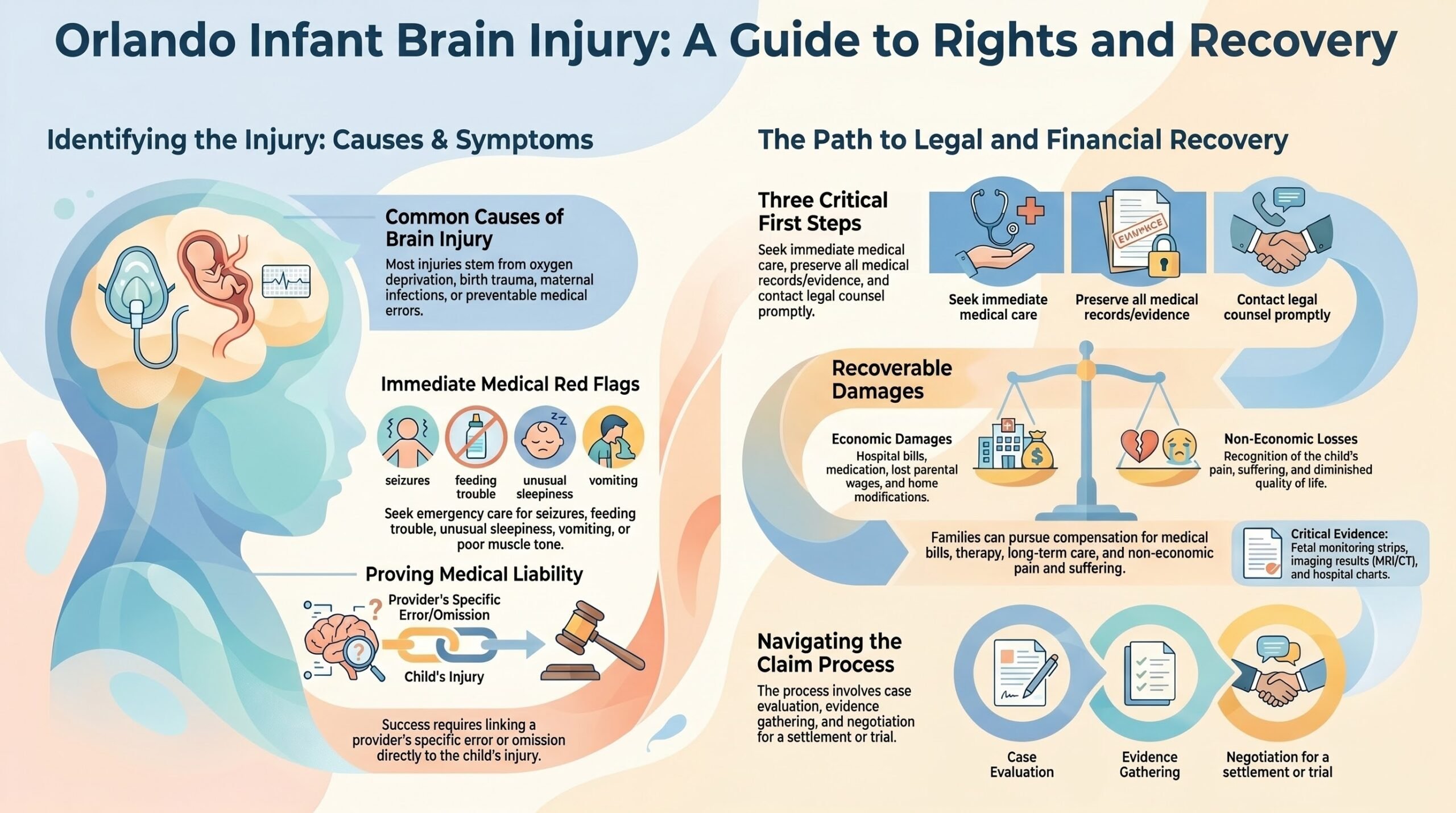
- An Orlando infant brain injury lawyer quickly reviews records, preserves evidence, and identifies negligent hospitals, doctors, or other responsible parties.
- Early legal guidance helps protect medical records, timelines, witness information, and other evidence needed to build a strong claim.
- Families may recover compensation for medical care, therapy, long-term support, assistive equipment, pain and suffering, and related financial losses.
- A lawyer works with medical experts to prove negligence, connect provider errors to the injury, and evaluate future care needs.
- Seek immediate medical care for symptoms like seizures, vomiting, feeding trouble, or unusual sleepiness, then document everything and contact counsel promptly.


How We Can Help With Your Orlando Infant Brain Injury Claim
When your child has suffered a brain injury, you need legal counsel that can assess the facts quickly and act with precision. You also need a team that respects your family’s mission to care well for your child and protect your future. We help you gather records, preserve vital evidence, and communicate with insurers and providers so you can stay focused on daily needs.
You receive clear guidance at each stage of your claim. We evaluate damages, pursue medical reimbursement, and identify available counseling resources that support your household during recovery. We prepare every matter carefully, negotiate from a position of strength, and move forward without delay when litigation becomes necessary.
You can expect honest answers, an organized strategy, and steady advocacy designed to secure meaningful support for your child. Our work is practical, disciplined, and service-minded because your family merits counsel that advances your interests with skill, integrity, and resolve every single day.
OUR CONSULTATIONSARE FREE
START YOUR FREE CASE REVIEW

Understanding Orlando Infant Brain Injury Cases
Because infant brain injury claims often arise from events during pregnancy, labor, delivery, or early neonatal care, understanding how these cases work is vital to protecting your child’s interests. You need clear evidence linking a medical provider’s actions or omissions to the harm your child suffered. That often requires reviewing fetal monitoring, imaging, laboratory results, medication records, and care timelines.
You also must understand how damages are evaluated, including future treatment, therapy, assistive support, and diminished quality of life. In some cases, records may reference neonatal hypothermia as a treatment response, while others may involve warning signs associated with placental abruption. These details can shape how experts assess timing, preventability, and long-term impact.
When you understand the legal and medical framework, you’re better prepared to advocate for accountability. That knowledge helps you pursue resources that support your child, strengthen your family, and allow you to continue serving others with stability and purpose.
Common Causes of Orlando Infant Brain Injury
When you examine the common causes of infant brain injuries in Orlando, you’ll often see birth trauma complications, oxygen deprivation events, and preventable medical negligence errors at the center of these cases. You should also consider maternal infection risks, because untreated or poorly managed infections can seriously affect a baby’s brain development before or during delivery. As you review these causes, you can better understand how medical failures and delivery complications may form the basis of a legal claim.
Birth Trauma Complications
Although labor and delivery can be unpredictable, many infant brain injuries stem from preventable birth trauma complications that occur when medical providers fail to respond appropriately to clear warning signs. You may see harm when clinicians miss a placental abruption, delay treatment for neonatal sepsis, or misuse delivery instruments during a difficult birth.
You are entitled to answers when forceful traction, improper vacuum extraction, or delayed recognition of maternal and fetal distress causes head trauma or intracranial bleeding. Providers must monitor symptoms, communicate clearly, and act within accepted standards.
When they do not, your child may face seizures, developmental delays, or lifelong neurological challenges. By seeking accountability, you help protect your family and support safer care for others in your community. Early legal guidance can preserve evidence and clarify what happened.
Oxygen Deprivation Events
Recognizing oxygen deprivation events early can make the difference between a safe delivery and a serious infant brain injury. During labor and delivery, you may face conditions that reduce a baby’s oxygen supply, including placental insufficiency, umbilical cord compression, prolonged contractions, or maternal blood pressure changes.
When oxygen levels fall, brain cells can suffer damage within minutes, making close observation crucial. You should understand that warning signs may include abnormal fetal heart patterns, poor muscle tone, weak breathing, or bluish skin after birth. In some cases, a newborn needs prompt neonatal resuscitation to restore breathing and circulation.
By recognizing how these events develop, you place yourself in a stronger position to protect vulnerable infants, support families in crisis, and seek timely answers when a preventable brain injury changes a child’s future.
Medical Negligence Errors
Medical negligence can turn a manageable delivery complication into a life-altering infant brain injury. When you seek answers, you merit understanding how preventable mistakes may have harmed your child during labor, delivery, or immediate newborn care.
You may discover that medication errors caused dangerous changes in fetal heart rate, blood pressure, or breathing. You may also learn that diagnostic failures delayed recognition of distress, bleeding, or umbilical cord problems, allowing avoidable damage to develop.
In some cases, providers misread monitoring strips, postpone an emergency cesarean, or fail to respond when a newborn needs timely resuscitation. These errors can interrupt oxygen flow and injure the developing brain. By identifying where care fell below accepted standards, you can pursue accountability, protect your family, and support safer medical practices for others in your community.
Maternal Infection Risks
When a maternal infection develops during pregnancy, labor, or shortly after delivery, it can expose your baby to serious complications that increase the risk of brain injury. If providers miss warning signs, delay testing, or fail to begin prompt treatment, preventable harm may follow. A prenatal infection can reduce oxygen, trigger inflammation, and place dangerous stress on your baby’s developing brain.
You may also face risks after birth when postpartum pathogens spread and compromise recovery for both mother and child. Infections such as chorioamnionitis, group B strep, herpes, and untreated urinary infections demand immediate attention. When medical teams respond quickly, they help protect vulnerable infants and support families who want to serve and care for others well. Careful monitoring and timely intervention can make a pivotal difference in long-term outcomes.


Legal Rights of Orlando Infant Brain Injury Victims
Although an infant brain injury can leave families facing immediate uncertainty, Florida law gives you the right to pursue compensation when another party’s negligence caused the harm. You may seek damages for medical treatment, long-term care, therapy, assistive needs, and other losses tied to your child’s condition. Florida also protects your authority to make decisions regarding Parental consent for treatment, records, and legal representation.
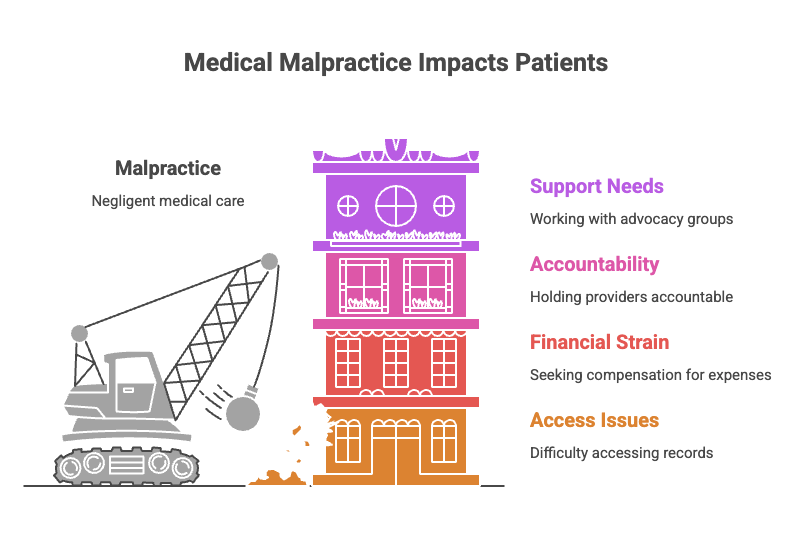
Your legal rights may include:
- Accessing medical records and care information
- Seeking compensation for present and future expenses
- Holding negligent providers or institutions accountable
- Working with Advocacy groups for support and resources
You may also pursue claims when hospitals, physicians, nurses, or other professionals failed to meet accepted standards of care. In some cases, you can recover compensation for pain, suffering, and diminished quality of life. By asserting these rights, you help protect your child’s future and support safer care for other vulnerable families in Orlando.
Steps to Take After an Orlando Infant Brain Injury
After an Orlando infant brain injury, you should seek immediate medical care to protect your child’s health and create a clear record of the injury. You should also preserve crucial evidence, including medical records, photographs, and any notes about what occurred, because those details can matter later. As soon as possible, contact an Orlando lawyer to understand your options and take timely action.
Seek Immediate Medical Care
Because an infant’s brain injury can worsen quickly, you should seek immediate medical care at the first sign of unusual symptoms or distress. Call 911 or go to the nearest emergency room without delay. Prompt action gives physicians the best chance to restore your child and reduce further harm.
When you arrive, clearly describe what you observed, including vomiting, seizures, trouble feeding, unusual sleepiness, or changes in breathing. Medical staff will follow emergency protocols and perform a triage assessment to determine how urgently your infant needs treatment.
Cooperate fully, ask direct questions, and make sure your child receives a thorough evaluation. By acting quickly and responsibly, you serve your infant’s immediate needs and support the medical team’s efforts to protect your child’s brain, health, and long-term development and future well-being.
Preserve Key Evidence
Preserve every record, photo, and communication tied to your infant’s injury as soon as you can. Gather hospital charts, discharge papers, medication lists, imaging results, bills, and notes from every provider. Take clear photographs of visible symptoms, equipment, and the care setting, and save voicemail, emails, and text messages.
Create a dated timeline that records symptoms, treatments, conversations, and changes in your child’s condition. Ask family members or caregivers to write factual observations while memories remain fresh. Protect originals and make secure copies through digital preservation, using organized folders and backups.
If physical items may matter, store them safely and document who handled each one to maintain a clear chain of custody. Careful preservation honors your child’s needs and supports those working to fully understand what happened.
Contact An Orlando Lawyer
Reach out to an Orlando infant brain injury lawyer as soon as your child’s immediate medical needs are addressed, since early legal guidance can help you protect vital evidence, identify responsible parties, and avoid mistakes that may affect your claim. Your attorney can review records, speak with experts, and explain how Florida law applies to your family’s situation.
When you contact counsel promptly, you strengthen your ability to pursue accountability and secure resources for your child’s long-term care. You can also learn whether legal funding may help relieve financial pressure while your case proceeds.
A lawyer may connect you with parent support services, helping you serve your child and others in your community with steadiness and purpose. Timely action gives you a clearer path forward and better protects your family’s interests.
How an Orlando Infant Brain Injury Lawyer Can Help You
When an infant suffers a brain injury, an Orlando infant brain injury lawyer can help you identify what went wrong, determine who may be legally responsible, and take immediate steps to protect your claim. You need clear guidance because early action preserves evidence, secures records, and supports your family’s ability to serve your child well. Your lawyer will assess whether mistakes involved delivery care, delayed treatment, neonatal nutrition, or caregiver training.
A strong attorney can help you by:
- Investigating medical records, staffing decisions, and timelines
- Consulting qualified experts to evaluate preventable errors
- Identifying hospitals, physicians, or other parties who may owe damages
- Handling insurers and legal filings so you can focus on care
You are entitled to an advocate who works carefully, speaks plainly, and builds a case with purpose. By pursuing accountability, you may obtain resources for treatment, home support, and essential services while also encouraging safer practices that protect other children and families in your community.
Long-Term Effects of Orlando Infant Brain Injuries
You may face lasting concerns when your child suffers an infant brain injury, including cognitive and developmental delays that affect learning, communication, and daily progress. You may also see physical and motor challenges, which can limit movement, coordination, and overall independence as your child grows. In addition, you could confront emotional and behavioral effects that shape your child’s relationships, school experience, and long-term well-being.
Cognitive And Developmental Delays
A serious infant brain injury can disrupt the development of attention, memory, language, and problem-solving skills, and those effects may not become fully visible until a child misses vital developmental milestones. You may notice delayed speech, difficulty following directions, limited focus, or problems with sensory processing as your child grows and learns.
These challenges can affect school readiness, social interaction, and everyday independence. With early intervention, you can help your child build communication, learning, and adaptive skills while giving educators and therapists a clearer picture of your child’s needs.
Careful evaluations also help identify whether delays stem from cognitive, language, or emotional regulation difficulties. When you pursue legal accountability, you’re not only protecting your child’s future, you’re securing resources that support long-term care, targeted services, and meaningful opportunities to thrive.
Physical And Motor Challenges
Often, infant brain injuries interfere with muscle control, coordination, balance, and fine motor development, leaving lasting physical limitations that affect how your child moves through daily life. You may notice delayed Motor milestones, weakness, stiffness, or trouble with crawling, walking, grasping, and self-feeding. Balance issues can make standing, climbing stairs, or playing safely far more difficult.
As you care for your child, early therapy and consistent medical support can improve strength, range of motion, and functional independence. Physical, occupational, and speech therapy often work together to address posture, mobility, hand use, and oral-motor skills.
You may also need adaptive equipment, home modifications, and ongoing evaluations as your child grows. Understanding these challenges helps you advocate for practical services that protect your child’s development, safety, and long-term quality of life.
Emotional And Behavioral Effects
Because an infant brain injury can disrupt the parts of the brain that regulate mood, attention, and impulse control, long-term emotional and behavioral effects may emerge gradually and become more apparent as your child grows. You may notice irritability, anxiety, emotional outbursts, difficulty focusing, or problems with social interaction at home, school, and in community settings.
These challenges can strain relationships and place added pressure on your family’s daily routines. With informed Parenting strategies, consistent counseling, and coordinated educational support, you can help your child build self-regulation, communication, and resilience over time.
It’s also important to address Sibling adjustment, since brothers and sisters may feel confused, overlooked, or burdened by changing family dynamics. Early intervention and compassionate guidance can strengthen your child’s progress and protect your family’s well-being.
Proving Liability in Orlando Infant Brain Injury Cases
When an infant suffers a brain injury during pregnancy, labor, delivery, or shortly after birth, proving liability requires more than showing that harm occurred. You must connect the injury to a provider’s negligent act or omission, then show how that failure directly caused lasting damage. This often begins with evidence preservation, including fetal monitoring strips, medication records, imaging, and staff notes.
You also need expert testimony from qualified medical professionals who can explain the accepted standard of care, identify where it was breached, and link that breach to your child’s condition. In Orlando cases, liability may involve physicians, nurses, hospitals, or other providers whose decisions delayed treatment, missed warning signs, or mishandled delivery complications.
You serve your child best by establishing a clear timeline, documenting symptoms, and securing informed legal guidance early on. A thorough investigation can reveal whether preventable errors, rather than unavoidable medical circumstances, caused the injury and support your family’s pursuit of accountability.
Dealing With Insurance Companies After an Orlando Infant Brain Injury
After you’ve identified the parties who may be responsible for your infant’s brain injury, you’ll likely face hospital insurers and malpractice carriers that move quickly to limit exposure. You should approach every call, email, and document request carefully, because insurers often seek statements that reduce the value of your case. Protect your family by keeping records organized, limiting direct conversations, and referring communications to counsel when possible.
You also need to watch claim deadlines closely, since missing one can weaken your ability to pursue accountability and resources for your child’s care. During insurance negotiation, you should focus on documented losses, future medical needs, and the full impact on your household’s ability to serve and support your child well.
Insurers may appear cooperative, yet early offers often fail to reflect long-term therapies, adaptive equipment, and specialized support. Careful preparation helps you respond from a position of strength, stewardship, and informed advocacy for your infant.
What to Expect During an Orlando Infant Brain Injury Claim Process
You can expect your claim process to begin with an initial case evaluation, where your attorney reviews the facts and determines whether you have a strong basis for compensation. From there, you’ll work through gathering medical evidence, filing the claim, and building a clear record of how the injury has affected your child and family. As your case moves forward, your lawyer will prepare for settlement negotiations while staying ready to take your claim to trial if a fair resolution isn’t offered.
Initial Case Evaluation
Because an infant brain injury claim often turns on medical details and timing, the initial case evaluation focuses on identifying what happened, who may be responsible, and whether the available evidence supports a viable legal claim. During this meeting, you explain the pregnancy, labor, delivery, and your child’s early symptoms, while your lawyer listens carefully and asks targeted questions.
You can expect a review of crucial dates, provider roles, and possible legal deadlines, so your family understands the path ahead. Your attorney may also discuss practical concerns, including parental counseling and funding options, because serving your child often requires coordinated support. By the end, you should have a clearer sense of whether to proceed, what immediate steps to take, and how legal guidance may help protect your child’s future and family stability.
Gathering Medical Evidence
Gathering medical evidence often becomes the most demanding stage of an Orlando infant brain injury claim, since the records must show not only what occurred, but also when pivotal decisions were made and whether accepted medical standards were followed.
You’ll help assemble prenatal records, labor and delivery notes, fetal monitoring strips, neonatal charts, and specialist evaluations. Your legal team will coordinate an imaging review of MRIs, CT scans, and ultrasounds to connect findings with timing and possible causes.
You may also need witness statements from nurses, physicians, and treating providers who observed critical events. Maintaining a clear chain of custody for records, scans, and samples protects integrity and supports objective analysis. By organizing complete, reliable evidence, you strengthen your ability to seek accountability and secure resources that help your child and others facing similar harm.
Filing The Claim
Once the evidence is organized, filing the claim initiates the formal legal process and sets a defined timeline for the case. Your attorney prepares the complaint, identifies the responsible parties, and files the action in the appropriate court. You review essential facts carefully, because accuracy supports accountability and protects your child’s interests.
During this stage, you also address practical requirements, including claim timing, service of process, and filing fees. Your lawyer tracks deadlines, confirms jurisdiction, and makes certain each document meets court rules. You may need to provide signatures, updated medical records, and information about your child’s ongoing care.
By responding promptly and staying organized, you help move the case forward efficiently. Careful filing creates a clear record, strengthens credibility, and allows you to pursue justice with purpose and responsibility.
Settlement Or Trial
As your case moves forward, many infant brain injury claims resolve through settlement, though your attorney must also prepare as if a trial will be necessary. You should expect careful settlement negotiation, supported by medical evidence, expert opinions, and a clear calculation of your child’s long-term needs. A strong legal team evaluates every offer against what will truly protect your family and support your child’s future care.
If the other side refuses fair compensation, your attorney advances a focused trial strategy. You may give testimony, review records, and help explain how the injury changed your child’s life and your family’s ability to serve others. Preparation remains crucial because readiness for court often strengthens settlement discussions and positions you to pursue accountability with confidence, clarity, and purpose throughout the entire process.
Compensation for Orlando Infant Brain Injury Damages
Pursue full compensation for the losses your child and family have suffered after an infant brain injury in Orlando. You merit a recovery that reflects your child’s medical needs, future care, and the profound changes this injury has imposed on daily life. A strong claim accounts for hospital treatment, therapy, rehabilitation, assistive equipment, home modifications, and other long-term costs.
You should also seek compensation for the practical demands placed on your household. Infant brain injuries often create a significant caregiver burden, requiring one parent or relative to reduce work hours or leave employment to provide support. When you pursue compensation, you help secure resources that protect your child’s well-being and allow your family to continue serving one another with stability and dignity.
An experienced lawyer can document the full scope of harm, work with trusted experts, and present compelling evidence so you aren’t left carrying financial pressures caused by another party’s negligence alone.
Economic vs Non-Economic Damages in Orlando Infant Brain Cases
When you pursue an Orlando infant brain injury claim, you’ll need to distinguish between economic damages, such as medical expenses, therapy costs, and future care needs, and non-economic losses, including pain, suffering, and diminished quality of life.
You must also show how the injury will affect your child over time, which often requires medical records, expert opinions, and detailed life-care planning. By separating these forms of harm and proving their long-term impact, you strengthen your claim for full and fair compensation.
Economic Damage Categories
Clarity matters at the outset because economic damages and non-economic damages serve different purposes in an Orlando infant brain injury case. Economic damages address the measurable financial costs your family bears while you work to secure your child’s care and stability.
You may recover medical expenses for hospitalization, imaging, medications, therapy, assistive equipment, and future treatment needs. You may also seek compensation for lost wages when you miss work to attend appointments, provide daily care, or respond to emergencies. In many cases, economic damages also include rehabilitation services, home modifications, specialized education support, transportation to providers, and long-term attendant care.
These categories matter because they document what the injury has taken in objective terms, helping you pursue resources that protect your child and strengthen your family’s ability to serve and support others.
Non-Economic Losses
Perspective matters here because non-economic damages address losses that no invoice can fully capture in an Orlando infant brain injury case. When you pursue these damages, you seek recognition for your child’s pain and suffering and for the emotional burdens your family carries while continuing to provide loving, daily care.
These losses may include your child’s discomfort, frustration, diminished enjoyment of ordinary childhood experiences, and loss of enjoyment. They also reflect the strain placed on your family relationships, routines, and sense of peace as you serve your child’s needs with patience and devotion.
Although no award can restore what was taken, non-economic damages meaningfully acknowledge human harm. They help guarantee the legal process values dignity, compassion, and the deeply personal consequences of a preventable injury for your family.
Proving Long-Term Impact
Those personal losses often continue for years, which is why proving long-term impact matters in an Orlando infant brain injury case. You need clear evidence showing how the injury will affect your child’s development, medical needs, and daily functioning over time.
You can support economic damages through treatment records, life-care plans, expert projections, and longitudinal monitoring that documents future therapy, equipment, education, and caregiving costs. You can also prove non-economic damages by showing how the injury limits your child’s quality of life, independence, relationships, and ability to participate in ordinary childhood experiences.
When you present both forms of harm with credible detail, you help the court understand the full scope of the loss. That careful proof can secure the resources your family needs to serve your child well.
When an Orlando Infant Brain Injury Case Goes to Trial vs Settlement
When an Orlando infant brain injury case moves toward resolution, the path may lead to a negotiated settlement or, if the parties can’t agree, to a trial. You must weigh each option carefully, because your choices affect your child’s care, your family’s stability, and your ability to serve loved ones well.
Settlement diplomacy can provide faster support, lower legal expenses, and more privacy. You may avoid the uncertainty of a jury verdict and gain funds for therapy, equipment, and future planning sooner. However, if the insurer minimizes harm or refuses fair compensation, a trial may become necessary. At trial, your attorney presents evidence, examines experts, and asks a judge or jury to decide damages.
In some situations, a bench trial may be appropriate, especially when technical medical issues require focused judicial review. You should evaluate the strength of liability evidence, the credibility of witnesses, and the full value of lifelong needs before accepting any offered resolution.
The Statute of Limitations for Orlando Infant Brain Injury Cases
Because Florida imposes strict filing deadlines on medical malpractice claims, you can’t wait too long to pursue an Orlando infant brain injury case. In many situations, the statute of limitations begins when you knew, or reasonably should’ve known, that malpractice may have caused your child’s injury. Missing that window can prevent your family from seeking accountability and resources that support your child’s care.
Florida law also includes a statute of repose, which can bar claims after a set period, even if you discovered the harm later. Still, certain tolling exceptions may extend the time in limited circumstances, including cases involving fraud, concealment, or very young children.
These rules are highly specific, and courts apply them carefully. If you’re trying to protect your child’s future and honor your responsibility to those who depend on you, understanding these deadlines matters. Careful attention to timing helps preserve evidence, protect your rights, and keep your case eligible for review.
When to Contact an Orlando Infant Brain Injury Lawyer
Often, the right time to contact an Orlando infant brain injury lawyer is as soon as you suspect that a medical mistake during pregnancy, labor, delivery, or newborn care may have harmed your child. You do not need to wait for a final diagnosis before seeking guidance. If your baby shows early signs such as seizures, feeding problems, unusual muscle tone, or developmental delays, prompt action can help you understand what happened.
Reaching out early also supports proper legal timing. Medical records, imaging, and witness accounts can become harder to gather as time passes. By speaking with a lawyer soon, you can take informed steps to preserve important information and protect your child’s future needs.
This can be especially important if doctors offer unclear answers or if your instincts tell you something went wrong. When your family wants accountability and resources for long-term care, timely consultation allows you to move forward with greater clarity, purpose, and confidence.
Why You Need an Experienced Orlando Infant Brain Injury Lawyer
Although any attorney can file a claim, an experienced Orlando infant brain injury lawyer gives you a far stronger ability to identify medical negligence, prove how the injury occurred, and measure the full impact on your child’s future. You need that experience because infant brain injury cases often involve intricate records, expert testimony, and long-term care projections that can shape every part of your family’s life.
An experienced lawyer helps you pursue accountability while protecting your capacity to care for your child and serve your family well. You can rely on careful case development, accurate damage assessment, and a strategy built around both immediate needs and lifelong consequences. That includes securing resources for treatment, therapy, parental support, and financial planning.
With skilled legal guidance, you’re better positioned to recover compensation that reflects medical costs, developmental challenges, and future assistance your child may require. Strong representation also gives you clarity, stability, and confidence during a demanding season.
How to Choose the Right Orlando Infant Brain Injury Lawyer for Your Case
Once you understand the value of experienced representation, the next step is choosing an Orlando infant brain injury lawyer who can handle the medical, legal, and financial intricacies of your case. You should look for counsel with a strong record in birth injury litigation, clear communication, and a genuine commitment to your family’s goals and your child’s future.
Ask how the lawyer approaches Expert selection, because qualified medical consultants often shape the strength of your claim. Evaluate Trial readiness, even if settlement seems likely, since insurers respect firms prepared to present evidence before a jury. Review Legal fees carefully, and make sure you understand costs, contingency terms, and case expenses before you proceed.
You should also consider whether the attorney offers Parental support by answering questions promptly, explaining options plainly, and helping you make informed decisions. When you choose carefully, you strengthen your ability to seek justice, accountability, and resources your child may need for lifelong care.
About The Law Offices of Anidjar & Levine
Guidance matters when your family is evaluating a firm to handle an infant brain injury claim.
You need a law firm that combines legal skill with genuine service, because your child’s future may depend on every decision made now.
At The Law Offices of Anidjar & Levine, you can review attorney biographies to understand each lawyer’s experience, professional background, and commitment to client advocacy.
You can also examine the firm’s history to see how the practice has grown through service, responsiveness, and results for injured families across Florida.
When you work with this firm, you receive direct communication, timely updates, and support that respects the seriousness of your child’s condition.
The team approaches intricate injury matters with preparation and discipline, while keeping your goals at the center of the case.
If you want counsel that values accountability, compassion, and diligent representation, this firm offers a professional foundation for your family’s next steps.
Frequently Asked Questions
Can Grandparents File an Infant Brain Injury Claim in Orlando?
Yes, you can file an infant brain injury claim in Orlando if you have legal authority over the child’s interests. Your ability often depends on your grandparents’ standing and whether you hold custodial rights, guardianship, or court-approved authority. If you’re helping protect a child’s future, you should act quickly, because deadlines apply. A qualified attorney can review your role, confirm standing, and help you pursue compensation for the child’s medical needs.
Are Birth Injuries and Infant Brain Injuries Legally Treated Differently?
Yes, you may see birth injuries and infant brain injuries treated differently under the law, depending on when the harm occurred and what caused it. Birth injuries often involve trauma during labor or delivery, while infant brain injuries may arise before, during, or after birth. Your claim may involve medical malpractice, and in limited circumstances, wrongful birth. You should assess timing, causation, damages, and the responsible parties with care.
Can Social Media Posts Affect an Infant Brain Injury Case?
Yes, your social media posts can affect an infant’s brain injury case. Defense counsel may use digital evidence, including photos, comments, and location data, to challenge your credibility, damages claims, or account of events. Even seemingly harmless posts can create privacy concerns and undermine your efforts to secure justice for your child. You should avoid discussing the case online and ask family members to do the same throughout the legal process.
What Records Should Parents Keep After an Infant Brain Injury?
Keep all medical records, including hospital charts, imaging results, prescriptions, therapy notes, and billing statements. You should also maintain a daily journal documenting symptoms, treatments, changes in behavior, and developmental milestones. Save correspondence with providers, insurers, and caregivers, along with receipts for out-of-pocket expenses. These records help you advocate effectively for your child, support informed care decisions, and provide a clear, reliable account of the injury’s impact.
How Are Expert Witnesses Selected in Infant Brain Injury Cases?
You select expert witnesses by matching each authority’s credentials to the medical issues, causation questions, and standard-of-care concerns in your case. Your legal team vets medical experts and forensic neurologists for board certification, clinical experience, testimony history, and credibility under court rules. You’ll also want experts who explain intricate findings clearly, support the facts with sound methodology, and present opinions that can withstand rigorous cross-examination and judicial scrutiny.
—————————
If your child suffered an infant brain injury in Orlando, you should act quickly to protect your rights and preserve vital evidence.
You can pursue compensation for medical care, long-term support, and other losses when another party’s negligence caused the harm.
With experienced legal guidance, you can build a strong claim and make informed decisions at every stage.
The Orlando Medical Malpractice Lawyer at Law Offices of Anidjar and Levine can help you seek accountability and the financial recovery your family needs.

