

The Orlando Medical Malpractice Lawyer at the Law Offices of Anidjar and Levine can help you act quickly after a suspected medical error, preserve records, coordinate expert review, and protect you from insurer tactics.
You may have a claim if a doctor or hospital failed to meet the accepted standard of care and that failure caused your baby’s death. Your lawyer can investigate prenatal and delivery records, identify liable parties, and pursue damages under Florida law.
The sections below explain what matters most.
Main Takeaways
- An Orlando fetal death injury lawyer can promptly evaluate records, explain Florida legal options, and protect critical filing deadlines.
- Counsel helps collect and preserve evidence, including complete medical records, fetal monitoring strips, pathology reports, and provider communications.
- A valid claim usually must prove duty, breach of accepted medical standards, and a direct causal link to the fetal death.
- Lawyers work with medical experts to identify negligence, analyze treatment delays, and determine whether warning signs were missed.
- An attorney can manage insurers, pursue settlement or litigation, and connect families with bereavement counseling and support resources.
How We Can Help With Your Orlando Fetal Death Injury Claim
Protect your rights by seeking legal guidance as soon as possible after a fetal death caused by suspected medical negligence. When you contact our team, you receive focused support that honors your loss and protects your ability to pursue accountability. We gather records, preserve evidence, consult qualified medical experts, and manage communication with insurers and providers so you can concentrate on your family and community responsibilities.
You are entitled to counsel that serves your interests with diligence and respect. We explain each step clearly, evaluate damages carefully, and build a claim that reflects both immediate and long-term needs. That includes compensation related to medical expenses, lost income, emotional closure, and financial planning after a devastating event. If settlement discussions do not produce a fair result, we prepare your case for litigation and advocate for you with discipline and resolve. Throughout the process, you receive honest guidance, timely updates, and representation centered on justice, service, and accountability.
Understanding Orlando Fetal Death Injury Cases


Because these claims often involve complex medical timelines and legal standards, understanding how Orlando fetal death injury cases work can help you make informed decisions after a preventable loss. You may need to show that a provider owed a duty of care, failed to meet accepted standards, and caused the death through prenatal negligence or other medical error.
OUR CONSULTATIONSARE FREE
START YOUR FREE CASE REVIEW

Your case often depends on records, expert review, and a clear timeline of treatment, testing, and communication. You can strengthen your claim by preserving documents, noting symptoms, and identifying everyone involved in your care. Florida law may limit the time you have to act, so prompt legal guidance matters. An attorney can evaluate liability, explain damages, and protect your right to seek accountability. While legal action cannot undo your loss, it can support safer practices and honor your child’s memory. You should also seek bereavement support, because informed care for your family matters during every step.
Common Causes of Orlando Fetal Death
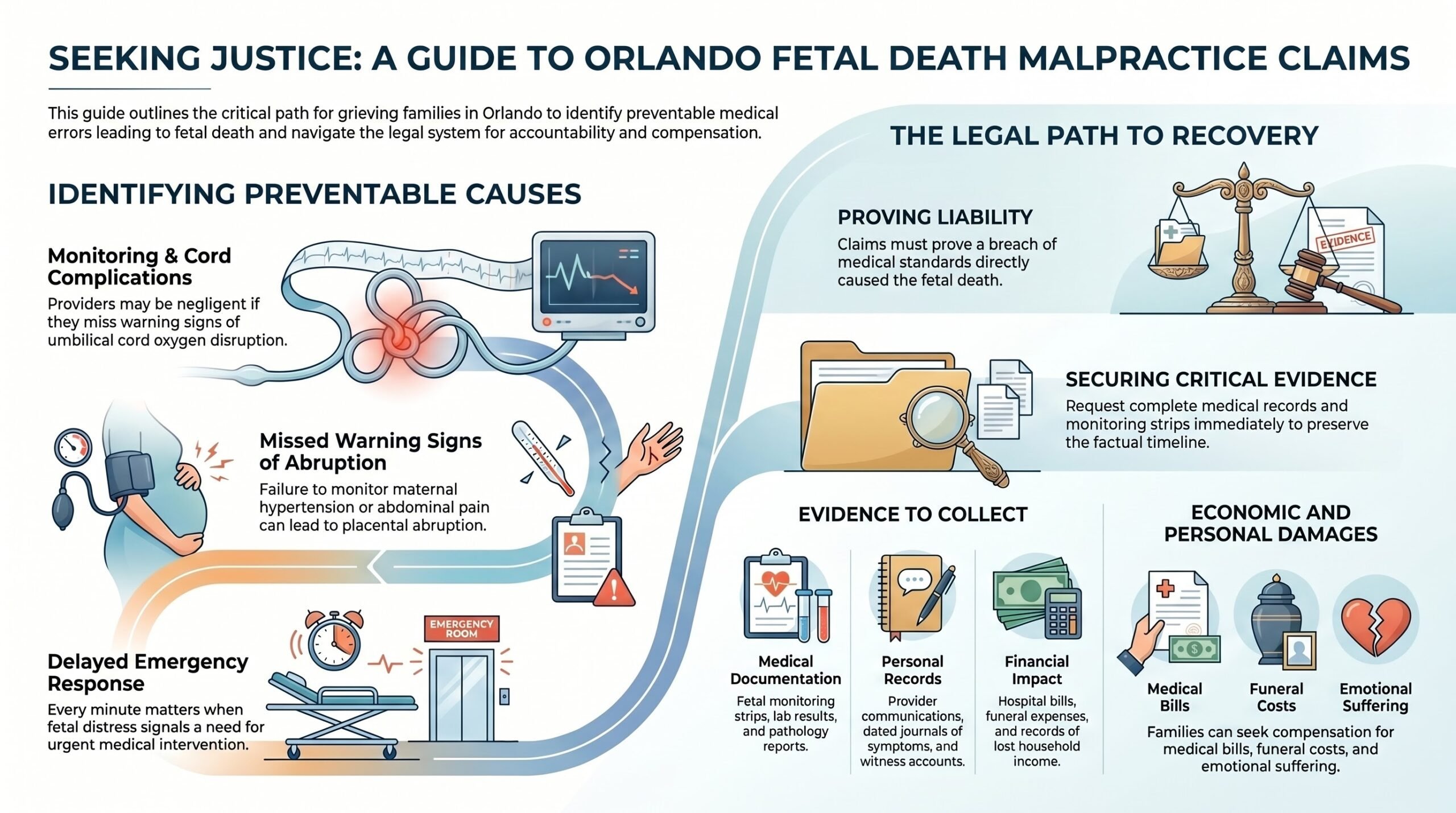
When you examine the common causes of Orlando fetal death, you’ll often find preventable medical issues at the center of the case. You should closely consider umbilical cord complications, placental abruption risks, and untreated maternal infections, because each can place a pregnancy in immediate danger. You’ll also want to assess whether a delayed emergency response worsened the outcome and contributed to a fatal injury.
Umbilical Cord Complications


Umbilical cord complications can disrupt a baby’s oxygen and blood supply within minutes, turning a manageable labor into a medical emergency. You may hear terms like cord knotting, cord prolapse, compression, or vasa previa, each of which poses serious danger when providers miss warning signs or delay intervention.
When your medical team serves families with vigilance, they should monitor fetal heart patterns, respond to distress, and act quickly when the cord becomes compromised. You depend on careful assessment during pregnancy and labor, especially when ultrasound findings or symptoms suggest elevated risk. If providers fail to recognize a preventable cord emergency, the consequences can be devastating for your child and your family. Understanding how these complications arise helps you ask informed questions, protect those you love, and seek accountability when accepted standards of care are not met.
Placental Abruption Risks
Although placental abruption may begin suddenly, it often develops from identifiable risk factors that demand prompt medical attention. You should understand how Maternal hypertension can weaken placental attachment and reduce essential blood flow. Smoking exposure also raises danger by damaging blood vessels and limiting oxygen delivery. If you serve expectant families, recognizing these risks helps you advocate for timely evaluation and protective care.
You should also know that abdominal trauma, substance use, prior abruptions, and advanced maternal age can increase the likelihood of separation before birth. When providers miss warning signs such as vaginal bleeding, abdominal pain, uterine tenderness, or frequent contractions, the consequences can become devastating. By encouraging immediate assessment and careful monitoring, you help protect both mother and child when every moment matters most.
Untreated Maternal Infections
Beyond placental complications, untreated maternal infections can also place a pregnancy at severe risk and, in some cases, lead to fetal death. If your provider overlooks warning signs, infections may spread quickly, causing inflammation, oxygen deprivation, and devastating harm to your baby.
You rely on medical professionals to identify fever, abdominal tenderness, abnormal discharge, or lab results that suggest infection. A missed screening for Group B strep, urinary tract infection, or sexually transmitted disease can prevent timely treatment. Untreated chorioamnionitis is especially dangerous because it can compromise the uterus, placenta, and fetal well-being within hours. When caregivers fail to monitor, test, or treat maternal infection appropriately, you and your family may face avoidable loss. Holding negligent providers accountable can help protect other families and promote safer, more attentive care.
Delayed Emergency Response
When a medical emergency develops during pregnancy or labor, every minute matters, and a delayed response can quickly place your baby in grave danger. If providers fail to recognize fetal distress, summon experts, or begin urgent treatment, oxygen loss and other complications can become irreversible within minutes.
You rely on hospitals, nurses, physicians, and emergency personnel to act without hesitation when signs worsen. Yet EMS delays, poor communication, and staffing shortages can slow transport, monitoring, and emergency delivery. When that happens, your child may lose the chance for timely intervention. In a community devoted to protecting families, every caregiver should respond with skill, urgency, and coordination. If that duty is ignored, an avoidable fetal death may follow, and you may have grounds to seek accountability for your loss and pursue justice.
Legal Rights of Orlando Fetal Death Injury Victims
If a healthcare provider’s negligence caused the loss of your unborn child, Florida law may give you the right to pursue a claim for the damage you’ve suffered. You may seek accountability when medical errors, delayed treatment, or preventable failures contribute to fetal death. Your rights may include compensation for related medical expenses, emotional suffering, and other legally recognized losses under Florida law.
Florida law may allow families to seek accountability and compensation when medical negligence contributes to fetal death.
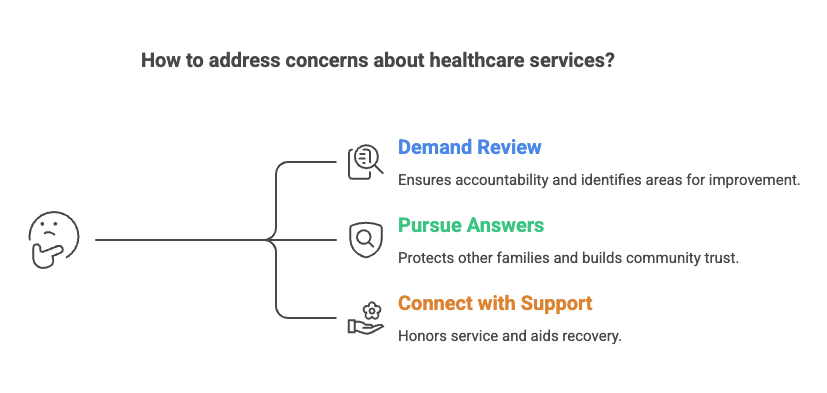
- You can demand a careful review of records, policies, and provider conduct.
- You may pursue answers that protect other families and strengthen community trust.
- You can connect your experience with bereavement support that honors service and recovery.
- You may also support legislative advocacy that promotes safer maternal and fetal care.
Steps to Take After an Orlando Fetal Death Injury
After an Orlando fetal death injury, you should request the complete medical record as soon as possible, because those documents can clarify what happened and when. You should also preserve vital evidence, including discharge papers, test results, communications with providers, and any notes you have about the care you received. Once you’ve secured that information, you should consult an Orlando lawyer who can assess your potential claim and protect your interests from the outset.
Seek Immediate Medical Records
In the immediate aftermath of a fetal death injury, you should request complete medical records from every provider involved in your care, including the hospital, obstetrician, nurses, emergency staff, and any consultants. Ask for all medical documentation, admission notes, monitoring strips, lab results, imaging reports, discharge instructions, physician correspondence, and chart summaries. Prompt records access helps you understand what occurred and supports informed decisions for your family and those you serve.
You should make requests in writing, keep copies, and note each provider’s response date. If a facility delays, follow up firmly and document the contact. Review the file for missing pages, unclear entries, or unexplained gaps. Complete records can clarify timelines, identify treatment decisions, and help trusted professionals promptly evaluate whether your care met accepted medical standards under Florida law.
Preserve Critical Evidence
Medical records provide a foundation, but you should also preserve every other piece of evidence connected to an Orlando fetal death injury as soon as possible. Save discharge papers, prescriptions, appointment notes, billing statements, emails, text messages, and photographs of visible conditions or hospital surroundings. Keep names of providers, dates, times, and conversations in a dated journal.
Protect originals and store copies in a secure location. If you receive fetal monitoring strips, pathology reports, ultrasound images, or medication packaging, avoid altering them. Careful evidence preservation helps maintain accuracy and credibility. You should also document who handled each item and when, creating a clear chain of custody. By organizing these materials promptly and respectfully, you strengthen the factual record and support accountability for everyone affected, including your family and caregiving community.
Consult An Orlando Lawyer
At this stage, consulting an Orlando lawyer can help you protect your rights, evaluate whether negligence contributed to the fetal death injury, and prevent critical mistakes early in the process. You need clear guidance, because medical providers and insurers may begin shaping the narrative before all facts are known. An attorney can review records, identify signs of birth negligence, and explain your legal options with precision.
When you seek counsel promptly, you strengthen your ability to serve your family through informed decisions and careful action. Your lawyer can preserve deadlines, coordinate expert review, and manage communications so you do not face added pressure alone. You also gain an advocate who will pursue accountability respectfully, helping you seek answers, protect your interests, and honor your child through responsible legal action.
How an Orlando Fetal Death Injury Lawyer Can Help You
When a preventable error leads to fetal death, an Orlando fetal death injury lawyer can help you identify what went wrong, preserve vital evidence, and determine whether a healthcare provider or facility may be legally responsible.
You merit clear answers, compassionate guidance, and an advocate who protects your rights while you focus on your family and service to others.
- Your lawyer reviews medical records, fetal monitoring strips, and hospital policies to uncover deviations from accepted care.
- Your lawyer works with qualified experts to connect negligent acts or delays to the loss you suffered.
- Your lawyer handles insurers and legal filings, so you can seek accountability without carrying the full burden alone.
- Your lawyer may also connect you with bereavement counseling and support groups that help you care for yourself and those around you.
Long-Term Effects of Orlando Fetal Death Injuries
You may face lasting emotional trauma after a fetal death injury, and that harm can affect your daily life, mental health, and ability to recover. You may also see strain in your family relationships, as grief often changes communication, trust, and how you support one another. In addition, you may face serious financial and legal burdens, including medical expenses, lost income, and the challenges of pursuing accountability.
Emotional Trauma Aftermath
Because a fetal death injury often shatters a family’s sense of safety and expectation, the emotional aftermath can extend far beyond the initial loss. You may experience persistent sadness, intrusive memories, anxiety, guilt, or difficulty trusting medical providers. These responses can disrupt sleep, concentration, work, and your ability to care for others with the steadiness you value.
Over time, unresolved trauma can affect your physical health and spiritual well-being, especially when you feel compelled to stay strong for everyone around you. Seeking grief counseling and trauma therapy can help you process the loss, reduce isolation, and restore a measure of stability. With compassionate support, you can honor your child, bolster your resilience, and move forward with purpose, even while carrying sorrow that remains deeply significant over time.
Family Relationship Strain
Handling a fetal death injury can place sustained pressure on the relationships that matter most, as grief often affects each family member differently and on a different timeline. You may find that communication weakens, patience shortens, and ordinary responsibilities become harder to share with care and consistency.
As you try to support one another, Interpersonal trust can suffer when sorrow is expressed through silence, anger, or withdrawal. Your partner may grieve privately while you seek conversation, creating tension neither of you intended. Extended family, though often well-meaning, may offer advice or expectations that deepen misunderstandings. You might also feel isolated from friends who want to help but do not understand your loss. With time, compassionate counseling, honest dialogue, and mutual grace, you can begin rebuilding stability, connection, and a shared sense of purpose.
Financial And Legal Burdens
While grief often takes center stage after a fetal death injury, the financial and legal consequences can continue to disrupt your life long after the initial loss. You may face Medical expenses for emergency treatment, diagnostic testing, follow-up care, counseling, and future reproductive evaluations. Burial costs can add another layer of pressure when your household is already strained.
You may also lose income from missed work, reduced productivity, or time spent managing claims and records. Insurance disputes, hospital billing errors, and questions about liability can demand careful attention. If negligence played a role, you may need legal guidance to protect your rights and pursue accountability. By addressing these burdens promptly, you can protect your family’s stability, preserve vital evidence, and create space to continue serving those who depend on your strength daily.
Proving Liability in Orlando Fetal Death Injury Cases
Although each case turns on its own facts, proving liability in an Orlando fetal death injury case usually requires clear evidence that a doctor, hospital, or other medical provider failed to meet the accepted standard of care and that this failure directly caused the loss.
To establish that claim, you must show how the provider’s actions departed from what a reasonably careful professional would have done under similar circumstances. Medical records, fetal monitoring strips, lab results, and hospital policies often reveal crucial failures. Because burden allocation matters, you need evidence linking the mistake to the death, not merely proof that a poor outcome occurred. In most cases, expert testimony explains what competent care requires, identifies the breach, and connects the breach to the fatal result.
You also strengthen your case by preserving timelines, witness accounts, and treatment details. When you pursue accountability with care and discipline, you honor your family’s loss and help protect other patients in your community from preventable harm.
Dealing With Insurance Companies After an Orlando Fetal Death Injury
Respond promptly and carefully when an insurance company contacts you after an Orlando fetal death injury, because the carrier’s goal is often to limit what it pays rather than fully account for your loss. You should keep every communication brief, factual, and consistent, because early statements can affect how the insurer evaluates your position and your family’s needs.
As you serve your family and protect your community’s well-being, document calls, save letters, and gather records before discussing details. Many insurers use insurer tactics such as requesting broad authorizations, pushing quick recorded statements, or framing questions to minimize responsibility. You should avoid speculation and resist pressure to accept a low offer before fully understanding the impact of the injury. Strong claim negotiation depends on organized evidence, clear boundaries, and careful review of any release or settlement language.
By staying composed and informed, you help preserve your rights and strengthen your ability to pursue accountability and meaningful financial recovery.
What to Expect During an Orlando Fetal Death Injury Claim Process
You can expect your claim to begin with an initial case evaluation, where your attorney reviews the facts, assesses liability, and explains your legal options. From there, your lawyer investigates medical records and related evidence to determine whether negligence contributed to the fetal death and to build a strong claim. Once that work is complete, your attorney files the claim and pursues a fair settlement, while preparing to take your case to trial if the opposing party won’t resolve it appropriately.
Initial Case Evaluation
At the outset of an Orlando fetal death injury claim, the initial case evaluation gives you a clear picture of whether the facts support legal action and what evidence will matter most. During this meeting, you explain what happened, when concerns first arose, and how providers responded to your symptoms and questions.
Your attorney listens carefully, identifies possible failures in care, and outlines the legal path ahead. You can also discuss how prenatal counseling and bereavement support affected your family’s experience, because those details may help show the full impact of the loss. The evaluation also addresses timing, potential defendants, and whether expert review will likely be necessary. By the end, you should understand your options, your responsibilities, and how a thoughtful claim can pursue accountability while honoring your child and serving your family’s needs.
Medical Record Investigation
Gathering the medical record is one of the most important stages in an Orlando fetal death injury claim, because those documents often show what providers knew, what they did, and whether their decisions met the accepted standard of care. Your attorney reviews prenatal charts, hospital notes, fetal monitoring strips, lab results, imaging, and internal communications to identify gaps, delays, or inconsistencies. If a provider withholds records, counsel may use a medical subpoena to secure complete production.
You can also expect careful redaction of records to protect unrelated private information while preserving the evidence that matters. As your legal team studies timelines, orders, and responses, they work to understand whether earlier intervention could have changed the outcome. This investigation builds a factual foundation, helping you pursue accountability with purpose, dignity, and service to your family.
Filing The Claim
Once the record review clarifies how the loss occurred and who may be responsible, the next step is to file the claim within Florida’s required deadlines and procedural rules. Your lawyer prepares the notice, identifies each liable party, and submits supporting facts from the medical investigation. You help by gathering bills, correspondence, and records tied to bereavement counseling and funeral logistics. This stage also requires confirming the proper estate representative, documenting damages, and preserving evidence so your claim remains complete and timely. Throughout filing, you should expect clear updates, careful drafting, and firm attention to statutory requirements.
By meeting each obligation promptly, you protect your family’s right to seek accountability and resources that can support recovery, honor your child’s memory, and strengthen your ability to serve others through compassionate action.
Settlement Or Trial
As the claim moves forward, many cases resolve through settlement, while others proceed to trial when the evidence, liability disputes, or damages demand a courtroom decision. You should expect your attorney to evaluate medical records, expert opinions, and witness testimony to measure risk and strengthen settlement leverage.
If settlement discussions continue, you may review offers, weigh long-term financial needs, and decide whether resolution serves your family and broader sense of accountability. If trial becomes necessary, your lawyer prepares exhibits, expert testimony, and arguments designed to explain how negligence caused the loss. You should also understand jury dynamics, because jurors respond to credibility, clarity, and compassion grounded in facts. Whether through settlement or verdict, your goal remains the same: pursuing justice, honoring your child, and encouraging safer care for others in Orlando.
Compensation for Orlando Fetal Death Injury Damages
Because a fetal death injury can impose profound financial and personal losses, Florida law may allow you to pursue compensation for the damages your family has suffered. You may have grounds to seek payment for medical bills related to prenatal care, emergency treatment, hospitalization, and follow-up care after the loss. You may also request reimbursement for bereavement counseling and memorial expenses, which often become necessary as you care for your family and honor your child.
Compensation can also address the practical consequences that disrupt your household and your ability to continue serving others. If you missed work, needed additional medical support, or faced other loss-related costs, those expenses may be part of your claim. An attorney can help you document your losses, identify responsible parties, and present persuasive evidence to insurers or the court. By taking prompt action, you protect your rights and strengthen your ability to pursue the full compensation Florida law may provide.
Economic vs Non-Economic Damages in Orlando Fetal Death Cases
In an Orlando fetal death case, you may seek economic damages for measurable financial losses, such as medical expenses and related costs, while non-economic damages address the personal harm you’ve suffered, including pain, suffering, and emotional distress. You’ll also need to show how these losses are valued, because economic damages often rely on records and bills, while non-economic losses require persuasive evidence of their impact on your life. To recover full compensation in court, you must prove both categories of damages with clear documentation, credible testimony, and a well-supported legal claim.
Economic Damages Explained
When you pursue a fetal death claim in Orlando, economic damages address the measurable financial losses tied to the medical event, while non-economic damages compensate for harms that don’t come with a fixed price. In practice, you may seek reimbursement for hospital bills, specialist visits, diagnostic testing, medication costs, and other documented expenses.
You may also recover lost wages if treatment, recovery, or related responsibilities kept you from work. If the tragedy resulted in funeral expenses, those costs may also qualify as economic damages when supported by records. Your attorney will gather invoices, receipts, payroll information, and expert assessments to present a clear calculation. By organizing this evidence carefully, you strengthen your claim and help assure the court or insurer evaluates the financial impact with fairness, accuracy, and proper legal weight under Florida law.
Non-Economic Losses Valued
Although these losses don’t appear on a bill or receipt, non-economic damages can reflect some of the most profound harm caused by a fetal death. You may endure grief, mental anguish, loss of companionship, and the disruption of your family’s emotional foundation, even when no visible measures of suffering.
In these cases, psychological valuation helps assign a reasonable value to injuries that affect your daily life, relationships, and sense of purpose. Your need for bereavement counseling also reflects the depth of harm, not simply a treatment expense. When you seek accountability, non-economic damages recognize human loss with dignity and seriousness. They acknowledge that your pain matters, that your family’s emotional well-being merits protection, and that justice should consider more than direct financial costs. This broader view serves families with compassion and respect.
Proving Damages In Court
Courts don’t award damages based on sympathy alone; you must support each claimed loss with reliable evidence and a clear link to the wrongful conduct that caused the fetal death. To prove economic damages, you present bills, insurance records, wage documents, and funeral expenses. To prove non-economic damages, you show how the loss affected your daily life, relationships, and emotional well-being.
You strengthen your case through expert testimony from physicians, economists, and mental health professionals who explain causation, future costs, and the depth of injury. Your lawyer also uses witness statements, medical records, and timelines to connect each damage claim to the defendant’s conduct. A proper jury instruction helps jurors separate economic losses from non-economic harm, so they can return a fair verdict grounded in law and service to justice.
When a Orlando Fetal Death Injury Case Goes to Trial vs Settlement
Because insurers and healthcare providers often weigh their own financial exposure before accepting responsibility, an Orlando fetal death injury case may resolve through settlement or proceed to trial based on the strength of the evidence, the scope of the damages, and the parties’ willingness to mend in good faith.
You need a legal team that evaluates trial dynamics and builds a disciplined settlement strategy from the start. If the defense offers fair compensation, settlement can reduce delay, protect your privacy, and spare your family additional strain. If liability remains disputed, experts conflict, or the offer minimizes the loss you’ve suffered, trial may become the better path. In court, your attorney can present records, testimony, and medical analysis to show how negligence caused devastating harm. A thoughtful lawyer will counsel you with honesty, prepare every claim as if it will be tried, and pursue the outcome that best serves accountability, restoration, and your family’s future needs with steadfast care.
The Statute of Limitations for Orlando Fetal Death Injury Cases
After weighing whether a claim should settle or proceed to trial, you must also protect your right to bring the case at all by acting within the statute of limitations. In Florida fetal death injury matters, statute timelines can control whether a court will hear your case, regardless of its validity. If you wait too long, the claim may be barred.
You serve your family and honor your child’s memory by understanding these deadlines early. In some situations, the clock begins when the injury occurred, while in others it may begin when the harm was discovered or reasonably should have been discovered. Limited filing exceptions can affect the deadline, but they apply narrowly and require careful factual support. Claims involving medical negligence may also include pre-suit requirements that do not erase core timing rules. Because courts enforce these limits strictly, prompt attention to records, dates, and notice requirements helps preserve your ability to seek accountability and justice.
When to Contact an Orlando Fetal Death Injury Lawyer
At the earliest practical stage, you should contact an Orlando fetal death injury lawyer as soon as you suspect that medical negligence, a delivery complication, or a preventable prenatal error contributed to your child’s death. Prompt action helps preserve records, secure witness accounts, and protect vital evidence before memories fade or documents disappear. It also allows you to understand immediate deadlines without delay.
You should also reach out when a provider offers inconsistent explanations, omits information, or fails to answer reasonable questions about testing, monitoring, treatment, or emergency response. If you are reviewing hospital records, seeking prenatal counseling, or arranging bereavement support, legal guidance can help you organize information and make informed decisions while continuing to care for your family and community. Early contact is especially important if an autopsy, placental pathology review, or internal hospital investigation is pending, because those findings may shape the factual timeline and clarify whether preventable mistakes occurred during your care.
Why You Need an Experienced Orlando Fetal Death Injury Lawyer
When a fetal death may have resulted from substandard prenatal or delivery care, you need an experienced Orlando fetal death injury lawyer to identify what happened, determine whether the provider violated the accepted standard of care, and protect your right to pursue accountability under Florida law.
You also need counsel who can secure records, consult qualified experts, and connect medical decisions to the harm your family suffered. An experienced lawyer understands how delayed intervention, missed warning signs, improper monitoring, birth trauma, or consent violations can reveal negligence. That knowledge helps you present a clear claim supported by evidence, not speculation.
How to Choose the Right Orlando Fetal Death Injury Lawyer for Your Case
Choosing the right Orlando fetal death injury lawyer affects both the strength of your claim and the clarity of the legal guidance you’ll receive during a highly complicated case. You should look for an attorney with direct experience handling fetal death claims, birth trauma matters, and cases involving wrongful delivery.
Ask how the lawyer investigates medical records, consults qualified experts, and explains liability in clear terms. You need someone who communicates promptly, respects your family’s goals, and understands that your case may help protect other patients from similar harm. Review the firm’s history with negotiations and courtroom litigation, because insurers often challenge causation and damages aggressively.
You should also evaluate whether the lawyer offers a practical strategy, transparent fees, and steady support throughout the process. When you choose counsel carefully, you place your case in capable hands and strengthen your ability to pursue accountability, truthful answers, and meaningful justice for your family and community.
About The Law Offices of Anidjar & Levine
Guided by years of experience in personal injury and medical negligence litigation, The Law Offices of Anidjar & Levine represents families in Orlando with a focused, methodical approach to complex fetal death injury claims. You receive responsive guidance, careful case preparation, and direct communication designed to help you make informed decisions during a difficult time.
When you review the firm’s history, you see a record of advocating for injured clients and holding negligent parties accountable through disciplined legal work. The attorneys and staff emphasize service, accessibility, and practical support, so you can concentrate on your family while your case moves forward.
Client testimonials often describe professionalism, compassion, and consistent follow-through, reflecting a commitment to treating every matter with seriousness and respect.
If you need a law firm that values preparation, clear counsel, and meaningful client service, you can turn to The Law Offices of Anidjar & Levine for experienced representation grounded in diligence, integrity, and results.
Frequently Asked Questions
Can I Switch Lawyers During My Fetal Death Injury Case?
Yes, you can switch lawyers during your fetal death injury case if another attorney can better serve your family’s interests. You should review your fee agreement, because changing counsel may affect costs, liens, or fee disputes. You’ll also want to avoid delays by transferring records promptly and notifying the court when required. Before you decide, ask new counsel how they’ll protect your claim, communicate clearly, and honor prior work.
Will Pursuing a Claim Affect My Immigration Status?
Usually, pursuing a valid civil claim won’t affect your immigration status, but you should evaluate possible immigration consequences with qualified counsel. You can strengthen your position through careful documentation strategies, including medical records, financial losses, and case communications. If you serve your family by seeking accountability, keep every filing accurate and consistent. You should also coordinate your personal injury attorney with an immigration lawyer, so your claim remains properly presented.
Are Fetal Death Injury Settlements Taxable in Florida?
In Florida, fetal death injury settlements usually aren’t taxable when they compensate you for personal physical injuries or sickness. You should still review the tax implications carefully, because portions tied to punitive damages, interest, or non-physical claims may be taxable. Federal rules generally control, not Florida income tax law. You can serve your family best by confirming settlement exclusions with an attorney and a qualified tax professional before you sign anything.
Can Grandparents File a Claim for Fetal Death Injuries?
Generally, you can’t file a claim as grandparents unless state law gives you standing rights or you serve as the child’s legal representative. You should first determine whether the parents hold the primary claim for fetal death injuries, because they usually do. If medical negligence also involves wrongful conception, you may have limited involvement. To serve your family well, you should review the facts promptly with qualified counsel in your state.
How Long Should I Keep Medical Records After Settlement?
You should keep medical records for at least seven years after settlement, and longer if minors, tax issues, or future claims could arise. Your medical retention plan should protect documents that may support care, benefits, or legal questions affecting those you serve. Before record disposal, confirm no court orders, insurer requirements, or state rules apply. You should store copies securely, including digital backups, so you can retrieve them when needed.
—————————
If you’ve suffered a fetal death injury in Orlando, you need clear guidance and strong legal support. You can protect your rights by acting promptly, preserving records, and seeking counsel from an experienced attorney.
With the right representation, you’ll be better positioned to investigate the cause, identify liable parties, and pursue fair compensation.
The Law Offices of Anidjar and Levine can help you move forward with a focused strategy and committed advocacy during this difficult time.
For more information, contact an Orlando Medical Malpractice Lawyer.

