

The Law Offices of Anidjar and Levine can review pregnancy, labor, delivery, and newborn records to assess whether a provider’s care may have caused a child’s injury. A birth injury alone does not establish negligence; qualified medical review must examine the applicable standard of care, causation, and resulting harm. Florida law imposes deadlines and procedural requirements, so timely legal guidance can help families understand their options and preserve relevant evidence. Families can learn more about a Miami Personal Injury Lawyer and the considerations and possible next steps involved.
Main Takeaways
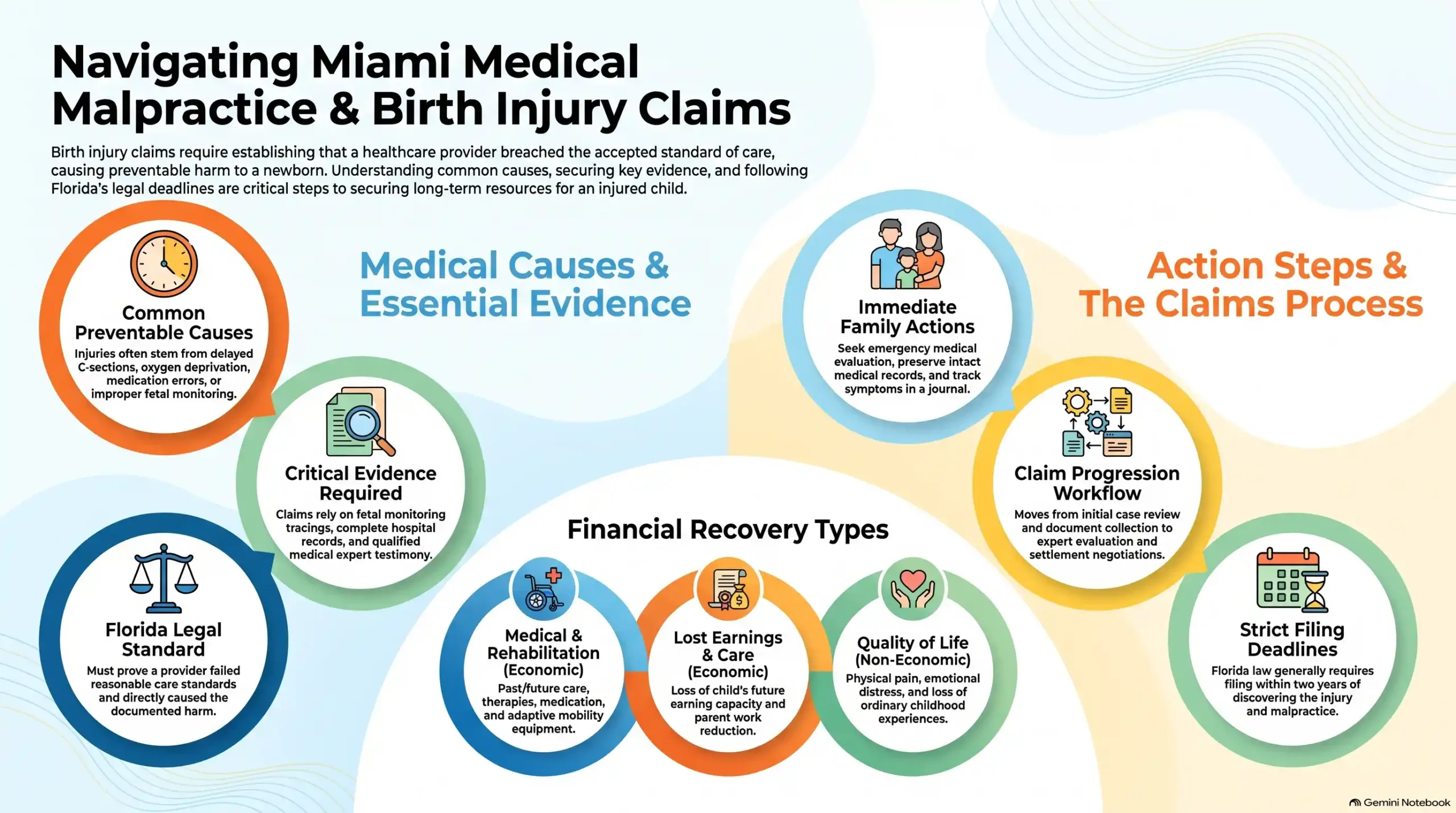
- A Miami birth injury lawyer can review whether medical care during pregnancy, labor, delivery, or newborn treatment may have caused preventable harm.
- Birth injuries alone do not prove malpractice; qualified experts must assess whether providers met applicable standards and caused the child’s injury.
- Relevant evidence may include prenatal and hospital records, fetal monitoring tracings, medication records, imaging, and therapy evaluations.
- Florida law imposes deadlines and procedural requirements for medical malpractice claims, so timely legal guidance may matter.
- A potential claim may seek compensation for medical care, rehabilitation, assistive services, and other documented needs; outcomes are not guaranteed.


How We Can Help With Your Miami Medical Malpractice General Birth Injury Claim
When a birth injury may have resulted from medical negligence, an experienced Miami attorney can help families understand their legal options and protect their interests. The attorney’s role may begin with Claim Evaluation, including a careful review of available medical records, treatment timelines, and information about the child’s needs. This process helps determine whether further investigation is appropriate and identifies questions that may require attention from qualified medical professionals.
Family Advocacy also involves clear communication and practical guidance. Counsel can explain relevant procedures, outline potential next steps, and help caregivers organize documents while they focus on supporting the child. If a claim proceeds, the attorney may coordinate with experts, communicate with involved parties, and present the family’s concerns through the appropriate legal channels.
Each family’s circumstances are different, so advice should reflect the specific facts and applicable law. A measured, informed approach can help caregivers make decisions with greater confidence, seek accountability, and prioritize the child’s well-being and future support.
OUR CONSULTATIONSARE FREE
START YOUR FREE CASE REVIEW

Understanding Miami Medical Malpractice General Birth Injury Cases
Understanding a Miami birth injury malpractice case begins with identifying the medical care involved and determining whether it fell below the applicable standard of care. A careful review considers providers’ responsibilities, the circumstances surrounding treatment, and the injury’s documented effects. Birth Injury Definitions help distinguish physical harm sustained during pregnancy, labor, delivery, or newborn care from conditions unrelated to medical treatment. These distinctions guide the assessment but do not establish liability on their own.
Medical Negligence Standards require evidence that a provider failed to act as a reasonably careful professional would under comparable circumstances and that the failure caused harm. The analysis may involve medical records, timelines, and qualified professional opinions. It also considers whether the injury and resulting needs are supported by reliable evidence. Families seeking to protect a child’s well-being may benefit from understanding how these legal principles apply to the facts. Each case depends on its individual medical history, applicable law, and the strength of the available evidence.
Common Causes of Miami Medical Malpractice General Birth Injury
Common causes of birth injuries may include a delayed C-section when urgent delivery is needed and improper fetal monitoring that fails to identify signs of distress. Oxygen deprivation during birth can also result from delays in recognizing or responding to complications. Medication mistakes and errors during delivery may further contribute to preventable harm to the infant.
Delayed C-Section
A delayed C-section may expose a baby to prolonged oxygen deprivation or other preventable harm when signs of fetal distress require prompt delivery. In Miami birth injury cases, the central question may be whether the care team recognized the need for an urgent cesarean and acted within a medically reasonable period. C-section timing can depend on the mother’s condition, the baby’s status, and the urgency of delivery. Sound surgical decision-making requires weighing these factors without avoidable delay, while arranging the staff and resources needed for surgery. A delay may occur when an emergency is not escalated, consultation is postponed, or preparations proceed too slowly. Not every delay constitutes negligence; a careful review of the circumstances and applicable standards is needed to determine whether timely intervention could have reduced the risk of injury.
Improper Fetal Monitoring
Alongside timely decisions about delivery, reliable fetal monitoring helps the care team identify signs that a baby may not be tolerating labor. Monitoring protocols guide how often staff assess fetal heart rate patterns and respond to concerning changes. Proper tracing interpretation requires attention to the pattern over time, the mother’s contractions, and relevant clinical circumstances. Errors may occur when equipment is applied incorrectly, readings are not reviewed consistently, or abnormal patterns are overlooked or documented inaccurately. Communication among nurses, physicians, and other care team members is also critical, particularly when findings require prompt assessment. A failure to follow established procedures can delay appropriate evaluation and affect decisions about labor management. Careful monitoring and clear documentation support safer care for families and help identify whether accepted standards were followed. Each birth’s circumstances require individual review.
Birth-Related Oxygen Deprivation
Birth-related oxygen deprivation occurs when a baby receives too little oxygen before, during, or shortly after delivery, and it may result from complications such as placental problems, umbilical cord compression, or prolonged labor. Neonatal hypoxia can interfere with the brain and other organs, with effects ranging from temporary difficulties to lasting developmental disabilities. The severity depends on how long oxygen levels remain low and how quickly the underlying problem is addressed. Medical teams must recognize signs of fetal distress, assess relevant risks, and respond promptly to changing conditions. When oxygen deprivation is suspected, timely evaluation and appropriate care can help limit potential harm. Families seeking answers may benefit from a careful review of the pregnancy, labor, delivery, and newborn records to understand what occurred and whether the response met accepted standards of care.
Medication and Delivery Errors
Medication and delivery errors can cause preventable harm when clinical teams fail to use appropriate drugs, doses, monitoring, or delivery techniques. During labor, Medication errors may involve administering a drug that is unsuitable for the patient, giving it at the wrong time, or failing to monitor its effects. Dosage mistakes involving labor-inducing medications, pain relief, or anesthesia can affect a parent’s or infant’s health. Delivery errors may occur when clinicians delay a necessary cesarean birth, use instruments improperly, or fail to respond to signs of fetal distress. These actions can contribute to oxygen deprivation, physical injury, or other complications. Careful assessment, clear communication, and timely intervention help protect families. When preventable errors are suspected, medical records and expert review can help determine whether care met accepted standards and caused harm.
Don’t Wait. Call Our Florida Personal Injury Lawyers Now!


Legal Rights of Miami Medical Malpractice General Birth Injury Victims
When a birth injury may have resulted from medical negligence, the child and family may have legal rights under Florida law. Those rights may include seeking compensation when evidence establishes that a healthcare provider’s failure to meet the applicable standard of care caused harm. A careful review can clarify available options and help protect the child’s future needs.
Depending on the circumstances, families may pursue:
- Payment for medical care, rehabilitation, and assistive services
- Compensation for related financial losses and the child’s ongoing needs
- A claim brought by a parent or legal representative on the child’s behalf
- Access to records and independent review to assess potential negligence
Florida law sets deadlines and procedural requirements for medical malpractice claims, so timely guidance can be important. Patient advocacy may help families understand their choices while keeping the child’s welfare central. In cases involving birth trauma, documentation of treatment, diagnoses, and long-term effects can support an informed legal assessment. No outcome is guaranteed; each claim depends on its facts and applicable law.
Why Do Miami Medical Malpractice General Birth Injuries Happen?
Birth injuries may occur for several reasons, including complications during pregnancy or labor, delayed recognition of fetal distress, improper use of delivery instruments, or errors in medication and monitoring. Some conditions arise despite appropriate care, while others may stem from preventable failures in assessment or response.
Maternal infections can affect fetal development or expose a newborn to serious illness during delivery. Genetic conditions may also contribute to physical or neurological complications, independent of medical negligence. During labor, inadequate monitoring can prevent clinicians from identifying changes in the baby’s heart rate or oxygen supply in time. Delays in responding to these warning signs may increase the risk of harm.
Other concerns include incorrect medication dosages, failure to manage pregnancy complications, and improper use of forceps or vacuum devices. Birth injuries can also result from difficult positioning or prolonged labor. Determining the cause requires careful review of medical records and the circumstances surrounding pregnancy, labor, and delivery. Understanding potential causes can help families and care providers recognize the importance of attentive, coordinated maternity care.
What Should You Do After a Miami Medical Malpractice General Birth Injury?
After a suspected birth injury, the child should receive immediate medical care so clinicians can assess needs and begin appropriate treatment. The family should preserve medical records, test results, and related communications to document the care provided. A birth injury lawyer can review the circumstances and explain potential legal options.
Seek Immediate Medical Care
If a newborn or mother shows signs of injury following a delivery, prompt medical evaluation should take priority, even if the symptoms appear mild. Emergency evaluation can identify complications that are not immediately obvious and help clinicians determine whether urgent treatment is needed. A newborn with breathing difficulties, unusual responsiveness, feeding problems, seizures, or changes in skin color requires prompt attention. The mother should also be assessed for severe bleeding, intense pain, fever, or other concerning changes after delivery. In a hospital or emergency department, clinicians can assess both patients, provide neonatal stabilization when necessary, and arrange appropriate follow-up care. If symptoms are severe or rapidly worsening, contact emergency services rather than delaying for a routine appointment. Timely care supports patient safety and may reduce the risk of preventable complications.
Preserve Medical Records
While medical care remains the priority, preserving records can help clarify what occurred during pregnancy, labor, delivery, and the newborn’s care. Families can request copies of prenatal charts, ultrasound reports, labor and delivery notes, medication records, discharge summaries, and pediatric evaluations from each provider or facility. They should also retain billing statements, appointment notes, messages, and written instructions, organizing materials by date and keeping originals unchanged. Record preservation includes saving electronic communications and documenting when records were requested or received. Hospitals and clinics may follow different retention policies, so make requests promptly, especially for electronic monitoring data or other materials that may not be kept indefinitely. A complete, orderly file can help caregivers coordinate ongoing treatment and provide an accurate account of the child’s medical history to professionals involved in care.
Consult a Birth Injury Lawyer
Consulting a birth injury lawyer can help a family understand whether medical care during pregnancy, labor, delivery, or newborn treatment may have fallen below accepted standards. An attorney can review available records, explain how medical negligence is assessed, and identify questions that may require independent medical review. An Attorney consultation can also clarify deadlines for filing a claim, which may depend on the child’s age, the circumstances, and applicable Florida law. Families should bring relevant records, a timeline of events, and documentation of the child’s diagnosis and ongoing needs. The lawyer can discuss case eligibility, possible legal options, and the evidence needed to support a claim. This guidance may help families pursue accountability and resources for a child’s care while allowing them to make informed decisions without assuming that an injury alone proves negligence.
Critical Evidence in a Miami Medical Malpractice General Birth Injury Case
Establishing a birth injury claim requires evidence that clarifies what occurred during labor and delivery and how the child was harmed.
Essential materials may include:
- Maternal and neonatal medical records
- Fetal monitoring data
- Expert testimony on the standard of care and causation
- Documentation of the child’s injuries and ongoing needs
Together, these sources can help assess whether medical negligence contributed to the injury.
Medical Records
Medical records often provide the clearest evidence of how a birth injury occurred and whether it could have been prevented. These documents may show the care team’s assessments, diagnoses, treatment decisions, medication administration, and communications with the family. Reviewing entries across prenatal care, labor, delivery, and newborn care can help clarify the sequence of events and identify changes in the child’s condition. Complete records also allow qualified reviewers to assess whether decisions met accepted standards of care and whether different actions might have reduced harm.
Hospitals and providers must follow applicable Record retention requirements, while privacy safeguards protect sensitive information during collection and review. Families seeking answers may request records through authorized channels and keep copies organized. Missing, delayed, or inconsistent documentation may warrant careful examination, though it does not, by itself, establish negligence.
Fetal Monitoring Data
Alongside written medical records, fetal monitoring data can help establish how a baby responded during labor and whether signs of distress were recognized and addressed. These records may include electronic tracings of the fetal heart rate and uterine contractions, along with notes about interventions and changes in care. A careful strip review can show when concerning patterns began, how long they continued, and whether the clinical team responded within an appropriate period. Signal interpretation requires attention to the tracing’s context, including labor progression and documented maternal conditions. The data may also help identify gaps between observed warning signs and recorded actions. When considered with other evidence, monitoring records can clarify the sequence of events and support a fair assessment of whether care met applicable standards. Their preservation and accurate review are consequently important.
Expert Testimony
When a birth injury claim turns on complex clinical decisions, qualified expert testimony can help explain whether the care met accepted professional standards. In Miami cases, experts may assess whether clinicians responded appropriately to fetal monitoring findings, communicated concerns, and followed accepted practices during labor and delivery. Their analysis can help a court understand medical issues that may otherwise be difficult to evaluate.
Expert qualifications matter. A witness’s training, clinical experience, and familiarity with relevant standards help establish whether the testimony is reliable and pertinent. Testimony preparation may include reviewing available records, identifying the questions that require medical explanation, and developing clear, evidence-based opinions. Experts should distinguish established facts from assumptions and explain their reasoning without overstating conclusions. Careful, impartial testimony supports a fair assessment of the care provided and helps decision-makers understand the claim better.
Injury Documentation
Expert testimony may explain how a birth injury occurred, while contemporaneous documentation helps establish the child’s condition and the care provided. Medical records can show prenatal concerns, delivery events, diagnoses, treatment decisions, and follow-up recommendations. Families may request copies of hospital charts, imaging, therapy notes, and expert evaluations, then keep them organized by date. Photo documentation may record visible changes or assistive devices, provided images are dated and stored securely. A symptom journal can track feeding difficulties, movement limitations, sleep disruption, pain indicators, and developmental changes. Entries should identify dates, observations, and relevant communications with clinicians without drawing unsupported conclusions. This information may help medical professionals assess the child’s needs and allow an attorney to evaluate potential claims. Careful records can support informed decisions and efforts to secure appropriate services.
Long-Term Effects of Miami Medical Malpractice General Birth Injury Injuries
Long-term effects of birth injuries may include physical disabilities that limit mobility, coordination, or daily activities. Some children also experience challenges with cognitive development that affect learning, communication, or problem-solving. Ongoing medical needs may involve therapy, tailored care, assistive devices, or regular monitoring.
Physical Disabilities
Physical disabilities after a birth injury may affect a child’s movement, strength, coordination, or ability to perform daily activities. Mobility limitations can make walking, grasping objects, or completing personal care tasks difficult, with the extent of impairment varying from child to child. Some children may benefit from physical therapy, occupational therapy, or other supportive services that build functional skills and promote independence. Adaptive equipment, such as braces, walkers, or specialized seating, may help a child participate more safely at home, school, and in the community. Care plans often require ongoing assessment as a child grows and needs change. Families and caregivers can work with qualified professionals to identify practical supports and coordinate services. When a birth injury results from preventable medical negligence, records of treatment and disability-related needs may help clarify the long-term impact.
Cognitive Development Challenges
Beyond movement and daily living needs, a birth injury may affect a child’s cognitive development, including learning, memory, attention, communication, and problem-solving. These challenges can influence how a child participates in school, builds relationships, and develops independence. Some children experience learning differences that require individualized instruction, classroom accommodations, or additional time to complete tasks. Difficulties with Executive function may affect planning, organizing, regulating emotions, or shifting between activities. The nature and extent of these effects vary, and developmental progress may become clearer as academic and social demands increase. Families and educators can support a child by recognizing strengths, documenting concerns, and coordinating appropriate educational assessments. When a birth injury is suspected to have resulted from medical negligence, records of developmental evaluations and school supports may help clarify the child’s needs and the injury’s lasting impact.
Ongoing Medical Needs
Depending on the nature and severity of a birth injury, a child may need ongoing medical care throughout childhood and into adulthood. Treatment may involve regular visits with experts, medication management, surgery, or monitoring for complications that develop over time. Ongoing therapies, including physical, occupational, and speech services, can help support mobility, communication, and daily functioning. Some children also rely on adaptive equipment, such as braces, wheelchairs, or communication devices, to participate more safely and independently at home, school, and in the community.
Care needs can change as a child grows, making coordinated planning important. Families may work with physicians, therapists, educators, and other professionals to adjust services and equipment. When medical negligence caused an injury, documented long-term needs can help clarify the resources required to support the child’s health and development.
Proving Liability in Miami Medical Malpractice General Birth Injury Cases
Proving liability in a Miami birth injury case requires evidence that a medical professional failed to meet the accepted standard of care and that this failure caused the child’s injury. Establishing the Standard of care often involves reviewing medical records, fetal monitoring data, delivery notes, and hospital policies. Qualified medical experts may explain what a reasonably careful provider would have done under similar circumstances, such as responding to signs of fetal distress or managing labor complications.
A thorough causation analysis connects the alleged lapse to the specific harm. It considers whether timely assessment, treatment, or delivery could have prevented or reduced the injury, while accounting for other possible causes. The evidence may also clarify which providers or institutions had responsibility at each stage of care. Families seeking accountability can benefit from preserving relevant records and documenting the child’s diagnosis and treatment. A carefully supported claim helps decision-makers evaluate the facts and determine whether negligence contributed to the child’s condition.
Don’t Wait. Call Our Florida Personal Injury Lawyers Now!
Dealing With Insurance Companies After a Miami Medical Malpractice General Birth Injury
After a potential birth injury claim is identified, communication with insurers can affect how evidence is gathered and how the claim is evaluated. Insurance adjusters may request medical records, statements, or authorizations while reviewing the circumstances and potential losses. Families can protect the accuracy of the record by keeping copies of correspondence, noting important conversations, and avoiding guesses about medical events or a child’s future needs. Questions about broad document requests or recorded statements may warrant careful review before providing a response.
Settlement offers may arrive before the child’s long-term condition and care requirements are fully understood. An early payment can appear helpful, yet accepting it may limit the ability to seek additional compensation later, depending on the agreement and applicable law. A careful evaluation should consider documented treatment, anticipated services, and the effect on family resources. Legal counsel can communicate with insurers, clarify requests, and assess whether proposed terms reflect the available evidence. This measured approach supports families seeking appropriate care and accountability.
What to Expect During a Miami Medical Malpractice General Birth Injury Claim Process
A birth injury claim typically begins with an initial case review to assess the circumstances and identify potential legal issues. Qualified experts then collect and review relevant medical records, evaluating whether the care met accepted standards and contributed to the injury. The process proceeds toward claim resolution through negotiation or, when necessary, litigation.
Initial Case Review
During an initial case review, a Miami birth injury lawyer examines the available medical records, the circumstances of the delivery, and the child’s diagnosed or suspected injuries. The review helps clarify the family’s concerns and identify questions that may require further investigation. During an Initial consultation, the lawyer may ask about the child’s condition, the care provided before and during birth, and any lasting effects on the family. This discussion also gives caregivers an opportunity to understand the legal process and consider how a claim might support the child’s future needs. The lawyer assesses case eligibility by considering whether the information suggests a possible departure from accepted medical standards and a connection to the injury. This preliminary assessment does not determine the outcome, but it helps establish whether further legal review is warranted.
Medical Record Collection
Once a claim proceeds beyond the initial review, medical record collection helps establish what care was provided and when. Counsel may submit a Record request to hospitals, physicians, laboratories, and other providers involved in prenatal care, labor, delivery, and newborn treatment. The requested materials can include charts, test results, medication records, monitoring data, discharge instructions, and billing documents. Each provider may have separate procedures, authorization forms, and response timelines, so careful tracking helps prevent gaps. Families can assist by identifying facilities and clinicians and sharing available records, while preserving original documents and correspondence. Attention to document retention is also important because providers may follow different policies for keeping records. Organized, complete records create a reliable account of the care and support a fair evaluation of the family’s concerns.
Expert Review
With medical records assembled, qualified experts can assess whether the care provided met applicable standards and whether any departure may have contributed to a birth injury. An independent review may involve physicians in obstetrics, neonatology, or other relevant fields, depending on the circumstances. They examine records such as prenatal notes, fetal monitoring results, delivery documentation, and newborn assessments. The review considers the timing of decisions, the information available to providers, and whether appropriate responses were taken. Experts may also evaluate how the child’s condition relates to the care received, while distinguishing medical conclusions from assumptions. This medical assessment can identify questions that require further investigation and clarify the strengths or limitations of the available evidence. Findings are typically documented for legal counsel to weigh when evaluating the claim and determining what additional information may be needed.
Claim Resolution
After the medical review, a birth injury claim may proceed toward settlement discussions or litigation, depending on the evidence and the parties’ positions. Settlement negotiations typically involve reviewing medical records, expert opinions, and documented losses, including future care needs. A careful claim valuation considers the child’s treatment, rehabilitation, education, and long-term support, as well as the family’s related expenses and losses. The parties may exchange offers and supporting information while evaluating the case’s strengths and risks. If they reach an agreement, its terms are documented, and required approvals may apply, particularly when compensation is intended for a minor. If negotiations do not resolve the dispute, the claim may proceed through court, where evidence is presented, and a judge or jury determines responsibility and damages. Throughout the process, accurate documentation supports informed decisions and protects the child’s interests.
Compensation for Miami Medical Malpractice General Birth Injury Damages
Compensation in a Miami birth injury malpractice case may address the child’s medical needs, lost future earning capacity, and the effects of lasting physical or cognitive impairments. A well-supported claim can cover anticipated care, assistive services, specialized education, and necessary changes to the home or transportation. These resources may help families provide consistent support while protecting the child’s long-term well-being.
The amount available depends on the evidence, applicable law, and the circumstances of the injury. Compensation Caps may limit certain awards, so legal counsel can assess how current Florida rules apply to a particular case. Structured Settlements may also provide payments over time, helping guarantee funds remain available for future needs rather than being exhausted early. Families and their representatives can consider how a proposed resolution addresses ongoing responsibilities and preserves financial stability. Medical records, professional assessments, and care plans can help establish the scope of support required and guide a resolution that serves the injured child’s interests.
Economic vs Non-Economic Damages in Miami Medical Malpractice General Birth Injury Cases
Birth injury damages may include economic losses, such as medical expenses, rehabilitation costs, and future care needs. Non-economic damages address harms that are not readily measured in financial terms, including pain, suffering, and diminished quality of life. Proving these losses generally requires relevant records, expert assessments, and evidence connecting the injury to the claimed harm.
Economic Damages
In Miami medical malpractice birth injury cases, economic damages address the measurable financial losses caused by a child’s injury. These losses may include past and future medical care, rehabilitation, prescription medication, assistive equipment, and necessary home modifications. Records from healthcare providers and qualified experts can help establish the services a child may require over time and their projected costs.
A parent who reduces work hours or leaves employment to provide care may also experience Lost Wages. In some cases, the value of household services the parent can no longer perform may be considered. Economic damages may also include specialized education, transportation, and other documented expenses related to the injury. Careful documentation helps clarify these financial needs and supports a claim focused on securing resources for the child’s ongoing care and development.
Non-Economic Damages
Financial losses are only one part of a birth injury claim; non-economic damages address the injury’s effects on a child’s comfort, abilities, and quality of life. These damages recognize harms that do not have a direct price, including physical discomfort, emotional distress, and the loss of ordinary experiences. Pain and Suffering may reflect ongoing pain, fear, or limitations associated with the injury. Loss of Enjoyment may address a child’s reduced ability to participate in play, learning, relationships, or other age-appropriate activities. In Miami medical malpractice cases, the nature and extent of these effects depend on the child’s circumstances and the injury’s impact over time. Non-economic damages differ from medical expenses and other measurable financial losses, but they remain an important part of a claim seeking accountability and support for the child’s well-being.
Proving Birth Injury Losses
A birth injury claim must establish both the losses the child has experienced and the losses reasonably expected in the future. Economic damages may include medical bills, rehabilitation, assistive equipment, and the cost of Future care. Records from treating providers, life-care plans, and qualified expert opinions can help explain the services required and their projected costs. If the injury affects the child’s ability to work as an adult, evidence may also support a claim for lost earnings. Non-economic damages address harm that does not have a direct price, such as pain, emotional distress, and diminished quality of life. Medical documentation and testimony may help describe these effects. In Miami malpractice cases, clear evidence connecting the provider’s conduct to each claimed loss is critical to a reliable assessment of compensation.
When a Miami Medical Malpractice General Birth Injury Case Goes to Trial vs Settlement
Whether a Miami birth injury malpractice case proceeds to trial or settles depends on the strength of the evidence, the parties’ assessment of liability and damages, and their willingness to resolve the dispute. Settlement Negotiations may allow a family to obtain compensation without the uncertainty, expense, and delay of a courtroom decision. Discussions can address the child’s ongoing care, support needs, and other documented losses, while giving both sides greater control over the outcome. A settlement generally requires agreement on the amount and terms.
If negotiations do not produce an acceptable resolution, the case may proceed to trial. Trial Preparation involves organizing medical records, consulting qualified experts, preparing witnesses, and presenting evidence clearly and persuasively. A judge or jury then evaluates the evidence and decides whether the parties are responsible and what compensation, if any, is appropriate. The process can be demanding for families, so counsel may explain likely stages and practical considerations. Each case requires an individual assessment rather than a guaranteed prediction.
Florida Laws That May Affect Your Miami Medical Malpractice General Birth Injury Case
Because Florida law sets strict rules for medical malpractice claims, those rules may affect how a Miami birth injury case is investigated and pursued. These requirements help ensure claims receive careful review while preserving families’ ability to seek accountability for preventable harm. Several rules may shape the process:
Florida’s malpractice rules shape how Miami birth injury claims are investigated, reviewed, and pursued.
- Presuit screening: Before filing suit, a claimant generally must investigate the allegations and provide notice supported by a qualified medical expert’s opinion.
- Expert testimony: Medical experts may need to explain how the provider’s conduct fell below the accepted standard of care and caused injury.
- Florida damage caps: Florida law limits certain malpractice damages, but their application can depend on the claim and current legal authority.
- Comparative fault: A court may consider whether another party contributed to the injury, which can affect recoverable damages.
These rules can influence evidence gathering, case strategy, and potential recovery. Families seeking to protect an injured child’s interests may benefit from understanding these requirements before deciding on a claim.
Don’t Wait. Call Our Florida Personal Injury Lawyers Now!
The Statute of Limitations for Miami Medical Malpractice General Birth Injury Cases
Deadlines for filing a Miami medical malpractice birth injury claim can depend on when the injury was discovered, the child’s age, and the circumstances of the alleged negligence. Florida law generally requires a medical malpractice action to be filed within two years after the incident is discovered, or should have been discovered, and its connection to the injury. A separate four-year statute of repose may bar claims regardless of when the harm became apparent, subject to limited statutory provisions.
Birth injury claims involving children may raise questions about minor exceptions. Florida law provides specific rules for minors, but those rules do not automatically suspend every filing deadline or remove the statute of repose. The applicable period can also depend on whether a parent brings a claim for the child or for related losses. Because missing a Limitations deadline may prevent recovery, families seeking accountability and support for an injured child should promptly confirm the relevant dates and legal requirements. Each case turns on its facts.
How a Miami Medical Malpractice General Birth Injury Lawyer Can Help You
A Miami medical malpractice birth injury lawyer can help a family assess whether negligent care contributed to a child’s injury and identify the legal steps needed to pursue a claim. The lawyer may review medical records, consult qualified professionals, and explain how evidence relates to applicable legal standards. This work can help families make informed decisions while keeping the child’s needs central.
A lawyer may also:
- Gather and organize records related to pregnancy, delivery, and newborn care.
- Seek expert review of whether providers met accepted standards.
- Calculate documented expenses and consider future care needs.
- Manage communications with insurers and opposing counsel.
Clear Family communication helps ensure caregivers understand the process and can share relevant information. A lawyer can provide emotional support through consistent guidance, while recognizing that legal representation does not replace clinical or counseling services. By handling procedural and evidentiary tasks, counsel may allow families to focus more attention on caregiving and community support. Each claim depends on its facts, available evidence, and governing law.
When to Contact a Miami Medical Malpractice General Birth Injury Lawyer
Prompt contact with a Miami medical malpractice birth injury lawyer may help a family understand its options when a child’s injury could be connected to care during pregnancy, delivery, or after birth. Families may seek guidance when a newborn experiences unexpected complications, receives a diagnosis affecting development, or requires treatment that raises questions about earlier care. Early warning signs can include delayed milestones, difficulty feeding, seizures, or concerns raised by medical providers, though these issues alone do not establish that malpractice occurred.
A family does not need to know the cause of an injury before requesting an initial discussion. Timely contact may help preserve relevant records and clarify what information could be important, while the child’s medical needs remain the priority. Choosing counsel involves considering whether the lawyer handles birth injury matters and can explain the review process clearly. Families may also ask about communication, fees, and anticipated next steps. A careful, prompt inquiry can help caregivers make informed decisions while supporting the child and coordinating appropriate care.
Why You Need an Experienced Miami Medical Malpractice General Birth Injury Lawyer
When a birth injury may be linked to medical care, an experienced Miami medical malpractice birth injury lawyer can help assess whether the available facts warrant further investigation. Birth injury claims can involve intricate medical records, delivery decisions, and questions about whether care met accepted standards. Attorney experience can help clarify these issues and identify evidence that may support or weaken a claim.
A lawyer may consult qualified medical professionals, organize relevant records, and explain how the injury could affect a child’s future needs. This work can help families understand their options while keeping the child’s well-being central. A thoughtful case strategy also addresses deadlines, potential damages, and the practical demands of pursuing a claim. Because each birth and injury presents different circumstances, careful analysis is crucial before drawing conclusions.
Legal guidance can also reduce the burden of maneuvering unfamiliar procedures during a difficult period. With informed support, families can make considered decisions and focus on securing appropriate care and resources for their child.
How to Choose the Right Miami Medical Malpractice General Birth Injury Lawyer for Your Case
Choosing the right Miami medical malpractice birth injury lawyer requires more than reviewing credentials or familiarity with local courts. Families should assess whether a lawyer has handled cases involving birth injuries, medical negligence, and the intricate evidence these claims may require. Attorney Credentials, including relevant experience and professional standing, can help indicate whether counsel is prepared to evaluate the circumstances carefully.
A thoughtful consultation also gives families an opportunity to reflect on Communication Style. The lawyer should explain legal options clearly, answer questions directly, and provide realistic information about potential challenges. Families caring for a child with significant needs may value counsel who listens respectfully and recognizes the practical demands of caregiving without promising outcomes.
Before deciding, prospective clients can ask who will manage the case, how updates will be provided, and what records or expert assessments may be needed. Comparing answers helps families identify a lawyer whose approach is transparent, attentive, and suited to the case’s specific needs.
About The Law Offices of Anidjar & Levine
The Law Offices of Anidjar & Levine represents individuals and families in personal injury matters, including claims involving birth injuries.
The firm’s work includes helping parents understand their legal options when a child may have been harmed during pregnancy, labor, delivery, or newborn care.
Its attorneys can review available records, consult qualified medical professionals, and assess whether the care provided met applicable standards.
Firm history reflects a practice focused on representing people facing serious injuries and the consequences that follow.
In birth injury matters, that work may involve investigating complicated medical events and pursuing compensation for a child’s ongoing needs.
The firm’s role is to explain the process, communicate with clients, and present evidence supporting a claim.
The attorney philosophy emphasizes attentive service, careful preparation, and accountability.
Families may need clear information while making difficult decisions about a child’s care and future.
The firm can provide legal guidance, address questions, and help clients evaluate potential next steps without promising a particular outcome.

Frequently Asked Questions
Can a Birth Injury Affect a Child’s Eligibility for Government Benefits?
A birth injury may affect a child’s eligibility for government benefits, but eligibility depends on the child’s medical needs, functional limitations, and household circumstances. A child with a qualifying disability may receive Supplemental Security Income, subject to federal medical and financial requirements. Medicaid eligibility may also be available through income-based rules or disability-related pathways. Families should review current state requirements and consult qualified benefits professionals to assess options and protect access to necessary care.
What Support Services May Help a Child With a Birth Injury?
A child with a birth injury may benefit from coordinated medical, developmental, educational, and family support services. Early intervention can provide therapies that address communication, movement, and daily living skills during important developmental years. Depending on the child’s needs, physical, occupational, or speech therapy may continue through school and community programs. Assistive technology, including communication devices or mobility equipment, can support greater participation. Care coordinators can help families identify services and manage referrals.
Can Parents Pursue a Claim if Their Child’s Condition Appears Years Later?
Yes, parents may pursue a claim when a child’s condition appears years later, but eligibility depends on the facts and applicable law. A Delayed Diagnosis may affect when the family could reasonably identify a possible medical error, yet it does not automatically extend filing deadlines. Limitation Periods can be complicated, especially for claims involving children, and may vary by jurisdiction. Prompt review of medical records and timely legal guidance can help protect the child’s interests.
How Can Families Plan for a Child’s Future Care Needs?
Families can plan for a child’s future care by obtaining regular medical and developmental assessments, then translating professional recommendations into a written care plan. Long-term budgeting should account for treatment, therapies, equipment, education, and possible changes in caregiver support. Families may also evaluate adaptive housing, transportation, and community services to promote safety and participation. Coordinating with clinicians, educators, financial planners, and trusted relatives can help guarantee that decisions remain practical as needs evolve.
Are Birth Injury Claims Different When Multiple Healthcare Providers Were Involved?
Yes. Birth injury claims may become more complicated when multiple healthcare providers participated in prenatal care, labor, delivery, or neonatal treatment. Provider liability depends on each professional’s conduct, role, and applicable standard of care. Shared responsibility may arise if several providers’ actions or omissions contributed to the injury. A careful review of medical records and timelines can help clarify each provider’s involvement and support a fair assessment of accountability and the child’s future care needs.
—————————
Birth injuries can create lasting medical, developmental, and financial challenges for a child and family.
When negligence may have contributed, a careful review of medical records and the circumstances can help determine whether a legal claim may be available.
The Law Offices of Anidjar and Levine can assess the matter, explain applicable deadlines, and discuss potential next steps.
Families should seek qualified legal guidance promptly to protect their rights and make informed decisions about pursuing accountability and compensation.
Learn more from a Miami Personal Injury Lawyer.