

The Law Offices of Anidjar and Levine can investigate whether a preventable error during pregnancy, labor, delivery, or newborn care harmed a parent or child. A claim generally requires evidence that a provider failed to meet accepted standards and that the failure caused injury. Medical records, fetal monitoring strips, and qualified medical review may help establish what happened. Florida deadlines and procedures can affect legal options. Learn more from a Miami Personal Injury Lawyer. The following information explains common concerns, evidence, and possible next steps.
Main Takeaways
- A Miami birth-injury lawyer can assess whether prenatal, labor, delivery, or newborn care fell below accepted medical standards.
- An adverse outcome alone does not prove malpractice; evidence must connect a provider’s error to the injury.
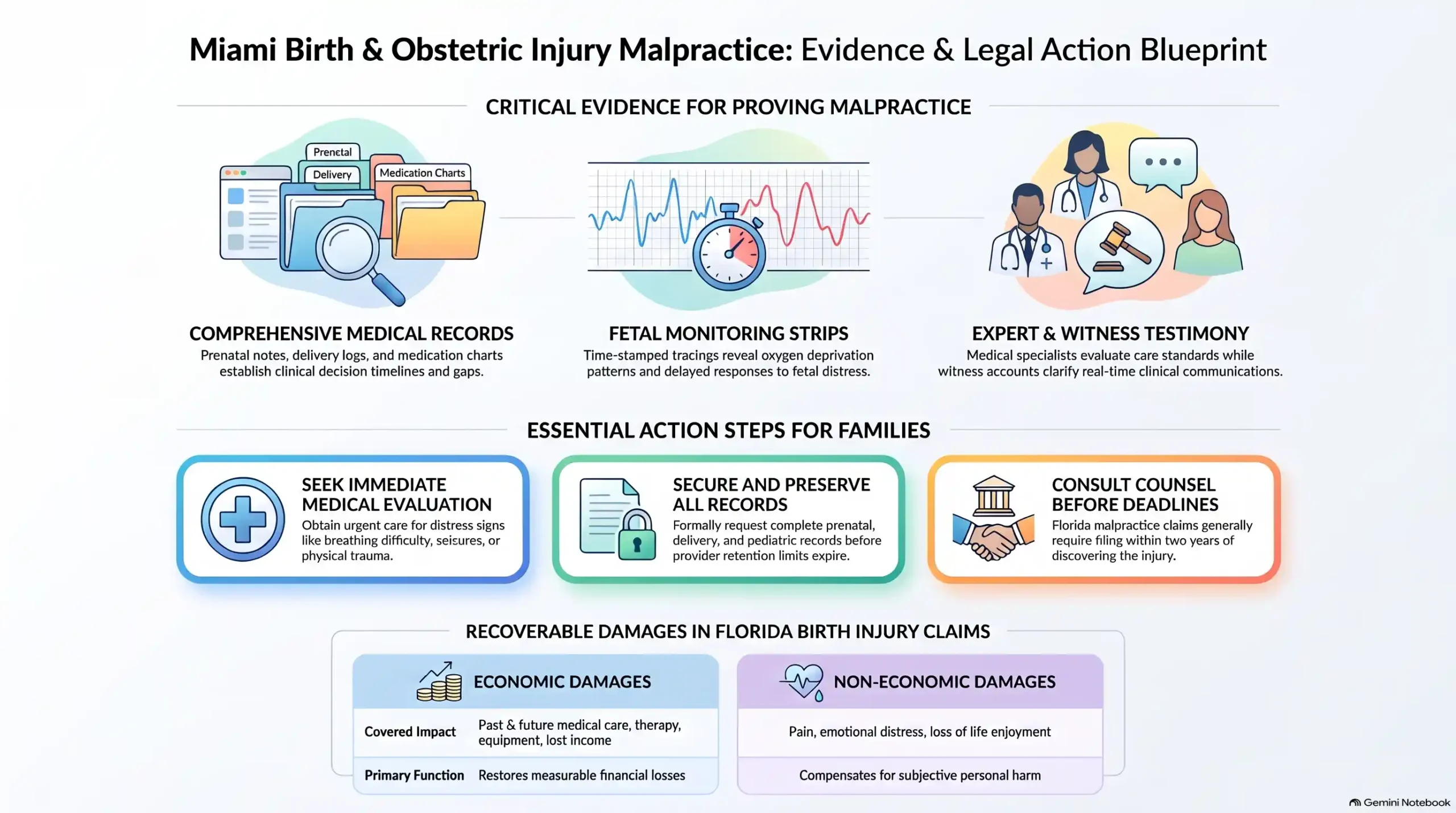
- Relevant evidence may include prenatal and delivery records, fetal-monitoring strips, medication charts, imaging, and witness accounts.
- Obstetric, neonatology, or pediatric experts can review the timeline, evaluate care, and explain how decisions may have caused harm.
- Ask a Florida medical-malpractice attorney about deadlines, required procedures, potential damages, and insurance issues before deciding how to proceed.


How We Can Help With Your Miami Medical Malpractice Birth & Obstetric Injuries Claim
A Miami birth injury lawyer can help families evaluate whether negligent medical care during pregnancy, labor, or delivery caused a child’s injury. Legal counsel can organize medical records, identify relevant questions, and explain available options in clear terms. This support allows parents to make informed decisions while focusing on their child’s care and well-being.
A careful Claim Investigation may include reviewing prenatal records, delivery notes, diagnostic results, and communications with healthcare providers. When needed, qualified medical professionals can assess whether the care provided met accepted standards and whether a preventable failure contributed to the child’s condition. The process also considers the practical effects of the injury, including ongoing treatment needs and related expenses.
Through Family Advocacy, counsel can communicate with insurers and other parties, protect important documentation, and help families understand procedural requirements and deadlines. A respectful, service-oriented approach recognizes each family’s circumstances without assuming the outcome. With reliable guidance, parents can pursue accountability and seek resources that support their child’s needs over time.
OUR CONSULTATIONSARE FREE
START YOUR FREE CASE REVIEW

Understanding Miami Medical Malpractice Birth & Obstetric Injuries Injury Cases
When does a birth injury become a medical malpractice case? A birth injury may support a claim when a healthcare professional fails to meet the accepted standard of care and that failure causes harm to a parent or child. The injury alone does not establish negligence. A careful review must connect the provider’s conduct to the resulting harm and consider the medical circumstances.
These cases may involve physical harm, developmental effects, or losses that require continuing care. Maternal trauma can also be relevant when an injury affects the birthing parent’s health, recovery, or ability to provide care. Prenatal negligence may be considered when care before delivery falls below professional standards and contributes to an injury. Records, expert opinions, and testimony can help clarify what care was appropriate and whether a lapse occurred.
A claim may seek compensation for medical expenses, future treatment, lost income, and other documented losses. Each case depends on its evidence and applicable Florida law.
Common Causes of Miami Medical Malpractice Birth & Obstetric Injuries
Common causes of birth and obstetric injuries may include delayed C-sections and failures to respond appropriately to signs of fetal distress. Injuries can also occur during delivery, particularly when medical staff do not use appropriate techniques or respond to complications in a timely manner. Medication and anesthesia errors may further place the pregnant patient or infant at risk.
Delayed C-Section
Although cesarean delivery can become necessary when labor places the mother or baby at risk, delaying the procedure after clear warning signs may lead to preventable harm. A timely emergency C-section may be required when labor does not progress safely, the placenta creates an urgent complication, or the mother develops a condition that makes continued labor dangerous. Clinicians are expected to assess changing circumstances, communicate concerns, and act within a medically reasonable period. Surgical timing matters because prolonged delay can increase risks such as infection, severe bleeding, uterine injury, or complications for the newborn. A delay may result from inadequate monitoring, poor communication among care providers, or failure to respond to documented changes in the mother’s condition. Reviewing records can help determine whether decisions and actions met accepted standards of care.
Fetal Distress Mismanagement
Fetal distress mismanagement can occur when a care team fails to recognize or respond appropriately to signs that a baby may not be receiving enough oxygen during labor. Interpreting fetal heart rate requires ongoing attention to patterns, changes, and the circumstances surrounding labor. A team may overlook persistent abnormalities, misread a concerning tracing, or fail to communicate findings promptly to the responsible clinician. These lapses can delay appropriate assessment and increase the risk of preventable harm. Recognizing uterine rupture is also crucial, particularly when symptoms or monitoring changes suggest an urgent complication. Providers should evaluate warning signs, document decisions, and coordinate care without avoidable delay. When a response is inadequate, a careful review of records and clinical standards can help determine whether the care met the patient’s needs and whether negligence contributed to injury.
Birth Injury During Delivery
During delivery, preventable injuries may occur when obstetric providers fail to respond appropriately to complications or use delivery techniques improperly. Excessive force or poorly managed positioning can damage a newborn’s nerves, bones, or soft tissues. Birth Canal Trauma may affect the infant’s head or face, particularly when prolonged labor or difficult passage through the birth canal is not managed with appropriate care. Shoulder Dystocia occurs when an infant’s shoulder becomes lodged behind the mother’s pelvic bone after the head emerges. Providers must recognize this emergency and use accepted techniques carefully; improper traction can cause nerve injuries, including brachial plexus damage. Some delivery injuries are unavoidable, but a failure to assess risks, select a safe approach, or respond appropriately may indicate negligence. Prompt evaluation can help families understand the injury and available support.
Medication and Anesthesia Errors
Medication and anesthesia errors can place both the mother and infant at risk before, during, or after delivery. These events may involve incorrect prescriptions, delayed administration, overlooked allergies, or failures to monitor a patient’s response. Medication dosing requires careful attention to the mother’s condition, pregnancy stage, and other treatments, since an improper amount can cause serious complications or affect fetal well-being.
Anesthesia complications may arise when providers fail to review medical history, select an appropriate technique, or respond promptly to changes in crucial signs. During labor or a cesarean delivery, inadequate monitoring can allow breathing problems, blood pressure changes, or reduced oxygen to go unrecognized. Clear communication among clinicians and timely intervention are necessary to protect both patients. When preventable errors cause harm, medical records and expert review can help clarify what occurred.
Don’t Wait. Call Our Florida Personal Injury Lawyers Now!


Legal Rights of Miami Medical Malpractice Birth & Obstetric Injuries Injury Victims
When a preventable medical error during pregnancy, labor, delivery, or newborn care causes injury, the affected child or family may have legal rights under Florida law. These Patient Rights may include seeking compensation when evidence shows that a healthcare provider failed to meet the applicable standard of care and that the failure caused harm.
A claim can help families pursue resources for treatment, rehabilitation, assistive services, and other documented losses.
- A parent or legal representative may request medical records and preserve relevant documentation.
- A qualified attorney can assess whether expert review and other evidence support a negligence claim.
- Compensation may address a child’s future care needs and related family expenses.
Birth Injury Accountability also involves observing Florida’s notice, procedural, and filing requirements, which can affect whether a case proceeds. Deadlines may vary, particularly when a child is injured, so timely legal guidance can help protect options. A claim may seek accountability while supporting the child’s long-term welfare.
Why Do Miami Medical Malpractice Birth & Obstetric Injuries Happen?
Miami birth and obstetric injuries may occur when a healthcare provider’s preventable error compromises the health of a pregnant patient or newborn. These events can arise at different stages of care, from pregnancy monitoring to labor and delivery. Inadequate Prenatal screening may fail to identify conditions that require closer observation or timely treatment. Delayed diagnosis or improper management of maternal infections can also expose a fetus or newborn to avoidable harm.
During labor, providers must assess changes in the patient’s condition and the baby’s heart rate, then respond appropriately to signs of distress. Errors may include failing to recognize complications, delaying an indicated cesarean delivery, using delivery instruments improperly, or administering medication incorrectly. Poor communication among clinicians can contribute to missed symptoms or delayed decisions. Not every adverse outcome results from negligence; childbirth carries inherent risks. However, when care falls below accepted medical standards and causes preventable injury, the consequences may include lasting physical, developmental, or emotional challenges for families.
What Should You Do After a Miami Medical Malpractice Birth & Obstetric Injury?
After a suspected birth injury, the family should seek immediate medical care to address the child’s needs and document any concerns. They should preserve relevant medical records, including prenatal, delivery, and postnatal documentation. Consulting a birth injury lawyer can help clarify legal options and applicable deadlines.
Seek Immediate Medical Care
Prompt medical evaluation is essential if a newborn or mother shows signs of injury following labor or delivery. Urgent symptom assessment can identify complications that require immediate treatment, including breathing difficulties, seizures, unusual bleeding, severe pain, or changes in responsiveness. A caregiver should contact emergency services or proceed to an emergency department when symptoms are serious or worsening. For less acute concerns, the mother should promptly contact her obstetric provider, and a pediatrician or neonatal specialist should assess the newborn. Emergency care coordination helps guarantee that clinicians understand the timing and nature of symptoms and can arrange appropriate evaluation. Timely treatment may reduce the risk of further harm and support recovery. Even when symptoms appear mild, a qualified medical professional should assess concerns rather than relying on observation alone.
Preserve Medical Records
Because medical records can clarify what occurred during labor, delivery, and follow-up care, preserve them as soon as possible. Parents or guardians can request copies of the mother’s and child’s records from hospitals, physicians, and other providers involved in care. Written access requests should identify the relevant dates, facilities, and records sought, such as prenatal notes, fetal monitoring strips, delivery records, medication charts, imaging, and discharge instructions. Keep copies securely, with original documents left intact. Records may be stored electronically or on paper, so families should retain files in an organized, backed-up location and note when each document was received. Record retention policies vary among providers, and some materials may not be kept indefinitely. Prompt requests can help keep important information available for the child’s ongoing care and accurate review.
Consult a Birth Injury Lawyer
When a birth injury raises concerns about possible medical negligence, consulting a Miami birth injury lawyer can help a family understand its legal options and the steps involved in evaluating a claim. An Initial consultation gives the attorney an opportunity to review available records, learn how the injury occurred, and identify information that may require further investigation. Families can prepare by organizing medical documents, noting important dates, and describing the child’s diagnosis, treatment, and ongoing needs.
During the meeting, the attorney may ask questions about the delivery, communications with medical providers, and any explanations given about the injury. The family can also ask about deadlines, potential costs, the investigation process, and how legal action could affect the child’s future care. A qualified lawyer can explain whether the evidence supports further review and help families pursue accountability while protecting the child’s interests.
Don’t Wait. Call Our Florida Personal Injury Lawyers Now!
Critical Evidence in a Miami Medical Malpractice Birth & Obstetric Injuries Case
Evidence is central to determining whether a birth injury resulted from a preventable departure from accepted medical care. Relevant materials may include medical records, fetal monitoring strips, expert testimony, and witness statements. Collectively, these sources can help establish the timeline of care and clarify how clinical decisions affected the outcome.
- Medical records: Document prenatal care, labor and delivery, treatment, and the newborn’s condition.
- Fetal monitoring strips: Show changes in the fetal heart rate that may indicate distress and require timely action.
- Expert testimony and witness statements: Offer professional analysis and accounts of events surrounding the care provided.
Medical Records
Medical records often provide the clearest account of the care surrounding a birth injury. They may document prenatal visits, labor and delivery decisions, medications, procedures, and the newborn’s condition after birth. Reviewing these materials can help establish what information was available to the care team, what actions were taken, and when concerns were addressed. A careful comparison of records from physicians, hospitals, and other providers may reveal gaps or inconsistencies that warrant further investigation.
Record retention matters because relevant documents may be held by multiple facilities and professionals. Families can request copies and preserve them securely, while privacy safeguards help protect sensitive health information during review and sharing. Complete, organized records can support an informed assessment of whether care met applicable standards and help clarify questions for those seeking accountability and safer care for others.
Fetal Monitoring Strips
Fetal monitoring strips provide a time-stamped record of a baby’s heart rate and, in many cases, the mother’s contractions during labor. These records can help show how the baby responded to labor and whether concerning changes appeared over time. They may also document when clinical staff recognized a pattern and what steps followed, including assessment, treatment, or escalation of care. Strip interpretation requires attention to the full timeline, not isolated readings, because the duration and sequence of changes may matter. Signal artifacts, such as movement or poor sensor contact, can affect the recorded tracing and should be distinguished from genuine changes in the baby’s heart rate. In a birth injury review, strips may be compared with nursing notes, medication records, and delivery documentation to clarify the events surrounding labor and birth.
Expert Testimony
When fetal monitoring strips raise questions about how labor was managed, qualified expert testimony can help explain their significance in a Miami birth injury case. An obstetric expert may assess whether the care team recognized concerning patterns, responded within an appropriate timeframe, and followed accepted standards of care. A qualified neonatologist or pediatric expert may explain how delays or other events could have affected the child’s condition. Expert qualifications matter because opinions should come from professionals with relevant training and experience, not unsupported assumptions. The expert reviews medical records and applicable standards before offering an independent assessment. Careful testimony preparation helps guarantee that explanations are accurate, understandable, and grounded in the evidence. This analysis can clarify complicated clinical decisions for a court and support fair consideration of the family’s pursuit of accountability and improved patient safety.
Witness Statements
Witness statements can provide important context in a Miami birth injury case by describing what staff members or family members observed during labor, delivery, and the immediate care that followed. Their accounts may help clarify timelines, communications, changes in the mother’s or newborn’s condition, and responses to warning signs. Witness credibility depends on factors such as firsthand knowledge, consistency, accuracy, and any potential bias. Statements should distinguish direct observations from assumptions or information learned later. Prompt statement preservation can preserve details that may fade over time, including who was present, what was said, and when events occurred. Attorneys may compare witness accounts with medical records and expert opinions to identify agreements or discrepancies. Carefully documented statements can assist a fair review of whether care met applicable standards and whether a preventable injury occurred.
Long-Term Effects of Miami Medical Malpractice Birth & Obstetric Injuries
Birth injuries linked to medical malpractice may cause developmental delays that affect a child’s learning, communication, and daily activities. Some children require lifelong medical care, tailored services, and ongoing support. These needs can place substantial emotional and financial strain on families over time.
Developmental Delays
Developmental delays can emerge after a birth injury when complications during labor, delivery, or newborn care disrupt a child’s developing brain or nervous system. A child may take longer to speak, move, learn, or interact than expected for their age. These differences can become apparent as caregivers and clinicians monitor Developmental Milestones, including sitting, walking, communicating, and responding to others. Delays may vary in severity and can affect one or several areas of development. Prompt assessment helps identify a child’s strengths and support needs. Early Intervention services may include therapies and educational support tailored to the child’s abilities, helping build skills during important stages of growth. When medical negligence is suspected, records and expert review can help clarify whether preventable care failures contributed to the injury and resulting developmental concerns.
Lifelong Medical Needs
When a birth injury causes lasting damage, a child may require medical care and support well beyond infancy. The specific needs depend on the injury and its effects on movement, communication, breathing, or other vital functions. A coordinated care plan may include regular visits with specialists, rehabilitation, medication management, and monitoring for complications. Some children benefit from adaptive equipment, such as mobility devices, communication aids, or modified seating, to support safety and participation in daily activities. Therapists and medical providers can help determine which services and tools are appropriate as the child grows. Lifetime care may also involve periodic reassessment because abilities and health needs can change over time. Clear documentation of diagnoses, treatment recommendations, and expected future services can help caregivers and professionals plan consistent, individualized support for the child.
Emotional and Financial Strain
In addition to ongoing medical needs, a serious birth injury can place sustained emotional and financial pressure on a family. Parents may experience grief, anxiety, and uncertainty as they adjust to a child’s changing needs and long-term care demands. Coordinating appointments, therapies, and daily support can limit time for work, rest, and other responsibilities. Lost income and recurring expenses may add pressure, particularly when one parent reduces employment to provide care.
Over time, these demands can contribute to Caregiver burnout and strain Family relationships. Siblings may receive less attention, while parents may struggle to maintain communication and shared responsibilities. Access to counseling, respite care, and community support can help families manage these challenges. When negligence caused an injury, legal guidance may help clarify available options for pursuing compensation for documented losses and future care needs.
Proving Liability in Miami Medical Malpractice Birth & Obstetric Injury Cases
Proving liability in a Miami birth injury case requires evidence that a medical professional failed to meet the accepted standard of care and that the failure caused the child’s or mother’s injury. Establishing the Provider standard involves examining what a reasonably careful clinician would have done under similar circumstances. Records from prenatal visits, labor, delivery, and newborn care can help show whether providers recognized warning signs, monitored the patient, and responded appropriately.
A qualified medical expert may review those records and explain whether the care departed from professional requirements. A causation analysis then connects the alleged lapse to the specific harm, rather than merely showing that an injury occurred. This may require evaluating medical history, test results, timing, and alternative explanations. Evidence can also include witness accounts and relevant hospital policies. Each case depends on its facts, and clear documentation can help families understand what happened. Careful evaluation supports accountability and helps protect patients by identifying preventable failures in maternal and newborn care.
Dealing With Insurance Companies After a Miami Medical Malpractice Birth & Obstetric Injuries Injury
After a suspected birth injury, insurance companies may contact the family or request records while evaluating a potential claim. Families should approach these inquiries carefully, since statements, authorizations, or incomplete information may affect how the insurer assesses the matter. Insurer communication should remain factual and limited to necessary details, particularly while the child’s medical needs and records are still developing. A family may benefit from obtaining legal guidance before signing documents, providing recorded statements, or discussing responsibility.
Insurance representatives may seek information to evaluate potential exposure, and their interests may differ from those of the injured child. Settlement tactics can include proposing an early payment before the full extent of the child’s condition, future care needs, or related costs is known. A prompt offer does not necessarily reflect the claim’s long-term value. Careful review of medical information and any proposed release can help protect the child’s interests. Families focused on supporting their child and serving their community can preserve relevant correspondence and avoid rushed decisions.
What to Expect During a Miami Medical Malpractice Birth & Obstetric Injuries Claim Process
A birth injury claim typically begins with an initial case evaluation to assess the circumstances and potential legal issues. Medical records are then reviewed to determine whether the care provided may have caused the injury, and a claim is filed when the evidence supports proceeding. The matter may resolve through negotiation or continue to trial if the parties cannot reach an agreement.
Initial Case Evaluation
During an initial case evaluation, a Miami birth injury lawyer reviews the available medical records and circumstances surrounding the pregnancy, labor, delivery, and newborn care to assess whether medical negligence may have caused harm. The lawyer may ask about the child’s diagnosis, treatment, current needs, and the family’s concerns, while explaining how a claim could support access to appropriate care. Eligibility criteria can depend on evidence that a provider failed to meet accepted standards, a resulting injury, and related losses. The evaluation also considers potential deadlines and whether further investigation is warranted, without promising a particular outcome. Families can ask about the consultation timeline, information to bring, and the next steps if the matter appears viable. This discussion helps caregivers make informed decisions while keeping the child’s well-being central.
Medical Record Review
How can medical records clarify what happened during pregnancy, labor, delivery, and newborn care? A careful review can place clinical decisions in context and show how concerns were monitored and addressed. Records may include prenatal visits, test results, fetal monitoring strips, medication logs, delivery notes, and neonatal assessments. A qualified reviewer examines the Record chronology to compare symptoms, observations, and interventions over time. This sequence can help identify whether warning signs were recognized and whether responses were timely under the circumstances. The review also considers documentation gaps, inconsistencies, or missing entries, while recognizing that an incomplete record does not alone establish negligence. When appropriate, medical and legal professionals may assess how the documented care relates to the infant’s condition and the family’s questions, supporting an informed, compassionate evaluation of the circumstances.
Filing the Claim
Once the medical records and relevant circumstances have been reviewed, filing a birth injury claim generally begins with an evaluation of whether the available evidence supports a potential malpractice case. The family’s legal representative may identify responsible providers, applicable deadlines, and the records needed to document the child’s injuries and care. Claim filing may require a pre-suit investigation and review by qualified medical professionals before submitting a complaint. Notice requirements can apply to claims involving certain healthcare providers, and failure to comply may affect the right to proceed. The filing process also involves preparing documents that explain the alleged failures in care, the resulting harm, and the basis for seeking compensation. Families may need to provide additional information as the claim is opened. Careful preparation helps protect procedural rights and supports an orderly review of the allegations.
Negotiation or Trial
After a birth injury claim is filed, the parties may negotiate a resolution or proceed to trial, depending on the evidence and their positions. During negotiations, each side evaluates medical records, expert opinions, liability, and the child’s anticipated care needs. A well-supported demand can strengthen Settlement Leverage, while a fair assessment of uncertainty helps families consider whether an offer serves the child’s long-term interests. If negotiations fail, the case may proceed to trial, where a judge or jury reviews the evidence and determines responsibility and damages. Counsel may develop a Jury Strategy that presents intricate medical issues clearly and respectfully, supported by qualified experts and credible testimony. Throughout either path, the process should remain focused on accountability, adequate resources for future care, and the family’s ability to protect the child’s well-being.
Compensation for Miami Medical Malpractice Birth & Obstetric Injuries Injury Damages
Compensation for a birth injury caused by medical malpractice in Miami may address both the child’s long-term needs and the family’s related financial losses. A claim may seek payment for medical care, rehabilitation, assistive equipment, and expert education required because of the injury. When care needs are expected to continue, qualified professionals can assess projected treatment and caregiver expenses over the child’s lifetime. These estimates help show how the injury may affect daily support and access to appropriate services.
A damages assessment may also consider lost income when a parent reduces work to provide care, along with the child’s diminished capacity for Future earnings. Records, expert evaluations, and financial projections can help connect these losses to the alleged negligence and establish their likely duration. The amount available depends on the evidence, applicable law, and circumstances of the case. Careful preparation can support a claim that accounts for the child’s needs while helping the family maintain stable, compassionate care.
Economic vs Non-Economic Damages in Miami Medical Malpractice Birth & Obstetric Injuries Cases
In Miami birth injury malpractice cases, economic damages may cover measurable losses such as medical expenses, rehabilitation, and future care. Non-economic damages address less tangible harm, including pain, emotional distress, and loss of quality of life. Comparing these categories helps clarify how compensation may reflect both financial costs and personal consequences.
Economic Damages
Economic damages in a Miami birth injury or obstetric malpractice case are the measurable financial losses linked to the injury. They may include past and anticipated medical bills, hospital stays, rehabilitation, prescription medication, assistive equipment, and specialized education or support services. Care expenses can continue throughout a child’s life, so an assessment may account for ongoing treatment and necessary changes to the home or transportation. Records, professional evaluations, and cost projections can help establish the amount and duration of these needs. If an injury affects a child’s ability to work as an adult, Future earnings may also be considered, based on evidence about expected earning capacity and limitations. These documented losses help families seek resources for a child’s care and development while clarifying the financial consequences attributed to the alleged malpractice.
Non-Economic Damages
Beyond measurable financial losses, non-economic damages address the personal effects of a birth injury or obstetric malpractice, such as pain, emotional distress, disability, and loss of enjoyment of life. These harms may affect a child’s development, relationships, independence, and sense of security. Parents may also experience lasting emotional strain as they support a child through treatment and daily challenges. In legal claims, Pain and suffering can describe physical discomfort and psychological distress resulting from negligent care. Loss of enjoyment of ordinary activities may also be relevant when an injury limits participation in play, learning, family life, or community experiences. The impact varies according to the injury and its consequences for the child and family. Careful documentation, including testimony from treating professionals and family members, can help explain these personal effects to a court.
Comparing Damage Types
When a birth injury claim involves negligent medical care, damages are generally divided into economic and non-economic losses. Economic damages address measurable financial harm, including past and future medical treatment, rehabilitation, assistive equipment, specialized education, and income lost by a parent providing care. Records, expert assessments, and life-care plans may help establish these projected costs.
Non-economic damages compensate for losses without a precise financial value, such as a child’s pain, emotional distress, reduced quality of life, and loss of normal activities. Combined, these categories constitute Compensatory damages, intended to address the harm caused by negligence. Punitive damages are different: they may be considered in limited circumstances involving particularly egregious conduct and are not designed to reimburse losses. Careful evaluation of both types of damages helps families seek resources that support a child’s needs over time.
Don’t Wait. Call Our Florida Personal Injury Lawyers Now!
When a Miami Medical Malpractice Birth & Obstetric Injuries Injury Case Goes to Trial vs Settlement
A Miami birth injury malpractice case may resolve through settlement or proceed to trial, depending on the evidence, the parties’ positions, and the potential value of the claim. Settlement can provide a defined outcome without the uncertainty and demands of a courtroom proceeding. The parties may negotiate compensation while avoiding the time, expense, and emotional strain that litigation can involve. Any proposed agreement should account for the child’s anticipated care needs and the family’s long-term responsibilities.
If the parties cannot reach acceptable terms, the case may go to trial. Each side presents evidence, and courtroom testimony may come from medical professionals, caregivers, and other witnesses. The judge or jury evaluates the evidence and decides whether malpractice occurred and what compensation, if any, is appropriate. Jury deliberations may take time, and the result is not guaranteed. Families seeking to protect a child’s well-being may weigh the predictability of settlement against the possibility of a trial verdict, with guidance from qualified counsel.
Florida Laws That May Affect Your Miami Medical Malpractice Birth & Obstetric Injuries Case
Florida law sets important rules for medical malpractice birth injury claims, including filing deadlines, requirements for investigating allegations, and limits on who may recover damages. These provisions guide how families and providers address alleged harm while supporting accountability and the child’s future needs. Before filing, a claimant generally must obtain a qualified medical expert’s opinion and complete presuit investigation steps.
The law also identifies who may bring claims for an injured child and which losses may be pursued.
- Damage caps and other statutory limits may affect certain categories of recoverable damages, though their application depends on the claim and current law.
- Sovereign immunity rules may restrict recovery when a public hospital or government-employed provider is involved, including liability limits and required procedures.
- Florida’s Birth-Related Neurological Injury Compensation Association may provide a no-fault alternative for qualifying severe birth injuries, subject to eligibility requirements.
These rules can shape case strategy and available remedies. Careful review helps families understand their options and pursue support for a child’s care, treatment, and long-term well-being.
The Statute of Limitations for Miami Medical Malpractice Birth & Obstetric Injuries Injury Cases
Beyond the rules governing eligibility and damages, filing deadlines can determine whether a Miami birth injury malpractice claim may proceed. Florida law generally requires a medical malpractice action to be filed within two years after the incident is discovered, or should have been discovered through reasonable diligence. In birth injury cases, the connection between medical care and a child’s condition may not become apparent immediately, making the Discovery deadline an important consideration.
A separate repose period generally bars claims more than four years after the alleged malpractice, even if the injury was identified later. Exceptions may apply, including certain cases involving fraud, concealment, or a child’s birth-related injury. Special rules can affect claims brought on behalf of minors, and the applicable deadline depends on the facts and parties involved.
Missing a controlling deadline may prevent a claim from moving forward. Families seeking accountability and resources for an injured child benefit from understanding these time limits promptly, while preserving relevant records and information.
How a Miami Medical Malpractice Birth & Obstetric Injuries Lawyer Can Help You
When a birth injury may have resulted from preventable medical negligence, a Miami medical malpractice lawyer can help a family assess the circumstances and understand its legal options. The lawyer may review medical records, consult qualified experts, and explain how evidence relates to the standard of care. This work can clarify whether preventable errors contributed to birth trauma and what forms of compensation may be available.
A Miami medical malpractice lawyer can review records and expert evidence to assess whether preventable negligence contributed to a birth injury.
Legal counsel can also manage practical demands while families focus on a child’s care and well-being.
Depending on the circumstances, the lawyer may:
- Gather records and organize a clear timeline of prenatal care, labor, delivery, and follow-up treatment.
- Consult medical professionals to evaluate the injury, its likely causes, and future care needs.
- Communicate with insurers and opposing counsel, while explaining procedural steps and settlement considerations.
A respectful attorney recognizes that Family support is vital during a difficult period. By presenting the family’s concerns accurately and pursuing accountability, counsel can help protect the child’s interests and support access to appropriate services.
When to Contact a Miami Medical Malpractice Birth & Obstetric Injuries Lawyer
Prompt legal guidance may help preserve records and clarify whether a birth injury warrants further investigation. A parent or caregiver may contact a Miami medical malpractice birth and obstetric injuries lawyer when a newborn experiences unexpected complications, developmental concerns, or a diagnosis potentially connected to labor or delivery. Early warning signs can include unexplained oxygen deprivation, seizures, fractures, or delays in reaching developmental milestones. These signs do not establish negligence, but they may justify asking whether medical decisions or delays contributed to harm.
Contact may also be appropriate when clinicians provide conflicting explanations, records appear incomplete, or a family learns that a preventable condition may have affected the child. A lawyer can explain relevant deadlines and identify records that should be retained. Choosing representation is a careful decision; families may seek counsel who communicates clearly and treats the child’s interests with respect. Early consultation can help caregivers understand available options while they focus on obtaining appropriate medical care and supporting the child’s needs.
Why You Need an Experienced Miami Medical Malpractice Birth & Obstetric Injuries Lawyer
An experienced Miami medical malpractice birth and obstetric injuries lawyer can help assess whether medical care during pregnancy, labor, or delivery fell below accepted standards and contributed to a child’s injury. These cases may involve intricate medical records, questions about clinical decisions, and significant long-term care needs. A lawyer can organize the evidence, consult qualified medical professionals, and explain how the standard of care applies to the circumstances.
Attorney experience matters because identifying a preventable injury requires careful review of timelines, monitoring, treatment, and communication among providers. Counsel can also evaluate the potential effects on a child’s health, development, and future support needs. A thoughtful case strategy can clarify which issues require investigation, preserve relevant records, and present supported claims through negotiation or litigation. This work can help families pursue accountability and resources while allowing caregivers to focus on their child. Reliable legal guidance can make a complicated process easier to understand and support informed decisions at each stage.
How to Choose the Right Miami Medical Malpractice Birth & Obstetric Injuries Lawyer for Your Case
Choosing the right Miami medical malpractice birth and obstetric injuries lawyer requires evaluating the attorney’s experience with birth injury claims, ability to investigate complicated medical records, and approach to communicating with families. Families can review Attorney credentials, including relevant experience, professional standing, and familiarity with Florida medical malpractice procedures. A lawyer should be prepared to examine prenatal care, labor and delivery decisions, and newborn treatment with qualified medical professionals. This careful review can help determine whether the evidence supports a claim and what steps may follow.
Communication style also matters. The attorney should explain legal options clearly, respond within reasonable timeframes, and treat parents’ concerns with respect. Families serving a child’s needs may benefit from a representative who sets realistic expectations and keeps them informed without pressure. During an initial consultation, they can ask how the lawyer handles investigations, evaluates potential damages, and coordinates with experts. Comparing answers and reviewing the proposed fee arrangement can help families make an informed choice suited to their circumstances.
About The Law Offices of Anidjar & Levine
The Law Offices of Anidjar & Levine represents individuals and families in personal injury matters, including cases involving birth injuries.
The firm’s work may involve reviewing medical records, consulting qualified professionals, and evaluating whether a provider’s conduct contributed to harm.
For parents facing difficult questions after a delivery, clear information about legal options can help them make informed decisions while focusing on their child’s needs.
Firm history provides context for understanding the firm’s experience and approach to representing injured clients.
Its attorneys handle negligence claims and pursue compensation when the evidence supports a legal case.
Each matter requires an individual review, since medical circumstances and potential losses differ among families.
Community involvement also reflects a commitment to serving people beyond the courtroom.
Through public-facing efforts and legal guidance, the firm helps individuals understand their rights and available resources.
Families considering representation can ask about relevant experience, communication practices, and the steps involved in evaluating a birth injury claim.

Frequently Asked Questions
Can I File a Birth Injury Claim on Behalf of My Child?
Yes, a parent or legal guardian can generally pursue a birth injury claim on behalf of a child, subject to applicable state law. Parental legal authority may allow you to file and make decisions for the child, while any settlement may require court approval to protect the child’s interests. Filing deadlines vary by jurisdiction and may involve special rules for minors. Prompt review of medical records and legal advice can help preserve evidence and clarify available options.
Can a Birth Injury Claim Cover Future Medical and Educational Needs?
Yes, a birth injury claim may seek compensation for a child’s anticipated medical and educational needs when evidence shows they result from negligent care. Future Care Costs can include ongoing treatment, therapy, medication, assistive equipment, and necessary support at home. Special Education Expenses may cover individualized instruction, classroom assistance, or related services. Evaluating these needs often requires expert evaluation of the child’s condition, projected development, and likely expenses over time.
What Is a Birth Injury Trust, and How Can It Help My Child?
A birth injury trust is a legal arrangement that holds funds for a child’s care and long-term needs. It may help pay for medical treatment, therapy, assistive equipment, and other qualified expenses while protecting assets for the child’s benefit. Trust eligibility depends on applicable law, the child’s circumstances, and how the trust is established. Careful fund management, guided by a qualified trustee, can support the child’s needs and preserve resources over time.
Can I Pursue a Claim if My Child’s Condition Was Diagnosed Years Later?
A claim may remain possible when a child’s condition is diagnosed years after birth, particularly if evidence suggests that negligent care caused or worsened the injury. Delayed Diagnosis can affect when Filing Deadlines begin, but the rules vary by jurisdiction and may impose strict limits, including special deadlines for minors. Medical records, expert review, and the date the condition was discovered can help assess eligibility. Prompt legal advice can preserve evidence and protect the child’s interests.
How Are Birth Injury Claims Involving Multiple Healthcare Providers Handled?
Birth injury claims involving multiple healthcare providers are evaluated by examining each provider’s role, conduct, and contribution to the child’s harm. Provider liability may apply to clinicians or facilities whose actions fell below accepted standards of care. When shared negligence is alleged, investigators assess whether separate failures combined to cause the injury and how responsibility should be allocated. Medical records, expert opinions, and applicable filing deadlines guide the claim’s review and potential resolution.
—————————
Birth-related medical injuries can affect a child and family long after delivery, while legal deadlines may limit the time available to act.
A careful review of medical records and the circumstances of care can help determine whether negligence contributed to the harm.
The Law Offices of Anidjar and Levine can assess a potential claim, explain available legal options, and pursue accountability where supported by evidence.
Families can also learn more about working with a Miami Personal Injury Lawyer.
Prompt legal guidance can help families make informed decisions about their next steps.

