



If you suspect a Fort Lauderdale nursing home ignored or delayed treating an infection, the Law Offices of Anidjar and Levine can act quickly to secure records and help protect your loved one from retaliation.
You can get help documenting symptoms, medications, and staff interactions while your legal team requests charts, MARs, wound notes, labs, and incident reports to identify missed warning signs.
Your attorney can also report concerns to the proper authorities, deal with insurance company pressure, and pursue compensation for hospitalization, pain, or loss of dignity.
Learn more about your options by speaking with a Fort Lauderdale Nursing Home Abuse and Neglect Lawyer.



Key Takeaways
- An untreated infection lawyer reviews charts, labs, wound notes, and MARs to pinpoint delayed care, missed antibiotics, or ignored physician orders.
- They act quickly to secure records, preserve evidence, and coordinate medical review when infections worsen to sepsis, hospitalization, or death.
- They guide families to document symptoms, medications, and staff interactions, and request incident reports, care notes, and transfer paperwork in writing.
- They handle negotiations and filings against facilities, corporate owners, and contractors, protecting families from pressure, intimidation, or retaliation.
- They calculate damages and pursue compensation for medical bills, pain, long-term impairment, and loss of dignity while keeping families focused on care.
How We Can Help With Your Fort Lauderdale Nursing Home Untreated Infection Claim
When an untreated infection in a Fort Lauderdale nursing home starts to spiral, you don’t have to handle it alone. You can focus on your loved one’s comfort while we take on the legal load with purpose and care.
We listen, gather records, and map a clear plan so you can act quickly and protect others from the same harm.
You’ll get guidance on documenting symptoms, medications, and changes in condition, plus help requesting incident reports and care notes. We pursue accountability by reviewing staffing levels, staff training, and compliance with policies.
We also coordinate timelines and updates to ensure family communication remains steady, respectful, and effective. If the facility or insurer pressures you, you won’t have to face it alone; we handle calls, negotiations, and filings.
You stay informed, make the critical decisions, and move forward with a claim that reflects your values and your loved one’s needs.
Understanding Fort Lauderdale Nursing Home Untreated Infection Cases
An untreated infection case in a Fort Lauderdale nursing home usually comes down to whether the facility missed warning signs, delayed treatment, or failed to follow basic infection-control steps—and whether that lapse caused real harm.
You’ll focus on how staff assessed symptoms, documented changes, and communicated with doctors and family. You’ll also look at whether the home’s care plan matched the resident’s risks and whether it adjusted when conditions worsened.
To understand the claim, you compare what should’ve happened with what actually happened: timely assessments, proper testing, medication follow-through, and monitoring for improvement.
You’ll review records, vital signs, lab results, incident reports, and transfer decisions to determine whether the timeline indicates a dangerous delay.
You’ll also evaluate infection prevention policies and whether staff consistently follow them, as well as resident education efforts that help residents report symptoms early. When you serve a vulnerable person, accountability protects future residents, too.


Common Causes of Fort Lauderdale Nursing Home Untreated Infections
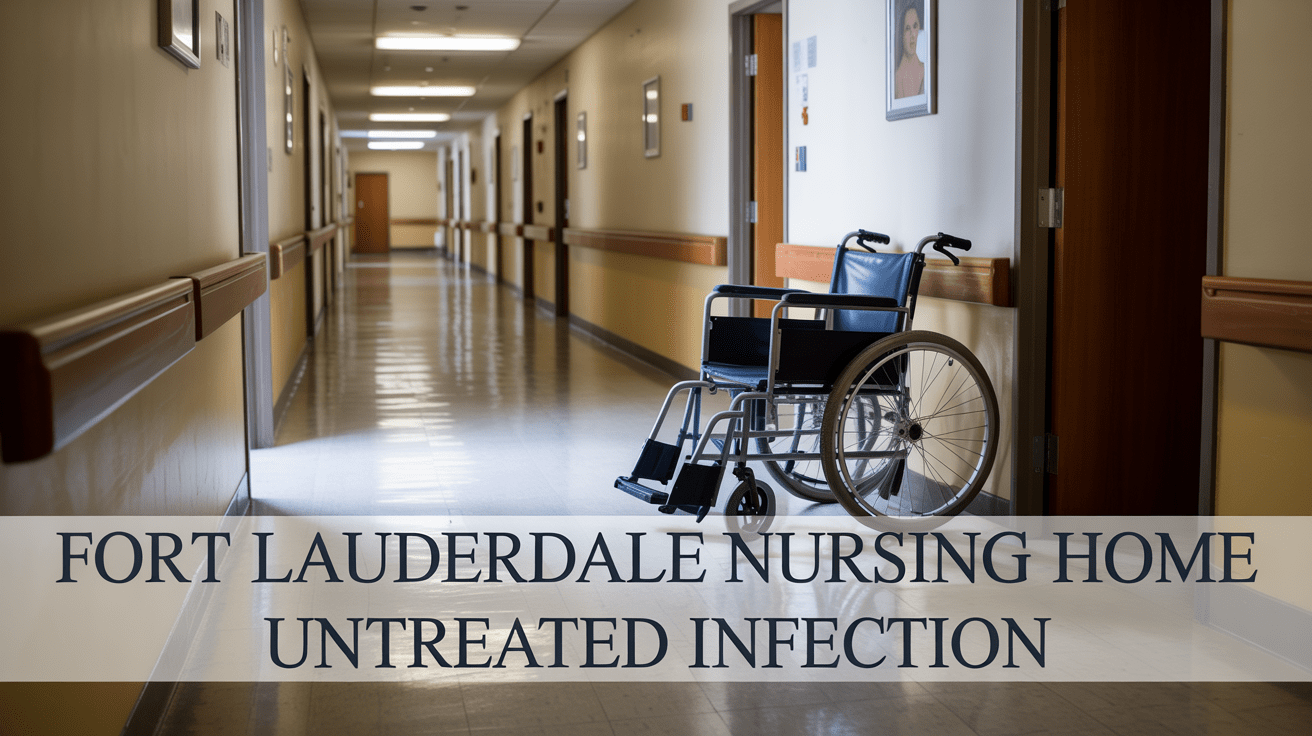
When you look at why untreated infections happen in Fort Lauderdale nursing homes, you’ll often find poor wound care, catheter or IV neglect, and delayed medical evaluation at the center.
You can also see infections spread when the facility doesn’t keep rooms, equipment, and common areas sanitary. Knowing these common causes helps you spot red flags early and protect your loved one’s health.
Poor Wound Care
Too often, poor wound care in Fort Lauderdale nursing homes turns a minor cut, pressure sore, or surgical incision into a serious, untreated infection.
When staff skip timely cleaning, leave soiled bandages in place, or ignore redness and drainage, you watch healing stall and pain grow.
You can help protect residents by insisting on consistent wound assessment, clear documentation, and prompt notice of any change in odor, warmth, swelling, or fever.
Proper dressing techniques matter: the right materials, sterile handling, correct moisture balance, and scheduled changes reduce bacterial growth.
If caregivers rush, reuse supplies, or fail to relieve pressure and reposition, the wound can deepen and spread infection into surrounding tissues and the bloodstream.
When you advocate early and firmly, you honor dignity and prevent avoidable suffering.
Catheter And IV Neglect
In many Fort Lauderdale nursing homes, catheter and IV neglect fuels infections that should’ve been prevented and treated early.
When staff skip hand hygiene, reuse supplies, or rush insertion and maintenance, you may see bacteria enter the urinary tract or bloodstream.
You can often spot warning signs in practice: bags positioned incorrectly, tubing left kinked, dressings damp or loose, or ports accessed without proper scrubbing.
You serve residents best when you insist on catheter education for every shift and consistent IV protocols that cover sterile technique, site checks, and timely line changes.
You can also advocate for clear documentation, daily necessity reviews, and prompt removal when devices aren’t needed. When a facility cuts corners, you may end up facing avoidable, serious infections.
Delayed Medical Evaluation
Catheter and IV infections can often be stopped early, but they spiral fast if staff don’t get a resident medically evaluated at the first sign of trouble.
When you serve older adults, you know subtle changes matter: new confusion, fever, pain, swelling, or a sudden drop in appetite. If nurses “watch and wait” without calling a clinician, you may be looking at a delayed assessment that lets bacteria spread.
You can prevent harm when the facility follows clear evaluation protocols. That means prompt vital signs, wound or site checks, urine testing when indicated, and timely provider notification.
You should also expect accurate charting and clear handoffs between shifts. When those steps don’t occur, infections progress, residents suffer, and families quickly lose trust.
Unsanitary Facility Conditions
Grime and germs don’t need much help to spread in a nursing home. When floors stay sticky, linens aren’t changed, and bathrooms smell of old waste, you’re watching infection risk climb.
If staff reuse gloves, skip handwashing, or leave soiled dressings exposed, residents can develop untreated wounds, UTIs, or respiratory infections fast. You can’t serve others well in a building that doesn’t protect them.
Pay attention to pest control and maintenance. A rodent infestation can contaminate food areas, spread bacteria, and worsen skin breakdown.
Ventilation issues can trap humidity and airborne germs, turning rooms into breeding grounds for mold and illness.
If you notice repeated spills, overflowing trash, or persistent odors, document it, report it, and push for immediate cleaning and oversight.
Legal Rights of Fort Lauderdale Nursing Home Untreated Infection Victims
Although a nursing home may blame an infection on age or “natural decline,” you still have enforceable rights when staff ignore symptoms, delay treatment, or fail to follow basic infection-control standards.
Florida law requires facilities to provide adequate medical care, maintain sanitary practices, and protect residents from preventable harm.
You can lean on patient advocacy to demand accountability and safer care for everyone in the building.
Your family rights also matter, especially when you need information and involvement to protect a loved one.
Here are essential legal protections you can assert:
- Right to proper assessment and timely treatment when fever, wounds, or urinary symptoms appear.
- Right to dignity and safe living conditions, including hygiene, clean linens, and infection-control protocols.
- Right to records and transparency, so you can review charts, medication logs, and incident reports.

When a facility’s neglect causes complications, you may pursue compensation for medical costs, pain, and lasting impairment.


Steps to Take After a Fort Lauderdale Nursing Home Untreated Infection
Get a medical evaluation right away to confirm the infection and start proper treatment.
Document your loved one’s symptoms, dates, medications, and every interaction with the nursing home staff.
Then report your concerns to the facility administrator and the appropriate Florida authorities to trigger oversight and protect other residents.
Seek Immediate Medical Evaluation
When an untreated infection is on the table, don’t wait it out—push for an immediate medical evaluation outside the facility if you can. Ask for an immediate assessment by a physician or urgent care team that isn’t tied to the nursing home’s routines.
If your loved one shows fever, confusion, shortness of breath, rapidly worsening wounds, or signs of sepsis, insist on an emergency referral to the ER right away.
Bring a current medication list and allergy information, and make sure the staff sends transfer paperwork with crucial signs and recent labs.
Stay calm but firm, and keep your focus on safety, comfort, and dignity. Acting quickly can stop complications, reduce suffering, and protect the person you’re trying to serve most.
Document Symptoms And Care
After you’ve secured prompt medical attention, start building a clear record of what happened and how the facility responded. You’ll serve your loved one best by writing down dates, names, and every change you notice, using consistent symptom tracking. Ask for copies of care notes, medication lists, wound logs, and lab results, and photograph visible symptoms with timestamps. Keep a call and visit log, and save emails, bills, and discharge paperwork.
| What to document | How to do it |
|---|---|
| Fever, pain, confusion | Daily checklist with times |
| Wounds, redness, swelling | Photos beside a ruler |
| Meds given or missed | Compare MAR to pill counts |
| Hygiene and repositioning | Note frequency and staff names |
| Staff training gaps observed | Record statements and unmet protocols |
Report Concerns To Authorities
Once you’ve documented the symptoms and gaps in care, report your concerns to the proper authorities so someone outside the facility can investigate and intervene.
Call the Florida Agency for Health Care Administration and the Long-Term Care Ombudsman Program to learn how to file regulatory complaints related to infection control, staffing, and physician notification failures.
Use hotline reporting when the risk feels immediate, and request a confirmation number to track follow-up.
Provide dates, names, and copies of records or photos, and stick to observable facts.
If the resident is in immediate danger, contact local law enforcement or emergency services.
Reporting isn’t about punishment; it’s about protecting vulnerable neighbors, improving care standards, and preventing the same neglect from hurting others in your community.
How a Fort Lauderdale Nursing Home Untreated Infection Lawyer Can Help You
Although infections can start small, an untreated infection in a Fort Lauderdale nursing home can quickly become a life-threatening crisis, and you shouldn’t have to sort out what went wrong on your own.
Even a small infection can become life-threatening in a Fort Lauderdale nursing home—your family shouldn’t face the answers alone.
A Fort Lauderdale nursing home untreated infection lawyer helps you act with clarity, compassion, and purpose while protecting your loved one and others in the facility.
They’ll review charts, medication logs, wound notes, lab results, and staffing records to spot delays in assessment, missed symptoms, or ignored physician orders.
If medical malpractice played a role, your lawyer can connect the dots and pursue accountability without adding to your burden.
A lawyer also supports your family advocacy by guiding your communication, preserving evidence, and preventing intimidation or retaliation.
You can expect help with:
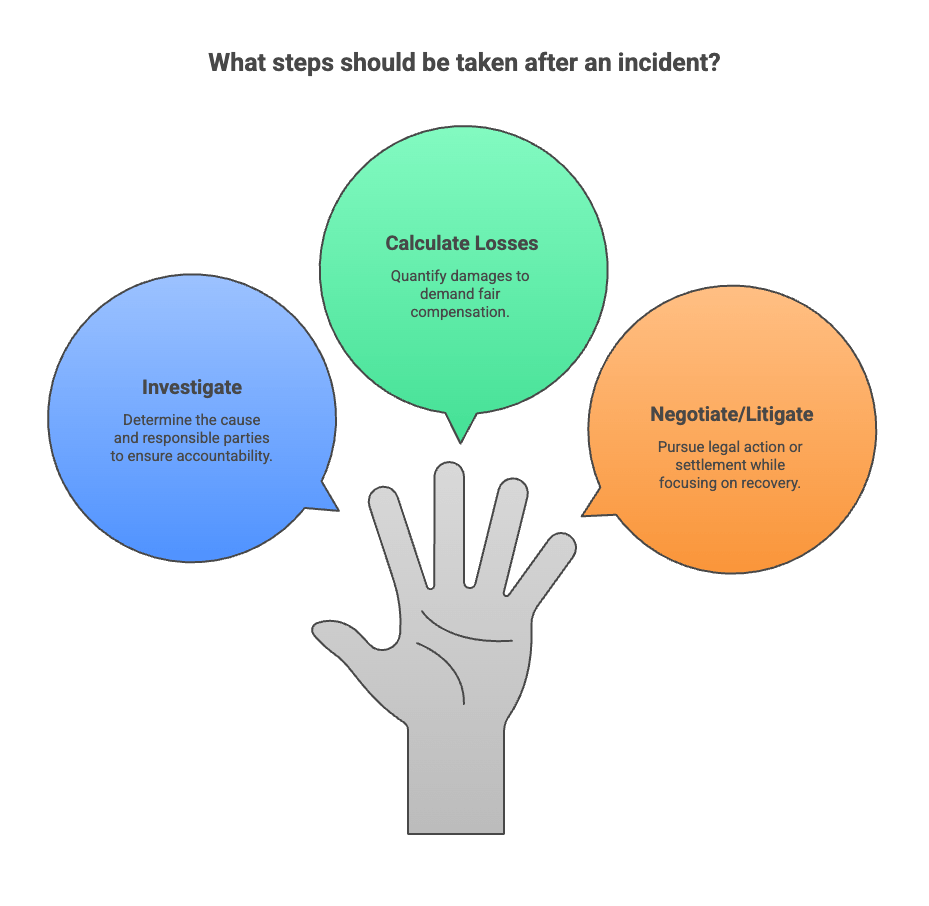
- Investigating what happened and who’s responsible
- Calculating losses and demanding fair compensation
- Negotiating or litigating while you focus on care
Long Term Effects of Fort Lauderdale Nursing Home Untreated Infection Injuries
When a nursing home leaves an infection untreated, you can face chronic organ damage that doesn’t fully heal.
If the infection progresses to sepsis, you may live with lasting disability that affects mobility, cognition, and daily independence.
Even after treatment, you can deal with recurring infections and complications that keep pulling you back into medical care.
Chronic Organ Damage Risks
Because untreated infections can quietly spread beyond the initial site, they often leave nursing home residents with chronic organ damage that lasts long after the fever breaks.
You may see kidneys struggle to filter waste, lungs lose capacity, or the heart weaken after inflammation scars delicate tissue.
When care teams miss early signs, repeated bouts of immune suppression can follow, making it harder for the body to repair itself and easier for new illnesses to take hold.
Over time, that damage can push a resident toward organ failure, increasing dependence on medications, oxygen, or dialysis-like monitoring.
If you serve aging neighbors, you can help by documenting symptoms, requesting prompt cultures and antibiotics, and insisting on follow-up labs and imaging to confirm recovery, not just comfort and stability.
Sepsis-Related Disability Impacts
Chronic organ damage can set the stage for an even more life-altering outcome: sepsis-related disability that doesn’t fade once the infection clears.
You might face lasting weakness, nerve pain, poor balance, or “brain fog” that disrupts daily tasks and steals independence.
You may need mobility aids, assistance with bathing, or help managing medications and appointments, even if you once served others with ease.
You can act with purpose by pushing for Sepsis prevention: timely essential checks, rapid labs, and escalation when symptoms worsen.
When disability becomes part of life, Disability planning helps you protect dignity and reduce strain on family—arranging care, documenting limitations, and securing resources that keep you safe while honoring your values and service.
Recurring Infection Complications
Too often, an untreated nursing home infection in Fort Lauderdale doesn’t end with one round of antibiotics—it comes back in cycles, each flare-up harder on your body.
When staff miss early signs, you may experience recurring urinary infections that weaken you, disrupt sleep, and increase your risk of falls. Each relapse can require stronger drugs, increasing side effects, and antibiotic resistance.
You might also develop persistent sinusitis, leaving you congested, fatigued, and less able to eat, hydrate, and participate in care.
Repeated infections can inflame organs, worsen diabetes or heart conditions, and delay wound healing, increasing the risk of pressure injuries.
If you’re serving a loved one, you can document symptoms, demand cultures and follow-up, and insist on infection-control steps that stop the next cycle early.
Proving Liability in Fort Lauderdale Nursing Home Untreated Infection Cases
Build your case by showing the nursing home had a duty to prevent and promptly treat infections, then failed to meet that standard and caused your loved one’s harm. You’ll focus on duty, breach, causation, and damages by gathering records and witness accounts that reflect day-to-day care. Use resident interviews to confirm missed hygiene steps, delayed wound checks, or ignored symptoms. Build medical timelines from chart notes, labs, medication logs, and hospital transfers to pinpoint when staff should’ve acted and what they did instead.
| Element | What you show | Proof to collect |
|---|---|---|
| Duty | Facility owed safe, competent care | Policies, care plans, state/federal rules |
| Breach | Staff didn’t follow infection-control standards | Staffing sheets, MARs, and incident reports |
| Causation | Delay/neglect led to worsening infection | Culture results, vitals, consultant notes |
You serve your loved one best by preserving evidence early, requesting records in writing, and documenting every observed change with dates and names.
Compensation for Fort Lauderdale Nursing Home Untreated Infection Damages
Once you’ve shown the nursing home’s failure to prevent or promptly treat an infection that caused your loved one’s decline, the next step is to put a dollar value on what that neglect cost.
You’ll document hospital bills, wound care, antibiotics, rehab, and any increased long-term care needs tied to the infection, along with out-of-pocket expenses your family covered.
You can also pursue damages for pain, suffering, and loss of dignity, because serving an elder means honoring their comfort and humanity, not just their charts.
Strong injury valuation considers how quickly the infection progressed, the level of impairment it caused, and whether it shortened life expectancy.
You’ll include caregiver time, transportation, and modifications that became necessary after the decline. If your loved one passed, you may seek funeral costs and the family’s losses.
Your lawyer can negotiate medical liens, ensuring reimbursement claims don’t swallow the recovery you need to keep protecting others.
The Statute of Limitations for Fort Lauderdale Nursing Home Untreated Infection Cases
Because evidence can disappear quickly, you can’t wait long to act on a Fort Lauderdale nursing home untreated infection claim—Florida’s statute of limitations sets strict filing deadlines, and missing them can bar your case, no matter how clear the neglect looks.
Evidence fades fast—act quickly on an untreated infection claim, as Florida filing deadlines can bar even strong nursing home neglect cases.
In most situations, you must file within the time allowed for medical negligence or nursing home negligence, and the clock may start when the infection occurred or when you reasonably discovered it.
Pay attention to statute nuances that can shorten or extend the timeline, such as pre-suit notice requirements, record requests, or whether the facility is a government-run provider.
Certain filing exceptions may apply if the resident lacked capacity, if concealment delayed discovery, or if death triggers a different deadline under wrongful death rules.
If you’re trying to protect a loved one and prevent future harm to others, document symptoms, request charts, and confirm the last day you can file.
Why You Need an Experienced Fort Lauderdale Nursing Home Untreated Infection Lawyer
When an untreated infection in a Fort Lauderdale nursing home spirals into sepsis, hospitalization, or death, you need a lawyer who knows how to move fast and prove exactly where the facility’s care broke down.
You’re not just seeking compensation—you’re protecting other residents from the same neglect.
An experienced untreated infection lawyer helps you secure records, preserve evidence, and coordinate medical review before a facility can rewrite the story.
You’ll need someone who understands how pressure sores, missed antibiotics, poor hygiene, or delayed hospital transfers can become medical malpractice under Florida law.
Your lawyer can identify liable parties, from corporate owners to contracted providers, and calculate damages tied to long-term care, pain, and loss of dignity.
Civil litigation also demands strategy: meeting pre-suit requirements, selecting qualified experts, and preparing for defenses that blame age or “inevitable decline.”
With strong advocacy, you can hold the facility accountable and drive safer care.
How to Choose the Right Fort Lauderdale Nursing Home Untreated Infection Lawyer for Your Case
Even with clear signs of neglect, you won’t win an untreated infection case unless you hire a Fort Lauderdale nursing home lawyer who can prove exactly how the facility missed the warning signs and how that failure caused real harm.
Clear neglect isn’t enough—you need a Fort Lauderdale nursing home lawyer to prove missed warning signs caused real harm.
Start by choosing someone who regularly handles nursing home infection claims and understands records like care plans, lab results, wound notes, and antibiotic timelines.
Ask how they’ll build causation and identify every responsible party.
Prioritize attorney communication: you should get clear updates, a direct point of contact, and prompt answers when your loved one’s health is on the line.
Review fee structures in writing, including contingency percentages, costs, and what happens if the case doesn’t resolve.
Confirm they’ll preserve evidence quickly, work with medical experts, and prepare for trial if needed.
Finally, pick counsel who treats your family with dignity and shares your purpose—protecting vulnerable residents and preventing future harm.
About the Law Offices of Anidjar and Levine
Choosing the right lawyer is only the start—you also need a team with the resources and focus to move fast and build a strong record of neglect.
At the Law Offices of Anidjar and Levine, you’ll work with advocates who treat your loved one’s harm as a call to protect others in Fort Lauderdale nursing homes.
You can expect responsive communication, clear next steps, and hands-on help gathering medical records, facility logs, witness statements, and infection-control policies.
Your legal team pushes for accountability, whether that means negotiating aggressively or preparing for trial. You’ll also get practical support with scheduling, paperwork, and updates, so you can stay present for your family.
When you’re deciding, review case results and ask how they match cases like yours.
Read client testimonials to see how the firm serves people under stress and follows through.
You’re not just filing a claim—you’re preventing repeat neglect.
Frequently Asked Questions
Can I Transfer My Loved One Without Jeopardizing the Legal Case?
Yes, you can usually transfer your loved one without jeopardizing the legal case, and you should often do so if safety requires it.
You’ll protect the claim by securing complete medical records before the move, documenting symptoms, photos, and medication lists, and keeping a timeline.
Ask the new facility to maintain care continuity and note prior concerns.
Don’t sign new waivers without review, and notify your attorney promptly and preserve all evidence.
Will Medicare or Medicaid Affect My Ability to File a Lawsuit?
No—Medicare or Medicaid usually won’t stop you from filing a lawsuit. You can pursue justice while maintaining Medicare coverage and protecting Medicaid eligibility.
You’ll need to report benefits paid for related care, and insurers may seek reimbursement from any settlement, but that doesn’t erase your claim.
You should track bills, treatment dates, and communications, so you can focus on your loved one’s well-being and accountability. Acting promptly helps preserve evidence.
Can I Sue Individual Nurses or Doctors, Not Just the Nursing Home?
Yes, you can sue individual nurses or doctors, not just the facility, when their actions caused harm. You’ll need to show the medical staff owed a duty, breached standards of care, and caused your injury—creating individual liability.
You can also pursue the nursing home for supervision, staffing, or policies that enabled neglect. You’ll strengthen your case by gathering records, witness statements, and expert opinions, then acting within deadlines.
What if My Loved One Had a Preexisting Condition That Worsened?
You can still have a strong claim if a preexisting condition worsened, as long as you show the facility’s care fell below standards and caused preexisting deterioration beyond expected baseline complications.
You’ll want records showing your loved one’s prior status, timely symptoms, missed monitoring, and delayed treatment. Ask treating providers for timelines and opinions.
You can also pursue responsible individuals whose personal negligence directly contributed to the decline.
Are Nursing Home Arbitration Agreements Enforceable in Florida?
Yes, nursing home arbitration agreements can be enforceable in Florida, but you don’t have to assume they’ll hold. Courts review the signing authority, clarity, and whether the agreement was voluntary and fair.
Some binding clauses get rejected if they’re misleading, unconscionable, or conflict with consumer protections. You can request admission records, check who signed, and challenge improper terms—helping your loved one get accountability and safer care.
————————
When a nursing home fails to treat an infection, you shouldn’t have to carry the consequences alone.
You can protect your loved one by acting quickly, getting medical care, documenting what happened, and demanding answers.
A Fort Lauderdale Nursing Home Abuse and Neglect Lawyer at the Law Offices of Anidjar and Levine can help you investigate the facility’s neglect, calculate damages, and pursue compensation through a claim or lawsuit.
Don’t wait—deadlines apply, and early action often strengthens your case.


We Can Help.