If you suspect nursing home abuse or neglect in Fort Lauderdale, you have options to protect your loved one quickly.
Get them medical care, document injuries and unsafe conditions, and report your concerns to the Florida Abuse Hotline and the facility in writing.
A Fort Lauderdale Nursing Home Abuse and Neglect Lawyer at the Law Offices of Anidjar and Levine can help preserve records, request incident reports and staffing logs, coordinate care-plan changes or relocation, and pursue compensation for medical costs and pain.
Keep reading to learn what to do next.
Key Takeaways
- Ensure immediate safety: demand medical evaluation, request a private meeting, and relocate the resident if danger or neglect continues.
- Report suspected abuse promptly to the Florida DCF Abuse Hotline, the facility administrator in writing, and call 911 for immediate threats.
- Document everything: photograph injuries and conditions, keep a dated timeline, and note staffing gaps, missed medications, and call-light response delays.
- Preserve and request records: care plans, medication administration logs, incident reports, and medical charts, plus witness names and contact information.
- A Fort Lauderdale nursing home abuse lawyer can secure evidence, coordinate medical reviews, stop retaliation, and pursue compensation for costs and suffering.
How We Can Help With Your Fort Lauderdale Nursing Home Abuse and Neglect Claim
When you suspect a loved one has suffered abuse or neglect in a Fort Lauderdale nursing home, you need a legal team that can move quickly and protect your family’s rights. You shouldn’t have to face administrators alone or wonder what to do next. You can rely on us to listen, act, and keep your loved one’s dignity at the center of every step.
You’ll get clear guidance on reporting concerns, documenting injuries, and preserving records before they disappear. We’ll coordinate Family meetings so everyone understands the plan and your loved one’s needs stay prioritized. You’ll also have an advocate who communicates with insurers and facility representatives, so you can focus on safety and support.
We’ll calculate damages and pursue Financial recovery for medical costs, relocation expenses, and the harm your family has endured.
Throughout the claim, you’ll receive honest updates, practical options, and steady representation aimed at preventing further mistreatment.
Understanding Fort Lauderdale Nursing Home Abuse and Neglect Cases
Getting help is only part of protecting your loved one—you also need to know what nursing home abuse and neglect look like in Fort Lauderdale and how these cases usually unfold.
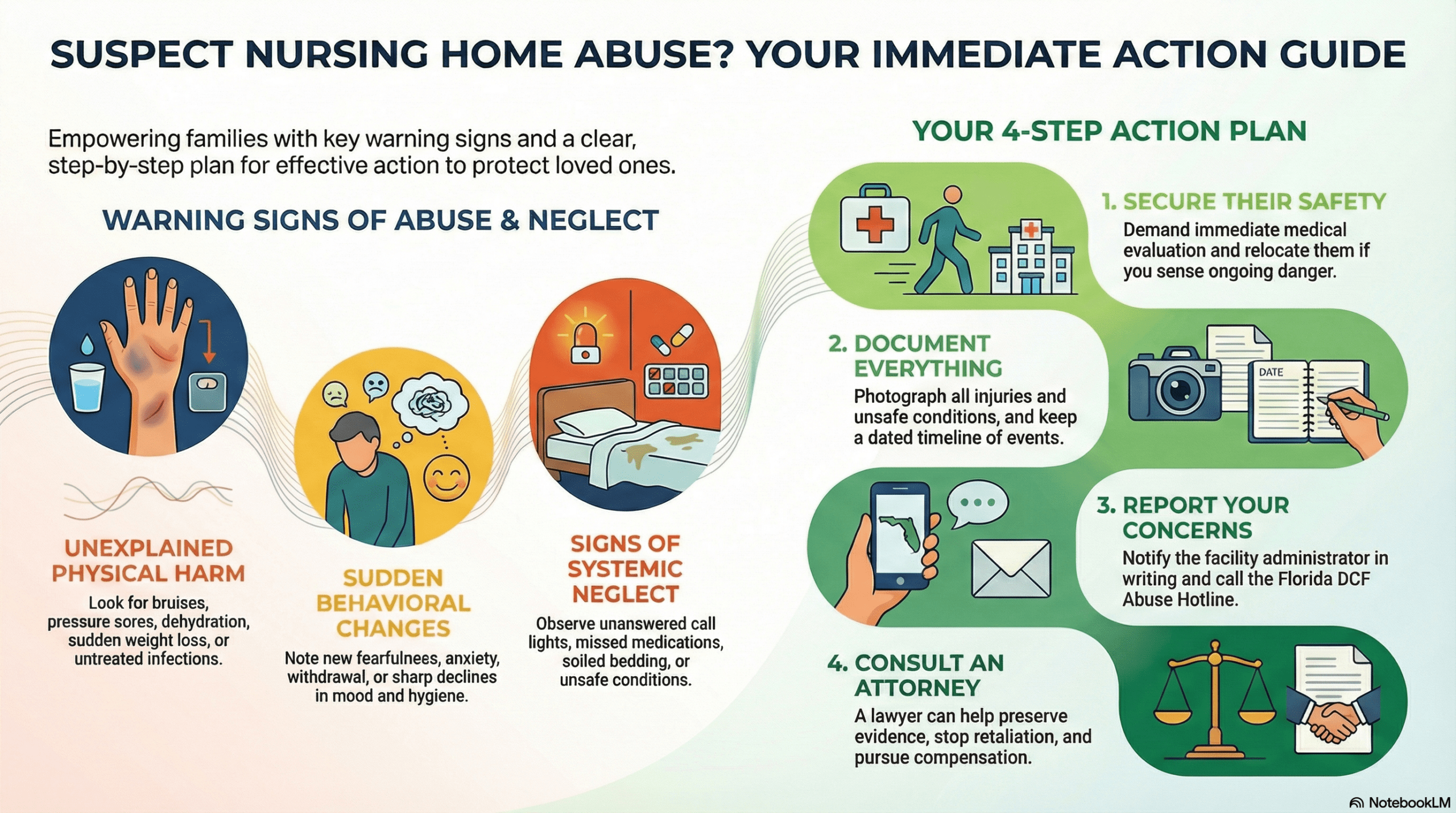
You may see unexplained bruises, sudden fearfulness, dehydration, pressure sores, missing belongings, or a sharp decline in hygiene and mood.
Neglect can also show up as untreated infections, medication errors, or unsafe supervision.
When you suspect harm, you’ll want to document what you observe, request records, and report concerns to the facility and appropriate agencies.
A strong case often follows a clear timeline: warning signs appear, reports are made, medical needs are addressed, and evidence is preserved before it disappears.
You’re not just pursuing compensation—you’re practicing resident advocacy and protecting others in the same building.
With family education, you’ll know what questions to ask, what standards should be met, and how to insist on dignified care every day.
We Generally Handle The Following Nursing Home Abuse Cases


Fort Lauderdale Nursing Home Fall Lawyer
A Fort Lauderdale Nursing Home Fall Lawyer represents residents injured due to unsafe conditions, inadequate supervision, or negligent care in nursing homes and assisted living facilities. They work to hold facilities accountable and pursue compensation for medical expenses, rehabilitation, and the pain and suffering caused by preventable falls.
OUR CONSULTATIONSARE FREE
START YOUR FREE CASE REVIEW

Fort Lauderdale Nursing Home Medication Error Lawyer
A Fort Lauderdale Nursing Home Medication Error Lawyer represents residents harmed by medication errors, including incorrect dosages, missed medications, dangerous drug interactions, or improper administration. They work to hold nursing homes and staff accountable for negligent care and pursue compensation for medical complications, worsening conditions, and preventable harm.
Fort Lauderdale Nursing Home Bedsore Lawyer
A Fort Lauderdale Nursing Home Bedsore Lawyer represents residents who develop painful and dangerous pressure ulcers due to neglect, improper repositioning, or inadequate medical care. They work to hold nursing homes accountable and pursue compensation for infections, prolonged treatment, and the serious health complications caused by preventable bedsores.


Fort Lauderdale Nursing Home Wrongful Death Lawyer
A Fort Lauderdale Nursing Home Wrongful Death Lawyer helps families seek justice after a loved one dies due to neglect, abuse, medical errors, or unsafe conditions in a nursing home or assisted living facility. They work to hold the facility accountable and pursue compensation for funeral expenses, loss of companionship, and the profound emotional and financial impact of the loss.
Fort Lauderdale Nursing Home Malnutrition Lawyer
A Fort Lauderdale Nursing Home Malnutrition Lawyer represents residents who suffer serious health complications due to inadequate nutrition, dehydration, or neglect in a nursing home or assisted living facility. They work to hold facilities accountable for failing to provide proper meals, monitoring, and medical care, while pursuing compensation for the harm caused by malnutrition.
Common Causes of Fort Lauderdale Nursing Home Abuse and Neglects
When you’re looking at why nursing home abuse and neglect happen in Fort Lauderdale, you’ll often find chronic understaffing and overworked caregivers at the center.
You’ll also see harm linked to inadequate training and background screening, which leaves residents in the hands of unprepared or unsafe staff.
On top of that, medication errors, basic neglect, and weak supervision or oversight can let warning signs go unchecked until serious injuries occur.
Understaffing And Overwork
Although many facilities promise attentive, round-the-clock care, understaffing and overworked employees often set the stage for nursing home abuse and neglect in Fort Lauderdale. When too few caregivers cover too many residents, you’ll see rushed hygiene, missed meals, delayed medications, and unanswered call lights.
Shift shortages force staff to sprint from room to room, leaving little time for dignity, conversation, or careful monitoring. As pressure builds, Staff burnout can lead to short tempers, careless transfers, preventable falls, and overlooked warning signs of infection or dehydration.
You can help by watching patterns: repeated unanswered requests, frequent soiled bedding, sudden weight loss, or new bruises with vague explanations. Document what you observe, ask direct questions, and escalate concerns promptly. Your vigilance supports caregivers who want to do right and protects residents from harm.
Inadequate Training And Screening
Short staffing doesn’t just stretch caregivers thin—it also pushes facilities to hire fast and train later, and that’s where inadequate training and poor screening can put residents in danger.
When you care about protecting elders, you can’t ignore how unprepared staff may handle lifting, hygiene, fall prevention, or communication with confused residents.
If a facility skips thorough background checks, you risk placing vulnerable people in the hands of workers with prior violence, theft, or neglect allegations.
If they don’t require competency testing, aides may not understand proper transfers, infection control, or de-escalation.
You can watch for warning signs: rough handling, unanswered call lights, unexplained bruises, and staff who seem unsure of basic tasks.
If you see patterns, you can demand documentation and accountability.
Medication Errors And Neglect
Medication mistakes can slip through the cracks fast in a busy Fort Lauderdale nursing home, and the fallout can be devastating.
When you’re serving vulnerable residents, you’ve got to watch for wrong dosages, timing errors, and confusion over oral vs intravenous routes that can trigger falls, bleeding, or dangerous interactions.
You should also stay alert to missed administrations that let infections worsen or pain spiral.
Neglect can show up in unsafe storage, like unsecured carts, expired pills, or look-alike bottles that invite mix-ups.
Even pharmacy mix-ups can deliver the wrong medication or strength, especially when refills change manufacturers.
If you notice sudden sedation, agitation, swelling, or unexplained decline after a med change, document it, request records, and speak up for the resident promptly.
Poor Supervision And Oversight
When staff members don’t actively monitor residents and follow clear care plans, poor supervision can quickly turn ordinary risks into serious harm.
You may see falls go unnoticed, wandering increase, or choking risks ignored because no one checks positioning, hydration, or mobility needs.
When call lights aren’t answered, residents may try to stand alone, leading to fractures and head injuries.
You can help prevent this by asking about staff ratios on each shift and how the facility assigns aides to high-risk residents.
Request documentation of rounds, incident reports, and follow-up steps after any injury.
Encourage leadership to conduct regular supervision audits and retrain staff when patterns emerge.
If oversight failures persist, you can advocate firmly, report concerns, and seek legal guidance to protect those entrusted to your care.

Legal Rights of Fort Lauderdale Nursing Home Abuse and Neglect Victims
Although nursing homes often promise attentive care, Florida law gives you clear rights if a facility in Fort Lauderdale abuses or neglects you or someone you love. You’re entitled to safety, dignity, and respectful treatment, and you can demand accountability when staff ignore your needs or cause harm.
Your rights protect Resident autonomy, so you can make personal choices about daily life, visitors, activities, and medical decisions whenever possible.
When Consent capacity is limited, the law still requires appropriate safeguards and lawful involvement of a surrogate or guardian, not convenience-driven shortcuts.
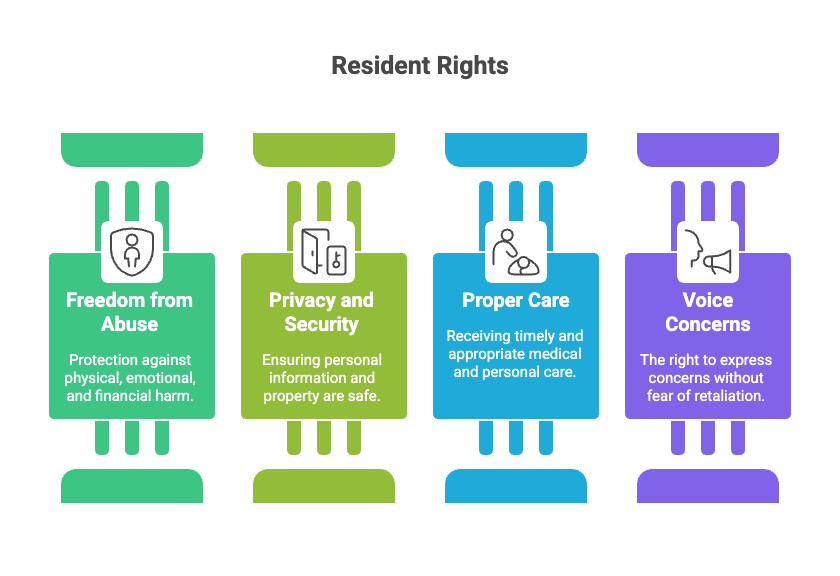
Your protections commonly include:
- Freedom from abuse, neglect, and exploitation
- Privacy, confidentiality, and secure personal property
- Proper care planning, medication management, and timely medical attention
- The ability to voice concerns without retaliation
You can seek remedies for medical costs, pain and suffering, and other losses, while honoring your loved one’s worth and well-being.
Steps to Take After a Fort Lauderdale Nursing Home Abuse and Neglect
If you suspect nursing home abuse or neglect in Fort Lauderdale, you should first make sure the resident is safe and gets immediate medical attention if needed.
Next, you’ll document injuries and conditions, preserve records, and report what happened to the facility and the proper authorities.
Then you can consult a Fort Lauderdale nursing home abuse attorney to protect your rights and take swift legal action.
Ensure Immediate Resident Safety
Often, the most urgent step after suspected nursing home abuse or neglect in Fort Lauderdale is making sure your loved one is safe right now. Stay calm, arrive quickly, and ask to see them in a private, quiet place.
If you sense ongoing danger, insist on immediate medical attention and request a care-plan change that removes them from the source of harm. When risk remains, arrange Immediate relocation to a trusted facility, hospital, or family home, even temporarily.
Bring vital medications, mobility aids, and contacts to avoid disruption to care.
Ask leadership for Safety audits of the room, call system, staffing coverage, and supervision routines, and push for immediate fixes. Keep your focus on dignity, comfort, and steady support while you steer next steps.
Document Evidence And Report
Once your loved one’s immediate safety is under control, start building a clear record of what happened and get the right agencies involved.
Take photo documentation of injuries, unsafe conditions, soiled bedding, and medication labels, and note dates and times. Keep a written timeline of symptoms, staff responses, and any changes in mood, hygiene, or mobility.
Ask questions respectfully and request copies of care plans, incident reports, and medical records.
If other residents, visitors, or staff saw concerns, gather witness statements with names and contact details.
Report suspected abuse or neglect to the Florida Department of Children and Families Abuse Hotline, and notify the facility administrator in writing. If there’s immediate danger or a crime, call 911.
Your careful reporting helps protect others, too.
Consult Fort Lauderdale Attorney
After you’ve documented the warning signs and made the appropriate reports, consult a Fort Lauderdale nursing home abuse attorney to protect your loved one’s rights and preserve vital evidence. You’ll get guidance on next steps, from securing medical records to interviewing witnesses, while keeping your loved one safe and treated with dignity.
Your lawyer can review Advance directives, coordinate with doctors, and act fast if relocation is needed.
If you suspect Financial abuse, counsel can trace transactions, demand accountings, and pursue recovery.
| What you do | What you bring | How it helps |
|---|---|---|
| Schedule consult | Photos, logs | Builds timeline |
| Share concerns | Care plan, meds | Spots neglect patterns |
| Review documents | Advance directives | Confirms authority |
| Flag finances | Bank notes | Targets Financial abuse |
How a Fort Lauderdale Nursing Home Abuse and Neglect Lawyer Can Help You
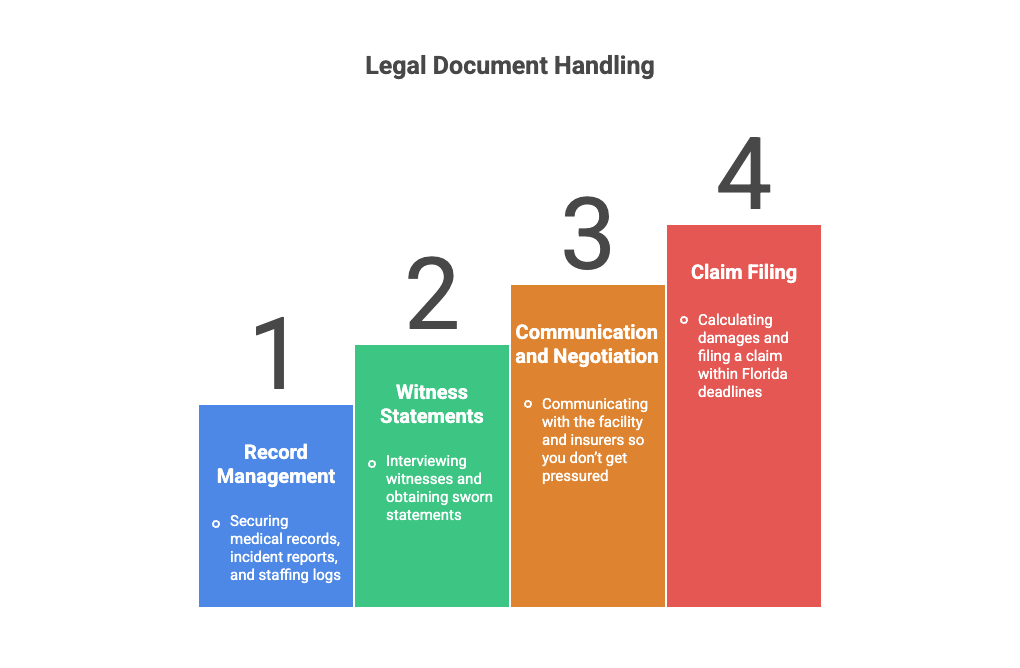
A Fort Lauderdale nursing home abuse and neglect lawyer can help you by:
- Securing medical records, incident reports, and staffing logs
- Interviewing witnesses and obtaining sworn statements
- Communicating with the facility and insurers so you don’t get pressured
- Calculating damages and filing a claim within Florida deadlines
You’ll get guidance on safe next steps, including reporting options, without losing sight of your mission to protect dignity and care.
Long-Term Effects of Fort Lauderdale Nursing Home Abuse and Neglect Injuries
When you’re facing nursing home abuse or neglect in Fort Lauderdale, you may deal with injuries that don’t heal when the bruises fade.
You can end up with chronic physical disabilities and serious cognitive and emotional decline that changes how you live day to day.
In the worst cases, you’re also looking at an increased mortality risk tied to untreated wounds, infections, dehydration, or malnutrition.
Chronic Physical Disabilities
Even if the visible injuries heal, nursing home abuse and neglect can leave you with chronic physical disabilities that change how you move, care for yourself, and live day to day.
You might face lasting weakness after falls, limited range of motion from untreated fractures, or chronic pain from pressure sores and poor repositioning. When staff ignore therapy or medication needs, you can lose balance, stamina, and the ability to transfer safely.
You may need assistive devices like walkers, wheelchairs, or transfer belts, plus home modifications such as ramps, grab bars, and widened pathways. These changes don’t just affect you—they affect everyone trying to serve and support you. You’re entitled to care that protects your dignity, restores function, and helps you stay as independent as possible.
Cognitive And Emotional Decline
Physical harm from abuse or neglect often goes hand in hand with changes you can’t see—cognitive and emotional decline that can linger long after the injuries close. You may notice memory loss, confusion, or trouble following routines that once felt familiar. Emotional strain can show up as anxiety, withdrawal, or sudden mood swings that disrupt relationships and daily care.
| What you may see | How you can help |
|---|---|
| Forgetting names, dates | Track patterns, share notes |
| Disorientation | Create calm, consistent cues |
| Irritability | Respond gently, don’t argue |
| Sleep changes | Ask for medical review |
| Loss of interest | Invite safe, simple activities |
When you serve a loved one, you’re not just watching symptoms—you’re protecting dignity and advocating for the support they merit.
Increased Mortality Risk
Although some injuries fade on the surface, abuse and neglect can raise a resident’s long-term mortality risk by accelerating decline and triggering complications that don’t fully resolve.
When you see untreated infections, dehydration, malnutrition, pressure sores, or repeated falls, you’re not just witnessing discomfort—you’re seeing pathways to organ strain, sepsis, fractures, and lasting immobility that shorten life. Medication errors and missed monitoring can quietly worsen heart, lung, or diabetic conditions until a crisis hits.
If you serve residents and families, you can act early: document changes, request prompt medical evaluation, and push for care-plan updates. Ask facilities for incident reports and objective outcomes, including survival statistics tied to preventable events. By insisting on accountability, you reduce increased mortality and protect dignity.
Proving Liability in Fort Lauderdale Nursing Home Abuse and Neglect Cases
When you suspect a loved one has suffered abuse or neglect in a Fort Lauderdale nursing home, you need more than a gut feeling—you need proof that ties the harm to a specific failure in care.
You can start by gathering records: care plans, medication logs, wound charts, incident reports, and staffing schedules. Pair them with photos, timelines, and witness statements from visitors, roommates, or former employees.
To prove liability, you’ll show the facility owed a duty, breached it, and caused measurable harm.
Expert review often connects substandard practices—missed turning, delayed medical attention, improper restraints, or unsanitary conditions—to the injury.
You can also use burden shifting when a home controls crucial evidence or can’t explain how injuries occurred under its watch.
Expect defenses such as comparative negligence, claiming your loved one caused the incident; you’ll counter with documented cognitive, mobility, and supervision needs in the chart.
Your focus stays on protecting residents and preventing future harm.
Compensation for Fort Lauderdale Nursing Home Abuse and Neglect Damages
Demand full compensation by documenting every way the abuse or neglect changed your loved one’s life. Gather medical records, care plans, photos, medication logs, and witness statements so you can show the real impact, not just the incident. Track each added appointment, transfer, and assistive device, and keep receipts and mileage notes.
You can pursue damages for economic losses like hospital bills, therapy, prescriptions, relocation costs, and the value of stolen or destroyed property. You can also seek recovery for pain, suffering, and emotional distress your loved one endured, including anxiety, fear, humiliation, and loss of dignity.
If the facility’s conduct was especially reckless, you can ask for damages that hold it accountable and protect other residents. By insisting on thorough, evidence-based compensation, you honor your loved one, strengthen safety standards, and help prevent future harm in your community.

The Statute of Limitations for Fort Lauderdale Nursing Home Abuse and Neglect Cases
Even with clear signs of abuse or neglect, Florida’s statute of limitations can cut off your right to sue if you wait too long. When you’re focused on protecting a vulnerable resident and ensuring they’re safe, it’s easy to postpone legal steps, but the clock may already be running.
In many cases, the deadline starts from the date the harm occurred, yet some situations allow a later start if you couldn’t reasonably know what happened.
You’ll also need to watch specific filing deadlines tied to nursing home negligence, wrongful death, or claims against particular entities. Keep organized notes, incident reports, photos, and medical records so you can act quickly.
If misconduct was hidden—such as altered charts or intimidation—discovery tolling may extend the time, but you can’t count on it. By moving promptly, you support accountability and help prevent future harm to others in care.
Why You Need an Experienced Fort Lauderdale Nursing Home Abuse and Neglect Lawyer
Florida’s filing deadlines don’t wait, and nursing homes rarely make abuse or neglect easy to prove. You need an experienced Fort Lauderdale nursing home abuse and neglect lawyer to move fast, preserve records, and stop the facility from shaping the story. You’ll protect your loved one while honoring your commitment to serve with dignity and compassion.
| What you face | What a lawyer does | Why it matters |
|---|---|---|
| Missing charts | Sends preservation letters | Evidence stays intact |
| Shifting blame | Interviews witnesses | Truth comes forward |
| Unclear standards | Reviews staff training | Neglect patterns show |
You can’t rely on promises that “we’ll handle it.” An attorney can secure incident reports, staffing schedules, surveillance, and medical opinions, then connect them to preventable harm. They’ll also guide family involvement to strengthen care rather than trigger retaliation. When you act with experienced counsel, you pursue accountability, better practices, and safer homes for every resident.
How to Choose the Right Fort Lauderdale Nursing Home Abuse and Neglect Lawyer for Your Case
Choose someone who listens with compassion and conducts thorough client interviews, so your loved one’s story and your concerns guide the case strategy.
Choose a lawyer who listens with compassion and asks the right questions, so your loved one’s story drives the strategy.
Check whether the lawyer has handled similar claims, including pressure sores, falls, dehydration, and financial exploitation, and whether they’re ready to take a case to trial if settlement talks stall.
Review fee structures upfront, including costs for records and experts, so you can focus on protecting your family without surprise bills.
Finally, prioritize clear communication—you’ll serve your loved one best when you understand every step.
About the Law Offices of Anidjar and Levine
Turn to the Law Offices of Anidjar and Levine when you need a Fort Lauderdale nursing home abuse lawyer who’ll take your concerns seriously and act quickly to protect your loved one. You’ll get a team that listens, explains your options in plain language, and moves fast to help stop harm and secure evidence.
You can lean on the firm history of steady advocacy for injured Floridians, built on service, accountability, and hands-on support. You won’t feel like a file number—your questions get answers, and your case gets attention.
You’ll receive help scheduling medical care, gathering records, and communicating with facilities and insurers while you stay focused on your family’s wellbeing.
When you’re deciding who to trust, you can review client testimonials that reflect responsive communication and determined representation. You’ll also get updates, clear next steps, and a plan aimed at justice and safer care for others.
Frequently Asked Questions
Can I Move My Loved One Without Harming the Legal Case?
Yes, you can move your loved one without jeopardizing the legal case, and you should often move promptly to keep them safe.
Before you transfer, preserve evidence: photograph injuries and room conditions, request full medical charts, care plans, incident reports, and medication logs, and save messages. Don’t sign broad releases or waivers.
Notify the facility in writing and keep copies.
Get a medical evaluation quickly, and document everything consistently.
How Do I Obtain Nursing Home Surveillance Footage in Florida?
You obtain Florida nursing home surveillance footage by sending a written request to the facility and the resident’s representative, then issuing a preservation letter so they don’t delete it.
Act fast: cameras overwrite quickly, so request video preservation immediately.
If they refuse, you use the legal process—subpoenas, records demands, and court orders—to secure copies.
Keep dates, times, and incident details ready, and document every communication.
Can Family Members Sue if the Resident Has Dementia or No Capacity?
Yes, you can sue even if your loved one has dementia or lacks capacity. You’ll act through legal authority: a medical power of attorney may let you pursue claims, or you can file guardian petitions to appoint a decision-maker.
If neither exists, you can still start the process by seeking guardianship and gathering records. You’ll protect their dignity, hold wrongdoers accountable, and recover damages for harm.
What if the Abuse Happened During a Short-Term Rehab Stay?
Yes, you can still pursue action if abuse happened during a short-term rehab stay.
You’ll look at rehab liability for the facility, staffing agency, and supervising clinicians.
You can request records, incident reports, and witness statements to document the harm and protect others.
Insurance coverage may come from the rehab center’s policy and any contracted providers.
Act quickly during the care handoff, since evidence and memories fade fast.
Are Nursing Home Arbitration Agreements Enforceable in Florida Abuse Cases?
Yes, nursing home arbitration agreements can be enforceable in Florida abuse cases, but you can challenge them.
You’ll face enforceability standards like clear, voluntary consent, proper authority, and fair notice.
You can also rely on statutory exceptions and public-policy limits, especially when the agreement violates resident-rights protections or was signed under pressure or confusion.
If you’re advocating for a loved one, gather admission paperwork and witness details quickly.
——————
You don’t have to face nursing home abuse or neglect in Fort Lauderdale alone. When you suspect mistreatment, acting fast helps protect your loved one, preserve evidence, and hold the facility accountable.
You can seek answers, understand your rights, and pursue compensation for medical costs, pain, and other losses.
With the Law Offices of Anidjar and Levine and an experienced Fort Lauderdale Nursing Home Abuse and Neglect Lawyer on your side, you’ll have guidance through every step and a stronger voice.