If your loved one develops a pressure sore in a Fort Lauderdale nursing home, you can work with the Law Offices of Anidjar and Levine to protect their rights and quickly preserve critical evidence.
This may include gathering medical records, wound photographs, care plans, turning and repositioning schedules, and staffing or incident logs before they are altered or lost.
Your attorney can arrange for medical expert reviews, compare the facility’s conduct to Florida care standards, manage all communication with insurers, and pursue compensation for medical expenses, pain and suffering, or wrongful death.
Learn more about your options by consulting a Fort Lauderdale Nursing Home Abuse and Neglect Lawyer and understanding which steps matter most.
Key Takeaways
- A Fort Lauderdale bedsore lawyer preserves evidence early by securing records, wound photos, care plans, and witness statements before they disappear.
- Counsel investigates care failures like missed turning schedules, poor hygiene, malnutrition, understaffing, or improper mattresses and positioning equipment.
- Attorneys work with medical experts to stage pressure injuries, prove causation, and compare care to Florida nursing home standards.
- A lawyer handles insurer and facility communications, negotiates firmly, and files suit when necessary to obtain records and accountability.
- Families get clear guidance on immediate steps, reporting options, deadlines, and contingency fees while protecting the resident’s dignity and rights.
How We Can Help With Your Fort Lauderdale Nursing Home Bedsore Claim
A bedsore claim can feel like a medical-maze and a legal battle at the same time. You’re trying to protect someone you love, keep them comfortable, and hold a facility accountable without getting overwhelmed. You don’t have to do it alone. You can focus on caregiving while we handle the claim.
You can count on us to gather records, interview witnesses, and secure photos and wound-care notes before they disappear. We’ll review whether the home followed turning schedules, nutrition plans, and infection control, and whether staff training matched residents’ needs.
We’ll also look for preventable breakdowns, such as poor equipment maintenance—faulty mattresses, missing cushions, or broken lift devices — that increase pressure risk.
You’ll get clear updates, deadlines tracked, and a plan that respects your time. If negotiations don’t bring fair results, we’ll be ready to pursue the next step for you.
Understanding Fort Lauderdale Nursing Home Bedsore Cases
Bedsore cases in Fort Lauderdale often come down to whether a nursing home took reasonable steps to prevent skin breakdown and responded fast when warning signs appeared. You’ll want to focus on what caregivers knew, when they knew it, and what they did next to protect your loved one’s dignity and comfort.


You can strengthen a case by gathering care plans, skin checks, wound notes, photos, and family visit logs. Ask whether the facility followed its own policies and accepted clinical standards, including regular turning schedules, nutrition and hydration support, and timely provider notifications.
OUR CONSULTATIONSARE FREE
START YOUR FREE CASE REVIEW

Documentation on staff training matters, as it shows whether the home is equipped to identify early signs of redness, heat, or pain and to escalate care. Records tied to pressure mapping can also help, since they reflect how the home assessed risk and selected support surfaces or repositioning needs. When you ground your claim in clear facts, you honor your loved one and help prevent future harm.
Common Causes of Fort Lauderdale Nursing Home Bedsores
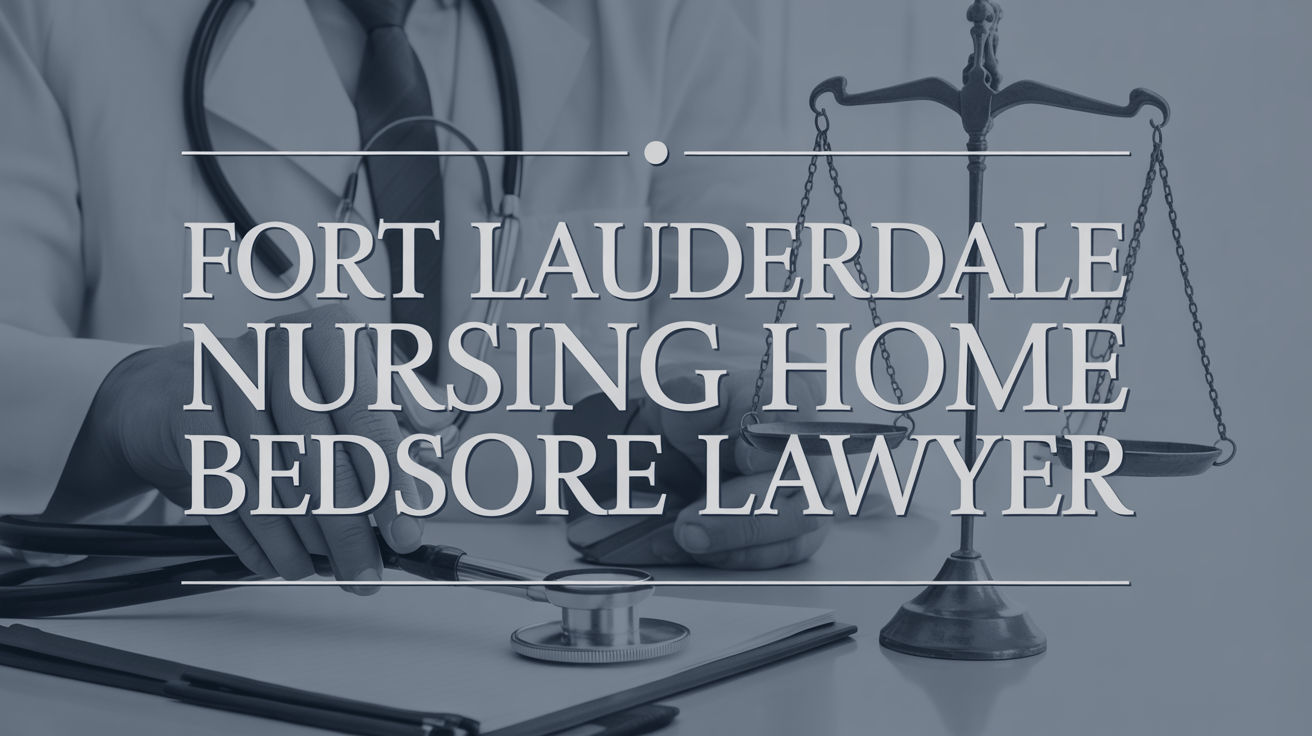
When you’re trying to understand why bedsores happen in a Fort Lauderdale nursing home, you should start with day-to-day care failures.
You’ll often see inadequate repositioning schedules, poor skin hygiene, and malnutrition or dehydration that leave skin fragile and slow to heal.
You should also watch for limited mobility support, because when staff don’t assist with movement, pressure builds and sores can form fast.
Inadequate Repositioning Schedules
Too often, nursing home staff don’t reposition immobile residents on a consistent schedule, leaving constant pressure on the same areas of skin and cutting off blood flow until tissue breaks down. When you’re caring for someone who can’t shift their weight, timed turns aren’t optional—they’re basic protection.


You can push for a documented turning plan, clear staff assignments, and charting that matches reality. Ask whether the facility uses pressure mapping to identify high-risk points and adjust care, and whether mattress technology supports offloading at the heels, sacrum, and hips.
If you notice long stretches in one position, redness that doesn’t fade, or staff who “forget,” speak up immediately. Your advocacy can prevent avoidable injury and preserve dignity for vulnerable neighbors.
Poor Skin Hygiene
Far too often, poor skin hygiene in a nursing home sets the stage for bedsores by leaving sweat, urine, or stool against fragile skin and breaking down the body’s natural barrier. When you serve residents, you can’t treat bathing and brief changes as optional tasks—each delay increases friction, maceration, and infection risk.
You protect dignity and skin by ensuring prompt toileting assistance, gentle skin cleansing after every episode of incontinence, and careful drying in skin folds. You also reduce damage by applying barrier creams to shield vulnerable areas from moisture and rubbing. If staff rush, skip checks, or use harsh soaps, you’ll see redness that turns into open wounds.
Document missed care, report patterns to supervisors, and insist on consistent hygiene rounds.
Malnutrition And Dehydration
Because skin can’t repair itself without fuel and fluids, malnutrition and dehydration quietly accelerate bedsore formation in Fort Lauderdale nursing homes.
When a resident doesn’t get enough protein, calories, vitamins, and minerals, you’ll often see fragile skin, slower healing, and a higher risk of infection due toout the skin, and makes tissues less resilient to nutritional deficiencies.
Dehydration adds another layer of danger. Poor fluid balance reduces blood flow to pressure points, dries skin, and makes tissues less resilient against breakdown.
You can serve residents well by watching for warning signs: weight loss, poor appetite, dry mouth, dark urine, confusion, or fatigue. Ask whether care plans include regular meal assistance, supplement tracking, and documented intake and output. If you notice skipped meals or limited access to drinks, speak up promptly and document what you observe carefully.
Limited Mobility Support
Skipping regular repositioning and transfer help leaves immobile residents trapped under constant pressure, which can trigger bedsores fast in Fort Lauderdale nursing homes.
When you don’t provide timely turns, lift assistance, or safe wheelchair-to-bed transfers, you let skin and tissue break down on heels, hips, and tailbones.
You can prevent harm by staffing enough aides, following turning schedules, and documenting every move.
Use assistive devices such as gait belts, slide sheets, and mechanical lifts so residents aren’t dragged or left sitting for too long.
Add pressure mapping to identify high-risk contact points and adjust cushions, mattresses, and positioning plans.
If you serve with vigilance, you’ll catch early redness, protect dignity, and stop small sores from becoming life-altering wounds for residents and families.
Legal Rights of Fort Lauderdale Nursing Home Bedsore Victims
When a Fort Lauderdale nursing home lets bedsores develop or worsen, Florida law gives you clear rights to demand accountability and compensation. You don’t have to accept excuses when preventable wounds cause pain, infection, or loss of dignity.
Your voice matters, and patient advocacy can protect your loved one and others in the facility.
You can pursue remedies that reflect both care and justice:
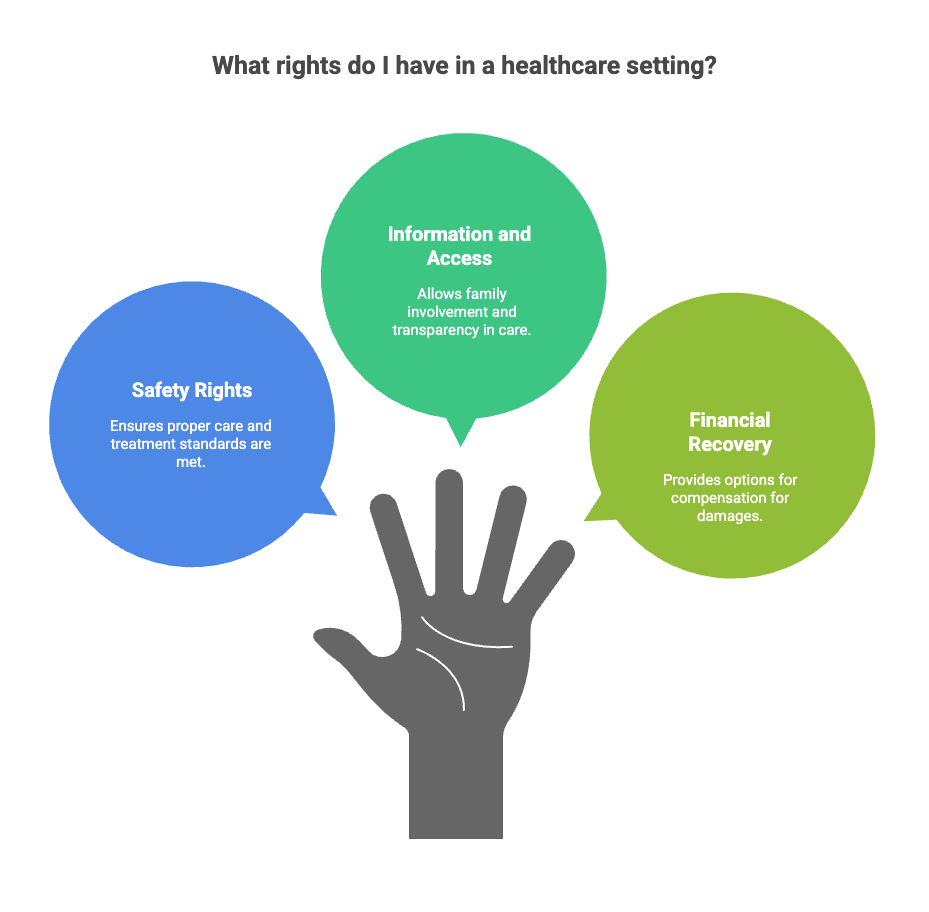
- Safety rights: You’re entitled to proper repositioning, skin checks, nutrition, and timely treatment consistent with accepted standards.
- Information and access: Family rights include receiving updates, reviewing care plans, and asking questions without retaliation.
- Financial recovery: You may seek damages for medical costs, suffering, disability, and, in severe cases, wrongful death-related losses.
Steps to Take After a Fort Lauderdale Nursing Home Bedsore
If you notice a bedsore in a Fort Lauderdale nursing home, get an immediate medical evaluation to assess the wound and prevent infection.
Document the injury and the facility’s care by taking photos, saving records, and writing down dates, staff names, and symptoms.
Report the issue to the nursing home and state authorities, then consult counsel so you can protect your rights and preserve evidence.
Seek Immediate Medical Evaluation
Getting a prompt medical evaluation protects your loved one’s health and creates a clear record of how severe the bedsore is.
Ask for an emergency assessment by a physician or wound-care clinician, not just a quick look from floor staff. You can request transport to an ER or urgent clinic if the sore looks deep, smells foul, or shows spreading redness, fever, or confusion.
Insist on appropriate pain management so your loved one can rest, eat, and participate in repositioning without needless suffering.
Request testing for infection and dehydration, and ask about antibiotics, debridement, pressure-relief surfaces, and nutrition support.
If your loved one can’t speak up, you can. Staying calm, firm, and compassionate helps the care team respond quickly and respectfully.
Document Injuries And Care
After you’ve secured a thorough medical evaluation, start building a clear paper trail of the injury and the facility’s response. You’ll serve your loved one best by recording dates, staff names, and every care step you observe or are told about. Use wound photography with timestamps to show size, depth, drainage, and changes over time.
Request copies of care plans, turning schedules, nutrition logs, and medication lists, and note any gaps.
| What to document | How to do it |
|---|---|
| Skin condition | Daily wound photography, same angle/light |
| Care provided | Log repositioning, dressings, hygiene |
| Staff communications | Save emails, write call summaries |
| Witness input | Conduct family interviews, note exact quotes |
Keep originals, back up files, and stay factual and compassionate.
Report And Consult Counsel
Once you’ve documented the wound and the care gaps, report the bedsore to the facility administrator and director of nursing in writing, then file a complaint with the Florida Agency for Health Care Administration (AHCA) and, when appropriate, Fort Lauderdale law enforcement or Adult Protective Services.
Ask for the care plan, turning schedule, wound notes, and staffing records, and request immediate medical evaluation.
Keep copies of every letter, email, and form, and write down dates, names, and responses.
When you report concerns, stay respectful and focused on your loved one’s safety and dignity. If the facility delays, denies, or retaliates, don’t go it alone—consult counsel. A local bedsore lawyer can preserve evidence, coordinate medical reviews, and pursue accountability so other residents don’t suffer the same harm.
How a Fort Lauderdale Nursing Home Bedsore Lawyer Can Help You
In the wake of a serious bedsore injury, a Fort Lauderdale nursing home bedsore lawyer can step in quickly to protect your rights and push for answers. You shouldn’t have to steer reports, shifting stories, or confusing regulations alone when you’re focused on caring for someone you love. Your lawyer brings calm structure and purpose, grounded in service and accountability.
They’ll act fast to preserve evidence and clarify whether poor staff training or ignored care plans contributed, while strengthening your family advocacy at every turn.
You’ll get a clear plan, steady communication, and a voice that facilities must respect.
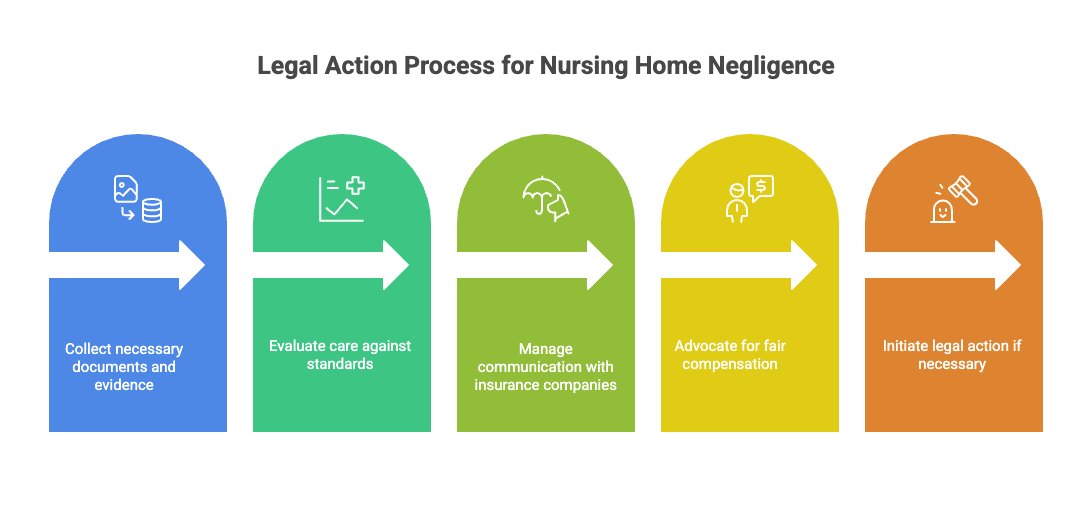
- Gather records, photos, and witness statements before they disappear.
- Coordinate medical reviews and compare care to Florida nursing home standards.
- Handle insurer calls, negotiate firmly, and, if needed, file suit to demand transparency.
With legal support, you can keep attention where it belongs: dignity, safety, and compassionate care.
Long Term Effects of Fort Lauderdale Nursing Home Bedsores
When you’re dealing with a Fort Lauderdale nursing home bedsore injury, the damage can last long after the wound closes, leaving you with chronic pain and permanent scarring.
You can also face serious infection risks that may progress to sepsis if the sore isn’t treated properly. As mobility declines, you may lose independence and need more daily assistance than before.
Chronic Pain And Scarring
Although a bedsore may start as a small wound, it can leave you with lasting chronic pain and permanent scarring if a Fort Lauderdale nursing home doesn’t treat it quickly and correctly. You may feel persistent discomfort when you sit, turn, or receive routine care, making it harder to stay patient and present for people who rely on you.
As tissue breaks down, healing can tighten skin and deepen chronic scarring, limiting motion and affecting dignity.
| What you notice | How it can affect you |
|---|---|
| Burning or aching | Sleep loss, low stamina |
| Tight, raised scars | Reduced flexibility |
| Sensitivity to touch | Avoiding transfers, bathing |
| Ongoing soreness | Needing more assistance |
You don’t have to accept this as “normal aging”; you can seek accountability and support that protects others, too.
Infection And Sepsis Risks
Chronic pain and scarring can linger, but the bigger danger often comes from what you can’t see—an untreated bedsore can turn into an infection that spreads beyond the wound. When bacteria enter tissue, you may face cellulitis, bone infection, or bloodstream infection that escalates to sepsis. You’ll often need prompt evaluation, a wound culture, and targeted antibiotics.
If care is delayed, the infection can become hospital-acquired, increasing the risk of falls and helping you get back to serving others. Antibiotic resistance can limit effective treatment and prolong recovery. If you live with an immune compromise, you’re at higher risk for rapid decline, fever, confusion, or low blood pressure. By advocating early assessment and proper wound care, you’re protecting the resident’s health and honoring your commitment to serve with vigilance.
Reduced Mobility And Independence
Even after the wound closes, a serious bedsore can leave you with lasting mobility limits that shrink your independence. Scar tissue, muscle loss, and chronic pain can make standing, transferring, or walking harder, so you may need more help for bathing, dressing, and getting to meals or activities.
When movement hurts, you’re also more likely to avoid therapy, which can speed deconditioning. You might rely on assistive devices like walkers, wheelchairs, or lift systems, but you still merit dignity and choice in how you live.
With the right care plan, you can rebuild strength and protect vulnerable skin. Practical home adaptations—grab bars, pressure-relief cushions, accessible showers, and safer flooring—can reduce falls and keep you engaged in serving others again.

Proving Liability in Fort Lauderdale Nursing Home Bedsore Cases
When a Fort Lauderdale nursing home lets a resident develop bedsores, proving liability comes down to showing the facility owed a duty of care and then failed to meet it. You do that by connecting basic prevention standards—regular turning, skin checks, nutrition, hydration, and pressure-relieving devices—to what actually happened day to day.
Proving bedsore liability means linking prevention standards—turning, skin checks, nutrition, hydration, pressure relief—to what happened daily in the facility.
Start by collecting records and witness accounts that reveal missed repositioning, ignored complaints, or delayed wound care. Look for gaps between the care plan and bedside reality, and use documentation audits to spot copied notes, missing turn logs, or late entries.
You can also evaluate whether staff training prepared caregivers to identify early-stage sores, report risks, and escalate concerns to nursing supervisors. Photos, wound measurements, hospital transfer notes, and expert reviews help show the sore wasn’t unavoidable, but the predictable result of neglect.
When you build that timeline, you give the resident a strong voice and hold the facility accountable.
Compensation for Fort Lauderdale Nursing Home Bedsore Damages
Because bedsores can trigger infections, hospitalizations, and lasting pain, compensation in a Fort Lauderdale nursing home bedsore case should cover more than the wound itself—you can pursue payment for medical treatment and wound care, rehab, medications, added caregiving needs, and any out-of-pocket costs, along with damages for pain and suffering, emotional distress, and loss of dignity, and in severe cases, wrongful death losses for surviving family members.
You can also seek recovery for transportation to specialists, adaptive equipment, and future care planning, so your loved one isn’t left without support. These losses include both economic costs and non economic damages that recognize suffering and diminished quality of life.
To serve your loved one well, you’ll document every expense, keep photos and incident notes, and gather medical records that show progression and preventability. During settlement negotiation, you can push for full value by tying damages to specific failures in turning, nutrition, hydration, and timely treatment.
If the facility resists, you can still pursue accountability through litigation for maximum recovery.
The Statute of Limitations for Fort Lauderdale Nursing Home Bedsore Cases
Although your focus stays on getting your loved one treated, you also need to watch the deadline for filing a Fort Lauderdale nursing home bedsore claim, since Florida’s statute of limitations can cut off your right to recover compensation if you wait too long. In many cases, the clock starts when the injury happens or when you reasonably discover the neglect that caused the pressure sore.
You can serve your loved one best by documenting dates, photos, care notes, and hospital records early, so you don’t lose track of essential timelines. Certain circumstances may trigger limitations tolling, such as when records get concealed or a resident can’t assert rights due to incapacity. Florida law also recognizes filing exceptions in specific situations, including when neglect only becomes apparent after discharge or when fraud delays discovery.
If you’re unsure which date controls, act promptly to preserve your right to seek accountability and support ongoing care.
Why You Need an Experienced Fort Lauderdale Nursing Home Bedsore Lawyer
Even if you’ve documented the wound and reported it, a Fort Lauderdale nursing home bedsore case can turn on technical details you shouldn’t have to manage alone. An experienced lawyer helps you translate medical records, care plans, and turning schedules into a clear story of preventable harm.
You don’t have to chase witnesses when staff turnover has erased familiar faces or scattered accountability. Your attorney can secure staffing logs, wound assessments, and incident reports before they disappear, and they can coordinate with medical experts who understand pressure injury staging and causation.
You’re trying to protect your loved one and honor their dignity, not argue paperwork. A seasoned bedsore lawyer anticipates Insurance disputes, counters blame-shifting, and pushes back when a facility claims the sore was “unavoidable.” They calculate full damages, including infection risks, rehab needs, and pain, so your advocacy brings safer care for others too.
How to Choose the Right Fort Lauderdale Nursing Home Bedsore Lawyer for Your Case
Start by looking for a Fort Lauderdale nursing home bedsore lawyer who treats pressure-injury cases as more than a quick settlement. You want someone who centers your loved one’s dignity, listens carefully, and explains your role in protecting other residents from the same harm. Ask how they investigate staffing, turning schedules, wound care, nutrition, and records—and whether they’ll use medical experts when needed.
Choose a lawyer who runs thorough client interviews, not rushed intake calls. You should feel respected, heard, and clearly guided on what documents to gather and what timelines to expect. Request examples of similar cases and how they communicated with families through stressful decisions.
Review fee structures in plain language, including contingency rates, costs, and what happens if you don’t recover compensation. Finally, confirm they’ll handle negotiations and litigation, so you can focus on advocacy, healing, and accountability.
About the Law Offices of Anidjar and Levine
Client-first advocacy guides the Law Offices of Anidjar and Levine when you’re dealing with a nursing home bedsore case in Fort Lauderdale.
You get a team that listens closely, treats your loved one’s story with dignity, and keeps you informed so you can focus on care.
They move quickly to secure records, interview witnesses, and document how pressure injuries developed and worsened.
You’ll work with attorneys who value service and accountability. They examine whether the facility followed basic safeguards, including turning schedules, nutrition support, wound monitoring, and staff training.
If neglect, understaffing, or poor supervision played a role, they pursue damages that can fund better treatment and protect others from harm.
Their patient advocacy mindset means they don’t just build a claim; they help you navigate reporting options, communicate with providers, and understand next steps.
You won’t feel like a case number—you’ll feel supported throughout.
Frequently Asked Questions
What Qualifications Should a Fort Lauderdale Nursing Home Bedsore Lawyer Have?
You should choose a lawyer with Board certification in civil trial law, strong Trial experience, and a clear record handling nursing home neglect and pressure injury cases.
You’ll want someone who understands medical records, wound care standards, and Florida elder laws, and who partners with qualified experts.
Pick a counselor who communicates plainly, treats families with respect, and stays mission-focused on protecting vulnerable residents and preventing future harm through accountable advocacy.
Will My Loved One’s Immigration Status Affect a Bedsore Case?
Usually, your loved one’s immigration status won’t block a bedsore claim, and you can still establish legal standing. You shouldn’t face added deportation risk just for seeking care and accountability, though you’ll want tailored advice if there are active immigration issues.
You can pursue evidence access through medical records, photos, witnesses, and facility logs. By focusing on safety and dignity, you help protect your loved one and others too.
Can I Switch Lawyers if I’M Unhappy With My Current Representation?
Yes—you can switch lawyers if you’re unhappy, and you should.
Client autonomy gives you the right to change counsel at almost any time. You’ll usually sign a new fee agreement, and your new lawyer can request your file and handle notice to the prior attorney.
Ask about liens, costs, and how a switch could affect deadlines.
Choose someone who honors your goals and serves your loved one’s dignity.
How Do Contingency Fees Work in a Nursing Home Bedsore Lawsuit?
You pay your lawyer only if you recover money in the bedsore case—it’s a no-win, fee arrangement.
Your attorney advances many costs, then takes a contingency percentage from the settlement or verdict. Ask for a written fee agreement that explains the percentage, costs, and what happens if an offer comes early.
Don’t accept a percentage unexplained; demand clarity so you can focus on protecting your loved one’s dignity and care.
Are Mediated Settlements Confidential in Florida Nursing Home Bedsore Cases?
Yes, mediated settlements in Florida nursing home bedsore cases usually stay confidential, because mediation confidentiality protects what you say and exchange during the session.
You can also build settlement privacy into the written agreement with a nondisclosure clause. Still, courts may require disclosures in limited situations, and an agreement’s terms might become public if you file it or seek enforcement.
You’ll protect your loved one best by confirming confidentiality in writing.
—————————
You don’t have to face a Fort Lauderdale nursing home bedsore claim alone.
If you suspect neglect caused your loved one’s injuries, act quickly to protect their health and your legal rights. You can document the wound, report your concerns, and seek immediate medical care while you pursue accountability.
An experienced Fort Lauderdale Nursing Home Abuse and Neglect Lawyer from the Law Offices of Anidjar and Levine can investigate what happened, gather records and evidence, and fight for compensation and safer care.
Call today for help.