1.0 Introduction: Defining the Scope of the Crisis
The issue of nursing home abuse and neglect in Fort Lauderdale represents a significant and distressing challenge that extends far beyond a series of isolated incidents. It is a systemic crisis that demands unwavering vigilance from families, dedicated advocacy from community members, and decisive legal intervention to protect the most vulnerable among us.
Learn More: Fort Lauderdale Nursing Home Abuse and Neglect Lawyer
This document serves as a case study of this critical problem, deconstructing the signs that indicate mistreatment, the underlying causes that allow it to fester, and the established protocols for an effective response and legal action. The analysis and guidance presented herein are based on the professional insights of legal experts at the Law Offices of Anidjar and Levine, who specialize in defending the dignity and rights of nursing home residents.


2.0 Identifying the Crisis: A Taxonomy of Abuse and Neglect Indicators
Recognizing the subtle and overt signs of nursing home mistreatment is of paramount strategic importance. Early detection is the first and most critical line of defense in protecting a resident’s physical health, emotional well-being, and fundamental dignity. These indicators, whether they manifest as physical injuries, behavioral changes, or environmental red flags, provide the initial evidence needed to launch an effective intervention.
The various indicators of abuse and neglect can be categorized as follows:
- Physical Indicators
- Unexplained bruises, fractures, or other injuries
- Pressure sores (bedsores) from poor repositioning
- Dehydration or malnutrition, often indicated by sudden weight loss
- A sharp decline in personal hygiene, including soiled bedding or clothing
- Behavioral and Emotional Indicators
- Sudden and unexplained fearfulness, anxiety, or withdrawal
- A sharp decline in mood or an unusual increase in agitation or irritability
- Signs of Systemic Neglect
- Untreated infections that are allowed to worsen
- Frequent medication errors, including wrong dosages or missed administrations
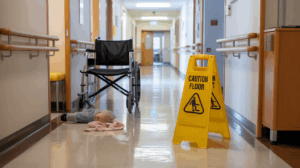
- Unsafe supervision, leading to falls or wandering
- Missing personal belongings or property
- Observable staffing gaps or shortages on shifts
- Consistently delayed or unanswered call-light responses
By understanding this taxonomy of indicators, families and advocates can more effectively identify and articulate their concerns, transitioning from suspicion to a focused analysis of the problem’s underlying causes.
3.0 Systemic Failures: An Analysis of the Root Causes of Mistreatment
A strategic understanding of the root causes of nursing home abuse is essential for effective advocacy and prevention. These causes are rarely isolated acts of malice but are more often the result of systemic operational failures that create an environment where neglect and harm can flourish. Analyzing these core issues is crucial for holding facilities accountable and demanding meaningful, long-term changes to protect residents.
Understaffing and Overwork Chronic understaffing is a central driver of neglect. When shift shortages force staff to sprint from room to room, there is little time for dignity, conversation, or careful monitoring. This operational failure leads directly to rushed hygiene, missed meals, and delayed medications. As staff burnout escalates, it can manifest in short tempers, careless transfers, and preventable falls. The pressure created by staff shortages transforms attentive care into a frantic, task-based routine where the warning signs of infection or dehydration are easily overlooked.
Inadequate Training and Screening The pressure to fill vacant positions often leads facilities to hire quickly and neglect comprehensive training and background screening. This practice places residents at significant risk by putting them in the care of unprepared staff who may lack skills in proper lifting, hygiene, fall prevention, or communication with confused residents. If a facility does not require competency testing, aides may not know how to de-escalate volatile situations. Furthermore, skipping thorough background checks can introduce individuals with prior allegations of violence, theft, or neglect into a vulnerable environment.
Medication Errors and Neglect Medication errors represent a severe and often hidden form of neglect with devastating consequences. These mistakes can manifest as wrong dosages, timing errors, or confusion over oral versus intravenous routes, any of which can trigger falls or bleeding. Neglect also appears in unsafe storage practices, such as unsecured carts, expired pills, or look-alike bottles that invite mix-ups. Even pharmacy mix-ups can deliver the wrong medication. Any sudden sedation, agitation, or unexplained decline following a medication change is a critical red flag that demands immediate investigation.
Poor Supervision and Oversight A lack of active monitoring and administrative oversight allows preventable harm to occur. Without proper supervision, residents may suffer falls that go unnoticed, wander into unsafe areas, or face choking risks. When call lights are consistently ignored, residents may attempt to get up on their own, leading to serious injuries like fractures and head trauma. You can help prevent this by asking about staff ratios on each shift. A failure in leadership to run regular supervision audits and retrain staff when negative patterns emerge is a direct contributor to resident harm.
Understanding these systemic failures provides the context needed to formulate an immediate and structured response when abuse is suspected.
4.0 An Immediate Action Protocol for Families and Advocates
Upon suspecting abuse or neglect, a structured and immediate response is critical not only to ensure the resident’s safety but also to preserve their legal rights. The initial discovery period is a pivotal moment where decisive action can prevent further harm and lay the groundwork for accountability. The following steps constitute a critical protocol for navigating this challenging situation effectively.
- Ensure Immediate Resident Safety The most urgent priority is to remove the resident from any ongoing danger. This requires demanding a private meeting to assess their condition without staff interference. If injuries are present or the environment seems unsafe, insist on an immediate medical evaluation by an independent physician. If the risk of harm persists, arrange for the resident’s immediate relocation to a safer facility, a hospital, or a family home. When relocating, you should bring vital medications, mobility aids, and contacts so you don’t lose continuity of care.
- Document Evidence and Report Officially Building a clear and contemporaneous record is essential. This involves a systematic process of evidence gathering and official reporting.
- Gather Evidence: Take dated photographs of any injuries, unsafe room conditions, soiled bedding, or medication labels. Maintain a written timeline of events, noting symptoms, staff responses, and changes in the resident’s condition. If possible, collect statements and contact information from any witnesses, such as other visitors or residents.
- Report Officially: File a formal report with the Florida Department of Children and Families (DCF) Abuse Hotline. Notify the facility administrator of your concerns in writing to create a paper trail. For any immediate, life-threatening danger, call 911 without delay.
- Consult a Fort Lauderdale Attorney Engaging legal counsel early in the process is a strategic move to protect the resident’s rights. An experienced attorney can immediately send preservation letters to secure vital evidence like staffing logs and incident reports before they are altered or destroyed. Legal counsel will also manage communications with the facility and its insurers, shielding the family from pressure while navigating the path toward accountability.
The process of consulting an attorney can be broken down into clear, actionable steps that help build a strong foundation for a potential case.
| What you do | What you bring | How it helps |
| Schedule consult | Photos, logs | Builds timeline |
| Share concerns | Care plan, meds | Spots neglect patterns |
| Review documents | Advance directives | Confirms authority |
| Flag finances | Bank notes | Targets Financial abuse |
Executing this protocol shifts the focus from immediate crisis management to a deliberate examination of the legal framework that governs these cases and protects resident rights.


5.0 The Legal Framework: Resident Rights, Liability, and Compensation
Florida law provides a robust legal framework designed to protect nursing home residents. These laws are not merely suggestions for compassionate care; they are enforceable rights that empower residents and their families to demand accountability and seek justice when a facility fails to meet its legal and ethical obligations. Understanding this framework is essential for navigating the complexities of a nursing home abuse claim.
5.1 Core Resident Rights
Florida law grants nursing home residents a clear set of rights designed to ensure their safety, dignity, and autonomy. These protections include:
- Freedom from all forms of abuse, neglect, and exploitation.
- The right to privacy, confidentiality, and the security of personal property.
- The right to proper care planning, appropriate medication management, and timely medical attention.
- The ability to voice concerns and grievances without fear of retaliation or reprisal from the facility or its staff.
5.2 Proving Liability
To hold a nursing home legally liable, you must prove that the facility breached its duty of care and that this breach caused measurable harm. The process begins by gathering records like care plans, staffing schedules, and incident reports. This is paired with evidence like photos and witness statements to show the facility’s substandard practices—such as failing to turn a resident or delaying medical attention—led to the injury. Legal strategy may involve burden shifting, particularly when a home controls crucial evidence or cannot explain how injuries occurred under its watch. You should expect defenses like comparative negligence, where the facility claims the resident caused the harm. You can counter this by referencing the resident’s documented cognitive, mobility, and supervision needs from their own chart.
5.3 Pursuing Compensation
Victims of nursing home abuse and neglect are entitled to pursue compensation for the full scope of damages they have suffered. These damages are typically categorized into two types:
- Economic Losses: These are tangible financial costs resulting from the mistreatment. They include hospital bills for treating injuries, the cost of physical or occupational therapy, prescription medication costs, and expenses related to relocating the resident to a safer facility.
- Non-Economic Losses: These damages compensate for the intangible but profound harm inflicted. They include compensation for physical pain, mental suffering, emotional distress, humiliation, and the loss of dignity and enjoyment of life.
If a facility’s conduct was especially reckless, you can also ask for damages that hold it accountable and protect other residents, sending a strong message that such failures will not be tolerated.
5.4 Critical Deadlines: The Statute of Limitations
It is crucial to understand that Florida law imposes a statute of limitations, which is a strict deadline for filing a lawsuit. Delaying legal action, even with clear evidence of wrongdoing, can result in the permanent forfeiture of the right to sue. While the deadline typically begins from the date the harm occurred, an exception known as discovery tolling may extend the time if the misconduct was actively hidden, such as through altered charts. Acting promptly is essential to preserve the ability to seek justice.
The legal process provides a mechanism for accountability, but it is equally important to recognize the profound and often permanent human cost of this mistreatment.
6.0 The Enduring Impact: Long-Term Consequences of Elder Abuse and Neglect
The consequences of nursing home abuse and neglect extend far beyond the immediate physical injuries. The long-term effects can inflict lasting harm, fundamentally altering a resident’s quality of life, cognitive function, and even life expectancy. Understanding these enduring impacts is essential for appreciating the full scope of the damage caused and for calculating comprehensive compensation that addresses a lifetime of new challenges.
Chronic Physical Disabilities A single event like a preventable fall or a period of neglect resulting in untreated pressure sores can lead to a lifetime of physical challenges. Survivors may be left with lasting weakness, limited range of motion, and chronic pain that diminishes their independence. Many require assistive devices such as walkers or wheelchairs for the rest of their lives and may need extensive home modifications such as ramps, grab bars, and widened pathways. This loss of mobility and function represents a profound blow to a resident’s dignity and autonomy.
Cognitive and Emotional Decline The psychological trauma of abuse can be as debilitating as any physical injury. Residents may experience significant cognitive and emotional decline, with symptoms including memory loss, disorientation, and difficulty following familiar routines. You may also see emotional strain manifest as persistent anxiety, social withdrawal, irritability, or sudden mood swings. You can help by tracking these patterns, creating a calm and consistent environment, responding gently, and requesting a medical review for any sudden changes. This decline not only disrupts daily care but also damages relationships with loved ones, deepening the resident’s sense of isolation and distress.
Increased Mortality Risk There is a direct and documented link between neglect and a heightened risk of mortality. When you see untreated infections, malnutrition, or dehydration, you are witnessing preventable pathways to a premature death. These conditions can lead to sepsis, organ strain, and life-shortening injuries. Medication errors can quietly worsen chronic conditions like heart or lung disease until a fatal crisis occurs. These are not abstract risks; they are the direct results of failures in care.
The devastating long-term harm caused by abuse underscores the vital role that legal counsel plays in seeking justice and ensuring that such tragedies are not repeated.
7.0 Conclusion: The Imperative of Vigilance and Advocacy
This case study demonstrates that nursing home abuse and neglect in Fort Lauderdale is a multifaceted problem, deeply rooted in systemic failures of staffing, training, and oversight. Protecting vulnerable residents is not a passive responsibility but an active commitment that requires a powerful combination of family vigilance, immediate and decisive action when harm is suspected, and the support of expert legal advocacy. The path to accountability can be daunting, but victims and their families do not have to face this challenge alone. By seeking professional guidance, they can secure the expertise needed to navigate the legal system, protect their loved ones, and demand the safety, dignity, and accountability that every resident deserves.