



If your loved one suffered a scalding or hot water burn in a Fort Lauderdale nursing home, you need a lawyer who will act fast to protect them and your claim. You can demand proper burn evaluation, photographs, and complete wound care notes right away.
A strong case often depends on preserving incident reports, bath logs, staffing records, and water-temperature or maintenance logs before they disappear.
You’ll also want help proving neglect and pursuing full compensation.
The Fort Lauderdale Nursing Home Abuse and Neglect Lawyer team at the Law Offices of Anidjar and Levine can help you understand your options and take the next steps.
Key Takeaways
- Cool the burn with running cool water for 10–20 minutes, remove wet clothing if not stuck, cover with a nonstick dressing, and seek urgent medical evaluation.
- Report the scalding to the charge nurse and administrator immediately, request a formal incident report, and document dates, staff names, and witness contacts.
- Photograph burns, wet clothing, and the shower/sink area, and preserve emails, voicemails, bills, care plans, and all facility communications.
- Demand preservation and production of records: wound notes, medication logs, staffing schedules, water-temperature policies, maintenance logs, and any camera footage or call-light logs.
- A Fort Lauderdale lawyer can investigate quickly, secure evidence, prove facility negligence, calculate damages, negotiate with insurers, and file suit if accountability is denied.
How We Can Help With Your Fort Lauderdale Nursing Home Scalding / Hot Water Burn Claim
Take control of what happened by letting us investigate your Fort Lauderdale nursing home scalding or hot water burn claim from day one. You’ll get a team that listens to your loved one’s story, preserves crucial records, and pushes for answers when a facility stays silent.
We gather medical documentation, interview witnesses, and demand incident reports, maintenance logs, and temperature records before they disappear.
You can focus on care while we handle calls, paperwork, and deadlines. We calculate losses, document pain and setbacks, and present a clear demand that reflects the harm. If the facility won’t act responsibly, we prepare the case for court and stay ready for trial.
You also help protect other residents: we highlight gaps in staff training and press for policy reforms that make bathing and hydration safer. Through steady communication, you’ll always know what’s happening and what comes next.
Understanding Fort Lauderdale Nursing Home Scalding / Hot Water Burn Cases

Because scalding injuries in nursing homes often happen behind closed doors, understanding how these cases work in Fort Lauderdale starts with the basics: how the burn occurred, who controlled the water source, and what safeguards failed. You’ll focus on what staff knew, what policies required, and whether actions matched the care your loved one merited.
Your claim often turns on documentation: charts, incident reports, maintenance logs, and photos that show timing and severity. You’ll also look at resident rights and whether the facility honored dignity, safety, and prompt medical attention.
Regulators’ facility inspections can strengthen your case by showing patterns of noncompliance.
| Crucial question | Helpful proof | Why it matters |
|---|---|---|
| When did injury occur? | chart notes, witness statements | establishes timeline |
| Who controlled fixtures? | maintenance records | shows responsibility |
| What happened after? | treatment records, transfer notes | shows harm and response |
You serve best by acting quickly to preserve evidence and protect others.
Common Causes of Fort Lauderdale Nursing Home Scalding / Hot Water Burns
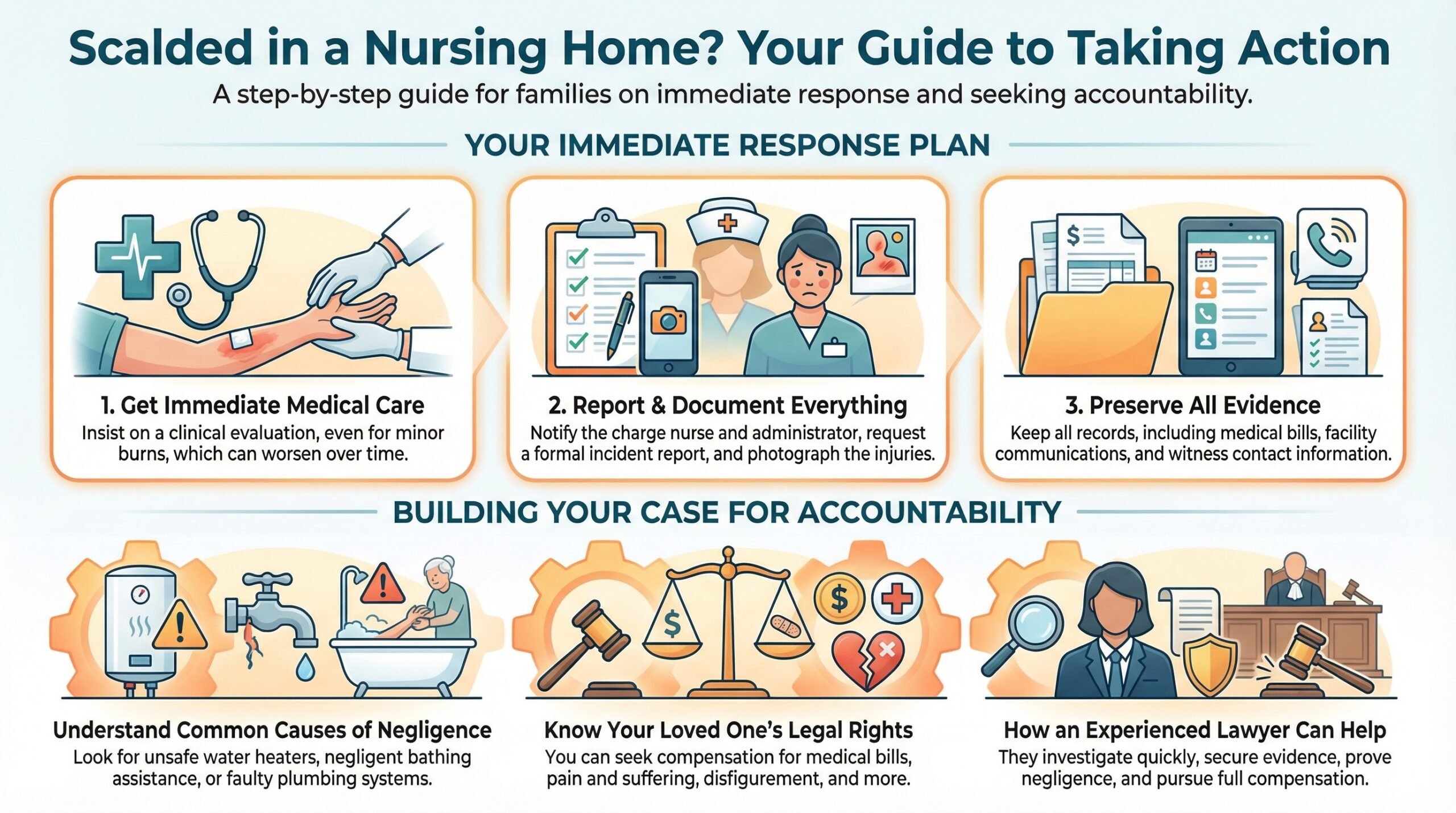
When you investigate a Fort Lauderdale nursing home scalding incident, you’ll often find unsafe water heater settings that let tap water reach dangerous temperatures.
You may also see negligent bathing assistance, where staff fail to test water or supervise closely, as well as faulty plumbing or valves that cause sudden temperature spikes.
Even after a burn occurs, delayed treatment can worsen injuries and point to serious neglect.
Unsafe Water Heater Settings
Too often, unsafe water heater settings in Fort Lauderdale nursing homes leave tap water hot enough to scald a resident in seconds. When you’re committed to protecting vulnerable elders, you should watch for facilities that ignore basic temperature regulations or fail to document routine checks.
A poorly calibrated thermostat, a disabled mixing valve, or an oversized heater can push water well above safe levels, especially during peak demand. You can ask whether staff record outlet temperatures at sinks and showers, verify anti-scald devices, and schedule regular thermostat maintenance.
If a home can’t produce logs, service records, or policies that cap maximum hot-water temperature, that gap may signal preventable risk. Holding administrators accountable helps guarantee comfort, dignity, and safer daily care for residents.
Negligent Bathing Assistance
Although hot-water systems set the stage for burn injuries, negligent bathing assistance often triggers the scalding event in a Fort Lauderdale nursing home. You protect residents when you supervise showers, test water before contact, and respond fast to discomfort.
Scalds occur when aides rush, leave someone unattended, or seat someone with fragile skin under a stream without checking for temperature changes. Consistent staff training helps you spot sensory limits, medication effects, and mobility risks that keep a resident from moving away.
Clear consent protocols ensure you explain each step, respect refusals, and document preferences so care remains dignified.
| Common lapse | Safer caregiving action |
|---|---|
| Rushing the bath | Slow down; confirm comfort |
| No test on wrist | Test, then recheck often |
| Ignoring complaints | Stop immediately; assess skin |
Faulty Plumbing Or Valves
Even with careful bathing assistance, a resident can still get burned if the plumbing fails behind the wall. When a mixing valve sticks or a thermostat drifts, water can surge past safe limits in seconds.
You may also see danger when a worn pressure regulator allows hot water to spike during high-demand periods, such as morning showers. Corroded pipes, mineral buildup, and leaky joints can shift temperatures unpredictably, so a caregiver can’t reliably “feel test” the stream.

If the facility skips routine inspection, calibration, and timely replacement of valves and anti-scald devices, you’re left serving residents with equipment that doesn’t protect them. Document maintenance gaps, prior complaints, and temperature logs, because these details can show preventable system failures and accountability.
Delayed Burn Treatment
When staff wait to evaluate and cool a suspected scald, a minor-looking burn can deepen quickly and turn into a serious wound. You depend on caregivers to act fast: remove wet clothing, cool the area, cover it, and alert a nurse or provider. If they “watch and wait,” the tissue keeps cooking, blisters spread, and the risk of infection rises.


Delayed burn treatment also hides the true extent of injury. You may see delayed inflammation hours later, especially in older skin with poor circulation. Treatment barriers—short staffing, missing supplies, weak reporting, or fear of blame—can stall pain control, wound care, and transport to urgent care.
When you serve residents well, you insist on prompt assessment, clear documentation, and timely follow-up.
Legal Rights of Fort Lauderdale Nursing Home Scalding / Hot Water Burn Victims
You can seek damages for:
You may seek damages for medical care, future needs, pain and suffering, disfigurement, complications, and wrongful death losses.
- medical bills, rehabilitation, and future care needs
- pain, suffering, and loss of enjoyment of life
- disfigurement, infection complications, and related trauma
- wrongful death losses if the injury proves fatal
You also have the right to advocate without retaliation, ensuring your loved one receives humane care consistent with Florida’s nursing home resident protections.
Steps to Take After a Fort Lauderdale Nursing Home Scalding / Hot Water Burn
Get immediate medical care for a scalding or hot-water burn, even if it looks minor, and follow all treatment instructions.
Report the incident to the nursing home and document what happened with photos, dates, names, and witness details.
Preserve evidence and records by keeping medical bills, care plans, incident reports, and any communications you receive.
Get Immediate Medical Care
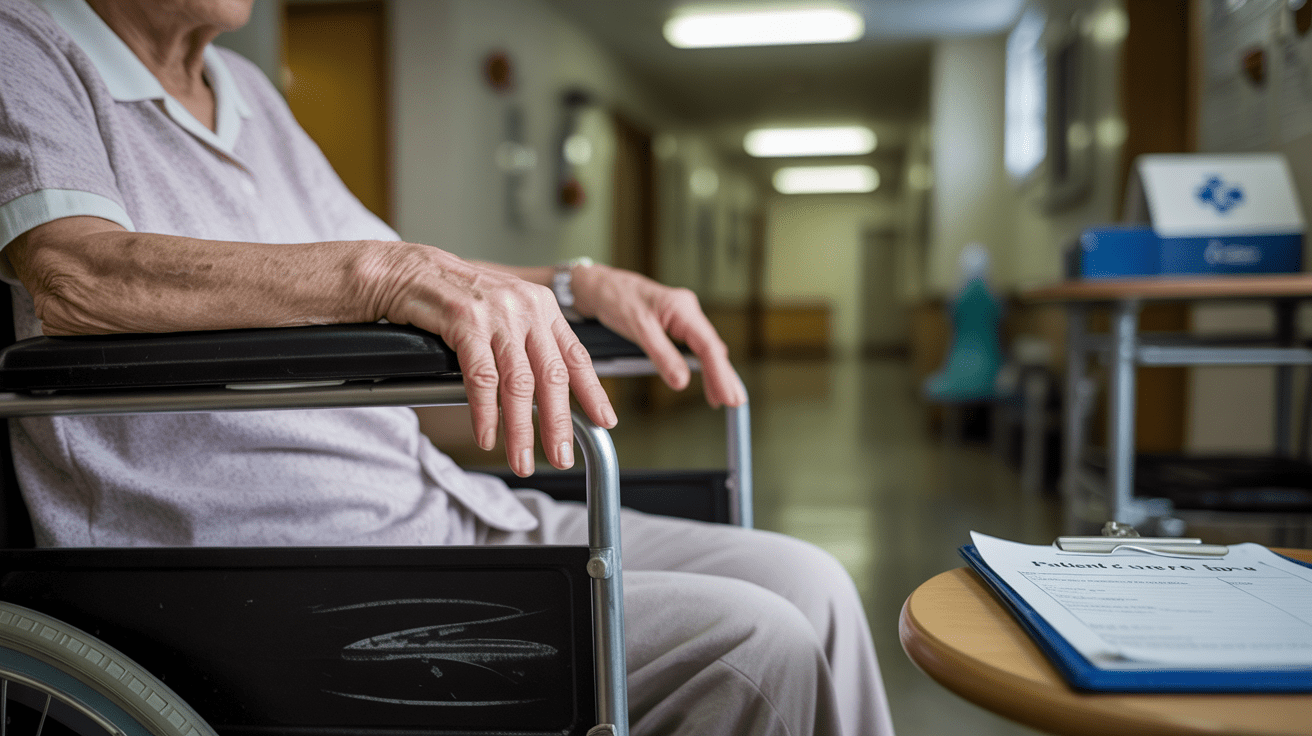
Seeking immediate medical care after a nursing home scalding can limit tissue damage, reduce infection risk, and document the true severity of the burn.
If you’re caring for a loved one, insist on an immediate assessment by a qualified clinician, even when the skin looks only pink or blistered. Burns can deepen over hours, and older adults dehydrate fast.
Ask the provider to evaluate pain control, circulation, and any breathing concerns from steam exposure.
Use safe cooling techniques right away: gently flush with cool (not icy) running water for 10–20 minutes and remove wet clothing if it isn’t stuck.
Keep the person warm, cover the area with a clean nonstick dressing, and go to urgent care or the ER when needed.
Report And Document Incident
Documenting the scalding incident right away can protect your loved one’s health and preserve vital evidence.
Notify the charge nurse and administrator immediately, and ask that a formal incident report be completed while details are fresh.
Request the names and roles of everyone involved, including aides, nurses, and any supervising staff.
If other residents, visitors, or staff saw what happened, politely ask for witness statements and their contact information, so you can follow up with care and respect.
Take clear photographic evidence of visible burns, wet clothing, unsafe water sources, and the surrounding area, including time and date when possible.
Write your own timeline: symptoms, complaints about water temperature, and staff responses.
Share concerns calmly, focusing on safety and preventing harm to others.
Preserve Evidence And Records
Once you’ve reported the incident and captured what you can in the moment, focus on locking down the evidence and records that explain how the burn happened and whether staff ignored warning signs.
Request the full chart, wound care notes, medication logs, and incident reports.
Ask for staffing schedules, training records, and water-temperature policies.
Send a written notice to the facility demanding chain preservation of linens, clothing, thermometers, and the water source involved.
Don’t let anyone “clean up” or discard items tied to the injury.
Ask for copies of camera footage, call-light logs, and maintenance records, including prior complaints about hot water.
If the facility uses electronic systems, preserve audit trails and access logs; digital forensics can show who documented what and when.
Keep your own timeline and save every email, voicemail, and bill.
How a Fort Lauderdale Nursing Home Scalding / Hot Water Burn Lawyer Can Help You
In the aftermath of a nursing home scalding or hot water burn in Fort Lauderdale, a lawyer can step in fast to protect your loved one and your case. You don’t have to confront administrators alone or guess which deadlines matter. Your attorney coordinates care documentation, demands answers, and keeps the focus on safety and dignity.
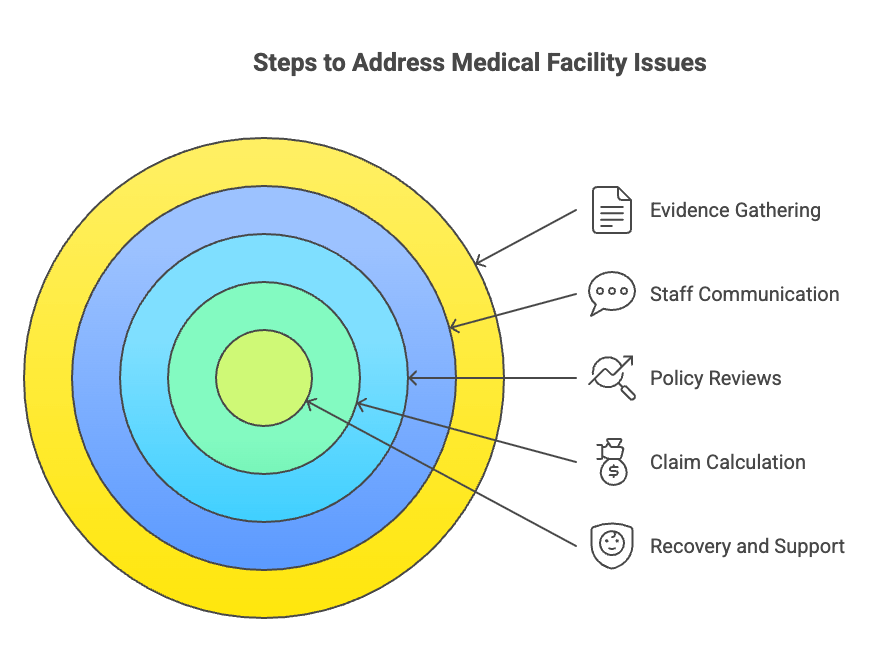
They’ll act quickly to:
- Secure medical records, incident reports, and photographs before anything changes
- Push for Staff communication that clarifies who knew what, and when
- Conduct Policy reviews to identify unsafe water-temperature controls and supervision gaps
- Calculate damages and pursue a claim so your family can afford recovery and the needed support
You’ll also get help handling insurers, negotiating for fair settlement terms, and filing suit when the facility won’t accept responsibility. While you focus on serving your loved one with compassion, your lawyer builds a clear, evidence-backed path toward accountability and justice.
Long-Term Effects of Fort Lauderdale Nursing Home Scalding / Hot Water Burn Injuries
If you’ve suffered a nursing home scalding or hot water burn in Fort Lauderdale, you may face long-term harm that doesn’t fade when the wound closes.
You can live with permanent skin and nerve damage, and infections can trigger chronic complications that disrupt your health and mobility.
You may also carry emotional trauma and PTSD that affects your sleep, confidence, and daily life.
Permanent Skin And Nerve Damage
Although a scalding injury might look like it’s “healing” on the surface, severe hot-water burns in a Fort Lauderdale nursing home can leave permanent skin and nerve damage that changes how you move, feel, and live.
You may have tight, thick scars that limit the range of motion in your hands, arms, or legs, making daily care tasks harder and more painful. Nerve injury can trigger burning, tingling, or sensory loss, so you can’t reliably detect heat, pressure, or minor trauma. That can undermine independence and dignity long after discharge.
You might need grafting, therapy, or scar revision to restore function and comfort. If you’re advocating for a loved one, you can document mobility changes, numb areas, and ongoing pain to support accountability and safer care for others too.
Infection And Chronic Complications
Watching a hot-water burn turn red, swollen, or foul-smelling can signal an infection that doesn’t just slow healing—it can trigger long-term complications for a Fort Lauderdale nursing home resident.
When bacteria enter damaged skin, you may see spreading warmth, fever, or sudden confusion, and sepsis can follow fast in older adults. You can serve your loved one best by insisting on prompt evaluation, cultures when appropriate, and documented wound care that includes gentle cleansing, proper dressings, and pressure relief.
If staff delay treatment or reuse soiled supplies, you risk deeper tissue loss, chronic ulcers, and bone infection. Repeated or improper use of antibiotics can also fuel antibiotic resistance, making future infections harder to treat.
Track photos, medication logs, and care notes to advocate for and protect their recovery.
Emotional Trauma And PTSD
Because a scalding injury in a nursing home often comes with fear, helplessness, and loss of control, the emotional damage can linger long after the skin heals. You may relive the moment, startle at running water, or avoid bathing, signs of PTSD that can drain your energy for serving others. Support helps you reclaim safety and dignity.
| Need | What you can do | How it helps |
|---|---|---|
| Calm | Coping strategies: grounding, breathwork | Lowers panic |
| Care | Counseling options: trauma therapy, EMDR | Restores control |
| Unity | Talk through Family dynamics | Reduces conflict |
Survivor stories remind you you’re not alone and that healing isn’t weakness. When you advocate for a loved one, you also protect other residents from repeat harm.
Proving Liability in Fort Lauderdale Nursing Home Scalding / Hot Water Burn Cases
When a nursing home resident suffers a scalding or hot water burn in Fort Lauderdale, you can’t just point to the injury—you need to show how the facility’s choices and failures caused it. You’ll focus on duty, breach, causation, and harm, tying each to clear, documented facts.
Start by securing incident reports, care plans, bath logs, maintenance records, and temperature settings for water heaters and faucets. Compare what staff did to Florida regulations, facility policies, and basic fall-and-burn prevention practices.
Use witness interviews to learn who bathed the resident, who checked water temperature, and whether call lights or supervision failed. Gather photos, surveillance footage, and prior complaints that show a pattern of unsafe conditions. Then use expert testimony from nursing, geriatrics, or plumbing professionals to explain how proper training, monitoring, and safe temperature controls would’ve prevented the burn.
By building this chain, you protect vulnerable residents and push systems toward safer care.
Compensation for Fort Lauderdale Nursing Home Scalding / Hot Water Burn Damages
After you establish how the facility’s neglect led to a scalding injury, the next step focuses on what it will take to make the resident whole. You can pursue damages that cover immediate medical care, burn treatment, surgeries, infection control, and rehabilitation.
If the resident needs ongoing wound care, mobility support, or assisted living upgrades, you can demand those future costs too.
You can also seek compensation for pain, emotional distress, disfigurement, and loss of enjoyment of life, especially when a preventable hot water burn steals comfort and dignity. If the injury forces family members to provide extra help, you can claim caregiving time and related out-of-pocket expenses.
When evidence shows repeated safety lapses—failed facility inspections, ignored thermostat regulations, or understaffing—you can argue for fuller accountability that reflects the harm done. By pursuing complete damages, you’re not just seeking money; you’re protecting vulnerable residents and reinforcing a culture of care.
Why You Need an Experienced Fort Lauderdale Nursing Home Scalding / Hot Water Burn Lawyer
Although a scalding injury may look straightforward, nursing home hot‑water burn cases rarely are—and you need a Fort Lauderdale lawyer who knows how to quickly secure records, pressure policies, shower logs, and staff statements before they “disappear.”
An experienced attorney can pinpoint whether the facility ignored temperature regulations, failed to supervise a vulnerable resident, or delayed treatment, then connect those failures to medical proof of burn depth, infection risk, and long-term pain.
You’re not just seeking compensation—you’re protecting someone who may not be able to speak up. A seasoned lawyer can compare the facility’s actions to required Nursing protocols, expose charting gaps, and challenge “accident” explanations. You’ll also need help steering through liability limits, insurance denials, and attempts to shift blame onto frailty or preexisting skin conditions.
With the right advocate, you can demand prompt accountability, preserve dignity, and push for safer care so others aren’t harmed the same way.
How to Choose the Right Fort Lauderdale Nursing Home Scalding / Hot Water Burn Lawyer for Your Case
Start by looking for a Fort Lauderdale nursing home scalding lawyer who’s built to investigate fast and litigate hard—because the best choice isn’t the one with the loudest ads, it’s the one who can immediately secure shower and temperature logs, staffing records, and medical evidence, then translate them into a clear negligence story your family can prove.
Next, choose someone who treats your loved one’s dignity as the priority, not just the case value. Ask how they’ll communicate with you, who’ll handle day-to-day work, and how quickly they can file to stop record loss.
Review Client testimonials for details about responsiveness, compassion, and results in hot water burn cases, not just general praise. Get a plain-English breakdown of Attorney fees, costs, and whether you’ll owe anything if you don’t win. Finally, confirm they’re ready to take the case to trial if the facility won’t accept responsibility or change unsafe practices.
About the Law Offices of Anidjar and Levine
Turn to the Law Offices of Anidjar and Levine when you need a Fort Lauderdale nursing home scalding lawyer who moves quickly to protect evidence and build a tight negligence case—your team can push for immediate preservation of hot-water temperature logs, shower records, staffing documents, and medical proof while keeping you informed and treating your loved one with respect throughout the process.
You’ll work with a team that prioritizes service, accountability, and compassion, because protecting vulnerable residents is a calling, not just a job.
Your lawyers can handle communications with the facility and insurers, coordinate burn-care records, and document how the injury changed daily life.
You won’t feel left in the dark; you’ll get clear updates and straight answers.
As you evaluate trust, review client testimonials that reflect responsiveness and follow-through.
You can also ask about the firm’s history, including how the practice has grown by advocating for people who can’t always advocate for themselves.
Frequently Asked Questions
What Documents Should Families Gather Before Contacting a Scalding Burn Lawyer?
Gather medical records, burn photos, discharge papers, and any wound-care notes. Collect incident reports, care plans, medication logs, and temperature or maintenance records if you can access them.
Save communications: emails, texts, voicemails, and meeting notes. Bring financial statements, billing ledgers, and insurance explanations of benefits to show costs and losses.
Write a timeline with names of witnesses and staff. You’ll help your loved one by staying organized.
Can a Nursing Home Retaliate Against a Resident for Reporting a Scalding?
A nursing home can’t lawfully retaliate against you for reporting a scalding, and you should report any resident retaliation right away.
You can document threats, sudden room changes, restricted visits, or rough handling, and request an immediate care-plan meeting.
You can also request staff discipline through the administrator and report concerns to state regulators and the long-term care ombudsman.
Keep records and involve the supportive family.
Do Medicare or Medicaid Liens Affect a Hot Water Burn Settlement?
Yes—Medicare liens and Medicaid liens can reduce what you take home from a hot water burn settlement, because these programs may seek reimbursement for care they paid for.
You’ll need to identify charges tied to the burn, verify the lien amounts, and negotiate when possible.
If you resolve liens properly, you protect yourself from future collection, and you steward funds responsibly, so you can keep focusing on healing and serving others.
Will Our Case Require the Resident to Testify in Court?
Your case won’t always require the resident to testify in court; many claims settle, and you can use testimony alternatives when health or memory limits participation.
If testimony becomes necessary, you’ll focus on witness preparation that protects dignity and reduces stress. You can often rely on medical records, caregiver statements, and expert opinions instead.
You’ll also explore video depositions or sworn written statements, so you can still pursue justice while honoring the resident’s well-being.
How Long Do Nursing Homes Typically Keep Shower Temperature and Maintenance Logs?
You’ll usually see nursing homes keep shower temperature and maintenance logs from 1–7 years, depending on state rules and policy compliance needs.
Many facilities align with Medicare/Medicaid record-retention expectations and extend storage if an incident occurs.
Ask for their written retention policy and recent equipment testing records, including mixing valve checks and thermometer readings.
If you’re advocating for a resident’s safety, request copies quickly so crucial details don’t disappear.
————————–
You don’t have to face a Fort Lauderdale nursing home scalding or hot water burn claim alone.
When a loved one suffers painful burns, you can take action to protect their rights and demand accountability. Acting quickly helps preserve evidence, meet deadlines, and build a stronger case.
With an experienced attorney from the Law Offices of Anidjar and Levine on your side, you can pursue compensation for medical care, pain, and ongoing needs.
Reach out to a Fort Lauderdale Nursing Home Abuse and Neglect Lawyer to get clear guidance and support today.

We Can Help.