



You need a Fort Lauderdale nursing homeinternal bleeding lawyer who’ll act fast to protect your loved one and your claim.
If a fall, blood thinner mistake, or untreated pressure ulcer led to bruising, black stools, dizziness, swelling, or confusion, you can’t wait.
You should demand ER evaluation, secure records, photos, and witness names, and push the facility to preserve reports and video.
The Law Offices of Anidjar and Levine can work to prove negligence, handle insurers, and pursue full damages—keep going to see what matters most, or contact a Fort Lauderdale Nursing Home Abuse and Neglect Lawyer today.



Key Takeaways
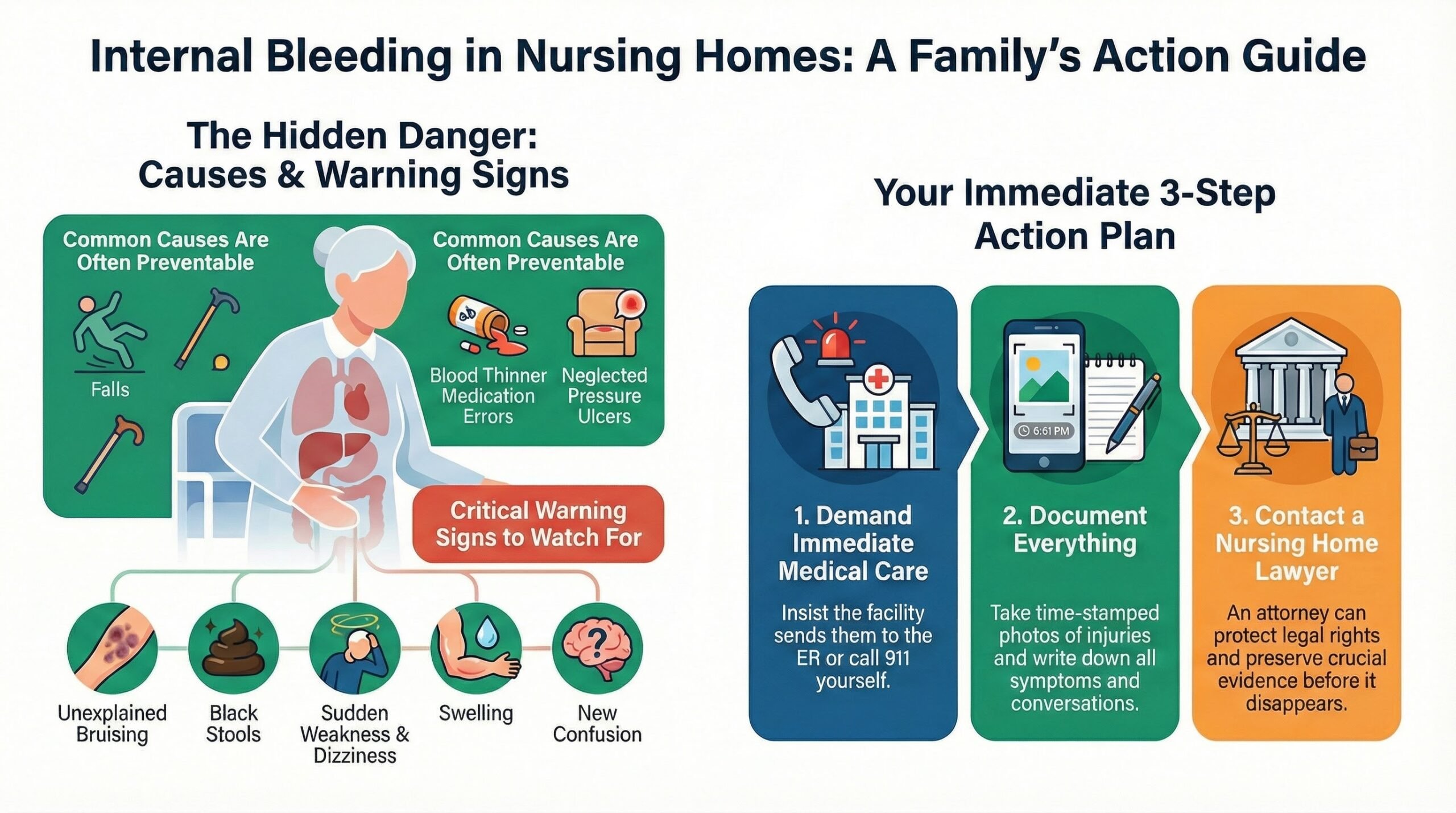
- Internal bleeding in nursing homes often follows falls, impact injuries, pressure ulcers, or anticoagulant medication errors like warfarin or Eliquis.
- Seek emergency care immediately for warning signs like black stools, sudden weakness, dizziness, confusion, swelling, or unexplained bruising.
- Facilities must document falls, monitor vitals and labs (including INR), reconcile medications, and escalate quickly when symptoms suggest bleeding.
- Preserve evidence quickly: incident reports, MARs, vital signs logs, photos of bruising/swelling, witness names, staffing schedules, and any surveillance footage.
- A Fort Lauderdale nursing home internal bleeding lawyer can investigate negligence, coordinate medical experts, and pursue compensation for medical costs and long-term harm.
How We Can Help With Your Fort Lauderdale Nursing Home Internal Bleeding Claim
Whether your loved one’s internal bleeding stems from a fall, medication error, or neglected medical care, we can step in quickly to protect your rights and build a strong Fort Lauderdale nursing home claim.
You’ll get a team that listens, acts fast, and treats your family with dignity while pursuing accountability.
You can count on us to preserve records, demand incident reports, and secure witness statements before details disappear.
We’ll handle all insurer and facility communications, so you can stay focused on care and stability.
We’ll prepare you for family conferences, help you ask the right questions, and make certain decisions reflect your loved one’s needs.
You’ll also receive practical guidance on financial planning, including estimating future care costs and protecting assets from unnecessary bills.
If a fair settlement isn’t offered, you’ll be ready to move forward confidently, with clear goals and steadfast support.
Understanding Fort Lauderdale Nursing Home Internal Bleeding Cases
Because internal bleeding can stay hidden until it turns life-threatening, Fort Lauderdale nursing home cases often come down to what the facility did—or failed to do—in the hours and days before symptoms became obvious.
Internal bleeding may be invisible at first—so accountability often hinges on what staff did before symptoms became obvious.
You’ll focus on whether caregivers monitored changes, reported concerns promptly, and followed physician orders without delay.
To understand your case, you look at records and routines: essential signs logs, incident reports, medication administration notes, and when staff escalated care.
You also examine communication—did the team notify a nurse, a physician, or EMS when warning signs appeared?
Strong staff training should show up in consistent assessments and clear documentation, not gaps and excuses.
Your role matters, too. Through family advocacy, you can push for answers, insist on transparency, and help your loved one get a timely evaluation.
When a facility fails to fulfill its duties, you can pursue accountability to protect other residents.



Common Causes of Fort Lauderdale Nursing Home Internal Bleedings
You’ll often see internal bleeding in Fort Lauderdale nursing homes start with falls and impact injuries that staff should’ve prevented or treated quickly.
It can also stem from medication errors, especially anticoagulants, or from neglect that leads to pressure ulcers and hidden complications.
Sometimes the warning signs go unnoticed because staff don’t recognize undiagnosed medical conditions until it’s too late.
Falls And Impact Injuries
A simple misstep can set off a chain reaction in a nursing home, and falls and impact injuries often lead the list of causes of internal bleeding in Fort Lauderdale facilities.
When you serve residents, you can’t treat a fall as “just bruising.” A hard landing can rupture tissue, bruise organs, or trigger bleeding that isn’t visible at first.
You help prevent harm by watching for floor hazards like wet spots, loose rugs, poor lighting, and cluttered walkways. You also push for a timely gait assessment so staff match each resident with the right footwear, mobility aid, and level of supervision.
After any fall, you insist on prompt evaluation, clear documentation, and close monitoring for pain, dizziness, swelling, or confusion—signals that internal bleeding may be developing.
Medication And Anticoagulants
Falls aren’t the only way internal bleeding starts in a Fort Lauderdale nursing home—medication mistakes and anticoagulants can turn a minor bump or routine condition into a life-threatening hemorrhage.
If you care for an older adult, you know blood thinners like warfarin or Eliquis require precision. A missed dose, a double dose, or an incorrect chart entry can rapidly increase bleeding risk.
You should also watch for drug interactions, such as antibiotics, antifungals, NSAIDs, or supplements that intensify anticoagulant effects.
When staff skip labs, ignore bruising, or delay reporting black stools, dizziness, or sudden weakness, you’re left scrambling to protect someone vulnerable.
Strong monitoring protocols—timely INR checks, medication reconciliation, and clear handoffs—help you serve residents safely and prevent avoidable internal bleeds.
Neglect And Pressure Ulcers
Too often, neglect that leads to pressure ulcers also sets the stage for internal bleeding in Fort Lauderdale nursing homes.
When you see a resident left in one position, their skin breaks down, infection risk rises, and fragile tissues can tear.
Poor turning schedules, damp linens, and delayed hygiene can deepen ulcers until blood vessels and muscle layers suffer.
You can help by watching for timely assessments and accurate wound staging, not vague notes. Ask whether staff document size, depth, drainage, and pain, and whether they escalate changes quickly.
Push for nutritional support, including adequate protein, hydration, and vitamins, because malnutrition slows healing and increases bleeding risk. I
f the facility ignores warning signs, you may need to advocate for urgent care and accountability now.
Undiagnosed Medical Conditions
Because many residents can’t clearly describe new pain or dizziness, undiagnosed medical conditions often trigger internal bleeding in Fort Lauderdale nursing homes before anyone realizes something’s wrong.
You can serve residents best by watching for subtle changes: unexplained bruising, black stools, fatigue, fainting, or swelling.
GI ulcers, liver disease, clotting disorders, cancers, and aneurysms can worsen quickly when staff overlook early warning signs.
Missed diagnoses often happen when caregivers dismiss complaints as “normal aging” or fail to order labs, imaging, or expert consults.
Diagnostic delays also occur when facilities don’t track important signs, medication effects, or recent falls.
When you push for thorough assessments, clear documentation, and timely transfers to emergency care, you help stop bleeding sooner and protect dignity and life.
Legal Rights of Fort Lauderdale Nursing Home Internal Bleeding Victims
When a Fort Lauderdalenursing home’s negligence leads to internal bleeding, you don’t have to accept the facility’s explanation or handle the fallout alone—you have legal rights under Florida law.
You can demand safe, dignified care and hold the facility accountable when it breaks that duty. Your voice matters, especially if you’re driven by patient advocacy and by protecting a loved one’s rights when they can’t speak up.
Under Florida’s Nursing Home Residents’ Rights Act and related negligence laws, you may pursue compensation and corrective action when harm results from substandard staffing, delayed diagnosis, medication errors, or ignored symptoms.
You’re also entitled to transparency, respectful treatment, and freedom from retaliation when you raise concerns.
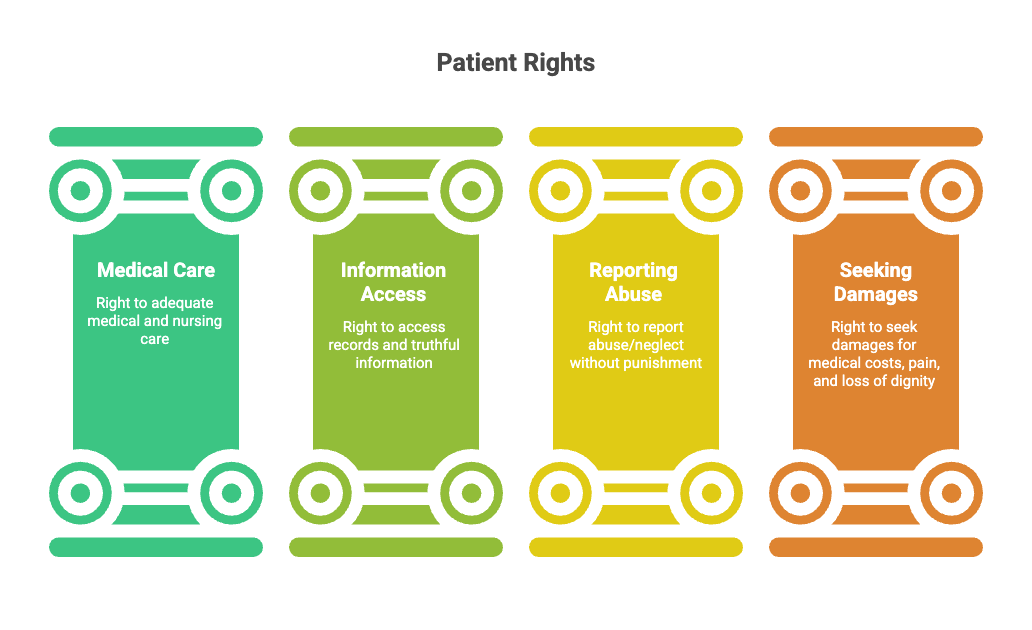
- Right to adequate medical and nursing care
- Right to access records and truthful information
- Right to report abuse/neglect without punishment
- Right to seek damages for medical costs, pain, and loss of dignity


Steps to Take After a Fort Lauderdale Nursing Home Internal Bleeding
If you suspect internal bleeding in a Fort Lauderdale nursing home, you should get emergency medical care right away.
You’ll also want to document the injuries and preserve evidence, including photos, medical records, and incident notes.
Then contact a nursing home lawyer to protect your rights and act quickly.
Seek Immediate Medical Care
Often, the most important step after suspected internal bleeding in a Fort Lauderdale nursing home is getting your loved one immediate medical care—call 911 or insist the facility send them to the ER right away.
Don’t wait for a nurse to “observe” them; internal bleeding can turn life-threatening fast, and your steady advocacy can save a life.
Ask the ER team for an emergency assessment that includes essential signs, bloodwork, and imaging when appropriate. While you’re there, share any recent falls, medication changes, blood thinners, or unexplained bruising you’ve noticed.
Keep focused on symptom monitoring: watch for dizziness, weakness, confusion, abdominal pain, black stools, vomiting blood, pale skin, rapid pulse, or low blood pressure.
If discharge happens, request clear return-to-ER instructions and follow-up care.
Document Injuries And Evidence
In the hours after you suspect internal bleeding, start documenting everything—your notes and photos can protect your loved one and preserve vital evidence.
Take clear, time-stamped photographic documentation of bruising, swelling, blood in bedding, and any medical devices or restraints.
Write down symptoms, pain levels, and when the staff last checked on them.
Keep copies of care plans, medication lists, incident reports, discharge papers, and transport records.
Ask calm, respectful questions and record names, titles, and exact answers.
Request witness statements from visitors, roommates’ families, or staff willing to speak, and note what each person saw and when.
Save voicemails, emails, and messages.
Don’t alter the room or discard soiled items until they’re photographed and secured safely.

Contact A Nursing Home Lawyer
After you’ve gathered the basics, reach out to a Fort Lauderdale nursing home lawyer right away so you don’t lose vital evidence or miss Florida deadlines. You’ll protect your loved one by having counsel request records, preserve surveillance, and coordinate expert review before the facility reshapes its story.
Your lawyer can also guide you on reporting concerns, communicating with administrators, and avoiding statements that could be used against your family.
If you’re facing billing disputes tied to emergency care or unexplained charges, your attorney can demand itemized statements and push back on improper fees. When relatives disagree about next steps, family mediation can keep everyone focused on the resident’s safety and dignity.
You’ll gain a clear plan for medical follow-up, placement decisions, and accountability.
How a Fort Lauderdale Nursing Home Internal Bleeding Lawyer Can Help You
When a nursing home resident suffers internal bleeding, you need answers fast, and a Fort Lauderdale nursing home internal bleeding lawyer can step in to protect your rights.
You can’t shoulder this alone while trying to care for your loved one, so your lawyer takes the lead, gathers facts, and demands accountability with compassion and resolve.
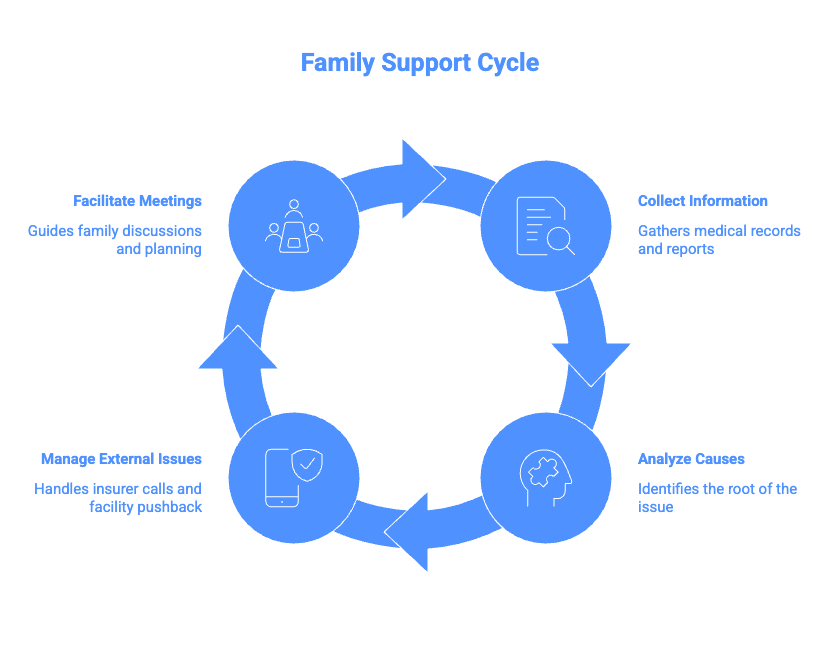
- Collects medical records, incident reports, and witness statements to identify what went wrong
- Works with qualified clinicians to connect the bleeding to neglect, falls, or medication errors
- Handles insurer calls and facility pushback so you can focus on support and prayerful presence
- Guides family meetings and financial planning so your decisions stay steady and service-minded
You’ll also get clear timelines, honest case value guidance, and help filing claims before deadlines pass.
If the facility violated regulations, your lawyer can pursue compensation and push for safer care practices to protect others, too.
Long-Term Effects of Fort Lauderdale Nursing Home Internal Bleeding Injuries
When you survive internal bleeding in a Fort Lauderdale nursing home, you can still face chronic organ damage that worsens over time.
You may also lose mobility and independence as weakness, pain, and complications limit what you can do on your own.
And you can experience cognitive and emotional decline, with confusion, anxiety, or depression reshaping your daily life.
Chronic Organ Damage Risks
Internal bleeding can quietly starve essential organs of oxygen, leaving damage that doesn’t always show up until weeks or months later.
You may see lingering fatigue, confusion, or swelling because the liver, kidneys, or brain didn’t get the blood flow they needed.
Even when bruises fade, micro-tears and clotting changes can trigger cumulative trauma inside tissues, accelerating scarring and loss of function.
If staff miss the warning signs, you can face infection, toxic buildup, and dangerous electrolyte shifts that push a resident toward organ failure.
You serve your loved one best by tracking vitals, monitoring medication changes and lab results, and insisting on timely imaging and specialist consults.
Document symptoms, request a clear care plan, and escalate concerns promptly to supervisors or the ombudsman.
Mobility And Independence Loss
Losing strength after a hidden bleed can rob a resident of mobility long after the immediate crisis passes. You may notice slower transfers, shakier standing, and shorter walking distances as fatigue and deconditioning set in.
When balance drops, falls become more likely, and staff may restrict movement “for safety,” shrinking daily independence.
You can help by insisting on timely therapy, strength-building routines, and safe ambulation plans that don’t default to bed rest.
Proper nutrition, hydration, and pain control support recovery, but they must be monitored.
When progress stalls, Assistive devices like walkers, gait belts, or wheelchairs should fit correctly and be used with training, not as a substitute for care.
Without purposeful activity and access to communal spaces, Social isolation grows, and residents lose confidence in daily tasks.
Cognitive And Emotional Decline
Even after the bleeding stops, the brain and mood can take a lasting hit.
If you’re caring for a loved one after a nursing home internal bleeding injury, you may notice Memory impairment that wasn’t there before—missed names, confusion, or trouble following simple routines.
Reduced oxygen, medication changes, and prolonged pain can slow thinking and weaken attention, making daily care more demanding and increasing the risk of safety incidents.
You might also see Mood swings: irritability, withdrawal, anxiety, or sudden tears.
These shifts can strain relationships and leave you feeling helpless, but you can still serve them well by tracking symptoms, requesting cognitive screening, and pushing for a care plan that includes hydration, nutrition, sleep support, and mental health follow-up.
When staff dismiss concerns, document changes, and speak up promptly.
Proving Liability in Fort Lauderdale Nursing Home Internal Bleeding Cases
Because internal bleeding can look like a sudden medical crisis, you’ll need clear proof to show a Fort Lauderdale nursing home’s negligence caused—or failed to prevent—the harm.
Start with evidence preservation: request incident reports, medication administration records, vital signs logs, fall risk assessments, care plans, lab results, and transfer notes.
Ask for facility policies on anticoagulants, wound checks, and post-fall monitoring, then compare them with what staff actually did.
Build a timeline that shows missed red flags—such as new bruising, abdominal pain, confusion, low blood pressure, or delayed EMS calls.
Secure photos, room-condition details, and witness statements from aides, residents, or family visitors.
Use expert testimony from geriatric nurses, physicians, or pharmacology authorities to explain how proper assessment, monitoring, and timely escalation could have prevented the bleed or reduced its severity.
If records look altered or incomplete, you can push for audits, metadata, and staffing schedules to reveal gaps in care.
Compensation for Fort Lauderdale Nursing Home Internal Bleeding Damages
Accountability often starts with making the nursing home pay for the full cost of the harm. You can pursue compensation that reflects the impact of internal bleeding on a resident’s health, dignity, and daily comfort.
Damages often include emergency transport, hospital and surgical bills, imaging, medications, follow-up care, rehabilitation, and any increased care needs after discharge.
If the injury causes lasting limitations, you can also seek costs for mobility aids, skilled nursing, and care plan upgrades.
You can request repayment for out-of-pocket expenses you’ve incurred while advocating for your loved one, plus lost income when you’ve missed work to coordinate care.
In serious cases, you may claim pain and suffering, emotional distress, and grief-related losses. Strong financial recovery also helps you fund safer placement options and ongoing monitoring.
Don’t overlook psychological support for the resident and family, including counseling to rebuild trust and stability.
The Statute of Limitations for Fort Lauderdale Nursing Home Internal Bleeding Cases
Financial recovery matters, but you also have to act within Florida’s filing deadlines. If your loved one suffered internal bleeding in a Fort Lauderdale nursing home, you’ll need to track the statute deadlines that control when you can sue.
In many negligence cases, Florida gives you two years from the date of injury, and wrongful death claims typically must be filed within two years of death. Waiting can limit evidence, reduce leverage in settlement talks, and even bar the case entirely.
You should also ask whether any filing exceptions apply. For example, the clock may start later if you couldn’t reasonably discover the injury right away, or if records were concealed or altered.
Claims involving certain defendants may require notice steps, and those procedural rules can shorten the practical time to file. To keep serving your family with steady, informed choices, document essential dates, request medical and facility records promptly, and calendar deadlines early.
Why You Need an Experienced Fort Lauderdale Nursing Home Internal Bleeding Lawyer
Even if you’ve documented the injury and watched the deadlines, you’ll still face a nursing home and insurer that know how to dispute internal bleeding claims.
They’ll blame “natural decline,” argue symptoms were vague, or claim staff followed protocol. An experienced Fort Lauderdale nursing home internal bleeding lawyer pushes back fast, gathering hospital records, imaging, medication logs, fall reports, staffing schedules, and surveillance before anything disappears.
You also need someone who can connect the medicine to the negligence: missed crucial signs, delayed transport, improper anticoagulant management, or untreated trauma. Your lawyer works with qualified experts, builds a clear picture of damages, and keeps your loved one’s dignity at the center of every decision.
If your family values service, you’ll appreciate an advocate who treats the case as protection for other residents, too. With Veteran advocacy when applicable, and a disciplined Trial strategy from day one, you’re positioned to demand real accountability, not excuses.
How to Choose the Right Fort Lauderdale Nursing Home Internal Bleeding Lawyer for Your Case
Sorting through attorney options can feel overwhelming when you’re already focused on your loved one’s health, so choose a Fort Lauderdale nursing home internal bleeding lawyer who can prove real, hands-on experience with nursing home negligence and medically complicated bleeding injuries—and who’s ready to act fast to preserve records, retain the right medical experts, and take the case to trial if the facility won’t offer a fair resolution.
Next, vet how they communicate: you should get clear timelines, prompt updates, and respectful answers that honor your role as an advocate.
Ask what evidence they’ll pursue, from medication logs and fall reports to hospital imaging and lab work.
During client interviews, listen for empathy backed by strategy, not promises. Request examples of similar outcomes and how they handled resistant facilities.
Compare fee structures in writing, including costs for experts and records, and confirm you won’t face surprise charges. Finally, choose someone who treats your case as service—protecting your loved one and helping prevent harm to others.
About the Law Offices of Anidjar and Levine
When you need a Fort Lauderdale nursing home internal bleeding lawyer who can move quickly and build a medically sound case, the Law Offices of Anidjar and Levine focuses on investigating nursing home neglect, preserving crucial evidence, and pursuing accountability through tough negotiation or trial when necessary.
You get a team that treats your loved one’s suffering as a call to protect others, not just a file number.
You’ll see the firm history reflected in disciplined casework: prompt scene and record reviews, coordination with medical experts, and clear communication about options and timelines.
You can share what you know, and they’ll handle notices, insurer pressure, and legal filings so you can stay present for your family. Client testimonials often highlight compassion, responsiveness, and persistence—qualities that matter when you’re seeking safer care for every resident.
If a resolution can’t be reached fairly, you’ll have advocates ready to take your case to court with purpose.
Frequently Asked Questions
Do I Have to Move My Loved One Before Filing a Claim?
No, you don’t have to move your loved one before you file a claim. You can start now while you prioritize safety and care.
Still, consider the timing of relocation if the situation remains risky or the facility can’t meet medical needs.
As you act, focus on evidence preservation: request records, photograph injuries, save bills, and document conversations. You can seek a safer placement without sacrificing your case or delaying help.
Can I Report Suspected Abuse Anonymously in Fort Lauderdale?
Yes, you can report suspected abuse anonymously in Fort Lauderdale. You can call an anonymous hotline or submit confidential reporting through Florida’s abuse reporting system, and you don’t have to share your name to speak up.
Provide clear details—Who, What, When, Where, and any injuries or witnesses—so investigators can act quickly. If someone’s in immediate danger, you should call 911 right away.
What if the Resident Has Dementia and Cannot Describe Symptoms?
If the resident has dementia and can’t describe symptoms, you can still act by watching for behavioral signs like agitation, withdrawal, sudden fear, or sleep changes.
You should document dates, bruises, falls, appetite changes, and medication issues, then ask staff to arrange a prompt medical evaluation.
You can request stronger caregiver training and supervision.
If you suspect neglect or abuse, you can report it to Florida’s abuse hotline, even anonymously, and follow up.
Will Filing a Claim Affect Medicaid or Medicare Benefits?
Filing a claim usually won’t reduce Medicare coverage, but Medicaid can be affected if you receive a settlement and it changes asset levels.
You’ll want to plan for asset protection so the recovery doesn’t disrupt benefit eligibility. You can use tools such as a special needs trust or a structured settlement when appropriate.
You should also report funds correctly and maintain records to protect the resident while honoring program rules.
Can I Sue if the Facility Is Owned by an Out-Of-State Company?
Yes, you can sue even if the facility’s owned by an out-of-state company. You’ll address jurisdiction issues by filing where harm occurred or where the company does business.
You can also name local operators and managers who chose unsafe practices. If they hide behind layers of entities, you may challenge the corporate veil to reach the responsible parent company.
You don’t have to accept distance as a shield.
———————–
You don’t have to face a Fort Lauderdale nursing home internal bleeding case alone.
If you suspect neglect or abuse caused your loved one’s injuries, you can take action and demand answers. Document what happened, get immediate medical care, and protect crucial evidence before it disappears.
With an experienced Fort Lauderdale Nursing Home Abuse and Neglect Lawyer, you can pursue compensation and accountability while your family focuses on healing.
Contact the Law Offices of Anidjar and Levine today.


We Can Help.