



If you or a loved one suffered an injury during a Hoyer lift or transfer in a Fort Lauderdale nursing home, you should get medical care right away and make sure the injury is clearly documented.
You can also photograph bruising, the sling setup, and the surrounding area, write down staff names, and request a copy of the incident report.
A Fort Lauderdale Nursing Home Abuse and Neglect Lawyer at the Law Offices of Anidjar and Levine can act quickly to secure surveillance video, staffing logs, training records, and maintenance files before they are lost or destroyed.
Read on to learn which steps are most important.
Key Takeaways
- Get immediate medical evaluation after a Hoyer lift injury to treat harm and create a clear, time-stamped medical record.
- Document the incident: date, time, staff names, transfer method, and photograph injuries, sling condition, and lift setup.
- Preserve evidence quickly, including broken straps, torn clothing, alarms, discharge papers, imaging results, vitals, and medication changes.
- A Fort Lauderdale nursing home lawyer can demand incident reports, staffing logs, training records, maintenance files, and surveillance video using preservation letters.
- Attorneys investigate causes like wrong sling, poor training, faulty equipment, or unsafe procedures to prove liability and pursue damages for medical and rehabilitation costs.
How We Can Help With Your Fort Lauderdale Nursing Home Hoyer Lift / Transfer Injury Claim



From day one, we can take the pressure off you by investigating what went wrong during the Hoyer lift or transfer, preserving vital evidence like care logs and incident reports, and building a clear claim against the nursing home and any responsible staff or contractors. You shouldn’t have to carry this alone while you’re caring for someone you love.
You’ll get a focused case evaluation that respects your time and the resident’s dignity. We’ll gather medical records, speak with witnesses, and coordinate with appropriate experts to document harm and future care needs.
You’ll stay informed as we handle insurer calls, demand letters, and negotiations, so you can keep showing up with compassion at home or at the bedside. If the facility resists accountability, we’ll prepare the case for litigation and push for full, fair compensation.
Throughout, you’ll see patient advocacy in action—clear guidance, steady support, and relentless follow-through.
Understanding Fort Lauderdale Nursing Home Hoyer Lift / Transfer Injury Cases
Once you know we can step in and handle the heavy lifting of a claim, it helps to understand what makes Hoyer lift-and-transfer injuries in Fort Lauderdale nursing homes legally and medically complicated. You’re often balancing clinical realities, facility policies, and the resident’s right to patient dignity while proving what happened and why it mattered.
| What you review | Why it matters | What it can show |
|---|---|---|
| Care plan | Sets required assistance level | Deviation from ordered support |
| Nursing notes | Timeline and symptoms | Immediate vs delayed harm |
| Incident report | Facility’s own account | Inconsistencies or omissions |
| Training records | Competency expectations | Gaps tied to staff burnout |
| Medical imaging | Objective injury proof | Causation and severity |
You’ll also see how transfers can worsen frailty, skin integrity, or existing fractures, which changes, damages, and treatment needs. When you advocate with calm precision, you protect a loved one and promote safer care for everyone.
Common Causes of Fort Lauderdale Nursing Home Hoyer Lift / Transfer Injuries


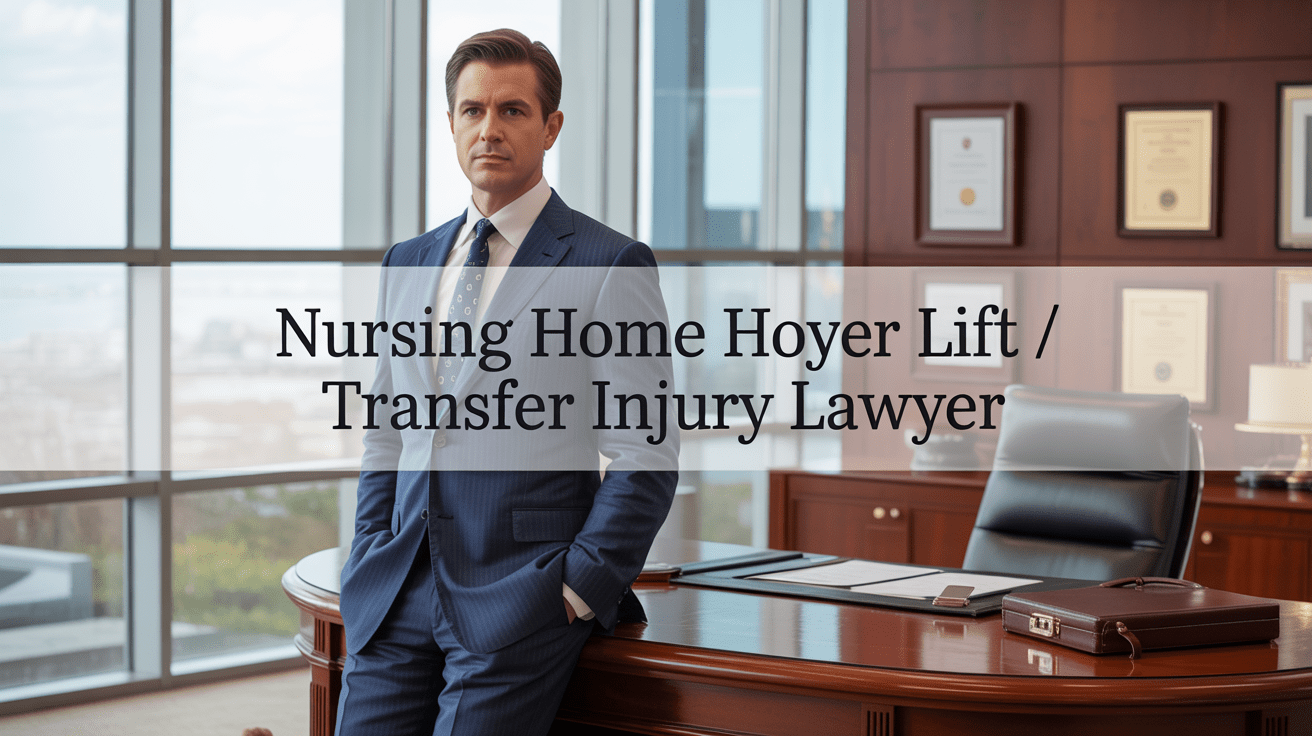
When you’re hurt during a Hoyer lift or transfer in a Fort Lauderdale nursing home, the cause often comes down to preventable choices. You may face improper sling selection, staff who aren’t trained well enough, equipment malfunctions or worn parts, and unsafe transfer procedures.
Knowing which failure occurred helps you pinpoint who’s responsible and why it should’ve been avoided.
Improper Sling Selection
Although a Hoyer lift can make transfers safer, the wrong sling can quickly turn a routine move into a serious fall or crushing injury.
When you choose a sling that doesn’t match the resident’s size, weight, amputations, or muscle tone, you increase the chance of slipping, tipping, or painful pressure points. You also risk using the wrong style—commode, full-body, or divided-leg—so support shifts during the lift.
If you ignore sling compatibility with the lift model, clips or loops may not seat correctly and can detach under load.
Beyond physical harm, an ill-fitting sling can expose skin, tug clothing, and undermine patient dignity.
You serve best by insisting on the right fit, secure attachments, and comfort checks before every transfer.
Inadequate Staff Training


Because a Hoyer lift looks straightforward, facilities sometimes rush caregivers onto the floor without hands-on training, and residents pay the price. When you’re not taught proper positioning, communication, and pace, you can unknowingly cause skin tears, shoulder strain, or frightening drops during a transfer.
You serve best when your facility provides clear steps, supervised practice, and feedback.
| Training gap | Resident impact |
|---|---|
| No competency assessments | Unsafe technique goes unnoticed |
| Few simulation drills | Panic during real transfers |
| Poor teamwork coaching | Miscounts and miscommunication |
You should receive periodic refreshers, not just a one-time orientation. If leadership ignores training needs, document concerns and request retraining to protect dignity, comfort, and safety every shift.
Equipment Malfunctions And Wear
Even well-trained staff can’t prevent injuries if the Hoyer lift itself isn’t safe to use.
When a facility delays upkeep, worn slings, frayed straps, loose fasteners, and weakened casters can slip, shift, or break while you’re trying to move a resident with dignity. You may also face battery or hydraulic problems that cause sudden lowering or jerky motion.
Modern lifts can add risk through sensor failures, such as faulty weight or tilt alerts that don’t warn you in time.
If leadership ignores maintenance schedules, small defects become predictable hazards.
You can serve residents best by insisting equipment gets inspected, repaired, and replaced promptly, and by documenting recurring issues so they’re addressed before someone gets hurt.
Unsafe Transfer Procedures
Unsafe transfer procedures can creep in when staff rush a Hoyer lift move or skip essential steps. You may see aides place the sling wrong, forget leg straps, or lift before the brakes lock. If they don’t center the resident, the body can tilt, slide, or strike bedrails, causing falls, skin tears, and shoulder injuries.
You also risk harm when staff ignore transfer consent or communicate poorly. A resident merits clear explanations, time to respond, and respect for patient dignity, not being moved like cargo.
Two-person assists matter when a care plan requires them, and so do slow, deliberate checks: weight limits, sling size, tube and catheter placement, and safe path clearance.
When shortcuts become routine, preventable injuries follow, and accountability matters for families and caregivers.
Legal Rights of Fort Lauderdale Nursing Home Hoyer Lift / Transfer Injury Victims
When a nursing home resident suffers a Hoyer lift or transfer injury in Fort Lauderdale, you don’t have to accept it as “just an accident.” Florida law gives you the right to safe care, proper supervision, and trained staff who follow lift and transfer protocols, and it lets you hold a facility accountable when neglect or inadequate staffing causes harm.
You can lean on Resident rights to demand dignity, pain control, and protection from preventable falls, fractures, and skin tears. You can also use Family advocacy to speak up when your loved one can’t, request care-plan changes, and insist the facility correct unsafe practices.
If the injury traces back to poor training, ignored warnings, or broken equipment, you may pursue compensation for medical bills, rehabilitation, and suffering, and you can push for systemic improvement that protects other residents, too.
- You’re entitled to clear explanations and honest incident reporting.
- You can request staffing and training records related to the transfer.
- You can report concerns without fear of retaliation.
Steps to Take After a Fort Lauderdale Nursing Home Hoyer Lift / Transfer Injury
After a Hoyer lift or transfer injury in a Fort Lauderdale nursing home, you should get medical care right away to protect your health and create a clear record of your injuries.
You’ll also want to document what happened by noting the date and time, identifying staff involved, photographing visible injuries or equipment issues, and requesting incident and medical reports.
Then you can contact a nursing home lawyer to preserve evidence and take action to pursue compensation.
Seek Immediate Medical Care
Get medical attention right away if you suspect a Hoyer lift or transfer injury in a Fort Lauderdale nursing home.
Even a “small” slip can cause fractures, head trauma, or internal bleeding, especially for older adults. Ask for an immediate evaluation by a qualified clinician, and don’t let staff minimize pain, confusion, dizziness, or new weakness.
If symptoms look urgent—loss of consciousness, trouble breathing, severe pain, or deformity—insist on emergency transport to the ER. You serve your loved one best by prioritizing safety over convenience.
Request medication review if sedation or blood thinners may complicate injuries. Follow discharge instructions closely, schedule follow-up care, and watch for delayed signs like swelling, bruising, fever, or reduced mobility.
Document The Incident
Medical care comes first, but clear documentation protects your loved one and preserves evidence if the facility disputes what happened. Write down the date, time, staff names, room location, and the exact transfer method used. Ask calm, compassionate questions and request incident and care-plan notes.
| What to capture | How to capture | Why it matters |
|---|---|---|
| Injuries, sling, lift setup | Take photographic evidence | Shows condition and equipment use |
| Who saw it happen | Collect witness statements | Confirms timeline and actions |
| Symptoms and follow-up care | Keep a daily log | Tracks decline and supports care decisions |
Save torn clothing, broken straps, or alarms. Get copies of medication changes, vitals, imaging, and discharge instructions. Report the event in writing to the administration and keep your own dated copy.
Contact A Nursing Home Lawyer
In the days following a Hoyer lift or transfer injury, contacting a Fort Lauderdale nursing home lawyer can help you protect your loved one and preserve crucial evidence before it disappears. You can act with compassion and purpose while someone experienced handles the legal pressure.
Your lawyer can request records, incident reports, staffing logs, and surveillance video, and send preservation letters so the facility can’t “lose” them. You’ll also get guidance on reporting to the right agencies, arranging safe care changes, and preparing for family meetings with administrators.
If you’re serving as a caregiver, you shouldn’t have to face intimidation or blame. A lawyer can communicate for you, document retaliation, and pursue accountability. You can also discuss financial planning for ongoing treatment, mobility aids, and future placement needs.
How a Fort Lauderdale Nursing Home Hoyer Lift / Transfer Injury Lawyer Can Help You
Although a Hoyer lift injury can feel like an unavoidable accident, a Fort Lauderdale nursing home lawyer can identify whether staff negligence, improper training, or faulty equipment caused your fall or transfer-related harm. You don’t have to guess what went wrong; your lawyer gathers incident reports, maintenance logs, and witness statements, then consults medical and safety experts to connect the failure to your injury.
You can focus on helping your loved one feel safe while your attorney:
- Requests records and video, and preserves evidence before it disappears
- Pushes for safer practices through family meetings and care coordination
- Pursues compensation for medical bills, rehab, and added caregiving needs
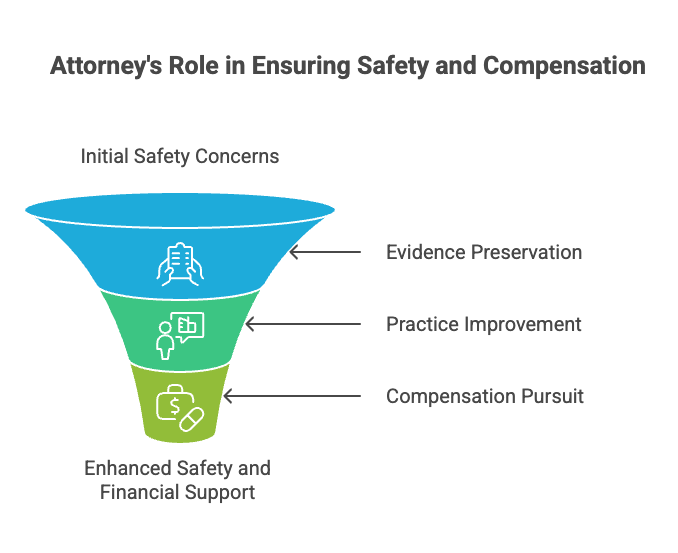
Your lawyer also handles insurer calls and facility tactics, so you don’t get pressured into a quick, unfair settlement. If the nursing home won’t take responsibility, you can file a claim or lawsuit that demands accountability and protects other residents from similar harm.
Long Term Effects of Fort Lauderdale Nursing Home Hoyer Lift / Transfer Injury Injuries
After a Hoyer lift or transfer injury in a Fort Lauderdale nursing home, you can face long-term harm that doesn’t fade when the bruises do.
You may live with chronic pain and disability, or serious brain and spinal damage that limits your independence.
You can also carry emotional trauma that leads to anxiety, depression, and ongoing fear of care.
Chronic Pain And Disability
Loss of mobility can change everything when a Hoyer lift or transfer goes wrong in a Fort Lauderdale nursing home. You may live with chronic pain that lingers long after bruises fade, making simple acts—dressing, bathing, sharing meals, serving your community—feel out of reach. Pain can interrupt sleep, drain patience, and limit the steady presence you want to offer others.
As symptoms persist, you might need ongoing therapy, mobility aids, and help with daily tasks. When your ability to work or volunteer drops, you may consider disability benefits to keep care consistent and relieve pressure on your family.
Document flare-ups, medication side effects, and missed activities, and ask providers to note functional limits. Clear records can support treatment plans and claims.
Brain And Spinal Damage
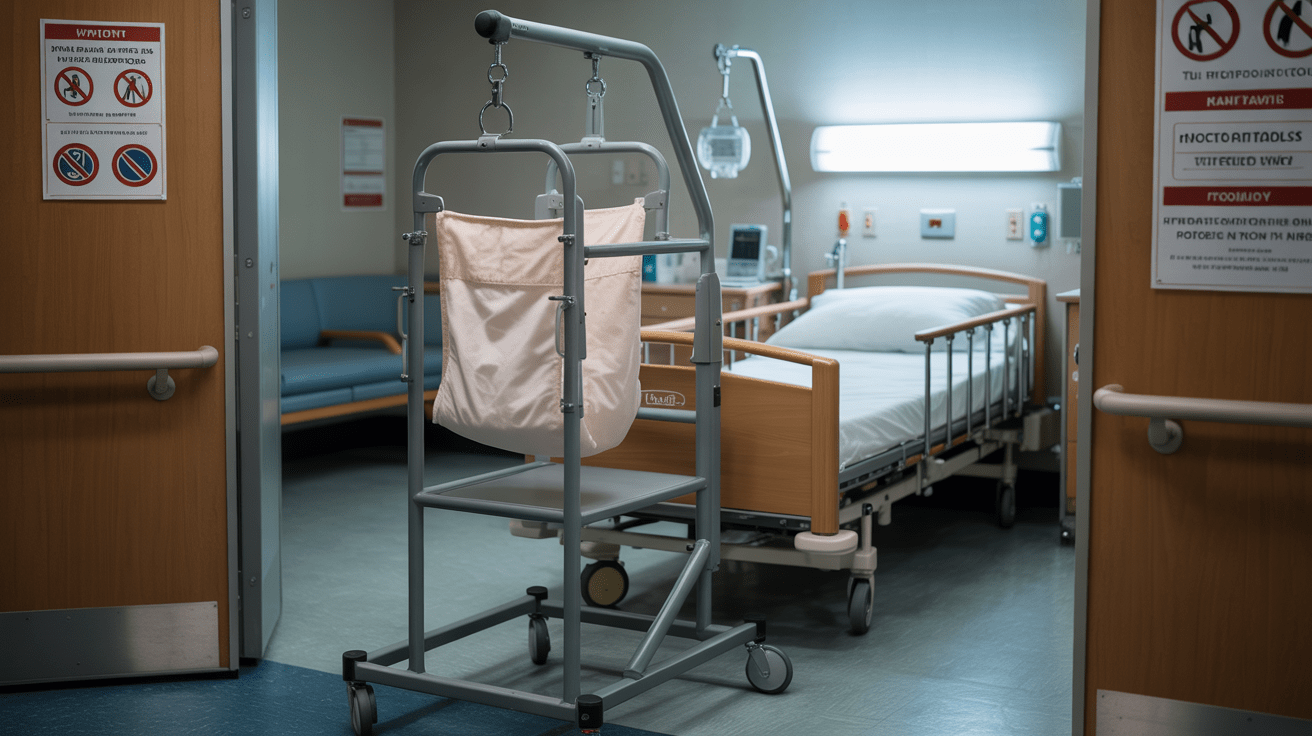
When a Hoyer lift or transfer drops you or twists your body the wrong way, the impact can injure your brain or spinal cord in ways that don’t fully show up right away. You might notice headaches, dizziness, or confusion, then later experience cognitive impairment affecting memory, speech, or attention during daily care.
Spinal damage can also progress, especially if swelling or nerve compression goes untreated. You may lose strength, coordination, or sensation, and in severe cases develop motor paralysis that changes how you move, breathe, or swallow.
These injuries often require ongoing therapy, assistive equipment, and careful monitoring to prevent complications like pressure sores or infections. By documenting symptoms early and insisting on proper evaluations, you help protect your health and keep your focus on serving others safely.
Emotional Trauma And Depression
Although a Hoyer lift or transfer injury may heal on the surface, the emotional fallout can linger and deepen over time. You might relive the fall, fear the next transfer, or feel embarrassed needing help. Depression can follow when pain, sleep loss, and isolation shrink your world and sap your purpose.
If you’re someone who’s spent a life caring for others, losing independence can hit especially hard. You can rebuild emotional resilience by naming what changed, asking for support, and setting small daily goals you can meet. Explore therapy options such as trauma-informed counseling, grief counseling, or group support with other residents and families.
Keep notes on mood changes and triggers, and share them with your doctor. When staff negligence caused the injury, you can also pursue accountability.
Proving Liability in Fort Lauderdale Nursing Home Hoyer Lift / Transfer Injury Cases
Even if a fall or sudden drop during a Hoyer lift looks like a “tragic accident,” you can often prove the nursing home caused it by showing a preventable breakdown in care. You’ll focus on what should’ve happened, what actually happened, and who failed to act.
| What you picture | What to collect | What it shows |
|---|---|---|
| Sling straps twisted | Care logs, photos | Improper setup |
| One aide rushing | Staffing schedules | Understaffing |
| Lift jerks mid-air | Maintenance records | Faulty equipment |
| Resident unsteady after | Charts, incident report | Ignored safety plan |
You can lean on witness testimony from aides, roommates, and visiting family to pin down timing, positioning, and warnings that got brushed off. Then you’ll use expert analysis from a nursing or biomechanics consultant to connect the missteps to the injury and to accepted transfer standards.
By building this timeline with compassion and precision, you honor your loved one and promote safer care for others.
Compensation for Fort Lauderdale Nursing Home Hoyer Lift / Transfer Injury Damages
Accountability matters most after a preventable Hoyer lift or transfer injury shatters your loved one’s stability and independence. You can pursue compensation that restores safety, dignity, and day-to-day comfort. Damages often include hospital care, rehabilitation, mobility devices, added nursing support, and future treatment tied to fractures, head trauma, or skin breakdown.
You can also seek reimbursement for medical billing errors you shouldn’t shoulder, including duplicated charges or uncovered transport and therapy costs.
Beyond the ledger, you can demand non-economic damages for pain, fear, loss of enjoyment, and the humiliation that follows a rough or negligent transfer.
If the facility blames “frailty,” you can counter with records, witness statements, and expert opinions to strengthen settlement negotiations. When carriers minimize harm or deny coverage, you can push through insurance disputes and insist the full impact is valued.
The Statute of Limitations for Fort Lauderdale Nursing Home Hoyer Lift / Transfer Injury Cases
Pursuing damages after a Hoyer lift or transfer injury also means watching the clock, because Florida law limits how long you have to file a lawsuit against a nursing home or related providers.
Pursuing damages after a Hoyer lift or transfer injury means watching the clock—Florida law strictly limits how long you have to file.
In many cases, you’re working under a two-year deadline for negligence causing injury or death, but statute nuances can change the timeline depending on who’s responsible and how the claim is framed.
If the harm involves medical negligence, pre-suit requirements and different timing rules may apply.
If your loved one can’t protect their rights because of incapacity, or if records were altered, withheld, or the injury wasn’t reasonably discoverable at first, filing exceptions may extend the deadline.
Even so, courts apply these exceptions narrowly, so you should document when you learned of the injury, request records promptly, and preserve incident reports, care plans, and witness names.
Acting early helps you serve your loved one with dignity and accountability.
Why You Need an Experienced Fort Lauderdale Nursing Home Hoyer Lift / Transfer Injury Lawyer
Because Hoyer lift and transfer injuries often involve overlapping negligence, medical-care standards, and facility policies, you need an experienced Fort Lauderdale nursing home lawyer who can quickly pinpoint what went wrong, who’s legally responsible, and what evidence proves it.
You’re often facing a facility that controls records, witnesses, and timelines, so you can’t afford delays or guesswork.
An experienced lawyer helps you protect your loved one’s dignity while building a case that serves safer care for everyone. You’ll know how to secure incident reports, training logs, maintenance records, and staffing schedules before they disappear.
Your attorney can connect improper sling use, missed assessments, and rushed transfers to concrete rule violations, not just “accidents.” They can also review facility audits for patterns of lift-related deficiencies and investigate staff retention problems that lead to understaffing and shortcuts.
With that groundwork, you can pursue compensation for medical costs, pain, and long-term care needs, and push for accountability that prevents repeat harm.
How to Choose the Right Fort Lauderdale Nursing Home Hoyer Lift / Transfer Injury Lawyer for Your Case
When a Hoyer lift or transfer goes wrong, the right Fort Lauderdale nursing home lawyer doesn’t just file paperwork—they move fast to lock down evidence and build a negligence case that stands up to scrutiny. You should choose someone who listens to your goals, respects family dynamics, and keeps the focus on your loved one’s safety and dignity.
| What you need | What to ask | What it shows |
|---|---|---|
| Nursing home lift case history | “How many transfer cases have you handled?” | Practical, relevant judgment |
| Investigation plan | “Will you get records, videos, and witness statements now?” | Speed and thoroughness |
| Damages guidance | “How do you factor rehab costs and financial planning?” | Care-first strategy |
Ask who will actually handle the case, how often you’ll get updates, and whether they’ll coordinate with doctors and caregivers. You’re serving your loved one best when you pick counsel who’s decisive, transparent, and trial-ready.
About the Law Offices of Anidjar and Levine
At the Law Offices of Anidjar and Levine, you get a team that takes nursing home Hoyer lift and transfer injury claims seriously from day one—by listening to your concerns, acting quickly to preserve records and footage, and building a case designed to hold the facility accountable for preventable harm.
You’ll work with lawyers who respect your loved one’s dignity and your mission to protect others from similar neglect.
You won’t carry the burden alone. You’ll get clear updates, help coordinating medical care and documentation, and a plan to pursue compensation for medical bills, pain, and long-term needs.
The team gathers witness statements, staffing logs, training policies, and incident reports to uncover what went wrong.
You can review Client testimonials to see how people felt supported and heard.
You can also consider Firm awards as a sign of consistent, service-driven advocacy when it matters most.
Frequently Asked Questions
Can I Record Staff During Transfers or in My Loved One’s Room?
You can sometimes record staff during transfers or in your loved one’s room, but you must follow privacy laws and the facility’s recording policies.
Ask the administrator for written rules, posted notices, and consent requirements before you film.
In many places, audio recording needs everyone’s permission, and roommates have rights too.
Use recording to protect dignity and safety, not to shame caregivers, and document concerns respectfully and promptly.
Do I Need My Loved One’s Consent to Obtain Nursing Home Records?
Yes—you usually need your loved one’s consent unless you hold medical power (like a health care proxy or guardian authority).
If they can’t consent, you can request records using your legal status, but the facility must still honor privacy rights under HIPAA and Florida law.
Ask for a written authorization, your documents proving authority, and a complete copy of the chart.
Keep requests respectful—you’re advocating for safety and dignity.
What if My Loved One Was Injured at a Rehab Facility, Not a Nursing Home?
If your loved one was injured at a rehab facility, you can still pursue a claim—rehab liability applies just like in a nursing home.
You’ll focus on whether facility negligence caused the harm, such as unsafe transfers, poor staffing, or ignored care plans.
You should report the incident, request records, and document photos and symptoms.
You can also file complaints with state regulators and consult counsel to protect your loved one.
Can Family Members Be Compensated for Missed Work and Caregiving Time?
Yes, you can sometimes recover compensation for the impacts of family caregiving, but it depends on your state’s laws and the available claims.
You may seek lost wages if you have to miss work to provide care or attend appointments.
You can also pursue damages tied to the injured person’s need for your emotional support when the injury disrupts family life.
You’ll need documentation, schedules, and proof of time and income losses.
Will Filing a Claim Affect My Loved One’s Medicaid or Medicare Eligibility?
Filing a claim usually won’t affect your loved one’s Medicare, and it often won’t change Medicaid eligibility unless the settlement increases countable assets.
Watch for Medicaid consequences if funds go directly to them, since Medicaid has strict resource limits.
You can often protect eligibility through smart structuring, like special needs trusts, lien resolution, or annuities, as part of Estate planning.
Work with an attorney to carefully coordinate benefits and settlement timing.
————————–
When a nursing home Hoyer lift or transfer injury upends your life, you don’t have to face it alone.
You can demand answers, protect your loved one’s rights, and pursue compensation for medical care, pain, and ongoing needs.
Acting quickly matters, so you’ll want to preserve evidence and meet Florida’s deadlines.
With help from a Fort Lauderdale Nursing Home Abuse and Neglect Lawyer at the Law Offices of Anidjar and Levine, you’ll have a team that’s ready to fight for you.


We Can Help.