



If your loved one suffered a hip fracture after a fall in a Fort Lauderdale nursing home, the Law Offices of Anidjar and Levine can act fast to preserve surveillance footage and secure incident reports, staffing logs, care plans, and medical charts.
You’ll need proof that the fall was preventable, such as ignored fall-risk assessments, unsafe flooring, missed call lights, poor transfers, or medication side effects.
Your attorney can handle insurers, gather experts, and pursue compensation and accountability.
Learn more about your options by speaking with a Fort Lauderdale Nursing Home Abuse and Neglect Lawyer today.
Key Takeaways
- A Fort Lauderdale nursing home fall lawyer can investigate whether the hip fracture was preventable and tied to negligence under Florida law.
- Counsel can act fast to preserve surveillance video, incident reports, staffing logs, and maintenance records before evidence disappears.
- Your lawyer can collect medical charts, imaging, therapy notes, and medication logs to show how lapses in care caused the fall.
- An experienced team can interview witnesses, assess policy and care-plan compliance, and identify staffing or supervision failures.
- The attorney can manage insurer communications, calculate damages, and pursue a settlement or trial to hold the facility accountable.
How We Can Help With Your Fort Lauderdale Nursing Home Fall Resulting in Hip Fracture Claim
Take control after a nursing home fall leaves you or your loved one with a hip fracture in Fort Lauderdale. You don’t have to shoulder the burden alone. You can focus on healing while we handle the claim and protect your family’s peace of mind.
You’ll get a clear plan, steady updates, and respectful advocacy that reflects your values. We gather records, interview witnesses, preserve incident evidence, and coordinate with medical providers to document needs and costs.
We calculate damages, including rehabilitation, mobility aids, and future care, then pursue full compensation through insurance claims and, when needed, litigation.
You’ll also receive practical support beyond paperwork. We help you prepare for family meetings so everyone understands the next steps and can share caregiving responsibilities. We connect you with resources for financial planning so your recovery doesn’t derail long-term stability.
You keep dignity; we push for accountability.
Understanding Fort Lauderdale Nursing Home Fall Resulting in Hip Fracture Cases
Because a hip fracture can change a resident’s independence overnight, you need to understand how Fort Lauderdale nursing home fall cases typically unfold—what caused the fall, whether staff could’ve prevented it, and how Florida law ties negligence to the medical and financial harm that follows.
A hip fracture can erase independence overnight—pinpoint the cause, preventability, and how Florida negligence links to lasting medical and financial harm.
You’ll usually start by gathering records: incident reports, care plans, therapy notes, medication logs, and hospital imaging.
You’ll look for gaps between the resident’s assessed fall risk and the supervision or assistance actually provided.
Nursing home staffing levels and training often shape whether timely help was available, but you’ll focus on what the facility knew and did in that moment.
You’ll also document damages, including surgery, rehab, mobility loss, complications, and added caregiving costs.
Strong resident family communication matters because clear, prompt updates can preserve evidence and guide care decisions.
If the facility’s conduct fell below the required standard, you can connect that breach to the injury and losses.



Common Causes of Fort Lauderdale Nursing Home Falls Resulting in Hip Fractures
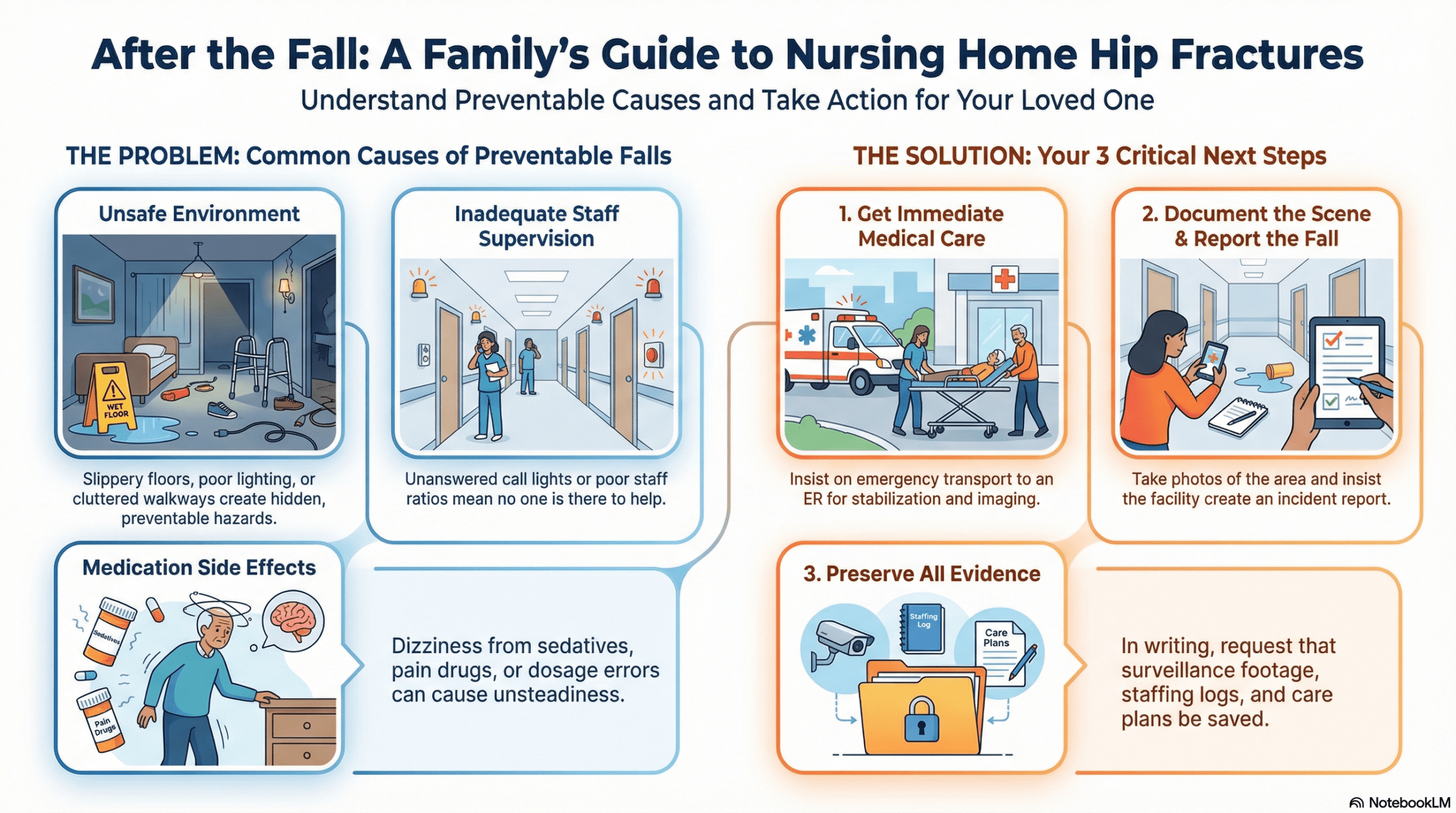
You can often trace a Fort Lauderdale nursing home fall that causes a hip fracture to unsafe floor conditions, like wet tiles, cluttered walkways, or poor lighting.
You may also see inadequate staff supervision, medication side effects that cause dizziness, and poor mobility assistance during transfers or bathroom trips.
When you identify which of these factors played a role, you can better understand how the fall happened and who may be responsible.
Unsafe Floor Conditions
Slippery floors often turn routine walks in a Fort Lauderdale nursing home into sudden, devastating falls. When you’re focused on helping a loved one stay active and dignified, unsafe surfaces can derail that goal in seconds. Freshly waxed hallways, wet mopping without clear drying time, and spilled drinks near common areas create hidden hazards.
You may also encounter loose rugs, curled floor mats, and slick bathroom tile that offers little traction.
Watch for uneven thresholds between rooms, cracked flooring, or buckled vinyl that catches a foot or walker tip. Poor lighting can make these defects harder to see, increasing the risk of hip fracture. You can advocate for prompt repairs, non-slip coatings, and clear warning signs so your loved one can move safely.
Inadequate Staff Supervision


Even when floors stay dry and well-maintained, a resident can still suffer a hip fracture when staff don’t provide adequate supervision. When call lights go unanswered, or rounds get delayed, you may see a resident attempt to toilet alone, stand without a steady hand, or rush a transfer from bed to wheelchair.
Poor staff ratios often mean that one caregiver covers too many rooms, so no one’s present when support is needed. Training gaps can also leave aides unsure how to use gait belts, lock wheelchairs, or cue safe pacing with walkers.
If you serve older adults, you can help by documenting missed checks, reporting patterns to leadership, and insisting on care plans that match each resident’s mobility limits. Prompt oversight protects dignity and prevents devastating fractures.
Medication Side Effects
Although a facility may follow fall-prevention protocols, medication side effects can still leave residents dizzy, drowsy, or unsteady and trigger a sudden fall that leads to a hip fracture. When you serve older adults, you watch for changes after new prescriptions, refills, or dose adjustments.
Sedatives, blood pressure meds, antidepressants, and pain drugs can lower alertness, blur vision, or drop blood pressure fast. Drug interactions may amplify these effects, especially when multiple providers prescribe without full coordination.
Dosage errors, missed doses, or double-dosing can also cause weakness, confusion, or sudden fainting. You can advocate by asking staff to review medication lists, document symptoms, and notify physicians promptly.
If the home ignores warning signs, you may need help protecting your loved one’s safety and dignity.
Poor Mobility Assistance
When staff rush through transfers or don’t show up on time, poor mobility assistance can set a resident up for a hard fall and a hip fracture.
You see it when a caregiver lifts without proper technique, forgets a gait belt, or leaves someone standing while “just grabbing” a wheelchair.
If your loved one has limited transfers, every step needs planning, patience, and two-person help when required.
You can serve them best by insisting on consistent care: the right mobility aids within reach, brakes locked, footwear secured, and clear communication before each move.
Ask for an updated care plan, document missed assist calls, and request supervision during toileting and bathing.
When a facility cuts corners, you can’t accept “accidents” as inevitable; you can demand safer support.


Legal Rights of Fort Lauderdale Nursing Home Fall Resulting in Hip Fracture Victims
If a nursing home fall in Fort Lauderdale leaves you or a loved one with a hip fracture, Florida law may give you clear rights to demand answers, proper medical care, and financial recovery. You can insist the facility safeguard dignity, prevent avoidable harm, and communicate honestly with your family and care team.
- Access records: You’re entitled to care plans, incident reports, and medical charts that explain what happened.
- Report and investigate: You can request Facility inspections through state agencies and push for corrective action.
- Seek accountability: You may pursue claims for negligence, inadequate supervision, or unsafe conditions, including pain, rehab costs, and future care.
- Protect your loved one: You can use Patient advocacy to challenge retaliation, demand safer staffing, and ensure respectful treatment.
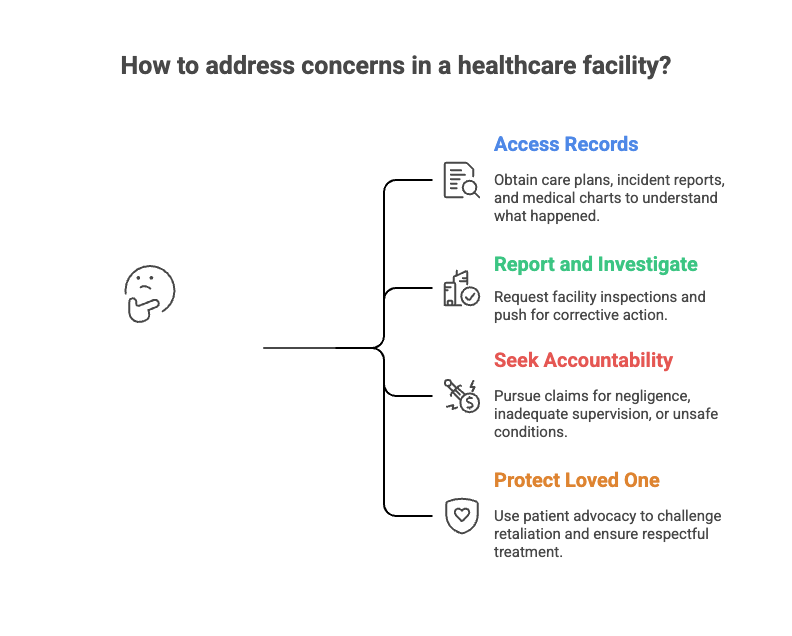
When a fall signals broader neglect, your rights let you serve your loved one by pursuing safer care for everyone in the home.
Steps to Take After a Fort Lauderdale Nursing Home Fall Resulting in Hip Fracture
After a Fort Lauderdale nursing home fall that causes a hip fracture, you need immediate medical care and a clear record of what happened. You should document the fall scene right away with photos, notes, and the names of witnesses.
You must also report the incident and preserve evidence, such as incident reports, surveillance footage, and medical records.
Get Immediate Medical Care
Seek medical care right away, because a hip fracture from a nursing home fall can trigger rapid complications like internal bleeding, shock, and loss of mobility. Call 911 or insist staff arrange emergency transport to an ER, not “wait and see.”
If you’re advocating for a loved one, stay calm, speak clearly, and ask for immediate stabilization and imaging. Request a thorough pain assessment and make sure clinicians document swelling, bruising, leg rotation, and the ability to bear weight.
Don’t allow unnecessary movement; ask for proper transfers and fall precautions to protect dignity and prevent further injury. Share medication lists, allergies, and prior conditions so providers can quickly manage blood-thinner use, dehydration, or infection risks. Your prompt action supports healing and safeguards others too.
Document The Fall Scene
Once your loved one’s immediate care is underway, document the fall scene before anything changes: take clear photos and video of the exact spot, including flooring conditions, spills, loose rugs, poor lighting, missing grab bars, bed height, and any mobility aids left out of reach.
Capture multiple photograph angles—wide shots to show context and close-ups for hazards.
Do a quick lighting assessment by photographing the area with lights on and off, and note glare, shadows, or burned-out bulbs.
Write down scene measurements, such as distances to call buttons, bathroom doors, and handrails, plus the height of thresholds or bed frames.
If others saw or heard anything, politely ask for witness statements in their own words and record names and contact details.
Act calmly, compassionately, and respectfully.
Report And Preserve Evidence
While the details are still fresh, report the fall to the nursing home’s charge nurse and administrator and insist they create an incident report that records the exact time, location, staff on duty, and what they claim happened. Ask for a copy and note who received your request.
Begin photo preservation right away: capture footwear, mobility aids, bed height, floor conditions, call-light placement, and any hazards, then back up files with timestamps. Save clothing and bedding in clean bags without washing them.
Request surveillance video in writing and demand it be preserved. Identify everyone who saw or responded to the fall and arrange witness interviews before memories fade.
Keep all medical records, medication lists, and discharge instructions collectively. Your steady follow-through helps protect your loved one and others.

How a Fort Lauderdale Nursing Home Fall Resulting in Hip Fracture Lawyer Can Help You
When a nursing home fall leaves your loved one with a hip fracture, a Fort Lauderdale nursing home fall lawyer can step in to investigate fast, preserve vital evidence, and hold the facility accountable. You don’t have to shoulder this alone; you can focus on comfort and care while your lawyer builds a clear case rooted in facts and compassion.
They’ll examine whether staff training was adequate, whether supervision matched your loved one’s needs, and whether policies were followed.
- Demand records: incident reports, care plans, staffing logs, and medical charts.
- Secure proof: surveillance footage, witness statements, and maintenance histories.
- Prove negligence: link unsafe conditions or ignored risks to the fall.
- Drive change: push for safer practices through strong family advocacy.
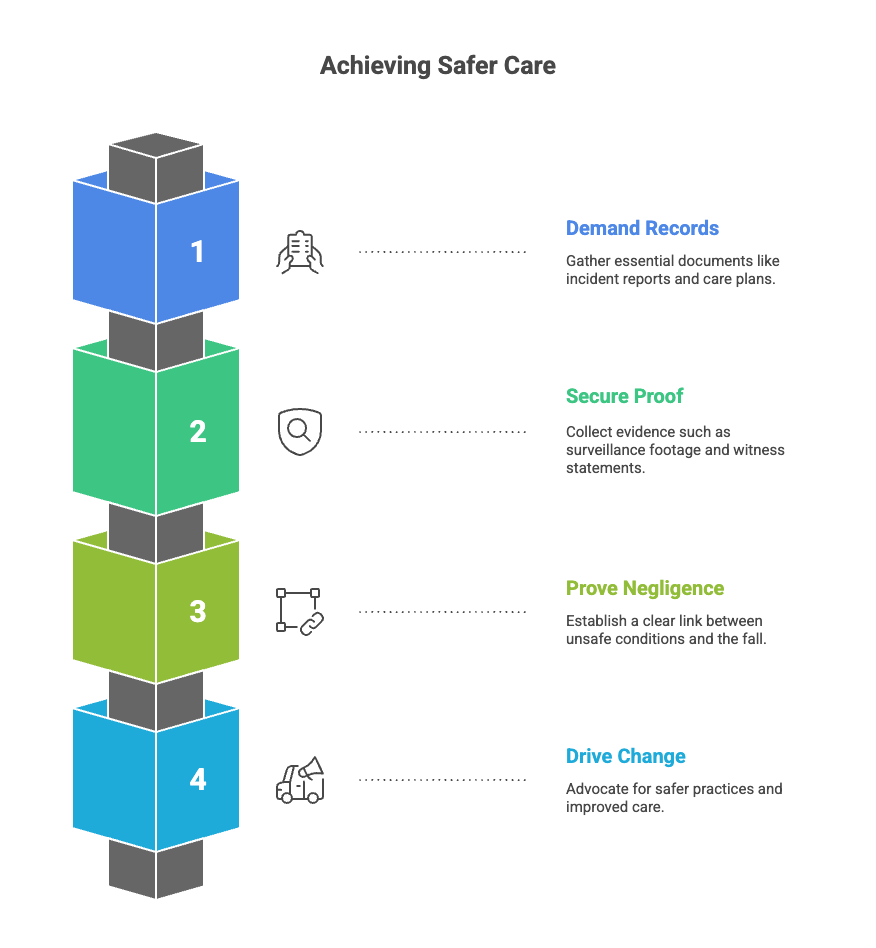
Your lawyer can handle insurer communications, calculate fair damages, and pursue a settlement or lawsuit that honors your loved one and protects other residents.
Long Term Effects of Fort Lauderdale Nursing Home Fall Resulting in Hip Fracture Injuries
After a nursing home fall in Fort Lauderdale causes a hip fracture, you can face chronic mobility limits and ongoing pain that change how you move and live each day.
You may also deal with complications and secondary injuries, from infections to dangerous repeat falls during recovery.
Over time, you can experience emotional strain and even cognitive decline as isolation, stress, and reduced independence set in.
Chronic Mobility And Pain
Loss of independence can set in fast after a nursing home fall that causes a hip fracture. Even after healing, you may struggle to stand, pivot, or walk without help, making everyday caregiving tasks feel heavier for everyone involved.
You might notice Chronic stiffness when you first rise, and Persistent soreness that lingers after therapy or short walks. Those limits can shrink your world, reducing outings, worship, and volunteer moments you once relied on to serve others.
You can still support your community, but you’ll likely need more planning, pacing, and assistive devices. You may move more slowly, avoid stairs, and rest more often, which can affect sleep and mood.
Staying consistent with safe exercises and gentle stretching helps you keep mobility and dignity.
Complications And Secondary Injuries
Limited mobility and ongoing pain don’t just slow you down—they can also set the stage for complications that linger long past the initial hip fracture.
When you can’t shift position or walk regularly, your skin and circulation suffer, increasing the risk of Pressure ulcers that can open wounds and invite serious illness.
You may also face blood clots, pneumonia, or muscle wasting when movement stays limited, and therapy gets interrupted.
Surgical sites can develop delayed infections, especially if staff miss subtle redness, drainage, or fever.
Secondary injuries happen, too: a stumble with a walker can strain your back, fracture a wrist, or reinjure the hip.
Emotional And Cognitive Decline
Even when the hip starts to heal, a fall can quietly change your loved one’s mood and thinking for months. You may notice withdrawal, fear of walking, or sudden mood changes that weren’t there before. Pain, sleep disruption, and unfamiliar routines can intensify anxiety or depression, especially when they feel they’ve lost independence.
You can also see cognitive shifts, such as trouble following conversations, missed appointments, or new memory loss after hospitalization or medication use. If staff dismisses these signs as “normal aging,” you should document what you observe and request a medical and cognitive evaluation.
Ask for a care plan that includes gentle mobility, consistent orientation cues, and meaningful social support. When you advocate early, you help protect dignity, reduce isolation, and slow decline.
Proving Liability in Fort Lauderdale Nursing Home Fall Resulting in Hip Fracture Cases
Building a strong nursing home fall case in Fort Lauderdale starts with proving the facility’s negligence caused your loved one’s hip fracture. You’ll show the homeowner owed a duty of care, breached it, and triggered the fall. Start by preserving medical records, incident reports, care plans, and staffing logs so you can compare what should’ve happened to what did.
Ask for surveillance footage quickly, before it’s overwritten, and document the scene, footwear, alarms, and mobility aids.
| Proof you gather | What it shows | Why it matters |
|---|---|---|
| Care plan + fall-risk scores | Known vulnerability | Foreseeability and duty |
| Witness statements | Timeline, warnings ignored | Supports witness credibility |
| Training and staffing records | Understaffing or poor supervision | Links breach to fall |
You can also use expert review to connect unsafe practices to the fracture, and you’ll keep your focus on protecting residents by demanding safer systems and accountable care.
Compensation for Fort Lauderdale Nursing Home Fall Resulting in Hip Fracture Damages
Pursue full compensation after a Fort Lauderdale nursing home fall causes a hip fracture by documenting every way the injury changed your loved one’s health, independence, and finances. You can recover medical bills, surgery and rehab costs, mobility aids, and future care needs, including in-home support or higher-level facility care.
Track lost income for family caregivers and transportation expenses, too.
You should also seek non-economic damages for suffering and diminished quality of life. Strong pain valuation comes from therapy notes, medication logs, sleep disruption, fear of walking, and statements from staff and family about day-to-day limits.
If negligence was reckless—ignored fall risks, falsified charts, or understaffed despite known danger—you may request punitive damages to protect other residents and push the facility to change. A lawyer can organize records, calculate totals, and demand accountability without losing sight of your loved one’s dignity.
The Statute of Limitations for Fort Lauderdale Nursing Home Fall Resulting in Hip Fracture Cases
After you’ve identified the full scope of hip fracture damages from a Fort Lauderdale nursing home fall, you still have to act within Florida’s statute of limitations—or the facility may ask the court to dismiss your case as untimely. These Statute deadlines can run quickly while you’re focused on your loved one’s recovery and daily care.
In most situations, the clock starts when the fall happens or when you reasonably should’ve discovered the injury and its cause. Don’t wait for internal facility reviews, insurance discussions, or vague promises to “fix it.” Preserve incident reports, medical records, and witness names now so you can protect your resident and honor your duty to keep others safe.
Florida law may allow filing exceptions in limited circumstances, such as when misconduct stays hidden or a resident can’t act on their own. Still, exceptions are narrow and fact-specific. Track dates carefully, act promptly, and document every step you take.
Why You Need an Experienced Fort Lauderdale Nursing Home Fall Resulting in Hip Fracture Lawyer
Even if the fall seems “straightforward,” a hip fracture in a Fort Lauderdale nursing home can trigger overlapping liability issues—staffing failures, ignored care plans, medication side effects, missing supervision, and delayed treatment—that the facility and its insurer will try to reframe as unavoidable.
You need a lawyer who can cut through that narrative and prove what went wrong and when.
An experienced Fort Lauderdale nursing home fall resulting in hip fracture lawyer helps you protect your loved one’s dignity while pursuing accountability that can improve care for others. You’ll rely on Experienced advocates to secure records fast, preserve surveillance, interview witnesses, and work with medical experts to connect the fracture to negligent practices.
With a focused Case strategy, you can pursue damages for surgery, rehab, pain, and future care, and challenge blame-shifting tactics such as “patient noncompliance.” You don’t just seek compensation—you help prevent the next preventable fall.
How to Choose the Right Fort Lauderdale Nursing Home Fall Resulting in Hip Fracture Lawyer for Your Case
Because a hip-fracture fall case can hinge on small details—chart notes, staffing logs, medication records, and missing supervision—you should choose a Fort Lauderdale nursing home fall resulting in hip fracture lawyer who moves fast, knows Florida nursing-home standards, and has a track record of proving exactly how the facility’s failures caused the injury.
Start by asking how they investigate: do they send preservation letters, secure incident reports, and interview aides before memories fade?
Look for clear Client selection standards—your lawyer should screen for preventable neglect, not just sign every case.
Ask who’ll handle your loved one’s matter day to day and how often you’ll get updates so you can advocate for your loved one.
Review the Fee structure in writing, including costs, contingency percentages, and what happens if there’s no recovery.
Finally, choose someone who treats your family with dignity and keeps the focus on safety changes that protect other residents, too.
About the Law Offices of Anidjar and Levine
Choosing the right lawyer is only part of protecting your loved one’s claim—your case also needs a team that acts quickly and handles the nursing home and its insurers head-on.
At the Law Offices of Anidjar and Levine, you get a service-minded approach built around your family’s needs and your loved one’s dignity.
You’ll work with a responsive legal team that gathers records, secures incident reports, interviews witnesses, and coordinates medical documentation to show how a fall and hip fracture happened.
You won’t have to chase updates; you’ll get clear communication and practical guidance so you can focus on care.
The firm’s staff training emphasizes compassion, urgency, and detail, so deadlines don’t slip and evidence doesn’t disappear. You can review client testimonials to see how others felt supported through stressful decisions.
If the facility or insurer pushes back, you’ll have advocates who negotiate firmly and prepare for trial when needed.
Frequently Asked Questions
What Documents Should Families Request From the Nursing Home After a Fall?
Request the incident reports right away, plus witness statements, fall risk assessments, and care plans. Ask for nursing notes, crucial signs, and full medical charts from before and after the fall. Get medication logs and MARs to see timing, doses, and any changes. Request physician orders, PT/OT notes, and imaging or hospital discharge papers. Obtain staffing schedules, training records, and any camera footage. Keep copies so you can advocate well.
Can We Move Our Loved One to Another Facility During the Investigation?
Yes, you can move your loved one to another facility during the investigation, and you often should if safety feels uncertain.
Coordinate transfer logistics with the receiving facility, your doctor, and your current home to ensure medications, care plans, and records are followed promptly.
Check bed availability, transport needs, and insurance approvals.
Consider your loved one’s emotional readiness; explain the change gently and involve them in choices to honor dignity and comfort.
Will Filing a Claim Affect My Loved One’s Medicaid or Medicare Benefits?
Filing a claim usually won’t reduce your loved one’s Medicare or Medicaid coverage, but you must handle any settlement correctly. Medicare may seek reimbursement for related medical bills, and Medicaid eligibility can change if funds raise countable assets.
You protect your loved one by coordinating benefits protection and asset planning with an attorney and a benefits advisor. You’ll report proceeds properly, consider special needs trusts, and document expenses to keep care stable.
How Are Attorney’s Fees and Costs Handled in These Nursing Home Cases?
You’ll usually handle attorney’s fees through contingency agreements, so you don’t pay upfront, and your lawyer gets paid only if you recover compensation.
Your agreement should explain the percentage, what litigation costs mean, and when they’re deducted. Ask about fee caps under Florida law and any court approval requirements.
Costs (records, experts, filings) may be recovered or advanced by counsel.
You’ll keep transparency front and center.
Can We Pursue a Claim if the Resident Had Dementia or Memory Loss?
Yes, you can often pursue a claim even if the resident had dementia or memory loss.
You’ll address capacity issues by showing how the facility still owed a duty to protect a vulnerable person.
You can also examine informed consent—whether the resident or legal representative understood and approved care plans, medications, or supervision levels.
You’ll serve the resident’s dignity by gathering records, witness statements, and expert opinions that clarify what happened.
——————-
When a Fort Lauderdale nursing home fall leaves you or a loved one with a hip fracture, you don’t have to navigate the aftermath alone.
You can protect your rights, demand answers from the facility, and pursue compensation for medical bills, pain and suffering, and ongoing care needs.
Acting quickly helps preserve critical evidence and comply with strict legal deadlines.
With the Law Offices of Anidjar and Levine advocating for you and guidance from a dedicated Fort Lauderdale Nursing Home Abuse and Neglect Lawyer, you’ll have support in investigating potential negligence and pursuing the compensation you deserve.


We Can Help.