



If your loved one’s Fort Lauderdale nursing home leaves them in soiled briefs, skips bathing, or ignores wound care, you can contact the Law Offices of Anidjar and Levine to act fast.
You’ll want to document rashes, bedsores, odors, and dirty rooms with dated photos, logs, and witness names, then request care plans, incident reports, and staffing records.
A Fort Lauderdale Nursing Home Abuse and Neglect Lawyer can help preserve surveillance evidence, coordinate an independent medical review, and pursue compensation for infections, pain and suffering, and any necessary transfers.
Key Takeaways
- A Fort Lauderdale nursing home neglect lawyer can assess missed bathing, dirty linens, ignored toileting, and unsafe sanitation to determine whether they warrant a potential legal claim.
- Preserve evidence fast: dated photos, symptom logs, witness names, and requests for care before records or surveillance footage disappear.
- Demand key facility records: care plans, incident reports, wound charts, staffing logs, and cleaning logs to prove patterns and chronic understaffing.
- Connect harm to neglect with medical documentation for rashes, pressure injuries, UTIs, cellulitis, dehydration, hospitalization, or sepsis.
- Pursue compensation for medical bills, transfers, wound supplies, added family caregiving, pain and suffering, and dignity-related emotional distress.
How We Can Help With Your Fort Lauderdale Nursing Home Failure to Provide Hygiene / Unsanitary Conditions Claim
When a nursing home cuts corners on hygiene, you don’t have to just put up with it. You can step in to protect your loved one’s dignity and health, and we’ll help you do it with purpose and care.
You’ll start with a clear Case evaluation, where you share what you’ve seen and what’s changed. We’ll listen, organize the timeline, and identify the records and witnesses you should secure right away.



You’ll get steady Client communication so you’re never left guessing. We’ll request and review facility documents, staffing logs, care plans, and incident reports, then coordinate with medical professionals as needed to understand harm and future needs.
We’ll calculate damages, handle insurer and facility contacts, and push for accountability through settlement talks or litigation. Throughout the process, you’ll focus on advocacy while we manage deadlines, filings, and strategy, so your service to your family stays strong.
Understanding Fort Lauderdale Nursing Home Failure to Provide Hygiene / Unsanitary Conditions Cases
You’ve seen how we can take action on your loved one’s behalf; the next step is understanding what counts as a Fort Lauderdale nursing home hygiene failure or unsanitary conditions case and how these claims usually unfold.
You may be dealing with missed bathing, soiled bedding, dirty rooms, unsafe food handling, or ignored wound care, which can lead to infections, rashes, pressure injuries, falls, or sepsis.
Missed bathing, unchanged briefs, soiled bedding, dirty rooms, unsafe food handling, or ignored wound care can trigger infections, pressure injuries, falls, or sepsis.
A strong claim usually ties those conditions to a breach of care standards and real harm.
You’ll look for patterns in charting, incident reports, photos, family logs, and medical records, then compare what happened to required policies and accepted practices.
Staff ratios matter because chronic understaffing can explain repeated lapses and delayed toileting or cleaning.
Consent issues can arise when residents refuse care, can’t understand their choices, or need a surrogate decision-maker; facilities must document refusals while still protecting residents’ health and dignity.
When you bring concerns forward, you’re serving safety for everyone in that home.
Common Causes of Fort Lauderdale Nursing Home Failure to Provide Hygiene / Unsanitary Conditions
You’ll often see hygiene failures and unsanitary conditions stem from understaffing and neglect, leaving residents without timely bathing, toileting, and linen changes.
You may also run into inadequate training protocols and poor facility sanitation practices that spread germs and invite infections.
And when staff don’t follow care plans, basic daily hygiene tasks get missed, and residents’ health can decline fast.
Understaffing And Neglect
Understaffing often sets the stage for neglect, and basic hygiene is usually the first thing to slip through the cracks.
When you’re serving vulnerable residents, Staff shortages can force impossible choices: you rush showers, skip oral care, or delay toileting because call lights won’t stop. That pressure turns dignity into a to-do list rather than a daily commitment.
You may also see Care rationing in subtle ways—one aide handling too many residents, linens changed less often, briefs left too long, or wound care postponed until “later.”
In the humid Fort Lauderdale heat, even short delays can lead to skin breakdown, infections, and strong odors that signal deeper neglect.
If you notice repeated missed hygiene, unanswered requests, or residents left soiled, you can document patterns and speak up before harm escalates further.
Inadequate Training Protocols


Even when a facility has enough hands on deck, hygiene still falls apart when staff don’t get consistent, practical training. When you’re called to serve, you need clear routines, coaching, and feedback—not rushed orientation. Without simulation training, aides may miss safe bathing steps, perineal care, denture cleaning, or timely brief changes.
When leaders skip competency assessments, mistakes recur, and residents feel shame rather than dignity. You can push for refresher drills, mentoring on every shift, and documented skills checks that protect the people you’re there to help.
| What you witness | What it does to a resident |
|---|---|
| Confused bathing steps | Fear and loss of trust |
| Missed oral care | Pain and isolation |
| Rough perineal care | Humiliation |
| Late brief changes | Skin breakdown |
| Unchecked skills | Repeat harm |
Poor Facility Sanitation Practices
Too often, hygiene lapses start with the building itself: dirty bathrooms, sticky floors, overflowing trash, and equipment that doesn’t get disinfected between residents. When you walk in, you can often smell problems before you see them.
Poor sanitation spreads infections, attracts pests, and strips residents of dignity, especially those who can’t advocate for themselves. You should watch how staff handle linens, clean shared bathrooms, and restock soap and gloves.
Ask whether high-touch surfaces get wiped on a schedule, and whether cleaning logs match what you observe. Facility inspections can reveal repeat violations, but your eyes and Resident feedback matter, too.
If residents report grime, missed showers, or soiled rooms, treat it as a safety issue and push for immediate corrective action.
Failure To Follow Care Plans
When a facility ignores a resident’s care plan, hygiene often becomes inconsistent or gets skipped entirely. You may see missed baths, unchanged briefs, or unclean dentures because staff don’t follow scheduled cues, mobility limits, or skin-care steps.
When you serve a loved one, you can help by reviewing the plan, asking how it’s implemented, and documenting gaps.
| What you notice | What to do next |
|---|---|
| Missed bathing schedule | Ask for care plan adherence logs |
| New rashes or pressure spots | Request skin checks and updates |
| Strong odors or soiled linens | Escalate to the charge nurse promptly |
| Conflicting staff answers | Increase family involvement in meetings |
You’re not being difficult—you’re protecting dignity. If the facility won’t correct patterns, you can seek outside help.
Legal Rights of Fort Lauderdale Nursing Home Failure to Provide Hygiene / Unsanitary Conditions Victims
Dignity sits at the heart of your loved one’s legal rights in a Fort Lauderdale nursing home, and Florida law doesn’t excuse neglect that leaves residents unbathed, in soiled clothing, or living in unsanitary conditions. You can insist on humane care that protects health, comfort, and Resident privacy, even when staffing is tight, or routines are rushed.


Florida’s nursing home residents’ rights and negligence standards support accountability when poor hygiene causes infections, pressure injuries, dehydration, or emotional harm. Through Family advocacy, you may demand transparency, proper supervision, and corrective action without retaliation.
Key rights often implicated include:
- The right to a safe, sanitary environment and adequate personal care.
- The right to be treated with respect, free from neglect, humiliation, and unsafe practices.
- The right to pursue compensation when neglect leads to medical bills, pain, suffering, or wrongful death.

You honor your loved one by using these rights to restore dignity and protect others, too.
Steps to Take After a Fort Lauderdale Nursing Home Failure to Provide Hygiene / Unsanitary Conditions
If you notice a loved one facing poor hygiene or unsanitary conditions in a Fort Lauderdale nursing home, start by documenting the conditions and any injuries with photos, dates, and notes.
Next, report the problem to the facility’s administrator and the proper Florida oversight authorities.
Then consult a nursing home lawyer to protect your loved one and preserve crucial evidence.
Document Conditions And Injuries
Often, the strongest step you can take after a Fort Lauderdale nursing home fails to provide basic hygiene is to document what you see and what your loved one suffers. Write down dates, times, room numbers, staff names, and specific conditions like soiled linens, odor, missed baths, or dirty wound dressings.
Take Photographic evidence of rashes, pressure injuries, infections, and unsanitary surfaces, and note whether photos show progression or improvement.
Keep a symptom log covering pain, fever, confusion, dehydration, and sleep disruption.
Save care plans, medication lists, discharge papers, and bills, and request copies of chart notes. If your loved one can speak, record their words accurately and respectfully.
Consider Resident interviews with roommates or visitors who observed similar neglect. Your careful records help protect others, too.
Report To Proper Authorities
After you’ve documented the unsanitary conditions, report them to the proper authorities right away so someone with oversight power can intervene. Call the Florida Agency for Health Care Administration (AHCA) complaint line, and if there’s immediate danger, contact local law enforcement or 911.
You can also notify the Long-Term Care Ombudsman Program to request an on-site visit and advocacy.
When you make the report, share dates, specific hygiene failures, staff responses, and any medical impact, and ask for a complaint number to track follow-up. Regulatory reporting protects your loved one and helps prevent harm to other residents.
Don’t delay Family notification—update the resident’s health care surrogate, close relatives, and care team so everyone can watch for signs of infection and push for prompt cleaning, bathing, and wound care plans.
Consult A Nursing Home Lawyer
Once you’ve sounded the alarm with regulators, bring in a Fort Lauderdale nursing home lawyer to step in quickly, preserve evidence, and protect your loved one’s rights. You’ll get a focused legal consultation that clarifies what standards were violated and what remedies may help your family and other residents.
Bring photos, medical records, care plans, witness names, and any complaint emails so your attorney can send preservation letters, request surveillance, and stop retaliation. Ask the lawyer to explain the fee structure up front, including contingency terms, costs, and whether you’ll owe anything if there’s no recovery. You can also discuss urgent steps like transferring your loved one, obtaining evaluations, and seeking emergency relief. Acting now helps you serve your loved one with dignity and safety.
How a Fort Lauderdale Nursing Home Failure to Provide Hygiene / Unsanitary Conditions Lawyer Can Help You
Even if a nursing home claims your loved one’s condition “just happens with age,” a Fort Lauderdale hygiene and unsanitary conditions lawyer can cut through the excuses and demand accountability.
You don’t have to shoulder this alone; you can act with compassion and firm resolve to protect your loved one and other residents.
A lawyer can help you by:
- Gathering records, photos, witness statements, and inspection reports, then spotting patterns a facility wants hidden.
- Pushing for immediate safety changes, including staff education and facility audits, so problems don’t keep spreading through the unit.
- Handling notices, deadlines, and negotiations, and—when needed—filing suit to pursue damages for medical bills, pain, and dignity lost.
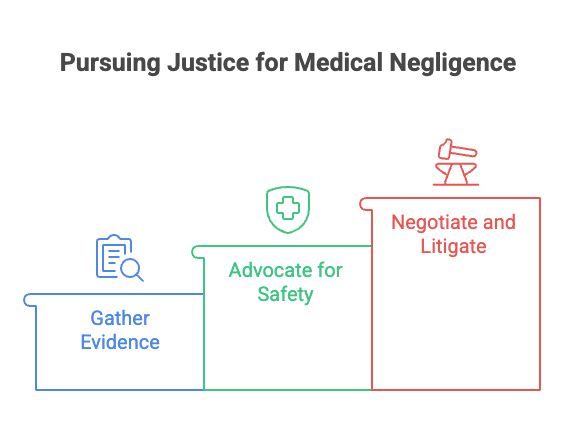
You’ll get clear guidance on what evidence matters, how to report concerns, and how to communicate with administrators without being dismissed or intimidated.
Long Term Effects of Fort Lauderdale Nursing Home Failure to Provide Hygiene / Unsanitary Conditions Injuries
When a Fort Lauderdale nursing home neglects hygiene, you can end up with chronic skin breakdown that’s slow to heal and easy to worsen.
You may also face recurrent infection complications that sap your strength and create ongoing medical needs.
Over time, you can experience psychological health decline as pain, embarrassment, and loss of dignity wear you down.
Chronic Skin Breakdown
Living with constant moisture, soiled bedding, and infrequent bathing can quietly destroy a nursing home resident’s skin. When you’re trying to protect someone who can’t advocate for themselves, you need to recognize early signs of a breakdown and demand proper care.
Prolonged dampness leads to skin maceration, leaving tissue fragile, pale, and easily torn. Friction from dragging during transfers and sheets left wrinkled can trigger pressure ulcers on the tailbone, heels, and hips.
If staff delay turning schedules or ignore brief changes, wounds deepen, scar, and limit mobility long after the initial neglect. You can help by insisting on gentle cleansing, thorough drying, barrier creams, regular repositioning, and prompt documentation.
When a facility won’t act, you may need legal pressure to stop the harm.
Recurrent Infection Complications
Broken skin from moisture and pressure doesn’t just hurt—it opens a direct path for bacteria and fungi to keep coming back. When staff skip bathing, perineal care, or changing linens, you can’t fully clear the organisms, so minor redness recurs as cellulitis, wound infection, or urinary infection.
Each flare steals strength, disrupts nutrition, and delays healing.
As infections recur, you may face Recurring Sepsis, repeated hospital transfers, IV lines, and new complications like kidney strain or pneumonia. You also risk Antibiotic Resistance, because frequent antibiotic courses select tougher germs that demand stronger drugs with harsher side effects.
If you’re caring for a loved one, insist on documented hygiene routines, timely wound checks, and culture-guided treatment so you protect dignity and prevent another crisis.
Psychological Health Decline
Even if the sores and infections heal, chronic neglect of basic hygiene can leave lasting psychological damage. You may start to feel ashamed, exposed, or powerless after repeated incidents of soiled bedding, body odor, or missed bathing. That humiliation can trigger anxiety, depression, and sleep disruption, making it harder to trust caregivers again.
When you’re consistently treated like your comfort doesn’t matter, you may retreat from others to avoid embarrassment, leading to social withdrawal. Isolation then feeds hopelessness and irritability, and it can worsen confusion.
Poor sanitation, dehydration, and untreated illness also stress the brain, contributing to impaired cognition and agitation. If you serve an older loved one, you can advocate for dignity: document changes, request care plans, and push for prompt mental health evaluation and meaningful social support, too.
Proving Liability in Fort Lauderdale Nursing Home Failure to Provide Hygiene / Unsanitary Conditions Cases
Because nursing home hygiene failures often happen behind closed doors, proving liability in Fort Lauderdale unsanitary-conditions cases starts with showing the facility knew—or should’ve known—about the problem and didn’t fix it.
You do that by gathering clean, credible proof: care plans, bathing and toileting logs, wound records, infection reports, staffing schedules, and incident notes. You’ll also want photos, dated messages to supervisors, and statements from residents, families, and whistleblowing staff.
To meet Florida’s evidentiary standards, you must connect the unsanitary condition to specific lapses in policy, training, or supervision. Use expert testimony from a geriatric nurse, infection-control professional, or physician to explain what reasonable care was required and how the facility fell short.
If you’re serving a vulnerable elder, document every request for help and every ignored complaint so you can show a pattern, not an isolated mistake.
Compensation for Fort Lauderdale Nursing Home Failure to Provide Hygiene / Unsanitary Conditions Damages
Accountability often starts with making the facility pay for the harm caused by its hygiene failures. When you step up for a vulnerable resident, you can pursue compensation that restores dignity and funds better care.
You’ll document medical treatment for infections, bedsores, dehydration, or respiratory illness tied to unsanitary conditions, along with the costs of transportation, medications, wound supplies, and follow-up visits.
Compensation calculations also include the added caregiving your family provides, time missed from work, and expenses for transferring to a safer facility. If the neglect led to lasting impairment, you can seek damages for future medical needs and reduced quality of life. You can also demand recovery for pain, suffering, and Emotional damages, including fear, humiliation, loss of enjoyment, and trauma from living in filth.
By seeking full, fair damages, you don’t just recover losses—you help protect other residents from the same neglect.
The Statute of Limitations for Fort Lauderdale Nursing Home Failure to Provide Hygiene / Unsanitary Conditions Cases
When you suspect a nursing home’s hygiene neglect caused infections, bedsores, or other harm, the clock to file a claim in Fort Lauderdale starts running sooner than you may think. Florida law sets strict Filing deadlines, and missing them can block your ability to seek accountability for a vulnerable resident who depended on others for basic care.
In many negligence cases, you typically have a limited number of years from the date of injury, but Statute nuances can change that timeline. For example, the “discovery” rule may shift when the clock begins if the harm wasn’t reasonably identifiable right away.
If the neglect led to a resident’s death, a different deadline may apply under wrongful death rules. Claims involving government-run facilities can trigger shorter notice requirements.
To protect the resident you serve, document symptoms, request records promptly, and act quickly so your case stays timely.
Why You Need an Experienced Fort Lauderdale Nursing Home Failure to Provide Hygiene / Unsanitary Conditions Lawyer
Although hygiene neglect can look “minor” on paper, it often hides systemic understaffing, falsified care logs, and preventable infections—so you need an experienced Fort Lauderdale nursing home unsanitary conditions lawyer who knows how to secure records fast, spot regulatory violations, and tie dirty conditions to your loved one’s injuries before the facility closes ranks.
You’re not just pursuing compensation; you’re protecting a vulnerable person and pushing a facility to change. An experienced lawyer moves quickly to preserve surveillance footage, staffing schedules, wound charts, and incident reports, then works with medical experts to connect rashes, pressure injuries, UTIs, sepsis, or falls to unsanitary practices.
Strong Client communication matters because you need clear updates, realistic timelines, and guidance on what to document right now.
Your lawyer’s Case strategy should anticipate defenses like “noncompliance” or “preexisting conditions,” and counter them with timelines, witnesses, and regulatory findings. That strength can turn neglect into accountability for everyone harmed.
How to Choose the Right Fort Lauderdale Nursing Home Failure to Provide Hygiene / Unsanitary Conditions Lawyer for Your Case
Sorting out the right Fort Lauderdale nursing home hygiene lawyer starts with looking beyond slogans and focusing on proof: experience with unsanitary-conditions claims, familiarity with Florida nursing home regulations, and a track record of quickly securing records such as care logs, staffing schedules, wound charts, and surveillance footage.
Choose a Fort Lauderdale hygiene lawyer with proof—unsanitary-conditions experience, Florida regulation knowledge, and fast access to critical facility records.
Next, ask how they’ll center your loved one’s dignity while building the case—what investigators they use, how they preserve evidence, and how fast they can act when a facility stonewalls.
During Client interviews, you should feel heard, not rushed. A strong lawyer asks about bathing routines, toileting help, linens, odor, skin breakdown, infections, and who witnessed neglect.
They’ll explain realistic outcomes and the steps to protect other residents, too.
Review Fee structures in plain language, including costs, contingency terms, and what happens if the case doesn’t resolve.
Finally, choose counsel who communicates clearly, returns calls, and treats your family like partners in service.
About the Law Offices of Anidjar and Levine
Choosing counsel is only part of protecting your loved one—next, you need a firm that can move fast, document unsanitary conditions, and push back when a nursing home won’t cooperate.
At the Law Offices of Anidjar and Levine, you get a team that treats your role as an advocate with respect and urgency.
You’ll work with attorneys who gather records, photos, witness statements, and inspection reports, then build a clear timeline of hygiene lapses and resulting harm.
You can review client testimonials to see how the firm communicates, explains options, and stays responsive when families feel overwhelmed.
The firm’s office history reflects a commitment to helping injured people across Florida, with practical processes designed to reduce your burden: coordinating medical visits, handling calls and paperwork, and keeping you updated.
You won’t be left guessing—your case moves forward with purpose, compassion, and accountability for those who can’t speak up.
Frequently Asked Questions
What Warning Signs Indicate a Nursing Home Has Unsanitary Hygiene Practices?
You’ll notice unsanitary hygiene practices when rooms smell strongly of urine or waste, residents look unbathed, and linens stay soiled.
Watch for unsanitary surfaces like sticky tables, dirty bed rails, and stained bathrooms.
You may see staff skipping handwashing, reusing gloves, or leaving trash overflowing—clear signs of improper sanitation.
If residents develop frequent rashes, infections, or sores, trust your instincts and speak up promptly.
Can I Transfer My Loved One Without Jeopardizing a Future Legal Claim?
Yes—you can transfer your loved one and still protect a future legal claim. Prioritize safety first, then plan the transfer timing to avoid losing crucial evidence.
For claim preservation, request and copy medical charts, care plans, photos, and incident logs before and after the move. Keep clothing or bedding if relevant, document names and dates, and notify the facility in writing.
You’ll still be serving your loved one’s dignity and justice.
How Do I Request and Obtain the Facility’s Inspection and Complaint Records?
You request and obtain the facility’s inspection and complaint records by using Florida public records.
Ask the state agency for inspection logs and complaint files through its online form, email, or mail, and keep copies of everything you submit.
Follow the request process closely and note any fees or redactions.
If they deny or delay, use the stated appeals timeline, escalate to a supervisor, and document each contact to protect others.
Will the Nursing Home Retaliate if I Report Hygiene Violations to Authorities?
They might, but you can reduce the risk by documenting everything and knowing your rights.
If you have concerns about retaliation, report it through official channels and keep copies of emails, dates, and witness names.
Ask authorities about whistleblower protections and whether you can file confidentially.
Stay calm, factual, and focused on residents’ well-being.
If staff suddenly restrict visits, change care plans, or intimidate you, report that too immediately.
Can I Sue if My Loved One Suffered Emotional Distress From Filthy Conditions?
Yes, you can sue if you show the facility’s filthy conditions caused your loved one’s emotional distress and emotional trauma.
You’ll gather records, photos, witness statements, and care plans to prove negligence and harm.
You’ll also document symptoms, therapy notes, and medical opinions to support a damages assessment.
If your loved one lacked capacity, you may file as a guardian or representative.
You can pursue accountability while protecting other residents, too.
—————-
You don’t have to accept unsafe, unsanitary nursing home conditions in Fort Lauderdale.
If your loved one suffered from poor hygiene, infections, sores, or neglect, you can take action.
Document what you see, request medical care, report the facility, and protect your family member from further harm.
An experienced nursing home lawyer, you can pursue accountability and compensation while your loved one focuses on healing.
A dedicated Fort Lauderdale Nursing Home Abuse and Neglect Lawyer from the Law Offices of Anidjar and Levine can help.


We Can Help.