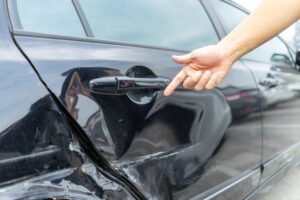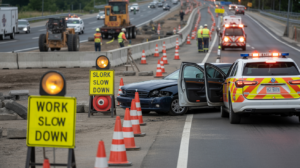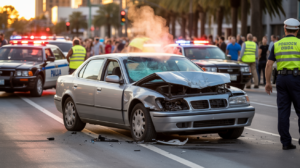
A Tampa Personal Injury Lawyer with The Law Offices of Anidjar and Levine can investigate how a crash occurred, identify potentially responsible drivers or companies, and explain possible legal options. Relevant evidence may include police reports, witness accounts, photographs, vehicle data, delivery-app records, and employment documents. An injured worker may qualify for workers’ compensation, while a separate liability claim may be available when another party contributed to the collision. Eligibility depends on the facts, applicable deadlines, and available evidence. The following sections explain important considerations.
Main Takeaways
- A Tampa delivery or courier accident lawyer can investigate the crash, identify potentially responsible parties, and preserve important evidence.
- Liability may involve the driver, delivery company, vehicle owner, or another party, depending on the facts and applicable law.
- Relevant evidence can include police reports, witness accounts, photos, vehicle data, route records, and maintenance documents.
- Eligible workers may pursue workers’ compensation, while a separate claim may be possible if another party caused the crash.
- Document medical care, missed work, and expenses; review insurer requests carefully and seek prompt advice about deadlines.


How We Can Help With Your Tampa Car Accident Delivery & Courier Injury Claim
A Tampa car accident delivery and courier lawyer can help injured people identify responsible parties, preserve evidence, and pursue compensation after a delivery-vehicle crash. Legal guidance can reduce uncertainty for people balancing recovery with family, work, or community responsibilities. Counsel can review available records, explain potential options, and communicate with insurers so clients can focus on critical needs.
A timely attorney consultation allows a lawyer to assess the circumstances, outline possible next steps, and clarify what information may support a claim. The review may include medical expenses, lost income, property damage, and other documented effects of the collision. Claim eligibility depends on the facts, applicable deadlines, and evidence connecting the crash to a party’s conduct.
A lawyer can also help organize records, respond to insurance requests, and provide clear updates throughout the process. This support can help injured people make informed decisions without losing sight of their responsibilities to others. Each matter requires an individualized assessment, and no particular outcome can be guaranteed.
OUR CONSULTATIONSARE FREE
START YOUR FREE CASE REVIEW

Understanding Tampa Car Accident Delivery & Courier Injury Cases
Delivery and courier injury cases in Tampa often involve questions about how the crash occurred, who controlled the vehicle, and whether the driver was working at the time. These details can affect who may bear legal responsibility. A driver may be employed directly, contracted through a delivery company, or working through a digital platform, and each arrangement can shape how a claim is evaluated.
Investigators may review employment records, dispatch instructions, delivery schedules, vehicle ownership, and insurance policies. Records showing assigned Tampa delivery routes can help establish the driver’s duties and timing. Documentation on courier vehicle maintenance may also clarify who was responsible for inspections and repairs, without itself determining liability.
Injury claims can include medical costs, lost income, and other documented losses. Preserving photographs, witness details, medical records, and communications with companies can support a careful review. Because several parties and policies may be involved, assessing the facts and applicable coverage helps injured people understand their options while pursuing recovery and continuing to serve their communities.
Common Causes of Tampa Car Accident Delivery & Courier
Delivery and courier crashes in Tampa can result from distracted driving, speeding between deliveries, unsafe parking, and driver fatigue. Tight schedules and frequent stops may increase these risks, especially when drivers fail to adjust to traffic and road conditions. Identifying the cause of a collision can help clarify how it occurred and who may be responsible.
Distracted Driving
Why do delivery and courier drivers sometimes fail to notice changing traffic conditions? A customer message, navigation prompt, or dispatch update can draw attention away from the roadway. Even brief glances at a phone may prevent a driver from recognizing a pedestrian, stopped vehicle, or changing signal in time to respond safely.
Hands-free technology can reduce the need to handle a device, but it does not eliminate distraction. A driver who listens to instructions or speaks on a call may experience cognitive distraction, dividing attention between the conversation and driving. Delivery schedules and customer requests can add pressure to check messages or confirm drop-off details while in transit.
Employers and drivers can protect the people they serve by setting clear communication procedures and handling updates only when safely stopped.
Speeding Between Deliveries
Time pressure can lead delivery and courier drivers to exceed safe speeds while trying to meet schedules or complete additional stops. Delivery deadlines and route pressure may encourage drivers to make up lost time, particularly when traffic, weather, or earlier delays disrupt a planned schedule. However, speeding reduces the time available to recognize hazards and respond to changing road conditions. It can also increase stopping distance and collision force, putting drivers, passengers, pedestrians, and other motorists at risk. Employers and delivery platforms can help by setting realistic schedules and discouraging unsafe driving practices. Drivers serving customers and communities must balance prompt service with responsible operation. When a collision occurs, evidence about speed, timing, and route demands may help clarify how the crash happened and who may be legally responsible.
Unsafe Parking
When delivery and courier drivers stop in unsafe locations, they can obstruct traffic, block sightlines, or force other road users to make sudden moves. A vehicle parked in a travel lane, near an intersection, or across a crosswalk can expose pedestrians, cyclists, and motorists to avoidable danger. Limited curbside visibility may prevent drivers from seeing people entering the roadway or approaching vehicles in time to respond. Businesses and municipalities can reduce these risks through thoughtful Delivery zone design, clear loading rules, and spaces positioned away from busy crossings. Drivers also have a responsibility to choose legal, safe stopping places, even when a delivery requires extra walking. When unsafe parking contributes to a collision, investigators may examine the location, visibility, traffic conditions, and whether safer alternatives were available. These details can help establish how the crash occurred.
Driver Fatigue
Driver fatigue can impair a delivery or courier driver’s attention, judgment, and reaction time, increasing the risk of a collision on Tampa roads. Long shifts, overnight routes, tight delivery schedules, and insufficient rest can leave drivers less able to respond to traffic changes or pedestrians. Sleep deprivation may slow decision-making, reduce concentration, and cause brief lapses in awareness, even when a driver believes they can continue safely. Fatigue warning signs include frequent yawning, heavy eyelids, drifting between lanes, missed turns, and difficulty remembering recent portions of a trip. Employers and drivers who serve the community can reduce risk by setting reasonable schedules, allowing adequate breaks, and stopping when alertness declines. A fatigued driver should not rely on caffeine alone; rest or a qualified replacement may be necessary to protect others.
Don’t Wait. Call Our Florida Personal Injury Lawyers Now!


Legal Rights of Tampa Car Accident Delivery & Courier Injury Victims
Delivery and courier workers injured in Tampa car accidents may have legal rights beyond workers’ compensation, depending on how the crash occurred and who was responsible. These protections can help injured workers obtain appropriate care and preserve their ability to serve customers and communities.
The available options depend on employment status, insurance coverage, and the facts of the collision.
- A worker may seek workers’ compensation benefits for covered medical treatment and wage losses. Contractor classification can affect eligibility, so the actual working relationship may require careful review.
- If another driver or entity caused the crash, the injured worker may pursue a separate liability claim for losses not covered by workers’ compensation, subject to applicable law.
- Workers may have protections against Workplace retaliation for reporting an injury or seeking benefits. Records of the crash, medical care, and employer communications can help clarify rights and support a claim.
Prompt legal guidance can help identify deadlines, responsible parties, and available remedies while the worker focuses on recovery.
Why Do Tampa Car Accident Delivery & Courier Injuries Happen?
Understanding the causes of delivery and courier crashes can help clarify how an injury occurred and who may be responsible. These collisions often arise from the demands of time-sensitive work, frequent stops, and heavy traffic. Drivers may face pressure to meet delivery targets, leading to speeding, unsafe lane changes, or inadequate following distance. Distraction from navigation systems, dispatch messages, or locating an address can also reduce attention to surrounding traffic.
Vehicle maintenance is another important factor. Worn tires, faulty brakes, or neglected repairs may make a vehicle harder to control, particularly during sudden stops. Employers and vehicle owners may have responsibilities for inspection and upkeep, depending on the circumstances. Weather conditions, including heavy rain and reduced visibility, can further increase crash risks on Tampa roads. Poor road design, congestion, and other motorists’ conduct may also contribute. In some incidents, several factors combine, making it necessary to carefully review the circumstances to identify potential causes and responsibility.
What Should You Do After a Tampa Delivery & Courier Car Accident?
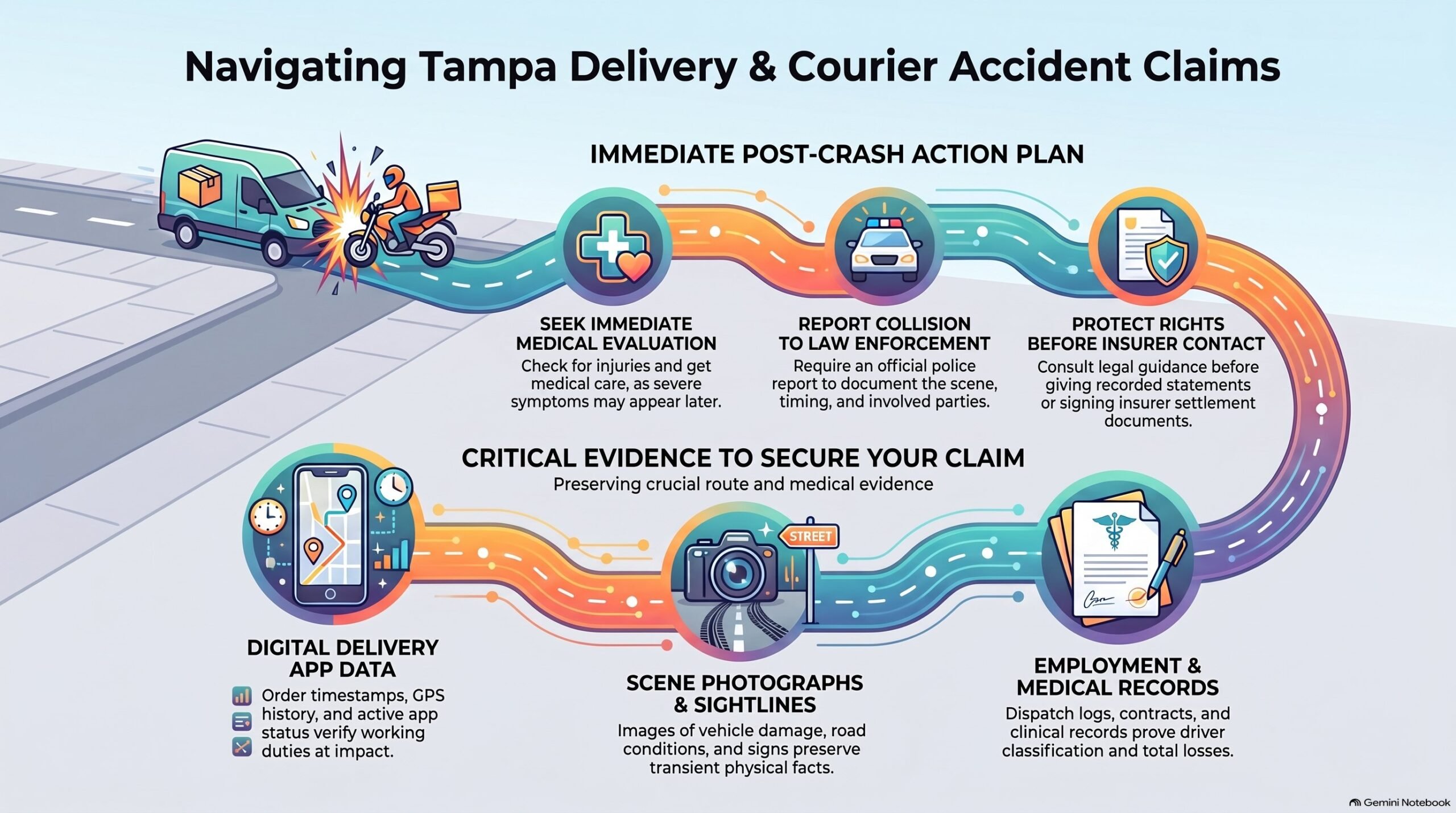
After a Tampa delivery or courier crash, those involved should first check for injuries and seek emergency medical care when needed. Report the collision to law enforcement, providing accurate details about the vehicles and circumstances. Photographs, witness information, and relevant records can help preserve evidence for later review.
Check for Injuries
Check for injuries promptly, beginning with the driver, passengers, and anyone else involved in the crash. A delivery or courier collision may leave people shaken, so a calm, careful review can help identify urgent needs. If anyone is unconscious, struggling to breathe, bleeding heavily, or reporting severe pain, emergency medical assistance should be requested immediately. Do not move a person who may have a head, neck, or spinal injury unless remaining in place presents immediate danger. For others, assess symptoms such as dizziness, confusion, nausea, stiffness, or numbness, even when no visible wound appears. Some injuries become apparent only after time has passed. Even if a person feels well, they should still consider medical evaluation, particularly after a forceful impact. Offering reasonable assistance while avoiding unsafe movement can protect everyone’s well-being.
Report the Crash
Once immediate medical needs are addressed, report the crash to law enforcement as soon as possible. A prompt report helps officers assess the scene, manage traffic, and document the collision through official procedures. If anyone faces immediate danger or needs urgent help, a driver or witness should contact Emergency dispatch and provide the location, number of people involved, and any known injuries. People involved should cooperate with responding officers and answer questions accurately, without guessing details they do not know. If the collision causes a roadway hazard, roadside assistance may help arrange safe vehicle removal after authorities determine it is appropriate. A report may be important when a delivery or courier driver was working, since employers, insurers, and other parties may need timely notice under applicable procedures.
Preserve Evidence
As soon as it is safe, a delivery or courier driver involved in a Tampa crash should preserve evidence that may clarify how the collision occurred and whether work-related circumstances contributed. Evidence preservation can begin with photographs of vehicle damage, road conditions, traffic signs, visible injuries, and the surrounding scene. The driver should collect names and contact details from witnesses and, when possible, request brief witness statements while their recollections remain fresh. Relevant records may include dispatch messages, delivery instructions, route data, time logs, and app communications. These materials can help explain the driver’s duties and circumstances at the time of impact. The driver should avoid altering or deleting electronic information and retain damaged equipment or personal items. Promptly notifying an employer and seeking legal guidance can help protect records before they are lost or overwritten.
Don’t Wait. Call Our Florida Personal Injury Lawyers Now!
Critical Evidence in a Tampa Car Accident Delivery & Courier Injury Case
Evidence can establish how the collision occurred, whether the courier was working, and the extent of the injuries.
Essential records may include:
- Crash-scene photographs and delivery-app records that document conditions, timing, and route activity.
- Driver employment records that may clarify the courier’s work status and the company’s role.
- Medical documentation that records the injuries, treatment, and related expenses.
Crash Scene Photographs
Why do crash scene photographs matter in a Tampa delivery or courier accident claim? They can preserve visible evidence before vehicles move, debris is cleared, or road conditions change. Images may show vehicle damage, skid marks, traffic signals, lane markings, sightlines, and hazards that help clarify how a collision occurred. A careful record can also document conditions relevant to a courier’s injury and the needs of people affected by the crash.
Take photographs safely and, when possible, from several Camera Angles, including wide views of the location and close views of specific damage or roadway features. Photo Metadata may help establish when and where an image was captured, although its accuracy and context should be assessed. Preserve original files and document edits and handling to support reliable review by insurers, attorneys, or other investigators.
Delivery App Records
Beyond photographs of the crash scene, delivery app records can help establish what a courier was doing when a collision occurred. These digital records may show whether the courier had accepted an order, was traveling to a pickup location, or was carrying food or other goods to a customer. GPS route history can help identify the courier’s movements before and after the impact, while order timestamps may clarify when tasks began, changed, or ended. Collectively, this information can help reconstruct the sequence of events and assess whether delivery activity contributed to the crash. Preserving relevant app data promptly is important because records may be updated, limited, or deleted over time. A careful review can also help distinguish verified details from assumptions, supporting a fair evaluation of the injured person’s claim and needs.
Driver Employment Records
Driver employment records can help clarify who controlled a courier’s work and what duties the driver was performing when a crash occurred. These materials may identify whether the courier was an employee, an independent contractor, or working through another arrangement. That distinction can affect which parties may bear responsibility for conduct during a delivery.
Payroll documentation may show who issued compensation, how work hours were recorded, and whether the driver was paid by shift, delivery, or another measure. Route assignments, dispatch instructions, and job descriptions can help establish whether a trip was authorized and whether the driver was acting within assigned duties. Scheduling records and training materials may also reveal the company’s oversight and safety expectations. Promptly preserving these records can clarify workplace relationships and support a careful review of accountability after a collision.
Medical Documentation
Medical documentation provides a detailed record of the injuries and treatment a person receives after a delivery-related crash. Prompt evaluation helps connect symptoms to the collision and supports timely care, particularly when a courier must return to demanding work. Medical records may include emergency department notes, examination findings, prescribed medication, and follow-up instructions. Diagnostic imaging, such as X-rays or scans, can help identify fractures or other internal injuries that are not immediately apparent. Physician referrals may document the need for additional assessment, rehabilitation, or ongoing treatment. Consistent records also show how symptoms change and whether recommended care was followed. For a delivery worker whose job serves customers and communities, accurate documentation can clarify how the injury affects daily responsibilities. Preserving records and receipts may help establish damages and support a claim for appropriate compensation.
Long-Term Effects of Tampa Car Accident Delivery & Courier Injuries
Delivery and courier accident injuries may persist well beyond initial treatment. Some people experience chronic pain or lasting mobility limits that interfere with work and daily activities. Emotional trauma may also continue after physical injuries recover, requiring appropriate care and consideration.
Chronic Pain
After a Tampa car accident involving a delivery or courier vehicle, chronic pain may persist long after the initial injuries appear to recover. Ongoing discomfort can stem from damage to muscles, joints, nerves, or other tissues, and its severity may vary from day to day. Pain flare-ups can interfere with routine responsibilities, including work, caregiving, and community service. Sleep disruption may also reduce concentration and make daily demands harder to manage. A medical evaluation can help identify contributing injuries and guide appropriate treatment, while consistent records can document symptoms, care, and their effects over time. Individuals who assist others may need to adjust commitments while addressing persistent pain. When an at-fault driver’s conduct caused the collision, legal guidance may help clarify options for pursuing compensation for related losses.
Lasting Mobility Limits
Lasting mobility limits can develop when injuries from a Tampa delivery or courier vehicle crash affect the joints, spine, muscles, or nerves. These impairments may restrict walking, standing, lifting, or using stairs, making routine tasks and community participation more difficult. The extent of limitation depends on the injury, treatment response, and physical demands of a person’s daily responsibilities.
Rehabilitation may help restore strength and movement, while some individuals require ongoing assistance or changes to their surroundings. Adaptive equipment, such as braces, walkers, or modified controls, can support safer movement and greater independence. Accessible housing may also be necessary when steps, narrow doorways, or bathrooms prevent reliable access. Medical evaluations and functional assessments can document these needs and guide care planning. Clear records may also help explain how lasting limitations affect work, transportation, and service to others.
Emotional Trauma
Emotional trauma can persist long after a Tampa delivery or courier vehicle crash, even when physical injuries begin to recover. Drivers and couriers who spend their workdays helping customers may experience anxiety, sleep disruption, or fear of returning to the road. Post-traumatic stress can affect concentration, relationships, and the ability to complete routine duties, sometimes emerging after the immediate shock has passed. These effects are not a sign of weakness; they may require professional evaluation and ongoing care.
Emotional recovery can involve counseling, support from trusted people, and gradual steps toward resuming work and daily activities. Family members and employers may help by recognizing changes and allowing reasonable time for treatment. Documenting symptoms, appointments, and work limitations can clarify how the crash has affected a person’s life and support informed discussions about available recovery resources.
Proving Liability in Tampa Car Accident Delivery & Courier Injury Cases
Proving liability in a Tampa delivery or courier accident requires evidence connecting the crash to a party’s negligent conduct. A careful investigation may identify whether a driver, employer, vehicle manufacturer, or another party contributed to the collision. Relevant evidence can include police reports, witness accounts, photographs, vehicle data, and records showing the driver’s route, schedule, or training. These details help establish how the crash occurred and whether reasonable safety duties were ignored.
Delivery work often involves tight schedules and frequent stops, but those demands do not remove a driver’s responsibility to operate safely. An employer may also bear responsibility when unsafe policies, inadequate supervision, or negligent vehicle maintenance played a role. In some cases, a Vehicle defect or unsafe roadway design may have contributed to the injuries and warrant further examination. Promptly preserving evidence can help clarify each party’s conduct and support an accurate assessment of responsibility. This process respects the injured person’s need for answers while establishing a reliable factual record.
Dealing With Insurance Companies After a Tampa Car Accident Delivery & Courier Injury
After a Tampa delivery or courier accident, insurance companies may contact the injured person soon after the crash to request statements or discuss a settlement. These early conversations can affect how they evaluate injuries, lost income, and other losses. A courier who serves customers and the community may feel pressure to cooperate quickly, but should avoid guessing, minimizing symptoms, or signing documents without understanding their effect.
Insurers represent their policyholders and may seek information relevant to coverage and responsibility. The injured person can provide accurate basic details while keeping records of medical care, missed work, and accident-related expenses. Questions about recorded statements, broad medical authorizations, or settlement offers may warrant careful review before a response.
If an insurer disputes responsibility, undervalues documented harm, or denies a claim, the injured person may request the reasons in writing and preserve related correspondence. Conduct that may amount to bad faith requires careful assessment under applicable law. Clear records and measured communication can help protect the person’s interests.
What to Expect During a Tampa Car Accident Delivery & Courier Injury Claim Process
A delivery or courier injury claim typically begins with intake and investigation, followed by efforts to identify all applicable insurance coverage. Medical care and consistent documentation help establish the nature and extent of the injuries. The claim may resolve through settlement or proceed to litigation if the parties cannot reach an agreement.
Claim Intake and Investigation
The claim intake and investigation process begins with documenting how the collision occurred, the injuries sustained, and the delivery or courier work involved. During an Initial consultation, the injured worker can describe the route, assigned duties, and events leading to the crash. Counsel may review medical records, photographs, witness accounts, police reports, and available work documentation to develop a clear factual timeline. These materials can help assess claim eligibility and identify questions requiring further investigation. Prompt medical attention and accurate records support both recovery and a reliable evaluation of the injury. Investigators may also preserve relevant evidence, contact witnesses, and compare accounts for consistency. A careful intake allows the claim to reflect the worker’s circumstances and the impact on the ability to serve customers and community members. Update information as treatment and recovery progress.
Identifying Insurance Coverage
Which insurance policies may apply depends on how the crash occurred, who was responsible, and whether the courier was working at the time. A claim may involve the at-fault driver’s personal auto policy, the courier’s own coverage, or a delivery company’s commercial policy. Some delivery platforms provide contingent coverage, which may apply only during specified stages of an assignment. Investigators typically identify each potentially responsible party and request policy information to determine which insurer should evaluate the claim. Policy limits set the maximum amount an insurer may pay under the applicable terms, while coverage exclusions can restrict or bar payment in certain circumstances. The courier’s employment status, vehicle use, and delivery activity may affect how these provisions apply. Reviewing overlapping policies helps clarify available sources of compensation and supports a fair process for those affected by the collision.
Medical Care and Documentation
After a delivery or courier crash in Tampa, prompt medical evaluation can identify injuries that may not be immediately apparent and create a clear record of the care required. The injured person should describe symptoms accurately, follow clinicians’ instructions, and attend recommended appointments. Consistent care supports recovery and documents how injuries affect daily responsibilities, including work that serves customers and the community.
Treatment coordination may involve a primary care provider, rehabilitation professionals, and other clinicians who communicate about progress and recommended care. When symptoms require additional evaluation, consultant referrals can help identify appropriate proficiency and prevent important concerns from being overlooked. Keep medical records, test results, prescriptions, and visit summaries organized, along with notes on changing symptoms and missed work. Accurate documentation helps explain the course of treatment and the practical effects of the crash.
Settlement or Litigation
Once medical care and documentation are underway, a delivery or courier injury claim may proceed through settlement negotiations or, if necessary, litigation. The insurer may review medical records, wage information, crash evidence, and the worker’s account before evaluating responsibility and damages. Before accepting an offer, a claimant should consider whether it addresses ongoing treatment, lost income, and other documented losses. The Settlement Timeline varies with injury severity, evidence availability, and negotiation progress; unresolved disputes can extend the process. If negotiations do not produce a fair resolution, a lawsuit may allow the parties to present evidence and arguments in court. Litigation Costs, including filing expenses, expert fees, and attorney fees, should be reviewed with counsel. Throughout the process, clear communication can help injured workers focus on recovery and responsibilities to those they serve.
Compensation for Tampa Car Accident Delivery & Courier Injury Damages
What compensation may be available after a delivery or courier crash in Tampa depends on the injuries, financial losses, and circumstances of the collision. An injured person may seek compensation for medical care, rehabilitation, prescription costs, and other crash-related treatment. If injuries prevent the person from working, compensation may also address lost income and reduced earning capacity. The nature of delivery work can add complexity, particularly when a driver is making a delivery, using a company vehicle, or acting within the scope of employment. Potentially responsible parties may include the driver, an employer, or another party whose conduct contributed to the collision. Pain severity, recovery time, and how injuries affect daily responsibilities may also inform a claim. Careful documentation can support financial recovery and help show how the crash affected the injured person’s ability to work and serve others. A lawyer can assess available coverage, liability, and evidence before advising on a claim.
Economic vs Non-Economic Damages in Tampa Car Accident Delivery & Courier Cases
Damages in Tampa delivery and courier accident cases may include economic losses, such as medical expenses, lost income, and reduced earning capacity. They may also cover non-economic harm, including pain, emotional distress, and diminished quality of life. Establishing these losses typically requires clear records and evidence connecting the harm to the collision.
Economic Losses
Economic losses in a Tampa delivery or courier accident case are the measurable financial costs caused by the crash, such as medical bills, lost income, reduced earning capacity, and vehicle or equipment damage. A claim may include reasonable treatment expenses, prescription costs, rehabilitation, and other documented care needs. For a worker whose injuries limit future employment, Lost earning capacity may be assessed using work history, skills, and medical evidence. Records of missed shifts, reduced hours, or lost delivery contracts can help establish income losses. The value of a damaged vehicle, phone, safety equipment, or cargo may also be recoverable with supporting proof. Household service value can reflect the cost of replacing necessary tasks the injured person can no longer perform. Clear documentation helps connect each claimed expense to the collision.
Non-Economic Harm
Beyond documented financial costs, a Tampa delivery or courier accident claim may also account for non-economic harm, including physical pain, emotional distress, and limitations on daily activities. These effects can disrupt a person’s ability to care for family, assist others, or participate in community responsibilities. Ongoing discomfort may interfere with sleep, concentration, and ordinary routines, while emotional strain can arise from fear, frustration, or uncertainty after a collision. Non-economic damages may also reflect Loss of Enjoyment when injuries prevent someone from pursuing meaningful activities, relationships, or service commitments. In some cases, reduced independence or changes in temperament contribute to Damaged Relationships with family members, colleagues, or people who rely on the injured person. Unlike medical bills or lost wages, these harms do not have a fixed price, but they remain important parts of the overall impact.
Proving Damages
To establish the value of a Tampa delivery or courier accident claim, the injured person generally must support each category of loss with credible evidence. Economic damages may include medical expenses, lost wages, reduced earning capacity, and reasonable future care costs. Bills, pay records, tax documents, and medical opinions can help substantiate these amounts. Non-economic damages address harms such as pain, emotional distress, and loss of normal activities. Treatment records, testimony, and consistent descriptions of daily limitations may help explain their effects.
Damage valuation considers both documented financial losses and personal harm, while avoiding unsupported estimates. The injured person’s mitigation duties may include following reasonable medical advice and taking practical steps to limit further losses. Clear records and timely care can help show the extent of injury and support a fair assessment of the claim.
Don’t Wait. Call Our Florida Personal Injury Lawyers Now!
When a Tampa Car Accident Delivery & Courier Injury Case Goes to Trial vs Settlement
A Tampa delivery or courier accident claim may resolve through settlement or proceed to trial, depending on the evidence, the extent of the injuries, and whether the parties can agree on responsibility and compensation. Settlement discussions may allow an injured worker or courier to pursue compensation without the uncertainty, time, and public nature of a courtroom proceeding. The parties may negotiate directly or through their attorneys, considering medical records, lost income, and other documented effects of the crash. A settlement generally requires the injured person to accept agreed terms, so the proposed amount and its effect on future needs warrant careful review.
If negotiations do not produce an acceptable agreement, the case may proceed to trial. Each side presents evidence, and courtroom testimony may help explain how the collision occurred and how injuries affected daily life and work. A judge or jury evaluates the presentation and determines the outcome. Jury deliberations can add uncertainty, and a trial may require substantial preparation. The decision to settle or proceed depends on the case’s specific circumstances.
Florida Laws That May Affect Your Tampa Car Accident Delivery & Courier Case
Florida law can shape how a Tampa delivery or courier accident claim is evaluated, including who may be responsible and what deadlines apply. Several rules can affect the evidence, available insurance benefits, and fault allocation. Understanding them helps injured workers and others pursue a fair resolution while continuing to serve their communities.
- No-fault rules: Florida’s personal injury protection system may provide initial medical and wage benefits, regardless of who caused a crash. These benefits have limits and do not necessarily cover all losses. A claim against another party may be available when legal requirements are met.
- Comparative negligence: Florida’s modified comparative negligence rule can reduce damages based on an injured person’s share of responsibility. Generally, recovery is barred if that person is found more than 50 percent at fault. Evidence such as reports, photographs, and witness accounts may matter.
- Responsibility and coverage: A driver, employer, vehicle owner, or another party may bear responsibility. Commercial policies and employment arrangements can affect which insurance applies and what evidence should be reviewed.
The Statute of Limitations for Tampa Car Accident Delivery & Courier Injury Cases
How long an injured person has to file a lawsuit after a Tampa delivery or courier accident depends on the applicable legal deadline and the circumstances of the claim. Florida law generally allows two years to bring a negligence action for injuries arising from an accident. A separate deadline may apply to a wrongful death claim, and the date the period begins can depend on the type of case and when the injury or death occurred.
Deadline calculations depend on more than the accident date. Claims involving a government entity may require formal notice within a shorter period before a lawsuit can proceed. The defendant’s identity, the injured person’s age, and other circumstances may also affect the filing period. These filing exceptions can change the time available, but they do not apply automatically. Missing a controlling deadline may prevent recovery, even if the claim is valid. Promptly identifying the applicable period helps preserve the opportunity to seek accountability and support those harmed while serving the community.
How a Tampa Car Accident Delivery & Courier Lawyer Can Help You
After identifying the filing deadline, an injured person must also determine who may be responsible and what evidence supports the claim. A Tampa car accident delivery and courier lawyer can assess the circumstances, identify potentially liable parties, and organize information needed to pursue fair compensation. This work can help protect the injured person’s interests while supporting accountability that may improve safety for other road users.
- Investigate responsibility: Counsel can review crash reports, witness accounts, photographs, vehicle records, and available delivery data to clarify how the collision occurred and whether a driver, employer, or another party may share responsibility.
- Assess relevant standards: A lawyer can examine courier regulations, company policies, and driver duties to determine whether evidence indicates unsafe conduct or inadequate oversight.
- Develop the claim: Counsel can document injuries, treatment, lost income, and other losses, then present a supported demand and address disputes with insurers.
Knowledge of Local crash patterns may also help place the collision in context, while careful evidence review keeps the claim grounded in specific facts.
When to Contact a Tampa Car Accident Delivery & Courier Lawyer
Prompt legal guidance can be important when a delivery or courier vehicle is involved in a Tampa crash, particularly if injuries are serious, fault is disputed, or the driver’s work status is unclear. A timely Urgent Consultation can help an injured person understand immediate options and avoid overlooking important deadlines. It may be especially appropriate when medical treatment is ongoing, lost income is affecting household needs, or several parties may share responsibility.
Consider contacting counsel if an insurer requests a recorded statement, offers a quick settlement, or seeks documents before the full impact of the injuries is known. Delivery work can involve an employer, contractor, vehicle owner, or app-based company, so questions about coverage and responsibility may arise early. Legal Representation can provide a structured point of contact while the injured person focuses on recovery and family or community responsibilities. Prompt action also helps preserve relevant records, witness details, and other information that may be harder to obtain later.
Why You Need an Experienced Tampa Car Accident Delivery & Courier Lawyer
An experienced Tampa car accident delivery and courier lawyer can assess issues that may be difficult to resolve through a standard auto claim. Delivery crashes can involve commercial insurance, employer policies, app-based work arrangements, and questions about whether a driver was acting within assigned duties. These overlapping issues may affect who is responsible and which coverage applies.
Attorney Experience can help clarify how to preserve records, evaluate competing accounts, and address insurer requests without overlooking the injured person’s needs. A lawyer familiar with these claims can also identify evidence such as dispatch logs, delivery records, vehicle data, and witness statements that may explain how the collision occurred.
Local Knowledge matters because Tampa traffic patterns, road conditions, and nearby business practices can shape an investigation. Counsel can consider relevant local procedures while coordinating communication among the injured person, medical providers, and insurers. This support allows people who serve their communities through delivery work to focus on recovery while their claim is handled with care and attention.
How to Choose the Right Tampa Car Accident Delivery & Courier Lawyer for Your Case
Choosing the right Tampa car accident delivery and courier lawyer begins with evaluating the attorney’s experience handling crashes involving commercial vehicles, delivery companies, and app-based work. A lawyer familiar with these cases can identify potentially responsible parties, preserve relevant records, and address insurance issues that may affect a claim. The attorney should explain the process clearly and respond to questions carefully, especially when an injured person’s ability to work or serve others has been disrupted.
Review Attorney Credentials, including licensing, relevant case experience, and professional standing. Ask how the lawyer approaches investigation, communicates updates, and prepares cases for negotiation or trial. A clear discussion of Fee Structures can help clients understand costs, expenses, and any payment obligations before deciding. The written agreement should state these terms plainly.
Prospective clients may compare several lawyers and consider whether each offers practical guidance without promising a particular result. A careful choice supports informed decisions throughout recovery and the legal process.
About The Law Offices of Anidjar & Levine
With experience in injury claims involving delivery and courier crashes, The Law Offices of Anidjar & Levine represents people seeking to understand their legal options after a collision.
The firm assists injured individuals and families as they address medical expenses, lost income, and other consequences of a crash.
Its attorneys can explain relevant procedures, review available evidence, and communicate with insurers on a client’s behalf.
The firm’s history provides context for its work in personal injury law.
The firm was established by attorneys who sought to help people facing difficult circumstances after serious accidents.
Its legal team handles claims involving commercial vehicles and delivery drivers, where questions about driver conduct, employer responsibility, and insurance coverage may arise.
Community involvement is also part of the firm’s public presence.
Through outreach and support for local organizations, the firm seeks to contribute to the communities it serves.
Prospective clients can contact the office to discuss their circumstances, learn about potential next steps, and determine whether representation may be appropriate.

Frequently Asked Questions
Can I Pursue a Claim if I Was Injured While Delivering Food or Packages?
Yes, an injured food or package delivery worker may pursue a claim, depending on how the injury occurred and who was responsible. Delivery accident liability may involve another driver, an employer, a property owner, or another party. The worker’s employment status and available insurance can affect potential recovery. Prompt medical care and preserved courier injury evidence, including photographs, witness details, and delivery records, can help clarify responsibility and support a claim.
Does Workers’ Compensation Cover Injuries Sustained During a Delivery Shift?
Workers’ compensation may cover injuries sustained during a delivery shift when the worker is an employee, and the injury arose from job duties. Eligibility can depend on employment classification, the circumstances of the accident, and state law. Eligible workers may receive workplace injury benefits, including medical care and partial wage replacement. Independent contractors are often excluded, though their actual working relationship may affect classification. Prompt reporting and accurate documentation can help protect a claim.
Can I File a Claim Against Both the Driver and the Delivery Company?
An injured person may be able to pursue claims against both the driver and the delivery company, depending on the facts. Driver liability may arise when careless driving causes the collision. Employer responsibility may apply if the driver was working within the scope of employment or the company’s own conduct contributed to the harm. Each claim requires evidence, and the law varies. Workers’ compensation may also affect recovery, particularly for employees injured during delivery duties.
What if I Was Delivering as an Independent Contractor When the Crash Happened?
An independent contractor may still pursue compensation after a delivery-related crash, but available coverage depends on the policy terms, work status, and circumstances. Independent Contractor Insurance may provide primary or excess protection, while a delivery platform’s policy may apply only during specified stages of an assignment. App Status Evidence, such as dispatch records and timestamps, can help establish whether the contractor was actively working. The contractor should promptly report the collision and preserve all relevant records.
Can I Recover Damages if I Was a Passenger in a Delivery Vehicle?
A passenger injured in a delivery vehicle may recover damages if another party’s negligence caused the crash. Passenger Injury Claims can seek compensation for medical expenses, lost income, and other documented losses. Third-party liability may involve another driver, the delivery company, or a vehicle owner, depending on the facts and applicable insurance policies. Prompt medical care, incident records, and legal review can help clarify available options and protect the passenger’s interests.
—————————
Delivery and courier crashes in Tampa can involve complicated insurance questions, serious injuries, and disputes over responsibility.
Prompt medical care and careful documentation can help protect an injured person’s health and preserve important evidence for the claim.
The Law Offices of Anidjar and Levine can review the circumstances, explain available legal options, and pursue compensation where the facts support it.
A timely consultation with a Tampa Personal Injury Lawyer can help clarify next steps and relevant deadlines.