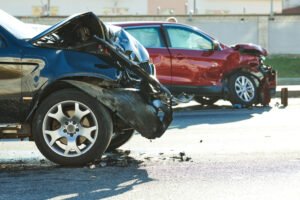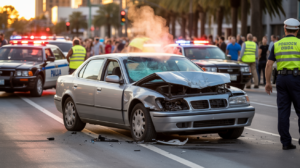
The Law Offices of Anidjar and Levine can assess how a collision occurred, identify potentially responsible parties, and explain options under Florida law. A Tampa Personal Injury Lawyer may help preserve evidence, organize medical records, communicate with insurers, and evaluate documented losses, including medical expenses and lost income. Recovery can depend on evidence, insurance coverage, comparative fault, and applicable deadlines. No outcome is guaranteed. The following information outlines important factors that may guide an injured person’s decisions after a crash.
Main Takeaways
- A Tampa car accident lawyer can assess liability, evidence, injuries, and potential compensation without guaranteeing an outcome.
- Preserve crash records, photos, witness details, medical documents, and insurer communications to support claim evaluation.
- Florida comparative fault rules may reduce recovery if you share responsibility for the collision.
- Potential compensation may include medical expenses, lost income, and other legally recognized losses, subject to insurance rules.
- Seek prompt medical care and ask a lawyer about Florida deadlines, insurance requirements, fees, and next steps.


How We Can Help With Your Tampa Car Accident Claims & Compensation Injury Claim
After a Tampa car accident, an injured person may face medical expenses, lost income, and pressure from insurance companies while trying to understand the claims process. A qualified attorney can provide steady guidance, helping the person organize records, communicate with insurers, and make informed decisions. This support allows injured clients to focus on recovery while their legal concerns receive careful attention.
Counsel can review the circumstances of a collision, identify relevant evidence, and explain available options without promising a particular result. The attorney can also help preserve documents, track important communications, and address requests from insurance representatives. Knowing local claim deadlines helps prevent avoidable procedural problems, while a clear discussion of attorney fee structures helps clients understand costs before deciding whether to proceed.
A service-minded legal team treats each client with respect and responds to questions promptly. By offering practical direction and consistent communication, counsel can reduce uncertainty and help clients pursue their interests with confidence and dignity.
OUR CONSULTATIONSARE FREE
START YOUR FREE CASE REVIEW

Understanding Tampa Car Accident Claims & Compensation Injury Cases
Understanding a Tampa car accident injury case begins with determining how the collision occurred, who may be legally responsible, and what losses the injured person sustained. The review generally considers available evidence, medical records, and the connection between the crash and reported injuries. These details help clarify whether someone can pursue compensation and which parties may be responsible.
Tampa claim eligibility depends on the case’s circumstances and applicable Florida law. An injured person may need to show that another party’s conduct contributed to the collision and resulting harm. Potential losses can include medical expenses, lost income, and other documented effects on daily life. Careful records support an accurate evaluation and help prevent important information from being overlooked.
Compensation timelines vary with the facts, treatment needs, negotiations, and any court proceedings. Prompt attention to deadlines matters, since delays may limit your options. Understanding the process can help injured people make informed decisions while preserving their ability to seek fair compensation.
Common Causes of Tampa Car Accident Claims & Compensation
Common causes of Tampa car accident claims include distracted driving, speeding, and other reckless behavior that can prevent drivers from responding safely to changing conditions. Impaired driving also poses serious risks by reducing judgment, coordination, and reaction time. In some cases, dangerous road conditions contribute to collisions and may raise questions about responsibility.
Distracted Driving
Distracted driving is a frequent cause of Tampa car accidents and may result from texting, adjusting navigation systems, eating, or other activities that divert a driver’s attention from the road. These actions can prevent motorists from noticing traffic signals, pedestrians, or changing road conditions in time to respond safely. Even brief glances away from the roadway may have serious consequences for other people sharing the road.
Hands-free technology risks also merit attention. Although voice commands and hands-free devices keep a driver’s hands available, they can still divert attention from driving. Cognitive distraction effects may impair judgment, reduce awareness, and delay reactions even when a driver is looking ahead. After a collision, evidence such as phone records, witness accounts, and vehicle data may help establish whether distraction contributed. Careful investigation can support injured people seeking fair compensation and accountability.
Speeding and Reckless Driving
Speeding and reckless driving can turn routine trips through Tampa into serious collisions, especially when drivers exceed safe speeds, weave through traffic, or ignore road conditions. These choices reduce reaction time and increase impact force, putting motorists, passengers, cyclists, and pedestrians at risk. Busy roads, intersections, and changing weather conditions can make excessive speed particularly dangerous.
Florida law may impose Speeding Penalties, while conduct that demonstrates a disregard for others’ safety may lead to Reckless Driving Charges. After a crash, evidence such as witness accounts, vehicle damage, roadway conditions, and available video may help establish how a driver acted. Injured people may face medical expenses, lost income, and lasting effects on daily life. A careful review of the circumstances can clarify potential legal options and support fair compensation claims.
Impaired Driving
When a driver operates a vehicle while impaired by alcohol or drugs, reduced judgment, slower reaction times, and poor coordination can make a collision more likely. Impaired driving can endanger passengers, pedestrians, and other motorists, while leaving injured people and families to manage serious consequences. Alcohol, prescription medication, and illegal substances may each affect a person’s ability to drive safely. Florida law prohibits driving under the influence, and evidence of impairment may help establish responsibility for a crash. Police reports, witness accounts, toxicology results, and other records can be relevant when evaluating a claim. DUI checkpoints are one enforcement measure intended to identify impaired drivers and deter dangerous conduct. In some cases, dram shop liability may also apply when an alcohol provider unlawfully serves a person who later causes a collision.
Dangerous Road Conditions
Dangerous road conditions can contribute to Tampa car accidents by limiting visibility, reducing tire traction, or making it harder for drivers to control their vehicles. Heavy rain can leave standing water on streets, while poor roadway drainage may increase the risk of hydroplaning. Potholes, uneven pavement, loose debris, and faded lane markings can also cause sudden movements or vehicle damage. Construction zones may create additional hazards when signs, barriers, or detours are unclear.
Drivers are expected to adjust their speed and attention to visible conditions, but public agencies and contractors may also be responsible for inspecting and maintaining roads. Timely pothole maintenance and effective drainage systems can help reduce preventable dangers. When a hazardous condition contributes to a collision, evidence such as photographs, maintenance records, and witness accounts may help establish how the roadway affected the crash and resulting injuries.
Don’t Wait. Call Our Florida Personal Injury Lawyers Now!


Legal Rights of Tampa Car Accident Claims & Compensation Injury Victims
Tampa car accident victims may have the right to seek compensation when another party’s negligence causes their injuries. Florida law may permit recovery for medical expenses, lost income, and other legally recognized losses, subject to applicable insurance rules and deadlines. Understanding these rights can help injured people protect their households while preserving resources for family and community responsibilities.
Florida accident victims may seek compensation for injuries and losses, subject to insurance rules, deadlines, and the circumstances of the crash.
- Insurance benefits: PIP benefit eligibility may provide access to certain initial medical and wage-loss benefits, regardless of fault. Policy terms and statutory requirements affect available coverage.
- Additional protection: Uninsured motorist coverage may help when an at-fault driver lacks sufficient insurance. Victims should review their policy and report the collision promptly.
- Accountability and recovery: A claim may seek damages from a responsible party, but evidence, liability, and the extent of harm matter. Careful documentation can support a fair evaluation and help prevent avoidable financial strain.
Legal rights vary with the circumstances. A qualified attorney can explain potential options and deadlines without guaranteeing an outcome.
Why Do Tampa Car Accident Claims & Compensation Injuries Happen?
Why do car accident injuries occur across Tampa? Collisions often result from a combination of driver decisions, roadway conditions, and vehicle factors. Distracted driving, speeding, impaired driving, and failure to yield can reduce a motorist’s ability to respond safely. Congested intersections and sudden traffic changes may further increase the risk of impact, particularly when drivers follow too closely or overlook other road users.
Driver reaction time can affect whether a hazard leads to a collision and how severe the resulting injuries become. Fatigue, distraction, and impairment may delay a driver’s response, leaving less time to brake or maneuver away. Weather, poor visibility, and roadway hazards can also make safe reactions more difficult.
Vehicle safety features, including airbags, seat belts, and automatic emergency braking, may reduce injury severity, but they cannot prevent every harm. When these protections are absent, malfunctioning, or overwhelmed by a severe crash, occupants may face significant injuries. Understanding these contributing factors helps the community recognize preventable risks and support safer travel for all.
What Should You Do After a Tampa Car Accident Injury Claim?
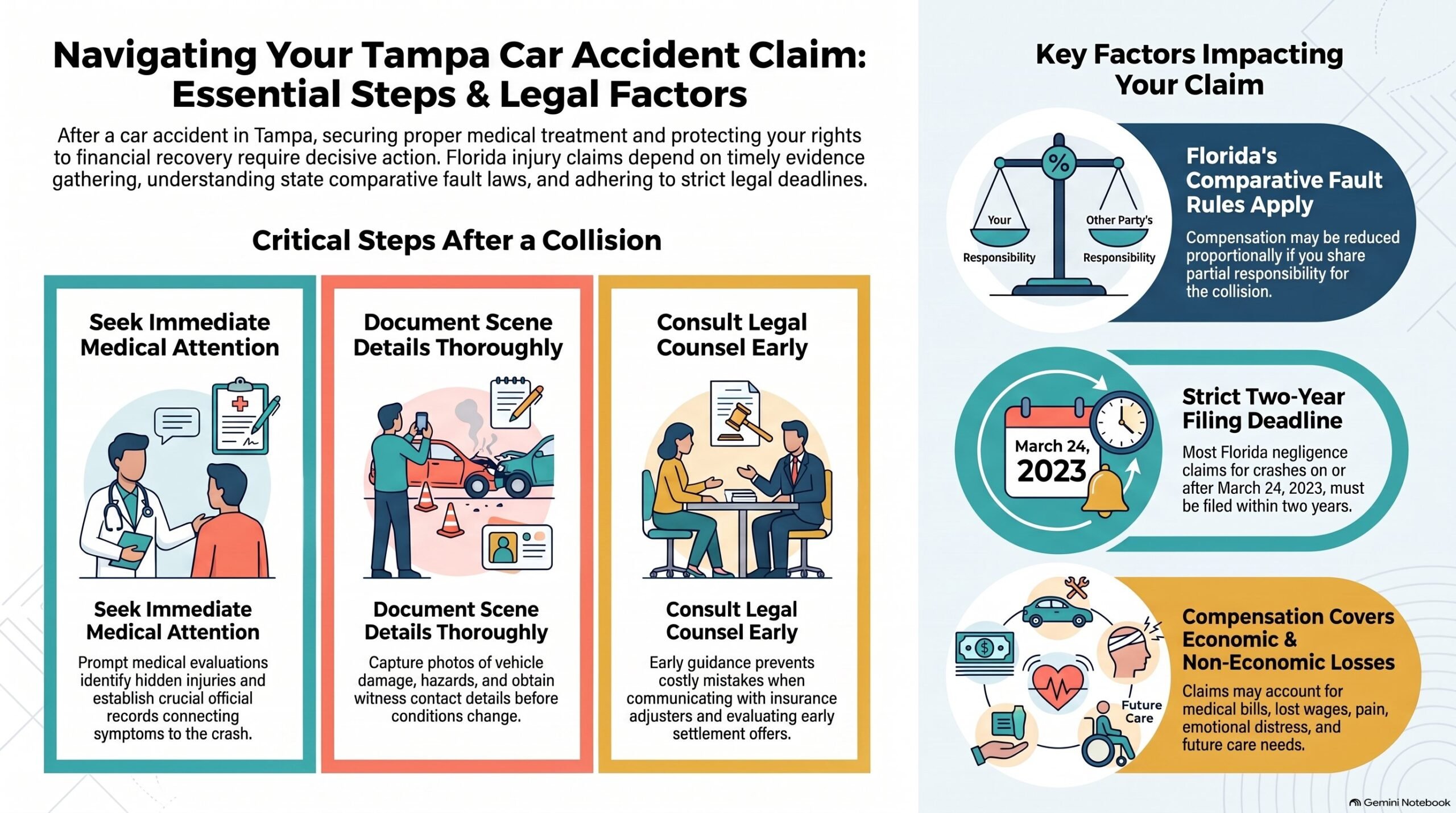
After a Tampa car accident injury, prompt medical care can identify urgent conditions and create a treatment record. The injured person should document the crash by preserving photographs, witness details, and relevant records. Consulting a Tampa lawyer can help clarify legal options and protect a potential compensation claim.
Seek Medical Care
Even when injuries seem minor, prompt medical evaluation after a car accident can identify conditions that may not be immediately apparent and create a record of the harm suffered. Prompt care supports recovery and may prevent an untreated condition from worsening. A physician can assess visible injuries, screen for less obvious concerns, and recommend appropriate treatment or follow-up. Some symptoms, including pain, dizziness, or confusion, may arise hours or days later. For that reason, injured people should seek medical guidance if symptoms develop or change, even after an initial examination. Following the clinician’s instructions and attending recommended appointments can help guarantee consistent care. Tracking symptoms also helps patients describe changes accurately during visits, allowing providers to adjust treatment as needed. Timely attention prioritizes health and supports informed decisions throughout recovery.
Document The Accident
When it is safe, documenting the accident can preserve details that may otherwise be difficult to recall and help clarify how the collision occurred. Photographs can show vehicle positions, damage, road markings, traffic signals, and visible hazards before conditions change. If possible, record Scene measurements, such as distances between vehicles, skid marks, or nearby intersections, without entering traffic or risking further injury. Note the time and location, along with weather conditions, lighting, and road surface conditions. Witness names and contact information may help establish an accurate account and support those affected by the collision. Drivers should exchange required information and keep copies of relevant records. A brief written account made soon after the event can preserve observations while details remain fresh and reliable.
Contact A Tampa Lawyer
Contacting a Tampa car accident lawyer can help an injured person understand available legal options and protect important interests. After receiving medical care and documenting the crash, an injured person may arrange a Free case review to discuss the collision, injuries, and possible next steps. A lawyer can explain how Florida deadlines, insurance requirements, and evidence may affect a claim, while identifying records that should be preserved. This guidance can also help prevent avoidable errors when communicating with insurers.
During an initial consultation, the injured person can ask about the lawyer’s experience, fees, and approach to keeping clients informed. Checking the office location may help determine whether an in-person meeting is practical. Prompt, informed legal support can help an injured person pursue fair compensation while maintaining focus on recovery and responsibilities to family, work, and community.
Don’t Wait. Call Our Florida Personal Injury Lawyers Now!
Critical Evidence in a Tampa Car Accident Claims & Compensation Injury Case
Reliable evidence can clarify how a collision occurred, document the injuries sustained, and preserve details that may otherwise be lost.
Essential records and accounts often include:
- Police accident reports and witness statements that help establish what happened.
- Medical records that connect the crash to the injuries and treatment required.
- Photos and videos that preserve visible damage, road conditions, and the immediate aftermath.
Police Accident Reports
A police accident report can provide important evidence in a Tampa car accident injury claim by documenting the crash scene, identifying involved parties and witnesses, and recording the officer’s observations. These details may help establish the sequence of events and identify information that requires further review. The report may also note road conditions, vehicle damage, statements, and any citations issued. However, an officer’s report is not a final determination of fault, and errors or omissions may affect how the incident is understood. A claimant can follow the agency’s report request process to obtain a copy, then review it carefully for accuracy. If factual information is incorrect, the agency’s report correction procedures may explain how to submit supporting documentation. Prompt, accurate records help responsible parties assess the claim fairly and protect everyone’s interests.
Medical Records
Because medical records document the nature and course of injuries after a Tampa car accident, they can be vital evidence in an injury claim. Treatment notes, diagnostic images, prescriptions, and discharge instructions may show when symptoms began and how they affected daily activities. Consistent care can also help clarify the connection between the collision and reported injuries. Gaps in treatment or differences among records may prompt questions about the injury’s timing, severity, or cause. Careful Record organization helps preserve a clear timeline and makes relevant information easier to review. Through appropriate provider requests, an injured person or authorized representative can obtain records from hospitals, physicians, therapists, and other treating professionals. These materials should be checked for missing dates, errors, and incomplete documentation. Accurate records can support a fair assessment of medical needs and related losses.
Witness Statements
Witness statements can provide an independent account of how a Tampa car accident occurred and what followed. People who saw the collision or its immediate aftermath may clarify vehicle movements, traffic conditions, and the actions of those involved. Their observations can help establish a reliable timeline and identify details that drivers may not recall accurately after a stressful event.
Witness credibility depends on factors such as the person’s vantage point, ability to observe, consistency, and relationship to the parties. A careful review can distinguish direct observations from assumptions or secondhand information. Prompt interviews can capture specific details while memories are fresh, and contact information allows investigators to follow up as needed.
Statement preservation is also important. Written or recorded accounts should accurately reflect each witness’s own words, with dates and identifying details documented. These accounts may support a fair assessment of responsibility and help injured people pursue appropriate compensation.
Photos And Videos
Photographs and videos can preserve physical details of a Tampa car accident that may change or disappear before investigators examine the scene. Images of vehicle damage, road conditions, traffic signals, debris, and visible injuries can help clarify how the collision occurred. When safe, a person may document the scene from several angles without interfering with emergency responders or delaying medical care. Dashcam footage and recordings from nearby businesses or traffic cameras may provide additional evidence, but they should be preserved promptly because some systems overwrite files. Timestamp verification can help establish when a recording was made and place events in sequence. Original files should remain unedited, with copies stored securely. Careful documentation supports a fair review of the claim and helps those involved present accurate information to insurers and investigators.
Long-Term Effects of Tampa Car Accident Claims & Compensation Injuries
Car accident injuries may cause chronic pain and limited mobility that interfere with daily activities long after the initial treatment. Some individuals also experience lasting emotional or psychological effects, including anxiety and difficulty returning to normal routines. Ongoing care and rehabilitation can create substantial long-term medical costs, which may be relevant when evaluating compensation.
Chronic Pain and Mobility
Chronic pain and reduced mobility can persist long after a Tampa car accident, limiting a person’s ability to work, manage daily tasks, or participate in ordinary activities. Injuries to the spine, joints, or soft tissue may cause ongoing discomfort, stiffness, weakness, or restricted range of motion. These limitations can make household responsibilities, transportation, and employment more difficult, even when the original injury appears recovered.
Consistent medical care can help identify lasting impairments and guide appropriate treatment. Pain management may include prescribed medication, physical therapy, or other clinician-directed approaches tailored to the individual’s condition. When walking or balance is affected, mobility aids such as canes, walkers, or wheelchairs may support safer movement and greater independence. Documented symptoms, treatment records, and functional assessments can also clarify how chronic pain affects daily life and inform evaluation of accident-related losses and future care needs.
Emotional and Psychological Effects
Long-term effects of a Tampa car accident may extend beyond physical pain and limited mobility to affect emotional and psychological well-being. Survivors may experience anxiety, depression, sleep disturbances, or difficulty concentrating as they adjust to changes in daily life. Post-traumatic stress can develop after a frightening collision, sometimes causing intrusive memories, heightened alertness, or avoidance of driving. Emotional triggers, such as traffic sounds, certain routes, or emergency vehicles, may bring back distressing memories and interfere with routines. These responses can affect relationships, work, and a person’s ability to participate in community or caregiving roles. Support from qualified mental health professionals, family members, and trusted advocates may help survivors manage symptoms and regain confidence. Recognizing these effects is important when documenting how an accident has changed a person’s life and well-being.
Long-Term Medical Costs
When injuries from a Tampa car accident require ongoing treatment, medical expenses may continue well beyond the initial recovery period. Serious conditions may require specialist visits, prescription medication, rehabilitation, assistive devices, or additional procedures. These needs may change as a person’s health and ability to work evolve, so early estimates may be incomplete.
A careful assessment of future treatment can help clarify the likely scope of care. Medical records, provider opinions, and treatment plans may support cost projections for services expected over time. Such estimates can also account for reasonable changes in prices and recovery time. Accurate documentation helps injured people and their caregivers understand the financial impact of lasting injuries. When reviewing a claim, projected costs should reflect medical evidence rather than speculation, helping ensure that compensation discussions address foreseeable care needs.
Proving Liability in Tampa Car Accident Claims & Compensation Injury Cases
Proving liability in a Tampa car accident claim requires evidence that another party’s negligence caused the crash and resulting injuries. Establishing fault generally involves showing that a driver owed a duty of care, failed to meet it, and caused harm through that failure. Negligence standards may apply to conduct such as speeding, distracted driving, unsafe turns, or failure to yield. The specific facts determine whether a driver’s actions fell below the level of care expected under the circumstances.
Useful evidence can include police reports, photographs, witness accounts, vehicle damage, medical records, and expert analysis. Collectively, these materials can help clarify how the collision occurred and connect the injuries to the event. A careful investigation may also identify other responsible parties, such as an employer or vehicle owner, when the evidence supports it.
Liability defenses may dispute fault, causation, or the extent of claimed injuries. Florida’s comparative fault rules can affect recovery when an injured person shares responsibility. Accurate documentation and a clear account of events help present a reliable claim.
Dealing With Insurance Companies After a Tampa Car Accident Claims & Compensation Injury
After a Tampa car accident, insurance companies may investigate the collision, assess claimed injuries, and determine whether coverage applies. Their representatives may request documents, ask questions, and review medical records or repair estimates. Injured people can respond accurately while keeping copies of correspondence and noting important conversations. These steps help provide a clear account and support fair consideration of the harm suffered.
Care is warranted before giving recorded statements, especially to an insurer representing another driver. Questions may focus on uncertain details, and inaccurate or incomplete answers could complicate an evaluation. A person may seek legal guidance before responding or signing a release. Settlement offers should also be reviewed in light of current treatment needs and possible future care, rather than accepted under pressure.
A Claim denial may cite policy exclusions, disputed responsibility, or insufficient evidence. The insurer should explain its position, and supporting records may help address factual errors. A lawyer can communicate with insurers, protect a client’s interests, and help pursue a fair resolution while the injured person focuses on recovery and family responsibilities.
What to Expect During a Tampa Car Accident Claims & Compensation Injury Claim Process
A Tampa car accident injury claim typically begins with an assessment of the circumstances, injuries, and potential losses. The process then involves gathering evidence and negotiating with insurers to determine whether a fair settlement can be reached. If negotiations resolve the claim, compensation is finalized; otherwise, further legal action may be considered.
Initial Claim Assessment
How does the initial assessment begin? A Tampa car accident claim typically starts with a focused discussion of the collision, the reported injuries, and the treatment received so far. The injured person explains how the crash affected daily responsibilities, work, and the ability to support family or community commitments. This overview helps counsel identify immediate concerns and clarify the client’s goals.
A preliminary Claim valuation considers the injury’s apparent seriousness, known medical expenses, lost income, and potential future needs. It is not a final figure; the assessment may change as treatment progresses and the full impact becomes clearer. A Coverage review examines available insurance policies, applicable limits, and possible sources of recovery. Counsel also explains the claims process, likely decisions, and practical options, enabling the injured person to make informed choices without premature settlement expectations.
Evidence Gathering
As the claim moves beyond its initial assessment, evidence gathering helps establish how the collision occurred and how it affected the injured person. A Tampa car accident claim may involve collecting police reports, photographs, witness statements, and available surveillance footage. Medical records and treatment notes can document the injuries, care received, and effects on daily activities. Vehicle telematics and black box data may help clarify speed, braking, or other events immediately before impact. These records can be time-sensitive, so prompt preservation requests may be important, particularly when a vehicle is repaired or electronic information is overwritten. Investigators may also inspect the vehicles and roadway conditions. Investigators review each item for accuracy and relevance, addressing inconsistencies through further inquiry. Careful documentation supports a clear account of the incident and its consequences for everyone involved.
Settlement Negotiations
Once the available evidence has been reviewed, settlement negotiations can begin with a clearer understanding of liability, injuries, and financial losses. In a Tampa car accident claim, the insurer may present an opening offer based on its assessment of the records and potential exposure. That figure may not reflect the full impact of the collision, so review it carefully before responding. A negotiation strategy can include organizing supporting documentation, identifying disputed issues, and explaining how the evidence relates to the claimed losses. Counsel may communicate with the insurer, address requests for clarification, and make reasoned counteroffers on the claimant’s behalf. Throughout discussions, clear records of proposals and responses help prevent misunderstandings. The process may involve several exchanges, and the parties may differ over liability, injury severity, or valuation.
Compensation Resolution
After settlement terms are accepted, the claim moves toward compensation resolution, but payment is not always immediate. Settlement timelines depend on completing required documents, confirming any outstanding medical balances, and processing the insurer’s payment. Delays may occur if records remain incomplete or a lien must be resolved before funds are distributed.
Payout structures vary according to the agreement. A claimant may receive a single payment or, in some cases, payments over time. Before disbursement, authorized fees, case expenses, and valid liens may be deducted from the settlement amount. The claimant should receive a clear accounting showing these deductions and the net funds available.
Careful review helps confirm the resolution reflects the agreed terms and supports ongoing needs. When questions arise about timing or deductions, the claimant can request an explanation from the responsible representative before accepting final distribution.
Compensation for Tampa Car Accident Claims & Compensation Injury Damages
Compensation in a Tampa car accident claim may cover medical expenses, lost income, reduced earning capacity, and other losses caused by the collision. The amount depends on the evidence connecting each claimed loss to the crash and showing its effect on the injured person’s life. Medical records, treatment plans, and professional assessments can help establish the nature and duration of an injury. Documentation of missed work and changes to job duties may also clarify how the collision affected employment.
Pain severity and recovery time can influence how an injury is evaluated. Where lasting limitations affect a person’s ability to work, evidence may be needed to assess future earning capacity. A careful claim review considers both immediate needs and reasonably anticipated consequences, while avoiding unsupported estimates. Clear records and consistent reporting can help decision-makers understand the injury’s practical impact. This process supports fair consideration of the injured person’s circumstances and helps ensure relevant losses are not overlooked.
Economic vs Non-Economic Damages in Tampa Car Accident Claims & Compensation Cases
Tampa car accident claims may include economic damages, such as medical expenses, lost income, and other documented financial losses. Non-economic damages address less measurable effects, including pain, emotional distress, and reduced quality of life. Comparing these categories helps clarify how different losses may factor into a compensation claim.
Economic Damages
Economic damages are the measurable financial losses caused by a car accident, including medical expenses, lost income, and costs of future care or reduced earning capacity. In Tampa claims, these losses may include ambulance charges, hospital treatment, rehabilitation, prescription costs, and reasonable transportation expenses for medical appointments. Documentation such as bills, receipts, employment records, and medical evaluations helps establish the amount and connection to the collision. Lost wage calculations may account for missed work, reduced hours, and employment benefits lost during recovery. When injuries limit a person’s ability to perform prior duties or advance professionally, evidence may support diminished earning capacity. Qualified providers can also consider future expenses when they identify ongoing treatment or assistance needs. Accurate assessment helps claimants pursue compensation that reflects financial harm and supports their ability to meet obligations and serve their families and communities.
Non-Economic Damages
Beyond documented financial losses, a car accident may cause real non-economic harm not tied to a specific bill or paycheck. These damages can reflect physical pain, emotional distress, and the disruption an injury brings to ordinary routines. A person may experience reduced mobility, persistent anxiety, sleep difficulties, or diminished independence during recovery. Loss of enjoyment may arise when injuries prevent participation in hobbies, family activities, or community service that once gave daily life meaning. The effects can also extend to close connections, including altered relationships when pain or limitations change how a person communicates, shares responsibilities, or spends time with others. Because these harms don’t have a fixed market price, evaluating them requires careful attention to the person’s circumstances, recovery, and lasting effects.
Comparing Damage Types
When evaluating a Tampa car accident claim, damages are generally divided into economic and non-economic losses. Economic damages represent measurable financial harm supported by records, invoices, or other evidence. They may include medical expenses, lost income, rehabilitation costs, Vehicle repair costs, and diminished vehicle value. These losses help show how the collision affected a person’s finances and ability to meet responsibilities.
Non-economic damages address personal effects that do not have a fixed price, such as pain, emotional distress, reduced mobility, and loss of enjoyment of daily activities. Their value depends on the circumstances and evidence of the injury’s impact. Both categories may be considered when determining fair compensation, subject to applicable law and proof. Clear documentation allows a claim to present the full scope of harm while supporting an accurate, responsible assessment of losses.
Don’t Wait. Call Our Florida Personal Injury Lawyers Now!
When a Tampa Car Accident Claims & Compensation Injury Case Goes to Trial vs. Settlement
Most Tampa car accident injury claims resolve through settlement, but a case may proceed to trial if the parties cannot agree on liability or fair compensation. Settlement allows the injured person and the insurer to resolve the claim without a court verdict. The parties may negotiate directly or through their representatives, weighing the available evidence, documented losses, and potential trial outcomes. A written agreement generally ends the claim in exchange for payment.
A trial may be considered when negotiations fail, or significant disputes remain. Each side presents evidence, questions witnesses, and explains its position to a judge or jury. Courtroom testimony can help clarify how the collision occurred and how injuries affected the claimant’s life. After hearing the evidence, the jury deliberates and reaches a verdict, unless the judge decides the case. A trial can take longer and involve greater uncertainty than settlement. The choice depends on the facts of the case, the strength of the evidence, and the claimant’s informed priorities.
Florida Laws That May Affect Your Tampa Car Accident Claims & Compensation Case
Whether a Tampa car accident claim settles or proceeds to trial, Florida law shapes how fault, damages, and deadlines are assessed. These rules can influence what an injured person may recover and how available insurance responds. Understanding them can help families make informed decisions while preserving their ability to support others who depend on them.
- Florida no-fault insurance generally requires drivers to seek initial medical benefits through personal injury protection coverage, regardless of who caused the crash. Coverage limits and eligibility requirements may affect payment for treatment and lost income.
- Comparative negligence rules can reduce compensation when an injured person shares responsibility for a collision. The assigned percentage of fault may determine how much of the damage remains recoverable.
- Florida’s financial responsibility and insurance requirements may affect which policies are available after a crash. Policy terms, evidence, and the circumstances of the collision matter when evaluating a claim.
A careful review of these laws can clarify potential recovery, identify disputed issues, and guide fair decisions for everyone affected.
The Statute of Limitations for Tampa Car Accident Claims & Compensation Injury Cases
Florida law sets deadlines for filing car accident injury lawsuits, and missing the applicable statute of limitations can prevent an injured person from pursuing compensation in court. For most negligence claims arising from accidents on or after March 24, 2023, the filing period is two years from the date of the crash. Claims involving earlier accidents may have a different deadline, so the accident date matters.
Different rules may apply when a crash causes a death, involves a government entity, or raises other specific legal issues. These cases may have shorter notice requirements or different filing periods. Deadline Exceptions may also affect claims involving minors or individuals who cannot legally manage their affairs. Tolling Rules can pause a limitation period in certain circumstances, but they do not apply automatically.
Prompt attention to these deadlines helps preserve a person’s ability to seek recovery and support family members or others affected by the collision. Because the governing period depends on the facts, confirm applicable deadlines promptly.
How a Tampa Car Accident Claims & Compensation Lawyer Can Help You
After confirming the deadlines that apply to a claim, an injured person may need to address evidence, insurance communications, and the value of potential losses. A Tampa lawyer can organize these demands while letting the injured person focus on recovery and responsibilities to family, coworkers, and the community.
Careful Case Strategy may include:
- Preserving crash reports, photographs, witness accounts, and medical records before important details are lost.
- Reviewing insurer requests and communicating facts accurately to reduce the risk that incomplete statements undermine a claim.
- Evaluating medical expenses, lost income, and continuing needs to present a supported account of the harm.
Through Claim Advocacy, counsel can explain available options, evaluate settlement proposals, and identify gaps in the documentation. The lawyer may also coordinate with medical providers and other professionals to clarify how injuries affect daily life and future care. This measured approach helps ensure a claim reflects both financial losses and the practical burdens placed on those who depend on the injured person.
When to Contact a Tampa Car Accident Claims & Compensation Lawyer
Prompt contact with a Tampa car accident claims and compensation lawyer can help preserve evidence and clarify the steps required to protect a claim. An early consultation may be especially useful when injuries require ongoing care, fault is disputed, or an insurer requests statements or documents. A lawyer can explain relevant deadlines and help the injured person understand which records may support the claim, including medical bills, photographs, and witness details.
Contact is also appropriate when a collision causes serious injury, involves multiple vehicles, or results in a death. In those circumstances, timely guidance can help families organize information while they focus on treatment and supporting one another. A person should not wait until every medical outcome is known before seeking basic legal guidance.
Before retaining counsel, prospective clients can review Attorney Credentials, including licensing and relevant experience, and ask how communication and fees are handled. A prompt, informed choice can help protect the person’s interests and support a fair process for everyone involved.
Why You Need an Experienced Tampa Car Accident Claims & Compensation Lawyer
An experienced Tampa car accident claims and compensation lawyer can assess how the collision, injuries, and available evidence affect a claim. This guidance can help an injured person understand potential sources of compensation and avoid decisions that may weaken recovery. A lawyer can gather records, consult relevant experts, document losses, and address disputes about fault or the seriousness of injuries.
Experience also matters when insurers request statements, question treatment, or propose settlements before the full impact of an injury is known. Counsel can explain the consequences of these requests and negotiate based on evidence rather than assumptions. If a fair resolution is not offered, the lawyer can prepare the claim for litigation and represent the client through court proceedings.
Lawyer Credentials, including relevant training and professional standing, can indicate whether counsel is equipped to handle complicated injury claims. Clear Client Communication helps clients understand deadlines, evidence, risks, and progress. Reliable legal support can also give injured people more time to focus on treatment, family responsibilities, and recovery.
How to Choose the Right Tampa Car Accident Claims & Compensation Lawyer for Your Case
Choosing the right Tampa car accident claims and compensation lawyer requires careful attention to the attorney’s experience, communication practices, and approach to handling injury claims. A careful review helps injured people select counsel prepared to protect their interests while treating others with respect and diligence.
Prospective clients can review an attorney’s credentials, including licensing, relevant case experience, and disciplinary history. They may also ask how the lawyer evaluates evidence, explains available options, and prepares claims for negotiation or litigation. Clear answers can indicate whether the attorney has a practical, organized approach.
The communication style matters throughout a claim. A lawyer should explain developments in understandable terms, respond within reasonable timeframes, and identify who will handle routine questions. During an initial consultation, the client can assess whether the attorney listens carefully and addresses concerns without making unsupported promises.
Fees and representation terms should also be reviewed before an agreement is signed. Comparing these factors allows an injured person to make an informed choice suited to the case’s needs.
About The Law Offices of Anidjar & Levine
The Law Offices of Anidjar & Levine represents people pursuing compensation after car accidents in Tampa and throughout Florida.
The firm assists clients with insurance claims, injury documentation, settlement discussions, and litigation when a fair resolution cannot be reached.
Its attorneys evaluate each collision and explain available legal options, helping clients make informed decisions while managing recovery and other responsibilities.
Firm history reflects a practice focused on representing injured people and addressing the practical effects of serious accidents.
The firm’s work includes investigating liability, gathering relevant records, and communicating with insurers on clients’ behalf.
These steps can help clarify how a crash occurred and what losses may be considered in a claim.
Community involvement is also part of the firm’s public presence.
Its outreach and service efforts reflect attention to local needs beyond individual cases.
For people seeking to support others, this combination of legal representation and community engagement offers context for understanding the firm’s role in Tampa.
Frequently Asked Questions
Can I Pursue Compensation if I Was a Passenger in the Crash?
Yes, an injured passenger may pursue compensation for crash-related losses, including medical expenses, lost income, and pain and suffering. Passenger injury claims may involve the driver of another vehicle, the vehicle’s driver, or multiple responsible parties, depending on the evidence. Shared liability rules can affect how responsibility and payment are allocated. Prompt medical care, preserved records, and timely legal guidance can help clarify available options and protect the passenger’s interests.
What Happens if the At-Fault Driver Was Uninsured?
If the at-fault driver was uninsured, an injured passenger may still seek compensation through available insurance. Uninsured motorist coverage under the passenger’s policy, or a resident relative’s policy, may cover injuries when the responsible driver lacks insurance. Personal injury protection can help pay eligible medical expenses and lost wages, subject to policy limits. Coverage depends on the policies and circumstances, so promptly reviewing your insurance documents can clarify your options and preserve applicable deadlines.
Can I File a Claim for a Hit-And-Run Accident?
Yes, an injured person may file a claim after a hit-and-run accident, even if the driver is never identified. The available options depend on the circumstances and the person’s insurance policy. Uninsured motorist coverage may help pay for eligible injuries when the fleeing driver cannot be located. Promptly reporting the collision and preserving hit-and-run evidence, such as photographs, witness details, and surveillance footage, can support the claim and assist investigators.
Are Rideshare Accidents Handled Differently From Other Car Crashes?
Yes. Rideshare accidents may involve additional insurance policies and liability questions beyond those in ordinary car crashes. Rideshare insurance coverage periods depend on whether the driver was offline, awaiting a request, traveling to pick up a passenger, or carrying one. As a result, Uber and Lyft liability rules can affect which insurer may respond and the available limits. A careful review of trip records, crash evidence, and applicable policies helps identify responsible parties and support injured people seeking compensation.
Can a Family Member File a Claim After a Fatal Car Accident?
A family member may be able to pursue a claim after a fatal car accident, but eligibility depends on state law and the person’s relationship to the deceased. In Florida, a personal representative generally files a Wrongful Death action on behalf of eligible survivors and the estate. Potential Survivor Benefits may include compensation for lost support, services, and companionship, as well as certain medical and funeral expenses. Prompt legal guidance can help protect the family’s rights.
—————————
A Tampa car accident claim can involve complicated questions about fault, insurance coverage, medical evidence, and the full value of an injury.
Timely documentation and informed legal guidance can help protect a victim’s rights and support a well-prepared claim.
The Law Offices of Anidjar and Levine represent injured people seeking compensation after serious crashes, including those who may need help from a Tampa Personal Injury Lawyer.
Each case depends on its specific facts, and a careful review can clarify available options and the steps needed to pursue recovery.