

The Law Offices of Anidjar and Levine can evaluate whether improper anesthesia medication, inadequate monitoring, delayed intervention, or poor preoperative assessment violated the applicable standard of care and caused injury.
A West Palm Beach Personal Injury Lawyer may review anesthesia records, medication orders, monitoring data, consent forms, witness accounts, and qualified medical opinions.
Potential damages may include medical expenses, lost income, disability, pain, and emotional distress. Further guidance is available regarding claims procedures, evidence requirements, deadlines, and legal representation.
Main Takeaways
- Seek a confidential consultation with a West Palm Beach medical malpractice lawyer to discuss anesthesia treatment, injuries, medical history, and immediate needs.
- Anesthesia malpractice claims generally require proving duty, breach of the standard of care, causation, and measurable damages.
- Lawyers review anesthesia records, medication orders, monitoring data, surgical reports, communications, and witness accounts for evidence of preventable errors.
- Qualified medical experts evaluate medication mistakes, inadequate monitoring, delayed responses, poor preoperative assessment, and whether those failures caused injury.
- Promptly preserve complete medical records and carefully handle insurer requests for statements or authorizations after an anesthesia-related incident.


How We Can Help With Your West Palm Beach Medical Malpractice Anesthesia Errors Injury Claim
When anesthesia errors in West Palm Beach result in injury, an experienced medical malpractice attorney can evaluate the circumstances, identify potential failures in the standard of care, and pursue appropriate compensation. Assistance may begin with a confidential consultation focused on the patient’s treatment, symptoms, medical history, and immediate needs. The legal team can help preserve records, organize relevant documents, and identify information that may clarify what occurred.
Clear Client communication expectations support an informed working relationship. The attorney may explain how updates are provided, which questions require prompt attention, and how decisions remain with the client. A case timeline overview can outline anticipated stages, including investigation, medical review, negotiations, and, when appropriate, litigation. Throughout the process, counsel can coordinate with medical professionals and communicate with insurers or opposing representatives. This support allows injured individuals and their families to focus on recovery while a qualified advocate handles complex legal matters with diligence, respect, and accountability.
OUR CONSULTATIONSARE FREE
START YOUR FREE CASE REVIEW

Understanding West Palm Beach Medical Malpractice Anesthesia Errors Injury Cases
How an anesthesia error occurred is central to understanding a West Palm Beach medical malpractice injury case. The analysis generally examines whether anesthesia professionals met accepted standards before, during, and after a procedure, and whether a deviation caused identifiable harm. Relevant evidence may include medical records, monitoring documentation, medication orders, witness accounts, and qualified expert opinions. Patient consent issues can also affect a claim when material anesthesia risks, alternatives, or significant consequences were not adequately explained before treatment.
In addition, anesthesiologist licensing violations may provide important context, although a licensing concern does not automatically establish negligence or causation. The injured patient typically must connect the professional breach to a specific injury, such as neurological impairment, respiratory damage, or prolonged disability. Each case requires careful attention to medical facts, legal deadlines, and the relationship between the alleged error and resulting losses. A thorough review can help families pursue accountability while supporting informed decisions and compassionate service to those affected.
Common Causes of West Palm Beach Medical Malpractice Anesthesia Errors
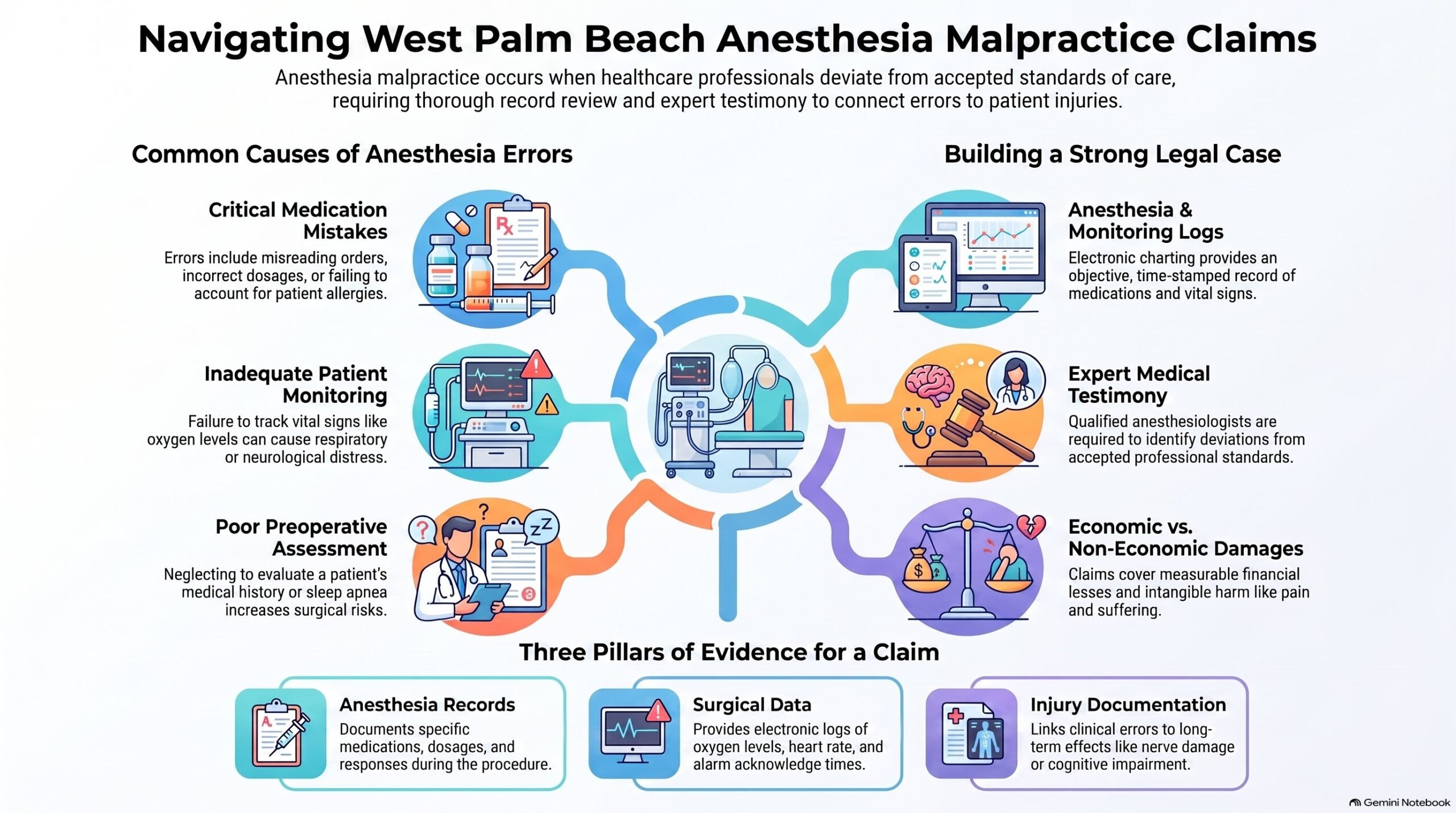
Common causes of Anesthesia-Related medical malpractice in West Palm Beach include medication errors, inadequate patient monitoring, delayed responses to anesthesia complications, and poor preoperative assessment. Each circumstance can compromise patient safety when anesthesia providers fail to follow established protocols or recognize developing risks. Examining these causes helps clarify how preventable errors can lead to serious injuries and potential legal claims.
Medication Errors
Medication errors are a significant cause of anesthesia-related medical malpractice in West Palm Beach. These errors may occur when providers misread orders, select an incorrect concentration, administer an unsuitable medication, or fail to account for allergies and known interactions. A careful medication dosing review should confirm the patient’s identity, prescribed drug, dosage, route, and timing before administration. Clear labeling and communication among anesthesiologists, nurses, pharmacists, and surgical staff can help prevent avoidable mistakes. Wrong drug identification may result from similar packaging, confusing names, poor storage practices, or interruptions during preparation. Documentation should accurately reflect every medication given and the reasoning for its use. When medication errors cause injury, an attorney may examine protocols, records, staff communications, and compliance with accepted anesthesia practices to determine whether negligence occurred.
Inadequate Patient Monitoring
Inadequate patient monitoring is a serious source of anesthesia-related medical malpractice in West Palm Beach because timely changes in key signs may provide the earliest warning of respiratory distress, reduced oxygen levels, blood pressure instability, or other complications. Anesthesia professionals generally must continuously evaluate vital signs and document significant changes throughout surgery and recovery. Failure to recognize abnormal readings, maintain appropriate equipment, or provide adequate observation may increase the risk of injury. Monitoring duties can also extend into the post-anesthesia period, when lingering effects require careful assessment. Records may show whether staff followed established protocols, explained the expected recovery timeline, and arranged suitable follow-up care. Patient consent should reflect the material monitoring risks, and an informed refusal of recommended observation should be clearly documented. A qualified review can help determine whether inadequate monitoring contributed to harm.
Delayed Anesthesia Response
Delayed anesthesia response may constitute malpractice when an anesthesia professional fails to recognize or address a dangerous change within a reasonable time. During a procedure or recovery, delayed action can allow low oxygen levels, unstable blood pressure, airway obstruction, or medication complications to worsen. Common contributing factors include inadequate attention to alarms, failure to interpret available clinical information, delayed intervention, and communication breakdowns among anesthesia staff, surgeons, nurses, or recovery personnel. The consequences may include neurological injury, cardiac complications, emergency hospitalization, or Postoperative recovery delays. A legal evaluation generally examines the timing of observed changes, the response provided, applicable clinical standards, and whether prompt treatment could have reduced harm. Documentation, witness accounts, monitoring records, and medication charts may help clarify how quickly concerns were recognized and addressed.
Poor Preoperative Assessment
When an anesthesia professional fails to complete a thorough preoperative assessment, significant health risks may go unrecognized before surgery. Important information, including allergies, medication use, sleep apnea, heart disease, prior anesthesia complications, and recent illnesses, should be identified and evaluated. Failure to review these factors can result in inappropriate medication choices, inadequate monitoring, or insufficient preparation for airway and cardiovascular emergencies. Effective assessment also requires communication with the surgical team and the patient, allowing risks, alternatives, and expected recovery concerns to be addressed. After the procedure, appropriate postoperative follow-up can help identify complications linked to an overlooked condition or anesthetic decision. Clear anesthesia discharge instructions are likewise critical, particularly regarding warning signs, medication restrictions, supervision, and when to seek urgent medical care. Such omissions may support a negligence claim when harm results.
Don’t Wait. Call Our Florida Personal Injury Lawyers Now!


Legal Rights of West Palm Beach Medical Malpractice Anesthesia Errors Injury Victims
West Palm Beach medical malpractice anesthesia errors injury victims may have the right to seek compensation when negligent care causes physical harm, worsens an existing condition, or results in death. Patient Rights Explained includes access to medical records, informed communication, and the ability to consult qualified legal counsel.
Compensation Eligibility generally depends on proving that a healthcare professional owed a duty of care, breached the applicable standard, and caused measurable damages.
Potentially recoverable losses may include:
- Emergency treatment and rehabilitation expenses
- Lost income and reduced earning capacity
- Physical pain, disability, and emotional distress
- Wrongful death damages for eligible surviving relatives
Victims should preserve medical documents, billing records, employment information, and communications related to treatment. Florida law imposes deadlines for filing malpractice claims, and procedural requirements can affect whether a case proceeds. A timely review by an experienced attorney may clarify available remedies, preserve evidence, and help ensure that injured patients and families receive fair consideration as they pursue accountability through lawful channels.
Why Do West Palm Beach Medical Malpractice Anesthesia Errors Happen?
Anesthesia-related injuries in West Palm Beach medical malpractice cases may arise from failures to evaluate a patient’s medical history, monitor key signs, administer medication accurately, or respond promptly to complications. Errors may also occur when providers overlook allergies, drug interactions, sleep apnea, heart conditions, or prior anesthesia reactions. Inadequate communication among surgeons, anesthesiologists, and nursing staff can lead to incorrect dosages, delayed treatment, or failure to recognize dangerous changes in breathing, blood pressure, or oxygen levels. Injuries may further result when equipment is not inspected, staffing is insufficient, or established surgical standards are disregarded.
A provider may also fail to obtain meaningful patient consent by omitting material risks, alternatives, or relevant anesthesia information. Although complications can occur even with appropriate care, preventable harm may indicate that a medical professional deviated from accepted practices. Understanding these contributing factors helps explain how anesthesia mistakes can produce brain injuries, respiratory damage, aspiration, nerve injuries, or other serious consequences for patients and families.
What Should You Do After a West Palm Beach Medical Malpractice Anesthesia Error Injury?
After an anesthesia-related injury in West Palm Beach, the patient should seek immediate medical care to address complications and establish a treatment record. The patient should document symptoms, medical records, treatment expenses, and other evidence related to the anesthesia error. Consulting a qualified medical malpractice attorney can help evaluate potential negligence and explain available legal options.
Seek Immediate Medical Care
Prompt medical evaluation is vital when a patient develops unusual symptoms following a suspected anesthesia error, including breathing difficulties, severe pain, confusion, weakness, or signs of infection. A responsible family member or caregiver should remain with the patient, assess immediate danger, and contact emergency services when symptoms are severe, sudden, or worsening. An Emergency symptoms checklist may include chest pain, blue lips, fainting, uncontrolled bleeding, seizures, inability to awaken, or serious allergic reactions. If any such condition appears, call an ambulance now rather than attempting transportation without professional support. For less urgent concerns, the patient should promptly contact the treating surgeon, anesthesiologist, or primary physician and follow discharge instructions. Immediate evaluation can identify complications, stabilize the patient, and reduce the risk of lasting harm through timely treatment and monitoring.
Document Anesthesia-Related Injuries
Several forms of documentation can help establish the nature, timing, and consequences of an injury allegedly linked to anesthesia. The patient or family should retain discharge instructions, medication lists, operative records, and follow-up appointment information. A dated symptom journal may describe breathing difficulty, confusion, numbness, pain, mobility changes, or other developments with useful specificity. Photographs can document visible injuries, while copies of bills and employment records may show treatment expenses or missed work. Medical records should be requested promptly and stored securely, including anesthesia charts, vital signs monitoring records, consent forms, and nursing notes. These materials may help clarify postoperative complication causes and whether informed consent violations are alleged. Witnesses should record their observations while details remain fresh. Accurate, organized documentation supports continuity of care and preserves important information for responsible review.
Consult a Malpractice Attorney
Organized records and firsthand observations can provide a malpractice attorney with an initial framework for evaluating an anesthesia-related injury. The patient or family member should promptly schedule a confidential consultation with a qualified medical malpractice attorney serving West Palm Beach. During that meeting, counsel may review informed consent documents, medication lists, discharge instructions, and a timeline describing symptoms, treatment, and communications with providers. The attorney can also help obtain anesthesia records, including monitoring data, medication administration details, operative notes, and recovery-room documentation. These materials may reveal whether appropriate standards of care were followed and whether an error caused measurable harm. Because Florida imposes strict deadlines and procedural requirements, early legal guidance can preserve evidence, identify responsible parties, and clarify available remedies without disrupting ongoing medical treatment or respectful communication with caregivers.
Critical Evidence in a West Palm Beach Medical Malpractice Anesthesia Errors Injury Case
A West Palm Beach anesthesia error claim typically depends on four categories of evidence:
- Anesthesia records
- Expert medical testimony
- Surgical monitoring data
- Injury documentation
Together, these materials may clarify the standard of care, identify potential departures, and connect the alleged error to the patient’s injuries.
Anesthesia Records
Anesthesia records provide critical evidence in a West Palm Beach medical malpractice anesthesia errors injury case because they document the patient’s condition, medications, critical signs, monitoring, and responses throughout the procedure. These records may show whether appropriate dosages were administered, whether airway concerns were recognized, and whether required interventions were implemented promptly. Postoperative anesthetic complications, including respiratory distress, unexpected sedation, or neurological changes, should be compared with recovery-room observations and discharge instructions. Documentation can also reveal gaps in monitoring, unexplained alterations, or delayed responses that may clarify how an injury developed.
Billing record discrepancies may identify differences between services charged and services documented, although such inconsistencies require careful review. Preserving complete anesthesia charts, medication administration records, nursing notes, and electronic monitoring data helps protect an injured patient’s interests and supports an accurate evaluation of the event.
Expert Medical Testimony
Expert medical testimony can help interpret anesthesia records and determine whether the care met accepted medical standards in a West Palm Beach medical malpractice case involving anesthesia errors and injury. A qualified anesthesiologist may explain medication choices, dosage decisions, airway management, and responses to documented complications. The analysis can identify anesthesia protocol deviations and distinguish unavoidable risks from preventable departures from professional practice. Expert witness qualification is vital; relevant education, clinical experience, and familiarity with applicable standards support credible opinions. The expert may connect a breach to the patient’s injury, explaining whether delayed treatment, improper administration, or inadequate decision-making likely caused harm. Such testimony helps attorneys, judges, and jurors understand complex medical information and supports a fair evaluation of the patient’s experience and the healthcare provider’s responsibilities.
Surgical Monitoring Data
When anesthesia care is questioned, surgical monitoring data can provide an objective record of the patient’s condition throughout the procedure. Electronic charting may preserve medication times, oxygen levels, blood pressure, heart rate, ventilation measures, and responses to interventions. These records can help establish whether clinically significant changes were recognized and addressed promptly. Essential sign trends may also reveal gradual deterioration that is less apparent in isolated entries. Anesthesia alarm logs can show when alerts occurred, whether they were acknowledged, and how staff responded. Because monitor records may contain technical limitations or incomplete entries, expert review is often necessary to accurately interpret their meaning. A qualified reviewer can compare the data with anesthesia standards, documented actions, and operating-room events. Preserving original records may support a fair, careful evaluation of the care provided.
Injury Documentation
Injury documentation can establish the nature, timing, and extent of harm following a suspected anesthesia error. Medical records should document symptoms, essential sign changes, neurological findings, respiratory complications, medication administration, and responses from treating professionals. Emergency evaluations, diagnostic imaging, laboratory results, and consultations may help connect an injury to events during or immediately after anesthesia. Nursing notes and recovery-room observations can clarify when deterioration became apparent and whether appropriate intervention occurred. Documentation of Postoperative care coordination may show how providers communicated concerns, arranged referrals, and monitored recovery.
Similarly, pain management planning can demonstrate the injury’s continuing effects and the measures used to address them. Patients and families should preserve discharge instructions, prescriptions, photographs, symptom journals, and relevant communications. A complete chronological record can assist qualified counsel and medical experts in evaluating causation, damages, and necessary future care.
Don’t Wait. Call Our Florida Personal Injury Lawyers Now!
Long-Term Effects of West Palm Beach Medical Malpractice Anesthesia Errors Injuries
Long-term injuries from anesthesia errors may include chronic pain and nerve damage that interfere with mobility, sleep, and daily activities. Some individuals also experience cognitive or emotional changes, including memory difficulties, anxiety, depression, or impaired concentration. Ongoing medical treatment may involve rehabilitation, medication management, expert evaluations, and other care intended to address persistent complications.
Chronic Pain and Nerve Damage
Chronic pain and nerve damage can be among the most consequential long-term effects of anesthesia errors, particularly when improper medication, positioning, monitoring, or airway management harms nerves or surrounding tissue. Affected individuals may experience burning pain, weakness, tingling, or persistent loss of sensation that interferes with work, mobility, and daily responsibilities. Panic attack symptoms may arise when sudden pain or physical limitations create fear, although these concerns differ from cognitive or emotional changes. Medication side effects can further complicate treatment, especially when prolonged prescriptions cause sedation, dependency, or other medical problems. Physicians may recommend physical therapy, pain management, diagnostic testing, or expert evaluation. Long-term numbness recovery varies considerably, and expectations for nerve regeneration depend on injury severity and treatment timing. Legal guidance can help preserve evidence and clarify potential compensation for continuing care.
Cognitive and Emotional Changes
Beyond persistent pain or sensory loss, anesthesia errors may produce lasting cognitive and emotional changes that affect a person’s independence, relationships, and ability to work. Memory problems, slowed reasoning, difficulty concentrating, and disrupted sleep can interfere with ordinary responsibilities long after postoperative recovery should have ended. Some individuals also experience anxiety, depression, irritability, or trauma-related symptoms after a frightening medical event. These changes may impair communication and make it difficult to explain needs, evaluate choices, or participate confidently in daily activities. Family members and caregivers may observe personality changes before the affected person recognizes them. Documentation from relatives, employers, and qualified professionals can help establish functional impact. Patient advocacy supports respectful communication, appropriate accommodations, and fair recognition of these lasting injuries during legal evaluation.
Ongoing Medical Treatment Needs
When anesthesia errors cause lasting injury, ongoing medical treatment may become necessary to manage symptoms, prevent complications, and support recovery. Care may include expert evaluations, diagnostic testing, prescription medications, physical therapy, and follow-up procedures. Rehabilitation planning can help coordinate services, establish functional goals, and address changes in mobility, cognition, or independence in daily activities. Some patients require ongoing pain management through medication monitoring, therapeutic exercises, behavioral support, or interventional care.
Treatment needs may evolve as complications emerge or recovery progresses, making consistent communication among physicians, therapists, caregivers, and family members important. Detailed medical records can document symptoms, treatment recommendations, expenses, and the effect of injuries on work and personal activities. A West Palm Beach medical malpractice attorney may assess whether negligent anesthesia care contributed to these continuing needs and related damages.
Proving Liability in West Palm Beach Medical Malpractice Anesthesia Errors Injury Cases
Proving liability in a West Palm Beach medical malpractice anesthesia case requires evidence that the anesthesia professional or medical facility failed to meet the applicable standard of care and that the failure caused a patient’s injury. Evidence may include anesthesia records, medication orders, monitoring data, surgical reports, witness testimony, and opinions from qualified medical experts. These materials can show whether appropriate screening occurred, dosages were calculated correctly, vital signs were continuously monitored, and complications were addressed in a timely manner.
A claimant generally must establish duty, breach, causation, and damages. Medical experts often explain how the conduct departed from accepted anesthesia practices and connected that departure to respiratory harm, brain injury, medication injury, or death. Comparative negligence defenses may allege that the patient’s conduct contributed to the outcome, although such claims require careful evaluation. In limited circumstances, res ipsa loquitur application may support an inference of negligence when an injury ordinarily would not occur without a preventable error and relevant evidence remains under the facility’s control.
Dealing With Insurance Companies After a West Palm Beach Medical Malpractice Anesthesia Errors Injury
Insurance companies may contact an injured patient or the patient’s family soon after an anesthesia-related injury, often seeking statements, medical authorizations, or information about the incident. Such communications should be handled carefully because early remarks may be interpreted as admissions or used to limit compensation. The Role of adjusters generally includes evaluating coverage, reviewing records, examining alleged negligence, and proposing payment. Their interests may differ from those of an injured patient who needs resources for treatment, rehabilitation, lost income, and continuing care.
A patient or family member may decline recorded interviews, avoid speculation, and refrain from signing broad authorizations without informed legal guidance. Preserving medical records, bills, correspondence, and relevant communications can help protect an accurate account. Counsel may manage insurer communications, correct misleading statements, and address claim settlement strategies based on documented harm and applicable law. Professional assistance can also help families communicate respectfully while avoiding premature resolutions that fail to account for future medical needs or lasting consequences.
What to Expect During a West Palm Beach Medical Malpractice Anesthesia Errors Injury Claim Process
A West Palm Beach anesthesia error claim generally begins with an initial case evaluation to assess the facts, potential negligence, and available legal remedies. The process then involves gathering medical records and expert evidence, followed by negotiations with insurers regarding liability and compensation. If a fair resolution cannot be reached, the claimant may need to prepare for trial through formal discovery, expert testimony, and presentation of the evidence.
Initial Case Evaluation
During an initial case evaluation, a West Palm Beach medical malpractice anesthesia errors lawyer examines the available medical records, treatment history, and reported injuries to determine whether the circumstances may support a negligence claim. The lawyer may ask how the procedure was explained, what symptoms followed, and when concerns were reported. Patient consent forms can help clarify disclosed risks, planned anesthesia, and whether the documented discussion corresponds with the treatment provided. An anesthesia timeline review may examine medication administration, monitoring, life-critical sign changes, and responses to complications without yet seeking additional medical evidence. The evaluation also considers applicable deadlines, potential responsible parties, and the relationship between the suspected error and resulting harm. Clients receive a realistic assessment of strengths, limitations, likely next steps, and the information needed for an informed decision.
Gathering Medical Evidence
With appropriate authorization, a West Palm Beach medical malpractice anesthesia errors lawyer gathers complete medical evidence to evaluate how anesthesia was selected, administered, and monitored. This review may include medical histories, consent forms, medication records, anesthesia charts, health-signal logs, nursing notes, laboratory results, imaging, and discharge instructions. The lawyer may request hospital policies, staffing information, equipment-maintenance records, and electronic monitoring data to identify departures from accepted standards. Witness interviews with the patient, family members, nurses, physicians, and other observers can clarify communication, timing, symptoms, and responses to complications. Independent medical professionals may analyze the evidence and explain whether negligence likely caused the injury. Organized documentation supports informed courtroom strategy, preserves important details, and helps ensure that the patient’s experience is presented accurately while serving the broader goal of accountability.
Negotiating With Insurers
Once medical evidence has been organized, negotiations with insurers generally focus on liability, the extent of the anesthesia-related injuries, and the compensation supported by the records. A representative may present a demand package describing the standard of care, the suspected error, medical consequences, ongoing treatment, lost income, and other documented damages. Settlement leverage strategies can include presenting clear expert opinions, maintaining consistent evidence, and realistically estimating future care needs. Insurer communication tactics may involve requesting additional records, questioning causation, or offering less than the claim’s documented value. Responses should remain professional, timely, and supported by medical and financial evidence. Counsel may evaluate each proposal, explain potential risks, and negotiate terms that address the injured person’s needs. The process may require patience as liability and damages are carefully reviewed.
Preparing for Trial
Preparing for trial in a West Palm Beach medical malpractice anesthesia errors claim requires a structured review of the evidence, witnesses, and legal issues that may affect the case. During preparation, the claimant should Get Medical Records, including anesthesia charts, medication logs, consent forms, diagnostic reports, and discharge instructions. Counsel may help Preserve Evidence, such as photographs, communications, billing records, and testimony from individuals who observed the injury or treatment. An Attorney Consultation allows the claimant to understand expert testimony requirements, potential defenses, and courtroom procedures. The legal team will establish a Trial Timeline identifying discovery deadlines, depositions, motions, settlement discussions, and the scheduled trial date. Careful preparation supports accurate presentation of the facts and helps the claimant pursue accountability while remaining informed, organized, and respectful throughout the process.
Compensation for West Palm Beach Medical Malpractice Anesthesia Errors Injury Damages
Compensation for anesthesia errors in West Palm Beach medical malpractice cases may cover the full range of injury-related losses resulting from negligent care. A claim may account for emergency treatment, hospitalization, rehabilitation, prescription medication, and medically necessary equipment required after an anesthesia-related injury.
Economic loss calculations can examine documented medical bills, lost wages, reduced earning capacity, and other measurable financial consequences. Records from employers, physicians, and financial professionals may help establish the extent of these losses. When harm causes lasting impairment, future treatment costs may include additional procedures, therapy, nursing assistance, medication, and ongoing expert care.
A careful damages assessment considers the injury’s effect on daily functioning and the support required for recovery or long-term management. Families may also seek reimbursement for reasonable out-of-pocket expenses connected to caregiving and transportation. A West Palm Beach medical malpractice attorney can gather supporting evidence, consult qualified experts, and present a focused demand that reflects the injured person’s needs and legally recoverable losses.
Economic vs Non-Economic Damages in West Palm Beach Medical Malpractice Anesthesia Errors Cases
In West Palm Beach anesthesia error cases, economic damages may include medical expenses, lost income, rehabilitation costs, and other measurable financial losses. Non-economic damages address less quantifiable harm, including pain, emotional distress, disability, and diminished quality of life. Calculating total compensation requires evaluating both categories in light of the evidence, the injury’s long-term effects, and applicable Florida law.
Economic Damages Explained
When an anesthesia error causes injury, damages in a West Palm Beach medical malpractice case generally fall into two categories: economic and non-economic. Economic damages represent measurable financial losses resulting from the patient’s condition. They may include emergency treatment, corrective procedures, hospitalization, rehabilitation, prescription medication, assistive equipment, and future medical care. Medical expense proof, such as itemized bills, insurance statements, and provider records, can help establish the amount and necessity of these costs. Lost income may also be recoverable when complications prevent work or reduce earning capacity.
Documentation of lost wages, including pay stubs, tax records, employer statements, and vocational evaluations, can support that claim. Careful records help present an accurate accounting of losses and assist the injured person’s pursuit of fair compensation for necessary financial burdens after negligent anesthesia care.
Non-Economic Damages Considered
Beyond documented financial losses, a patient injured by negligent anesthesia may seek non-economic damages for the physical pain, emotional distress, mental anguish, disfigurement, and reduced quality of life caused by the error. These damages recognize harm that invoices and employment records cannot adequately measure. In West Palm Beach medical malpractice cases, evidence may include treatment records, testimony from the patient and family, and professional opinions describing lasting limitations or psychological effects. The severity, duration, and relationship between the anesthesia error and resulting suffering can influence the award. Damages caps may affect the amount of recoverable non-economic compensation, depending on Florida law and the circumstances of the claim. Ultimately, jury discretion may determine the value assigned to intangible losses after considering credible evidence, fairness, and the patient’s lived experience.
Calculating Total Compensation
Calculating total compensation in a West Palm Beach medical malpractice anesthesia case requires separating economic damages from non-economic damages and then evaluating how the two categories reflect the patient’s overall losses. Economic damages may include hospital charges, rehabilitation costs, prescription costs, lost income, and reduced future earning capacity. Counsel should use itemized medical bills to verify past costs and calculate future expenses associated with ongoing treatment, disability, or necessary care. Non-economic damages address pain, emotional distress, loss of enjoyment, disfigurement, and diminished quality of life. Their value depends on the evidence and circumstances rather than fixed invoices. A careful assessment must consider proof of negligence, causation, and the severity of the resulting harm. These considerations also help estimate settlement timelines, because stronger documentation may support productive negotiations, while disputed liability can require litigation and delay resolution.
When a West Palm Beach Medical Malpractice Anesthesia Errors Injury Case Goes to Trial vs Settlement
Although every case depends on its facts, a West Palm Beach medical malpractice anesthesia errors injury claim may proceed to trial or resolve through settlement based on the strength of the evidence, the extent of the patient’s injuries, and the parties’ assessment of litigation risk. Settlement can provide a defined recovery, reduce delay, and spare patients and families the demands of testimony and cross-examination. Effective settlement negotiation tactics may involve organized medical records, expert opinions, life-care projections, and a clear presentation of ongoing needs.
A trial may be necessary when liability or damages remain in dispute, or when an insurer offers inadequate compensation. Counsel may prepare witnesses, challenge defense experts, and develop a Jury selection strategy focused on impartial community members capable of evaluating intricate medical evidence. The patient’s testimony, along with treating providers, anesthesiology experts, and other witnesses, may help explain what occurred and how it affected daily life. Throughout either path, careful preparation supports informed decisions and preserves the patient’s opportunity to pursue meaningful accountability and care.
Don’t Wait. Call Our Florida Personal Injury Lawyers Now!
Florida Laws That May Affect Your West Palm Beach Medical Malpractice Anesthesia Errors Case
Several Florida laws may shape a West Palm Beach medical malpractice anesthesia errors case, including statutes governing the standard of care, presuit investigation, filing deadlines, and damages. Florida’s malpractice framework generally requires proof that a healthcare professional departed from the accepted standard and caused injury. Before filing, the claimant typically must complete a pre-suit investigation and provide required notice, allowing the provider an opportunity to respond.
Important legal considerations include:
- Professional negligence standards may apply to anesthesiologists, nurse anesthetists, hospitals, and supervising physicians.
- Informed consent requirements may address whether material anesthesia risks, alternatives, and likely consequences were explained.
- Florida medical board oversight can involve licensing complaints, disciplinary review, and records relevant to patient safety.
- Damages rules may affect compensation for medical expenses, lost income, pain, disability, and other proven losses.
These laws help promote accountability while preserving fair treatment for patients, families, and healthcare professionals who serve the community. An experienced attorney can assess evidence, compliance, and available remedies.
The Statute of Limitations for West Palm Beach Medical Malpractice Anesthesia Errors Injury Cases
Florida law imposes strict time limits on medical malpractice claims, including those involving injuries arising from anesthesia errors in West Palm Beach. Generally, an action must be filed within two years after the patient discovered, or reasonably should have discovered, the injury and its possible connection to negligence. An outside four-year limit may also apply, although exceptions can exist for fraud, concealment, misrepresentation, or certain situations involving minors. Because the discovery date can be disputed, prompt attention is crucial.
Patients and families should preserve medical records, billing documents, discharge instructions, and communications describing symptoms or suspected anesthesia complications. Requesting second opinions may help clarify whether an injury could reflect negligent monitoring, medication administration, airway management, or informed-consent failures. Patient advocacy strategies, including maintaining a symptom timeline and recording provider responses, can support accurate evaluation while protecting health interests. Delay may permanently bar an otherwise valid claim, making timely review of applicable deadlines important for those seeking accountability and improved patient safety.
How a West Palm Beach Medical Malpractice Anesthesia Errors Lawyer Can Help You
When an anesthesia error may have caused injury, a West Palm Beach medical malpractice anesthesia errors lawyer can evaluate the circumstances and explain the legal options available. The lawyer may help a patient and their family understand complex medical records, identify potential deviations from accepted standards, and coordinate a qualified medical review.
Key services may include:
- Gathering anesthesia records, medication logs, monitoring data, and witness accounts.
- Examining Patient communication barriers, language access, and documentation affecting treatment.
- Investigating informed consent issues, including whether risks, alternatives, and material information were adequately explained.
- Calculating medical expenses, rehabilitation needs, lost income, and other legally recognized damages.
The lawyer can communicate with insurers and healthcare representatives, preserve relevant evidence, and present a well-supported claim through appropriate legal procedures. By handling technical and administrative responsibilities, counsel allows injured individuals and their supporters to focus on recovery and caregiving. The process also promotes accountability and may help protect other patients from preventable anesthesia-related harm.
When to Contact a West Palm Beach Medical Malpractice Anesthesia Errors Lawyer
Prompt consultation with a West Palm Beach medical malpractice anesthesia errors lawyer may be appropriate if a patient experiences unexpected complications, neurological changes, breathing problems, medication reactions, or other injuries after anesthesia. Recognizing anesthesia complications promptly can help patients and families determine whether further review is warranted, particularly when symptoms are unexplained, worsening, or inconsistent with expected recovery.
A consultation may also be useful when providers dismiss concerns, offer conflicting explanations, or fail to disclose relevant anesthesia records. Patients should first seek appropriate medical evaluation and follow treatment recommendations, while preserving medical records, including consent forms, medication information, discharge instructions, monitoring records, and imaging results.
Documenting symptom timeline details can clarify when changes began, how they progressed, and which professionals were involved. Written notes should include appointments, communications, diagnoses, and treatment effects. Identifying responsible providers may require reviewing the roles of anesthesiologists, surgeons, nurses, facilities, and other clinicians. Early legal guidance can help protect relevant information before records become difficult to obtain.
Why You Need an Experienced West Palm Beach Medical Malpractice Anesthesia Errors Lawyer
An experienced West Palm Beach medical malpractice anesthesia errors lawyer can assess whether an anesthesia-related injury resulted from negligent planning, medication administration, inadequate monitoring, delayed intervention, or another departure from accepted medical standards. This experience matters because anesthesia cases often involve intricate records, specialized terminology, and rapidly changing patient conditions. A thorough legal review may identify whether clinicians followed appropriate Patient safety training, recognized warning signs, maintained required documentation, and complied with anesthesia protocol.
The lawyer can also distinguish an unavoidable complication from harm that reasonable professional care might have prevented. By examining consent forms, medication records, monitoring data, staffing decisions, and expert opinions, counsel can clarify how an injury occurred and who may bear responsibility. This process supports patients and families seeking accountability while promoting safer care for others. Experienced representation also helps preserve important evidence, communicate with medical experts, and present the circumstances accurately without overstating the claim.
How to Choose the Right West Palm Beach Medical Malpractice Anesthesia Errors Lawyer for Your Case
Choosing the right West Palm Beach medical malpractice anesthesia errors lawyer requires careful attention to the attorney’s experience with anesthesia-related claims, medical evidence, and Florida malpractice law. A qualified lawyer should understand how to investigate anesthesia records, medication decisions, monitoring practices, surgical reports, and resulting injuries. The attorney should also explain whether the facts may support a negligence claim and identify important filing deadlines.
Prospective clients can ask about comparable cases, professional credentials, and the resources available for reviewing intricate medical evidence. Client communication standards deserve particular attention. The lawyer should describe how frequently updates are provided, who will answer questions, and how urgent concerns are handled. Case cost transparency is equally important, including explanations of contingency fees, litigation expenses, expert-witness costs, and potential financial responsibilities if the claim does not succeed.
A careful consultation should leave the individual with realistic expectations, a clear understanding of the legal process, and confidence that the attorney’s approach serves the injured patient’s interests.
About The Law Offices of Anidjar & Levine
For individuals evaluating legal representation after a suspected anesthesia error, The Law Offices of Anidjar & Levine offers representation in medical malpractice matters involving serious patient injuries.
The firm’s attorneys assess whether anesthesia providers, hospitals, or other healthcare professionals may have failed to meet applicable standards of care.
Their work may address injuries involving medication errors, inadequate monitoring, delayed responses, or insufficient informed consent.
During Client onboarding, the legal intake process gathers medical records, treatment timelines, witness information, and details concerning the patient’s recovery.
This information helps the legal team identify urgent concerns and determine whether further investigation is appropriate. Attorneys then develop a Case strategy informed by an evidence review, consultations with qualified medical professionals, and an analysis of relevant legal requirements.
The firm’s approach is designed to provide organized guidance while protecting a client’s interests throughout the claim.
Individuals and families seeking accountability can discuss their circumstances with the firm to learn about potential legal options, procedural considerations, and the information needed for a meaningful evaluation.

Frequently Asked Questions
Can I File a Malpractice Claim if Anesthesia Complications Occurred During Outpatient Surgery?
A patient may file a malpractice claim if anesthesia complications during outpatient surgery resulted from negligent care, inadequate monitoring, improper medication, or insufficient informed consent. Outpatient eligibility depends on the injury, medical evidence, and whether the provider breached the accepted standard of care. Applicable anesthesia statutes may impose specific filing deadlines and procedural requirements. Medical records, expert review, and documentation of damages are generally necessary. A qualified attorney can promptly assess viability.
Will My Anesthesia Malpractice Case Affect My Relationship With the Treating Hospital?
Filing an anesthesia malpractice case does not automatically end a patient’s relationship with the treating hospital. Hospitals generally must continue providing appropriate care without retaliation, and legal proceedings are handled separately from clinical treatment. However, communication concerns may arise, particularly if staff feel uncertain about the case. A patient experiencing hospital anxiety may request another physician, transfer records, or seek care elsewhere. Legal counsel can help preserve rights while supporting respectful communication.
Can Family Members Pursue a Claim After a Loved One Dies From Anesthesia Complications?
Yes, eligible family members may pursue a wrongful death claim after a loved one dies from anesthesia complications, depending on state law and the circumstances. Legal standing often belongs to a surviving spouse, children, or the estate’s representative. The probate process may determine how damages are administered and distributed. Time limits apply, so the personal representative should promptly preserve medical records, consult qualified counsel, and investigate whether negligent anesthesia care caused the death.
Are Anesthesia Errors Covered by Medical Malpractice Insurance or Separate Liability Policies?
Anesthesia errors are generally covered under a medical malpractice policy when they arise from negligent professional care, rather than requiring a separate liability policy. Coverage depends on the provider’s role, policy language, and applicable exclusions. The malpractice policy scope may include claims involving improper dosing, inadequate monitoring, or failure to respond to complications. Attorneys should review anesthesia coverage limits, consent records, employment arrangements, and insurer positions to identify available compensation for affected patients or families.
Can I Change Doctors While Pursuing an Anesthesia Malpractice Claim?
A patient can generally change doctors while pursuing an anesthesia malpractice claim, and doing so should not automatically affect legal rights. The replacement physician can address ongoing medical needs and document injuries, treatment, and prognosis. Before transferring care, the patient should review consent documents, request complete medical records, and consult second opinion providers when appropriate. Promptly notifying the attorney helps preserve evidence, coordinate care, and avoid statements or decisions that could complicate the claim.
—————————
Anesthesia errors can cause profound injuries, extended recovery periods, and lasting financial consequences.
Victims and their families may have legal options when negligent preparation, monitoring, medication administration, or follow-up care contributed to harm.
The Law Offices of Anidjar and Levine can evaluate the circumstances, identify responsible parties, and pursue compensation supported by the evidence.
A qualified West Palm Beach Personal Injury Lawyer may help protect important rights before applicable legal deadlines expire.

