
An Orlando hypoxic brain injury lawyer helps you act quickly after oxygen deprivation causes serious harm. You should seek emergency care at once, preserve records, photos, witness information, and electronic evidence, and then contact counsel promptly.
At the Law Offices of Anidjar and Levine, your attorney can investigate negligence, work with medical experts to prove causation, calculate long-term rehabilitation and income losses, and deal with insurers.
If you continue below, you’ll see how these cases are built and what Florida law may allow. For related representation, see our Orlando Medical Malpractice Lawyer.
Main Takeaways
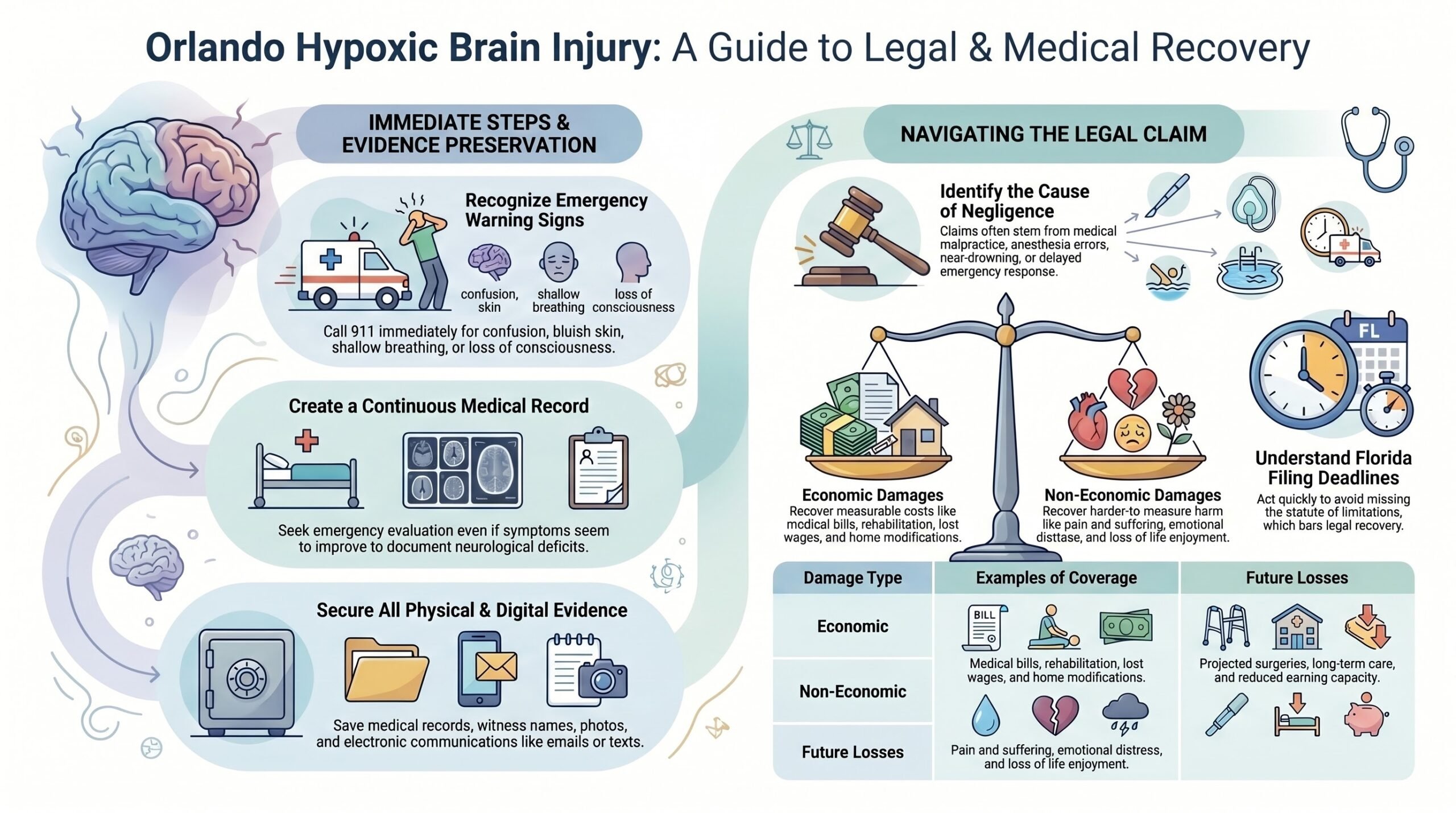
- Seek emergency care immediately for confusion, bluish skin, shallow breathing, seizures, collapse, or loss of consciousness, and call 911 without delay.
- Preserve evidence by saving medical records, discharge papers, photos, witness names, incident reports, and electronic communications.
- Contact an Orlando hypoxic brain injury lawyer promptly for a free consultation to protect rights and identify liable parties.
- An attorney builds the case using medical records, expert opinions, timelines, and evidence linking oxygen deprivation to lasting harm.
- Compensation may cover medical bills, rehabilitation, lost income, long-term care, and the injury’s impact on daily life.


How We Can Help With Your Orlando Hypoxic Brain Injury Claim
A hypoxic brain injury claim demands prompt action, careful analysis, and a clear understanding of how the injury occurred. When you seek legal help, you need a team that listens carefully, protects your interests, and builds a claim that reflects the full impact on your life and your ability to care for others.
We help you gather records, consult qualified experts, document losses, and present persuasive evidence to insurers or opposing counsel. You receive guidance on rehab planning, projected care needs, lost income, and the practical effects of daily limitations. We also explain compensation timelines, so you can make informed decisions without unnecessary confusion or delay.
Throughout the process, you remain supported by clear communication and disciplined advocacy. Your legal strategy should do more than pursue damages. It should create stability, preserve dignity, and secure resources that help you continue serving your family, your community, and the people who depend on your strength daily.
OUR CONSULTATIONSARE FREE
START YOUR FREE CASE REVIEW

Understanding Orlando Hypoxic Brain Injury Cases
When oxygen deprivation harms the brain, the legal issues often extend far beyond the initial medical emergency. In Orlando hypoxic brain injury cases, you must often prove how interrupted brain oxygenation caused measurable harm, how that harm changed daily functioning, and how future care will affect your family and community responsibilities.
You may need records, expert opinions, and careful timelines that connect symptoms, treatment, and long-term limitations. These cases often involve questions about diagnosis, monitoring, rehabilitation needs, and whether proper injury-prevention measures were followed at pivotal moments. Your claim should present clear evidence of cognitive, physical, and emotional effects, including the support services you now require.
Common Causes of Orlando Hypoxic Brain Injury
You may face a hypoxic brain injury after several preventable events, and identifying the cause is often crucial to your claim. Common examples include medical malpractice errors, surgical anesthesia complications, near-drowning incidents, and delayed emergency response when every minute counts. If you can connect your injury to one of these failures, you may have stronger grounds to pursue compensation.
Medical Malpractice Errors
Consider how quickly a preventable medical error can deprive the brain of oxygen and cause lasting harm. When you seek care, you trust providers to recognize warning signs, act decisively, and protect your well-being. Yet failure diagnosis can delay treatment for stroke, infection, respiratory distress, or cardiac problems until oxygen loss causes serious injury.
You may also face medication errors, including incorrect dosages, dangerous drug interactions, or improper administration that suppresses breathing or circulation. In other cases, staff may ignore changes in monitoring, delay resuscitation, or mishandle airway support during routine care.
These lapses can injure not only the patient but also families and communities that depend on that person’s services and support. When negligence causes hypoxic brain injury, you are entitled to answers, accountability, and legal guidance that protects your future and dignity.
Surgical Anesthesia Complications
Surgical anesthesia complications can unfold in moments, and even a brief lapse in oxygen delivery may cause profound brain damage. During surgery, you trust the medical team to monitor breathing, blood pressure, and oxygen saturation without interruption. When providers miss signs of airway obstruction, medication overdose, or equipment failure, your loved one may suffer preventable hypoxic injury.
You may also experience harm from delayed intubation, poor ventilation, or anesthesia awareness with inadequate oxygenation. These events can leave families carrying lasting physical, cognitive, and financial burdens while trying to care for someone vulnerable.
If you serve others and now need help yourself, understanding how these errors occur matters. A careful legal review can identify whether surgical staff failed to meet accepted standards and whether that failure caused a life-altering brain injury in Orlando.
Near-Drowning Incidents
Near-drowning incidents can unfold in seconds, yet the resulting oxygen deprivation may cause permanent brain damage. When you witness a child, swimmer, or vulnerable adult struggle underwater, you understand how quickly a preventable emergency becomes a life-altering event. In many cases, inadequate pool supervision, unsafe property conditions, or careless conduct around lakes, pools, and resorts create serious risk.
If your family is serving a loved one after a near-drowning event, you may face extensive medical needs, rehabilitation, and long-term support. Effective water rescue can save a life, but severe hypoxia may still leave lasting cognitive and physical impairments.
You merit clear answers about how the incident occurred, who failed to uphold safety obligations, and what legal options may help you secure resources for dignified, ongoing care.
Delayed Emergency Response
Even when a person survives the initial emergency, a delayed emergency response can extend oxygen loss and sharply increase the risk of hypoxic brain injury. When minutes matter, failures in emergency dispatch, response delays, or flawed 911 protocols can prevent timely oxygen support, airway management, and transport to appropriate care.
You may see these failures arise from miscommunication, understaffing, poor triage, or ambulance accessibility issues that slow response times to homes, businesses, or crowded public areas. If your family serves a vulnerable loved one, you understand how quickly preventable harm can escalate.
Careful investigation can reveal whether dispatchers, responders, or responsible agencies failed to act with reasonable urgency. By identifying where the breakdown occurred, you can pursue accountability and help encourage stronger emergency systems that protect others in the future.


Legal Rights of Orlando Hypoxic Brain Injury Victims
When a hypoxic brain injury results from medical negligence, a preventable accident, or another party’s wrongful conduct, you have the right to pursue compensation under Florida law. You may seek damages for medical care, rehabilitation, lost income, reduced earning capacity, and pain and suffering.
Strong victim advocacy helps protect your interests and reinforces your voice throughout the legal process. Florida law may also impose compensation limits in certain claims, so understanding how those rules apply to your case matters.
Your legal rights often include the ability to demand accountability from those whose failures caused harm to you and your family.
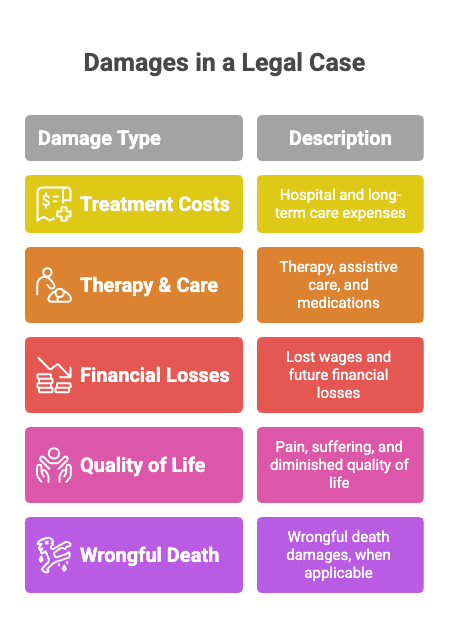
In many cases, you can pursue compensation for:
- Hospital and long-term treatment costs
- Therapy, assistive care, and medications
- Lost wages and future financial losses
- Pain, suffering, and diminished quality of life
- Wrongful death damages, when applicable
Steps to Take After an Orlando Hypoxic Brain Injury
After an Orlando hypoxic brain injury, you should seek immediate medical care to protect your health and create a clear record of your condition. You should also preserve essential evidence, including medical records, witness information, and any photos or reports related to the incident. As soon as possible, you should contact an attorney, because prompt legal guidance can help you protect your rights and strengthen your claim.
Seek Immediate Medical Care
Two priorities should guide your response: safeguard the injured person’s health and create a clear medical record of the hypoxic brain injury. Act quickly, because oxygen deprivation can cause lasting harm within minutes. Focus on emergency recognition by watching for confusion, bluish skin, shallow breathing, collapse, seizures, or loss of consciousness. Call 911 without delay, describe the symptoms clearly, and follow the dispatcher’s instructions carefully.
You should seek immediate transport to an emergency department, even if the person appears to be improving. Prompt evaluation allows physicians to stabilize breathing, restore oxygen flow, order imaging, and document neurological deficits.
Ask medical staff to note when symptoms began and how the incident occurred. By seeking urgent care, you serve the injured person well and support informed decisions about treatment and recuperation.
Preserve Critical Evidence
Medical treatment comes first, and preserving evidence should begin as soon as the person is stable. You should gather discharge papers, medication lists, incident reports, photographs, and the names of everyone who witnessed what happened. Save clothing, medical devices, and damaged property in secure containers, and label each item carefully.
You should also protect electronic evidence. Preserve text messages, emails, call logs, surveillance footage, and social media posts by making copies and backing them up. If a device may contain relevant data, avoid altering it and document who handles it to maintain a clear chain of custody.
Digital forensics can help recover deleted files or metadata, but early preservation matters. Keep a written timeline of symptoms, treatment, and conversations, so others can understand what occurred and respond with informed care.
Contact An Attorney
Contact an attorney as soon as your loved one’s condition allows, because early legal guidance can protect evidence, identify responsible parties, and prevent costly mistakes. You serve your family best when you act promptly and choose counsel with experience handling hypoxic brain injury claims in Orlando.
During a free consultation, you can explain what happened, share records, and ask how the lawyer will investigate negligence, calculate damages, and communicate with insurers. You should also review the fee structure carefully to understand costs, contingency terms, and case expenses before moving forward.
An attorney can coordinate expert review, preserve witness testimony, and prepare a strong claim while you focus on care, stability, and informed decisions that honor your loved one’s needs and long-term recovery goals ahead.
How an Orlando Hypoxic Brain Injury Lawyer Can Help You
Guide the legal process with counsel that focuses on protecting your rights and building a strong claim. You need an attorney who investigates how oxygen deprivation occurred, identifies liable parties, and preserves essential records before evidence disappears. Your lawyer will coordinate with medical experts, document damages, and present a clear demand that reflects the care your loved one requires, including cognitive rehabilitation and related services.
A capable Orlando hypoxic brain injury lawyer can help you by:
- reviewing medical records and incident reports carefully
- securing expert opinions on causation and standards of care
- calculating current losses and anticipated treatment costs
- handling insurers so you can focus on helping others
- preparing your case for settlement negotiations or trial
You also gain an advocate who explains each step, meets deadlines, and challenges attempts to minimize responsibility. With focused representation, you can pursue accountability, obtain resources for care, and protect your family’s ability to serve and support one another faithfully.
Long-Term Effects of Orlando Hypoxic Brain Injuries
After a hypoxic brain injury, you may face lasting cognitive and memory decline that affects concentration, learning, and everyday decision-making. You may also experience physical and motor challenges, including weakness, poor coordination, and difficulty with balance or movement. In addition, you may notice emotional and behavioral changes that can affect your relationships, independence, and overall quality of life.
Cognitive And Memory Decline
When a hypoxic brain injury affects areas responsible for attention, learning, and recall, you may experience lasting cognitive and memory decline that disrupts nearly every part of daily life. You may struggle with short-term memory, lose track of conversations, forget appointments, or repeat tasks without realizing it.
Changes in executive function can also impair planning, judgment, organization, and problem solving, making work, caregiving, and service to others far more difficult. Even familiar responsibilities may require more time, structure, and support than before.
These deficits often lead to frustration, reduced independence, and strain in relationships, especially when others do not understand the injury’s hidden effects. Careful evaluation, consistent rehabilitation, and strong legal advocacy can help you secure resources that protect your future and preserve your ability to contribute meaningfully.
Physical And Motor Challenges
Physical and motor challenges can reshape how you move through daily life, often in ways that persist long after the initial medical crisis has passed. You may struggle with motor coordination, reduced balance, muscle weakness, tremors, or gait instability, which limit safe movement at home, at work, and in your community. Simple tasks such as dressing, preparing meals, driving, or lifting a child can require more time, planning, and support.
You might also experience fatigue, slower reaction times, and decreased endurance, which can interfere with your ability to serve your family and fulfill responsibilities to others. Rehabilitation may improve function, but some limitations remain long-term. When these impairments follow a preventable hypoxic brain injury, you are entitled to clear answers about your future care, daily needs, and the resources available for ongoing support.
Emotional And Behavioral Changes
Although many effects of a hypoxic brain injury are visible, emotional and behavioral changes can be just as disruptive and far more difficult for others to understand. You may notice mood swings, irritability, anxiety, depression, or sudden anger that seems out of character. You may also struggle with impulse control, which can affect conversations, decisions, and relationships at home, work, and in your community.
These changes can place heavy strain on the people you love and the responsibilities you value. Even when you want to serve others well, your injury may interfere with patience, judgment, and emotional balance. Consistent medical care, counseling, and family support can help you manage these symptoms. When another party caused your injury, legal guidance can help you pursue resources for long-term treatment and stability.
Proving Liability in Orlando Hypoxic Brain Injury Cases
Establishing liability in an Orlando hypoxic brain injury case requires clear evidence that a healthcare provider, facility, or other responsible party failed to meet the appropriate standard of care and that this failure directly caused the deprivation of oxygen that led to the injury.
To prove that claim, you must show what should have happened, what actually happened, and how those failures harmed your loved one. Medical records, monitoring logs, staffing reports, and witness statements often reveal delayed responses, medication errors, missed warning signs, or improper airway management. You also need a clear chain of causation that connects each negligent act to the oxygen loss and resulting brain damage.
In most cases, expert testimony is crucial because qualified medical professionals can explain the accepted standard of care, identify departures from it, and confirm how those departures caused the injury. When you build a well-supported case, you strengthen accountability and help protect other families from similar harm.
Dealing With Insurance Companies After an Orlando Hypoxic Brain Injury
When an insurer gets involved after an Orlando hypoxic brain injury, you need to approach every conversation with caution because adjusters often look for ways to limit what they pay. You serve your family best by staying organized, documenting losses, and avoiding casual statements that could be misread or later used against you.
You should keep records of medical treatment, daily limitations, and expenses, then share information carefully and only as necessary. Insurer tactics may include requesting broad authorizations, pressing for recorded statements, or suggesting a quick resolution before the full impact of the injury is known. During claim negotiation, focus on accuracy, consistency, and the long-term needs of the person harmed.
If you speak with compassion and discipline, you protect both financial recovery and the dignity of those depending on your care. Professional guidance can help you respond firmly, prevent avoidable mistakes, and keep the discussion centered on documented facts and fair compensation.
What to Expect During an Orlando Hypoxic Brain Injury Claim Process
You can expect your claim to begin with an initial case evaluation, where your attorney reviews the facts, identifies liable parties, and explains your legal options. From there, your lawyer will examine your medical evidence, document the extent of the hypoxic brain injury, and build a strong foundation for filing and negotiations with the insurer. If a fair settlement isn’t reached, you should be prepared for the case to proceed to trial, where your attorney will present the evidence and argue for full compensation.
Initial Case Evaluation
Because hypoxic brain injury claims often turn on medical timelines and causation, the initial case evaluation focuses on whether the available facts, records, and expert support can establish a viable claim under Florida law. During your free consultation, you’ll explain what happened, when symptoms appeared, and how the injury has affected your ability to care for others and meet daily responsibilities.
Your attorney will use an evidence checklist to identify crucial documents, witnesses, insurance information, and institutional involvement, while also noting deadlines that could affect your rights. This stage helps you understand whether negligence may be present, what legal obstacles might arise, and what practical steps should follow. You can also ask questions about communication, costs, and case goals, so you can move forward with confidence and purpose jointly.
Medical Evidence Review
Although every claim develops differently, the medical evidence review usually becomes the point where your attorney tests whether the records can clearly connect oxygen deprivation to the brain injury and to the losses you now face.
During this stage, you help by identifying all providers, hospitalizations, and rehabilitation sources involved in your care. Your attorney studies charts, lab results, EMS reports, medication records, and specialist opinions for timing, severity, and causation. They may examine neuroimaging protocols to confirm when brain changes appeared and whether the findings match hypoxic injury patterns.
In fatal cases, forensic pathology can clarify the mechanism, timeline, and contributing factors. This review also measures how the injury affects your daily service to family, work, ministry, and community. Strong medical analysis gives your legal team a reliable foundation for responsible decisions and truthful advocacy.
Filing And Negotiations
Once the medical record supports causation and damages, your attorney can prepare the formal claim, identify the proper defendants and insurers, and present the evidence in a way that puts the dispute into a legal framework. You can expect careful drafting, timely notice, and disciplined communication with each carrier involved.
During this stage, your lawyer organizes records, expert opinions, and damage summaries so your claim reflects the full impact on the person you serve and support. You’ll review crucial facts, preserve documents, and avoid statements that insurers could misuse. Negotiation timelines vary, but your attorney should explain each step, respond to requests, and press for meaningful progress.
Effective settlement strategies often include demand letters, targeted presentation of evidence, and measured counteroffers that strengthen your position while keeping the process focused and credible.
Settlement Or Trial
If negotiations don’t produce a fair result, your case may be resolved through settlement or proceed to trial, and your attorney will prepare for both paths from the outset. You’ll review evidence, damages, and expert opinions to assess settlement dynamics and determine whether an offer truly serves your family’s long-term needs.
If settlement discussions continue, your lawyer will negotiate from a position of readiness, using medical records, life-care costs, and liability proof to strengthen your claim. If the insurer refuses accountability, trial becomes the forum for presenting your story with discipline and credibility.
You should expect jury considerations to shape strategy, including witness preparation, demonstrative exhibits, and themes that explain how the injury affects your ability to care for others. Throughout this stage, your attorney protects your interests and pursues a result grounded in justice.
Compensation for Orlando Hypoxic Brain Injury Damages
Because a hypoxic brain injury can alter nearly every part of your life, compensation in an Orlando claim must account for the full scope of your losses, not just your immediate medical bills. You may need ongoing treatment, rehabilitation, assistive technology, home modifications, and support with daily activities. A thorough claim should reflect those long-term costs and the ways your injury changes your ability to work, care for family, and serve your community.
You also merit recognition for the personal burdens that follow a serious oxygen deprivation injury. Your claim can address cognitive limitations, physical pain, reduced independence, and psychological impacts such as anxiety, depression, or trauma after a medical emergency or accident.
When your attorney documents these consequences carefully, you present a clearer picture of what the injury has taken from you and what resources you will need moving forward. That approach helps protect your stability, dignity, and future care needs.
Economic vs Non-Economic Damages in Orlando Hypoxic Brain Cases
You need to understand how economic damages cover measurable losses, such as medical bills, rehabilitation costs, lost income, and long-term care expenses. You should also know that non-economic damages address harder-to-measure harm, including pain and suffering, emotional distress, and loss of enjoyment of life. To recover full compensation, you must present clear evidence that proves both your current losses and the future damages your hypoxic brain injury is likely to cause.
Economic Damage Categories
Understanding economic damage categories is indispensable in an Orlando hypoxic brain injury case, since these losses reflect the measurable financial impact of the injury on your life and future. You may recover past and future medical expenses, rehabilitation costs, in-home care, assistive devices, transportation for treatment, and necessary home modifications. If the injury prevents you from working, your claim can include lost wages, reduced earning capacity, and lost employment benefits.
You should also document out-of-pocket expenses carefully, because small costs often add up quickly when you are focused on serving your family and community. In some cases, property damage may apply if the incident harmed personal belongings, medical equipment, or a vehicle. Clear records, expert opinions, and consistent treatment history help establish these financial losses with credibility and precision.
Non-Economic Loss Valuation
Financial records show only part of the harm in an Orlando hypoxic brain injury case, while non-economic damages address the personal losses that don’t appear on bills or wage statements. You may face pain, cognitive changes, emotional distress, loss of independence, and reduced enjoyment of daily life, all of which merit careful attention.
In non-economic valuation, you help demonstrate how the injury affects your relationships, dignity, and ability to serve your family and community. Your lawyer may use testimony from you, loved ones, and professionals to present a clear picture of these losses.
Life care planning can also provide context for how limitations shape daily routines and personal well-being, without reducing your experience to numbers alone. A thorough valuation respects your humanity and seeks accountability for harm that financial documents cannot fully measure.
Proving Future Damages
Because a hypoxic brain injury can create lifelong consequences, proving future damages requires more than showing what the harm has already cost. You must demonstrate how the injury will affect care needs, earning capacity, and daily functioning for years ahead.
That process often depends on careful future valuation supported by records, treatment plans, and expert testimony. Medical experts, life care planners, and economists can explain anticipated surgeries, therapies, supervision, and lost income. You may also need evidence showing future non-economic harm, including diminished independence, ongoing pain, and loss of enjoyment of life.
When you present a clear projection of both economic and non-economic losses, you help the court understand the full weight of the injury. That proof can protect your family’s stability and preserve resources needed to serve your loved one well.
When an Orlando Hypoxic Brain Injury Case Goes to Trial vs Settlement
Although many hypoxic brain injury claims in Orlando resolve through settlement, some proceed to trial when the parties dispute liability, causation, or the full extent of the damages. If you seek accountability while protecting your loved one’s future, you’ll weigh settlement against trial with care.
Settlement can provide faster compensation, lower costs, and more privacy. It may also reduce stress on your family and preserve resources for treatment, rehabilitation, and daily support.
A trial may become necessary when insurers deny fault, minimize harm, or refuse fair payment. Your lawyer presents medical evidence, expert testimony, and life-care projections to show what happened and what your family needs.
Jury dynamics can influence how jurors understand intricate medical facts and human losses. Even after a favorable verdict, Verdict appeals can delay recovery and extend uncertainty. By evaluating risks, evidence, and your service-minded goals, you can choose the path that best advances justice and long-term care.
The Statute of Limitations for Orlando Hypoxic Brain Injury Cases
Whether your case ends in settlement or proceeds to trial, the filing deadline can control your right to recover damages. In Florida, hypoxic brain injury claims usually must be filed within specific statutory periods, and missing those filing deadlines can bar recovery entirely. If you serve a loved one who cannot advocate independently, timing becomes even more important because every day can affect access to accountability and needed support.
You should also understand that the clock does not always start on the date of injury. In some situations, discovery tolling may apply when you could not reasonably know that medical negligence caused the harm. Claims involving minors, incapacitated adults, or wrongful death may follow different rules, and exceptions can be narrow.
You protect your ability to pursue compensation by preserving records, noting treatment dates, and tracking when symptoms, diagnoses, and possible causes became known. Careful attention to deadlines helps you continue serving your family with stability and informed purpose.
When to Contact an Orlando Hypoxic Brain Injury Lawyer
If you suspect that oxygen deprivation during medical care caused a serious brain injury, you should contact an Orlando hypoxic brain injury lawyer as soon as possible. Early action helps protect records, witness accounts, and other evidence that may become harder to obtain with time. It also supports proper legal timing, especially when deadlines may affect your ability to pursue accountability.
You should seek an immediate consultation when you notice unexplained neurological decline, receive a concerning diagnosis, or learn that a delay in treatment may have occurred. Contacting counsel promptly can help you understand which documents to preserve, which providers may be involved, and which steps to avoid while the matter is under review.
If your family is focused on caring for a loved one, timely legal guidance can reduce confusion and help you make informed decisions. Acting quickly allows you to serve your injured family member’s interests with diligence, clarity, and responsible planning.
Why You Need an Experienced Orlando Hypoxic Brain Injury Lawyer
Acting quickly is only part of protecting your family’s interests, because hypoxic brain injury claims often involve complex medical evidence, multiple providers, and disputed timelines. You need an experienced Orlando hypoxic brain injury lawyer because these cases demand careful analysis, decisive action, and a clear understanding of how oxygen deprivation causes lasting harm.
An experienced attorney helps you connect records, witness statements, and expert opinions into a coherent claim that reflects the full impact on your loved one’s life. You benefit from legal strategies tailored to liability issues, causation disputes, and future care costs. Strong counsel also protects you from insurers that minimize damages or shift blame among hospitals, physicians, and staff.
Just as importantly, skilled representation strengthens family advocacy by giving you a structured way to pursue accountability while remaining focused on your loved one’s recovery, dignity, and long-term support. That guidance can materially affect your outcome and your family’s future.
How to Choose the Right Orlando Hypoxic Brain Injury Lawyer for Your Case
Because the lawyer you choose can shape both the strength of your claim and your family’s ability to move forward, you should evaluate more than general personal injury experience. You need someone who understands hypoxic brain injury medicine, long-term care costs, and the evidence required to prove negligence and damages clearly.
As you compare attorneys, review their case history, trial readiness, and communication style. Schedule client interviews to ask how they investigate medical records, work with experts, and explain each stage of the process. You should also discuss fee structures early, so you understand costs, contingency terms, and litigation expenses before you commit.
Look for a lawyer who listens carefully, answers directly, and treats your loved one’s condition with dignity. When you choose counsel, seek a professional who serves with discipline, compassion, and purpose, because strong legal guidance can protect your family’s resources and support the care your loved one may need for years ahead.
About The Law Offices of Anidjar & Levine
The Law Offices of Anidjar & Levine represents injury victims and their families with a client-centered approach that emphasizes responsiveness, thorough preparation, and practical guidance.
When you face the effects of a hypoxic brain injury, you need counsel that listens carefully, answers promptly, and helps you make informed decisions for your loved one’s future.
You can expect a team that values service, respects your time, and works diligently to build a strong claim.
The firm’s history reflects a sustained commitment to advocating for injured people across Florida, with attention to both legal strategy and personal support.
You receive guidance on medical records, insurance communications, and case deadlines so you can focus on care and recovery.
Client testimonials often highlight consistent communication, accessibility, and professionalism, which matter when your family needs dependable representation.
By combining compassion with disciplined preparation, the firm helps you pursue accountability and financial recovery with confidence and clarity during each stage.
Frequently Asked Questions
Can Hypoxic Brain Injury Symptoms Appear Days After the Incident?
Yes, you can see hypoxic brain injury symptoms emerge days after the incident. You should watch for subtle changes, because delayed seizures, cognitive decline, confusion, memory loss, and mood shifts may develop after an initial stable period. If you serve someone recovering from oxygen deprivation, prompt medical evaluation matters. Early recognition helps clinicians address complications, document progression, and guide treatment decisions that protect function, safety, and long-term quality of life.
Are Children More Vulnerable to Hypoxic Brain Injuries Than Adults?
Yes, you should understand that children are often more vulnerable to hypoxic brain injuries than adults. Their brain development is ongoing, making disrupted oxygen delivery more damaging to learning, behavior, and physical function. Children also have different oxygen tolerance, and their symptoms may be harder for caregivers to recognize quickly. If you serve a child after suspected oxygen loss, you should seek immediate medical evaluation and close neurological monitoring.
What Medical Specialists Diagnose Hypoxic Brain Injuries in Orlando?
You’d typically see a neurologist, physiatrist, or pediatric expert, depending on age and symptoms. A neurologist’s evaluation helps identify brain function changes, while imaging specialists and intensive care physicians often support diagnosis. You may also need a neuropsychologist assessment to measure memory, attention, and behavior after oxygen deprivation. In Orlando, all-inclusive hospitals and rehabilitation centers usually coordinate these experts so you can pursue timely treatment and better support outcomes.
Can Hypoxic Brain Injuries Affect Personality and Behavior Permanently?
Yes, you can see permanent effects. A hypoxic brain injury may cause long-term personality shifts, impaired judgment, impulsivity, and other behavioral changes that alter how you relate to others and serve your community. Your outcome depends on the injury’s severity, the timing of treatment, and your rehabilitation progress. Some people improve over time, but others continue facing lasting challenges that require structured support, careful evaluation, and consistent, compassionate care from providers.
What Lifestyle Changes Help Recovery After a Hypoxic Brain Injury?
You can support recovery after a hypoxic brain injury by establishing structured routines, prioritizing sleep, and following consistent therapy plans. Diet modification helps stabilize energy, support recovery, and manage related health conditions. Home adaptations, such as improved lighting, reduced hazards, and assistive devices, can increase safety and independence. You should also encourage gentle exercise, stress control, and social engagement, because steady, purposeful habits often produce the strongest long-term gains.
—————————
If you or your loved one suffered a hypoxic brain injury in Orlando, you should act quickly to protect your rights and your future.
These claims often involve intricate medical and legal issues, and strong representation can make a meaningful difference.
When you work with a qualified Orlando hypoxic brain injury lawyer, you can pursue accountability and fair compensation with confidence.
The Law Offices of Anidjar and Levine can help you evaluate your options and move forward.
For more information, see our Orlando Medical Malpractice Lawyer.

