

If you suspect negligence caused a hypoxic brain injury in West Palm Beach, Law Offices of Anidjar and Levine will move fast to secure medical records, preserve evidence, and build disciplined proof of liability, causation, and future care costs.
You’ll rely on your attorney to identify responsible parties, consult qualified experts, and handle insurer communications with measured pressure and consistent follow-through.
Whether you hire a local firm or a West Palm Beach Medical Malpractice Lawyer, you should also confirm written fee transparency and clear expectations for updates.
Main Takeaways
- Choose a West Palm Beach hypoxic brain injury lawyer who listens carefully, asks disciplined questions, and explains a strategy for liability, causation, and damages.
- Contact an attorney early to meet Florida deadlines, preserve evidence, and coordinate the collection of medical records and expert reviews.
- Strong cases document the timing of oxygen deprivation, neurological findings, imaging, and functional impact through therapy notes and caregiver observations.
- Your lawyer should identify responsible parties, secure witnesses, and preserve crash data, phone records, alarms, and other critical proof.
- Expect transparent written contingency fees, clear handling of costs, regular updates, and insurer negotiations tied to projected long-term care needs.


How We Can Help With Your West Palm Beach Hypoxic Brain Injury Claim
When a hypoxic brain injury disrupts your life, you need a legal team that can move quickly and build a claim with discipline and proof.
You can rely on us to listen carefully, organize records, and identify the responsible people and organizations, so you can focus on caring for your loved one and serving your community.
You’ll see a clear plan from day one.
You provide essential details, and we secure medical documentation, witness statements, and financial information to fully document the impact of the harm.
We manage insurance negotiations with measured pressure and consistent follow-through, protecting you from tactics aimed at minimizing loss.
If resolution is possible, we apply settlement strategies grounded in documented needs and future costs rather than assumptions.
If it isn’t, you’ll be prepared to proceed without delay, with a claim built to withstand scrutiny and earn fair consideration.
OUR CONSULTATIONSARE FREE
START YOUR FREE CASE REVIEW

Understanding West Palm Beach Hypoxic Brain Injury Cases
A hypoxic brain injury case in West Palm Beach typically turns on clear medical proof and a disciplined legal analysis of how and why oxygen deprivation occurred.
You’ll need records that document timing, neurological status, and objective findings, then connect those facts to a specific breach of duty.
Because symptoms can overlap with other conditions, diagnostic challenges often arise, and you must verify that imaging, lab results, and treating notes align with the clinical course.
You also have to show the real-life impact, not only the diagnosis.
You can support your claim by organizing therapy notes, functional assessments, and caregiver observations that demonstrate limitations at home, work, and in service to others.
Damages frequently depend on future needs, so you should present credible rehabilitation strategies, projected costs, and the duration of care.
When you treat the case like a structured timeline and a plan for recovery, you strengthen both accountability and relief for your family and community.
Common Causes of West Palm Beach Hypoxic Brain Injury Injuries
You can suffer a hypoxic brain injury in West Palm Beach when oxygen supply is cut off or substantially reduced, and the cause often points to a preventable event.
You may face oxygen deprivation from medical malpractice, near-drowning incidents, or choking and other airway blockages, each capable of triggering rapid, lasting harm.
You can also experience serious complications after cardiac arrest, where delayed resuscitation or interrupted blood flow leaves the brain without adequate oxygen.
Medical Malpractice Oxygen Deprivation
Although modern hospitals use protocols and monitoring to prevent oxygen loss, medical malpractice can still deprive the brain of life-sustaining oxygen and trigger a hypoxic brain injury.
You may face this harm when staff miss declining oxygen levels, delay airway support, or fail to respond to alarms with appropriate urgency.
In the operating room, anesthesia errors can impair breathing or circulation, and you’re often unable to advocate for yourself until damage has occurred.
During labor and delivery, inadequate fetal monitoring, delayed emergency intervention, or improper resuscitation can lead to birth asphyxia, placing a newborn at immediate risk.
If you serve patients and families, you can support them by documenting concerns, requesting clear explanations, and seeking independent review when care falls below accepted standards.
Early action preserves records and helps protect others, too.
Near Drowning Incidents
Oxygen deprivation doesn’t only occur in clinical settings; it also arises in everyday water-related emergencies, where minutes can determine neurological outcome.
If you serve in a community role, you can reduce risk by promoting pool safety, supervising closely, and ensuring barriers, alarms, and clear rules are followed.
When a near-drowning occurs, you should activate emergency response immediately, remove the person from the water without delay, and coordinate bystanders so help arrives efficiently.
In public venues, strict lifeguard protocols matter, including attentive scanning, timely rotation, and decisive intervention when distress appears subtle.
After rescue, you can document conditions, preserve incident details, and connect the family with appropriate support.
| Setting | How you can help |
|---|---|
| Home pool | Enforce barriers and constant watch |
| Beach | Encourage buddy systems and sober swimming |
Choking And Airway Blockage
When a choking episode blocks the airway, the brain can lose vital oxygenation within minutes, and the resulting harm may be permanent.
You may encounter this risk while serving meals, assisting older adults, or supporting children with swallowing challenges, and your calm response can matter.
A small item can lodge at the tongue base or laryngeal inlet, and understanding basic airway anatomy helps you recognize why airflow stops so quickly.
Silent choking is especially dangerous because the person may not cough or speak, and you might notice only distress, weak breathing efforts, or a sudden change in color.
If you suspect an obstruction, act promptly, summon emergency help, and follow current first-aid guidance to clear the airway while monitoring breathing continuously.
Cardiac Arrest Complications
Because the brain can’t tolerate even brief interruptions in circulation, cardiac arrest complications rank among the most common causes of hypoxic brain injury in West Palm Beach.
When the heart stops, oxygen delivery drops to zero, and every minute without effective CPR or defibrillation increases the risk of lasting cognitive and physical deficits.
You often see these injuries after delayed recognition, ineffective resuscitation, or preventable medication and monitoring errors.
Even when a pulse returns, unstable rhythms can recur, so Arrhythmia Management must be prompt, coordinated, and documented.
Low blood pressure, impaired breathing, or clotting problems may further limit oxygen to the brain, while Organ Failure can cascade and prolong hypoxia.
If you serve as an advocate for patients, you can press for timely emergency response, careful post-arrest care, and accountability when standards aren’t met.


Legal Rights of West Palm Beach Hypoxic Brain Injury Injury Victims
Although a hypoxic brain injury can leave you facing long-term medical needs and financial strain, Florida law gives you clear legal rights to pursue accountability and compensation in West Palm Beach.
Florida law empowers West Palm Beach families to pursue accountability and compensation after a hypoxic brain injury.
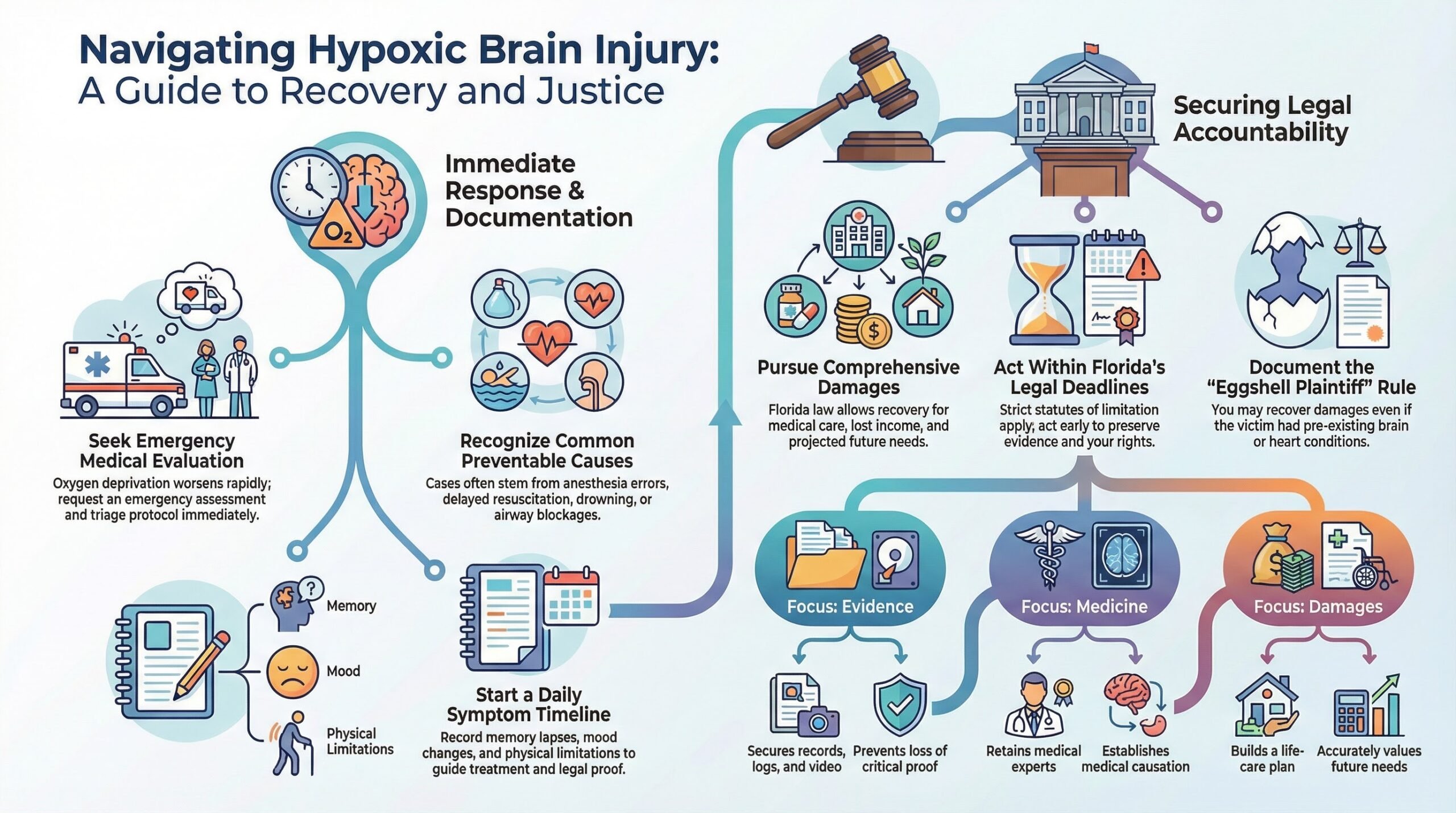
You may seek damages for medical care, rehabilitation, lost income, and diminished earning capacity, and you may also pursue compensation for pain, suffering, and loss of enjoyment of life.
When negligence contributes to oxygen deprivation, you can hold responsible parties to the standard of care your community is entitled to.
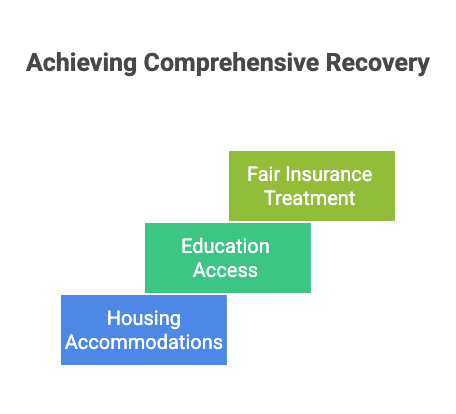
You also have rights that protect your ability to continue serving others while you recover, including support for:
- Housing accommodations that improve safety and daily functioning at home.
- Education access for you or your family, when cognitive impacts require adjusted learning supports.
- Fair insurance treatment, including good-faith claim handling and accurate evaluation of future needs.
If a loved one has died, you may have wrongful death rights under Florida law.
Steps to Take After a West Palm Beach Hypoxic Brain Injury
After a West Palm Beach hypoxic brain injury, you should seek immediate medical care, because prompt evaluation and treatment can protect both your health and your future claim.
You’ll also need to document symptoms and preserve evidence, including medical records, incident reports, photos, and witness contact information.
As soon as you’re able, you should contact a brain injury lawyer so you can protect your rights and avoid mistakes that could weaken your case.
Seek Immediate Medical Care
Get medical help immediately, even if the symptoms seem mild or come and go.
Call 911 or go to the nearest emergency department, because oxygen deprivation can worsen quickly and affect memory, speech, and coordination.
Ask the team to perform an Emergency Assessment and follow Triage Protocols to identify and treat life-threatening complications without delay.
If you’re caring for someone else, stay calm, share what you know about the incident, and advocate for a prompt neurological evaluation.
Don’t drive yourself if you feel confused, dizzy, or unusually tired; let EMS transport you safely.
Follow discharge instructions precisely, take prescribed medications as directed, and return right away if symptoms escalate.
Your swift action protects long-term recovery and helps you continue serving others well.
Document Symptoms And Evidence
When hypoxic brain injury symptoms fluctuate or feel hard to describe, you should start documenting them immediately, because clear records can guide treatment and preserve critical evidence for any future claim.
Keep a daily Symptom timeline that notes headaches, confusion, memory lapses, mood changes, sleep disruption, and balance issues, along with the time, duration, triggers, and what helped.
Ask caregivers, coworkers, or family members to record what they observe, since outside perspectives often capture changes you may miss.
Save discharge papers, prescriptions, therapy notes, and appointment summaries in one folder, and request copies promptly.
Collect Photo evidence of visible injuries, medical equipment, and environmental hazards, and back up files to a secure cloud account.
Track missed work, transportation costs, and caregiving hours to support your service commitments.
Contact A Brain Injury Lawyer
Strong documentation helps, but you’ll also want legal guidance early so those records support a clear, organized claim.
Contact a West Palm Beach hypoxic brain injury lawyer as soon as you can, because deadlines and notice requirements can limit your options.
You’ll give your attorney the timeline, provider names, and any communications, then they’ll preserve evidence, request records, and identify responsible parties.
Ask how the firm handles secure messaging so you can share sensitive updates without unnecessary exposure.
Confirm language access for you and your family, including interpreters and translated documents, so decisions are informed and respectful.
You’ll also want counsel to coordinate with insurers, measure long-term care needs, and seek damages that support recovery and continued service to others.
How a West Palm Beach Hypoxic Brain Injury Lawyer Can Help You
How do you protect your rights and financial future after a hypoxic brain injury upends your life? You work with a West Palm Beach hypoxic brain injury lawyer who serves your needs with Fee transparency and Office accessibility, so you can focus on caring for your family and community.
Your attorney evaluates liability, preserves evidence, and coordinates with medical providers to document damages clearly and ethically.
A lawyer can help you by:
- Investigating the incident, securing records, and consulting qualified experts to support causation and accountability.
- Handling insurer communications, preventing harmful statements, and negotiating for fair compensation that reflects your practical needs.
- Preparing a lawsuit when necessary, meeting deadlines, drafting persuasive filings, and presenting your case with professionalism.
You’ll also receive clear updates, realistic guidance, and a structured plan for next steps. This support helps you act promptly, protect benefits, and pursue justice with purpose.
Long-Term Effects of West Palm Beach Hypoxic Brain Injury Injuries
After a hypoxic brain injury in West Palm Beach, you may face long-term complications that affect your independence and daily decision-making.
You can experience cognitive and memory decline that disrupts work and relationships, along with mobility and motor impairments that limit balance, coordination, and basic self-care.
You may also notice emotional and behavioral changes, including irritability or poor impulse control, and these shifts can strain family dynamics and complicate treatment planning.
Cognitive And Memory Decline
Although some symptoms fade with time, hypoxic brain injuries often leave lasting cognitive and memory decline that can disrupt your daily life in West Palm Beach.
You may struggle to process information, stay organized, or recall names, appointments, and conversations, which can affect how you support family, coworkers, and those you serve.
Attention lapses and slower reasoning can make routine decisions feel demanding, and you may notice increased mental fatigue during tasks that once felt effortless.
You can strengthen daily function by using structured reminders, keeping a consistent schedule, and practicing active recall with brief, repeated reviews.
Prioritize Sleep Hygiene to protect concentration, and consider Diet Interventions that support steady energy and brain health.
If decline persists, request formal neuropsychological testing and document changes for medical and legal clarity.
Mobility And Motor Impairments
In the months and years following a hypoxic brain injury, you may face mobility and motor impairments that don’t fully resolve and can limit your independence in West Palm Beach.
You might notice weakness, poor balance, slowed reactions, or reduced coordination that makes standing, transfers, and stair use unsafe without support.
You can rebuild function through structured rehabilitation, including strengthening, range-of-motion work, and gait training that targets safe, efficient walking patterns.
You may also rely on assistive devices such as canes, walkers, wheelchairs, or braces, selected to reduce fall risk while preserving as much self-directed movement as possible.
If you serve others, these limitations can affect caregiving, volunteering, and work duties, so you’ll need clear plans for pacing, safe mobility, and home modifications.
Ongoing follow-up helps adjust goals and equipment.
Emotional And Behavioral Changes
Because hypoxic brain injury can disrupt the brain networks that regulate mood and impulse control, you may experience emotional and behavioral changes that persist long after the initial medical crisis in West Palm Beach.
You might notice Mood Instability, irritability, or abrupt tearfulness that affects family routines and your ability to serve others with steadiness and patience.
| Change you may notice | Practical support step |
|---|---|
| Mood swings | Track triggers, share logs |
| Impulsivity | Use pause cues, structured plans |
| Anxiety | Practice breathing, limit overstimulation |
| Social Withdrawal | Schedule brief, supported outings |
| Low frustration tolerance | Build rest breaks, simplify tasks |
You’ll often benefit from counseling, neuropsychological care, and clear communication with caregivers.
If these shifts strain relationships or employment, document them and seek guidance, so your recovery plan reflects the full impact.
Proving Liability in West Palm Beach Hypoxic Brain Injury Car Accident Injury Cases
When a car crash leaves you or a loved one with a hypoxic brain injury, proving liability in West Palm Beach demands more than showing the other driver caused the collision.
You must connect the impact to the oxygen-deprivation event and resulting neurologic harm, using clear timelines, medical records, and witness accounts that show how the crash set the chain in motion.
You also need to secure early documentation, because delays can blur symptoms and invite doubt.
You strengthen your case by preserving vehicle data, phone records, and roadway evidence, then using Accident reconstruction to explain speeds, angles, and avoidable conduct.
You also anticipate defenses based on Comparative negligence, including claims that you contributed through distraction, seatbelt use, or delayed treatment.
By addressing those issues directly, you protect the truth and support accountability. Your careful approach serves your family and the community by promoting safer driving standards.
Compensation for West Palm Beach Hypoxic Brain Injury Damages
Proving liability sets the foundation, but compensation determines whether you’ll have the resources to address the full scope of a hypoxic brain injury after a West Palm Beach car accident.
You can seek recovery for past and future medical care, rehabilitation, medications, and assistive technology, as well as lost income and reduced earning capacity.
You may also pursue damages for pain, suffering, and the daily limitations that affect your ability to serve your family, your work, and your community.
Your claim should reflect the long-term nature of brain injury needs, including attendant care, home modifications, and ongoing cognitive therapy.
During insurance negotiations, you’ll want clear documentation, credible expert support, and a strategy to prevent the undervaluation of future costs.
Depending on your goals, structured settlements can provide reliable, scheduled payments that help maintain stability and support planning.
The Statute of Limitations for West Palm Beach Hypoxic Brain Injury Cases
Although your focus may stay on medical decisions and day-to-day stability after a hypoxic brain injury, Florida’s statute of limitations can determine whether you’ll have any legal remedy at all.
In most negligence actions, you must file within a set number of years from the injury, yet medical malpractice claims often follow different deadlines and pre-suit requirements.
Because timelines vary, you should confirm which legal theory applies before time runs out.
In some situations, the discovery rule may delay the start of the clock until you knew, or reasonably should’ve known, that negligence contributed to the harm.
Florida also recognizes tolling provisions that can pause or extend deadlines, such as when a defendant can’t be located, or when a claimant faces legal incapacity.
Even with these exceptions, you should document dates carefully, preserve records, and act promptly to pursue accountability and protect the resources your family needs to serve others well.
Why You Need an Experienced West Palm Beach Hypoxic Brain Injury Lawyer
Meeting Florida’s filing deadlines only keeps the courthouse doors open; it doesn’t build the case you’ll need to prove liability and secure full compensation after a hypoxic brain injury.
You need counsel who can move quickly, preserve evidence, and coordinate medical, rehabilitation, and life-care documentation so the full scope of harm is clear.
An experienced West Palm Beach hypoxic brain injury lawyer can identify negligent care, unsafe facilities, or delayed emergency response, then connect those facts to measurable losses and future needs.
You’ll also benefit from Risk mitigation, including strict communication protocols, accurate damage modeling, and protection against insurer tactics that shift blame.
When your goal is to serve your family and protect your community, your lawyer can align the case with Community resources that support recovery and long-term stability.
| Focus | What your lawyer does | Why it matters |
|---|---|---|
| Evidence | Secures records, logs, video | Prevents loss |
| Medicine | Retains medical experts | Proves causation |
| Damages | Builds life-care plan | Values future needs |
| Negotiation | Counters adjusters | Stops underpayment |
How to Choose the Right West Palm Beach Hypoxic Brain Injury Lawyer for Your Case
How do you know which West Palm Beach hypoxic brain injury lawyer can actually carry your case from early investigation to a durable result?
You start by evaluating whether the attorney listens with purpose, asks disciplined questions, and treats your family’s needs as a responsibility rather than a transaction.
During initial client interviews, note whether they explain how they’ll obtain medical records, consult appropriate experts, and preserve crucial evidence before it disappears.
You should also test their case strategy.
Ask how they approach liability, causation, and future care costs, and whether they’ll prepare for trial while still pursuing fair settlement leverage.
Demand fee transparency in writing, including contingency terms, costs, and how disputes get handled.
Confirm who’ll work your case day to day, and how often you’ll receive updates.
Finally, choose counsel whose professionalism matches your commitment to protect a loved one and serve the broader community through accountability.
About the Law Offices of Anidjar and Levine
Choosing counsel is only the starting point, so you should also understand what the Law Offices of Anidjar and Levine brings to a hypoxic brain injury case once you sign on.
You receive a team that treats your family’s recovery as a shared responsibility and that pursues accountability with disciplined preparation and steady communication.
You benefit from a firm history grounded in advocating for injured Floridians, and you can expect organized case management from intake through resolution.
Your attorneys gather medical records, coordinate qualified experts, preserve crucial evidence, and build a damages narrative that reflects ongoing care needs and the cost of long-term support.
You also get guidance on handling insurer contact, protecting your statements, and meeting deadlines that can affect your claim.
When you evaluate fit, you can review client testimonials for insight into responsiveness, professionalism, and follow-through.
That perspective helps you choose representation aligned with service and results.
Frequently Asked Questions
Can I Recover Damages if the Victim Had Pre-Existing Brain or Heart Conditions?
Yes, you can often recover damages even if the victim had pre-existing brain or heart conditions.
Under the eggshell plaintiff rule, you take the person as you find them, and you’re still responsible for the harm you cause.
The aggravation doctrine also allows recovery for worsening an existing condition, not just new injuries.
You’ll need clear medical evidence, careful timelines, and credible experts to serve the victim’s best interests.
How Are Hypoxic Brain Injury Settlements Structured for Minors or Incapacitated Adults?
You’ll typically see court oversight when a minor or incapacitated adult receives a hypoxic brain injury settlement.
You may use structured settlements to provide steady, protected payments for long-term care, education, and support.
The court often requires guardianship proceedings to appoint a responsible decision-maker, approve expenditures, and prevent misuse.
You’ll also address lien resolution, special needs planning, and reporting duties, ensuring funds serve the person’s best interests.
Will Pursuing a Claim Affect My Eligibility for Medicaid, Medicare, or SSI Benefits?
Yes, pursuing a claim can affect Medicaid, Medicare, or SSI if you receive funds directly, because income and asset limits may trigger benefit offsets.
You can often protect eligibility by using a special needs trust, careful settlement timing, and a structured spenddown that pays for approved needs without disqualifying you.
You should coordinate with an elder-law or benefits attorney to preserve coverage while supporting long-term care and independence.
What Happens if the At-Fault Party Files for Bankruptcy During My Case?
If the at-fault party files for bankruptcy, you’ll likely face an automatic stay that pauses most claims against them.
You can often keep moving by focusing on insurance recovery, since liability policies may still pay without violating the stay.
You should promptly notify the court, track bankruptcy deadlines, and seek relief from the stay when needed.
You’ll protect your mission of service by preserving evidence and documenting losses carefully.
Can I Sue a Government Entity in West Palm Beach for Hypoxic Brain Injuries?
Yes, you can sue a government entity in West Palm Beach for hypoxic brain injuries, but you must follow strict rules.
Sovereign immunity limits when the government can be held liable and may cap damages.
You must meet specific notice requirements, including timely written notice to the proper agency, before filing suit.
If you want to protect others and promote accountability, you should document care and consult counsel quickly.
Deadlines are unforgiving.
—————————
When you’re facing a hypoxic brain injury, you can’t afford delays or uncertainty.
You should document symptoms, secure medical records, and avoid speaking with insurers before you understand your rights.
The Law Offices of Anidjar and Levine can evaluate negligence, preserve crucial evidence, and calculate full damages, including long-term care and lost earning capacity.
If you act within Florida’s deadlines, a West Palm Beach Medical Malpractice Lawyer can help you pursue the compensation you need and protect your family’s future.

