

If you suspect a preventable pressure ulcer developed in an Orlando hospital, nursing home, or assisted living facility, you should act quickly. You can seek medical evaluation, document the wound with dated photographs, preserve records, and note any missed repositioning, poor nutrition, or delayed treatment.
The Orlando Medical Malpractice Lawyer at The Law Offices of Anidjar and Levine can assess whether neglect, understaffing, or policy failures contributed to the harm and pursue compensation for medical costs, pain, and related losses.
More practical guidance follows below.
Main Takeaways
- An Orlando pressure ulcer injury lawyer investigates whether a nursing home, hospital, or caregiver failed to prevent or promptly treat avoidable bedsores.
- Seek immediate medical evaluation for redness, drainage, swelling, worsening pain, fever, or foul odor to limit infection and document the wound.
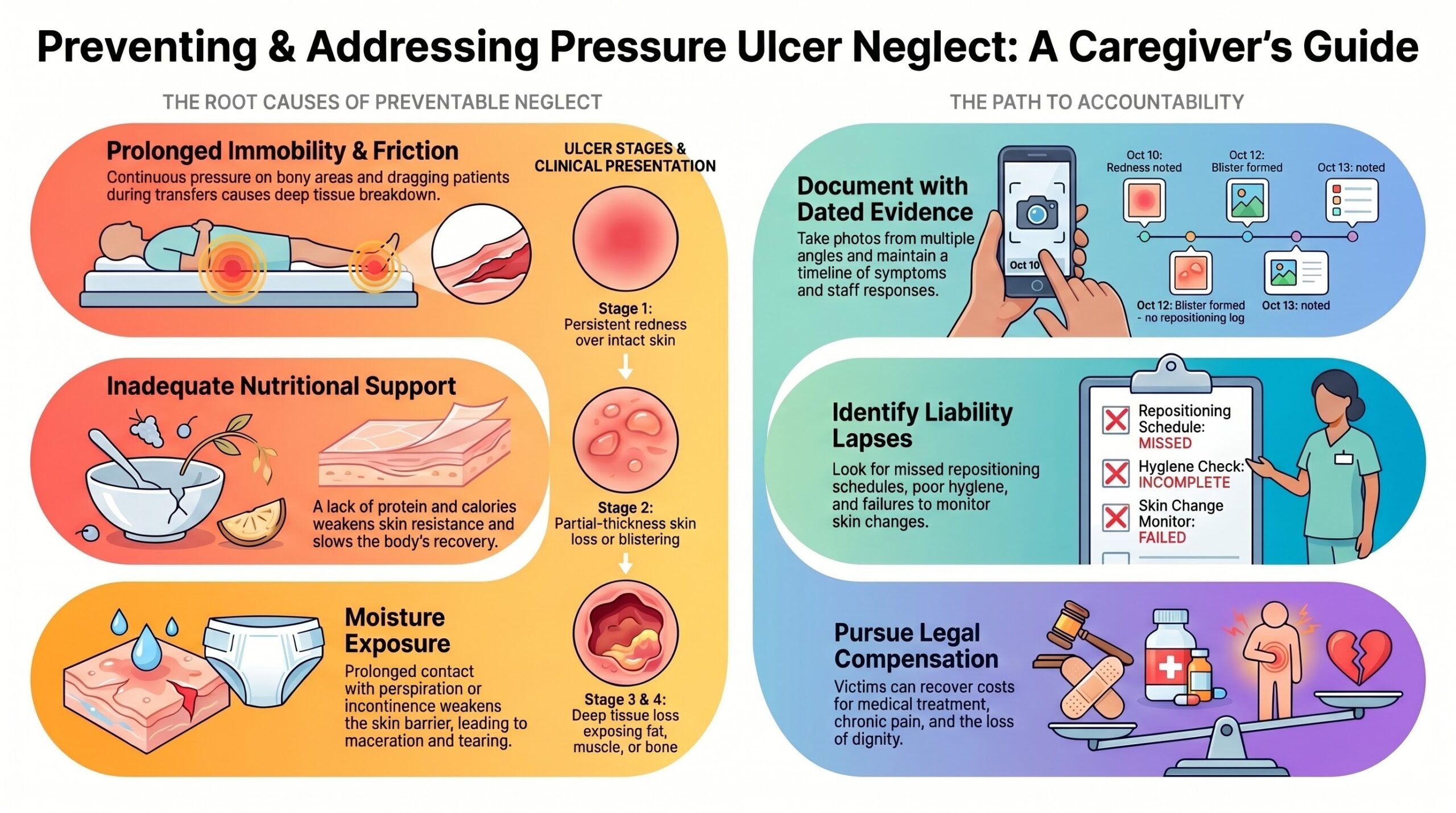
- Preserve evidence by taking dated photos, gathering medical records, keeping bills, and writing a timeline of symptoms, care, and staff responses.
- Key liability issues include missed repositioning, poor skin checks, inadequate nutrition or hydration, moisture exposure, and friction or shear during transfers.
- A lawyer can assess Florida claim deadlines, identify liable parties, handle insurers, and pursue compensation for medical costs, pain, and related losses.
How We Can Help With Your Orlando Pressure Ulcer Injury Claim
Protecting your rights starts with a clear assessment of how the pressure ulcer developed, who failed to provide proper care, and what harm that failure caused. You need a legal team that listens carefully, documents the timeline, and identifies every lapse in supervision, hygiene, repositioning, nutrition, or medical attention.


We help you gather records, preserve evidence, and consult qualified professionals who can explain what proper caregiver training should have included. We also work to show how the injury affected your loved one’s comfort, dignity, and daily life. As you focus on family support and recovery, we handle communication with insurers, facilities, and opposing counsel. You receive honest guidance about your options, the value of your claim, and the steps required to pursue accountability. Our role is to build a thorough, persuasive case so you can seek compensation for medical costs, pain, and related losses while continuing to serve and protect those who depend on you.
Understanding Orlando Pressure Ulcer Injury Cases
OUR CONSULTATIONSARE FREE
START YOUR FREE CASE REVIEW

Because these cases often arise in settings where residents rely entirely on others for basic care, understanding an Orlando pressure ulcer injury claim begins with knowing that many of these wounds are preventable. When you review a case, you assess whether the staff recognized the risk, monitored skin changes, documented concerns, and responded promptly to protect a vulnerable person.
You should also understand that these claims often involve standards of dignity, attentiveness, and consistent support. Records may show whether caregivers followed care plans, communicated changes, and used accepted pressure ulceration prevention measures. Caregiver education can also matter, because trained staff are better prepared to identify warning signs and act before an injury worsens.
In many situations, your claim centers on whether a facility provided reasonable care under the circumstances. By understanding the medical records, care policies, and daily responsibilities involved, you can better assess accountability and pursue justice for someone who fully depended on others.
Common Causes of Pressure Ulcers in Orlando


You should understand that pressure ulcers often develop when prolonged immobility places constant pressure on vulnerable areas of the body. Your risk also increases when caregivers don’t reposition you regularly, or when poor nutritional support weakens your skin and slows recovery. Moisture and friction can further damage your skin, making these injuries more likely and more severe.
Prolonged Immobility Risks
Often, prolonged immobility creates conditions for pressure ulcers by applying continuous pressure to the skin and underlying tissue, especially over bony areas such as the hips, heels, and tailbone. When you care for someone who cannot move independently, you must recognize how sustained pressure restricts blood flow and accelerates skin breakdown.
You may see this risk in people recovering from surgery, living with paralysis, or weakened by illness. Moisture, poor nutrition, and reduced sensation can intensify the harm, allowing tissue damage to develop quickly and quietly. Effective bed sore prevention begins with vigilance, timely assessment, and prompt response to early warning signs, including discoloration, tenderness, or warmth. By understanding the risks of prolonged immobility, you can better protect vulnerable individuals and identify when preventable neglect may have contributed to serious injury.
Inadequate Patient Repositioning
Frequent failures to reposition a patient can quickly turn limited skin stress into a serious pressure ulcer. When you entrust a hospital or nursing facility with a loved one’s care, you expect consistent turning schedules, careful skin checks, and prompt responses to discomfort. If caregivers delay or skip repositioning, pressure remains on vulnerable areas, circulation declines, and tissue damage can follow.
You should also know that inadequate repositioning often reflects broader problems, including poor staff training and equipment failure. A facility must provide competent supervision, functioning lift devices, and clear care plans that protect patients who cannot move independently. When providers ignore those duties, preventable injuries may develop and worsen. By identifying these lapses early, you can advocate for safer care and help guarantee vulnerable patients receive the attentive protection they merit each day.
Poor Nutritional Support
Poor nutritional support can undermine the body’s ability to resist skin breakdown, even when staff addresses pressure through repositioning. When you entrust a facility with a loved one’s care, you expect attentive feeding, hydration, and timely evaluation of nutritional risk. Without adequate calories and protein, skin and underlying tissue weaken, recuperation slows, and pressure injuries become more likely.
You should also expect consistent malnutrition screening, especially for residents with weight loss, illness, or swallowing problems. If caregivers ignore poor intake, delayed supplements, or signs of micronutrient deficiencies, they may miss preventable warning signals. Proper nutrition planning supports tissue strength, immune response, and recovery. When a facility fails to provide that support, you may see avoidable harm that reflects neglect rather than an unavoidable medical outcome.
Moisture And Friction
Beyond prolonged pressure, excess moisture and repeated friction can quickly damage vulnerable skin and set the stage for serious pressure ulcers. When you care for a loved one or patient, you must watch for perspiration, incontinence, wound drainage, and damp linens. These conditions weaken the skin barrier and cause Skin maceration, making tissue more likely to tear or break down under even limited movement.
Friction develops when skin rubs against clothing, sheets, wheelchairs, or Bed surfaces during repositioning or transfers. If caregivers drag rather than lift, the outer layer of skin can be sheared away, exposing deeper tissue to injury. You can help prevent harm by keeping skin clean and dry, changing briefs promptly, using protective barriers, and ensuring careful, low-friction movement throughout the day.
Legal Rights of Orlando Pressure Ulcer Injury Victims
Accountability matters when a preventable pressure ulcer causes serious harm in a nursing home, hospital, or assisted living facility. You have important legal rights when neglect, understaffing, or poor supervision result in an avoidable injury.
Through Patient advocacy, you can help protect a vulnerable person’s dignity while seeking Legal remedies that promote safer care for others.
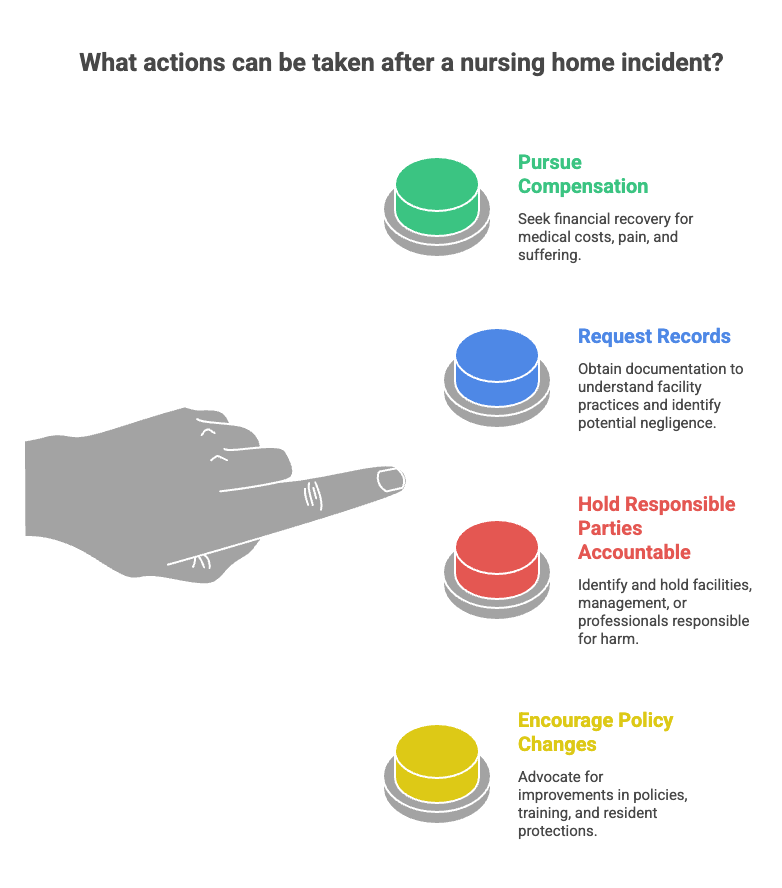
- You may pursue compensation for medical costs, pain, suffering, and related losses.
- You can request records showing staffing levels, assessments, repositioning practices, and wound care.
- You may hold facilities, management companies, or individual professionals responsible when their failures caused harm.
- You can seek accountability that encourages policy changes, training improvements, and stronger resident protections.
Florida law may allow you to assert claims based on negligence, abuse, or violations of resident rights. When caregivers ignore known risks, fail to monitor skin integrity, or delay treatment, the law can provide a meaningful path toward justice and community protection for everyone.
Steps to Take After an Orlando Pressure Ulcer Injury
If you suffered a pressure ulcer injury in Orlando, you should seek immediate medical care to protect your health and create a clear record of your condition. You should also document the injury by preserving photographs, treatment records, and any information that shows how the ulcer developed or worsened. Once you’ve taken these steps, you should consult an Orlando lawyer who can assess your situation and explain your legal options.
Seek Immediate Medical Care
Because pressure ulcers can worsen rapidly and lead to serious infections, you should seek immediate medical care as soon as you notice skin breakdown, unusual redness, swelling, drainage, or increasing pain. Prompt evaluation protects your health and helps prevent complications that may burden those who rely on your care and support daily.
Ask a physician or qualified nurse to assess the wound, determine its stage, and begin appropriate emergency treatment without delay. You should follow all medical instructions, including pressure relief, repositioning, wound cleaning, dressings, nutrition support, and infection monitoring. If you have fever, foul odor, spreading warmth, confusion, or sudden weakness, seek urgent hospital care immediately. Early treatment can preserve tissue, reduce suffering, and restore your ability to continue serving your loved ones and community with steadiness.
Document Injury Evidence
Preserve clear evidence as soon as you can after a pressure ulcer is discovered. Take dated photographs from multiple angles, and continue photographic documentation as the wound changes. Save medical records, discharge papers, medication lists, care plans, and bills in one organized file. Write a timeline that notes when you first noticed symptoms, who provided care, and what actions staff took or failed to take.
If family members, roommates, or caregivers have observed the condition, ask for written witness statements while memories are still fresh. Keep notes about pain levels, odor, drainage, mobility limits, and emotional effects, because these details show how the injury affected daily service to others and your own well-being. Careful records protect the truth, support accountability, and help make certain the person harmed receives proper attention and informed follow-up care.
Consult An Orlando Lawyer
Once you’ve gathered photographs, records, witness statements, and a clear timeline, the next step is to consult an Orlando pressure ulcer lawyer who can assess what the evidence shows and what legal options may follow. Your attorney can identify liable parties, preserve additional proof, and explain how Florida deadlines may affect your claim. You should bring medical updates, billing information, facility communications, and the names of everyone involved in care.
A careful legal review helps you protect the injured person while honoring your duty to advocate for safe treatment. If your matter overlaps with family law or estate planning concerns, your lawyer can coordinate with counsel to ensure decisions remain consistent. Early counsel also strengthens negotiations with insurers and facilities. By acting promptly, you support accountability, protect vulnerable people, and pursue resources for recovery and future care.
How an Orlando Pressure Ulcer Injury Lawyer Can Help You
Navigate through the aftermath of a pressure ulcer injury with legal guidance that focuses on both accountability and recovery. An Orlando pressure ulcer injury lawyer helps you protect your rights while pursuing answers for preventable harm. Your attorney supports patient advocacy, strengthens care coordination, and builds a clear claim grounded in records, policies, and witness accounts.
An Orlando pressure ulcer injury lawyer helps you pursue accountability, protect your rights, and support recovery after preventable harm.
- You receive a careful review of medical charts, staffing logs, and facility practices to identify negligence.
- You gain a professional who communicates with insurers and providers, so you can remain focused on your family and service to others.
- You obtain a strategy for documenting losses, securing expert opinions, and presenting a persuasive demand.
- You benefit from counsel prepared to negotiate firmly or proceed to court when a fair resolution is denied.
With experienced representation, you can seek compensation for treatment costs, pain, and related losses.
Just as important, you can encourage safer care standards for other vulnerable patients in your community.
Long-Term Effects of Orlando Pressure Ulcer Injuries
You may face chronic pain and serious infections long after a pressure ulcer first develops, especially when proper treatment was delayed. These injuries can also reduce your mobility, increase your risk of further complications, and limit your independence over time. In addition, you may experience lasting emotional strain and significant financial burdens as medical needs, rehabilitation, and daily care continue.
Chronic Pain And Infection
Because pressure ulcers can penetrate deep into tissue and expose the body to persistent inflammation, they often lead to chronic pain and serious infection long after the initial wound appears. You may face persistent pain that disrupts sleep, concentration, and daily care responsibilities, making it harder to support those who depend on you.
When damaged skin allows bacteria to enter, a chronic infection can spread into muscle, bone, or the bloodstream. You may need repeated debridement, antibiotics, wound management, and close medical supervision. These complications can weaken your health, increase emotional strain, and create substantial financial pressure for your family. If a caregiver or facility failed to prevent or properly treat the ulcer, you are entitled to answers. Legal action can help you secure resources for treatment, protect your well-being, and uphold your dignity.
Reduced Mobility Risks
Although a pressure ulcer may begin as a localized wound, its long-term effects often extend to reduced mobility and loss of independence. As tissue damage deepens, you may need extended bed rest, frequent repositioning, and assistive devices, all of which can limit your ability to serve others and manage daily responsibilities.
When recovery is slow, weakened muscles and joint stiffness can follow. wheelchair pressure may also force you to change how you sit, transfer, or travel, reducing safe movement throughout the day. Over time, sedentary atrophy can develop, making standing, walking, and basic caregiving tasks more difficult. You may also face a higher risk of falls, contractures, and recurring wounds if movement remains restricted. Early treatment and consistent preventive care help protect your strength, stability, and functional independence over time.
Emotional And Financial Impact
Reduced mobility often brings more than physical limitations, as pressure ulcer injuries can also place lasting emotional and financial strain on your life. You may feel anxiety, frustration, or depression as daily tasks become harder and independence declines. These emotional burdens can affect your relationships, your ability to serve loved ones, and your overall quality of life.
Financial pressure often follows. Ongoing treatment, specialized equipment, home modifications, transportation, and Medication Costs can quickly overwhelm your budget. If a family member helps with your care, Caregiver Burnout may develop, creating added stress for everyone involved. Lost wages or reduced work capacity can deepen the hardship. When these long-term effects result from neglect, you are entitled to accountability and support so you can focus on recovery, stability, and the restoration of dignity in your daily life.
Proving Liability in Orlando Pressure Ulcer Injury Cases
Establishing liability in an Orlando pressure ulcer injury case requires clear proof that a nursing home, hospital, or caregiver failed to meet the accepted standard of care and that this failure caused the ulcer or allowed it to worsen. To serve your loved one well, you must show what proper prevention is required and how the provider fell short through neglectful acts or omissions.
You can strengthen your case with medical records, wound assessments, care plans, photographs, and witness statements. Documentation audits often reveal missed repositioning, delayed treatment, poor monitoring of nutrition, or failures to address moisture and infection risks. Staffing shortages may also explain why basic preventive care wasn’t provided. Expert testimony helps connect these failures to the injury and establishes what competent caregivers should’ve done under similar circumstances.
You should also preserve timelines, billing records, and internal reports that show declining condition, ignored warning signs, or inconsistent charting. Careful evidence gathering helps you hold providers accountable and protect vulnerable patients.
Dealing With Insurance Companies After an Orlando Pressure Ulcer Injury
When an insurance company gets involved after an Orlando pressure ulcer injury, you should expect adjusters to move quickly to limit the claim’s value and control the information they receive. You may hear friendly questions, but their purpose often involves documenting statements that weaken responsibility, damages, or both. Because your goal centers on protecting a vulnerable person, you should respond carefully, keep records organized, and avoid speculation.
You can serve your loved one best by recognizing common insurance tactics early. Adjusters may request broad medical authorizations, push recorded statements, or pressure you on settlement timing before the full extent of harm becomes clear. You should provide only necessary facts, preserve photographs and care notes, and direct intricate questions through legal counsel when appropriate. Consistent documentation helps you present a clear account of neglect, treatment needs, and related losses. Careful communication protects your position, supports accountability, and reduces the risk of accepting less than the injury truly warrants.
What to Expect During an Orlando Pressure Ulcer Injury Claim Process
You can expect your claim to begin with an initial case evaluation, where your lawyer reviews the facts, assesses liability, and outlines your legal options. From there, you’ll gather evidence and medical records to support the extent of your injuries, while your attorney handles negotiations and settlement talks with the opposing side. If a fair resolution isn’t reached, you’ll move into trial preparation, where your lawyer organizes witnesses, documents, and strategy to present your case effectively.
Initial Case Evaluation
Because the initial case evaluation sets the direction of your claim, it gives your attorney the first opportunity to assess how the pressure ulcer developed, who may be legally responsible, and what evidence will support your case. During client intake, you’ll explain the care setting, the timeline, and the harm your loved one suffered.
Your lawyer will conduct a careful risk assessment, ask focused questions, and identify whether neglect, understaffing, or poor supervision may have contributed to the injury. You can expect a clear discussion of potential legal duties, possible defendants, and the practical steps ahead. This meeting also helps your attorney evaluate damages, answer your questions, and determine whether your claim aligns with Florida law. By preparing thoughtfully, you help your legal team advocate effectively for accountability, dignity, and safer care.
Evidence And Medical Records
After the initial case evaluation, the focus shifts to gathering the evidence and medical records that will show how the pressure ulcer developed, whether staff responded appropriately, and how the injury affected your loved one’s recovery.
You and your attorney will review charts, nursing notes, care plans, hospital records, and facility policies to identify missed repositioning, delayed treatment, or signs of neglect. Wound photography can document the ulcer’s stage, progression, and visible impact over time. Caregiver interviews may reveal staffing shortages, communication failures, or departures from required protocols. You may also collect billing records, transfer summaries, and expert medical opinions that connect the injury to preventable lapses in care. This careful documentation helps present a clear, service-minded account of what happened and why accountability matters for your loved one.
Negotiations And Settlement Talks
Expect settlement discussions to begin once the available records, witness statements, and expert reviews give both sides a clearer view of liability and damages. At this stage, you and your attorney evaluate offers, compare them to your losses, and decide how firmly to respond.
You can expect insurers or defense counsel to challenge the value of your claim, especially future care needs and pain. Your lawyer uses documented evidence, persuasive mediation strategies, and a disciplined presentation to seek a fair result. Settlement timelines vary because negotiations often depend on updated treatment records, lien information, and each side’s willingness to compromise. Throughout these talks, you remain focused on accountability, dignity, and the resources needed to protect your loved one and support safe, attentive care moving forward.
Trial Preparation Steps
If settlement efforts don’t resolve the case, trial preparation becomes the next pivotal phase, and your attorney starts organizing the evidence into a clear, persuasive presentation for court. You’ll review medical records, photographs, facility policies, and expert opinions, ensuring each item supports your claim and reflects the preventable harm you endured.
Your lawyer also guides witness preparation, helping you, your caregivers, and medical professionals testify accurately and with confidence. During this stage, your legal team may file motions, address evidentiary issues, and refine arguments that explain how proper care could have protected your loved one. You’ll also learn what to expect from jury selection, courtroom procedures, and cross-examination. By preparing thoroughly, you strengthen your ability to seek accountability, promote safer care standards, and serve others who may face similar neglect in the future.
Compensation for Orlando Pressure Ulcer Injury Damages
Because pressure ulcer injuries often lead to extensive medical treatment, prolonged pain, and preventable complications, you may have the right to pursue compensation for the full scope of your damages. When negligent care causes a bedsore to worsen, the law allows you to seek accountability and resources that support recovery, stability, and dignified care for your loved one.
Your claim’s value often depends on medical records, expert opinions, and proof that caregivers failed to follow accepted prevention standards. Settlement timelines can vary based on the severity of the wound, the need for ongoing treatment, and whether the facility disputes responsibility. If negotiations do not produce a fair result, Jury perceptions may also influence outcomes, especially when evidence shows repeated neglect, understaffing, or ignored warning signs.
By acting promptly, preserving documentation, and working with experienced counsel, you place yourself in a stronger position to pursue meaningful compensation and encourage safer care practices for others in your community.
Economic vs Non-Economic Damages in Orlando Pressure Ulcer Cases
When you pursue a pressure ulcer claim in Orlando, you may seek economic damages for measurable losses, such as medical bills, rehabilitation costs, and related financial harm. You may also recover non-economic damages, which address pain, suffering, emotional distress, and the loss of dignity or quality of life caused by the injury. To prove the value of both categories, you’ll need strong records, credible testimony, and clear evidence that connects the pressure ulcer to your losses.
Economic Damage Categories
Clarity matters at the outset, since pressure ulcer claims in Orlando often involve both economic and non-economic damages, and each category serves a different purpose. Economic damages focus on measurable financial losses you or your family can document with records, invoices, and employment information. In many cases, these losses include medical expenses for wound care, hospitalization, medications, rehabilitation, and future treatment needs.
You may also recover lost wages if the injury prevents you from working or reduces your earning capacity over time. When a loved one requires added support, economic damages can include transportation costs, medical equipment, home modifications, and professional nursing assistance. By carefully identifying these categories, you help build a claim that reflects the practical burdens of neglect and supports the resources needed to provide safe, attentive care for others.
Non-Economic Losses Explained
Understanding non-economic losses is essential, since these damages address the human impact of a pressure ulcer that bills and wage records can’t fully capture. You may endure ongoing discomfort, loss of dignity, interrupted sleep, anxiety, and reduced enjoyment of daily life while caring for a loved one or serving your community.
These losses also reflect how the injury changes your relationships, independence, and ability to participate in meaningful routines. If you once provided steady support to others, you may now need help with basic tasks, transportation, or personal care. That shift matters. Non-economic damages recognize those burdens through pain valuation and careful attention to life adjustments. In Orlando pressure ulcer cases, this category helps present the full cost of harm, especially when the strongest effects are personal, lasting, and difficult to measure.
Proving Damages Value
Those personal losses must then be supported by evidence of the financial cost of the pressure ulcer and its impact on your daily life. You prove economic damages with medical bills, rehabilitation expenses, prescription costs, transportation receipts, and records of lost income or future care needs.
You prove non-economic damages through testimony, photographs, care journals, and statements from family members who have witnessed your pain, limitations, and loss of dignity. Your attorney may also use expert opinions to explain how the injury changed your mobility, sleep, independence, and ability to serve your loved ones. While jury awards and settlement benchmarks can offer useful context, your claim depends on the specific harm you endured. Clear documentation gives insurers and juries a reliable basis for assigning fair value to all losses.
When an Orlando Pressure Ulcer Injury Case Goes to Trial vs Settlement
Although many Orlando pressure ulcer injury claims resolve through settlement, some proceed to trial when the parties dispute liability, causation, or the full value of the harm suffered. You should understand how evidence strength, witness credibility, and jury dynamics can affect outcomes. When your legal team presents compelling records, expert opinions, and proof of neglect, you often gain settlement leverage before courtroom proceedings begin.
Settlement can provide quicker compensation, reduced expense, and more privacy for your family or the person you serve. Trial, however, may become necessary if the defense minimizes the injury, denies preventability, or refuses to offer fair compensation. In that setting, you depend on your attorney to explain medical facts clearly and show how proper care could’ve prevented worsening wounds. By preparing every case as if it will be tried, you place yourself in a stronger position to pursue accountability, protect vulnerable people, and secure resources needed for recovery, care, and long-term support.
The Statute of Limitations for Orlando Pressure Ulcer Injury Cases
In Florida, the time limit for filing an Orlando pressure ulcer injury lawsuit can directly affect whether you may recover compensation at all. If you wait too long, the court may bar your claim, even when the harm is severe and preventable. That deadline often depends on when the injury occurred and when you reasonably learned its cause, a concept tied to the discovery limitations.
You should also understand that certain tolling exceptions may pause or extend the filing period in limited circumstances. For example, concealment of neglect, incapacity, or other legally recognized barriers can affect how the deadline is calculated. Because pressure ulcer injuries often develop during ongoing care, the timeline may not always appear obvious at first. By acting carefully and keeping records of treatment, symptoms, and communications, you help protect your ability to pursue accountability. Timely action supports not only your own recovery, but also safer care for other vulnerable patients in your community.
When to Contact an Orlando Pressure Ulcer Injury Lawyer
Because pressure ulcers can worsen quickly and often signal broader neglect, you should contact an Orlando pressure ulcer injury lawyer as soon as you suspect the wound developed from avoidable failures in care. Do not wait for a formal diagnosis if you have seen early signs, such as redness, skin breakdown, unexplained pain, or missed repositioning. Prompt action helps protect the injured person and preserves important records.
You should also reach out when a change in care, including a hospital discharge or transfer to a nursing home, is followed by a new or worsening sore. These moments often reveal gaps in monitoring, communication, staffing, or treatment. If staff members give conflicting explanations, delay medical attention, or fail to document changes, those are serious warnings. By seeking legal guidance early, you can support accountability, encourage safer care practices, and help secure resources that may be needed for recovery, protection, and the dignity your loved one most merits now.
Why You Need an Experienced Orlando Pressure Ulcer Injury Lawyer
Acting quickly protects your loved one, but the lawyer you choose can also shape the strength of the case and the outcome you can pursue. An experienced Orlando pressure ulcer injury lawyer understands how these injuries develop, what records matter, and how to connect poor treatment to measurable harm with clear, persuasive evidence.
You need that experience because pressure ulcer claims often turn on details that busy families shouldn’t have to uncover alone. Your lawyer can identify signs of Medical negligence, compare the facility’s actions against accepted Care standards, and work with qualified professionals to explain where failures occurred. That focused approach helps you seek accountability for preventable suffering while protecting your family from avoidable delays and pressure from insurers or care facilities.
When you serve a vulnerable relative, you shouldn’t also carry the legal burden without skilled guidance. Experienced counsel helps you pursue answers, justice, and resources needed for proper recovery and future support.

How to Choose the Right Orlando Pressure Ulcer Injury Lawyer for Your Case
Sorting through your options starts with focusing on qualifications that directly affect the outcome of a pressure ulcer claim. You should look for a lawyer with experience in nursing home negligence, a strong track record of results, and clear knowledge of medical evidence. During client interviews, ask how the attorney investigates preventable ulcers, works with experts, and communicates case progress. A lawyer who listens carefully and answers directly shows respect for your goals and the vulnerable person you’re trying to protect.
You should also compare fee structures, responsiveness, and trial readiness before making a decision. Ask whether the firm handles settlement negotiations aggressively and prepares every case as if it may go before a jury. Review testimonials, disciplinary history, and the lawyer’s ability to explain deadlines and damages in plain terms. When you choose counsel with skill, integrity, and compassion, you strengthen your ability to seek accountability and meaningful support for those harmed.
About The Law Offices of Anidjar & Levine
Once you’ve identified the qualities that matter in a pressure ulcer attorney, it helps to look closely at how a specific firm serves injured clients and their families. At The Law Offices of Anidjar & Levine, you can expect responsive guidance, clear communication, and legal support focused on accountability for preventable harm.
When you review the firm’s history, you see a practice built on advocating for injured people throughout Florida and helping families pursue meaningful recovery. If you value service, you’ll appreciate a team that works to reduce your burdens while protecting your rights at every stage of the case.
Client testimonials often highlight accessibility, compassion, and steady attention to important details, which can matter greatly when your loved one has suffered in a nursing home or care facility.
You merit a law firm that treats your concerns with respect, investigates thoroughly, and pursues compensation that supports restoration, dignity, and better care for those you serve most.
Frequently Asked Questions
Can Pressure Ulcers Develop Despite Proper Nursing Home Care?
Yes, you should know pressure ulcers can develop despite attentive nursing home care. Even with proper repositioning, careful management of skin moisture, advanced mattress technology, and consistent preventive protocols, some residents remain highly vulnerable because of frailty, poor circulation, malnutrition, or serious illness. When you serve these individuals, you must recognize that prevention substantially reduces risk, but it doesn’t eliminate every ulcer in every clinical circumstance or for every resident.
Are Some Patients More Vulnerable to Pressure Ulcers Than Others?
Yes, you should recognize that some patients face a higher risk of pressure ulcers than others. If you serve vulnerable individuals, you’ll often see that frailty in the elderly, impaired mobility, poor nutrition, incontinence, and reduced sensation increase susceptibility. You can also expect greater risk when a patient has a chronic illness or circulatory problems. Careful assessment, timely repositioning, and consistent skin monitoring help you protect those who depend on your attention.
How Are Pressure Ulcers Medically Staged and Classified?
You classify pressure ulcers by depth and tissue loss. Stage 1 shows nonblanchable redness over intact skin, while Stage 2 involves partial-thickness skin loss. Stage 3 extends into fat, and Stage 4 exposes muscle, tendon, or bone. You also identify unstageable wounds obscured by slough or eschar, as well as deep tissue pressure injuries. You assess tissue perfusion carefully because poor blood flow delays recovery and may require wound debridement.
Can Family Members Spot Early Warning Signs of Pressure Ulcers?
Yes, you can often spot early warning signs of pressure ulcers through careful monitoring of skin changes and mobility. You should look for persistent redness, discoloration, warmth, swelling, or tenderness over bony areas. You should also note reduced movement, pain with repositioning, or burning. By checking skin daily and tracking mobility, you help protect a vulnerable person and support timely medical evaluation before deeper tissue damage develops.
Do Pressure Ulcers Always Indicate Neglect or Abuse?
No, pressure ulcers don’t always prove neglect or abuse. You should first consider the medical etiology, because some ulcers develop despite attentive care, especially in medically fragile patients. Still, you must assess whether caregivers met accepted standards, documented prevention efforts, and responded promptly to changes. When those duties fail, the facts may satisfy legal thresholds for negligence or abuse. Careful review helps you protect vulnerable people and serve them well.
—————————
If you or a loved one suffered a pressure ulcer because of neglect, you should act promptly to protect your rights. You can pursue compensation for medical costs, pain, and other losses, but strong evidence and timely action matter. An experienced Orlando pressure ulcer injury lawyer, such as the Law Offices of Anidjar and Levine, can evaluate your claim, explain your options, and advocate for you at every stage.
With trusted legal guidance from an Orlando Medical Malpractice Lawyer, you can hold the responsible parties accountable and seek the recovery you are entitled to.

