

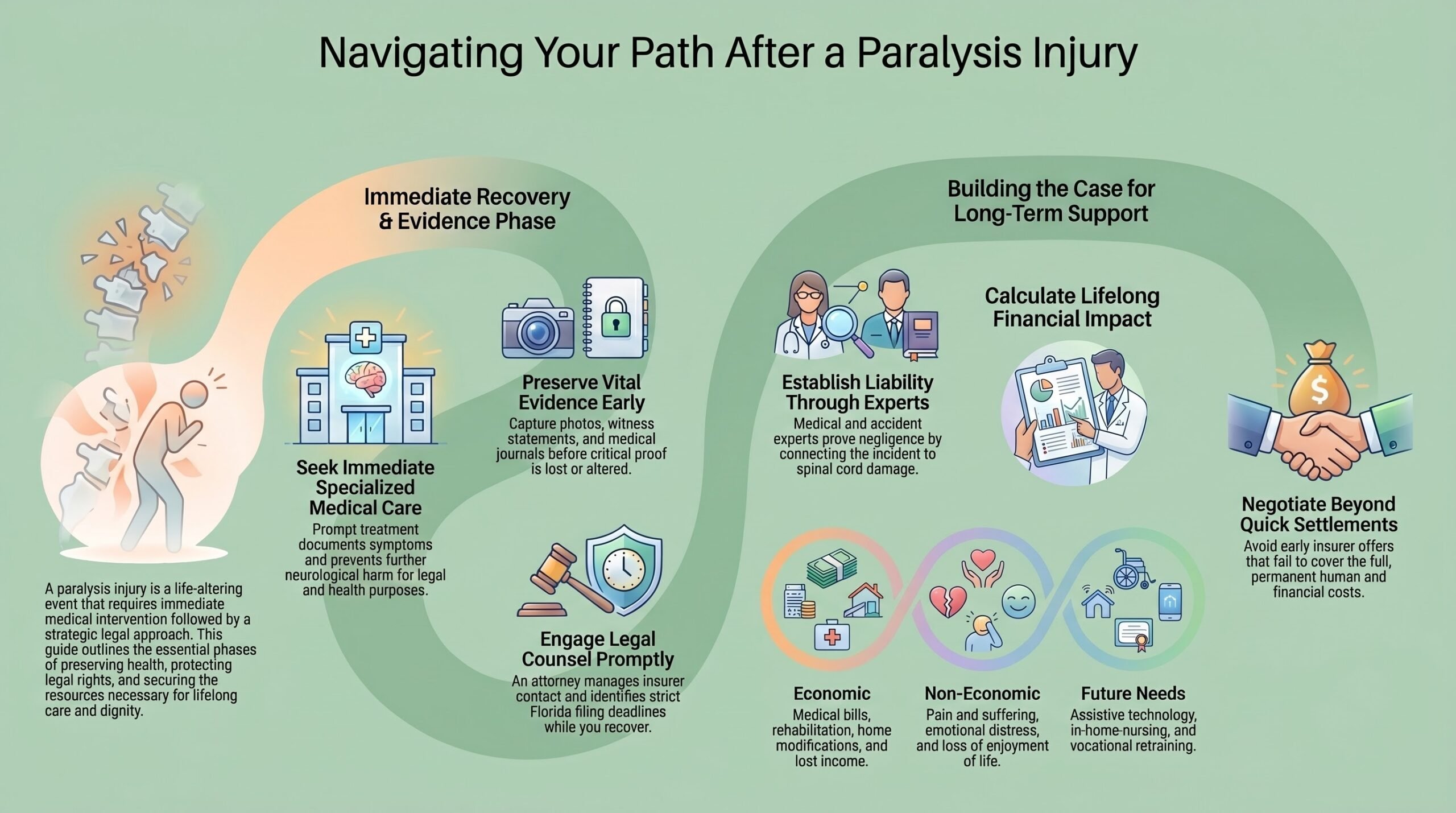
The Law Offices of Anidjar and Levine can help protect your claim from the start by preserving evidence, managing insurer contact, and documenting how the injury affects your recovery, mobility, work, and daily life.
Your attorney can investigate the incident, work with medical and liability experts, calculate long-term damages, and pursue compensation for treatment, lost income, equipment, and future care.
As you move forward, you can see how the right legal strategy supports stability and accountability with the help of an Orlando Medical Malpractice Lawyer.
Main Takeaways
- An Orlando paralysis injury lawyer protects your claim early by handling insurers, preventing mistakes, and identifying deadlines while you focus on medical recovery.
- They investigate the incident quickly and preserve photographs, witness statements, records, and digital evidence before critical evidence disappears or is altered.
- Building a strong claim requires proving duty, breach, causation, and damages through medical records, expert opinions, and documentation of daily limitations.
- Immediate medical care is essential to protect your health, document paralysis symptoms, and connect the injury to the accident for legal purposes.
- A lawyer evaluates long-term damages, including treatment, rehabilitation, mobility needs, lost income, and reduced independence, before negotiating a settlement or going to trial.


How We Can Help With Your Orlando Paralysis Injury Claim
When a paralysis injury upends your life, our firm can help you pursue a claim that reflects the full extent of your losses and future needs. You merit legal support that listens carefully, acts decisively, and protects your ability to care for yourself and those who depend on you.
We gather records, consult qualified experts, and document how your injury affects daily responsibilities, employment, mobility, and long-term independence. We calculate damages with care, including medical expenses, lost income, rehabilitation funding, home modifications, and assistive technology. You receive clear guidance at each stage, so you can make informed decisions without unnecessary confusion.
Our team also handles insurer communications, prepares persuasive evidence, and advocates for a resolution that supports stability and dignity. While you focus on recovery and serving your family or community, we work to secure resources that help you move forward with confidence, purpose, and practical support for the future.
OUR CONSULTATIONSARE FREE
START YOUR FREE CASE REVIEW

Understanding Orlando Paralysis Injury Cases
Because paralysis claims often involve permanent medical, financial, and personal consequences, understanding how these cases work is essential before you pursue compensation. You need clear proof showing how the injury occurred, who bears responsibility, and how the harm affects your daily life, relationships, and ability to serve your family and community.
Your case may require medical evidence regarding spinal cord damage, functional limitations, future care needs, and expected treatment. You should also document lost income, reduced earning capacity, home modifications, and ongoing support services. Strong paralysis claims often rely on physicians, life care planners, and vocational experts who can explain long-term realities with precision.
As medicine evolves, rehabilitation breakthroughs may improve function, but they can also increase projected costs and influence settlement discussions. You merit an attorney who understands these details, values your dignity, and builds a claim that reflects both present losses and the lifelong challenges you may continue facing with strength and purpose.
Common Causes of Orlando Paralysis
You may suffer paralysis after a wide range of serious incidents, and some causes appear far more often than others in Orlando injury claims. Car and truck crashes, slip and fall accidents, and workplace injury incidents can cause severe damage to the spinal cord or brain, leaving you with life-altering limitations. In some cases, medical malpractice errors also play a direct role, especially when a preventable mistake causes or worsens neurological harm.
Car And Truck Crashes
Consider the force involved in a car or truck crash: in a matter of seconds, a violent impact can damage the spinal cord or brain and leave you facing partial or complete paralysis. When a negligent driver speeds, texts, drives aggressively, or ignores traffic laws, your body can absorb catastrophic trauma. In truck collisions, the risks often increase because of driver fatigue, overloaded trailers, poor maintenance, and hazardous cargo.
If you devote your life to helping others, a paralysis injury can interrupt every part of that calling, from work to family care to community service. You may need extensive treatment, adaptive equipment, and long-term support. By identifying the careless driver, trucking company, or other liable party, you can pursue accountability and seek the resources necessary to rebuild your life with dignity and stability.
Slip And Fall Accidents
Paralysis injuries don’t arise only from vehicle collisions; slip and fall accidents can also cause devastating harm when a sudden loss of footing leads to violent impact with the ground or a nearby surface. When you encounter wet floors, uneven sidewalks, poor lighting, or broken handrails, a fall can damage the spinal cord and permanently change how you serve your family and community. You may face surgery, rehabilitation, and major adjustments to daily life.
Those challenges often include home modifications, ongoing therapy, and assistive technology that supports mobility and independence. If a property owner’s negligence caused the hazard, you shouldn’t bear the consequences alone. By acting promptly, preserving evidence, and seeking legal guidance, you can protect your rights and pursue resources that help you restore stability, dignity, and meaningful service to others.
Workplace Injury Incidents
Working in construction sites, warehouses, hospitals, and industrial facilities can expose employees to serious hazards that cause life-altering spinal cord trauma. You may suffer paralysis when heavy equipment strikes you, scaffolding fails, loads fall, or a vehicle collision occurs on the job. Repetitive lifting, poor workplace ergonomics, and inadequate fall protection also increase the risk of catastrophic back and neck injuries.
When an employer ignores safety standards, fails to train staff, or leaves dangerous conditions uncorrected, the consequences can be permanent. You work to serve your family and community, and you merit a safe environment. If a preventable incident causes paralysis, employer liability may extend beyond workers’ compensation in certain cases. A careful legal review can identify responsible parties and protect the financial support your recovery requires over time.
Medical Malpractice Errors
Although medical treatment is meant to restore health, preventable medical malpractice errors can cause devastating spinal cord damage that leads to partial or total paralysis. You may face life-altering harm when a surgeon injures the spine, an anesthesiologist mishandles medication, or hospital staff delay emergency intervention. Diagnostic negligence can allow spinal infections, strokes, or bleeding to worsen until permanent nerve damage occurs.
You also merit informed consent, so you can understand surgical risks and make decisions that protect your future and your family. When providers ignore symptoms, misread imaging, or fail to monitor complications, you carry the burden of their preventable choices. By pursuing accountability, you not only seek resources for your recovery but also help encourage safer care for other patients throughout the Orlando community and beyond.


Legal Rights of Orlando Paralysis Injury Victims
When another party’s negligence causes a life-changing spinal cord injury, Florida law gives you the right to seek compensation for your medical care, lost income, diminished earning capacity, pain and suffering, and other losses tied to the harm you’ve suffered. You also retain important civil protections that support dignity, independence, and meaningful participation in your community, including access to disability benefits and voting accessibility.
Your legal rights may include the ability to pursue compensation for:
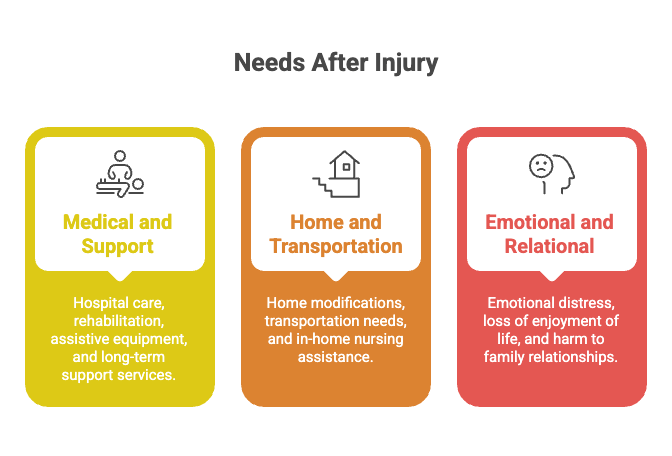
- hospital care, rehabilitation, assistive equipment, and long-term support services
- home modifications, transportation needs, and in-home nursing assistance
- emotional distress, loss of enjoyment of life, and harm to family relationships
You may also have protections under state and federal disability laws if an employer, business, landlord, or public entity fails to provide equal access. By asserting these rights, you not only protect your future; you strengthen accountability and help create safer conditions for others in Orlando.
Steps to Take After an Orlando Paralysis Injury
After an Orlando paralysis injury, you should seek immediate medical care because prompt treatment protects your health and creates a crucial record of your condition. You should also preserve vital evidence, including photographs, witness information, and any accident reports, so you don’t lose facts that may support your claim. As soon as possible, you should contact an injury lawyer, because early legal guidance can help you protect your rights and make informed decisions.
Seek Immediate Medical Care
Protecting your health must come first, because paralysis symptoms can worsen quickly and may signal severe spinal cord, brain, or nerve injury. Call 911 or ask someone nearby to do so, and wait for trained responders rather than moving unnecessarily. Emergency transport helps protect your spine, supports breathing, and reduces the risk of further damage during transit.
At the hospital, describe every symptom clearly, including numbness, weakness, loss of movement, severe pain, or changes in bladder or bowel function. Prompt imaging, neurological evaluation, and pain management can guide treatment decisions and improve outcomes.
Follow all medical instructions carefully, attend specialist appointments, and begin the recommended rehabilitation as soon as possible. By acting quickly, you protect your own future and preserve your ability to continue serving the people who depend on you.
Preserve Key Evidence
Even if emergency treatment is underway, you should preserve as much evidence as possible because it can show how the accident happened, who may be liable, and how severely your paralysis has affected your life. If you are able, ask someone you trust to photograph the scene, your injuries, damaged property, medical equipment, and visible hazards from several angles.
Keep clothing, medications, discharge papers, invoices, and repair estimates in a secure condition, and document every symptom, limitation, and care need in a dated journal.
Save texts, emails, videos, surveillance footage, and social media posts, and avoid altering original files. Strong chain preservation helps protect credibility. In serious cases, digital forensics may recover deleted data or confirm timing and location details. Careful documentation also supports the people who are now helping you meet your daily needs.
Contact An Injury Lawyer
Contact an experienced Orlando paralysis injury lawyer as soon as your condition allows, because early legal guidance can help you avoid mistakes that may weaken your claim. You need counsel who will protect your rights, coordinate evidence, and manage communications with insurers while you focus on recovery and supporting your family.
Ask about the lawyer’s experience with catastrophic injury cases, approach to client outreach, and ability to explain fee structures clearly. You should bring medical records, accident reports, witness information, and notes about your symptoms and limitations.
A qualified attorney can assess liability, estimate long-term damages, and identify deadlines that apply to your case. By acting promptly, you strengthen your position and create a path toward resources that help you continue serving others despite life-changing injuries and ongoing care needs.
How an Orlando Paralysis Injury Lawyer Can Help You
Secure legal guidance can make a decisive difference after a paralysis injury, because an Orlando paralysis injury lawyer helps you identify liable parties, preserve vital evidence, and build a claim that reflects the full extent of your losses. You need counsel that combines client advocacy with disciplined investigation, so your case receives focused, informed attention from the start.
Your lawyer can serve your family and community by pursuing accountability and protecting the resources you need to move forward.
Effective representation often includes:
- investigating the incident, interviewing witnesses, and securing records before evidence disappears
- acting as a medical liaison, coordinating with providers to document diagnoses, treatment needs, and causation
- negotiating with insurers and, if necessary, presenting a persuasive case in court
With a clear strategy, your attorney can calculate damages, challenge unfair blame, and manage deadlines. That support lets you concentrate on recovery, caregiving, and continuing to serve others with confidence and stability.
Long-Term Effects of Orlando Paralysis Injuries
After a paralysis injury, you may face permanent mobility challenges that affect your independence, employment, and daily routines. You may also experience significant emotional and mental strain, as the adjustment to a new reality often brings anxiety, depression, and ongoing stress. In many cases, you’ll need ongoing medical care, rehabilitation, and support services, which can place lasting demands on your health and finances.
Permanent Mobility Challenges
When paralysis causes permanent mobility limitations, it changes far more than your ability to move from place to place. You may need ongoing help with transfers, bathing, dressing, transportation, and routine tasks that once seemed simple. Over time, your daily life can depend on wheelchairs, braces, ramps, lifts, and other assistive technology designed to restore safety and independence.
Many families must also invest in home modifications, including widened doorways, accessible bathrooms, and adjusted countertops, to function more effectively each day. These physical barriers often affect your work, medical care, and ability to serve others in your home and community. Because these challenges are ongoing, you need resources that support stability, protect your health, and ensure negligent parties are held accountable for the harm they caused.
Emotional And Mental Impact
Permanent paralysis affects more than your physical independence; it can also place a lasting strain on your emotional health and mental well-being. You may experience grief, anxiety, frustration, or isolation as your roles, relationships, and daily routines change in significant ways.
As you adapt, emotional burdens can affect your confidence, sense of purpose, and ability to engage with others. You may feel pressure to appear strong while privately confronting fear, sadness, or uncertainty about your future. Developing mental resilience becomes crucial, especially when you continue serving your family, workplace, or community despite these challenges.
Supportive relationships, honest communication, and stigma reduction can help you preserve dignity and maintain connection. When another party caused your injury, legal accountability can also affirm your worth and protect your long-term stability and future opportunities.
Ongoing Medical Care
Managing paralysis often requires continuous medical care that extends well beyond the initial hospitalization and rehabilitation period. You may need regular physician visits, medication management, updates to mobility equipment, and ongoing therapy to preserve strength, prevent complications, and support daily functioning. As you work to serve your family and community, consistent treatment helps you remain engaged and as independent as possible.
You must also plan for rehabilitation accessibility, including transportation, home modifications, and access to qualified experts. These needs can place steady demands on your finances and your support system. Over time, caregiver burnout may affect the loved ones who assist you, especially when care becomes physically and emotionally demanding. By understanding these long-term realities, you can better protect your health, advocate for proper resources, and pursue the support necessary for sustained stability.
Proving Liability in Orlando Paralysis Injury Cases
Because paralysis claims often involve disputed facts and substantial damages, proving liability in an Orlando case requires clear evidence that another party’s negligence directly caused your injury. You must show duty, breach, causation, and damages under applicable liability standards. Medical records, incident reports, photographs, and witness statements help precisely connect the event to your condition.
You also strengthen your case through expert testimony from physicians, life care planners, and accident reconstruction experts. These professionals explain spinal biomechanics, identify how trauma damaged the cord or surrounding structures, and address whether earlier treatment could have changed the outcome.
Your legal team may also use rehabilitation protocols and functional assessments to demonstrate how the injury continues to affect your mobility, independence, and ability to serve your family and community. When evidence is organized and credible, you place the court in a stronger position to hold the responsible party fully accountable under Florida law.
Dealing With Insurance Companies After an Orlando Paralysis Injury
After a paralysis injury in Orlando, insurance companies often move quickly to control the claim, limit their exposure, and secure statements they can later use to dispute the severity or cause of your condition. You should respond carefully, because early conversations may shape how adjusters evaluate your losses, treatment, and long-term needs. Even routine questions can reflect claim tactics designed to minimize responsibility.
You can protect yourself by keeping records, following medical advice, and directing insurer requests through your attorney whenever possible. Do not accept quick settlements or broad medical authorizations before you understand the full impact of paralysis on your life and family. Insurance representatives may appear helpful, yet their priorities often differ from yours.
If you encounter delays, inconsistent explanations, or a benefits denial, take them seriously and document each contact. A lawyer can help you communicate clearly, challenge unfair positions, and pursue the financial support you need to continue serving your loved ones and community.
What to Expect During an Orlando Paralysis Injury Claim Process
You can expect your Orlando paralysis injury claim to begin with an initial case evaluation, where your attorney reviews the facts, assesses liability, and explains your legal options. From there, you’ll need strong evidence and complete medical records to support your damages, while your lawyer handles insurance claim negotiations on your behalf. If the insurer won’t offer a fair resolution, your case may proceed toward a settlement agreement or trial.
Initial Case Evaluation
At the outset of your Orlando paralysis injury claim, the initial case evaluation gives your attorney a clear picture of how the injury occurred, who may be liable, and what damages may be available under Florida law. During this initial consultation, you can expect focused questions about the incident, your losses, and the ways the injury has changed your daily responsibilities to others.
Your lawyer will assess whether negligence, product defects, or another wrongful act may support your case. You will also receive practical guidance about the claim timeline, including pivotal stages, likely challenges, and immediate next steps. This meeting helps you understand your legal options, make informed decisions, and begin pursuing accountability in a manner that protects your family, honors your service to others, and supports your long-term stability.
Evidence And Medical Records
Because paralysis claims often turn on detailed proof, evidence collection, and medical records become central to establishing both liability and the full extent of your losses. You should expect your legal team to gather hospital charts, imaging, surgical notes, therapy records, and physician opinions, then organize them into clear medical summaries. They’ll also secure incident reports, photographs, witness statements, and employment documents that show how the injury affects your daily service to family and community.
Your lawyer will work to preserve the chain of evidence so that records remain reliable and admissible. You may need to sign authorizations, attend follow-up evaluations, and keep a journal describing pain, mobility limits, and caregiving needs. By documenting your condition carefully and consistently, you help create a truthful record that supports accountability and long-term care planning needs.
Insurance Claim Negotiations
As negotiations begin, insurers often move quickly to frame the claim in terms of limited liability and short-term costs rather than the full, lifelong impact of paralysis. You should expect a careful review of medical evidence, income loss, future care needs, and the practical burdens your family may carry while supporting your recovery and service to others.
Your attorney uses a disciplined claim strategy to answer low offers with documented facts, expert opinions, and a clear picture of how paralysis affects daily function, employment, and independence. During this stage, communication matters.
You may receive requests for statements, authorizations, or recorded interviews, and each response can influence the timing of settlement. By staying organized and consistent, you help protect the value of your claim and create stronger leverage for meaningful negotiations with the insurer and long-term care planning.
Settlement Or Trial
When negotiations don’t produce a fair result, your claim moves toward settlement on firmer terms or, if necessary, trial. You and your lawyer evaluate offers in light of your medical needs, future care, lost income, and the support your family and community may require. They explain settlement timelines clearly, so you can make informed decisions without losing sight of your long-term service to others.
If the insurer refuses to provide reasonable terms, your case proceeds through discovery, motions, and preparation for a jury trial. You may give testimony, answer questions, and help present evidence that shows the full impact of paralysis on your life. Although many cases resolve before court, a trial can compel accountability when compromise fails. Throughout this stage, your legal team protects your interests and pursues a result that supports stability, dignity, and continued care.
Compensation for Orlando Paralysis Injury Damages
Although no amount of money can reverse a paralysis injury, pursuing full compensation can give you the financial support needed to manage long-term medical care, lost income, rehabilitation, home modifications, and other life-altering consequences. When you seek damages, you’re working to protect your future and preserve your ability to care for those who depend on you.
Your claim can address immediate treatment, ongoing therapy, rehabilitation funding, in-home nursing, accessible transportation, and assistive technology that supports daily independence. It can also account for reduced earning capacity if you can’t return to your prior role or serve your family in the same way. A thorough case evaluation helps identify the full scope of support you’ll need over time, rather than focusing only on current bills.
Economic vs Non-Economic Damages in Orlando Paralysis Cases
You can pursue economic damages for measurable losses, including medical bills, rehabilitation costs, lost income, and future care needs tied to paralysis. You may also seek non-economic damages for losses that don’t come with receipts, such as pain and suffering, emotional distress, and loss of enjoyment of life. To recover either type of compensation, you’ll need clear evidence that proves the extent of your paralysis, the financial impact, and the ways your injury has changed your daily life.
Economic Damage Categories
Paralysis cases often involve substantial financial losses, and a claim in Orlando should account for all economic damages resulting from the injury. You may face immediate hospital bills, surgery costs, rehabilitation expenses, medication charges, and the price of assistive equipment. Your claim should also include home modifications, accessible transportation, and in-home nursing or attendant care when those services become necessary.
You should document lost wages, reduced earning capacity, and employment benefits you can no longer receive because of your condition. If the underlying accident damaged your vehicle or other belongings, property damage may also be included in the claim.
Careful records, invoices, expert opinions, and employment documents help clearly prove these losses. By identifying each category, you strengthen your case and protect your family’s ability to continue serving others with stability and support.
Non-Economic Loss Valuation
Financial records show only part of what a paralysis injury costs, because Orlando claims must also measure the human losses that don’t appear on invoices or pay stubs. These non-economic damages address what you endure each day, including pain, suffering, emotional distress, loss of independence, and changes in your relationships, routines, and sense of purpose.
When paralysis alters how you serve your family, participate in your community, or enjoy ordinary experiences, the law recognizes that diminished quality of life has real value. Non-economic loss valuation considers the severity and duration of your limitations, the disruption to personal dignity, and the ongoing burden placed on your daily living. A careful valuation seeks to honor the full impact of harm, so your claim reflects more than dollars spent and acknowledges what your injury has taken.
Proving Paralysis Damages
Because a paralysis claim must withstand insurer scrutiny and, if necessary, courtroom review, proving damages requires clear evidence of both economic and non-economic loss. You need medical records, treatment plans, life-care projections, wage documentation, and expert opinions that show the full financial impact of your injury.
You must also prove how paralysis affects your daily life, relationships, independence, and ability to serve others. Detailed journals, testimony from loved ones, witness interviews, and evaluations from rehabilitation clinicians can strengthen that showing. A strong insurance valuation depends on organized documentation, credible experts, and consistent statements throughout your claim.
When you present both measurable costs and human loss with precision, you give your attorney the foundation needed to pursue full compensation in settlement talks or before a jury, with confidence and clarity.
When an Orlando Paralysis Injury Case Goes to Trial vs Settlement
Although many Orlando paralysis injury claims resolve through settlement, your case may need to go to trial when the insurer disputes liability, minimizes the extent of your injuries, or refuses to offer compensation that reflects your long-term medical needs, lost income, and diminished quality of life.
In that situation, your legal team evaluates the trial strategy and Settlement timing with care. You need counsel that prepares every claim as if it will be presented to a jury, because strong preparation often leads to stronger settlement offers.
If the defense remains unreasonable, a trial may provide the clearest path to full accountability and resources that help you serve your family and community despite life-changing harm.
Settlement can still be the right option when it delivers fair, dependable support without prolonged litigation. You should weigh certainty, privacy, and emotional strain against the possibility of a larger verdict. A disciplined attorney helps you choose the path that protects your future and honors your recovery.
The Statute of Limitations for Orlando Paralysis Injury Cases
When you’re dealing with a paralysis injury in Orlando, the statute of limitations can control whether you have the right to pursue compensation at all. Florida law generally sets strict deadlines for personal injury claims, and if you miss them, your case may be barred regardless of how serious your losses are.
You should also understand that every case can involve important statute nuances. The filing period may differ depending on whether your injury arose from negligence, medical malpractice, or a claim against a government entity. Certain filing exceptions may also apply, including situations involving delayed discovery, legal incapacity, or other limited circumstances recognized by law.
Acting within the proper timeframe protects not only your interests but also your ability to secure resources to continue serving your family and community. Careful attention to these deadlines preserves evidence, supports accountability, and keeps your claim positioned for a fair and lawful resolution under Florida law.
When to Contact an Orlando Paralysis Injury Lawyer
In the aftermath of a paralysis injury, you should contact an Orlando paralysis injury lawyer as soon as your immediate medical needs are stable. Prompt action helps you protect important evidence, document the circumstances of the injury, and avoid preventable delays that could affect your claim.
You should also seek an early consultation when you begin facing questions about insurance communications, medical records, lost income, or ongoing care needs. Acting early allows you to make informed decisions while details remain clear and supporting documentation is easier to gather. This timing also supports financial planning, especially if your injury affects your ability to work, care for your family, or continue serving your community in the ways that matter most to you.
If a hospital stay, rehabilitation program, or home adjustment creates uncertainty, that is often the right time to reach out. A timely legal conversation can help you move forward with greater structure, confidence, and stability overall.
Why You Need an Experienced Orlando Paralysis Injury Lawyer
Secure legal guidance from an experienced Orlando paralysis injury lawyer because these claims often involve substantial medical evidence, long-term care projections, disputed liability, and significant financial consequences. You need counsel who can connect the full impact of your injury to the compensation required for treatment, home modifications, lost income, and future support.
An experienced lawyer helps you protect your family while pursuing accountability, which may also encourage safer practices and prevent paralysis. You benefit from a clear strategy for gathering records, working with medical experts, valuing damages, and responding to insurers that try to minimize your losses. Strong representation also guarantees your claim reflects the cost of rehabilitation options, assistive technology, and ongoing personal care.
When your goal is to restore stability and continue serving others despite life-changing harm, skilled legal advocacy gives you the structure, resources, and determination needed to move forward with confidence and security after a catastrophic injury.
How to Choose the Right Orlando Paralysis Injury Lawyer for Your Case
Start by looking closely at a lawyer’s experience with catastrophic injury claims, because paralysis cases demand more than general personal injury knowledge. You need counsel who understands lifelong medical needs, rehabilitation costs, accessibility modifications, and the impact on your family’s ability to care for others.
As you evaluate options, review the lawyer’s record in intricate negotiations and courtroom litigation. Ask how the firm investigates liability, works with medical experts, and calculates future damages. Clear communication matters, so discuss client expectations early and assess whether the lawyer explains each step honestly and respectfully. You should also compare fee structures, including contingency percentages and case expenses, to make a responsible decision.
Choose someone who treats your case as a mission, not a file. When a lawyer listens carefully, responds promptly, and pursues full accountability, you’ll be better positioned to protect your recovery and continue serving the people who depend on your strength.
About The Law Offices of Anidjar & Levine
Turn to The Law Offices of Anidjar & Levine when you need a legal team that understands the stakes in a paralysis injury case and approaches your claim with focused, client-centered advocacy.
You are entitled to counsel that listens carefully, explains your options clearly, and pursues compensation with discipline, urgency, and respect for your long-term needs.
When you work with this firm, you benefit from a strong firm history built on responsive service and determined representation.
The attorneys and staff understand that serious injuries affect not only you, but also the people who depend on your care and support.
They help you gather evidence, communicate with insurers, and assess the full impact of your losses.
Client testimonials often reflect the firm’s accessibility, professionalism, and commitment to meaningful results.
If you value service, accountability, and careful legal guidance, this team offers the structure and advocacy you need while you focus on recovery, family responsibilities, and future stability each day.
Frequently Asked Questions
Can I Switch Lawyers During My Paralysis Injury Case?
Yes, you can switch lawyers during your paralysis injury case if the change would better serve your needs and protect your claim. You should review your retainer agreement, promptly address any fee disputes, and confirm how costs and case files will be transferred. When you change counsel, act carefully and without delay, because timing matters. You also owe clear communication, which helps everyone involved continue serving your interests effectively and ethically.
Will My Paralysis Injury Settlement Affect Government Disability Benefits?
Yes, your paralysis injury settlement can affect government disability benefits, especially needs-based public benefits like SSI or Medicaid. You should review how the funds are structured before accepting payment, because asset limits may jeopardize eligibility. With proper asset protection, such as a special needs trust, you can preserve vital support while using settlement proceeds responsibly. You should consult qualified legal and benefits professionals promptly, so your recovery also protects long-term financial stability.
How Are Medical Liens Handled After a Paralysis Injury Recovery?
You handle medical liens after a paralysis injury recovery by identifying every valid claim, verifying charges, and paying approved amounts from the settlement before final disbursement. You should review hospital, insurer, and government liens carefully because errors can reduce funds intended for your care and for service to others. Effective negotiation strategies often lower lien amounts, protect your recovery, and guarantee you meet legal obligations while preserving as much compensation as possible.
Can Family Members Recover Damages for Caregiving Time?
Yes, you may recover damages for family caregiving time if your relative provides necessary services because of the injury. You can also pursue companionship claims when the injury harms your relationship, guidance, or household support. Courts often require clear proof of the care provided, the hours involved, and the reasonable value of those services. You should document tasks carefully, preserve records, and show how your family’s service directly supports your recovery.
Are Paralysis Injury Settlements Paid in Lump Sums or Installments?
You may receive paralysis injury settlements as a lump sum or through installments, often called structured settlements. You should assess your long-term care needs, household obligations, and ability to manage funds before making a decision. Structured settlements can provide steady support, while lump sums offer immediate access for major expenses. You also need to assess tax implications, because payment structure can affect financial planning and your ability to continue serving your family well.
—————————
If you’ve suffered a paralysis injury in Orlando, you need clear guidance and strong legal support.
You can protect your rights by acting quickly, preserving evidence, and seeking counsel from an experienced attorney.
The right lawyer will evaluate your claim, identify liable parties, and pursue the compensation you may be entitled to.
At Law Offices of Anidjar and Levine, you can receive focused representation designed to help you move forward with confidence after a life-changing injury.

