

The Law Offices of Anidjar and Levine can help you act quickly to protect your well-being, preserve records, and determine whether a hospital breached the accepted standard of care.
You must show that negligent treatment, poor supervision, or unsafe practices directly caused your injury and losses. Your lawyer can gather charts, billing records, witness accounts, and expert support, then pursue compensation through negotiation or litigation.
Continue below to see the steps, rights, and factors that may shape your claim.
For more information, visit Orlando Medical Malpractice Lawyer.
Main Takeaways
- An Orlando hospital negligence injury lawyer investigates records, witnesses, and expert opinions to determine whether the hospital breached accepted standards of care.
- Florida hospital negligence claims usually follow medical malpractice rules, including strict deadlines, pre-suit requirements, and detailed proof of causation and damages.
- After suspected negligence, seek immediate medical care and preserve records, bills, photographs, discharge papers, and written communications with hospital staff.
- Victims may recover compensation for medical expenses, lost income, reduced earning ability, pain, suffering, rehabilitation costs, and some wrongful death losses.
- A lawyer handles insurers and hospital representatives, organizes evidence, explains options clearly, and prepares settlement demands or court filings when necessary.
How We Can Help With Your Orlando Hospital Negligence Injury Claim
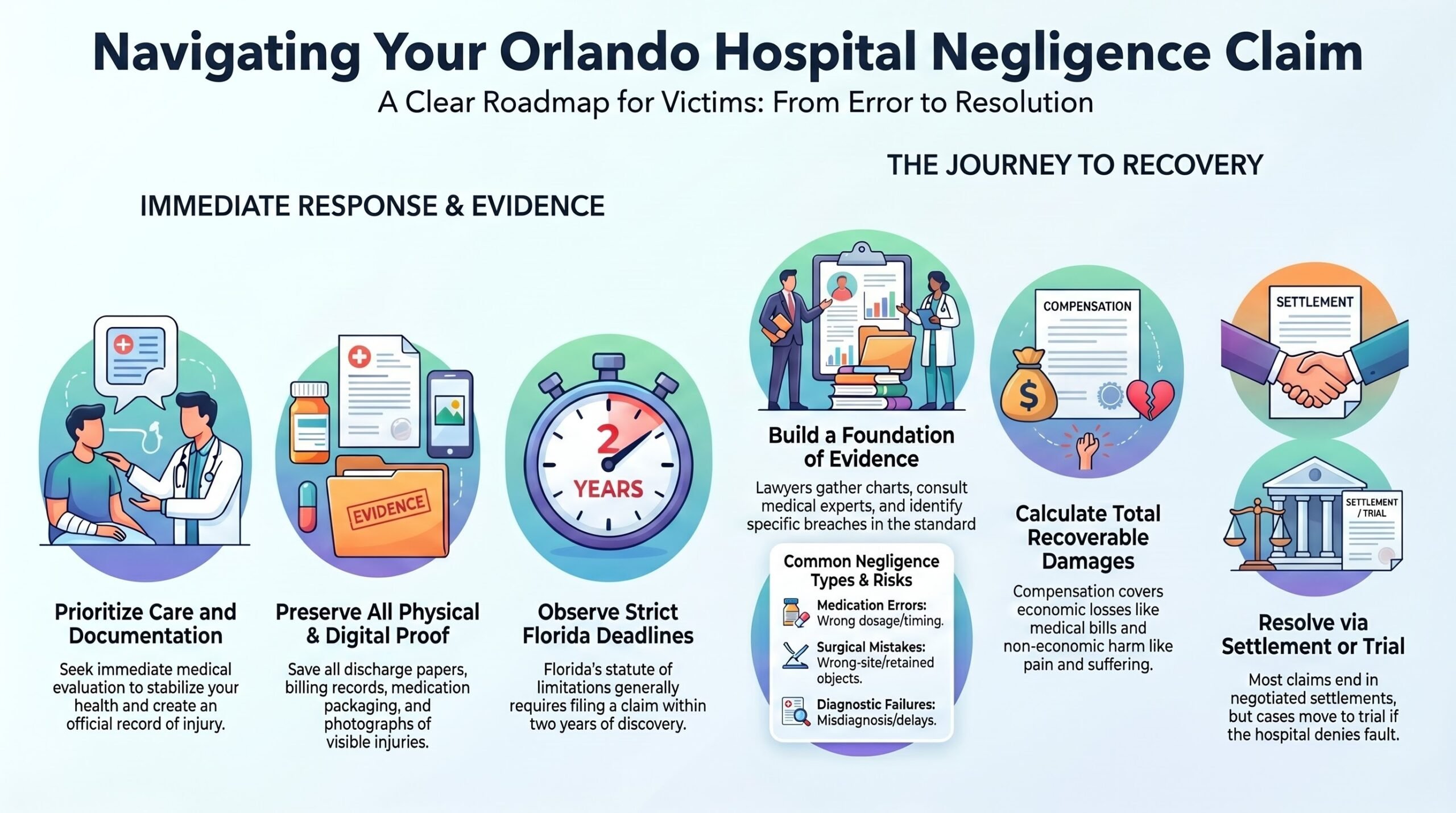
Start by understanding that a hospital negligence claim requires prompt action, careful investigation, and a clear connection between the hospital’s conduct and your injury. When you seek help, you need a legal team that listens carefully, protects your interests, and moves your claim forward with purpose.
You can expect guidance at every stage. Your attorney gathers records, interviews witnesses, consults qualified medical experts, and identifies where standards of care may have been ignored. This work supports strong patient advocacy and helps present your losses accurately and with dignity. You also receive clear communication, so you can make informed decisions that honor your needs and responsibilities to your family.
If resolution is possible, your lawyer handles settlement negotiations with discipline and preparation. If the hospital refuses a fair outcome, your case can be prepared for court. Through each step, you gain focused representation designed to protect your recovery and future stability.
Understanding Orlando Hospital Negligence Injury Cases


Because hospital negligence cases often involve complex medical systems and multiple providers, you need a clear understanding of what these claims require under Florida law. To pursue compensation, you must show that a hospital or its staff breached the accepted standard of care and that the breach directly caused measurable harm.
OUR CONSULTATIONSARE FREE
START YOUR FREE CASE REVIEW

These cases often fall under medical malpractice rules, which impose strict deadlines, pre-suit requirements, and expert review. You may need records, witness accounts, and professional analysis to establish liability and damages. Hospitals can also bear responsibility for employees, policies, supervision, and unsafe practices within the facility.
As you seek accountability, your actions can reflect both patient advocacy and personal recovery. By addressing negligent care, you help protect future patients and support higher standards in the community. An experienced attorney can evaluate the facts, explain your legal options, and guide you through each step with clarity, purpose, and respect for your service-minded values.
Common Causes of Orlando Hospital Negligence


You may face serious harm when a hospital’s failures involve medication administration errors, surgical mistakes, or inadequate patient monitoring. You can also suffer lasting consequences when doctors miss crucial symptoms, leading to misdiagnosis or delayed diagnosis. By recognizing these common causes of Orlando hospital negligence, you’re better prepared to understand how preventable errors can form the basis of an injury claim.
Medication Administration Errors
Vigilance is crucial when hospitals administer medications, yet errors still occur and can cause severe harm. You trust caregivers to deliver the correct drug, dose, and timing, but breakdowns in communication can undermine that duty. Pharmacy oversight may allow contraindicated medications, duplicate prescriptions, or dangerous interactions to reach your bedside.
Labeling confusion also places you at risk, especially when packaging appears similar or when records contain incomplete instructions. A nurse may misread an order, administer medication to the wrong patient, or fail to monitor side effects after delivery. When that happens, your health can decline quickly, and your family may need answers. By recognizing these failures, you can better protect those you serve and pursue accountability when a hospital’s medication practices fall below accepted standards of care.
Surgical Mistakes
Although surgery often improves a patient’s condition, preventable mistakes in the operating room can cause life-altering harm. You may trust a hospital to protect your loved one, yet errors such as wrong-site surgery, retained instruments, anesthesia errors, or avoidable infections can cause lasting harm.
When a surgeon or staff member fails to follow a surgical checklist, maintain sterility, or prioritize team communication, patient safety suffers. You are entitled to care grounded in diligence, accountability, and respect for human life. If a preventable surgical mistake injured you or someone you serve, legal action can help uncover what went wrong and encourage safer practices for others. By seeking answers, you don’t only pursue compensation for medical costs and suffering, you also support higher standards that protect families throughout the Orlando community from future harm and injustice.
Misdiagnosis And Delayed Diagnosis
Because timely diagnosis often determines whether treatment succeeds, a hospital’s failure to recognize warning signs, order appropriate testing, or communicate crucial findings can cause a manageable condition to become far more serious. When you seek care, you trust providers to evaluate symptoms carefully, pursue Diagnostic testing when indicated, and act without unnecessary delay.
Misdiagnosis and delayed diagnosis often arise from incomplete histories, overlooked laboratory results, imaging errors, or poor Clinical communication among physicians, nurses, and specialists. These breakdowns can postpone treatment for infections, strokes, heart attacks, or cancer, increasing complications and limiting recovery. If you or a loved one suffered harm because a hospital failed to identify a condition promptly, you may have grounds to pursue accountability. Doing so can protect your family and promote safer care for others in your community.
Inadequate Patient Monitoring
Timely diagnosis is only part of safe hospital care, since patients also depend on staff to monitor their condition closely after admission, testing, surgery, or treatment. When nurses and physicians fail to track crucial signs, pain levels, oxygen saturation, or changes in mental status, preventable harm can follow quickly. You trust a hospital to notice warning signs before a condition worsens.
Inadequate monitoring often stems from poor staffing ratios, weak communication, and alarm failures that delay responses to distress. If caregivers overlook complications such as bleeding, infection, medication reactions, or respiratory decline, you may face severe injury that proper attention could’ve prevented. By holding hospitals accountable, you help protect future patients, support safer systems, and uphold the standard of attentive, compassionate care your community merits every day.
Legal Rights of Orlando Hospital Negligence Injury Victims
When a hospital’s negligence causes harm, you have the right to pursue compensation for the losses that follow. Florida law protects your ability to seek accountability when substandard care causes injury, added medical costs, lost income, or lasting disability. You may also request and review records, including patient billing records and consent forms, to understand what occurred and who is responsible.
Florida law allows injured patients to seek compensation and review records when hospital negligence causes serious harm.
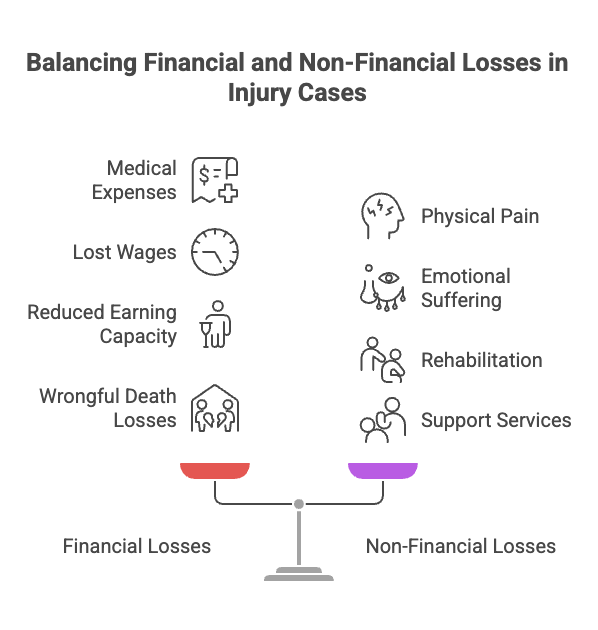
Your legal rights may include the ability to recover damages for:
- Past and future medical expenses
- Lost wages and reduced earning capacity
- Physical pain and emotional suffering
- Rehabilitation, therapy, and support services
- Wrongful death losses for surviving family members
You also have the right to be treated with dignity throughout the legal process. By asserting your claim, you not only protect your own future, but you may also encourage safer practices that benefit other patients and families in the Orlando community. An attorney can explain how these rights apply to your specific circumstances and losses.
Steps to Take After an Orlando Hospital Negligence Injury
After an Orlando hospital negligence injury, you should seek immediate medical care to safeguard your health and create a clear record of your condition. You should also preserve all evidence, including medical records, discharge papers, bills, photographs, and any written communication related to your treatment. Once you’ve addressed those urgent steps, you should contact an injury lawyer who can assess your claim and help you protect your rights.
Seek Immediate Medical Care
Because your health and legal rights may both depend on prompt action, you should seek immediate medical care if you suspect a hospital negligence injury in Orlando. An urgent evaluation can identify complications, prevent further harm, and create a clear record of your condition. Tell the treating provider about every symptom, when it began, and how it affects your ability to care for yourself and others.
You should also follow all medical instructions carefully, take prescribed medications as directed, and attend follow up appointments without delay. Consistent treatment supports your recovery and shows that you acted responsibly after the incident. If your condition worsens, seek emergency help immediately. By prioritizing prompt, thorough care, you protect your well-being, strengthen your position, and remain better able to serve your family, work, and community with confidence.
Preserve All Evidence
Preserving evidence should begin as soon as you suspect a hospital negligence injury, since essential records and physical proof can disappear quickly. Request copies of medical records, discharge papers, prescriptions, billing statements, and written instructions. Keep every item organized by date, and note who provided each document.
You should also protect physical evidence, including medications, medical devices, bandages, and damaged personal items. Use photographic documentation to capture visible injuries, equipment conditions, room settings, and anything else that may explain what occurred. Write down names of staff members, dates, times, and conversations while memories remain fresh. If family members witnessed important events, ask them to prepare clear written accounts. Strong chain preservation helps maintain accuracy, supports accountability, and strengthens your ability to pursue answers that may protect others from similar harm.
Contact An Injury Lawyer
Reach out to an experienced Orlando hospital negligence injury lawyer as soon as your immediate medical needs are under control, since early legal guidance can help you avoid mistakes that may weaken your claim.
When you contact counsel promptly, you give yourself a stronger chance to protect records, identify liable parties, and meet important legal deadlines. You should choose a lawyer who understands medical negligence claims and who will explain your options with honesty and care. Many firms offer a free consultation, which lets you ask questions and learn whether your case has merit before making any commitment.
You should also discuss contingency fees, so you understand how payment works and can focus on recovery and serving your family and community. Timely legal support can protect your rights and strengthen your path forward.
How an Orlando Hospital Negligence Injury Lawyer Can Help You
When hospital negligence leaves you facing additional injuries, unexpected costs, and serious uncertainty, an Orlando hospital negligence injury lawyer can help you identify what went wrong and protect your right to seek compensation. You need clear guidance, practical support, and informed medical advocacy to make decisions that honor your well-being and your responsibilities to others.
A lawyer can assist you by:
- reviewing records and treatment timelines for errors
- consulting qualified experts to assess standard-of-care violations
- gathering evidence, bills, and witness statements efficiently
- handling insurers and hospital representatives on your behalf
- providing patient counseling about claims, deadlines, and options
With focused representation, you can pursue accountability without carrying the legal burden alone. Your attorney works to document losses, explain each step, and negotiate from a position of strength. If necessary, your lawyer can prepare your case for court while helping you stay centered on recovery, family, work, and continued service to your community.
Long-Term Effects of Orlando Hospital Negligence Injuries
Hospital negligence injuries can affect your health, stability, and future long after the initial harm occurs. You may face chronic physical complications, emotional and mental trauma, and ongoing treatment needs that disrupt your daily life. You can also experience lasting financial burdens, such as medical bills, lost income, and long-term care costs, that continue to mount.
Chronic Physical Complications
Although some medical errors appear resolved at discharge, the physical harm they cause can persist for months, years, or even a lifetime. You may face chronic pain that limits sleep, work, and daily responsibilities, while mobility loss can reduce your independence and your ability to care for others.
Nerve damage, untreated infections, surgical mistakes, and delayed diagnoses often create lasting complications. You might need repeated procedures, assistive devices, rehabilitation, or ongoing medication just to maintain basic function. When an injury alters strength, balance, or coordination, ordinary tasks can become physically demanding and medically risky. These setbacks also place pressure on your family, especially when you serve as a caregiver or provider. By recognizing chronic physical complications early, you can seek proper treatment, document losses, and safeguard your long-term health and stability.
Emotional And Mental Trauma
Serious medical negligence often leaves more than physical pain; it can also disrupt your emotional stability long after the initial injury. You may struggle with fear, sleeplessness, irritability, or post traumatic stress that affects your relationships, purpose, and daily service to others. When a trusted provider causes harm, the resulting betrayal can deepen anxiety and make ordinary medical visits feel threatening and overwhelming.
You may also experience depression, isolation, or unresolved grief after losing health, independence, or confidence. These emotional injuries can limit your ability to care for your family, support your community, and remain present in meaningful responsibilities. Professional treatment, including therapy and grief counseling, can help you process trauma, rebuild resilience, and recover a sense of safety, dignity, and direction in your life with steady support.
Lasting Financial Burdens
Uncertainty often becomes a lasting part of life after medical negligence, especially when the injury creates expenses you didn’t expect and can’t easily absorb. You may face ongoing treatment costs, reduced income, and new household demands that strain every part of your budget.
Medical debt can grow quickly when surgeries, medications, rehabilitation, and travel for care continue for months or years. You might postpone education plans, delay home repairs, or limit the support you provide to loved ones and your community. A serious injury can also produce a significant Retirement impact, forcing you to withdraw savings early or reduce future contributions. When your earning ability changes, financial pressure can follow you long after the physical harm occurs. Understanding these burdens helps you seek accountability and protect your family’s long-term stability.
Proving Liability in Orlando Hospital Negligence Injury Cases
When you pursue a hospital negligence claim in Orlando, proving liability requires more than showing that your condition worsened after treatment. You must establish that the hospital owed you a duty of care, breached that duty, and directly caused your injury. Clear records, witness statements, and internal policies often help demonstrate where standards failed.
You also need support from a medical expert who can explain how competent providers should have acted under similar circumstances. Through careful causation analysis, you connect the hospital’s mistake to the harm you suffered, rather than to an underlying illness or unavoidable complication. This step matters because hospitals and providers often argue that your outcome would have occurred anyway.
By gathering charts, test results, staffing records, and timelines, you strengthen your position and protect the resources your family and community rely on. A thorough case presentation helps you pursue accountability and encourage safer care for others in Orlando.
Dealing With Insurance Companies After an Orlando Hospital Negligence Injury
Although hospital negligence claims focus on medical harm, insurance issues often shape how much resistance you face after an injury in Orlando. You may hear from hospital insurers quickly, often before you understand the full extent of your losses. That early contact can seem helpful, but it often serves the insurer’s interests rather than yours.
You should document every conversation, keep copies of bills and records, and avoid giving recorded statements without careful review. Insurance negotiation requires patience, accuracy, and a clear picture of how the negligence affected your health, income, and ability to care for others. If an adjuster minimizes your injuries or pressures you to settle fast, you should remain cautious and respond with facts. You also need to watch claim deadlines closely, because missing a notice or filing date can weaken your position.
By staying organized and informed, you protect your rights and preserve resources that support your recuperation and continued service to your family and community.
What to Expect During an Orlando Hospital Negligence Injury Claim Process
You can expect your claim process to begin with an initial case evaluation, where your attorney reviews the facts, identifies potential liability, and explains your legal options. Next, you’ll need to gather medical evidence, document your injuries, and file the claim within the required deadlines, so your case stands on solid ground. From there, your attorney will pursue a fair settlement, but if the hospital or insurer won’t offer reasonable compensation, you may need to prepare for trial.
Initial Case Evaluation
Before a hospital negligence claim can proceed in Orlando, a careful initial case evaluation helps determine whether the facts support a viable claim for injury. During this stage, you’ll usually begin with a free consultation, where an attorney listens carefully, asks focused questions, and outlines whether your concerns may justify legal action.
You should expect a practical risk assessment of timing, potential liability, damages, and procedural requirements. Your lawyer will review the sequence of events, identify possible negligence, and explain what issues could strengthen or weaken your position. This conversation helps you understand your responsibilities, your options, and the likely path ahead. It also allows counsel to decide whether representation aligns with professional standards and your goal of seeking accountability while protecting others from similar harm in the future.
Gathering Medical Evidence
Once an attorney determines that your claim may be viable, the next step is gathering the medical evidence needed to show what happened, how the hospital’s conduct may have fallen below the accepted standard of care, and how that failure caused your injury. Your legal team will collect medical documentation, including charts, test results, medication records, discharge papers, and imaging studies. They may also review billing records and treatment timelines to identify gaps, delays, or preventable mistakes.
You can help by preserving instructions, prescriptions, and notes about symptoms, pain, and daily limitations. Your attorney may arrange witness interviews with family members, caregivers, or staff who observed pivotal events. Medical experts often evaluate the records and explain whether the care you received likely harmed you. This careful review builds a factual foundation for serving your interests and protecting others.
Filing The Claim
Filing the claim moves the case from investigation to formal legal action, and it typically begins with a detailed review of Florida’s procedural requirements for hospital negligence cases. Your attorney confirms notice obligations, evaluates statute nuances, and prepares the complaint with supporting facts, records, and expert groundwork.
You can expect careful attention to the filing timeline, because missed deadlines may jeopardize your right to seek accountability. Your lawyer files in the proper court, serves the hospital and related parties, and guarantees each document meets Florida rules. Throughout this stage, you help by providing complete information, responding promptly, and preserving relevant records. That diligence supports a claim that seeks justice not only for your losses, but also for safer care and stronger standards that protect other patients in your community from preventable harm.
Settlement Or Trial
Although many Orlando hospital negligence claims resolve through negotiated settlement, you should still prepare as if the case may proceed to trial. Your attorney will evaluate liability, damages, and settlement timing, then advise whether an offer reflects your losses and long-term care needs. By staying organized and truthful, you strengthen your position and protect your ability to provide for those who depend on you.
If negotiations stall, litigation moves forward through discovery, expert testimony, and pretrial motions. You may give a deposition, answer questions carefully, and review medical evidence in detail. Trial preparation also includes evaluating jury dynamics, because jurors’ views can influence how negligence and harm are understood. Whether your case settles or reaches a verdict, you should expect disciplined preparation, clear communication, and decisions guided by service, accountability, and justice.
Compensation for Orlando Hospital Negligence Injury Damages
Accountability matters when a hospital’s negligence leaves you facing additional medical treatment, lost income, and lasting physical or emotional harm. When you pursue compensation, you seek resources that help restore stability, protect your family, and sustain your ability to continue serving others despite this disruption.
You may recover payment for corrective care, rehabilitation, medications, reduced earning capacity, and other documented losses tied to the hospital’s misconduct. Your lawyer can also address medical liens, negotiate outstanding balances, and work to preserve as much of your recovery as possible. In rare cases involving extreme recklessness or intentional misconduct, punitive damages may become available to hold the wrongdoer accountable and deter similar conduct.
Strong evidence, credible experts, and careful case preparation often shape the outcome. By acting promptly, you give your legal team the best chance of securing full and fair compensation while reinforcing the standard of care that every patient in Orlando deserves from a trusted hospital.
Economic vs Non-Economic Damages in Orlando Hospital Negligence Cases
In an Orlando hospital negligence case, you may recover economic damages for measurable losses such as medical bills, rehabilitation costs, and lost income. You may also seek non-economic damages for harm that doesn’t come with a fixed price, including pain, emotional distress, and reduced quality of life. To prove what your claim is worth, you’ll need strong records, credible testimony, and clear evidence connecting the hospital’s negligence to your losses.
Economic Damage Categories
When hospital negligence causes preventable harm, your claim may include both economic and non-economic damages, each serving a distinct purpose under Florida law. Economic damages focus on measurable financial losses you can document through bills, records, and employer statements. You may recover past and future medical expenses, rehabilitation costs, medication charges, and necessary transportation for treatment.
If your injuries interrupt your ability to work or care for others, you may also pursue lost wages and reduced earning capacity. In some cases, property damage may apply if personal items were harmed during the incident. Careful documentation strengthens your claim and helps you seek resources needed to restore stability, continue serving your family, and meet daily obligations. An attorney can identify every recoverable category and present clear evidence supporting the full value of your losses.
Non-Economic Losses
Although non-economic losses don’t come with receipts or invoices, they often reflect the most serious impact hospital negligence has on your life. You may endure lasting physical pain, emotional distress, anxiety, disfigurement, loss of enjoyment, or diminished companionship at home. These harms can alter how you work, rest, worship, and care for others each day.
When you pursue a hospital negligence claim in Orlando, non-economic losses recognize the human consequences of medical errors. Pain valuation considers the suffering you experience, while Life impact addresses how the injury changes your relationships, independence, and daily purpose. If negligence leaves you unable to serve your family or community as you once did, these losses matter. They acknowledge that justice should account for more than bills, because your well-being and dignity also carry real value.
Proving Damage Value
Accuracy drives the value of any Orlando hospital negligence claim because compensation depends on what you can prove, not just what you have suffered. You must document economic damages with precision, including medical bills, future treatment costs, lost income, and reduced earning capacity, so your claim reflects the full financial impact.
You also need credible proof of non-economic damages, such as pain, disability, emotional distress, and loss of enjoyment of life. Your lawyer may use records, expert opinions, and testimony from people who know how your injury affects your ability to serve your family and community. Comparative settlements can guide expectations, but they don’t control outcomes. Jury awards may vary widely, so careful evidence, sound analysis, and clear presentation remain vital when you seek fair compensation and accountability.
When an Orlando Hospital Negligence Injury Case Goes to Trial vs Settlement
Because hospital negligence claims often involve disputed medical facts and substantial damages, your case may resolve through settlement or proceed to trial based on the strength of the evidence, the extent of your injuries, and the hospital’s willingness to accept responsibility.
If the hospital recognizes clear liability, a settlement can provide faster compensation, reduce stress, and preserve resources you can direct toward recuperation and serving your family. You may choose a trial when the defense denies fault, minimizes harm, or refuses a fair amount. In court, your lawyer may prepare for jury selection or, in limited situations, a bench trial.
Trial can uncover the full truth through sworn testimony, expert analysis, and cross-examination, but it also carries risk, delay, and added expense. Settlement offers more control and privacy, while a trial may produce a stronger public record of accountability. By weighing evidence, costs, and your long-term needs, you can pursue the path that best protects your recovery and your ability to care for others.
The Statute of Limitations for Orlando Hospital Negligence Injury Cases
Whether your claim settles or goes to trial, you must still meet Florida’s filing deadlines, or you may lose the right to seek compensation altogether. In hospital negligence cases, the statute of limitations usually gives you two years from when you knew, or should have known, that negligent care caused your injury. That timeline matters because courts may dismiss otherwise valid claims that arrive too late.
You should also understand that some circumstances can affect how the clock runs. For example, if pivotal facts were concealed, statute pauses may apply for a limited period, although Florida still enforces outside deadlines in many cases. Claims involving minors or delayed discovery may follow different rules, but those exceptions do not remove the need for prompt action. By keeping records, noting dates, and acting carefully, you protect your ability to pursue accountability and support those who depend on your strength, care, and responsible decisions during recovery.
When to Contact an Orlando Hospital Negligence Injury Lawyer
If you suspect that a hospital’s mistake caused serious harm, you should contact an Orlando hospital negligence injury lawyer as soon as possible. Prompt action helps preserve records, identify witnesses, and protect your ability to seek accountability for yourself and those who depend on your care.
You should also reach out when providers give conflicting explanations, delay answers, or refuse access to important medical information. An early consultation can clarify whether the facts suggest negligence and what immediate steps may help your situation. If your injuries worsen, require unexpected treatment, or prevent you from serving your family or community, legal guidance becomes especially important. You should not wait for the hospital or insurer to define the issue for you.
During your first conversation, ask about the lawyer’s fee structure, timelines, and what documents to gather. Acting promptly allows you to make informed decisions, protect your interests, and pursue a path toward answers, stability, and responsible resolution.
Why You Need an Experienced Orlando Hospital Negligence Injury Lawyer
While hospital negligence claims often appear straightforward at first, proving them usually requires far more than showing that a bad medical outcome occurred. You must establish how a provider violated the accepted standard of care, connect that failure to your injury, and document the full extent of your losses with credible evidence.
An experienced Orlando hospital negligence injury lawyer helps you build that case with precision. You benefit from someone who can analyze records, work with qualified medical experts, identify institutional failures, and present intricate facts clearly. In medical malpractice matters, hospitals and insurers often defend aggressively, so you need counsel who anticipates their arguments and protects your position at every stage.
Strong representation also supports patient advocacy by holding careless systems accountable and promoting safer care for others. When you pursue a claim with experienced legal guidance, you strengthen your ability to seek justice, secure compensation, and serve your family and community responsibly.
How to Choose the Right Orlando Hospital Negligence Injury Lawyer for Your Case
Because the attorney you choose can shape the strength and direction of your claim, you should evaluate each Orlando hospital negligence injury lawyer with care. Look for counsel who handles medical negligence matters regularly and understands how hospital systems, records, and expert reviews affect case value. A focused attorney can protect your interests while helping your family pursue accountability.
Start with Client interviews and prepare questions about similar cases, communication practices, and expected timelines. Ask how the lawyer investigates treatment errors, consults medical experts, and documents damages. Review Fee structures carefully so you understand costs, contingency terms, and case expenses before you sign anything. You should also examine professional reputation, courtroom readiness, and responsiveness, because these qualities often reflect how your claim will be managed.
When you choose representation, seek someone who listens well, explains options clearly, and respects your desire to secure justice that may also protect future patients in your community.
About The Law Offices of Anidjar & Levine
Once you understand what to look for in counsel, it helps to contemplate a firm with experience handling complex medical negligence claims.
At The Law Offices of Anidjar & Levine, you can expect focused guidance, careful case preparation, and responsive communication from a team that understands how hospital errors can disrupt your life and your ability to care for others.
When you work with this firm, you receive support that centers on your goals, your recovery, and your family’s future. You can review client testimonials to learn how the firm approaches service, professionalism, and advocacy in difficult circumstances.
You may also value its commitment to community outreach, which reflects a broader dedication to helping people beyond the courtroom. That service-minded perspective matters when you’re seeking representation built on trust and responsibility. If you need an Orlando hospital negligence injury lawyer, this firm offers the experience, discipline, and client-focused attention your case merits at every stage.
Frequently Asked Questions
Can I Switch Hospitals or Doctors After Suspected Negligence?
Yes, you can switch hospitals or doctors after suspected negligence. You should promptly request your records, explore transfer options, and seek second opinions to protect your health and continue appropriate care. You’ll want to confirm insurance coverage, identify a qualified provider, and arrange a safe changeover without interrupting treatment. If your condition is urgent, seek immediate medical attention first, then carefully document your concerns to support any later review or action.
Will Pursuing a Claim Affect My Future Medical Care?
Pursuing a claim usually won’t affect your future treatment, because you retain strong patient rights and providers must meet professional standards. You can still seek care, request records, and change doctors if needed. In some cases, communication may feel more formal once a claim begins, but your access to necessary medical services shouldn’t be denied. If concerns arise, you should document them and seek guidance promptly to protect your ongoing care.
Are Hospital Negligence Claims Public Record in Florida?
Yes, in Florida, hospital negligence claims often become part of the public record once you file them in court, which means public access usually applies. However, you should know that privacy exemptions may protect certain medical details, settlement terms, or confidential information. If you serve others in a professional role, understanding these limits helps you safeguard sensitive information while still pursuing accountability. You can often request redactions when records contain protected health information.
Can Family Members File a Claim if the Patient Is Incapacitated?
Yes, you can often file a claim for an incapacitated patient if you have legal authority through Surrogate Decision making, a guardianship, or a power of attorney. You should act promptly to protect the patient’s rights and support their care. If you lack formal authority, you may still explore Powerlessness Remedies through court appointment or statutory procedures. You’ll strengthen the claim by preserving records, documenting losses, and obtaining qualified legal guidance.
What Records Should I Request From the Hospital Immediately?
Request the complete medical records immediately, including admission notes, physician orders, nursing notes, medication logs, lab results, imaging studies, discharge papers, and billing statements. You should also obtain all consent forms, incident reports, transfer records, and any communications about the patient’s condition or treatment changes. Ask for records in certified form when possible, because it preserves accuracy, supports informed decisions, and better protects the patient’s interests and continued care.
—————————
If you’ve suffered harm because of hospital negligence in Orlando, you should act promptly to protect your health, rights, and financial recovery.
An experienced lawyer can assess your claim, gather essential evidence, and pursue the compensation you merit.
With informed legal guidance, you can hold negligent parties accountable and strengthen your position throughout the claims process.
The Law Offices of Anidjar and Levine can provide the focused representation you need during this difficult time.
Learn more from an Orlando Medical Malpractice Lawyer.

