

The Law Offices of Anidjar and Levine can help you preserve medical records, imaging, surgical notes, and symptom documentation while evaluating whether delayed diagnosis, improper treatment, or poor follow-up care caused your harm.
You can also get guidance on dealing with insurers, proving lost income, medical expenses, and pain, and building a claim with expert support.
If your obstruction led to surgery, complications, or long-term digestive problems, the sections below explain what to do next.
For more information, visit our Orlando Medical Malpractice Lawyer.
Main Takeaways
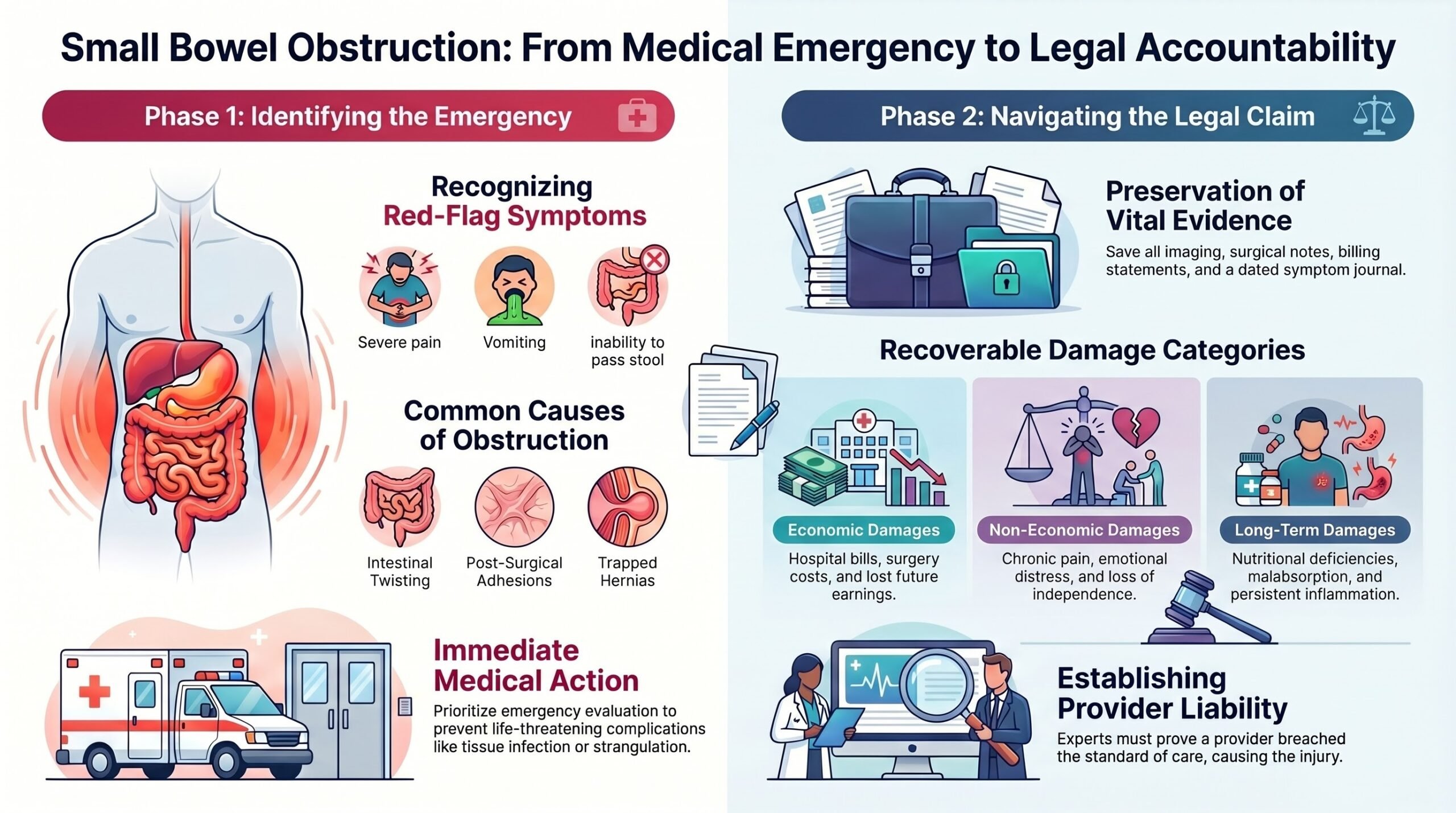
- Seek emergency care immediately for severe abdominal pain, vomiting, swelling, fever, or inability to pass stool or gas, as bowel obstruction can become life-threatening quickly.
- Preserve evidence by keeping discharge papers, imaging, surgical reports, prescriptions, bills, and a dated symptom journal documenting pain, meals, limitations, and recovery.
- An Orlando small bowel obstruction injury lawyer can investigate whether delayed diagnosis, surgical error, poor monitoring, or inadequate follow-up caused avoidable harm.
- Qualified medical experts review records, imaging, symptom timelines, and surgical notes to determine whether providers breached the standard of care and caused injury.
- Florida claims may seek compensation for medical expenses, lost income, future treatment, pain and suffering, and other damages tied to the obstruction injury.
How We Can Help With Your Orlando Small Bowel Obstruction Injury Claim
When a small bowel obstruction results from medical negligence, delayed diagnosis, or a preventable surgical error, you need a legal team that can quickly assess what happened and determine who may be liable. You merit counsel that serves your goals with discipline, care, and a clear plan from the start.
We help you build a strong claim through focused client interviews, careful review of records, and prompt preservation of evidence. You can rely on us to identify gaps in treatment, examine timelines, and evaluate whether providers failed to meet accepted standards. Through medical collaboration, we work with qualified professionals who can clarify causation, explain the extent of harm, and support the damages you seek.


We also handle insurer communications, prepare persuasive demand packages, and negotiate for a fair resolution. If settlement efforts fall short, we prepare your case for litigation and advocate for accountability, so you can concentrate on recovery and serving the people who depend on your daily care.
Understanding Orlando Small Bowel Obstruction Injury Cases
OUR CONSULTATIONSARE FREE
START YOUR FREE CASE REVIEW

Because small bowel obstruction can arise from several causes, these cases often turn on a careful review of your medical history, the timing of your symptoms, and the treatment decisions made by each provider involved. You need clear records that show when pain, vomiting, distention, or inability to pass stool appeared and how quickly providers responded.
In Orlando small bowel obstruction injury cases, you must often prove that a provider failed to recognize warning signs, delayed testing, or chose treatment that fell below accepted standards. Your claim may depend on imaging results, surgical notes, discharge instructions, and whether proper patient education was provided before you left care. You may also need to show how delayed intervention worsens infection, tissue damage, dehydration, or recovery time.
In some matters, dietary adjustments become relevant after treatment, especially when providers should have guided you on safe follow-up care. Careful analysis helps you pursue accountability while protecting your ability to continue serving your family and community.
Common Causes of Orlando Small Bowel Obstruction


You should understand that several conditions can block the small bowel, and each one can create serious complications if treatment is delayed. Your obstruction may result from post-surgical adhesions, hernias that trap the intestine, or tumors and other abnormal growths that narrow the passage. You should also recognize the danger of intestinal twisting, because it can cut off blood flow and quickly turn a medical emergency into a life-threatening injury.
Post-Surgical Adhesions
Although many small bowel obstructions arise from several possible conditions, post-surgical adhesions remain one of the most common causes, particularly after abdominal or pelvic procedures. After surgery, internal bands of scar tissue can form and bind nearby organs or loops of intestine, limiting normal movement and narrowing the bowel.
If you serve patients or family members, you should recognize how these adhesions may trigger pain, bloating, vomiting, and an inability to pass stool or gas. Careful follow-up matters because delayed treatment can worsen injury and compromise blood flow. In some cases, providers should evaluate whether proper surgical technique, adhesion-prevention measures, and postoperative monitoring were followed. When complications arise, understanding scar remodeling and recovery patterns can help you assess whether a preventable error contributed to the obstruction and resulting harm.
Hernias And Entrapment
When a hernia traps a segment of intestine, it can create a mechanical blockage that quickly disrupts normal bowel function and places surrounding tissue at risk. You may see this happen with inguinal entrapment or femoral incarceration, both of which can cut off blood flow and turn a painful condition into a surgical emergency.
If you’re caring for someone with severe abdominal pain, vomiting, swelling, or an obvious groin bulge, prompt medical evaluation matters. A trapped hernia can prevent intestinal contents from moving forward, causing pressure, inflammation, and tissue injury. In some cases, the bowel becomes strangulated, which raises the risk of infection and permanent damage. By recognizing these warning signs early, you can help protect health, preserve treatment options, and support a faster, safer recovery for everyone involved.
Tumors And Growths
Because tumors and abnormal growths can narrow or block the small intestine from within or press against it from nearby tissue, they’re an important cause of bowel obstruction that often requires urgent medical attention. If you or someone you serve develops pain, vomiting, swelling, or an inability to pass stool, prompt evaluation matters.
Benign tumors may enlarge slowly, yet they can still obstruct the bowel and compromise nutrition. Malignant growths may invade surrounding tissue, spread, and create more intricate blockages that demand surgery, cancer treatment, or both. In some cases, scar tissue from prior treatment can worsen the problem. When a delayed diagnosis, surgical error, or missed warning sign contributes to harm, you should understand your legal options. Skilled counsel can help you seek accountability and resources for recovery and ongoing care.
Intestinal Twisting Risks
If part of the small intestine twists around itself or the tissue that supports it, the bowel can kink shut and cut off its own blood supply, creating a medical emergency that can worsen quickly. You may hear this twisting called volvulus, and it can lead to severe pain, vomiting, swelling, and rapid decline.
When blood flow drops, Mesenteric ischemia can damage bowel tissue within hours. If you care for others, you know how fast a crisis can disrupt a family, a workplace, or a ministry. Prompt evaluation protects health and can save lives. Volvulus prevention may include timely treatment of abdominal symptoms, awareness of prior surgical complications, and careful follow-up when a doctor identifies anatomic risks. If a delayed diagnosis or negligent care worsened the obstruction, you should clearly understand your legal options.
Legal Rights of Orlando Small Bowel Obstruction Injury Victims
Although a small bowel obstruction may arise suddenly, your legal rights after a preventable injury are clear under Florida law. You may pursue accountability when negligent medical care, unsafe premises, or defective products cause serious harm. Your Patient rights include informed consent, competent treatment, honest communication, and access to records. When those rights are violated, you may seek Compensation options for medical costs, lost income, future care, and pain and suffering.
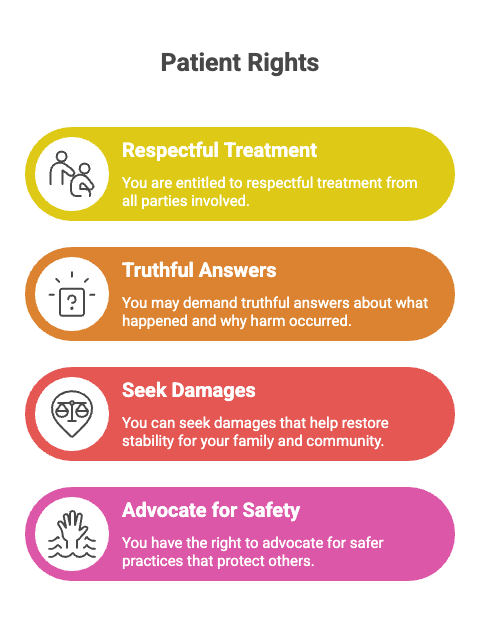
Under Florida law, preventable injuries may entitle you to accountability, protected patient rights, and compensation for the harm you suffered.
- You are entitled to respectful treatment from providers, insurers, and every party involved.
- You may demand truthful answers about what happened and why harm occurred.
- You can seek damages that help restore stability for your family and community.
- You have the right to advocate for safer practices that protect others from similar injuries.
Steps to Take After an Orlando Small Bowel Obstruction Injury
After an Orlando small bowel obstruction injury, you should seek immediate medical care, because prompt treatment protects your health and restores your condition, and creates a clear record of your condition. You should also preserve all medical evidence, including test results, discharge papers, bills, and follow-up instructions, since these materials can support your claim. Once your condition is stable, you should contact an injury lawyer to understand your options and take informed action.
Seek Immediate Medical Care
Seeking immediate medical care should be your first priority after a small bowel obstruction injury in Orlando, because delay can allow a serious condition to worsen quickly. You should go to an emergency room or call 911 if you experience pain, vomiting, swelling, fever, or an inability to pass stool.
An emergency evaluation helps doctors identify blockages, internal damage, infection, or reduced blood flow before complications become life-threatening. Follow all treatment instructions carefully, answer questions accurately, and report every symptom, even if it seems minor. Careful symptom monitoring also matters after you leave the hospital, because new pain, dehydration, or weakness can signal a dangerous change. By acting quickly, you protect your own health and preserve your ability to continue providing care for your family, your community, and those who depend on your steady help each day.
Preserve Medical Evidence
Because medical records often become the foundation of both treatment and any future legal claim, you should preserve every document connected to your small bowel obstruction injury in Orlando from the start. Keep discharge papers, imaging results, surgical reports, prescriptions, billing statements, and follow-up instructions in one secure place.
Ask providers for complete copies of your records, including physician notes, pathology findings, and operative photographs if available. If surgery was performed, request information on tissue preservation and any retained samples. Maintain a clear chain of custody for documents, scans, and physical evidence so nothing is altered, lost, or later questioned. You should also save a dated journal describing symptoms, pain levels, meals, limitations, and recovery progress.
Careful preservation helps those supporting you understand what happened and respond effectively with compassion.
Contact An Injury Lawyer
Once you’ve secured your medical records and related evidence, contact an Orlando injury lawyer as soon as your condition allows. Early legal guidance helps you protect your rights, understand deadlines, and prevent mistakes that could weaken your claim. You can also focus your energy on recovering and caring for those who depend on you.
During a free consultation, you can explain what happened, ask informed questions, and learn whether negligence contributed to your small bowel obstruction injury. Your lawyer can evaluate records, identify liable parties, and handle communication with insurers or providers. Because many firms work through contingency fees, you usually pay nothing up front and owe attorney’s fees only if compensation is recovered. Prompt action gives your advocate time to build a strong case and pursue the support you merit.
How an Orlando Small Bowel Obstruction Injury Lawyer Can Help You
When a preventable medical error leaves you with a small bowel obstruction, an Orlando small bowel obstruction injury lawyer can step in to protect your rights and evaluate whether a healthcare provider’s negligence caused your condition. Your attorney investigates records, consults qualified experts, and determines whether medical malpractice occurred. Through strong patient advocacy, you gain a voice when hospitals and insurers minimize your harm.
A lawyer can help you pursue accountability by:
- Reviewing surgical notes, imaging, and discharge instructions for overlooked warning signs.
- Identifying delays in diagnosis, improper treatment, or failures in post-operative monitoring.
- Calculating your current losses, including added medical bills, lost income, and related expenses.
- Negotiating firmly for a fair settlement or presenting your case in court.
With experienced counsel, you can focus on recovery and supporting your family while your claim moves forward. Seeking legal guidance also helps protect other patients by encouraging safer medical practices and more responsible care in your community.

Long-Term Effects of Orlando Small Bowel Obstruction Injuries
You may face chronic digestive complications after a small bowel obstruction injury, including persistent pain, irregular bowel function, and difficulty tolerating certain foods. You may also develop ongoing nutritional deficiencies when your body can’t properly absorb vital vitamins, minerals, and calories. Beyond these physical consequences, the injury can affect your emotional well-being, energy, and daily routine, making long-term recovery more difficult and disruptive.
Chronic Digestive Complications
Although a small bowel obstruction may begin as an acute medical emergency, its effects can continue long after the initial blockage is resolved. You may face chronic digestive complications that disrupt daily life and limit your ability to care for others. Scar tissue, altered motility, and bowel sensitivity can trigger abdominal pain, bloating, nausea, and irregular bowel habits.
You may also develop chronic malabsorption and persistent inflammation, which can aggravate discomfort and interfere with proper digestion. In some cases, adhesions or prior surgery can cause recurrent partial blockages that require ongoing medical monitoring. These complications can reduce your stamina, disturb sleep, and affect your capacity to work, volunteer, or support loved ones. When another party’s negligence caused your injury, understanding these lasting digestive effects helps you seek accountability and protect your future care needs.
Ongoing Nutritional Deficiencies
Living with a small bowel obstruction injury can compromise your body’s ability to absorb essential nutrients long after the initial emergency has passed. When absorption declines, you may develop micronutrient deficiencies involving iron, vitamin B12, folate, calcium, and fat-soluble vitamins. These deficits can interfere with recovery, reduce strength, and make it harder for you to continue caring for your family, clients, or community. You may also experience unintended weight loss because your body cannot process calories and protein efficiently.
Over time, poor absorption can contribute to anemia, bone loss, muscle wasting, and dehydration. Careful medical monitoring, laboratory testing, and a tailored nutrition plan can help identify deficiencies early and support recuperation. If negligence caused your injury, documenting these ongoing nutritional consequences may strengthen your claim for full compensation under Florida law.
Emotional And Physical Impact
Because a small bowel obstruction can disrupt nearly every aspect of daily functioning, its long-term effects often extend beyond digestive complications and into a person’s physical stamina, emotional well-being, and overall independence. You may struggle with chronic fatigue, weakness, and recurring discomfort that limit your ability to work, care for loved ones, and participate in your community.
Over time, persistent symptoms can also affect your mental health, especially when uncertainty, disrupted sleep, and reduced mobility become part of daily life. You may need ongoing pain management, follow-up treatment, and practical support to maintain stability and dignity. These lasting challenges can strain relationships and diminish confidence, yet timely medical care, rehabilitation, and legal guidance can help you protect your future, restore function, and continue to serve others with strength, compassion, and purpose.
Proving Liability in Orlando Small Bowel Obstruction Injury Cases
When a small bowel obstruction results from negligent medical care, proving liability requires more than showing that you suffered a serious complication. You must establish that a provider owed you a duty, breached the accepted standard of care, and directly caused your injury. In a medical malpractice claim, your medical records, imaging studies, surgical notes, and medication history can reveal a delayed diagnosis, inadequate monitoring, or avoidable surgical errors.
You also need timely evidence preservation. When you act quickly, you help protect charts, test results, electronic communications, and witness statements that may clarify what happened. Expert review often plays a central role, because qualified physicians can explain how competent care should have proceeded and how the failure caused your obstruction or worsened your condition. By building a clear, factual case, you not only pursue accountability for yourself, but also support safer care practices that can protect other patients and families in your community from similar preventable harm.
Dealing With Insurance Companies After an Orlando Small Bowel Obstruction Injury
Although insurers may present themselves as helpful, their primary goal is often to limit payouts, not to fully account for the medical, financial, and personal impact of a small bowel obstruction injury. After an injury, you should communicate carefully, keep records organized, and avoid giving statements that minimize your pain, treatment needs, or time away from serving your family and community.
Insurance representatives may use common insurance tactics, including quick settlement offers, repeated requests for recorded statements, or selective questions designed to weaken your position. You can protect yourself by saving medical bills, discharge instructions, prescriptions, and notes about symptoms, missed work, and daily limitations. It also helps to document every call, email, and letter, including dates and names, so you can monitor claim timelines and respond accurately. When you stay informed and consistent, you reduce opportunities for misrepresentation and place yourself in a stronger position to pursue fair consideration for your losses and ongoing recovery needs.
What to Expect During an Orlando Small Bowel Obstruction Injury Claim Process
You can expect your claim to begin with a careful evaluation of the facts, followed by the collection of medical records and other evidence that support your small bowel obstruction injury. From there, you’ll likely move into settlement negotiations with the insurer, where the strength of your documentation can directly affect the outcome. If a fair resolution isn’t offered, you may need to file a lawsuit, and understanding the general timeline can help you prepare for each stage.
Claim Evaluation Steps
Because a small bowel obstruction injury claim often turns on detailed medical evidence and a clear timeline of events, the evaluation process usually begins with a careful review of your treatment records, surgical history, symptoms, and the actions taken by the medical providers involved. Your attorney then assesses whether the facts suggest medical negligence, identifies when harm likely occurred, and determines how the delay or error affected your recovery and ability to serve your family or community.
Next, you can expect a legal analysis of duty, breach, causation, and damages, along with an initial estimate of claim value. In many cases, expert testimony helps clarify whether accepted standards were violated. You’ll also discuss deadlines, potential defendants, insurance issues, and litigation risks, so you can make informed decisions with confidence and purpose throughout the process.
Gathering Medical Evidence
When a small bowel obstruction claim moves forward, gathering medical evidence becomes one of the most important stages in the process. You’ll work to collect complete medical documentation, including emergency records, surgical notes, discharge summaries, prescriptions, and follow-up visits. These records help show how the obstruction developed, what treatment you received, and how the injury affected your daily responsibilities.
You should also preserve imaging timelines, such as CT scans, X-rays, ultrasounds, and radiology reports, because they often reveal when the obstruction appeared and whether delays worsened your condition. Your attorney may organize provider statements and expert reviews to connect symptoms, diagnosis, and treatment decisions. By keeping records accurate and consistent, you strengthen your claim and support accountability, which can help protect others from experiencing the same preventable harm in the future.
Settlement Negotiation Process
Although many injury claims resolve outside the courtroom, the settlement negotiation process still requires careful preparation, strategic timing, and a clear presentation of your damages. You should expect your attorney to organize medical records, income losses, and future care needs into a persuasive demand package that reflects the full impact of the obstruction injury.
As negotiations begin, you may see insurers test your resolve through common settlement tactics, including delay, low initial offers, or attempts to shift blame. Your lawyer guides the negotiation timeline, responds with supporting evidence, and protects your interests at each stage. By remaining patient, transparent, and focused on fair compensation, you help create leverage for meaningful discussions. A well-managed negotiation process can often produce a resolution that supports your recovery and your ability to care for others.
Filing Lawsuit Timeline
While many small bowel obstruction injury claims settle before trial, filing a lawsuit places your case on a formal legal timeline that requires prompt action and careful compliance with court rules.
You can expect your attorney to draft a complaint, serve the defendants, and track response deadlines. The court then enters scheduling orders that govern discovery, expert disclosures, motions, and mediation. During discovery, you help gather records, answer written questions, and prepare for depositions so your legal team can present a clear, service-minded account of your harm.
Many courts require alternative dispute resolution before trial, which may create another opportunity to resolve the case responsibly. If a trial becomes necessary, you should prepare for hearings, witness testimony, and possible delays in the verdict. After judgment, post-trial appeals may extend the timeline before full resolution.
Compensation for Orlando Small Bowel Obstruction Injury Damages
Accountability matters in small bowel obstruction injury claims because the compensation you pursue should reflect the full extent of the harm you’ve suffered. When negligent care causes a delayed diagnosis, surgical error, or worsening obstruction, you have the right to seek a recovery that acknowledges what this injury has taken from you and your family.
You should build your claim with complete records, credible expert support, and clear documentation of how the injury changed your daily life and your ability to care for others. A strong case also addresses medical liens early, so repayment issues do not undermine your final recovery. Your attorney should also present a thoughtful pain valuation, using treatment history, limitations, and prognosis to show the seriousness of your condition.
By acting promptly and preparing carefully, you strengthen your position in negotiations or litigation. That disciplined approach helps you pursue compensation that supports recuperation, accountability, and stability as you continue serving your community with purpose.
Economic vs Non-Economic Damages in Orlando Small Bowel Obstruction Cases
You may recover economic damages for measurable losses, such as medical bills, lost income, and future treatment costs tied to your small bowel obstruction injury. You may also seek non-economic damages for harder-to-quantify harm, including pain, suffering, and the effect the injury has on your daily life. To prove the value of both categories, you’ll need strong records, credible testimony, and clear evidence linking your losses to the underlying negligence.
Economic Damage Categories
Damage recovery in a small bowel obstruction case often divides into two broad categories, economic and non-economic damages, each serving a distinct purpose in valuing your losses. Economic damages focus on measurable financial harm tied to your injury and treatment. You may seek payment for hospital bills, surgery, diagnostic imaging, medications, follow-up care, rehabilitation, and any necessary medical equipment. If complications require ongoing treatment, those projected costs may also be included. Your claim can also address lost wages when recovery keeps you from work.
If the injury affects your long-term ability to support your household or continue serving others through your profession, Future earnings may become a major part of the case. Careful records, billing statements, employment documentation, and expert opinions help prove these losses credibly and precisely.
Non-Economic Losses
Although financial records show the cost of the injury, non-economic losses address the personal harm that bills and pay stubs can’t capture. After a small bowel obstruction, you may endure daily pain, disrupted sleep, anxiety, and the loss of ordinary independence. You may struggle to care for your family, participate in community service, or maintain close relationships with the same energy and presence.
These losses also include emotional suffering, diminished enjoyment of life, and the strain serious injury places on your marriage and household. In some cases, you may need grief counseling to process trauma, fear, or a profound change in your physical abilities. While pain valuation is part of this category, the broader concern is how the injury has altered your lived experience, personal dignity, and capacity to serve others well.
Proving Damage Value
Clarity matters when proving the value of a small bowel obstruction claim, because the strength of your evidence often determines whether an insurer or jury fully recognizes what the injury has taken from you. You must document economic damages with precision, including hospital bills, surgical costs, medication expenses, lost wages, and future care needs. Strong evidence valuation also requires records that show how complications disrupted your ability to work and serve your family or community.
You must also prove non-economic damages, such as pain, emotional distress, and loss of normal daily function. These losses are real, even when they do not appear on invoices. Medical records, journals, witness statements, and expert testimony can connect your symptoms to the obstruction and explain the injury’s lasting impact on your life and dignity.
When an Orlando Small Bowel Obstruction Injury Case Goes to Trial vs Settlement
Whether your Orlando small bowel obstruction injury case resolves through settlement or proceeds to trial usually depends on the strength of the evidence, the extent of your damages, and the other side’s willingness to accept responsibility. As you evaluate options, your attorney will assess settlement dynamics, including insurer conduct, expert opinions, and the credibility of witnesses. Strong records and clear liability often encourage meaningful negotiations.
If the defense disputes fault, minimizes your suffering, or refuses fair compensation, a trial may become necessary. Your lawyer will build a trial strategy that presents your medical timeline, financial losses, and future care needs in a persuasive, organized manner. Although settlement can save time and reduce uncertainty, a trial may better serve justice when accountability matters and the offer remains inadequate. By preparing every case as if it will be tried, you strengthen your position at the negotiating table and in court. That disciplined approach helps you pursue compensation while honoring your commitment to protect your family and community.
The Statute of Limitations for Orlando Small Bowel Obstruction Injury Cases
Because Florida law sets strict filing deadlines for personal injury and medical negligence claims, you can’t afford to wait too long to investigate a small bowel obstruction injury case in Orlando. If you delay, you may lose the right to seek accountability for preventable harm, even when your goal is to protect your family and help others avoid similar suffering.
In Florida, the exact deadline depends on how the injury occurred and when you discovered, or reasonably should’ve discovered, the problem. Medical negligence claims often follow different timing rules than general injury cases, and certain pre-suit requirements can also affect the process. Some statutory exceptions may extend or limit the available time, such as cases involving fraud, concealed facts, or incapacitated patients. Still, courts apply these rules strictly. By identifying the relevant filing deadlines early, you preserve evidence, support informed decisions, and keep your claim aligned with Florida law and procedural obligations.

When to Contact an Orlando Small Bowel Obstruction Injury Lawyer
If you suspect that a delayed diagnosis, surgical error, or post-operative complication caused a small bowel obstruction injury, you should contact an Orlando small bowel obstruction injury lawyer as soon as possible. Prompt action helps preserve records, identify witnesses, and protect important deadlines that may affect your ability to pursue accountability and meaningful support.
You should also reach out when symptoms worsen after treatment, when medical providers offer unclear explanations, or when your family faces unexpected financial and caregiving burdens. Early intervention can help you organize documents, track medical care, and make informed decisions while facts remain fresh. Strong client communication also matters at this stage, because you need clear updates, direct answers, and a reliable process for sharing new information. By contacting legal counsel promptly, you place yourself in a better position to safeguard your recovery, your household, and the people who depend on your steady care and service to others each day.
Why You Need an Experienced Orlando Small Bowel Obstruction Injury Lawyer
Although small bowel obstruction cases can appear straightforward at first, they often involve complex medical timelines, overlapping causes, and difficult questions about what a provider knew and when action should’ve been taken. You need an advocate who can connect records, imaging, consultations, and treatment delays into a clear account of preventable harm.
With experienced counsel, you can investigate whether warning signs were missed, discharge decisions were unsafe, or surgery was delayed beyond an acceptable standard. Your lawyer works to identify responsible parties, preserve evidence, consult qualified medical experts, and measure how the injury changed your health, work, and ability to care for others. That work matters because hospitals and insurers often defend these claims aggressively.
A strong outcome strategy helps you present the full human and financial impact of the injury, not just isolated medical events. When your case is handled with precision, you stand in a better position to pursue accountability, secure resources for recovery, and protect your family’s future.
How to Choose the Right Orlando Small Bowel Obstruction Injury Lawyer for Your Case
Start by looking for a lawyer with direct experience handling delayed-diagnosis and surgical-injury claims involving bowel obstruction, not just general medical malpractice cases. You need counsel who understands emergency symptoms, operative complications, and the records that often reveal preventable harm. Review verdicts, settlements, and professional credentials, but also assess whether the attorney communicates clearly and treats your concerns with respect.
Use Client interviews to learn how the lawyer prepares cases, answers questions, and supports families through difficult decisions. Ask who will manage your file, how medical experts are selected, and what strategy the firm would pursue in your circumstances. Compare Fee structures carefully so you understand costs, contingency terms, and case expenses before signing anything. You should choose someone who combines skill, honesty, and responsiveness, because strong legal guidance helps you seek accountability while protecting your ability to care for others and move forward with confidence.
About The Law Offices of Anidjar & Levine
Turn to The Law Offices of Anidjar & Levine when you need a firm that approaches small bowel obstruction injury claims with careful preparation and a clear focus on results. You merit attorneys who listen closely, investigate thoroughly, and pursue accountability with discipline. When your goal is to protect your family and continue serving others, dependable legal guidance matters.
At The Law Offices of Anidjar & Levine, you can expect responsive communication and a strategy shaped around your medical, financial, and personal concerns. The firm’s history reflects years of advocacy for injured Floridians and a commitment to practical, client-centered representation.
You benefit from a team that values preparation, respects your time, and works to recover compensation that supports treatment and stability. Client testimonials also show how the firm prioritizes service, professionalism, and consistent support throughout the claims process. With that foundation, you can move forward with confidence and a clear sense of direction after a serious injury.
Frequently Asked Questions
Can Small Bowel Obstruction Symptoms Appear Weeks After an Accident?
Yes, you can develop small bowel obstruction symptoms weeks after an accident. A delayed presentation may occur when occult trauma damages the bowel or surrounding tissues, then inflammation, scarring, or bleeding gradually blocks intestinal passage. You should seek prompt medical evaluation if you notice abdominal pain, vomiting, bloating, or inability to pass stool or gas. By acting quickly, you protect your health and restore the information needed to serve others responsibly.
Are Children More Vulnerable to Complications From Bowel Obstructions?
Yes, children are often more vulnerable to complications from bowel obstructions because you must account for pediatric vulnerability and developmental considerations. Their smaller bodies can dehydrate quickly, and they may struggle to describe pain or worsening symptoms. You should seek prompt medical evaluation, especially if vomiting, abdominal swelling, or lethargy appear. Early diagnosis and treatment help you protect a child’s health and reduce the risk of serious complications and long-term recovery.
What Diagnostic Tests Confirm a Small Bowel Obstruction Injury?
You confirm a small bowel obstruction injury through imaging and targeted evaluation. A CT scan usually provides the clearest evidence, showing the blockage’s location, cause, and severity. A Contrast study can further define how material moves through your intestines and whether the obstruction is partial or complete. Your physician may also use abdominal X-rays, blood tests, and physical examination findings to guide timely treatment and protect your well-being and recovery.
Can Prior Abdominal Surgeries Increase Obstruction Injury Risks?
Yes, prior abdominal surgeries can increase your risk of obstructive injury. After surgery, adhesions and scar tissue may form, causing the intestines to narrow, twist, or become blocked. If you serve others and rely on your health, you should monitor abdominal pain, vomiting, bloating, and constipation carefully. You can protect your well-being by seeking prompt medical evaluation, as early diagnosis and treatment often reduce complications and support better recovery.
How Long Does Recovery From Bowel Obstruction Surgery Usually Take?
You can expect a recovery timeline of about two to six weeks after bowel obstruction surgery, though complicated cases may take longer. You’ll likely spend several days in the hospital while your team monitors bowel function, pain control, and nutrition. At home, you should gradually regain strength, follow lifting restrictions, and closely monitor for postoperative complications, including infection, fever, vomiting, severe pain, or inability to pass stool.
—————————
If you’ve suffered a small bowel obstruction injury in Orlando, you need clear guidance and decisive legal support. You can protect your rights by acting promptly, preserving records, and seeking experienced counsel.
The Law Offices of Anidjar and Levine can evaluate your claim, explain your options, and pursue the compensation you may merit.
For help from an Orlando Medical Malpractice Lawyer, turn to a team that can help protect your health, finances, and future.

