

An Orlando post-surgical infection injury lawyer at the Law Offices of Anidjar and Levine helps you protect medical records, document symptoms and losses, and determine whether negligent sterilization, monitoring, or follow-up caused your infection.
Once your condition is stable, you should seek legal guidance quickly so evidence, timelines, and witness accounts aren’t lost. Your attorney can manage insurers, work with medical experts, value your claim, and pursue compensation for added treatment, lost income, and lasting harm.
For more information, speak with an Orlando Medical Malpractice Lawyer.
Main Takeaways
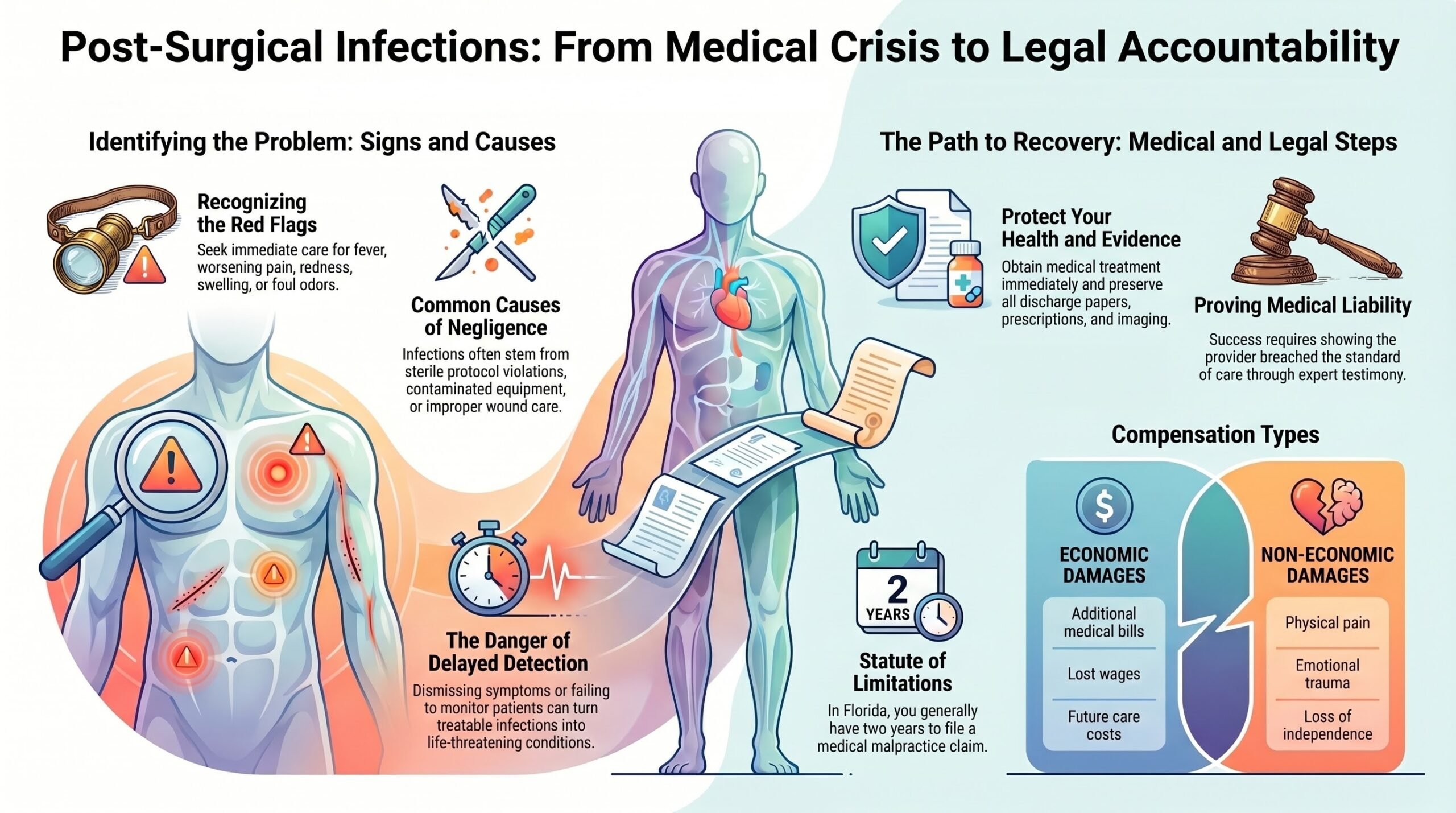
- Seek immediate medical care for fever, worsening pain, redness, swelling, drainage, or foul odor after surgery.
- Contact an experienced Orlando post-surgical infection injury lawyer once your condition is stable to preserve evidence and protect deadlines.
- A legal team gathers records, documents losses, identifies liable parties, and handles insurers and healthcare providers.
- Strong claims rely on medical records, photos, billing receipts, timelines, and expert review of infection-control failures and causation.
- An attorney can pursue compensation for medical bills, lost income, pain, and other harm through settlement or litigation.
How We Can Help With Your Orlando Post-Surgical Infection Injury Claim
Navigate through the aftermath of a post-surgical infection claim with counsel that understands both the medical and legal issues at stake. You need a team that listens carefully, responds promptly, and builds a claim strategy around your goals, your recovery, and your desire to protect others from preventable harm.
We help you organize records, document losses, and present a clear account of how the infection disrupted your health, work, and daily responsibilities. Through focused patient advocacy, we communicate with insurers, healthcare providers, and other parties so you can remain centered on recuperation and serving your family and community. We also evaluate the full value of your claim, prepare persuasive demands, and handle settlement negotiations with discipline and care.
If an opposing party refuses to act reasonably, we stand ready to press forward decisively. Throughout the process, you receive informed guidance, honest answers, and practical support designed to strengthen your position and relieve unnecessary burdens.
Understanding Orlando Post-Surgical Infection Injury Cases


When a post-surgical infection develops, understanding whether it stems from a known medical risk or preventable negligence becomes central to your claim. You need clear records, careful timelines, and an informed legal review to determine whether your injury constitutes an accepted complication or substandard care under Florida law.
OUR CONSULTATIONSARE FREE
START YOUR FREE CASE REVIEW

In Orlando post-surgical infection injury cases, you must show how the infection affected your recovery, finances, and ability to serve your family or community. Medical documentation often reveals whether providers recognized warning signs, responded appropriately, and followed infection surveillance standards throughout your treatment. Your case may also depend on expert analysis that connects delayed diagnosis, inadequate monitoring, or poor follow-up to the harm you suffered.
Strong patient advocacy helps make certain your experience is fully documented and respectfully presented. By understanding these cases, you can make informed decisions, protect your rights, and pursue accountability in a way that supports mend, safeguards others, and promotes safer medical care for everyone.
Common Causes of Orlando Post-Surgical Infection


You may develop a post-surgical infection when sterile protocols are violated during surgery or when contaminated surgical equipment exposes you to harmful bacteria. Your risk can also increase if your wound isn’t cleaned, monitored, and dressed properly after the procedure. In many cases, delayed detection of infection allows a treatable condition to worsen before you receive timely medical care.
Sterile Protocol Violations
Although surgical teams must follow strict infection-control standards, post-surgical infections often develop because sterile protocols weren’t properly maintained before, during, or after a procedure. If a provider contaminates the sterile field, fails to perform hand hygiene, improperly reuses equipment, or ignores airflow control requirements, harmful bacteria can reach your surgical site and compromise your recovery.
You may trust a hospital to protect every patient with disciplined, consistent safeguards. When staff members rush preparation, break gowning or gloving rules, mishandle instruments, or permit unnecessary traffic in the operating room, they can create preventable exposure. These violations often reflect system failures, poor supervision, or inadequate training rather than an unavoidable outcome.
By recognizing how these lapses occur, you can better understand whether negligent care contributed to your infection and harmed your wellbeing.
Improper Wound Care
Neglecting proper wound care after surgery can give bacteria a direct path into healing tissue and turn a manageable recovery into a serious medical problem. When providers fail to clean the incision properly, change the wound dressing on schedule, or provide clear instructions, your risk of infection rises markedly.
You may also face harm when staff ignore drainage, use unclean supplies, or overlook basic home hygiene guidance before discharge. Proper wound care requires consistent attention, careful handwashing, clean bandages, and patient education that supports safe recovery. If a medical team cuts corners, you can suffer preventable complications that disrupt your recovery and your ability to care for others.
In these cases, understanding how improper wound care caused infection can help you evaluate whether negligence contributed to your injuries.
Delayed Infection Detection
When medical providers miss early warning signs after surgery, a treatable infection can progress into a far more serious condition before anyone intervenes. You trust your care team to monitor pain, swelling, fever, drainage, and other changes that require prompt attention. If they dismiss complaints, delay testing, or fail to communicate results, your condition may worsen rapidly.
Delayed detection often stems from poor follow-up procedures, inadequate chart review, and weak symptom recognition during recovery. Some infections show late onset, which makes careful evaluation even more important when you report new discomfort after discharge. By acting quickly, providers can protect your health and preserve your ability to serve your family and community.
When they do not, preventable harm may lead to extended treatment, additional surgery, or life-threatening complications requiring immediate medical care.
Contaminated Surgical Equipment
Contaminated surgical equipment can cause a serious infection before your recovery has a fair chance to heal. When surgical teams use contaminated instruments, bacteria or fungi may enter your body during a procedure and quickly cause dangerous complications.
You trust medical providers to protect your health and preserve your ability to care for others. That trust can be broken when sterilization failures allow pathogens to remain on tools, implants, or surfaces in the operating room. Even careful postoperative treatment may not overcome an infection that began during surgery. If you suffered harm because equipment was not properly cleaned, inspected, or handled, you may have grounds to pursue accountability.
A thorough legal review can help you understand whether preventable errors contributed to your infection and the losses that followed.
Legal Rights of Orlando Post-Surgical Infection Injury Victims
Accountability matters if you developed a post-surgical infection because Florida law may give you the right to pursue compensation for the harm that followed. You may hold negligent providers responsible when careless sterilization, monitoring failures, or delayed treatment worsen your condition and place added burdens on your family and community.
Your legal rights may include the ability to seek recovery for:
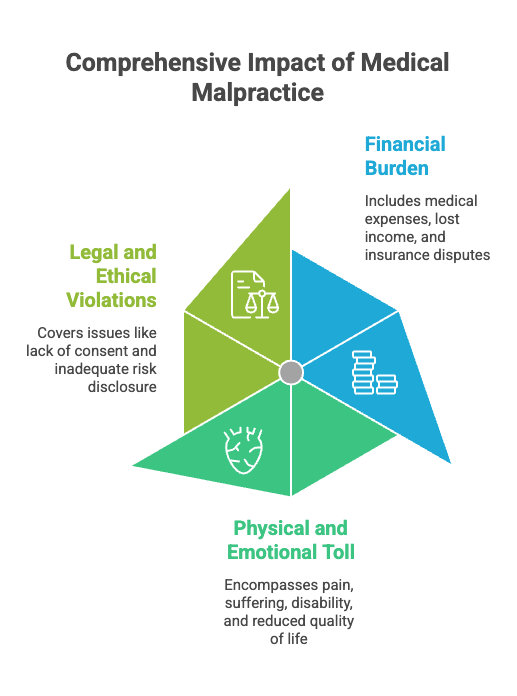
- Medical expenses, hospitalization, and future infection-related care
- Lost income, reduced earning capacity, and related financial losses
- Pain, suffering, disability, and diminished quality of life
- Violations involving Patient consent or inadequate risk disclosure
- Challenges arising from Insurance disputes and claim undervaluation
You also have the right to expect truthful records, fair evaluation, and respectful treatment throughout the legal process. If a provider or facility breached the accepted standard of care, you may pursue accountability in a way that supports recovery, protects others from similar harm, and honors your commitment to serving those who depend on you.
Steps to Take After an Orlando Post-Surgical Infection Injury
After a post-surgical infection injury, you should seek immediate medical care to protect your health and establish a clear record of your condition. You should also preserve all treatment records, including discharge papers, prescriptions, test results, and follow-up instructions, because they can support your claim. Once your condition is stable, you should contact an injury lawyer to understand your options and safeguard your rights.
Seek Immediate Medical Care
If you suspect a post-surgical infection, seek immediate medical care to protect your health and promote a clear record of your condition. Prompt attention can limit complications, reduce suffering, and help you continue serving your family, work, and community with strength. Contact your surgeon, go to an urgent care center, or visit an emergency room for an emergency assessment if you have a fever, worsening pain, redness, swelling, drainage, or a foul odor.
Act quickly and follow all medical instructions. If your provider offers an infection hotline, use it without delay and describe your symptoms accurately. Ask whether you need imaging, lab testing, wound care, or hospital admission. Avoid self-treating with leftover antibiotics, because that can mask symptoms and delay proper care. Your health and stability must come first, always.
Preserve Treatment Records
Once you’ve obtained prompt medical care, preserve every treatment record connected to the infection and your recovery. Gather discharge papers, lab results, imaging reports, prescriptions, follow-up instructions, billing statements, and photographs of the surgical site. This medical documentation creates a clear timeline of what happened, how providers responded, and how the infection affected your daily responsibilities and ability to serve others.
Keep records organized in one secure place, whether digital or printed, and update them after each appointment. Request complete copies from every hospital, surgeon, specialist, pharmacy, and rehabilitation provider involved in your care. Save receipts for medications, travel, wound supplies, and home assistance. Careful evidence preservation protects the facts, reduces confusion, and helps ensure your account remains accurate, credible, and fully supported from the beginning.
Contact An Injury Lawyer
Consult an experienced Orlando post-surgical infection injury lawyer as soon as your condition is stable, because early legal guidance can protect essential evidence and prevent costly mistakes. When you act promptly, you help preserve records, witness statements, and timelines that may support a medical malpractice claim.
During an attorney consultation, you can explain what happened, share your symptoms, and review the care you received before and after surgery. Your lawyer can assess potential liability, identify responsible parties, and advise you on communications with insurers and providers. This guidance helps you protect your rights while staying focused on recuperation and supporting those who depend on you. By seeking legal counsel early, you strengthen your ability to pursue accountability, recover fair compensation, and encourage safer medical practices for other patients in your community.
How an Orlando Post-Surgical Infection Injury Lawyer Can Help You
Find your way through the aftermath of a post-surgical infection with legal guidance that protects your rights and clarifies your options. An Orlando post-surgical infection injury lawyer helps you act with purpose, preserve evidence, and hold negligent parties accountable while you focus on recovery and serving your family and community.
Protect your rights after a post-surgical infection with clear legal guidance, preserved evidence, and focused accountability while you recover.
- Review your records and identify where care may have failed.
- Explain your rights, deadlines, and legal options with clarity.
- Coordinate experts who can assess infection control standards.
- Pursue compensation for medical costs, lost income, and related harm.
- Support patient advocacy and connect you with rehabilitation resources.
Your lawyer also manages communication with hospitals, insurers, and opposing counsel, reducing unnecessary stress and helping you avoid statements that could weaken your claim. With a careful investigation and a disciplined strategy, you can seek fair compensation and meaningful accountability. This guidance helps you make informed decisions, protect your future, and move forward with greater confidence and a stronger sense of stability.
Long-Term Effects of Orlando Post-Surgical Infection Injuries
After a post-surgical infection, you may face chronic pain that continues to affect your daily life long after the initial procedure. You could also experience lasting mobility loss, which can limit your ability to work, complete routine tasks, and maintain your independence. In addition, you may suffer emotional trauma effects, as ongoing physical complications often place serious strain on your mental and emotional well-being.
Chronic Pain Risks
When a post-surgical infection isn’t promptly identified and treated, it can damage nerves, muscles, and surrounding tissue, leading to persistent pain that lasts well beyond the initial recovery period. You may face burning, stabbing, or throbbing sensations that interfere with sleep, concentration, and your ability to care for loved ones and fulfill daily responsibilities.
Chronic inflammation can keep pain signals active, even after the visible wound appears to mend. As a result, you may need ongoing Pain management, including medication, injections, therapy, or other supportive care. This burden can affect your emotional well-being, finances, and capacity to serve your family and community in the ways that matter most. If medical negligence contributed to the infection, understanding your legal options can help you pursue accountability and secure resources for treatment and long-term support.
Lasting Mobility Loss
Losing mobility can alter nearly every part of your daily life, especially if a post-surgical infection damages joints, muscles, bones, or surrounding soft tissue. You may struggle to walk, bend, lift, or stand for extended periods, which can limit your independence and your ability to care for others.
When infection-related damage becomes long-term, you may need mobility therapy to rebuild strength, balance, and coordination. Even with consistent treatment, some limitations can remain and affect your work, household responsibilities, and service to your family or community. You might also require assistive devices, such as braces, walkers, or wheelchairs, to move safely and complete routine tasks. These ongoing physical restrictions can lead to substantial medical costs, reduce earning capacity, and necessitate meaningful legal action to protect your future.
Emotional Trauma Effects
Because a serious post-surgical infection can undermine both physical recovery and peace of mind, the emotional effects often last long after the wound itself has mended. You may struggle with fear, sleep disruption, and persistent worry whenever you face medical care again. In some cases, post-traumatic stress can develop, making ordinary routines feel unsafe and exhausting.
These injuries can also strain your relationships and limit your ability to serve your family, workplace, or community in the ways you value most. You might withdraw from others, avoid activities you once enjoyed, and experience social isolation that deepens anxiety or depression. When emotional trauma follows negligent surgical care, you merit recognition for the full extent of your losses, including the psychological burdens that continue to affect daily life and future confidence.
Proving Liability in Orlando Post-Surgical Infection Injury Cases
Establishing liability in an Orlando post-surgical infection case requires more than showing that an infection occurred; you must connect the harm to a specific failure in medical care. To do that, you need records that reveal what happened before, during, and after surgery, including sterilization logs, operative notes, medication orders, and nursing observations.
You must also show that a provider breached the accepted standard of care and that the breach caused your infection and resulting losses. Expert testimony often explains how proper infection-control practices should have been followed and where the breakdown occurred. In some cases, microbial forensics helps trace the source of bacteria or contamination, strengthening the link between negligence and injury. ‘
You may need to compare your course of treatment with what a careful surgeon, nurse, or facility would have done under similar circumstances. A thorough investigation helps you pursue accountability, protect future patients, and serve your family with informed, purposeful action.
Dealing With Insurance Companies After an Orlando Post-Surgical Infection Injury
Often, insurance companies respond to a post-surgical infection claim by requesting recorded statements, broad medical authorizations, and quick settlement discussions before the full extent of your injury is known. You should proceed carefully, because early communications can shape how your losses are valued and whether important facts are overlooked.
You can protect your position by limiting unnecessary disclosures, preserving medical records, and documenting how the infection affected your health, work, and ability to serve your family and community. During insurance negotiations, you should expect adjusters to question causation, minimize complications, or suggest that your condition stemmed from unrelated factors. Recognizing Claim denial patterns helps you respond with clear, consistent information rather than frustration.
You serve others best when you also protect your own recuperation, finances, and credibility. Careful communication supports fair treatment and reduces opportunities for insurers to use incomplete information against you while your medical condition is still developing over time.
What to Expect During an Orlando Post-Surgical Infection Injury Claim Process
When you begin an Orlando post-surgical infection injury claim, you can expect a structured process that starts with an initial case evaluation and a close review of your medical records. Your attorney will gather medical evidence, identify liable parties, and file the claim with supporting documentation that shows how the infection harmed you. From there, your case may move toward settlement negotiations, but if a fair resolution isn’t offered, you should be prepared for trial.
Initial Case Evaluation
At the outset, your attorney will review the facts of your post-surgical infection claim to determine whether the available evidence supports a viable medical malpractice case. During this initial case evaluation, you can expect focused questions about your surgery, your symptoms, and how postoperative complications affected your recovery and ability to serve your family or community.
Your lawyer will assess timelines, potential negligence, and the basic legal elements required under Florida law. You’ll also discuss whether the harm appears linked to preventable errors rather than accepted medical risks. Throughout the meeting, patient confidentiality remains a priority, so you can speak candidly about your experience. This early evaluation helps you understand your options, the likely challenges ahead, and whether pursuing a claim aligns with your goals, values, and sense of responsibility.
Gathering Medical Evidence
Because medical records usually provide the clearest account of what happened before, during, and after your procedure, your attorney will begin gathering the documents needed to evaluate whether a preventable post-surgical infection occurred. You can expect requests for operative reports, nursing notes, lab results, medication logs, discharge instructions, and follow-up records. Your lawyer may also secure an imaging review to compare scans, identify complications, and clarify when signs of infection first appeared.
If tissue samples, cultures, or removed devices exist, your attorney will examine the chain of custody to protect reliability and accountability. Expert physicians may study sterilization practices, antibiotic timing, wound care, and charting accuracy. By organizing this evidence carefully, your legal team builds a factual foundation that supports truthful advocacy and helps you pursue accountability with integrity.
Filing The Claim
Once your attorney has assembled the medical evidence, the next step is filing the claim and putting the healthcare provider, insurer, and any other responsible parties on formal notification.
Your lawyer prepares the complaint, verifies parties, and guarantees the allegations reflect the documented infection, resulting harm, and basis for liability. You should expect careful attention to Statute nuances, because filing deadlines, presuit requirements, and notice rules can affect your rights. Your legal team also manages Evidence timelines, preserves records, secures expert support, and confirms that disclosures are submitted on time.
During this stage, you may review facts, sign authorizations, and answer questions that clarify treatment history and losses. By acting promptly and accurately, you help build an organized claim that protects accountability and supports safer care for others in your community.
Settlement Or Trial
While many post-surgical infection claims resolve through settlement, your case may still proceed to trial if the provider or insurer disputes liability, causation, or the full extent of your damages. You should expect your attorney to evaluate evidence, consult medical experts, and develop a clear trial strategy that supports accountability and fair compensation.
Settlement timing often depends on the strength of your records, expert opinions, and the defense’s willingness to negotiate in good faith. If discussions produce a reasonable offer, you can resolve the claim without court intervention. If not, your lawyer will prepare witnesses, organize exhibits, and present your case before a jury. Throughout this stage, you remain focused on recovery, while your legal team pursues an outcome that respects your losses and supports the people who depend on you.
Compensation for Orlando Post-Surgical Infection Injury Damages
Recovery often requires more than additional medical treatment after a post-surgical infection; it also requires full compensation for the losses that infection has caused. When you pursue a claim, you seek resources that help mend stability, protect your family, and support your ability to continue serving others without preventable hardship.
Compensation can address the direct consequences of an infection, including medical costs, follow-up procedures, prescription expenses, rehabilitation, and home health support. It can also reflect lost income, reduced earning ability, and the practical burdens that arise when recovery takes longer than expected. Just as important, your claim should recognize the disruption to your daily life, your physical pain, and your emotional recuperation.
An Orlando post-surgical infection injury lawyer can gather records, consult qualified experts, and present clear evidence linking the infection to your losses. With thorough preparation, you can pursue compensation that reflects the true impact of the harm you have endured.
Economic vs Non-Economic Damages in Orlando Post-Surgical Infection Cases
In these cases, you may recover economic damages for measurable losses, such as added medical bills, lost income, and future care costs tied to the infection. You may also pursue non-economic damages for harder-to-measure harm, including pain, suffering, and the ways the injury has affected your daily life. To obtain full compensation, you must present clear evidence that proves both the financial impact of the infection and the personal losses you’ve endured.
Economic Damage Categories
Because a post-surgical infection can create immediate financial strain and lasting personal harm, Orlando injury claims typically separate damages into two categories: economic and non-economic losses. Economic damages focus on measurable costs you can document with bills, records, and employment information.
In these cases, you may seek compensation for additional hospital stays, physician visits, diagnostic testing, prescription medications, wound care, rehabilitation, and necessary medical equipment. You can also seek reimbursement for transportation to treatment, in-home assistance, and other out-of-pocket expenses directly related to the infection. If the condition keeps you from working, your claim may include lost wages and reduced future earnings. When the infection causes long-term complications, economic damages may also include projected medical care and vocational support, helping you continue to serve your family and community with stability.
Non-Economic Loss Valuation
While economic losses can often be calculated from receipts and wage records, non-economic damages address the personal impact a post-surgical infection has on your daily life. These losses reflect what you endure when complications limit your independence, disrupt relationships, and diminish your ability to care for others consistently and with strength.
In Orlando infection cases, non-economic loss valuation considers your physical discomfort, emotional strain, and reduced quality of life. A careful pain assessment helps describe how symptoms affect sleep, mobility, confidence, and ordinary routines. You may also experience anxiety, frustration, or isolation when recovery takes longer than expected. Although these harms do not come with invoices, they remain significant because they shape how you live, serve your family, and participate in your community each day with purpose and dignity.
Proving Recoverable Damages
Recovering full compensation for a post-surgical infection requires more than identifying your losses, it requires proving that each category of damage is supported by reliable evidence. You must connect economic damages, such as added medical bills, rehabilitation costs, lost wages, and future care needs, to the infection through records, invoices, employment data, and expert testimony.
You must also prove non-economic damages, including pain, emotional distress, disability, and loss of enjoyment of life, with credible, consistent evidence. Your treatment history, daily limitations, family observations, and mental health documentation can help meet evidentiary thresholds. In complex cases, medical experts and vocational professionals explain how the infection has affected your health, work capacity, and ability to serve your family and community. Strong evidence lends your claim authority and credibility.
When an Orlando Post-Surgical Infection Injury Case Goes to Trial vs Settlement
Although many post-surgical infection claims in Orlando resolve through settlement, some proceed to trial when the parties dispute liability, causation, or the full value of your damages. If insurers refuse to act fairly, your attorney may prepare your case for court to protect your recovery and your ability to keep serving your family and community.
Settlement often offers privacy, faster payment, and lower litigation costs. It can also reduce stress while still compensating you for medical care, lost income, pain, and future needs. Yet a trial may become necessary when the defense minimizes the infection, blames unrelated conditions, or challenges your experts. In that setting, strong evidence, credible testimony, and careful attention to jury dynamics can influence the outcome.
A well-prepared trial strategy also improves settlement leverage, because defendants know you are ready to prove negligence before a judge or jury. Your lawyer should evaluate risk, timing, and value so you can choose the path that best serves your goals.
The Statute of Limitations for Orlando Post-Surgical Infection Injury Cases
Because Florida law limits how long you have to file a medical malpractice claim, the statute of limitations can determine whether you may pursue compensation for a post-surgical infection injury in Orlando at all. In many cases, you have two years from when you knew, or reasonably should have known, that malpractice may have caused your infection and resulting harm.
Still, statute nuances matter. Florida also applies outside deadlines that can bar a claim even when serious complications continue. In some situations, discovery tolling may affect when the limitations period begins, especially if the cause of the infection was not immediately clear despite diligent medical follow-up.
If you are caring for your family while managing your own recovery, time can pass quickly. Preserving records, operative reports, cultures, bills, and communications helps protect your ability to seek accountability and resources. Acting within the legal deadline supports your recovery and your capacity to continue serving those who depend on your strength.
When to Contact an Orlando Post-Surgical Infection Injury Lawyer
When signs suggest that a surgical site infection may stem from a preventable medical error, you should contact an Orlando post-surgical infection injury lawyer as soon as your condition is stable enough to do so. Early action helps preserve records, clarify timelines, and protect your ability to seek accountability for harm that may have been avoided.
You should reach out if your infection resulted from delayed diagnosis, improper wound care, poor sterilization, discharge without adequate instructions, or concerns about post-op consent. Contacting counsel also makes sense when providers give inconsistent explanations, symptoms worsen unexpectedly, or your recovery demands additional surgery, hospitalization, or home assistance. If you are too ill to act, family advocacy can help gather records, document symptoms, and communicate important facts on your behalf.
Prompt legal guidance can support your effort to protect your health, your finances, and your ability to continue serving your loved ones and community with strength, dignity, and informed purpose ahead.
Why You Need an Experienced Orlando Post-Surgical Infection Injury Lawyer
Acting quickly protects your claim, but the lawyer you choose can also shape the outcome in significant ways. An experienced Orlando post-surgical infection injury lawyer understands how hospitals defend against medical malpractice allegations and knows how to challenge weak explanations, delayed diagnoses, and preventable errors. You need that depth of knowledge when your health, finances, and future service to others have been disrupted.
Your lawyer should be prepared to investigate records, consult qualified medical experts, and connect your infection to negligent care with clear evidence. Experience also matters during settlement negotiations, because insurers often minimize harm or dispute causation. A seasoned attorney can measure your losses accurately, present them persuasively, and pursue compensation that supports your recuperation and continued ability to care for those who depend on you.
While client testimonials can offer perspective, proven litigation experience provides the structure and discipline your case requires. Strong representation helps protect both your rights and your long-term stability.
How to Choose the Right Orlando Post-Surgical Infection Injury Lawyer for Your Case
Start by looking for a lawyer who handles medical malpractice claims regularly and has specific experience with post-surgical infection cases, not just general personal injury matters. You need counsel who understands medical records, hospital protocols, and the harm that preventable infections cause to patients and families.
Ask about prior case results, trial experience, and access to medical experts who can evaluate negligence and causation. A strong attorney should explain your options clearly, communicate promptly, and approach your claim with patient advocacy at the center of every decision. You should also review testimonials and professional standing to confirm consistent, ethical representation.
Before hiring anyone, discuss fee structures, litigation costs, and whether the firm works on a contingency basis. Clear financial terms help you plan responsibly while focusing on recovery and service to your loved ones. Choose a lawyer who listens carefully, respects your goals, and is prepared to pursue full accountability with diligence, skill, and compassion for everyone affected.
About The Law Offices of Anidjar & Levine
The Law Offices of Anidjar & Levine represents injured clients throughout Orlando with a focused, client-centered approach to complex medical malpractice claims, including cases involving post-surgical infections. When you seek legal help, you need a team that listens carefully, explains your options clearly, and works diligently to protect your ability to recover fair compensation.
You benefit from a law firm built on responsive service, careful preparation, and respect for the people it serves. The firm’s history reflects a commitment to advocating for injured Floridians with professionalism and persistence. You can expect direct communication, timely updates, and practical guidance at each stage of your claim. Client testimonials often highlight compassion, accessibility, and thorough case management, qualities that matter when your health and financial stability are at stake.
If you want representation that values accountability and service, The Law Offices of Anidjar & Levine offers the disciplined support and legal experience your case merits in Orlando.
Frequently Asked Questions
Can I Switch Surgeons After Discovering a Post-Surgical Infection?
Yes, you can change surgeons after discovering a post-surgical infection, and you should act promptly to protect your health. You may seek a second opinion from another qualified surgeon or infectious disease expert, especially if you need clearer guidance or greater confidence in your care. Request your records, confirm continuity of treatment, and make sure the new physician understands your symptoms, medications, and surgical history so you can continue serving others effectively.
Are Post-Surgical Infection Claims Affected by Pre-Existing Medical Conditions?
Yes, your pre-existing medical conditions can affect a post-surgical infection claim, but they don’t automatically defeat it. You must show how the provider’s negligence worsened your condition beyond ordinary pre existing implications. The defense may argue comparative negligence if you didn’t follow discharge instructions or disclose symptoms promptly. Still, you can pursue accountability when substandard care caused avoidable harm. Careful records and timely evaluation often strengthen your position.
Can Family Members File Claims Related to a Loved One’s Infection?
Yes, you can file claims related to your loved one’s infection in specific circumstances. You may pursue family liability claims for medical expenses, loss of support, or other damages when the infection caused serious harm. If the infection led to death, you can often bring a wrongful death claim through the proper legal representative. You’ll need medical records, proof of negligence, and clear evidence connecting the infection to the provider’s conduct.
Do Hospital Infection Rates Matter in Proving My Case?
Yes, hospital infection rates can matter in proving your case. You can use hospital transparency data and infection benchmarks to show whether a facility performed below accepted standards. Those numbers alone usually won’t prove negligence, but they can support expert testimony and reveal patterns of poor infection control. If you seek accountability to protect others, these records may strengthen your claim and clarify whether preventable failures contributed to your injury.
What Records Should I Keep During Infection Recovery?
Keep every record that shows your infection’s course and your recovery efforts. Save discharge papers, lab results, prescriptions, billing statements, wound care instructions, and all follow-up notes. Take dated recovery photos regularly, and keep a daily journal of symptoms, pain levels, limitations, and missed work. Preserve messages with providers and insurers. If you review medical journals, note articles that align with your diagnosis and treatment, as they may support informed discussions.
—————————
If you’ve suffered a post-surgical infection in Orlando, you need clear guidance and strong legal support.
You may have grounds to pursue compensation for your medical costs, lost income, and related harm.
By acting promptly, preserving records, and speaking with a qualified attorney, you can protect your rights and strengthen your claim.
The Law Offices of Anidjar and Levine can evaluate your case, explain your options, and help you pursue the outcome you are entitled to.
If you need legal help, an Orlando Medical Malpractice Lawyer may be able to assist.

