

An Orlando maternal death injury lawyer helps you act quickly to protect evidence, secure complete medical records, and assess whether negligent care during pregnancy, delivery, or postpartum caused your loss. You can rely on the Law Offices of Anidjar and Levine to investigate timelines, consult medical experts, handle insurers, and pursue compensation for funeral costs, lost support, and other damages.
Prompt legal guidance from an Orlando Medical Malpractice Lawyer also helps preserve your claim under Florida deadlines and identifies the next steps your family should consider.
Main Takeaways
- Seek emergency medical care immediately after severe postpartum symptoms to protect health and create a clear medical record.
- Preserve evidence by collecting records, discharge papers, photos, communications, medication lists, and witness notes, all organized by date.
- An Orlando maternal death injury lawyer can investigate records, identify negligent providers, consult experts, and protect critical evidence early.
- A viable claim requires proof that providers breached accepted medical standards and that the negligence substantially caused the mother’s death.
- Lawyers often handle insurers, explain fees and timelines, pursue settlement first, and prepare for trial if fair compensation is denied.
How We Can Help With Your Orlando Maternal Death Injury Claim
When a maternal death results from negligent medical care, you need a legal team that can act quickly, identify the failures that caused the loss, and build a claim supported by clear evidence. You merit counsel that listens carefully, protects your family’s interests, and guides you with steady purpose through each stage of the claim.
We help you gather records, consult qualified medical experts, preserve essential evidence, and present a clear demand for accountability. You receive practical legal resources, timely communication, and strategic direction focused on your goals. We also recognize that families often need emotional support as they pursue justice, so we approach every conversation with cultural sensitivity and respect. If your loved one served others, you may also value service beyond the case itself, and we support that through meaningful community outreach connections. Our role is to shoulder the legal burden, strengthen your position, and help you pursue answers, financial recovery, and lasting accountability.
Understanding Orlando Maternal Death Injury Cases


Because these claims arise at the intersection of medicine, law, and preventable harm, understanding Orlando maternal death injury cases starts with recognizing what they often involve: a fatal outcome linked to negligent care during pregnancy, labor, delivery, or the postpartum period. You may be seeking answers not only for your family, but also to protect other mothers through accountability and safer care.
OUR CONSULTATIONSARE FREE
START YOUR FREE CASE REVIEW

These cases often require you to examine medical records, timelines, provider decisions, hospital policies, and adherence to accepted standards. In many situations, maternal mortality claims also reflect broader concerns, including prenatal disparities that affect access, communication, monitoring, and timely intervention. You may need to show that a provider’s failure changed the outcome and caused devastating loss.
Florida law can shape who may bring a claim, what damages may be available, and how deadlines apply. When you understand the legal and medical framework, you’re better prepared to pursue justice with purpose, clarity, and respect for every life involved.

Common Causes of Orlando Maternal Death
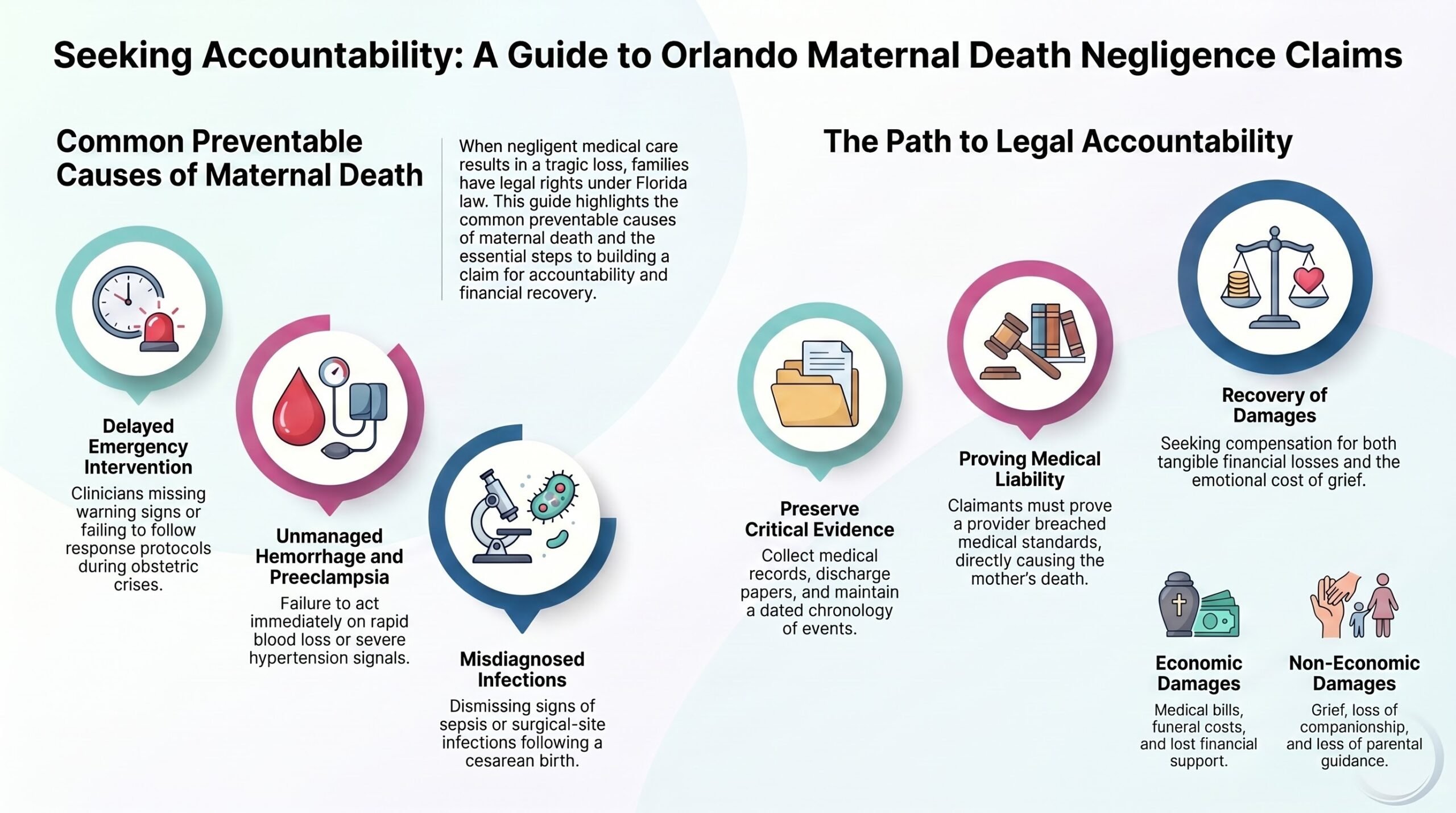
You should understand that maternal death can result from several preventable medical failures, including delayed emergency intervention, severe postpartum hemorrhage, preeclampsia complications, and misdiagnosed infections. When providers don’t respond promptly or recognize warning signs, you may face devastating consequences that proper care could’ve reduced or prevented. By identifying these common causes, you can better assess whether negligent treatment contributed to a tragic loss.
Delayed Emergency Intervention


Although obstetric emergencies can escalate within minutes, delayed emergency intervention remains a serious and preventable cause of maternal death in Orlando hospitals and birthing facilities. When clinicians miss warning signs, hesitate to escalate care, or fail to follow response protocols, you may lose the critical window for lifesaving treatment. A delayed transfer to a higher-level facility can worsen infection, hypertensive crisis, cardiopulmonary distress, or surgical complications before a qualified team responds.
If your family seeks accountability, you should know that timely intervention depends on preparation, communication, and decisive leadership. Hospitals must train staff, maintain clear chains of command, and ensure specialists, operating rooms, and blood testing are available without delay. When those systems break down, preventable loss can follow, and legal review may help protect other mothers in your community.
Postpartum Hemorrhage Risks
Postpartum hemorrhage presents one of the most dangerous maternal emergencies, and it often follows the same pattern seen in delayed intervention cases: warning signs appear, blood loss accelerates, and the response comes too late. You may see heavy bleeding after delivery, but providers must act immediately to protect your life. Uterine atony, retained placental tissue, trauma, and clotting disorders can all trigger rapid decline.
If you serve others and advocate for families, you should understand how quickly this crisis can overwhelm even a healthy mother. Maternal anemia can worsen the effects of blood loss and reduce the margin for error. When hospitals miss early signs, delay transfusions, or fail to escalate care, preventable tragedy can follow. Careful monitoring, prompt treatment, and clear communication remain vital safeguards for every patient.
Preeclampsia Complications
When preeclampsia develops during pregnancy or after delivery, it can escalate with alarming speed and place both mother and baby at serious risk. You may see severe hypertension, organ damage, seizures, stroke, or fluid in the lungs when providers don’t respond promptly. In some cases, placental abruption cuts off oxygen and triggers catastrophic bleeding.
If your family sought careful, compassionate care, you merited timely monitoring, clear warnings, and decisive treatment. Providers should recognize rising blood pressure, abnormal lab results, persistent headaches, vision changes, and upper abdominal pain before complications worsen. When a medical team dismisses those signs, delays delivery, or fails to stabilize the mother, the outcome can turn fatal. Understanding how preeclampsia progresses helps you identify whether preventable errors contributed to a devastating maternal loss and demand accountability through informed legal action.
Misdiagnosed Infections
Because pregnancy and the days after delivery can mask the early signs of infection, providers must act quickly when a mother develops fever, rapid heart rate, worsening pain, abnormal bleeding, or signs of sepsis. When they delay testing, dismiss complaints, or send you home without treatment, a preventable crisis can become fatal.
Misdiagnosed infections often begin with conditions that seem manageable, such as an overlooked UTI, endometritis, pneumonia, or a surgical-site infection after cesarean birth. If your team fails to order cultures, monitor crucial signs, or start antibiotics promptly, bacteria can spread into the bloodstream. Missed sepsis can damage organs within hours. You merit care that protects both mother and child through vigilance, timely intervention, and clear communication, especially when every symptom may signal escalating danger and require urgent action.
Legal Rights of Orlando Maternal Death Injury Victims
Although no legal action can undo a maternal death, Florida law gives surviving family members clear rights to seek accountability and financial recovery when negligent medical care caused the loss. You may pursue a wrongful death claim for losses tied to medical negligence, including lost support, funeral costs, and the value of companionship and guidance the mother provided.
Your rights often include access to evidence, expert review, and fair valuation of both economic and emotional harm.
Through patient advocacy, you can demand answers that protect other families and honor a life of service.
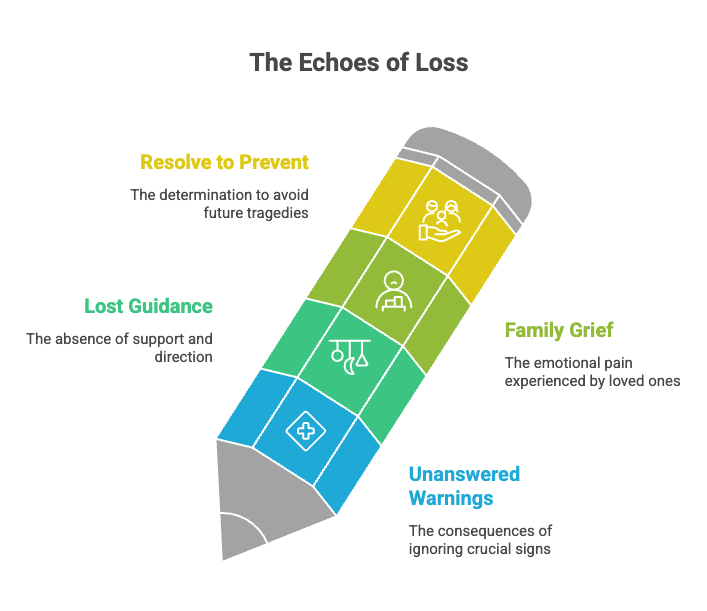
- A quiet hospital hallway where unanswered warnings should’ve led to urgent care
- An empty nursery that reflects lost guidance, support, and daily love
- A family table where grief meets resolve to prevent another preventable death
You may also seek bereavement resources while legal counsel preserves your claim and speaks for your family with dignity, clarity, and a commitment to community well-being and lasting accountability.
Steps to Take After an Orlando Maternal Death Injury
After an Orlando maternal death injury, you should seek immediate medical care to protect your health and create a clear record of what occurred. You should also preserve essential evidence, including medical records, discharge instructions, photographs, and any communication with providers, because these materials can support your claim. Once you’ve taken these steps, you should contact an attorney who can assess the facts, protect your rights, and guide you through the legal process.
Seek Immediate Medical Care
Seeking prompt medical attention protects your health and creates a clear record of the complications that follow the maternal injury. You should treat warning signs seriously, including heavy bleeding, severe pain, dizziness, fever, breathing problems, or sudden swelling. Quick emergency recognition can save your life and support the care your family depends on.
Call 911 or go to the nearest emergency room without delay. If transportation barriers prevent you from traveling safely, ask a trusted person to help arrange an ambulance, rideshare, or other immediate transport. Tell medical providers exactly what happened, when symptoms began, and how they have changed. Follow every treatment recommendation, attend follow-up visits, and ask questions until you understand your condition. By acting quickly, you protect your wellbeing and strengthen your ability to continue restoring those who rely on you.
Preserve Critical Evidence
Preserve every record and item connected to the maternal injury as soon as you can. Gather discharge papers, medication lists, fetal monitoring strips, photographs, clothing, and written notes about what you observed. Ask family members who helped during the crisis to record their memories while details remain fresh and accurate.
Store originals in a secure location, and make clear copies for daily reference. Keep digital files backed up and labeled by date and source so your chronology stays reliable. If a hospital, clinic, or ambulance provided care, request complete records promptly and document when you asked. Protect physical items from damage or contamination to support forensic preservation. Also track who handled each item, when, and why, because a clear chain of custody helps preserve credibility and supports accountability for everyone involved.
Contact An Attorney
Reach out to a qualified Orlando maternal death injury lawyer as soon as your immediate medical and family needs are stabilized, because early legal guidance can help you protect evidence, identify responsible parties, and avoid mistakes that could weaken a future claim.
When you contact counsel promptly, you give your family a clearer path forward and strengthen your ability to serve those who depend on you. An attorney can explain legal timelines, communicate with hospitals and insurers, and gather records before details are lost. You should bring medical documents, bills, notes, and any correspondence related to the pregnancy, delivery, or postpartum care. You can also ask about emotional support resources, because compassionate guidance matters during a crisis. By taking this step early, you protect your rights, honor your loved one, and pursue accountability with purpose.
How an Orlando Maternal Death Injury Lawyer Can Help You
When a maternal death may have resulted from medical negligence, an Orlando maternal death injury lawyer can help you identify what went wrong and determine whether you have grounds for a legal claim. You can rely on counsel to investigate records, consult qualified experts, and explain your options with clarity and respect.
A lawyer helps you pursue accountability while protecting your family’s ability to serve one another during a painful time. You receive guidance that can support emotional closure and connect you with community resources that strengthen practical care.
Your attorney may help you by:
- Reviewing medical charts, timelines, and hospital policies to uncover preventable errors.
- Gathering expert opinions that illuminate missed warnings, delayed treatment, or unsafe decisions.
- Managing insurers and legal filings so you can focus on your family and faith.
With disciplined advocacy, you can seek answers, preserve evidence, and honor your loved one through a careful, informed response with dignity.
Long-Term Effects of Orlando Maternal Death Injuries
You may face lasting physical complications after a maternal injury, including chronic pain, reproductive harm, and other serious health issues that affect your daily life. You may also experience emotional trauma effects, such as anxiety, depression, and grief, which can disrupt your recuperation and your ability to care for your family. At the same time, your household may experience significant financial strain due to ongoing medical treatment, lost income, and long-term support needs.
Lasting Physical Complications
Persisting complications can alter nearly every part of your life after a severe maternal injury. You may face chronic pain that affects sleep, concentration, and your ability to care for your family or serve your community. Mobility limitations can make walking, lifting, driving, or completing household tasks difficult, especially when recovery stalls or worsens over time.
You might also develop pelvic floor damage, nerve injuries, organ impairment, or lasting weakness that requires ongoing treatment and rehabilitation. These conditions can interfere with employment, caregiving, and daily independence. In some cases, repeated surgeries, medication management, and assistive devices become necessary to maintain basic function. When medical negligence caused your injuries, understanding the full extent of your physical losses helps you pursue accountability and secure resources for long-term care and support.
Emotional Trauma Effects
Although physical injuries often receive immediate attention, emotional trauma can shape your recovery just as deeply after a severe maternal injury. You may struggle with fear, sadness, or numbness that affects parenting, relationships, and your ability to serve others with confidence. Ordinary moments, including medical appointments or infant care routines, can become PTSD triggers that intensify anxiety and disrupt sleep.
You may also carry grief for lost expectations, diminished health, or a loved one’s suffering. Without support, these effects can linger and interfere with daily functioning, trust, and emotional stability. Professional treatment, including grief counseling, can help you process trauma, rebuild resilience, and regain a sense of purpose. When you recognize emotional harm early, you give yourself a stronger foundation for recovery and for caring well for those who depend on you.
Family Financial Strain
Emotional trauma often unfolds alongside a second long-term burden, the financial strain that maternal death injuries can place on an entire family. You may face sudden loss of income, rising medical bills, funeral expenses, and ongoing household obligations, all while trying to care for others with stability and compassion.
As responsibilities shift, Childcare costs can increase sharply, especially if surviving family members must reduce work hours or leave employment. You might also confront debt collection, depleted savings, and the risk of Medical bankruptcy when treatment, emergency care, or related complications generate overwhelming expenses. These pressures can affect housing, education, transportation, and daily necessities for months or years. When you seek accountability, you help protect your family’s future and preserve the resources needed to continue serving those who depend on your care each day.
Proving Liability in Orlando Maternal Death Injury Cases
Establishing liability in an Orlando maternal death injury case requires more than showing that a tragic outcome occurred; you must prove that a doctor, nurse, hospital, or other medical provider failed to meet the accepted standard of care and that this failure directly caused the mother’s death.
To do that, you need clear evidence, careful analysis, and a record of what happened before, during, and after treatment. Medical records, fetal monitoring strips, lab results, hospital policies, and witness statements can reveal whether providers delayed diagnosis, ignored warning signs, or made preventable errors. You must also prove medical causation, meaning the provider’s conduct substantially contributed to the death rather than reflecting an unavoidable complication.
In most cases, expert testimony is vital because qualified physicians explain what competent providers should have done and how the deviation caused harm. When you build a thorough case, you honor the mother’s life and help protect other families from similar failures in care.
Dealing With Insurance Companies After an Orlando Maternal Death Injury
In the aftermath of a maternal death injury in Orlando, insurance companies often move quickly to limit their financial exposure, and what you say to them can affect the value of your claim. You should approach every conversation carefully, because adjusters may use claim tactics designed to obtain statements that weaken your position or reduce compensation.
When you speak with an insurer, keep your remarks factual, brief, and consistent. Do not speculate about fault, medical outcomes, or financial losses. Request written communication when possible, and preserve records of calls, letters, emails, and policy documents. These steps help you protect your family while honoring your responsibility to seek accountability for preventable harm. You should also remain alert to negotiation pitfalls, including pressure to accept a quick payment or broad requests for medical authorizations. By staying disciplined and informed, you strengthen your ability to respond wisely, protect your rights, and support the people who depend on your care and service.
What to Expect During an Orlando Maternal Death Injury Claim Process
You can expect your claim process to begin with an initial case evaluation, where your attorney reviews the facts and determines whether strong grounds for action exist. From there, your legal team investigates medical records, identifies potential negligence, and files the claim within the required deadlines. As your case moves forward, you’ll likely pursue settlement negotiations first, though you should also be prepared for trial if the opposing side won’t offer fair compensation.
Initial Case Evaluation
Begin the process by meeting with an Orlando maternal death injury lawyer for a focused case evaluation, where the attorney reviews the facts, identifies potential medical negligence issues, and explains whether you may have a viable claim. During this initial interview, you will outline the timeline, describe pivotal events, and share available documents or communications. The lawyer uses case triage to assess urgency, potential defendants, damages, and the need for immediate protective steps.
You can expect direct questions, careful listening, and a clear explanation of how Florida law may apply to your circumstances. This meeting also helps you understand fee arrangements, communication practices, and the likely path forward. By preparing thoroughly and answering candidly, you support a thoughtful evaluation that honors your family’s experience and strengthens your ability to pursue accountability and meaningful change.
Medical Record Investigation
Expect a detailed review of the mother’s prenatal, labor and delivery, emergency, surgical, medication, and postpartum records, because those documents often reveal whether providers recognized warning signs, communicated critical findings, and acted within the accepted standard of care.
You can expect your legal team to obtain records from every treating facility and compare notes, orders, monitoring strips, imaging, and lab results for consistency. They’ll follow redaction protocols to protect private information while preserving essential facts that may help your family seek accountability and safer care for others. Through careful timeline reconstruction, they’ll trace when symptoms appeared, what staff documented, who responded, and whether delays or omissions placed the mother at greater risk. This investigation helps clarify the medical story, identify unanswered questions, and support informed decisions as your claim moves forward.
Filing The Claim
Once the record review and expert assessment support a viable case, your attorney can prepare and file the claim by identifying the responsible providers, setting out the alleged acts or omissions, and meeting Florida’s procedural requirements and filing deadlines.
During claim preparation, you help by providing documents, names, timelines, and any communications that clarify what happened. Your lawyer organizes the evidence, confirms compliance with notice rules, and tracks evidence deadlines so nothing important is lost. You may also review affidavits, authorize record requests, and answer focused questions that strengthen accuracy. This stage demands patience and careful attention, because complete and timely filing protects your ability to pursue accountability. By staying engaged and responsive, you support a process designed to honor your family, encourage safer care, and serve others who depend on responsible medical treatment.
Settlement Or Trial
After your claim is filed, the case typically moves toward settlement discussions, although some matters proceed to trial when the parties can’t agree on liability or damages. During this stage, you and your attorney evaluate records, expert opinions, and the full impact of your loss to shape a sound Settlement strategy.
If the insurer offers fair compensation, you may resolve the claim without court, which can conserve time and protect your family’s energy for recovery and service to others. If negotiations stall, your lawyer advances Trial preparation by organizing evidence, preparing witnesses, and presenting a clear account of negligence and harm. You can expect guidance at each step, including mediation, pretrial motions, and courtroom procedures. Whether through settlement or verdict, your case should seek accountability, financial stability, and meaningful justice for your family.
Compensation for Orlando Maternal Death Injury Damages
Secure compensation can help address the profound financial and personal losses that follow a maternal death caused by medical negligence. When you pursue a claim, you seek accountability and support for the family members who must carry forward your loved one’s care, values, and community commitments after this preventable loss.
You may recover funds that help stabilize your household, honor your loved one’s memory, and protect dependents from immediate hardship. Compensation can assist with funeral expenses, outstanding medical bills tied to the negligent care, and the loss of services your loved one provided at home. You may also pursue emotional compensation for the suffering and grief this tragedy has imposed on those closest to her.
An Orlando maternal death injury lawyer can document the harm, gather records, consult qualified experts, and present a strong demand to insurers or the court. By acting promptly, you strengthen your position and preserve evidence that can support justice.
Economic vs Non-Economic Damages in Orlando Maternal Death Cases
In an Orlando maternal death case, you may seek economic damages for measurable losses, such as medical bills, funeral expenses, and lost financial support. You may also pursue non-economic damages for harder-to-quantify harm, including pain and suffering, loss of companionship, and emotional distress. To recover either form of compensation, you must present clear evidence that proves the extent of your losses and supports their value in court.
Economic Damage Categories
Because a maternal death often leaves a family facing immediate financial strain as well as profound personal loss, Florida law separates damages into economic and non-economic categories to measure those harms more accurately. In this situation, economic damages address the tangible financial support your family has lost and the measurable costs you now carry.
You may seek recovery for medical bills tied to the final injury, funeral and burial expenses, lost wages, and future earnings the mother would likely have provided. Economic damages can also include the value of household services, childcare, and other practical contributions that sustained your family’s daily life. By documenting these losses carefully, you help show how the death affected those who depended on her care, income, and consistent support.
Non-Economic Loss Valuation
Losses that can’t be added on a receipt still carry legal value in a maternal death case. When you evaluate non-economic harm, you consider the human cost left behind, not just the financial impact. This includes grief, lost companionship, emotional suffering, and the disruption of family roles that once centered care and service.
You also assess how the death changed your family’s quality of life, daily stability, and sense of security. Non-economic damages recognize that love, guidance, and presence have measurable importance under the law, even without invoices. Pain valuation helps describe the depth of suffering experienced by survivors and the mother before death, where permitted. In this way, the law acknowledges losses that affect purpose, relationships, and the ability to continue serving others with strength, stability, and hope each day.
Proving Damages In Court
Proving damages in court comes down to showing, with credible evidence, both what your family has lost financially and what the mother’s death has taken from your lives in ways no bill can fully capture. You must document economic damages through medical expenses, funeral costs, lost income, benefits, and the value of household services she provided. Careful evidence valuation helps connect records, expert opinions, and projections to real financial harm.
You must also prove non-economic damages, including loss of companionship, guidance, care, and emotional support. Survivor testimony often gives the court a clear picture of daily absences, disrupted caregiving, and the lasting effect on children and loved ones. When you present both categories thoroughly, you help the court recognize the full measure of your family’s loss with fairness and dignity.
When an Orlando Maternal Death Injury Case Goes to Trial vs Settlement
Although many Orlando maternal death injury cases resolve through settlement, whether your claim proceeds to trial depends on the strength of the evidence, the amount of damages at issue, and the other side’s willingness to accept responsibility. You need a careful settlement strategy that measures risk, protects your family’s interests, and honors the harm your loved one suffered.
If liability is clear and insurers value the losses fairly, settlement may spare you prolonged conflict and allow you to focus on recovery and service to others. If the defense disputes negligence, minimizes damages, or refuses meaningful accountability, a trial may become necessary. Strong preparation shapes trial dynamics, from expert testimony to witness credibility and jury presentation. Your lawyer should assess costs, timing, and uncertainty while keeping your goals central. By weighing both paths with discipline and compassion, you can pursue a result that supports your family, promotes safer care, and reflects the full value of what was taken from you.
The Statute of Limitations for Orlando Maternal Death Injury Cases
Because Florida imposes strict filing deadlines on wrongful death and medical negligence claims, the statute of limitations can determine whether your family has any legal remedy at all after a maternal death injury. If you wait too long, a court may dismiss your case, regardless of how compelling the facts may be or how deeply your community feels the loss.
In Florida, these time limits can vary depending on the claim, the date of death, and when negligence was discovered or reasonably should have been discovered. You need to understand these nuances of the statute because hospitals, physicians, and insurers may closely examine whether you filed on time. Certain facts, including delayed discovery or pre-suit requirements in medical negligence matters, can affect the calculation. Acting with care protects your ability to pursue accountability, preserve evidence, and seek support for those who depended on the mother’s service, guidance, and love. Careful attention to filing deadlines helps your family protect that opportunity.
When to Contact an Orlando Maternal Death Injury Lawyer
Strict filing deadlines often leave families with little time to assess what happened, gather records, and decide how to respond, so you should contact an Orlando maternal death injury lawyer as soon as you suspect that medical negligence, delayed treatment, or preventable complications played a role in the mother’s death.
You do not need to wait for a hospital to explain events fully before seeking guidance. Early communication helps you preserve records, identify witnesses, and protect information that may later support accountability. While emotional timing matters, waiting until grief feels manageable can unintentionally limit your options. If providers gave conflicting explanations, symptoms were dismissed, treatment was delayed, or emergency warning signs were missed, you should reach out promptly.
Taking action early can also help your family make informed decisions with care and purpose. By asking questions soon, you honor the mother’s life, support those who depend on you, and create space to pursue answers that may help protect other families in the future.
Why You Need an Experienced Orlando Maternal Death Injury Lawyer
When a maternal death may stem from medical negligence, an experienced Orlando maternal death injury lawyer can do far more than file paperwork. You need counsel who can investigate clinical decisions, preserve crucial evidence, consult qualified experts, and connect the facts to the legal standards that govern hospitals, physicians, and nursing staff.
You also need an advocate who understands the broader public impact of your case. Maternal deaths often reveal systemic failures, including racial disparities in diagnosis, treatment, and follow-up care. By building a strong claim, your lawyer helps you pursue accountability, financial recovery, and answers that can protect other families. An experienced attorney can identify institutional patterns, challenge incomplete records, and present a clear case that reflects both medical reality and legal responsibility.
Your action may also support policy reform by exposing dangerous practices and encouraging safer standards. In serving your family, you may also help strengthen care for your community and future parents.
How to Choose the Right Orlando Maternal Death Injury Lawyer for Your Case
Although many firms handle medical malpractice claims, you should choose an Orlando maternal death injury lawyer with specific experience in obstetric negligence and wrongful death litigation. Your attorney should understand prenatal care failures, delivery-room errors, hemorrhage response, and hospital accountability, because these cases demand focused medical knowledge and disciplined case development.
As you approach attorney selection, review the lawyer’s record with maternal death claims, trial readiness, and access to qualified medical experts. Ask how the firm investigates records, identifies liable parties, and values both economic and non-economic losses. You should also assess Communication expectations early. A strong lawyer explains each step clearly, returns calls promptly, and prepares you for decisions with honesty and respect. Look for someone who listens carefully and treats your family’s goals as central to the case. When you choose counsel with skill, transparency, and commitment to service, you strengthen your ability to pursue justice and protect other families from preventable harm.
About The Law Offices of Anidjar & Levine
Choosing counsel with focused experience matters, and that standard guides the work of The Law Offices of Anidjar & Levine. When you seek representation after a maternal death injury, you need a team that listens carefully, responds promptly, and builds a strategy around your family’s needs. You can expect direct communication, practical guidance, and disciplined preparation at every stage of your claim.
You also benefit from a firm that values service beyond the courtroom. Through community outreach, the firm demonstrates a broader commitment to families facing hardship and uncertainty. That service-minded approach can matter when you want advocates who understand responsibility, dignity, and trust.
Client testimonials often reflect these priorities, describing attentive support, professionalism, and consistent follow-through. As you evaluate your options, you should seek counsel that combines legal expertise with genuine concern for the people it serves. That combination helps you pursue accountability while protecting your interests with purpose and care.
Frequently Asked Questions
How Much Does It Cost to Hire a Maternal Death Injury Lawyer?
It usually costs you nothing upfront to hire a maternal death injury lawyer, because most work on contingency. You pay legal fees only if the lawyer recovers compensation for your family. The contingency percentage often ranges from 33% to 40%, depending on the case, stage of resolution, and litigation demands. You should also ask whether case expenses are covered by the recovery, so you can plan responsibly while pursuing accountability and meaningful justice.
Can Out-Of-State Families File an Orlando Maternal Death Injury Claim?
Yes, you can often file a claim even if you live out of state, provided Florida courts have proper authority over the case. You’ll need to address jurisdictional challenges early, especially when medical providers, records, and witnesses are located in different states. An experienced attorney can manage cross-border coordination, protect filing deadlines, and help you pursue accountability in Orlando while you remain focused on supporting your family and community.
Are Maternal Death Injury Settlements Taxable in Florida?
Usually, you won’t pay taxes on settlement amounts tied to physical injuries or wrongful death in Florida, because federal law often provides tax exemptions. However, you should review the tax implications carefully. You may owe taxes on interest, punitive damages, or portions allocated to emotional distress without physical injury. If you serve a grieving family, you should help them consult a qualified tax professional and attorney before accepting settlement terms.
How Long Does a Maternal Death Injury Case Usually Take?
You can expect a maternal death injury case to take several months to several years, depending on the intricacy, evidence, and whether a settlement or trial occurs. Your timeline expectations should account for pivotal case milestones, including investigation, record review, expert analysis, negotiations, and possible litigation. If you seek accountability and support for others affected, prompt legal action helps preserve evidence, strengthen your position, and move the case forward as efficiently as possible.
What Documents Should I Bring to the First Lawyer Consultation?
Bring medical records, the birth certificate, insurance policies, and communication logs to your first lawyer consultation. You should also gather hospital bills, discharge papers, prescriptions, photographs, and any notes that show timelines, providers, and concerns. If you have correspondence with doctors, insurers, or witnesses, include it. These documents help your lawyer assess liability, damages, and next steps efficiently, so you can pursue accountability and serve your family’s interests well.
—————————
If you’ve lost a loved one due to maternal death-related negligence in Orlando, you should act promptly to protect your rights. A qualified lawyer can assess the facts, explain your legal options, and pursue the compensation your family may be entitled to.
With experienced legal guidance, you can build a strong claim while focusing on your family’s immediate needs. The Law Offices of Anidjar and Levine can provide the support, advocacy, and direction you need during this difficult time.
For more information, speak with an Orlando Medical Malpractice Lawyer.

