

An Orlando loss-of-limb injury lawyer can help you protect crucial evidence, document medical care, identify every liable party, and pursue compensation for surgeries, prosthetics, lost income, rehabilitation, and pain and suffering.
You should seek immediate treatment, preserve photographs, damaged equipment, and witness details, and avoid insurer statements before getting legal advice.
With counsel like the Law Offices of Anidjar and Levine handling deadlines, records, and negotiations, you can focus on recovery while building a stronger claim. For related legal help, visit our Orlando Medical Malpractice Lawyer.
The sections below explain what matters most.
Main Takeaways
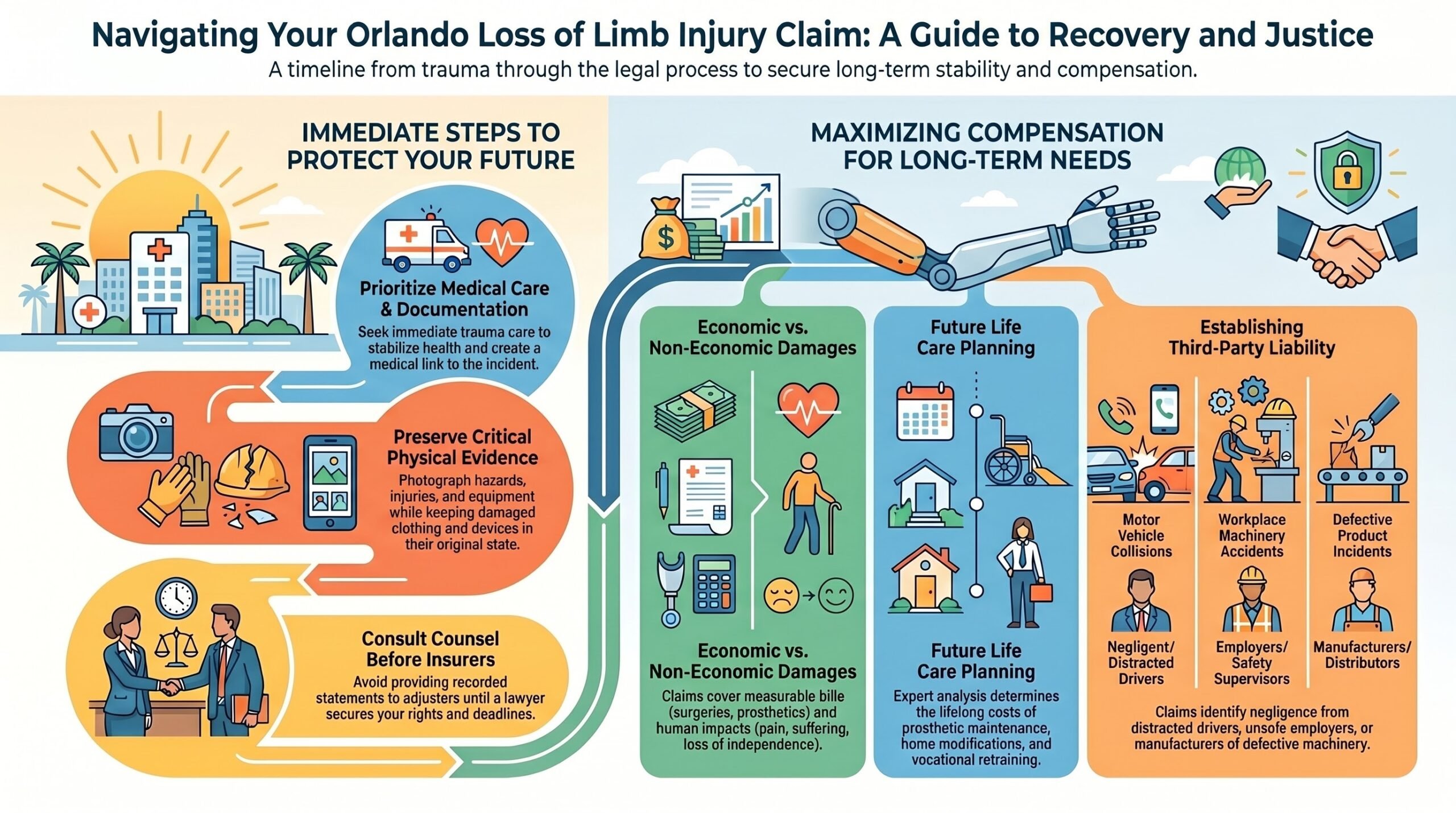
- Seek immediate medical treatment after a loss-of-limb injury to protect your health and create critical evidence linking the amputation to the incident.
- Preserve evidence by photographing the scene, injuries, equipment, and hazards, and keep damaged clothing, devices, and incident reports unchanged.
- Consult an Orlando loss of limb injury lawyer quickly to identify liable parties, protect deadlines, and avoid mistakes with insurers or employers.
- Let your attorney handle adjusters and settlement talks, because early statements, recorded interviews, and broad medical releases can weaken your claim.
- Strong claims use medical records, wage losses, prosthetic costs, and expert analysis to prove long-term care needs and full financial damages.


How We Can Help With Your Orlando Loss of Limb Injury Claim
Pursue your claim with a legal team that understands the life-changing impact of a loss of limb injury and the demands these cases place on injured people and their families. You need advocates who listen carefully, act decisively, and protect your ability to keep serving those who depend on you.
We can gather records, document your losses, and present a clear demand that reflects your medical care, income disruption, prosthetic needs, and future support. Your legal team can work with professionals who assess vocational rehabilitation options and identify assistive technology to improve independence at home and at work. We can communicate with insurers, manage deadlines, and negotiate from a position of preparation and strength.
If settlement efforts don’t produce a fair result, we can prepare your case for court with disciplined attention to evidence and testimony. Throughout the process, you receive practical guidance, steady communication, and representation focused on restoring stability, dignity, and long-term security for you.
OUR CONSULTATIONSARE FREE
START YOUR FREE CASE REVIEW

Understanding Orlando Loss of Limb Injury Cases
Because these claims often involve permanent disability, ongoing treatment, and major changes to your ability to work and live independently, understanding how Orlando loss of limb injury cases are evaluated is essential. You need clear evidence showing the full extent of your physical losses, financial burdens, and future care needs. Courts and insurers examine medical records, surgical reports, expert opinions, and testimony about how the injury affects your daily responsibilities and service to others.
Your case may include compensation for past and future medical treatment, lost income, reduced earning capacity, pain, and the cost of adaptive support. That support can include prosthetic advancements, rehabilitation technology, home modifications, and long-term assistance. You should also understand that these claims often require life care planning and vocational analysis to accurately measure the lasting impact.
When your legal team presents a thorough, well-documented case, you stand in a stronger position to secure resources that protect your dignity, independence, and ability to continue helping others.
Common Causes of Orlando Loss of Limb
You may suffer a loss of limb in Orlando through several serious events, including motor vehicle collisions, workplace machinery accidents, construction site injuries, and defective product incidents. Each cause presents distinct hazards, yet all can leave you facing permanent physical, financial, and personal consequences. By identifying how these incidents occur, you can better understand where liability may arise and why prompt legal action matters.
Motor Vehicle Collisions
When motor vehicle collisions happen, the forces involved can tear through bone, muscle, and blood vessels in seconds, leaving injuries so severe that a limb can’t be saved. If you were harmed in a crash, you may face crushing trauma, severe lacerations, or infections that make amputation medically necessary.
These cases often arise from speeding, distracted driving, impaired motorists, pedestrian collisions, and reckless lane changes. Teen drivers may also cause devastating wrecks when inexperience combines with poor judgment. As you seek ways to care for your family and continue serving others, it’s crucial to understand how liability is proven and damages are valued.
Medical records, crash reconstruction, and witness statements can show what happened. With strong legal guidance, you can pursue accountability and the financial support needed for long-term recovery.
Workplace Machinery Accidents
Operate heavy equipment for even a moment without proper safeguards, and the consequences can be catastrophic. In many workplaces, unguarded moving parts, defective controls, and ignored safety rules place you at serious risk of a traumatic amputation.
You may suffer a loss of limb when employers fail to install machine guards, skip inspections, or disregard required lockout procedures before cleaning, repairing, or restarting equipment. Conveyor belts, presses, saws, and industrial rollers can pull in clothing, gloves, or hands within seconds. When supervisors rush production or overlook training, preventable injuries become far more likely.
If this happened to you while serving your community through your work, you are entitled to accountability. A thorough legal review can help identify safety violations, preserve crucial evidence, and pursue compensation for your medical care, lost income, and future needs.
Construction Site Injuries
Working at heights, around power tools, and near moving vehicles exposes construction crews to some of the most severe amputation hazards on any job site. If you serve on a construction team, you face risks from collapsing trenches, falling materials, energized lines, and heavy equipment that can crush or sever limbs in seconds.
You rely on employers, contractors, and supervisors to uphold construction safety through training, guarding, traffic control, lockout procedures, and clear communication. When they neglect site inspections, ignore hazards, or rush schedules, preventable injuries become far more likely.
You may also encounter unsafe scaffolding, poor housekeeping, and missing protective barriers, all of which increase the risk of catastrophic harm. After a serious loss of limb, legal guidance can help you pursue accountability and secure resources for recovery and continued service.
Defective Product Incidents
Defective products also cause life-altering limb injuries, often in workplaces, homes, and public settings where you’d reasonably expect equipment and consumer goods to function safely. When machinery lacks guards, power tools malfunction, or defective appliances overheat, explode, or jam, you may suffer crushing injuries, traumatic amputations, or severe infections that threaten a limb.
You are entitled to accountability when manufacturers, distributors, or retailers place dangerous products into circulation. Many cases involve design defects, faulty warnings, or manufacturing errors that make ordinary use unreasonably dangerous. If you were hurt while working, caring for your family, or serving your community, a careful legal investigation can identify the responsible parties.
By preserving the product, documenting your injuries, and seeking prompt medical care, you help protect your wellbeing, your rights, and your ability to pursue fair compensation.


Legal Rights of Orlando Loss of Limb Injury Victims
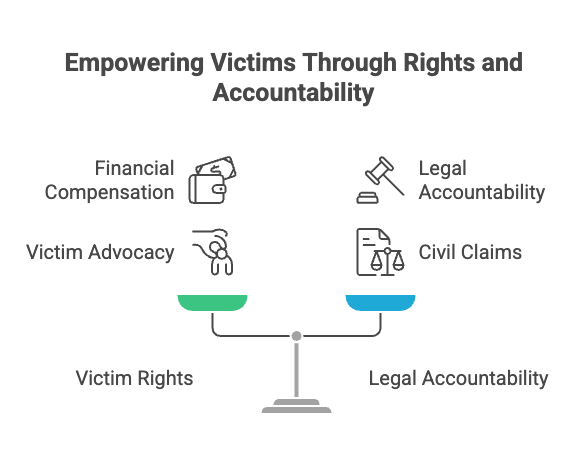
Because a loss of limb injury can alter every aspect of your life, Florida law gives you the right to pursue compensation when another party’s negligence or wrongful conduct caused the harm. You may seek damages for medical care, lost income, pain, suffering, prosthetics, long-term support, and rehabilitation access.
These rights help protect your dignity and your ability to continue serving your family and community with stability.
- You can pursue payment for current and future losses, including home modifications and assistive technology.
- You have the right to hold negligent drivers, property owners, manufacturers, or employers accountable through a civil claim.
- You can benefit from victim advocacy that helps you understand deadlines, insurance issues, and the value of your case.
Florida law also allows you to recover compensation for reduced earning capacity and other lasting effects. When liability is clear, your legal rights become a path toward accountability, restoration, and meaningful support for your future and independence.
Steps to Take After an Orlando Loss of Limb Injury
After an Orlando loss of limb injury, you should get immediate medical care because prompt treatment protects both your health and your record of harm. You should also preserve essential evidence, including photographs, medical records, and witness information, since these materials can support your claim. As soon as possible, consult an injury lawyer to understand your options and take informed legal action.
Seek Immediate Medical Care
Prompt medical treatment should be your first priority following a loss of limb injury in Orlando, even when the severity of the damage seems obvious. Call 911 immediately so first responders can provide urgent transport to a trauma center equipped to treat catastrophic injuries. Quick intervention may protect your life, reduce complications, and support any possibility of surgical stabilization.
You should follow every instruction from emergency personnel and hospital staff without delay. Tell providers about all symptoms, medications, and health conditions so they can make informed decisions about your care. Effective pain management matters because severe trauma can trigger shock, confusion, and additional physical stress.
By acting quickly and cooperating fully, you give yourself the strongest chance to recover, restore function where possible, and continue serving the people who depend on your strength daily.
Preserve Critical Evidence
Start gathering and protecting evidence as soon as your condition allows, since the facts surrounding a loss of limb injury can fade or disappear quickly. If you can, photograph the scene, your injuries, equipment, vehicles, warning signs, and visible hazards. Ask a trusted person to help when you cannot act on your own.
Keep damaged clothing, safety gear, medications, and medical devices in a secure condition. Do not wash, repair, or discard anything tied to the event. Write down the names of witnesses, responding personnel, and everyone involved, then record what you remember while the details remain clear.
Request copies of incident reports and preserve digital evidence, including texts, emails, and surveillance footage. Careful forensic photography and strict chain preservation can protect the truth and support accountability for everyone affected by your injury and recovery.
Consult An Injury Lawyer
In the days following a traumatic amputation, consulting an injury lawyer can help you protect your rights before insurers, employers, or opposing parties shape the narrative around what happened. Early legal guidance helps you avoid costly mistakes, preserve crucial records, and understand how liability may affect your recovery and future care.
You should seek counsel promptly, especially if fault is disputed or a company representative contacts you. A lawyer can explain your client’s rights, handle communications, and assess damages tied to surgeries, prosthetics, rehabilitation, lost income, and long-term support.
During your consultation, ask how the attorney investigates claims, what evidence strengthens your case, and how the fee structure works. Clear answers allow you to make informed choices and continue serving your family and community with greater security and stability.
How an Orlando Loss of Limb Injury Lawyer Can Help You
Secure experienced legal guidance as soon as possible to protect your rights while focusing on medical treatment and recovery. An Orlando loss-of-limb injury lawyer helps you pursue accountability, document damages, and build a clear claim that reflects your present needs. Your attorney also coordinates evidence from physicians, employers, and witnesses to present a complete picture of your case. That support allows you to continue serving your family and community with fewer legal burdens.
Early legal guidance helps protect your rights while your attorney builds a complete, well-documented claim for recovery.
- You receive a prompt investigation that preserves records, photographs, and expert opinions.
- You gain help calculating medical costs, lost income, rehabilitation options, and prosthetic advancements.
- You strengthen settlement negotiations through organized proof and a trial-ready strategy.
Your lawyer communicates with insurers, counters low offers, and explains each step with precision. With informed counsel, you can make sound decisions, protect your financial stability, and seek resources that support dignified, practical recovery and renewed independence after a serious accident.
Long-Term Effects of Orlando Loss of Limb Injuries
After a loss of limb injury, you may face lasting physical health challenges, including chronic pain, limited mobility, and ongoing medical needs. You may also struggle with emotional recovery, as anxiety, depression, and changes in self-image can affect your daily life and relationships. In addition, you may experience serious financial and career consequences, especially if your injury limits your ability to work or requires long-term care and rehabilitation.
Physical Health Challenges
Resilience often defines the early stages of recovery, but the physical health challenges tied to a loss of limb can persist for years and affect nearly every part of daily life. You may face Chronic phantom pain, nerve damage, skin breakdown, and joint strain as your body compensates for new movement patterns. Over time, back pain and overuse injuries can limit your strength and endurance.
Prosthetic adaptation also requires steady effort. You may need repeated fittings, gait training, and ongoing medical care to prevent pressure sores, falls, and alignment problems. Changes in weight, muscle mass, and circulation can affect comfort and mobility. If you serve others through work, caregiving, or community leadership, these limitations can reshape how you meet responsibilities and maintain your physical independence over the long term.
Emotional Recovery Struggles
Physical limitations often extend into emotional recovery, where the effects of a loss of limb can remain just as persistent and disruptive. You may struggle with grief, frustration, and a changed sense of identity, especially when daily tasks now require more effort and intention. These challenges can affect your mental health, weaken confidence, and make meaningful connections feel harder to maintain.
As you continue to serve your family, workplace, or community, you may also experience social isolation. Invitations can feel exhausting, and public settings may heighten self-consciousness or anxiety. Over time, emotional strain can interfere with sleep, relationships, and motivation, limiting your ability to stay engaged with others. Recognizing these emotional burdens matters because your recovery involves more than physical adaptation; it also requires steady psychological support and compassionate understanding.
Financial And Career Impact
Confronting the financial and career impact of a loss of limb often means dealing with consequences that reach far beyond your initial medical treatment. You may face reduced income, repeated prosthetic expenses, home modifications, and transportation costs that strain your household budget.
Your career path may also change substantially, especially if your prior work required physical labor or long hours on your feet. Job retraining can help you develop new skills, pursue meaningful work, and continue serving others through roles aligned with your abilities.
You must also consider lost benefits, reduced earning capacity, and the effect on Retirement planning, since long-term limitations can alter savings goals and timelines. Careful legal guidance can help you seek compensation that protects your stability, dignity, future independence, and your family’s welfare.
Proving Liability in Orlando Loss of Limb Injury Cases
Establishing liability in an Orlando loss-of-limb injury case requires clear evidence that another party’s negligence, recklessness, or wrongful conduct directly caused your injury. To prove that claim, you must show duty, breach, causation, and damages through records, witness statements, photographs, expert analysis, and other reliable proof.
You strengthen your case when you document the event carefully and connect each fact to the harm you suffered. Medical records can show how the amputation occurred, while experts may explain whether unsafe premises, defective machinery, dangerous driving, or faulty prosthetics contributed to your losses. You may also need testimony describing your physical limitations, ongoing treatment, and emotional trauma.
If an employer, driver, property owner, manufacturer, or medical provider failed to act responsibly, evidence must show that failure led to the outcome. By preserving facts early and presenting them clearly, you help build accountability, protect your future, and support the broader goal of preventing similar harm to others.
Dealing With Insurance Companies After an Orlando Loss of Limb Injury
Once you’ve gathered the evidence needed to show liability, you must also deal carefully with the insurance companies that will evaluate, question, and often resist your claim. You should approach every conversation with discipline, because adjusters often use claim tactics designed to limit responsibility, reduce values, or shift fault. If you want to protect your family and continue serving others, you need accuracy, patience, and consistent records.
You should avoid casual statements, recorded interviews, or quick settlement discussions before you understand the full extent of your losses. Insurance carriers may request broad medical authorizations, search for inconsistencies, and pressure you by citing payout timelines that favor their interests rather than yours.
You can respond effectively by keeping communications organized, documenting every contact, and directing intricate questions through your attorney. When you stay measured and informed, you strengthen your position, reduce avoidable mistakes, and help make certain the insurer evaluates your losses fairly and with proper seriousness.
What to Expect During an Orlando Loss of Limb Injury Claim Process
You can expect your claim to begin with an initial case evaluation, where your attorney reviews how the injury occurred, assesses liability, and identifies the damages you may recover. From there, you’ll need strong evidence and complete medical records to support your case, while the insurance negotiations timeline often depends on the severity of your injury, the available proof, and the insurer’s response. If a fair settlement isn’t offered, your attorney can prepare your case for trial and continue pursuing the compensation you are entitled to.
Initial Case Evaluation
At the initial case evaluation, an Orlando loss of limb injury lawyer will review how the injury occurred, identify the parties who may be legally responsible, and assess the medical and financial impact the amputation has had on your life. During this free consultation, you can explain your concerns, ask direct questions, and learn whether your claim appears viable under Florida law.
Your lawyer will outline the claim process, discuss deadlines, and explain how legal representation can protect your family’s stability and your ability to continue serving others. You’ll also receive guidance about an evidence checklist, so you understand what information may become important as the case moves forward. This meeting gives you a clear starting point, helps you make informed decisions, and establishes a professional strategy for pursuing accountability and fair compensation.
Evidence And Medical Records
Because compensation in a loss of limb claim depends heavily on proof, your lawyer will gather and organize the medical records, incident reports, photographs, employment information, and expert opinions that show both how the amputation occurred and how it has changed your daily life.
You should expect the careful collection of surgical notes, radiology reports, rehabilitation updates, and statements from treating physicians. Your attorney will confirm the evidence chain so that records remain reliable and admissible. They will also obtain wage records, prosthetic estimates, and testimony describing your limits in work, caregiving, and service to others.
Throughout this process, your legal team should respect medical privacy and use secure methods when requesting digital health records. Clear, complete documentation helps present your losses faithfully, supports expert analysis, and strengthens the foundation of your claim from the earliest stages onward.
Insurance Negotiations Timeline
Although each case moves at its own pace, insurance negotiations in an Orlando loss-of-limb claim usually begin after your attorney has assembled the essential medical records, liability evidence, and damage documentation needed to support a demand. From there, you can expect the insurer to review the claim, request clarification, and evaluate the full impact on your life and service to others.
Your attorney tracks the expected timeline, responds to follow-up inquiries, and presses for meaningful progress. Early settlement milestones often include acknowledgment of the claim, initial valuation, and written counteroffers. As negotiations continue, you may provide updated treatment information, proof of wage loss, or expert support. Patience matters, but so does persistence. By staying organized and responsive, you help your legal team present a clear, compelling case for fair compensation.
Settlement Or Trial
Once negotiations reveal the insurer won’t offer fair compensation, your Orlando loss-of-limb injury claim may move toward either a negotiated settlement or a trial. Your attorney will compare the certainty of settlement with the risks and possible rewards of court. Strong medical evidence, future care costs, and testimony about how the amputation affects your daily service to others can increase settlement leverage.
If the insurer still resists, trial preparation becomes crucial. You may give a deposition, review exhibits, and help your lawyer present a clear damages narrative. At trial, jury dynamics matter because jurors weigh credibility, responsibility, and the long-term impact of your injury. While a settlement can bring a faster resolution, a verdict may yield greater compensation when the defense refuses to act reasonably and honorably under Florida law.
Compensation for Orlando Loss of Limb Injury Damages
When a loss of limb injury results from another party’s negligence, you may recover compensation for the full scope of your damages, not just your immediate medical bills. You can pursue payment for surgeries, hospitalization, rehabilitation, prosthetic care, and ongoing treatment that supports your independence. Compensation may also address home modifications, transportation changes, assistive technology, and other practical needs that help you continue serving your family and community.
You may also seek recovery for the lasting personal impact of an amputation. That can include compensation for pain, disfigurement, reduced mobility, and the psychological adjustment required after such a life-changing event. If your injury limits your ability to work, care for others, or participate in meaningful activities, your claim should reflect those losses. An Orlando loss-of-limb injury lawyer can document your needs, present persuasive evidence, and pursue compensation that supports your recovery, stability, and future goals with confidence.
Economic vs Non-Economic Damages in Orlando Loss of Limb Cases
In your Orlando loss-of-limb case, you can seek economic damages for measurable losses like medical bills, rehabilitation costs, prosthetics, and lost income. You may also recover non-economic damages for the pain, emotional suffering, and reduced quality of life you’ve endured after the injury. To prove what your damages are worth, you’ll need strong records, expert opinions, and clear evidence showing how the amputation has affected your finances and daily life.
Economic Damages Explained
Distinguishing economic from non-economic damages is a vital step in valuing an Orlando loss-of-limb claim. Economic damages cover measurable financial losses tied to your injury. You may recover medical expenses, including emergency care, surgeries, rehabilitation, prosthetics, medications, and future treatment your doctors expect you’ll need.
You may also seek lost wages for time away from work, along with diminished earning capacity if your amputation limits your ability to perform your job or continue your chosen profession. In many cases, these damages also include transportation costs for treatment, home modifications, assistive devices, and vocational retraining.
Careful documentation matters. When you preserve bills, pay records, and expert opinions, you give your attorney stronger evidence to pursue the full financial recovery you need to continue supporting others and rebuilding stability.
Non-Economic Losses Overview
Often, the most significant harm in an Orlando loss-of-limb case isn’t limited to financial cost, because non-economic damages address the human impact of the injury on your daily life. These losses recognize what you endure beyond bills and lost income.
You may face lasting pain, suffering, emotional distress, loss of independence, and changes in relationships. Everyday tasks can require more effort, and activities that once allowed you to serve your family, workplace, or community may become difficult or impossible.
Non-economic damages also reflect disfigurement, mental anguish, and the diminished quality of life that follows a traumatic amputation. When your injury alters how you move, connect with others, and participate in meaningful responsibilities, these damages acknowledge those personal consequences and the lasting disruption they cause in your life.
Proving Damage Value
Because every loss of limb case affects a person differently, proving damage value requires clear evidence of both your measurable financial losses and the personal harm that doesn’t appear on a bill or pay stub.
You must document medical expenses, rehabilitation costs, prosthetics, lost income, and reduced earning capacity with records, expert opinions, and credible projections. At the same time, you should show how the injury changes your daily function, relationships, independence, and ability to serve your family and community.
Effective pain valuation often depends on testimony from you, your loved ones, and treating providers who can explain ongoing suffering and limitations. In many Orlando cases, life care planning helps establish future needs, including surgeries, therapy, home modifications, and assistive support. When your evidence is organized and specific, you strengthen the full value of your claim.
When an Orlando Loss of Limb Injury Case Goes to Trial vs Settlement
In many Orlando loss-of-limb injury cases, the decision to settle or proceed to trial depends on the strength of the evidence, the extent of your damages, and the insurance company’s willingness to act reasonably. If liability is clear and your losses are well documented, settlement often serves your interests by providing quicker financial support for your care, household needs, and future planning.
If the insurer disputes fault, minimizes your disability, or refuses fair compensation, a trial may become necessary. Your lawyer will prepare your case for jurors who must understand medical facts, daily limitations, and long-term costs. Strong advocacy can address jury dynamics and show why your claim merits full value.
Although plea bargaining is more commonly associated with criminal matters, people sometimes use the term loosely when discussing negotiations. In civil injury litigation, meaningful settlement talks remain the proper focus. By weighing risk, timing, and community impact, you can choose the path that best protects your family and dignity.
The Statute of Limitations for Orlando Loss of Limb Injury Cases
Although your medical recovery may remain the immediate priority after a catastrophic amputation injury, you can’t afford to lose sight of Florida’s filing deadline for personal injury claims. In many cases, you generally have two years to file suit, and missing that window can prevent you from seeking accountability and resources that could support your family and others who depend on you.
Still, every case merits careful attention because nuances of the statute and filing exceptions can affect how the deadline applies. If a government entity played a role, special notice rules and shorter timelines may apply. If the injured person is a minor or the harm wasn’t immediately discoverable, the law may allow limited adjustments. You should also remember that gathering records, preserving evidence, and identifying all responsible parties takes time.
Acting promptly helps protect your right to pursue compensation, encourages responsible conduct, and supports the broader goal of preventing similar harm in your community.
When to Contact an Orlando Loss of Limb Injury Lawyer
When you suffer a traumatic amputation or learn that a preventable complication will require limb removal, you should contact an Orlando loss of limb injury lawyer as soon as your condition allows. Acting promptly helps preserve records, witness accounts, photographs, and treatment information before essential details are lost. An early consultation also helps you understand immediate steps without adding unnecessary strain to your recovery.
You should also reach out when questions arise about medical bills, insurance communications, missed work, prosthetic needs, rehabilitation, or home modifications. Prompt legal guidance can support financial planning, protect your family’s stability, and help you make informed choices while you focus on recuperation and serving those who depend on you.
If a hospital, employer, property owner, or insurer requests statements or documents, do not delay. Contacting counsel before responding can help you avoid mistakes and keep your claim organized from the beginning, especially during a difficult and demanding time for everyone involved.
Why You Need an Experienced Orlando Loss of Limb Injury Lawyer
Prompt action protects your claim, but the lawyer you choose can greatly affect the outcome. After a loss of limb injury, you face permanent physical, financial, and vocational challenges. You need Experienced counsel that understands catastrophic injury claims, calculates long-term damages accurately, and confronts insurers that try to limit what your case is worth.
An experienced Orlando lawyer helps you pursue compensation for medical treatment, prosthetics, rehabilitation, lost income, reduced earning capacity, home modifications, and ongoing support. Your attorney also coordinates evidence, works with medical and economic experts, and presents the full impact of your injury with precision and credibility. That matters when your future care will affect your family, your work, and your ability to keep serving others.
Strong legal representation also supports Recovery planning. When your claim reflects both present losses and future needs, you gain resources that protect your stability, preserve dignity, and help you move forward with greater confidence and security.
How to Choose the Right Orlando Loss of Limb Injury Lawyer for Your Case
Because the attorney you hire will shape both the value of your claim and the quality of guidance you receive, you should choose counsel with proven experience handling catastrophic injury cases involving amputations and permanent disability. Review case results, courtroom experience, and knowledge of medical evidence, life care planning, and future damages before you decide.
You should also evaluate whether the lawyer treats you with respect, patience, and purpose. Strong Client communication matters because you need clear updates, honest timelines, and practical answers that help you care for your family and continue serving others in your community. Ask how often the firm responds to calls and who will handle your file day-to-day.
Finally, compare Fee structures carefully. You should understand contingency percentages, litigation costs, and whether expenses come out before or after recovery. When a lawyer combines skill, transparency, and compassion, you place your case on firmer ground for long-term recovery and justice.
About The Law Offices of Anidjar & Levine
Turn to The Law Offices of Anidjar & Levine for representation grounded in experience, preparation, and client-focused service.
When you face a life-changing loss of limb injury, you need a legal team that understands both the medical, financial, and personal stakes involved.
You can rely on the firm’s history of Anidjar & Levine to see how the practice has built a strong record of advocacy for injured people across Florida.
The attorneys and staff work to protect your interests, explain your options clearly, and pursue compensation that supports your recovery and long-term care.
They approach each case with discipline, careful investigation, and a commitment to responsive communication, so you aren’t left uncertain about your next steps.
Client testimonials also reflect the firm’s dedication to service, professionalism, and consistent attention to client needs.
If you want counsel that values dignity, accountability, and meaningful results, this firm offers representation designed to help you move forward with confidence and stability.
Frequently Asked Questions
Can Prosthetic Maintenance Costs Be Included in Future Damages?
Yes, you can often include prosthetic maintenance costs in future damages if evidence shows they’ll likely continue. You should document repair expenses, replacement timelines, maintenance scheduling, and expected prosthetic upgrades through medical and vocational experts. Courts and insurers typically consider whether these costs are reasonable, necessary, and tied to your long-term function. Careful records help you present a clear claim that supports your stability, independence, and ability to continue serving others.
Will a Limb Loss Claim Affect My Eligibility for Disability Benefits?
Yes, a limb loss claim can affect your disability eligibility, but it doesn’t automatically disqualify you from benefits. You should expect agencies or insurers to review any settlement, especially to determine whether a benefit offset applies. If you serve others and depend on stable support, careful structuring of claims matters. You can often protect ongoing benefits by clearly documenting medical needs, wage loss, and future care, and then coordinating your claim strategy.
Can Family Members Recover Damages for Caregiving After Amputation?
Yes, you may recover damages for caregiving after an amputation if your claim shows that family caregivers provided necessary services because of the injury. You can seek compensation for the reasonable value of that care, even when relatives helped without pay. Courts often consider medical needs, time spent, and the impact on loss adjustment. You should document tasks, hours, and expenses carefully to support a stronger, service-focused claim.
How Are Children’s Loss of Limb Claims Handled Differently in Orlando?
Children’s loss-of-limb claims in Orlando require added court oversight because you must protect the child’s long-term interests. You need Parental consent for crucial decisions, yet courts often review settlements, restrict access to funds, and require approval for major expenditures. You should also document lifelong medical needs, prosthetics, education support, and Future guardianship concerns. These claims prioritize preserved compensation, accountability, and structured planning that serve the child into adulthood.
Can I Pursue a Claim if a Defective Prosthetic Caused Complications?
Yes, you can pursue a claim if a defective prosthetic caused complications. You may have grounds under product liability if the device’s design, manufacturing, or warnings were flawed. You could also assert a claim for medical negligence if a provider improperly selected, fitted, or monitored the prosthetic. By acting promptly, you help protect your rights and support accountability, which can prevent similar harm to others who rely on these medical devices.
—————————
If you’ve suffered a loss of limb injury in Orlando, you need clear guidance and strong legal support.
You can pursue compensation for your medical care, lost income, rehabilitation, and long-term needs, but acting quickly matters.
An experienced lawyer can protect your rights, build your claim, and deal with insurers on your behalf.
The Law Offices of Anidjar and Levine can help you move forward with confidence and a strategy focused on your recovery and financial stability.
For more information, visit Orlando Medical Malpractice Lawyer.

