

An Orlando hypoxia injury lawyer helps you act quickly to protect evidence, secure medical records, and identify who may be responsible for the oxygen-deprivation injury. If you need experienced guidance, the Law Offices of Anidjar and Levine can help, and an Orlando Medical Malpractice Lawyer can also advise you on insurer communications, deadlines, and the medical proof needed to link hypoxia to brain, heart, or respiratory harm.
With strong legal support, you can pursue compensation for treatment, rehabilitation, lost income, and future care. The sections below explain what to do, what to expect, and how Florida law may apply.
Main Takeaways
- An Orlando hypoxia injury lawyer investigates oxygen-deprivation incidents, preserves evidence, and identifies liable hospitals, providers, facilities, or other responsible parties.
- Early legal guidance helps protect your rights, avoid damaging statements by insurers, and ensure that critical medical records and communications are preserved.
- Strong hypoxia claims rely on medical records, imaging, neurological testing, witness accounts, and expert testimony linking oxygen loss to lasting harm.
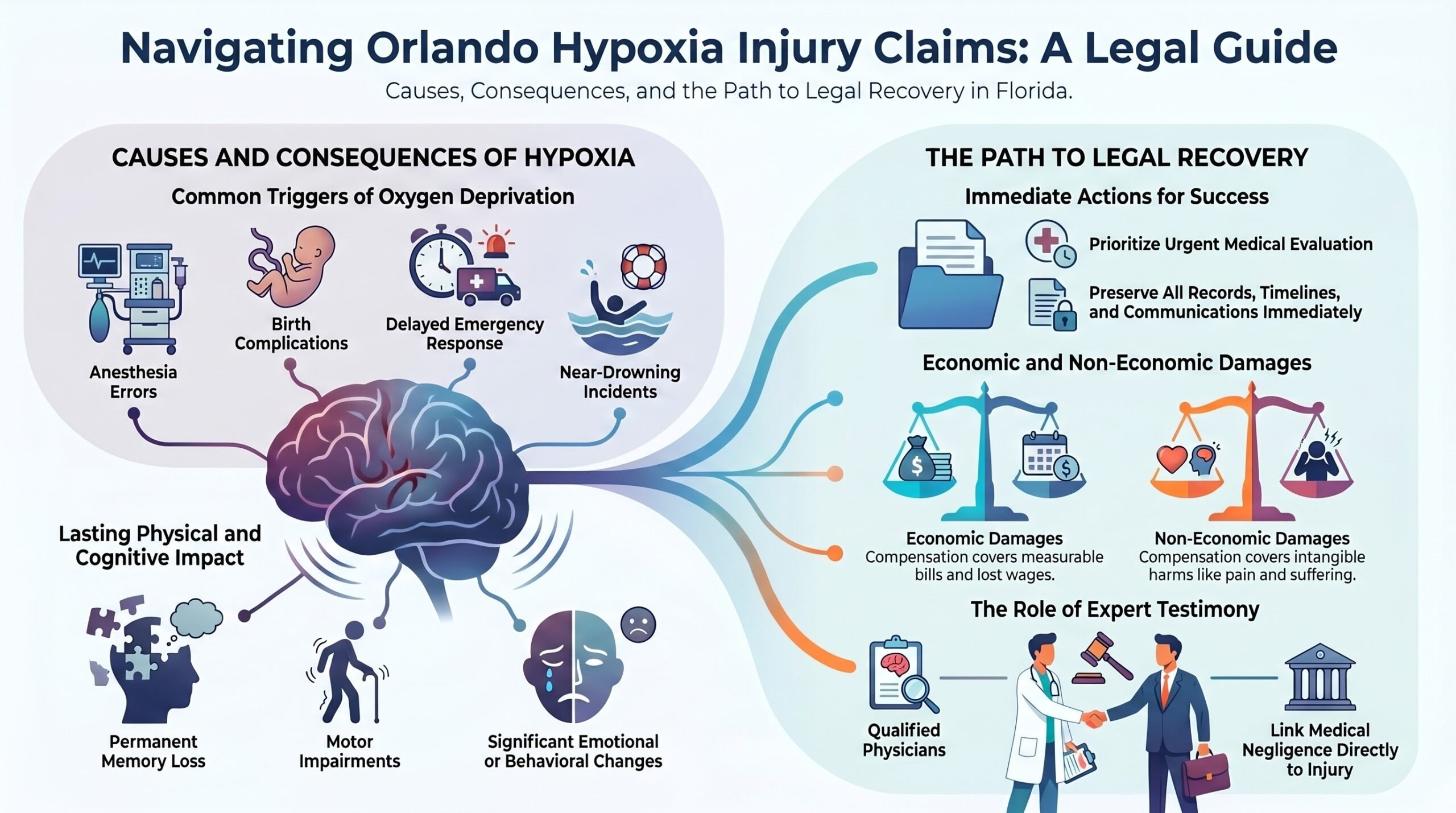
- Common causes include anesthesia errors, delayed emergency response, birth complications, and near-drowning events that lead to brain, heart, or respiratory injury.
- Compensation may cover medical treatment, rehabilitation, long-term care, lost income, and the ongoing physical, cognitive, and emotional effects of hypoxia.
How We Can Help With Your Orlando Hypoxia Injury Claim
Start by understanding that a hypoxia injury claim demands prompt action, careful investigation, and a clear legal strategy. You need counsel that listens closely, documents losses thoroughly, and moves your case forward with purpose. When you seek help, you merit a team that protects your rights while respecting your commitment to your family and those who depend on you.
Your legal team can gather records, preserve evidence, interview witnesses, and coordinate with qualified professionals to strengthen your claim. You can also receive guidance on deadlines, insurer communications, and decisions that may affect compensation. Beyond the claim itself, strong representation should include post-claim support that helps you plan for continuing needs. You may also benefit from referrals to trusted community resources that support rehabilitation, caregiving, and financial stability. With disciplined advocacy and clear communication, you can pursue accountability and secure support that helps you continue serving others with dignity and strength.
Understanding Orlando Hypoxia Injury Cases


Because oxygen deprivation can occur in many medical and nonmedical settings, understanding how Orlando hypoxia injury cases work is essential to evaluating liability and damages. When you pursue justice for an injured person, you must connect the oxygen loss to measurable harm, show when it occurred, and identify who had a duty to prevent or respond to it.
OUR CONSULTATIONSARE FREE
START YOUR FREE CASE REVIEW

You will often rely on records, witness accounts, imaging, and expert analysis to establish changes in brain oxygenation and resulting impairment. Courts and insurers examine whether the evidence shows a clear timeline, functional decline, and long-term needs. They may also consider hypoxia biomarkers, neurological testing, rehabilitation projections, and testimony about daily limitations. Your role is to present a careful, service-minded account of how the injury altered the person’s abilities, relationships, and future care requirements. A strong case links medical proof, human impact, and legally recognized damages with precision and credibility.

Common Causes of Orlando Hypoxia
You may face hypoxia because of several serious events, including surgical and anesthesia errors, delayed emergency response, birth and delivery complications, and near-drowning incidents. Each of these situations can interrupt oxygen flow to the brain and cause lasting harm when you don’t receive prompt, proper care. By understanding how these causes arise, you can better recognize when negligence may have contributed to your injury or your loved one’s condition.
Surgical And Anesthesia Errors


When surgical teams or anesthesia providers fail to maintain a patient’s airway, oxygen levels can drop within minutes and cause a hypoxic injury. During surgery, you trust medical professionals to monitor breathing, oxygen saturation, and essential signs with constant attention. If they intubate improperly, misplace a breathing tube, overlook alarms, or administer the wrong anesthesia dosage, you may suffer preventable brain damage or organ harm.
These failures may amount to anesthesia negligence or surgical malpractice, especially when providers ignore established safety protocols. You may also face hypoxia if staff fail to recognize aspiration, medication interactions, or ventilation problems during a procedure. By identifying exactly where the breakdown occurred, you can protect your family, promote accountability, and help encourage safer care for future patients in Orlando hospitals and surgical centers.
Delayed Emergency Response
Although medical emergencies demand immediate action, a delayed response by hospital staff, emergency personnel, or nursing teams can allow oxygen deprivation to progress into a serious hypoxic injury. When alarms are missed, symptoms are dismissed, or communication breaks down, you may face avoidable harm within minutes. Delayed recognition of breathing distress, airway blockage, or dropping oxygen levels can quickly worsen outcomes and increase the need for intensive treatment.
You trust caregivers to follow established response protocols, monitor essential signs, and intervene without hesitation. When they fail to escalate care, call experts, or begin life-saving measures promptly, the consequences can be permanent. If your family is serving a loved one after such negligence, you merit clear answers. An Orlando hypoxia injury attorney can help you investigate delays, identify failures, and pursue accountability.
Birth And Delivery Complications
Because birth requires constant monitoring and timely intervention, complications during labor and delivery can deprive a baby of oxygen within a very short time. You may see hypoxia arise from umbilical cord compression, prolonged labor, uterine rupture, or placental insufficiency, each demanding immediate recognition and decisive care from the medical team.
When providers miss warning signs, delay a cesarean section, or perform inadequate neonatal resuscitation, your child can suffer preventable brain injury and lifelong limitations. You merit clear answers about whether proper fetal monitoring occurred, whether distress was documented, and whether staff followed accepted standards. By seeking accountability, you not only protect your family’s future; you also help promote safer obstetric practices for other parents and children in your community. That service-minded pursuit can drive meaningful change and improve care for everyone.
Near-Drowning Incidents
Even a brief submersion incident can interrupt oxygen flow to the brain and leave a child or adult with severe, lasting injuries. When you serve families in Orlando, you may see these events arise from poor water safety practices, defective pool design, or inadequate supervision at hotels, apartments, and community centers.
You should understand how quickly hypoxia develops when warnings are missed, lifeguard training is insufficient, or rescue techniques are delayed. In many cases, property owners, swim program operators, or maintenance companies fail to correct hazards that pose a risk to visitors. By recognizing preventable causes, you can better protect others and support accountability after a near-drowning incident. Careful investigation often reveals whether negligence, unsafe conditions, or staffing failures contributed to the oxygen deprivation and the long-term harm that follows.
Legal Rights of Orlando Hypoxia Injury Victims
If you or a loved one suffered a hypoxia injury in Orlando, you have the right to seek compensation when another party’s negligence caused the harm. Florida law may allow you to pursue damages for medical care, rehabilitation, lost income, diminished earning capacity, pain and suffering, and long-term support needs. Through patient advocacy, you can protect dignity, obtain answers, and promote safer care for others in your community.
In Orlando, negligence-related hypoxia injuries may justify compensation for care, lost income, pain, and long-term support needs.
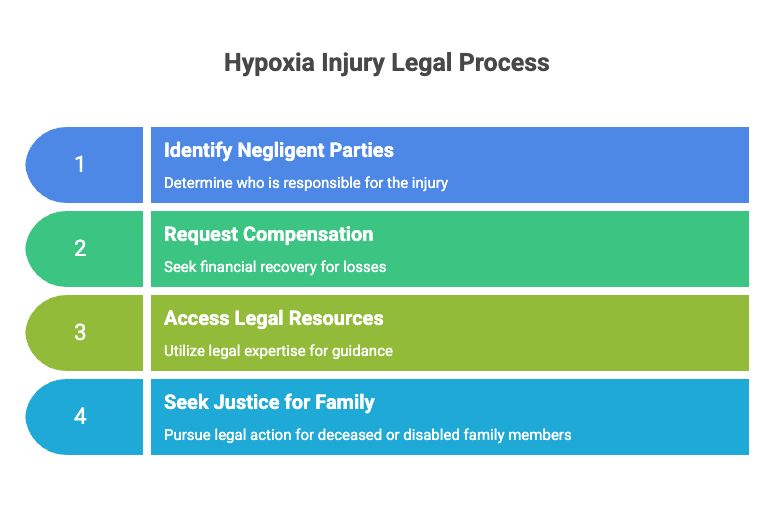
- You may hold hospitals, property owners, caregivers, or other negligent parties financially accountable.
- You can request compensation for current losses and projected future expenses tied to the injury.
- You have access to legal resources that help you understand liability, insurance issues, and available claims.
- You may also seek justice for a family member whose hypoxia injury caused permanent disability or wrongful death.
Steps to Take After an Orlando Hypoxia Injury
After an Orlando hypoxia injury, you should seek immediate medical care because prompt treatment protects your health and creates vital records of your condition. You should also preserve crucial evidence, including medical documents, witness information, and any communications related to the incident, since these materials can support your claim. As soon as possible, you should contact an Orlando lawyer, so you can understand your options and take informed action to protect your rights.
Seek Immediate Medical Care
Seeking prompt medical attention should be your first priority, because hypoxia can cause serious complications that are not always obvious at the scene. Even if you feel stable, you need an urgent evaluation to identify hidden brain, heart, or respiratory harm before symptoms worsen.
When you seek care immediately, you protect your health and strengthen your ability to continue serving your family, work, and community. Tell medical providers exactly what happened, describe every symptom, and follow testing recommendations without delay. Ask about oxygen therapy options, monitoring, imaging, and consultant referrals if your condition requires them. Keep attending follow-up appointments, take prescribed medications as directed, and report any new headaches, confusion, weakness, or shortness of breath promptly. Fast treatment can improve outcomes and support a safer recovery with fewer lasting complications.
Preserve Key Evidence
Start by locking down the evidence tied to your hypoxia injury, because pivotal details can disappear quickly and weaken any future insurance claim or legal case. Save discharge papers, test results, medication lists, photos of equipment, and the names of everyone present. Write a clear timeline while memories remain fresh, and ask witnesses to do the same. Preserve voicemails, texts, emails, and billing records that may show what happened and when.
If any device, tubing, monitor, or alarm may be involved, avoid altering it and document its condition immediately. Careful forensic preservation helps protect the truth. Keep each item organized, dated, and stored securely to support the chain of custody. By acting promptly and methodically, you help safeguard accountability, support those affected, and strengthen the factual foundation of your case.
Contact An Orlando Lawyer
Reach out to an Orlando hypoxia injury lawyer as soon as you’ve stabilized the immediate situation, because early legal guidance can protect evidence, prevent harmful statements to insurers, and clarify your options. By contacting counsel promptly, you help preserve facts that may support accountability and protect your client’s rights from the start.
During a free consultation, you can explain what happened, share records, and ask how Florida law may apply to your case. Your lawyer can assess potential defendants, identify deadlines, and guide communication with hospitals, insurers, or opposing parties. This support allows you to focus on recovery while advancing a claim that may secure resources for future care. Taking this step also honors those depending on your strength, because informed action often creates the best path toward justice and service.
How an Orlando Hypoxia Injury Lawyer Can Help You
Understand that an Orlando hypoxia injury lawyer can protect your interests by investigating how the oxygen deprivation occurred, identifying liable parties, and building a claim supported by medical records, expert testimony, and other vital evidence.
When you seek justice, your attorney helps you act with purpose, especially if medical malpractice, unsafe supervision, or delayed emergency care contributed to the injury.
- You receive a careful case review that identifies negligence and preserves crucial evidence before it disappears.
- Your lawyer consults qualified professionals who provide expert testimony about causation, standards of care, and preventable errors.
- You gain an advocate who handles insurers, demand letters, and negotiations, allowing you to focus on your family and service to others.
- Your attorney prepares for litigation when necessary, presenting a clear claim for medical costs, lost income, and other measurable damages.
With disciplined legal guidance, you can pursue accountability, protect your household, and encourage safer conduct throughout the Orlando community.

Long-Term Effects of Orlando Hypoxia Injuries
After an Orlando hypoxia injury, you may face lasting cognitive and memory decline that affects your ability to think clearly, retain information, and manage daily responsibilities. You may also experience motor and physical impairments, including weakness, poor coordination, and reduced mobility, which can limit your independence. In addition, emotional and behavioral changes can alter your relationships, judgment, and overall quality of life.
Cognitive And Memory Decline
Because the brain depends on a steady oxygen supply to form, store, and retrieve information, a hypoxic injury can lead to lasting cognitive and memory decline. You may struggle to recall conversations, follow instructions, organize tasks, or make sound decisions under pressure. These changes can disrupt your work, relationships, and daily responsibilities, especially when others depend on your care and judgment.
You might also experience attention deficits that make concentration inconsistent and mentally exhausting. In many cases, memory rehabilitation helps you rebuild routines, strengthen recall, and adapt to new limitations with structured support. Neuropsychological evaluation can identify the scope of impairment and guide treatment. When cognitive losses follow a preventable event, legal guidance can help you pursue resources for therapy, long-term care planning, and household support services.
Motor And Physical Impairments
Motor and physical impairments can reshape nearly every part of your daily life when a hypoxia injury damages the areas of the brain that control movement, balance, coordination, and muscle tone. You may struggle to walk safely, lift objects, or complete routine tasks that once felt simple and natural. Motor deficits can also limit your independence, making bathing, dressing, cooking, and transportation far more difficult.
You might experience weakness, tremors, poor coordination, muscle stiffness, or paralysis in certain limbs. Fine motor control may decline, which can affect writing, buttoning clothing, or using tools while caring for others. In some cases, speech impairments develop when muscles involved in speaking become weak or poorly coordinated. These physical limitations often require extensive therapy, adaptive equipment, and long-term support.
Emotional And Behavioral Changes
When a hypoxia injury disrupts the brain’s emotional regulation systems, it can change how you think, react, and relate to other people in lasting ways. You may experience mood swings, irritability, anxiety, depression, or reduced impulse control, even when you’re trying to remain calm and supportive of others.
These changes can strain family relationships, interfere with work, and make daily responsibilities harder to manage. You might feel unlike yourself, especially if you’ve always been dependable, patient, and focused on helping those around you. Treatment often includes counseling, cognitive rehabilitation, medication management, and structured support from loved ones. Careful documentation of these symptoms matters because emotional and behavioral effects can be as serious as physical limitations.
An Orlando hypoxia injury lawyer can help you pursue accountability and secure resources for long-term care.
Proving Liability in Orlando Hypoxia Injury Cases
Establishing liability in an Orlando hypoxia injury case requires clear evidence that a medical provider failed to meet the accepted standard of care and that this failure caused the oxygen deprivation injury. To serve your loved one well, you must gather records, monitor strips, imaging, and witness accounts that show what occurred before, during, and after the event.
You also need Expert testimony from qualified physicians who can explain where the provider’s actions departed from accepted practice. Their opinions help you connect delayed intervention, poor monitoring, medication errors, or delivery mistakes to the injury itself.
A careful Causation analysis then shows that the hypoxia, not an unrelated condition, produced the brain damage or other losses you now face. You strengthen your claim by preserving timelines, documenting symptoms, and identifying all responsible parties, including hospitals, nurses, physicians, and contractors. When you present precise proof, you uphold accountability and support the care your family may need for years to come.
Dealing With Insurance Companies After an Orlando Hypoxia Injury
Sorting through insurance communications after an Orlando hypoxia injury can quickly affect the strength of your claim, especially if adjusters seek recorded statements, broad medical authorizations, or early settlement terms before the full extent of the harm is known. You should respond carefully, keep copies of every communication, and avoid agreeing to requests that exceed what is reasonably necessary.
Insurance representatives often use claim tactics designed to limit payouts, frame your condition narrowly, or shift responsibility before your medical picture is complete. You can protect both your interests and your ability to serve your family by documenting symptoms, treatment updates, expenses, and time away from work. Careful records help prevent misunderstandings and reduce opportunities for insurers to minimize serious losses. Settlement timing also matters. If you accept an offer too soon, you may lose the chance to address future care needs, rehabilitation costs, and lasting complications that warrant full consideration in serious injury matters.
What to Expect During an Orlando Hypoxia Injury Claim Process
You can expect your claim to begin with an initial case evaluation, where your attorney assesses the facts, identifies liable parties, and explains your legal options. From there, your medical records will be closely reviewed to link the hypoxic injury to the negligent act, which will help support negotiations for a fair settlement. If the insurer won’t resolve the case appropriately, you should be prepared for a trial process timeline that includes filing, discovery, pretrial motions, and, if necessary, a court hearing.
Initial Case Evaluation
When a hypoxia injury may have resulted from medical negligence, the initial case evaluation gives your attorney the first clear opportunity to assess what happened, identify who may be responsible, and determine whether the claim has a sound legal and medical basis.
During this stage, you usually begin with a free consultation and case screening. You explain the events, your concerns, and how the injury affected your loved one and those you serve each day. Your attorney asks focused questions, outlines potential legal issues, and evaluates timelines, providers, and possible breaches in care. You can also expect guidance about immediate next steps, communication practices, and whether further investigation appears warranted. This meeting helps you understand your options and decide how to move forward with purpose, accountability, and informed judgment in service to your family.
Medical Records Review
After that initial evaluation, the focus usually shifts to a careful review of the medical records tied to the hypoxia event. Your lawyer examines hospital charts, physicians’ notes, test results, medication logs, and monitoring data to understand what happened and when. This step helps identify gaps, delayed responses, and possible departures from accepted care standards.
You can expect your legal team to request records from every provider involved, while maintaining patient privacy throughout the process. They also look closely at record accuracy, because incomplete entries, altered notes, or conflicting timelines can affect how your claim is understood. By organizing these materials and consulting qualified medical experts when needed, your attorney builds a clear factual foundation. That careful preparation helps you pursue accountability and protect the well-being of those you serve.
Negotiation And Settlement
Once the medical evidence and expert opinions have clarified how the hypoxia injury occurred, the claim often moves into negotiation with the insurer or opposing counsel. At this stage, you and your attorney present damages, explain future care needs, and press for accountability that supports your loved one’s well-being and dignity.
Your Settlement strategy should reflect both immediate losses and long-term consequences, including rehabilitation, adaptive services, and reduced earning capacity. Insurers may challenge causation or minimize harm, so your lawyer counters with organized proof and clear valuation. Mediation tactics can also help resolve disputes efficiently, especially when both sides need a structured setting to discuss risk and responsibility. Throughout negotiations, you should expect offers, counteroffers, and careful review of release terms, because an early resolution must still protect the injured person’s future needs.
Trial Process Timeline
Not every Orlando hypoxia injury claim resolves through settlement, and if the insurer refuses to offer fair compensation, your case may proceed to trial. Your attorney will prepare pleadings, exchange discovery, and build an evidentiary timeline that explains how oxygen deprivation caused lasting harm. As the case advances, you may attend hearings, answer written questions, and participate in depositions.
Before testimony begins, the court handles motions and jury selection. Your lawyer presents witnesses, medical records, and expert opinions to show liability and damages, while the defense challenges causation or the extent of injury. After both sides rest, the judge instructs the jury, and deliberations begin. If the verdict favors you, the court enters judgment. Even then, post-trial motions or an appeal can extend the process before compensation is finally paid.
Compensation for Orlando Hypoxia Injury Damages
Accountability matters when a hypoxia injury causes lasting harm, because compensation should reflect the full scope of what you’ve lost and what you’ll continue to face. When you pursue a claim, you seek resources that help restore stability, protect your family, and support the care your condition now requires.
You may need compensation for hospitalization, rehabilitation, medications, assistive equipment, and in-home support. If your injury affects your ability to work, your claim should address reduced earning capacity and future income. A strong case also considers life care needs, including therapies, supervision, transportation, and home modifications that promote safety and dignity. Your lawyer works to document how the injury changed your daily responsibilities, relationships, and long-term independence.
By building a thorough claim, you help ensure the responsible party is held accountable for the harm caused. That process can provide practical support, uphold your values, and give those who depend on you a more secure path forward jointly.
Economic vs Non-Economic Damages in Orlando Hypoxia Cases
In an Orlando hypoxia case, you may seek economic damages for measurable losses such as medical bills, rehabilitation costs, lost income, and future care expenses. You may also pursue non-economic damages for harms that are harder to quantify, including pain and suffering, emotional distress, and loss of enjoyment of life. To calculate these damages, your lawyer will use medical records, employment data, expert opinions, and other evidence to show the full impact of the injury on your life.
Economic Damage Categories
Because a hypoxia injury often creates immediate medical expenses and long-term financial strain, Orlando claims typically separate damages into economic and non-economic categories. Economic damages cover measurable losses you can document with bills, records, and expert analysis.
You may recover hospital charges, rehabilitation costs, medication expenses, assistive devices, home health services, and transportation for treatment. If your injury affects your ability to work, you can also pursue lost wages and reduced future earnings. In severe cases, economic damages may include long-term nursing care, therapy, vocational retraining, and modifications to your home or vehicle. You should preserve invoices, employment records, tax returns, and physician opinions because each item helps establish the financial support your family needs. Careful documentation strengthens your claim and helps you continue restoring others responsibly.
Non-Economic Losses
While economic damages address measurable financial losses, non-economic damages focus on the personal harm a hypoxia injury causes in your daily life. These losses include physical pain, emotional distress, mental anguish, disability, disfigurement, and the loss of companionship or independence that can follow oxygen deprivation injuries.
You may find that your quality of life declines in ways a bill cannot show. You might struggle to serve your family, support your community, or participate in meaningful activities that once gave your life structure and purpose. Non-economic losses recognize those human consequences. They also reflect how ongoing symptoms affect relationships, dignity, sleep, and peace of mind. In a hypoxia case, pain valuation helps describe the seriousness of your suffering, while preserving focus on the real, personal impact of the injury.
Damage Calculation Methods
Courts and insurers use different methods to calculate economic and non-economic damages in Orlando hypoxia cases, and that distinction often shapes the value of a claim. Economic damages rely on records you can document, including hospital bills, therapy costs, wage loss, and projected Future earning limits. Attorneys often use Loss valuation models that account for Medical inflation, ongoing care, and reduced work capacity.
Non-economic damages require a different approach because they measure human harm that receipts can’t capture. Your lawyer may use Pain valuation methods, testimony, and daily impact evidence to show suffering, disability, anxiety, and lost enjoyment of life. When you pursue fair compensation, you aren’t only protecting your household. You’re also securing resources that help you continue caring for others with stability, dignity, and long-term support.
When an Orlando Hypoxia Injury Case Goes to Trial vs Settlement
Evaluating whether a hypoxia injury case resolves through settlement or proceeds to trial depends on the strength of the medical evidence, the extent of the harm, and the parties’ willingness to dispute liability and damages. If your records clearly connect oxygen deprivation to preventable mistakes, you often gain settlement leverage early. Strong expert opinions, credible life care projections, and documented losses can motivate meaningful negotiations.
A trial becomes more likely when insurers deny fault, minimize disability, or challenge causation. In that setting, your legal team prepares exhibits, expert testimony, and witness examinations to present your story with precision. You should also consider jury dynamics, as jurors may respond differently to complex medical issues, hospital conduct, and long-term care needs. Settlement can provide faster access to treatment and family support, while a trial may offer greater accountability when the defense refuses a fair result. Your lawyer should help you weigh the risks, timing, costs, and mission-driven goals before choosing the strongest path.
The Statute of Limitations for Orlando Hypoxia Injury Cases
Because filing deadlines can control the entire outcome of your claim, you must identify the statute of limitations as early as possible after a hypoxia injury in Orlando. Florida law sets strict statute deadlines, and missing them can bar recovery even when the underlying harm is severe and clearly documented by records and witness accounts.
You should also recognize that the applicable period may depend on how the injury occurred and who bears responsibility. Medical negligence claims often follow different timing rules than general personal injury actions, and cases involving minors or delayed discovery may be subject to narrow filing exceptions. If a government entity is involved, special notice requirements can further shorten your practical timeline.
By preserving records, confirming relevant dates, and carefully tracking procedural requirements, you protect your ability to pursue accountability and secure resources that support the injured person, strengthen family stability, and advance the broader goal of responsible care within your community.

When to Contact an Orlando Hypoxia Injury Lawyer
Time limits shape your legal options, but the right time to contact an Orlando hypoxia injury lawyer often comes well before any filing deadline approaches. You should reach out as soon as you suspect a preventable oxygen deprivation injury, especially after a difficult birth, surgical event, or emergency response, where records may quickly become harder to secure.
Early intervention helps you preserve documents, identify witnesses, and organize the facts while memories remain clear. It also gives you time to understand legal timing without making rushed choices during an already demanding season of care. If you are coordinating treatment, supporting a loved one, or trying to protect your family’s future, prompt action can reduce avoidable delays.
You do not need to wait for every answer before making contact. When questions arise about what happened, who was involved, or what steps to take next, that is often the clearest signal to seek guidance and move forward with purpose.
Why You Need an Experienced Orlando Hypoxia Injury Lawyer
When a hypoxia injury may stem from medical negligence, an experienced Orlando hypoxia injury lawyer can help you turn uncertainty into a clear legal strategy. You need counsel who understands how Medical malpractice claims are investigated, documented, and presented, because the medical issues are often intricate and the financial stakes are significant.
An experienced lawyer protects your ability to serve your family by building a case that is organized, credible, and supported by qualified experts. You benefit from careful analysis of records, timelines, hospital policies, and witness accounts, all of which can reveal where preventable failures occurred. Strong counsel also anticipates defense tactics, values your claim realistically, and negotiates from a position of preparation rather than pressure. If your case proceeds to trial, experience matters in Jury selection, evidentiary challenges, and courtroom presentation. With capable representation, you can pursue accountability, secure needed resources, and focus on your loved one’s recovery with greater confidence.
How to Choose the Right Orlando Hypoxia Injury Lawyer for Your Case
Strong representation matters, but the lawyer you hire should also fit the facts of your case and the demands of Florida medical malpractice law. You should look for counsel with direct experience handling hypoxia claims, access to qualified medical experts, and a clear process for investigating records, timelines, and standards of care.
As you compare firms, pay close attention to communication, responsiveness, and professionalism during client interviews. You need a lawyer who listens carefully, explains legal options plainly, and respects your goals for accountability and service to your loved one. Ask how the attorney approaches expert review, case valuation, and settlement strategy. You should also review fee structures so you understand costs, contingency terms, and litigation expenses before moving forward. Finally, consider whether the lawyer has trial experience and the resources to manage a complicated medical malpractice case from filing through verdict. Careful selection can protect your family and strengthen your claim.
About The Law Offices of Anidjar & Levine
Because hypoxia injury claims often require detailed medical analysis and careful compliance with Florida malpractice rules, The Law Offices of Anidjar & Levine prepares each case with a focus on evidence, expert support, and practical client guidance. When you work with the firm, you receive responsive communication, organized case management, and a legal team that understands how serious oxygen deprivation injuries can affect every part of your life and your family’s future.
You can expect a service-centered approach that respects your time, answers your questions, and helps you make informed decisions at each stage of the claim. The firm’s record, client testimonials, and commitment to community outreach reflect a broader mission of helping injured people recover stability and dignity.
If you’re seeking representation that combines legal discipline with personal attention, The Law Offices of Anidjar & Levine offers advocacy designed to protect your rights and support your long-term recovery through every phase.
Frequently Asked Questions
Can Hypoxia Injuries Affect Children Differently Than Adults?
Yes, hypoxia injuries can affect children differently than adults because a child’s brain is still developing. You may see developmental delays, learning problems, behavioral changes, and an increased risk of seizures, even after a brief loss of oxygen. Adults often show deficits in memory, motor function, or cognition, but children can face longer-lasting effects on growth and independence. If you’re supporting a child, early evaluation and therapy can materially improve outcomes over time.
Are Second Opinions Helpful After a Hypoxia Diagnosis?
Yes, you should consider second opinions after a hypoxia diagnosis. They can provide diagnostic confirmation, clarify the extent of injury, and identify treatment options your first physician may not emphasize. When you seek another evaluation, you strengthen your ability to make informed decisions and advocate for the person’s long-term care. Second opinions also help you serve your family responsibly, because they reduce uncertainty and support a more accurate, timely medical plan overall.
What Specialists Treat Hypoxia-Related Brain Injuries?
You may need a neurologist, physiatrist, and neuropsychologist to treat hypoxia-related brain injuries. Neurorehabilitation experts help you regain movement, speech, memory, and daily function through coordinated therapy. If a child suffered the injury, pediatric neurologists guide diagnosis, treatment, and long-term developmental care. You should also consider speech, occupational, and physical therapists, because each practitioner addresses specific deficits and supports your ability to serve others effectively.
Can Mild Hypoxia Symptoms Appear Days Later?
Yes, mild hypoxia symptoms can appear days later. You may notice delayed onset issues such as headaches, fatigue, dizziness, or subtle cognitive changes, including memory lapses and poor concentration. Even mild symptoms warrant prompt medical evaluation, because delayed effects can signal evolving brain stress. If you serve someone recovering from oxygen deprivation, monitor behavior carefully and document changes. Early assessment helps you protect health, guide treatment, and support meaningful recovery.
Are Family Members Eligible for Support Resources?
Yes, you may qualify for support resources as a family member. You can often access family counseling, caregiver education, support groups, and financial assistance through hospitals, nonprofit organizations, state programs, or victim services. You should ask a social worker to identify options that match your family’s medical, emotional, and practical needs. Early coordination helps you serve your loved one more effectively while protecting your household’s stability during treatment and recovery.
—————————
If you or a loved one suffered a hypoxia injury in Orlando, you should act promptly to protect your rights. These cases often involve intricate medical and legal issues, and strong representation can make a significant difference in the outcome.
By working with an experienced Orlando Medical Malpractice Lawyer, you can pursue accountability, secure vital evidence, and seek the compensation you merit.
The Law Offices of Anidjar and Levine can help you move forward with confidence.

