

If a surgeon left a sponge, clamp, needle, or other object inside you in Orlando, you should get medical care immediately, preserve records and imaging, and speak with the Law Offices of Anidjar and Levine as soon as your condition is stable.
You may have a Florida malpractice claim for corrective treatment, lost wages, pain, and future complications. An attorney can secure expert support, identify liable providers, and protect your claim while you focus on recovery.
The sections below explain your next steps.
For help, contact an Orlando Medical Malpractice Lawyer.
Main Takeaways
- Get immediate medical care for pain, fever, swelling, or drainage, and follow all imaging, treatment, and discharge instructions.
- Preserve evidence by collecting operative reports, imaging, discharge papers, bills, photos, and a journal of symptoms and missed activities.
- An Orlando injury lawyer can review records, identify liable providers, and explain Florida deadlines for retained foreign object malpractice claims.
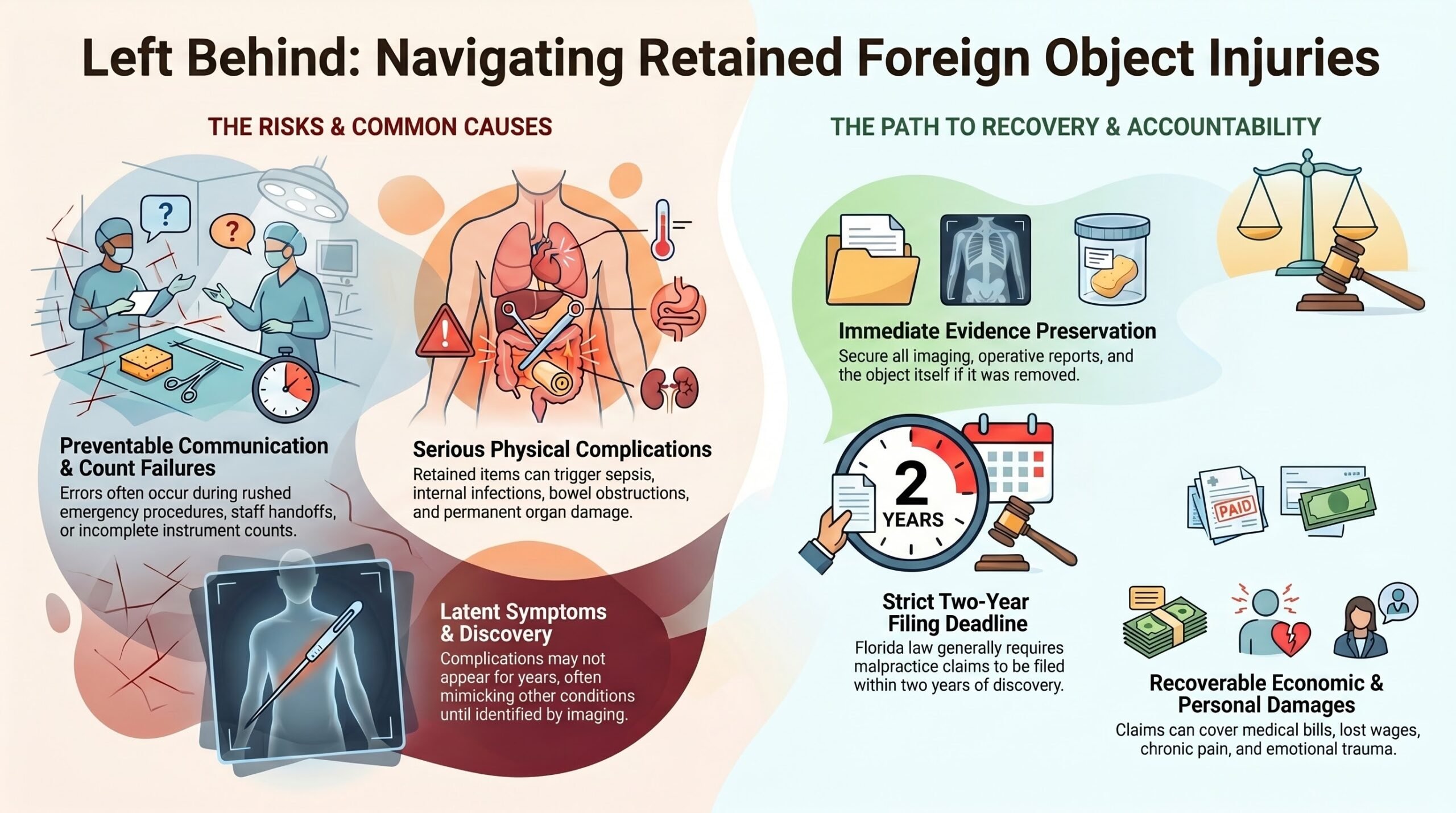
- These cases often involve sponges, needles, or instruments left behind because of count errors, rushed procedures, or communication failures.
- Medical experts and imaging help prove the object was retained, caused complications, and required additional treatment, damages, or future care.
How We Can Help With Your Orlando Foreign Object Left Inside Injury Claim
When a surgeon or medical team leaves a foreign object inside your body, you may face avoidable pain, additional procedures, and serious complications. You merit guidance that protects your health, your finances, and your ability to keep serving those who depend on you. Our team helps you act decisively by investigating records, preserving evidence, and identifying whether medical malpractice or hospital negligence contributed to your injury.
We work to build a clear, well-supported claim that reflects the full impact on your life. You can rely on us to consult qualified experts, document your losses, and communicate with insurers and healthcare providers on your behalf. We pursue accountability with professionalism and focus, so you can direct your energy toward recuperation and your responsibilities. If settlement efforts do not produce a fair result, we prepare to advocate for you in court.
Throughout the process, you receive honest counsel, timely updates, and steady support.
Understanding Orlando Foreign Object Left Inside Injury Cases


To assess whether you have a valid claim, it helps to understand how foreign objects left inside injury cases arise and why the law treats them with particular seriousness. When a medical team leaves a sponge, clamp, needle, or similar item in your body, the event can signal a serious breach of accepted surgical care and trust.
OUR CONSULTATIONSARE FREE
START YOUR FREE CASE REVIEW

In Orlando cases, your claim usually centers on whether providers failed to meet the standard of care that protected you before, during, and after surgery. Courts and insurers review records, imaging, operative notes, and compliance with the surgical checklist to determine what occurred and whether the error caused additional harm. You may face pain, infection, repeat procedures, lost income, and emotional strain, all of which can affect your ability to serve your family and community.
Strong patient advocacy helps preserve evidence, explain your rights, and pursue accountability so you can focus on recovery and moving forward with confidence and dignity.
Common Causes of Orlando Foreign Object Left Inside
You should understand that foreign objects are often left inside a patient due to preventable errors during surgery. These incidents commonly involve retained surgical sponges, instrument count errors, mistakes made during emergency procedures, and poor communication among the surgical team. When you recognize these causes, you can better assess how medical negligence may have contributed to your injury.
Surgical Sponge Retention
Few surgical errors are as preventable, or as dangerous, as leaving a sponge inside a patient after a procedure. When you undergo surgery, you trust the medical team to protect your well-being through careful prevention protocols and attentive follow-through.


A retained sponge can trigger infection, internal pain, bowel obstruction, sepsis, and the need for additional surgery. You may not notice symptoms immediately, which can delay diagnosis and worsen the harm. Surgical teams reduce this risk by using clearly labeled sponges, imaging technology, wound inspection, and standardized prevention protocols before closing an incision. When providers rush, miss visual checks, or fail to respond to warning signs after surgery, patients suffer avoidable injuries.
If this happens, you may need legal guidance to secure accountability, protect your recovery, and support your family through the consequences.
Instrument Count Errors
Although operating rooms rely on strict counting procedures, instrument count errors still occur when communication breaks down, teams change mid-procedure, or staff rush through closing protocols. You may assume that every clamp, retractor, and needle is carefully tracked, yet human error can disrupt that process and put patients at risk.
When a count is incomplete or recorded incorrectly, an instrument may remain inside the body and cause pain, infection, or further surgery. You should know that prevention depends on consistent teamwork, clear verbal confirmations, and reliable documentation at every stage. Hospitals that value patient safety strengthen training protocols, conduct surgical audits, and address repeated weaknesses before harm occurs.
By understanding how count failures happen, you can better recognize when a retained instrument reflects negligence rather than an unavoidable medical outcome for patients.
Emergency Procedure Mistakes
Emergency surgeries create a different set of risks, because speed often takes priority over the careful routines that protect patients during planned procedures. When a team acts under intense pressure, safeguards may be shortened, supplies may change quickly, and a surgical checklist may not be completed with the same discipline used in scheduled operations. You may trust that urgent care still follows standards designed to protect every patient.
In these moments, even small deviations can leave sponges, needles, or instruments behind. Rushed handoffs, limited preparation time, and incomplete communication protocols can increase that danger without anyone intending harm. If you or someone you serve suffers this kind of injury, you merit answers about whether emergency conditions led providers to overlook basic protections that should remain in place under pressure.
Poor Team Communication
When communication breaks down in the operating room, the risk of a retained foreign object rises quickly. You depend on every team member to share accurate information, confirm counts, and speak up when something seems wrong. If nurses, surgeons, and technicians fail to coordinate, pivotal details can be missed before closure.
These failures often happen during staff shifts, rushed handoffs, or high-pressure moments when no one verifies what another person said. Without clear protocols, assumptions replace accountability, and patients suffer preventable harm. You can also see problems when hospitals neglect communication training, leaving teams without consistent methods for reporting concerns or resolving discrepancies.
Strong communication protects patients, supports caregivers, and reflects the duty every medical professional owes to those they serve. It also helps preserve trust in treatment and outcomes.
Legal Rights of Orlando Foreign Object Left Inside Injury Victims
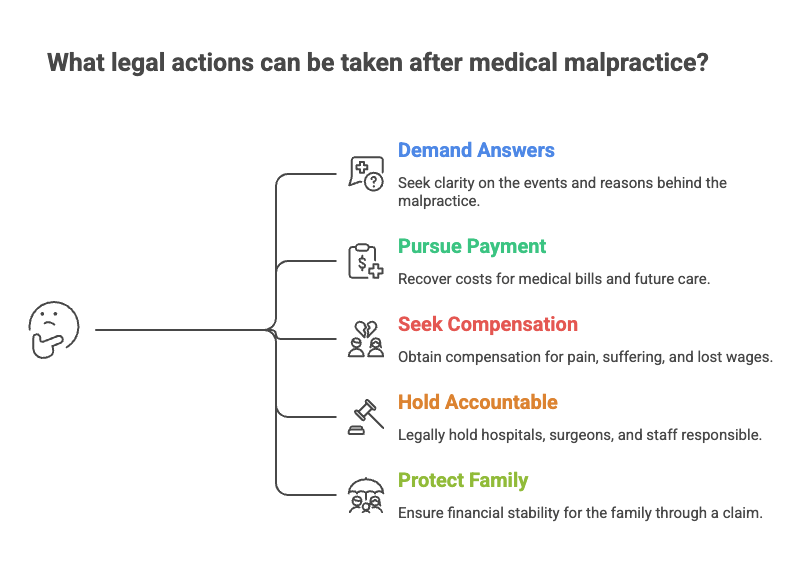
Accountability matters when a surgeon, nurse, or hospital leaves a foreign object inside your body, because Florida law may give you the right to pursue compensation for the harm that follows. You may have strong patient rights when preventable surgical errors cause pain, infection, additional procedures, lost income, or lasting disability. If a provider violated accepted standards of care, you can seek damages through a medical malpractice claim.
In some cases, informed consent also matters, especially if risks, alternatives, or follow-up concerns weren’t properly explained before treatment.
- You can demand answers about what happened and why.
- You may pursue payment for medical bills and future care.
- You can seek compensation for pain and suffering, as well as lost wages.
- You may hold hospitals, surgeons, and staff legally accountable.
- You can protect your family’s financial stability through a claim.
Steps to Take After an Orlando Foreign Object Left Inside Injury
If you suspect a foreign object was left inside you, seek immediate medical care to protect your health and create a clear record of your injury. You should also preserve crucial evidence, including medical records, discharge papers, bills, and any written communication related to your treatment. Once your condition is stable, contact an injury lawyer so you can understand your options and take prompt action to protect your claim.
Seek Immediate Medical Care
Seek medical attention immediately, because prompt evaluation can identify a retained foreign object, internal infection, or other complications before they become more serious. If you experience severe pain, fever, swelling, drainage, vomiting, or dizziness, call 911 or request emergency transport without delay. Prompt care protects your health and helps physicians act quickly.
When you arrive, explain your symptoms clearly, including when they began and how they have changed. Hospital staff will follow triage protocols to assess urgency, stabilize you, and order imaging or lab work if needed. Follow every treatment instruction, attend recommended consultant visits, and monitor for worsening signs after discharge. By seeking care right away, you strengthen your ability to continue serving your family, your community, and those who depend on your steady presence each day.
Preserve Key Evidence
Once your condition is stable, preserve every piece of evidence related to the foreign object injury, because those records can clarify what happened, when it occurred, and how the error affected your recovery. Save discharge papers, imaging results, prescriptions, bills, appointment summaries, and written instructions. Request complete copies of your medical records promptly, and keep them organized by date.
If the object was removed, ask that it be preserved and documented through a clear chain of custody. Take photographs of visible injuries, surgical sites, and any medical devices connected to your treatment. Maintain a journal that describes pain levels, limitations, missed responsibilities, and the extra care your family provides. Use secure evidence storage for records, images, and correspondence, and back up digital files. Careful documentation helps you protect your health and responsibly restore your loved ones.
Contact An Injury Lawyer
After you’ve addressed your immediate medical needs and preserved the available evidence, contact an injury lawyer with experience handling foreign object malpractice claims as soon as possible. You need counsel who can evaluate records, identify responsible parties, and protect your right to seek full compensation under Florida law.
When you act promptly, your attorney can secure additional evidence, consult qualified medical experts, and manage insurer communications on your behalf. That support lets you focus on recuperation and caring for those who depend on you. During a free consultation, you can ask about the strength of your claim, the likely process, and potential deadlines. Many firms offer contingency representation, which means you pay no attorney’s fees unless your case succeeds. Taking this step can help you pursue accountability, answers, and recovery resources.
How an Orlando Foreign Object Left Inside Injury Lawyer Can Help You
When a surgeon leaves a foreign object inside your body, an Orlando foreign object left inside injury lawyer can step in to protect your rights and build a strong medical malpractice claim. You need clear guidance, prompt action, and a legal advocate who understands medical negligence and patient advocacy. Your lawyer investigates the surgical error, secures records, consults qualified experts, and identifies every liable party.
This focused approach helps preserve evidence and strengthens your position during negotiations or litigation.
- Review your medical records and surgical reports carefully
- Work with experts to confirm the standard of care
- Calculate damages tied to added treatment and losses
- Handle insurer communications and defense tactics for you
- Pursue fair compensation through settlement or trial
With skilled representation, you can hold negligent providers accountable and seek resources that support your recovery and your family. Your attorney gives your case structure, credibility, and a disciplined strategy from the beginning.
Long-Term Effects of Orlando Foreign Object Left Inside Injuries
When a foreign object is left inside your body, you may face chronic pain that interferes with your mobility, sleep, and ability to work. You could also suffer lasting organ damage, especially when the object causes infection, inflammation, or internal injury over time. Beyond the physical harm, you may experience emotional trauma that affects your sense of safety, your relationships, and your daily life.
Chronic Pain Complications
Although a retained surgical object may not cause immediate symptoms, it can lead to chronic pain that disrupts your mobility, sleep, and ability to work. You may feel persistent abdominal, pelvic, or nerve-related pain as inflammation and scar tissue place ongoing pressure on sensitive structures. In some cases, neuropathic mechanisms intensify burning, stabbing, or radiating sensations that continue long after surgery.
This pain can limit how you care for your family, serve your community, and meet daily responsibilities. Sleep disruption often worsens fatigue, concentration, and emotional resilience, making recovery more difficult. You may also need repeated evaluations, pain management, or corrective procedures, each of which adds stress and expense. When chronic pain follows a preventable surgical error, you merit answers, meaningful support, and legal guidance that helps protect your future and well-being.
Lasting Organ Damage
Even if symptoms develop gradually, a foreign object left inside your body can damage nearby organs through infection, obstruction, pressure, or reduced blood flow. Over time, that damage may become permanent, especially when inflammation spreads or scar tissue forms around the object.
You may face declining kidney, bowel, bladder, or liver function if the object interferes with normal drainage, circulation, or recovery. In serious cases, prolonged compression or infection can cause tissue necrosis, which destroys healthy structures and increases the risk of organ failure. You might also require additional surgeries, removal of damaged tissue, or long-term monitoring to protect your health. By seeking prompt medical evaluation and legal guidance, you help safeguard your future and strengthen your ability to pursue accountability for the preventable harm caused by negligent surgical care.
Emotional Trauma Effects
Uncertainty often lingers long after doctors remove a foreign object from your body. You may struggle to trust medical providers, fear another mistake, and relive the experience during routine care. Post-traumatic stress can disturb sleep, concentration, and your sense of safety, making work, family life, and service to others harder to sustain.
You may also experience Attachment disruption, especially when pain, anxiety, or repeated treatment changes how you relate to loved ones. Isolation can follow when others don’t understand your caution or emotional distance. Over time, these effects may limit your confidence, decision-making, and willingness to seek help. Careful documentation, counseling, and strong legal guidance can support your recovery, protect your rights, and help you pursue accountability for the full harm you have endured.
Proving Liability in Orlando Foreign Object Left Inside Injury Cases
When a surgeon leaves a sponge, clamp, or other foreign object inside your body, proving liability often begins with showing that the medical team breached the accepted standard of care during the procedure. In many cases, burden shifting applies because such errors ordinarily do not happen without negligence. You can strengthen your claim by gathering operative reports, imaging studies, discharge notes, and follow-up records that connect the retained object to your pain, infection, or additional surgery.
You’ll also need expert testimony from qualified medical professionals who can explain what competent providers should have done, how the error occurred, and why it caused your harm. Your legal team may compare surgical counts, staffing decisions, and post-operative monitoring to established safety protocols. By documenting every complication and treatment, you help create a clear timeline that serves both accountability and patient safety. Careful proof not only supports your recovery, it also encourages better practices that protect others in the future.
Dealing With Insurance Companies After an Orlando Foreign Object Left Inside Injury
After you’ve gathered the records and expert support needed to show negligence, the next challenge often comes from the insurance companies representing the hospital, surgeon, or other medical providers. You should expect adjusters to protect their insureds by questioning damages, minimizing responsibility, or seeking recorded statements that may weaken your position. Careful communication matters, because even routine conversations can affect the value of your claim.
You can respond best by staying organized, limiting direct contact, and letting counsel manage claims negotiation on your behalf. Your attorney can present the medical evidence clearly, document losses thoroughly, and push back when an insurer undervalues the harm caused by a retained foreign object. This approach helps you remain focused on recovering and serving your family while your legal team addresses financial recovery. It also allows a careful review of available coverage, including policy limits, so settlement discussions remain grounded in the full scope of your losses and future needs.
What to Expect During an Orlando Foreign Object Left Inside Injury Claim Process
You can expect the claim process to begin with filing the initial claim, followed by gathering the medical evidence needed to show how the foreign object harmed you. From there, you’ll likely face settlement negotiations, where your attorney works to secure compensation that reflects your losses and ongoing care needs. If the other side won’t offer a fair resolution, you should be prepared for trial, where your evidence and testimony may become central to your case.
Filing The Initial Claim
Begin the process by preserving all records related to the surgery, as the initial claim depends on clear documentation and a precise timeline. You should notify counsel promptly, report continuing symptoms, and organize all communications with providers and insurers. Strong medical documentation helps your attorney identify responsible parties and frame the claim accurately.
Your lawyer will review filing deadlines, including any statute exceptions that may apply when a foreign object remains undiscovered for a period of time. You can expect the claim to outline the procedure, the harm you suffered, and the losses that followed. Early filing also protects your ability to pursue accountability for yourself and those who depend on your service to others. Careful preparation at this stage supports a disciplined, credible claim from the outset.
Gathering Medical Evidence
Gathering medical evidence sets the foundation for a strong Orlando foreign object injury claim, because the records must show not only that an item was left inside your body, but also how that error caused additional treatment, pain, and financial loss.
You should expect your attorney to collect complete medical records, including operative notes, discharge summaries, follow-up visits, and bills. These documents help connect the retained object to your complications and show the care you needed afterward. Imaging evidence, such as X-rays, CT scans, and ultrasound results, often plays a central role by identifying the object and confirming its location. You may also need statements from treating physicians or medical experts who can explain how the mistake affected your health and your ability to continue serving your family, work, and community well.
Negotiating Settlement Offers
Once your medical records, imaging, and expert opinions clearly show that the retained object caused further harm, settlement discussions often follow with the hospital, surgeon, or their insurer. Your attorney uses a focused settlement strategy to value your losses, including corrective treatment, lost income, pain, and future care. Through careful demand drafting, counsel presents evidence, explains liability, and sets a reasoned payment request.
You should expect counteroffers, requests for clarification, and efforts to minimize what you endured. Your lawyer responds with facts, not pressure, and keeps your goals central throughout negotiations. By approaching each offer thoughtfully, you protect your own recovery while honoring the broader purpose of accountability and safer care for others. A fair resolution should reflect the full impact of the mistake on your life.
Preparing For Trial
If settlement talks don’t produce a fair result, your case may move toward trial, where preparation becomes more structured and demanding. You’ll work closely with your attorney to organize medical records, expert opinions, and witness testimony that explain how the retained object harmed you. Your legal team will prepare you for questions, courtroom procedure, and clear, truthful testimony.
You can also expect detailed planning around jury selection, trial themes, and exhibit handling. Your attorney may file motions, challenge improper evidence, and refine arguments that support accountability and patient safety. As the trial date approaches, you’ll review timelines, practice testimony, and confirm how each witness serves the facts. This preparation helps you present your case with dignity, supports others by promoting safer care, and strengthens your position before the court.
Compensation for Orlando Foreign Object Left Inside Injury Damages
Several forms of compensation may be available when a surgeon leaves a foreign object inside your body, because this type of error often causes additional surgery, prolonged recovery, lost income, and lasting physical injury. If you pursue a medical malpractice claim, you may seek monetary compensation for the full impact this preventable mistake has had on your health, work, and ability to care for others.
Your recuperation may include payment for corrective procedures, hospitalization, medications, rehabilitation, and follow-up treatment. You may also pursue compensation for missed wages, reduced earning ability, and other documented financial setbacks tied to the injury. In some cases, you may recover for the physical pain, emotional strain, and disruption this error brings to daily life and family responsibilities. A lawyer can evaluate your records, calculate your losses, and present clear evidence linking the retained object to your damages.
That preparation helps you pursue accountability and secure resources needed to move forward with dignity.
Economic vs Non-Economic Damages in Orlando Foreign Object Left Inside Cases
In these cases, you may recover economic damages for measurable losses such as medical bills, lost wages, and future treatment costs. You may also seek non-economic damages for harder-to-measure harm, including pain, suffering, emotional distress, and reduced quality of life. To prove the value of both categories, you’ll need strong records, credible expert support, and clear evidence connecting the retained object to your losses.
Economic Damage Examples
Economic damages capture the measurable financial losses you can trace directly to a foreign object left inside your body after surgery. These damages often include medical bills for emergency treatment, corrective procedures, hospital stays, imaging, prescriptions, rehabilitation, and follow-up care. You may also recover lost wages if complications keep you from working during treatment and recovery.
Additional economic losses can include reduced earning capacity when lasting complications limit your ability to return to your prior role, transportation costs for medical appointments, home health assistance, and necessary medical equipment. If you provide care for others, these financial setbacks can also disrupt the support you give your family or community. Clear records, invoices, employment documents, and expert evaluations help show the full value of these losses and strengthen your claim markedly.
Non-Economic Losses
Enduring a foreign object injury often causes losses that don’t appear on a bill, yet they can affect nearly every part of your daily life. You may struggle with ongoing pain, anxiety, sleep disruption, embarrassment, and fear of future treatment. These harms can limit your independence, strain relationships, and reduce your ability to care for others in your family or community.
Non-economic losses recognize the human impact of medical negligence beyond direct expenses. Your psychological recovery may require time, patience, and meaningful support. You might also experience diminished enjoyment of everyday activities, reduced comfort, and a lower quality of life. When a retained object changes how you move through each day, these losses matter. They reflect what you have personally endured and how the injury has altered your well-being, dignity, and peace.
Proving Damages Value
Those personal losses, along with your financial setbacks, must be supported with clear evidence when you pursue compensation in an Orlando foreign object case. You need records showing medical expenses, lost income, future treatment costs, and any reduction in your earning capacity. Careful damage valuation connects each dollar to documented harm and strengthens your claim.
You must also prove non-economic damages, including pain, emotional distress, and loss of enjoyment of life. Because these harms are harder to measure, your attorney may rely on expert testimony from physicians, mental health professionals, or vocational experts. Their opinions help explain how the retained object changed your daily function, your relationships, and your ability to serve your family and community. Strong proof gives insurers and juries a sound basis for fair compensation.
When an Orlando Foreign Object Left Inside Injury Case Goes to Trial vs Settlement
Although many Orlando foreign object left inside injury cases resolve through settlement, a trial may become necessary when the hospital, surgeon, or insurer disputes liability, challenges the extent of your injuries, or refuses to offer fair compensation.
If settlement talks stall, you need counsel who can present a clear medical malpractice claim and build a persuasive trial strategy. Settlement can save time, reduce expense, and spare you additional stress, especially when liability is strong and your losses are well documented. However, if the defense minimizes your suffering or denies responsibility, a trial may be the best path to accountability. Your lawyer will compare the certainty of a negotiated result with the risks and potential value of a verdict.
That decision should reflect your medical needs, future care, lost income, and the broader impact on your ability to serve your family and community. A prepared legal team strengthens your position in either setting and protects your interests.
The Statute of Limitations for Orlando Foreign Object Left Inside Injury Cases
Because Florida imposes strict filing deadlines in medical malpractice cases, the statute of limitations can determine whether you may recover compensation for a foreign object left inside your body after surgery. In many situations, you must act within two years from when you discovered, or reasonably should’ve discovered, the injury. However, Florida also applies a broader outside limit that can bar claims after four years, even when harm appears later.
Foreign object cases may involve filing exceptions, especially when concealed negligence delays discovery. Even so, statute deadlines remain unforgiving, and courts expect careful compliance with notice and presuit requirements. If you miss the applicable period, you may lose the right to seek damages for medical costs, lost income, and pain. By understanding these rules, you protect not only your own future but also the safety of other patients. Prompt attention helps preserve evidence, clarify the timeline, and support accountability for all in healthcare settings.
When to Contact an Orlando Foreign Object Left Inside Injury Lawyer
If you suspect that a surgeon or medical team left a foreign object inside your body, you should contact an Orlando foreign object left inside injury lawyer as soon as possible. Early action helps you protect your health, preserve records, and understand your options before crucial evidence becomes harder to secure. It also supports your family and others who depend on your care and service.
You should reach out when unexplained pain, infection, swelling, fever, digestive issues, or delayed healing raise concerns after surgery. Post op timing matters because symptoms may appear immediately or weeks later, and prompt legal review can align with necessary medical follow-up. Legal urgency also matters if imaging confirms the presence of a retained sponge, tool, or other object. By contacting counsel promptly, you can organize medical documents, track expenses, and respond appropriately to communications from insurers or providers.
Taking this step early helps you move forward responsibly, while maintaining focus on recovery and the people you serve every day.
Why You Need an Experienced Orlando Foreign Object Left Inside Injury Lawyer
When a surgical team leaves a foreign object inside your body, an experienced Orlando foreign object left inside injury lawyer can do far more than file paperwork. You need counsel who understands medical malpractice claims, can investigate records, identify responsible parties, and connect the retained object to your ongoing harm. That expertise helps protect your health, your finances, and your ability to keep serving your family and community.
An experienced lawyer also strengthens your voice when hospitals, insurers, and defense attorneys attempt to minimize what happened. You merit clear guidance, careful evidence collection, and a strategy built to pursue full compensation for corrective treatment, lost income, and lasting pain. Strong patient advocacy matters because these cases often involve intricate timelines, expert review, and institutions with substantial resources.
With seasoned legal support, you can focus on recovery while your attorney pursues accountability, promotes safer care, and helps prevent similar injuries from harming others in the future.
How to Choose the Right Orlando Foreign Object Left Inside Injury Lawyer for Your Case
Strong legal support can shape the outcome of a retained foreign object claim, but the lawyer you choose will influence how effectively that support is put to work. You should look for an attorney with direct experience handling surgical error and medical negligence cases in Orlando courts. Review case results, credentials, and communication habits before making a decision.
During a Client interview, ask how the lawyer investigates records, consults experts, and prepares for settlement or trial. You should also evaluate whether the attorney listens carefully, explains your options clearly, and respects your goal of protecting your family and holding providers accountable. A reliable lawyer will present a transparent Fee structure, describe costs in plain language, and outline who manages your case day to day. Choose counsel who acts with integrity, responds promptly, and demonstrates a sincere commitment to helping you pursue justice in a way that serves both your recovery and the broader good.
About The Law Offices of Anidjar & Levine
Client-focused representation defines the Law Offices of Anidjar & Levine’s approach to foreign object injury claims in Orlando. When you need counsel after a preventable surgical mistake, you can expect clear communication, timely updates, and practical guidance centered on your recovery.
The firm’s commitment to Patient Advocacy means your concerns are heard, your questions are answered, and your case strategy reflects your medical and financial needs.
You also benefit from a strong Firm History built on representing injured Floridians with diligence and professionalism. The attorneys investigate records, consult qualified experts, and pursue accountability from negligent providers and insurers. As you seek justice, the firm works to recover compensation for additional treatment, lost income, pain, and long-term effects. You receive responsive support throughout the process, including help scheduling appointments and managing case details.
With that service-focused approach, you can protect your rights while continuing to care for your family and community with confidence and stability.
Frequently Asked Questions
Can Retained Surgical Objects Affect Future MRI or Airport Security Screenings?
Yes, retained surgical objects can affect future screenings and require prompt disclosure to protect those you serve. You may face MRI interference if the object contains metal, because magnetic forces can shift it, heat it, or distort images. You may also trigger Security alarms at airports or secure facilities. You should inform medical staff and screening personnel, carry documentation, and seek evaluation to confirm the object’s material, location, and related risks.
Are Children and Elderly Patients at Higher Risk for Retained Foreign Objects?
Yes, you should recognize that children and elderly patients face a higher risk of retained foreign objects. Pediatric vulnerability arises from smaller anatomy, urgent procedures, and limited ability to describe symptoms. Geriatric frailty increases risk through intricate surgeries, fragile tissues, and multiple health conditions that can mask warning signs. When you advocate for careful counts, clear communication, and thorough follow-up, you help protect patients who depend on vigilant, compassionate care every single day.
How Often Are Retained Foreign Object Incidents Reported in Orlando Hospitals?
You won’t find a single, reliable public number for how often retained foreign object incidents are reported in Orlando hospitals. Incident rates vary by facility, case intricacy, and internal safety practices, while reporting variances can affect what reaches state or federal databases. If you serve patients and families, you should jointly review hospital quality reports, Florida adverse incident records, and accreditation data, because each source offers only a partial picture.
Can a Retained Object Be Discovered Years After the Original Surgery?
Yes, you can discover a retained object years after surgery. Delayed discovery often happens when latent symptoms, such as chronic pain, infection, or digestive problems, appear gradually or mimic other conditions. If you serve someone facing these concerns, you should encourage prompt imaging and medical evaluation. Early action helps protect health, clarifies the cause, and supports informed decisions about treatment, accountability, and the patient’s long-term well-being and recovery.
What Medical Specialists Typically Diagnose Retained Foreign Objects After Surgery?
You’ll typically see a radiologist, surgeon, or emergency physician diagnose a retained foreign object after surgery. Your care team may order imaging first, making a radiology consultation essential for locating the object and assessing complications. If imaging remains unclear or symptoms persist, a surgeon may recommend surgical exploration. You can also receive an evaluation from internists or gastroenterologists, depending on symptoms, to guarantee a timely diagnosis and safeguard your long-term health.
—————————
If a foreign object was left inside you after surgery or another procedure, you should act quickly to protect your health and your legal rights.
With experienced legal guidance, you can pursue accountability, secure crucial evidence, and seek full recompense for the harm you’ve suffered.
The Law Offices of Anidjar and Levine can evaluate your case, explain your options, and help you move forward with clarity, confidence, and strong legal support throughout your claim.
For more information, visit our Orlando Medical Malpractice Lawyer page.

