

The Law Offices of Anidjar and Levine evaluates whether improper dosing, inadequate monitoring, airway mismanagement, equipment problems, or communication failures violated the applicable standard of care in an anesthesia malpractice case. An attorney may review anesthesia records, medical histories, consent forms, witness accounts, and treatment documentation, then consult qualified experts regarding causation and damages. Legal guidance may help injured patients pursue compensation for medical expenses, lost income, ongoing care, pain, and impairment while addressing Florida deadlines. Learn more from an Orlando Personal Injury Lawyer about available legal options and case requirements.
Main Takeaways
- An Orlando medical malpractice lawyer can investigate anesthesia errors involving improper dosing, inadequate monitoring, airway mismanagement, or communication failures.
- Attorneys review medical records, anesthesia charts, consent documents, medication orders, billing records, and expert opinions to evaluate potential negligence.
- A successful claim generally requires proving the provider departed from the accepted standard of care and caused identifiable injuries or worsening medical conditions.
- Potential compensation may include medical expenses, lost income, ongoing treatment costs, pain and suffering, and other legally recognized damages.
- Prompt legal advice helps preserve evidence, satisfy Florida’s malpractice requirements, and address strict deadlines that may limit recovery.
How We Can Help With Your Orlando Medical Malpractice Anesthesia Errors Injury Claim
When anesthesia errors cause serious injury, an experienced Orlando medical malpractice lawyer can help determine whether negligent care contributed to the harm and identify the parties responsible. Counsel may begin by reviewing medical records, consent documents, anesthesia charts, medication orders, and communications among healthcare professionals. This Medication Review can reveal contraindications, dosage mistakes, overlooked allergies, or failures to monitor the patient appropriately.
The legal team may also consult qualified medical professionals to evaluate whether the treatment met accepted standards and whether the error caused measurable harm. Attention to Postoperative Care can clarify whether delayed recognition, inadequate monitoring, or improper responses worsened the injury. Counsel can organize relevant evidence, communicate with insurers, and pursue appropriate compensation for medical expenses, lost income, continuing treatment, and other legally recognized losses.
A careful case assessment also helps preserve important deadlines and identify potentially responsible individuals or entities. Through informed guidance and respectful communication, the firm supports injured patients and families while seeking accountability through the proper legal process.
Understanding Orlando Medical Malpractice Anesthesia Errors Injury Cases


Understanding an Orlando medical malpractice anesthesia errors injury case requires examining whether the anesthesia provider or medical facility departed from accepted standards of care and whether that departure caused the patient’s injury. The evaluation generally considers medical records, consent documents, monitoring notes, medication reconciliation, and testimony from qualified professionals. Anesthesia dosing, airway management, monitoring, and communication may be assessed against practices applicable at the time of treatment. The patient must typically show that an unreasonable departure occurred and resulted in a compensable injury, rather than an outcome that was an accepted procedural risk. Evidence may also address surgical delays, treatment changes, and the timing of symptoms. Documented post op complications can help establish the nature and extent of harm, including additional treatment, lost income, or lasting impairment. A careful review helps patients and families understand what occurred, identify responsible parties, and make an informed decision about pursuing accountability and appropriate compensation through the legal process.
Don’t Wait. Call Our Florida Personal Injury Lawyers Now!
Common Causes of Orlando Medical Malpractice Anesthesia Errors
OUR CONSULTATIONSARE FREE
START YOUR FREE CASE REVIEW

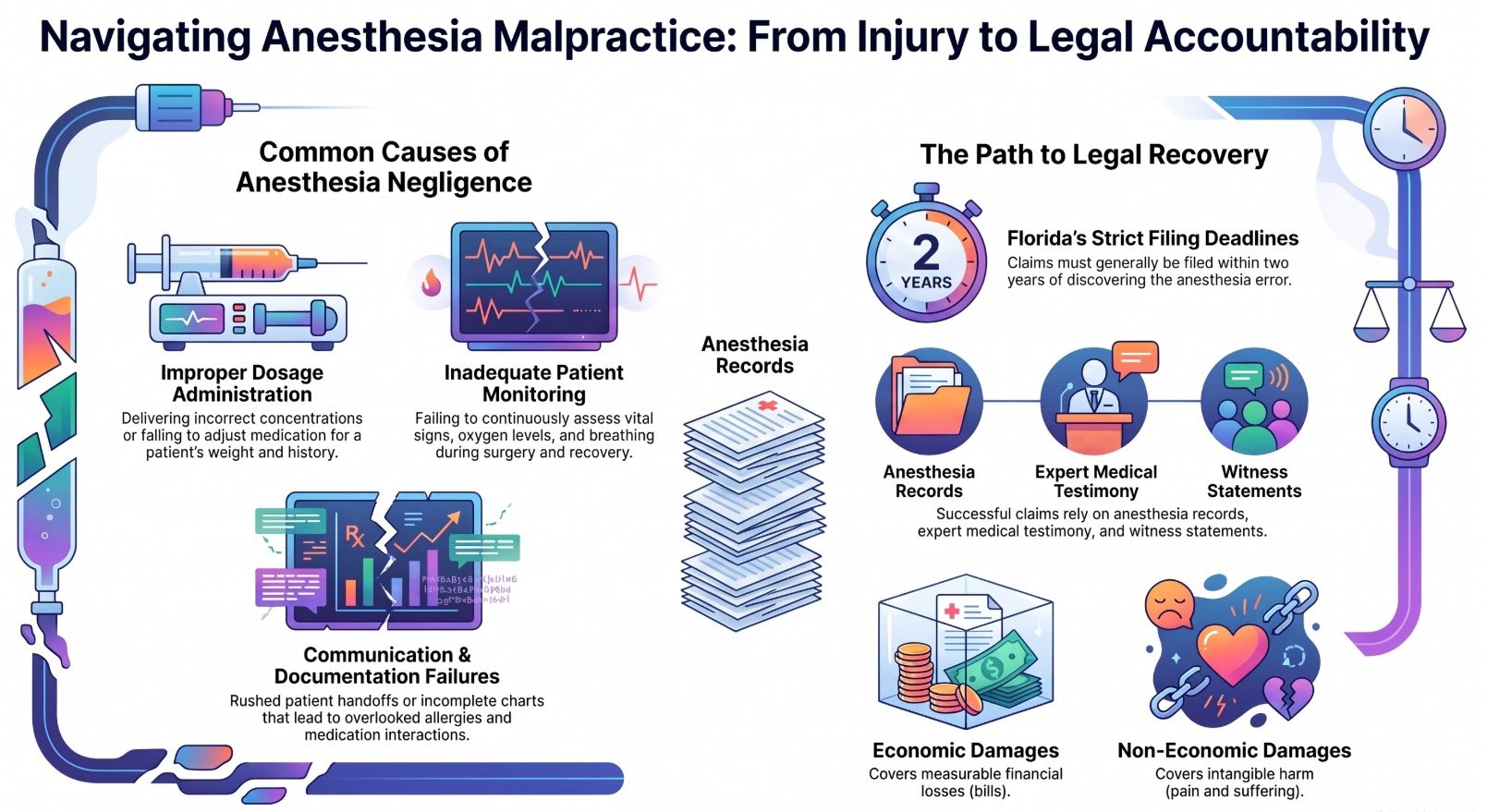
Common causes of anesthesia errors include improper dosage administration, inadequate patient monitoring, equipment malfunctions, and communication or documentation failures. Each issue can compromise patient safety before, during, or after a medical procedure. Identifying these contributing factors is vital when evaluating whether negligent conduct caused preventable harm.
Improper Dosage Administration
Improper dosage administration occurs when anesthesia professionals deliver too much or too little medication, use the wrong concentration, or fail to adjust a dose to the patient’s medical condition and weight. Errors may result from misread labels, calculation mistakes, inadequate communication, or failure to account for allergies, kidney disease, age, or interactions with other drugs. Anesthesia dosing protocols are intended to establish safeguards for preparation, verification, and delivery, while patient risk stratification helps clinicians select appropriate medications and amounts. When those protections are ignored or applied carelessly, patients may experience dangerously low blood pressure, respiratory suppression, inadequate anesthesia, allergic reactions, or prolonged recovery. Families seeking accountability may consult an Orlando medical malpractice attorney to evaluate whether the dosage decision departed from accepted standards and caused preventable harm.
Inadequate Patient Monitoring


Inadequate patient monitoring occurs when anesthesia professionals fail to continuously assess important signs, oxygen levels, breathing, circulation, or the patient’s response to medication during a procedure and recovery. Appropriate surveillance helps identify changes before they become life-threatening. During anesthesia, clinicians generally monitor important signs, ventilation, blood pressure, heart rhythm, and oxygen saturation while documenting meaningful changes. After surgery, continued observation remains important because sedating medications can impair breathing after the procedure ends. Postoperative Respiratory complications may develop gradually, particularly in patients with sleep apnea, lung disease, advanced age, or other risk factors. Consistent oxygen monitoring and direct assessment can support timely intervention when a patient becomes excessively sedated or cannot maintain an adequate airway. Failure to recognize these warning signs may contribute to preventable injury and raise concerns about professional negligence.
Equipment Malfunctions
Equipment malfunctions during anesthesia can disrupt medication delivery, ventilation, oxygen supply, or patient monitoring at critical moments. Anesthesia machine issues may involve defective vaporizers, compromised breathing circuits, depleted gas supplies, or power interruptions. These problems can cause inaccurate drug concentrations, inadequate oxygenation, or dangerous changes in airway pressure. Ventilator control failures may prevent appropriate adjustment of respiratory rate, volume, or pressure, leaving a patient vulnerable to carbon dioxide retention, oxygen deprivation, or lung injury. Faulty alarms and monitors can further delay recognition of deteriorating conditions. Anesthesia professionals generally must inspect, maintain, and test equipment before and during procedures and promptly address identified defects. When a preventable malfunction causes harm, an evaluation may consider maintenance records, device performance, staffing responsibilities, and applicable safety standards to determine whether negligence contributed to the patient’s injury.
Communication And Documentation Errors
Communication and documentation errors can compound equipment problems by preventing anesthesia providers from recognizing hazards, sharing crucial information, or responding consistently during a procedure. A rushed Patient handoff may omit allergies, airway concerns, prior complications, or changes in a patient’s condition. Inaccurate charting can lead clinicians to rely on outdated histories, incorrect dosages, or missing lab results. Consent verification is also vital because patients should understand proposed anesthesia, material risks, and available alternatives before care begins. Medication reconciliation helps identify drugs that may interact with anesthetic agents or increase bleeding, respiratory, or cardiovascular risks. When these safeguards fail, coordinated decision-making becomes harder, especially during emergencies. Thorough records, standardized communication, and careful confirmation procedures support safer care and may help identify whether negligence contributed to an anesthesia injury.
Legal Rights of Orlando Medical Malpractice Anesthesia Errors Injury Victims
When anesthesia errors cause injury, Orlando victims may have legal rights to pursue compensation for medical expenses, lost income, ongoing care, pain and suffering, and other resulting damages. Florida law may also permit recovery for certain non-economic losses, depending on the evidence and circumstances.
Injury
- Requesting complete medical records, billing statements, and other documentation supporting the injury claim.
- Consulting an attorney to assess negligence, causation, damages, and applicable patient consent laws.
- Pursuing a claim within Florida’s strict Compensation timelines, which can limit recovery if deadlines expire.
Victims and their families may seek guidance from qualified professionals who can protect their interests while respecting the patient’s dignity. A legal evaluation can clarify whether a healthcare provider’s conduct violated the applicable standard of care and whether insurance negotiations or litigation may be appropriate. Prompt attention is important because evidence can become harder to obtain, and statutory requirements may affect available remedies. Each case requires individualized review based on medical records, expert opinions, and documented losses.
Why Do Orlando Medical Malpractice Anesthesia Errors Happen?
Orlando medical malpractice anesthesia injuries may result from failures in patient assessment, medication administration, monitoring, airway management, or emergency response. Patient selection can become unsafe when medical histories, allergies, sleep disorders, or medication interactions are overlooked. Surgical timing may also contribute when urgent procedures proceed without adequate stabilization or when staffing demands lead to rushed decisions.
Hospital protocols are designed to reduce preventable risks, yet injuries may occur when required checklists, dosage safeguards, or monitoring standards are ignored. Staff training is equally important because anesthesia care requires consistent judgment, precise communication, and readiness for rapidly changing conditions. Inadequate supervision, unfamiliar equipment, or unclear responsibility can delay recognition of respiratory distress, blood pressure changes, or medication reactions.
Other contributing circumstances may include incomplete handoffs, documentation failures, equipment problems, and insufficient postoperative observation. These events do not automatically establish negligence, but they can indicate departures from accepted standards of care. Careful evaluation may clarify how clinical decisions and institutional practices contributed to harm.
What Should You Do After a Orlando Medical Malpractice Anesthesia Errors Injury?
After an anesthesia injury, the patient should seek immediate medical care to address complications and document the harm. The patient should document symptoms, treatments, medical expenses, and relevant communications, and preserve supporting records. Consulting a medical malpractice lawyer can help determine whether negligence occurred and identify appropriate legal options.
Seek Immediate Medical Care
Prompt medical attention is essential following a suspected anesthesia error, particularly if the patient experiences breathing difficulties, confusion, severe pain, weakness, or other unexpected symptoms. Patients and caregivers should recognize emergency symptoms and call emergency services immediately when signs suggest impaired oxygenation, an allergic reaction, uncontrolled bleeding, or a sudden decline in consciousness. Until help arrives, the individual should remain in a safe position and should not drive, consume food or medication, or remain alone if alertness is impaired. Even less dramatic symptoms, including persistent nausea, unusual drowsiness, new numbness, or worsening discomfort, warrant prompt evaluation by a qualified medical professional. Emergency personnel can stabilize the patient, identify complications, and arrange appropriate treatment. Timely care may reduce lasting harm and protect the patient’s ability to recover safely.
Document the Anesthesia Injury
When an anesthesia-related injury is suspected, the patient or caregiver should document the event and its effects as accurately as possible. A written timeline should identify the procedure, anesthesia type if known, symptoms, onset times, treatments, and changes in condition. Post-surgery symptom logging can help preserve details that may otherwise fade, including breathing difficulty, confusion, unusual pain, weakness, nausea, or memory problems. Retain copies of discharge instructions, medication lists, consent forms, test results, and billing records in an organized file. Names of involved healthcare professionals, facility locations, and witnesses may also be recorded. The patient or caregiver should note all follow-up visits and recommendations without altering original documents. Anesthesia risk education materials and communications from providers should be preserved because they may clarify expected effects and warning signs.
Consult a Malpractice Lawyer
A detailed record of the suspected anesthesia injury can help a patient or caregiver provide a malpractice lawyer with an accurate account of what occurred. The lawyer can review medical records, consent forms, medication details, monitoring notes, and witness information to assess whether professional standards were violated. During a pre-suit investigation, counsel may consult qualified medical experts, identify responsible parties, and evaluate filing deadlines that could affect the claim. Clear client communication helps the legal team understand the patient’s condition, losses, and goals while keeping expectations realistic. Confidentiality protections generally allow the patient to discuss sensitive facts candidly. After reviewing the evidence, counsel may recommend litigation, negotiation, or alternative legal strategies. Prompt consultation can preserve evidence and support informed decisions that protect the patient’s interests and assist the family.
Critical Evidence in an Orlando Medical Malpractice Anesthesia Error Injury Case
A strong anesthesia-error claim generally depends on three evidence categories:
- Anesthesia records and injury documentation;
- Expert medical testimony; and
- Witness statements.
Together, these materials may clarify what occurred, whether professional standards were breached, and how the alleged error caused the patient’s injuries.
Anesthesia Records
Anesthesia records provide vital evidence in an Orlando medical malpractice anesthesia error injury case because they document the medications administered, dosages, monitoring results, airway management, and the anesthesiologist’s responses throughout a procedure. These entries can help establish the sequence of events and identify whether critical changes were recognized and addressed promptly. Accurate timestamps may clarify when oxygen levels, blood pressure, or other essential signs deviated from expected ranges. The record may also include preoperative assessments, informed consent details, recovery observations, and post-anesthesia instructions. Careful review of anesthesia chart accuracy can reveal omissions, inconsistencies, or late entries that affect the reliability of the documented care. In addition, postoperative pain documentation may show whether symptoms were reported, evaluated, and treated appropriately during recovery.
Expert Medical Testimony
Expert medical testimony can explain whether the anesthesiologist and surgical team met the applicable standard of care before, during, and after the procedure. A qualified anesthesiology expert may evaluate medication choices, airway management, monitoring, informed consent, and responses to complications. The expert can also connect a departure from accepted practice to injuries such as oxygen deprivation, nerve damage, aspiration, or prolonged disability. Counsel generally focuses on selecting qualified experts whose training and experience correspond to the issues presented. Reviewing anesthesia records, surgical reports, medical histories, and recovery documentation helps the expert form a reliable opinion. Preparing expert deposition requires organized evidence, careful questioning, and clear explanations of the opinions and their supporting reasons. Such testimony can clarify intricate medical decisions for judges and jurors while supporting a fair evaluation of the injured patient’s needs.
Witness Statements
Because anesthesia complications often develop rapidly, critical statements can preserve important details that may not appear in the medical record. Nurses, surgical staff, family members, and other observers may recall warnings, monitoring practices, communication failures, or changes in the patient’s condition. Their accounts can help establish the sequence of events and clarify whether appropriate responses occurred. Attorneys may evaluate Witness credibility through considering firsthand knowledge, consistency, timing, and potential bias. Eyewitness availability also matters because memories can fade, contact information can change, and witnesses may relocate. Early interviews can preserve recollections while details remain clear. During deposition preparation, witnesses may review relevant timelines and procedures without altering their independent testimony. Careful affidavit review helps identify inaccuracies, clarify language, and ensure that written statements accurately reflect personal observations rather than assumptions.
Injury Documentation
When anesthesia-related harm is alleged, thorough injury documentation helps connect the patient’s medical condition to the events surrounding the procedure. Medical records should identify symptoms, diagnostic findings, treatment responses, and functional limitations from the initial complaint through ongoing care. Emergency department notes, imaging, laboratory results, subspecialist evaluations, and rehabilitation records can help establish timing, severity, and prognosis. Documentation may also reveal gaps involving medication reconciliation, incomplete treatment plans, or delayed recognition of complications. Consent forms and informed consent discussions can be significant when evaluating a failure to disclose material anesthesia risks. Consistent personal accounts, work records, and caregiver observations may further demonstrate how the injury affected daily activities. Preserving complete records promptly helps attorneys and medical professionals assess causation, damages, and appropriate support for the affected patient.
Long-Term Effects of Orlando Medical Malpractice Anesthesia Errors Injuries
Anesthesia-related injuries may produce chronic pain conditions that persist long after the original medical event and require continuing treatment. Some individuals also experience cognitive difficulties, emotional distress, or lasting changes in daily functioning. When these impairments are severe, lifelong care needs may include rehabilitation, supervision, assistive services, and ongoing medical expenses.
Chronic Pain Conditions
Chronic pain may develop after an anesthesia error causes nerve damage, inadequate pain control, or another serious injury during a medical procedure. Symptoms can include persistent burning, stabbing, or aching sensations, reduced mobility, sleep disruption, and limitations on work or daily activities. Some patients require continuing treatment through physicians, physical therapists, pain experts, or rehabilitation providers. Appropriate Pain management alternatives may include medication adjustments, targeted injections, physical therapy, nerve stimulation, and carefully monitored supportive care. Records documenting symptoms, diagnoses, treatment recommendations, and lasting limitations can help clarify the condition’s progression. Anesthesia consent issues may also require review when known risks were not adequately explained, or consent was incomplete. A qualified Orlando medical malpractice attorney can assess whether negligent anesthesia care contributed to chronic pain and identify compensation for related medical expenses, lost income, and ongoing care.
Cognitive and Emotional Impacts
Cognitive and emotional effects may accompany chronic pain after an anesthesia error, particularly when complications involve inadequate oxygen, medication reactions, or other neurological harm. Individuals may experience impaired concentration, memory difficulties, irritability, or reduced confidence in daily decision-making. Persistent discomfort can also contribute to anxiety symptoms, depressed mood, and withdrawal from valued relationships or activities. Sleep disruption may intensify pain perception and make emotional regulation more difficult, creating a cycle that affects work, communication, and personal independence. Trauma aftercare can provide structured counseling, coping strategies, and evaluation for psychological injury. Caregiver support may help with reassurance, transportation, medication organization, and recognition of concerning changes without diminishing the individual’s autonomy. Clear documentation of symptoms, treatment, and functional effects can assist compassionate medical care and informed legal review.
Lifelong Care Needs
Some individuals injured by anesthesia errors require lifelong care when neurological damage, organ impairment, or permanent loss of function affects basic activities and independence. Ongoing needs may include medication management, mobility assistance, personal care, nutritional support, and supervision against preventable complications. Rehabilitation planning can identify realistic goals while coordinating physical, occupational, speech, and psychological services across changing stages of recovery. Families may also need training, respite assistance, home modifications, and dependable transportation to maintain safe care arrangements. Financial evaluations should account for future treatment, lost earning capacity, replacement services, and equipment that may require periodic updates. Assistive device coverage can help address wheelchairs, communication systems, transfer equipment, and other necessary tools. Documentation from qualified professionals supports informed planning and may help establish the full scope of long-term damages.
Proving Liability in Orlando Medical Malpractice Anesthesia Errors Injury Cases
Establishing liability in an Orlando medical malpractice anesthesia case requires proof that the anesthesia professional or medical facility failed to meet the accepted standard of care and that this failure caused the patient’s injury. The inquiry may involve improper medication selection, inadequate monitoring, delayed response to complications, or insufficient communication about relevant risks. Medical records, anesthesia charts, monitoring data, consent documents, and witness accounts can help reconstruct the events surrounding the procedure. Causation evidence must connect the alleged breach to specific harm, such as brain injury, respiratory damage, or prolonged hospitalization, rather than merely show that an unfavorable outcome occurred. Because anesthesia care involves specialized judgment, expert review is generally needed to evaluate professional conduct and explain whether appropriate safeguards were followed. A qualified expert may also address whether earlier recognition or treatment would likely have prevented or reduced the injury. Careful investigation preserves relevant evidence and supports a fair, service-focused pursuit of accountability for affected patients and families.
Dealing With Insurance Companies After an Orlando Medical Malpractice Anesthesia Error Injury
When an anesthesia error causes injury, communications with insurers can materially affect the evaluation and resolution of a potential medical malpractice claim. Injured patients or their representatives should provide accurate, limited information and avoid speculation about fault, recovery, or prior health conditions. Recorded statements, broad medical-record authorizations, and social-media disclosures may be used to challenge causation or reduce compensation.
A careful claim timeline should identify the injury, treatment, notice to the insurer, and significant communications. Evidence preservation is equally important. Relevant records may include anesthesia charts, medication logs, monitoring data, billing documents, photographs, and correspondence. Copies should be retained before materials are altered, lost, or routinely destroyed.
An insurer may issue an Unfair denial, minimize documented harm, or propose a prompt settlement before the full consequences are understood. Accepting a wrongful settlement can prevent further improvement and may release responsible parties from liability. Independent legal guidance can help protect the injured person’s interests while supporting a fair, service-oriented resolution.
What to Expect During a Orlando Medical Malpractice Anesthesia Errors Injury Claim Process
The claim process typically begins with an initial case evaluation to assess the anesthesia error, resulting injuries, and potential legal issues. A thorough medical record review then helps establish whether the provider’s conduct departed from accepted standards, while settlement negotiations may address compensation without a trial. If negotiations do not resolve the matter, trial preparation involves organizing evidence, consulting medical experts, and developing the case for court.
Initial Case Evaluation
During an initial case evaluation, an Orlando medical malpractice anesthesia errors lawyer reviews the patient’s medical history, anesthesia records, surgical documentation, and account of the injury to determine whether the facts may support a negligence claim. The discussion typically includes a Client timeline review, allowing the attorney to understand symptoms, treatment, communications, and changes in the patient’s condition. The lawyer may ask focused questions about consent, medication administration, monitoring, emergency responses, and resulting losses without drawing premature conclusions. The evaluation also addresses case cost estimates, potential litigation expenses, fee arrangements, and the time required for investigation. If the facts warrant further action, the attorney may explain available legal options and next steps. A careful assessment helps protect the patient’s interests while promoting an informed, responsible decision about pursuing compensation.
Medical Record Review
Following the initial case evaluation, a medical record review provides the documentation needed to assess whether anesthesia-related care may have departed from accepted standards. An attorney or qualified medical reviewer examines Consent forms, the pre op assessment, medication records, monitoring documentation, and recovery notes. These materials can clarify what risks were explained, which anesthesia plan was selected, and how the patient responded before, during, and after the procedure. The review may also include nursing records, laboratory results, imaging, operative reports, and communications among providers. Each entry is compared with applicable anesthesia protocols and standard of care guidelines. This process helps identify possible medication errors, inadequate monitoring, delayed responses, or incomplete documentation. It also distinguishes complications that may occur despite appropriate care from injuries potentially linked to preventable conduct.
Settlement Negotiations
Once medical record review and other case evaluations are substantially complete, settlement negotiations address whether the responsible providers or insurers will resolve the anesthesia injury claim without a trial. Counsel typically presents documented evidence, medical opinions, economic losses, and the client’s continuing care needs to support a demand. Insurers may respond with questions, counteroffers, or requests for additional documentation. Settlement leverage strategies can include demonstrating liability, connecting anesthesia errors to specific harm, and accurately valuing future treatment and lost income. Negotiation timeline planning helps the injured patient understand expected response periods, evaluation stages, and potential delays. Any proposed agreement should be reviewed carefully, including payment terms, confidentiality provisions, medical liens, and release language. The client retains authority to accept or reject an offer, while counsel provides informed guidance focused on fair compensation.
Trial Preparation
Trial preparation begins when settlement efforts do not resolve the anesthesia injury claim or when counsel determines that litigation must proceed. The legal team organizes medical records, identifies disputed facts, and develops a clear presentation of how anesthesia care allegedly caused injury. Deposition strategy becomes important as attorneys prepare the injured patient, physicians, nurses, and other witnesses for questioning under oath. Counsel also maintains settlement readiness because meaningful resolution may remain possible before trial.
Expert prep includes reviewing opinions, medical literature, and anticipated challenges so testimony remains accurate, understandable, and supported by evidence. Experts may explain monitoring failures, medication errors, delayed responses, or inadequate informed consent without overstating conclusions. Before proceedings begin, jury selection permits counsel to identify potential impartiality concerns and relevant experiences. These steps help present the claim responsibly while supporting accountability and informed decision-making.
Don’t Wait. Call Our Florida Personal Injury Lawyers Now!
Compensation for Orlando Medical Malpractice Anesthesia Errors Injury Damages
Compensation for anesthesia-related medical malpractice injuries in Orlando may cover the full range of losses caused by negligent care, including emergency treatment, additional medical procedures, rehabilitation, lost income, and reduced future earning capacity. A claim may also address necessary assistance, ongoing monitoring, and expenses associated with adapting to lasting impairment. Families may pursue compensation for losses experienced when an anesthesia error causes a fatal outcome, subject to Florida law and applicable deadlines. Punitive damages may be available when evidence shows intentional misconduct or gross negligence, although they are not awarded in every malpractice case. Careful documentation can support the valuation of harm and demonstrate how negligent anesthesia management affected the injured person’s recovery, independence, and ability to serve family or community responsibilities. Counsel may coordinate expert witness selection to clarify the standard of care, causation, and prognosis. A qualified legal professional can assess available damages, identify responsible parties, and pursue an outcome designed to help the injured person obtain appropriate care and stability.
Economic vs Non-Economic Damages in Orlando Medical Malpractice Anesthesia Errors Cases
Economic damages may cover medical expenses, lost income, rehabilitation, and other documented financial losses caused by an anesthesia error. Non-economic damages may address pain, emotional distress, disability, and reduced quality of life, which require evidence beyond receipts and invoices. Proving financial losses typically involves medical records, employment documentation, expert testimony, and other reliable evidence establishing the extent of the harm.
Economic Damages
When anesthesia errors cause injury during medical care, the resulting damages may include both measurable financial losses and less tangible personal harm. Economic damages address documented financial consequences, including emergency treatment, hospitalization, rehabilitation, medication, future medical care, lost wages, reduced earning capacity, and necessary in-home assistance. Claimants generally must connect these losses to the alleged negligence through causation proof supported by medical records, employment documentation, invoices, and expert witnesses. A careful assessment may account for ongoing care and anticipated income loss rather than only expenses already incurred. Punitive damages are separate and typically require proof of exceptionally reckless or intentional misconduct, not merely a preventable error. Florida damages caps and statutory requirements may affect recovery, making timely legal evaluation important for families seeking accountability and resources for continued care.
Non-Economic Damages
Beyond documented financial losses, non-economic damages address the personal effects of an anesthesia error, including physical pain, emotional distress, permanent impairment, disfigurement, loss of independence, and diminished quality of life. In Orlando medical malpractice cases, these damages recognize harm that cannot be measured through receipts or invoices. A patient may experience fear, humiliation, sleep disruption, or lasting anxiety after complications involving anesthesia. Informed consent issues may intensify this harm when material risks were not adequately explained before treatment. Surgical delays can also contribute to distress, prolonged recovery, or reduced confidence in medical care. Non-economic damages may reflect the patient’s altered relationships, inability to participate in meaningful activities, and loss of enjoyment. Their assessment depends on the evidence, the injury’s severity, and its continuing effect on daily life.
Proving Financial Losses
For Orlando medical malpractice anesthesia errors, proving financial losses requires organized evidence separating economic damages from non-economic harm. Economic damages may include hospital bills, medication costs, rehabilitation, future medical care, lost wages, reduced earning capacity, and necessary household assistance. Medical records, invoices, employment statements, tax documents, and expert projections strengthen damages documentation by connecting each expense to the anesthesia-related injury. Non-economic damages, including pain, disability, emotional distress, and diminished quality of life, are not proven through receipts but through medical testimony, treatment history, personal accounts, and statements from relatives or caregivers. A careful Settlement demand strategy should present supported past losses, reasonably certain future costs, and applicable non-economic effects without exaggeration. Because Florida law may impose specific limitations or evidentiary requirements, legal counsel can evaluate documentation and develop a credible, complete damages presentation.
When an Orlando Medical Malpractice Anesthesia Errors Injury Case Goes to Trial vs Settlement
An Orlando medical malpractice anesthesia errors injury case may proceed to trial or resolve through settlement, depending on the strength of the evidence, the parties’ willingness to negotiate, and the extent of the patient’s injuries. Early evaluation commonly examines anesthesia timelines, medical records, monitoring data, and communications among providers. Expert witnesses may assess whether care met accepted standards and explain how an error contributed to the injury.
Settlement discussions can provide a more predictable resolution, reduce litigation burdens, and help an injured patient obtain compensation without testifying in court. Insurers and defense counsel typically consider documented losses, future needs, liability risks, and settlement value when evaluating an offer. If negotiations do not produce a satisfactory result, trial strategy becomes important. Counsel may present expert testimony, question treating professionals, organize medical evidence, and explain the patient’s losses to a jury. The final decision requires careful consideration of the evidence, anticipated costs, personal priorities, and the need for accountability.
Florida Laws That May Affect Your Orlando Medical Malpractice Anesthesia Errors Case
Florida law can substantially influence an Orlando medical malpractice anesthesia errors case through rules governing negligence, causation, damages, and legal deadlines. These requirements help determine whether an injured patient may obtain meaningful accountability and support.
Florida law shapes anesthesia malpractice claims through rules governing negligence, causation, damages, and filing deadlines.
- Consent requirements: Providers generally must disclose material risks, reasonable alternatives, and relevant information before anesthesia. Documentation concerning informed refusal may become important when a patient declined recommended monitoring or treatment.
- Damages: Economic losses may include medical expenses, rehabilitation, and reduced earning capacity. Noneconomic damages can address pain, disability, and diminished quality of life. Insurance cap rules and statutory limits may affect available recovery, depending on the defendant and applicable law. Punitive damages generally require evidence of intentional misconduct or gross negligence, not merely an error in judgment.
- Proof and responsibility: A claimant typically must establish the applicable professional standard, a breach, and a causal connection to the injury. Comparative fault, required presuit procedures, and expert testimony may also affect the claim.
Because these rules are fact-specific, legal counsel can help families pursue fair treatment and protect patient-centered interests.
The Statute of Limitations for Orlando Medical Malpractice Anesthesia Errors Injury Cases
Deadlines can determine whether an Orlando medical malpractice anesthesia errors claim may proceed, even when the underlying evidence appears strong. Florida generally requires a medical negligence action within two years after the incident is discovered, or should have been discovered, and no more than four years after the incident, subject to limited exceptions. Cases involving fraud, concealment, or a child’s injury may follow different rules. Before filing, a prospective claimant typically must complete a pre-suit investigation and provide statutory notice, which can affect timing. Early attention also helps preserve records concerning the anesthesia standard of care, medication administration, monitoring, and informed consent. Medical record privacy laws may govern how those materials are obtained, reviewed, and disclosed. Florida comparative negligence rules can affect damages if multiple parties share responsibility, but they do not necessarily extend filing deadlines. Expert witness costs and other investigation expenses may arise during pre-suit evaluation. Because deadlines are fact-specific, prompt legal assessment helps protect a patient’s opportunity to seek accountability and support.
How an Orlando Medical Malpractice Anesthesia Errors Lawyer Can Help You
When anesthesia errors cause injury, an Orlando medical malpractice anesthesia errors lawyer can evaluate whether the care departed from accepted medical standards and identify the parties who may be legally responsible.
The lawyer may support an injured patient and family by:
- Reviewing anesthesia records, surgical notes, medication orders, monitoring data, and witness accounts to determine how an error occurred.
- Consulting qualified medical professionals who can explain whether the anesthesiologist, facility, or other provider breached the required standard of care.
- Calculating damages, including treatment costs, lost income, rehabilitation, pain, disability, and post surgery complications that affect long-term wellbeing.
The lawyer can also communicate with insurers, organize supporting evidence, and present a demand based on documented losses rather than speculation. Understanding legal timelines is crucial because procedural requirements and filing deadlines may affect the ability to pursue compensation. By managing these responsibilities, counsel allows the injured person and supportive family members to focus on recovery, caregiving, and community responsibilities while the claim receives informed, diligent attention.
When to Contact an Orlando Medical Malpractice Anesthesia Errors Lawyer
Prompt consultation is advisable after a patient experiences an unexpected injury, complication, or decline following anesthesia, particularly if the treating team provides unclear explanations or records indicate a medication, monitoring, airway management, or dosing concern. A lawyer may be contacted when symptoms persist, hospitalization extends unexpectedly, or recovery differs substantially from the risks described before treatment. Relevant warning signs can include breathing difficulty, neurological changes, severe infection, organ injury, awareness during surgery, or an unexplained death.
Families should preserve discharge papers, billing records, prescriptions, imaging results, and written communications while memories remain clear. Documentation may help identify Medication timing mistakes, incomplete monitoring, or failures involving surgical team coordination. Consultation is also appropriate when a facility declines to provide records, changes its account of events, or asks for a release before concerns are resolved. Because legal deadlines can restrict available remedies, prompt review allows potential claims to be assessed and important evidence to be protected without unnecessary delay.
Don’t Wait. Call Our Florida Personal Injury Lawyers Now!
Why You Need an Experienced Orlando Medical Malpractice Anesthesia Errors Lawyer
An experienced Orlando medical malpractice anesthesia errors lawyer can evaluate whether anesthesia care fell below the accepted standard and caused a patient’s injury. This review may involve examining records, medication orders, monitoring documentation, and communications among the medical team. Experienced counsel understands anesthesia standards and can identify failures involving dosage, airway management, monitoring, timely intervention, or inadequate preparation.
Legal guidance also helps clarify whether informed consent requirements were satisfied, including disclosure of significant anesthesia risks and reasonable alternatives. By consulting qualified medical professionals, counsel can distinguish a preventable error from an unavoidable complication and present the evidence accurately. This careful approach supports patient safety by encouraging accountability and promoting improved prevention throughout healthcare settings.
A knowledgeable lawyer can also protect relevant evidence, calculate damages, and address communications with insurers or healthcare providers. This support lets an injured patient and family focus on recovery while a professional advocate pursues a fair resolution grounded in medical facts and applicable law.
How to Choose the Right Orlando Medical Malpractice Anesthesia Errors Lawyer for Your Case
Selecting the right Orlando medical malpractice anesthesia errors lawyer requires careful evaluation of the attorney’s experience, resources, and approach to challenging medical evidence. Prospective clients should pay close attention to attorney communication by asking how case developments, deadlines, and legal options will be explained. They should evaluate client responsiveness, including whether the lawyer provides timely answers and identifies a reliable contact for urgent concerns.
It is also important to verify malpractice experience, particularly with anesthesia-related injuries, delayed treatment, medication errors, inadequate monitoring, or informed-consent disputes. An attorney familiar with these matters can assess medical records, consult qualified experts, and distinguish negligence from an unavoidable complication. Clients should review case outcomes when available, while recognizing that prior results do not guarantee a particular recovery. A careful evaluation should also address fees, litigation resources, potential conflicts, and the proposed strategy. Selecting counsel who values preparation, accountability, and compassionate service can help ensure that an injured patient’s concerns receive thorough and respectful consideration throughout the legal process.
About The Law Offices of Anidjar & Levine
When evaluating anesthesia-related medical malpractice claims, The Law Offices of Anidjar & Levine applies a structured approach to reviewing medical records, identifying potential breaches of the standard of care, and evaluating the resulting harm. The firm’s attorneys may examine anesthesia record handling, medication administration, monitoring practices, informed-consent documentation, and communications among healthcare professionals. This review can help determine whether an error contributed to injury, complications, or a preventable decline in a patient’s condition.
The firm provides Legal consultation options designed to help injured patients and families understand potential claims, applicable deadlines, and available remedies. During an initial evaluation, attorneys may discuss the circumstances surrounding the procedure, request relevant documentation, and explain the investigative process. They can also coordinate with medical professionals and other qualified experts when expert opinions are necessary.

Frequently Asked Questions
Can I Change Doctors After Experiencing an Anesthesia-Related Injury?
A patient generally may change doctors after an anesthesia-related injury, especially when trust, communication, or safety concerns arise. The patient should seek a new provider with relevant experience, while ensuring urgent symptoms receive immediate medical attention. Before transferring care, the patient should document injury details, including symptoms, treatment, medications, witnesses, and medical records. Copies of anesthesia reports and follow-up evaluations may help new clinicians understand the event and coordinate appropriate care.
Will My Anesthesia Malpractice Case Affect My Current Medical Treatment?
An anesthesia malpractice case should not interrupt necessary medical treatment, provided the patient communicates openly with current providers. Verify treatment continuity by sharing relevant records, symptoms, and follow-up recommendations, while avoiding changes directed solely by legal concerns. Document post-injury symptoms, appointments, diagnoses, and prescribed care accurately. Counsel can coordinate with healthcare professionals when appropriate, but medical decisions must remain guided by patient safety, clinical judgment, and uninterrupted access to needed treatment throughout the claim.
Can Family Members Pursue Claims After a Fatal Anesthesia Error?
Yes. Family members may pursue a wrongful death claim after a fatal anesthesia error, but legal eligibility depends on state law, the deceased person’s relationship to each claimant, and the existence of evidence showing negligence caused the death. Surviving relatives may seek compensation for financial losses, funeral expenses, and certain emotional harms. Because statute limits vary and deadlines can be short, qualified counsel should promptly evaluate available claims and required procedures.
What Happens if the Anesthesiologist Was an Independent Contractor?
An anesthesiologist’s independent-contractor status does not automatically eliminate potential claims. The provider may face Independent Liability for negligent medication choices, monitoring, or airway management, while the hospital may assert a Contract Defense against vicarious liability. However, that defense can fail if the facility selected, supervised, or represented the anesthesiologist as part of its services. The applicable law, contracts, agency relationships, and evidence determine responsibility, so families should promptly preserve records and obtain qualified legal guidance.
Are Anesthesia Monitoring Records Available Through a Patient Portal?
Anesthesia monitoring records may be available through patient portal access, but availability varies by hospital, surgical center, and record system. Portals commonly provide summaries rather than continuous monitoring data, medication details, or anesthesia flow sheets. Anesthesia record ownership generally remains with the healthcare facility or clinician’s medical-record system, although patients can request copies under applicable privacy laws. A records department may provide complete documentation, sometimes through a secure download or mailed format.
—————————
Anesthesia errors may lead to serious, lasting injuries and can result from inadequate monitoring, medication mistakes, communication failures, or poor medical judgment. Victims and their families may have legal options for seeking compensation, but medical malpractice claims require thorough investigation and compliance with Florida’s strict procedural rules. An experienced Orlando medical malpractice attorney can review medical records, consult qualified medical professionals, and help protect a claimant’s rights. The Law Offices of Anidjar and Levine provide informed guidance throughout this process. For additional support, contact an Orlando Personal Injury Lawyer.

