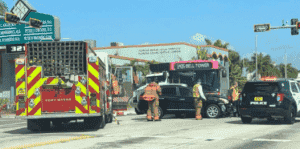
A Fort Myers Car Accident Lawyer at Law Offices of Anidjar and Levine helps protect an injured person’s health, evidence, and compensation rights after a crash causes hidden trauma.
Because internal bleeding may worsen with subtle symptoms, prompt medical evaluation, imaging, and documentation are crucial. Counsel can investigate liability, gather medical and crash evidence, manage insurer communications, and pursue damages for treatment, lost income, and pain and suffering.
The sections that follow explain the legal and medical issues in greater detail.
Main Takeaways
- Seek emergency care immediately after a Fort Myers crash, because internal bleeding can worsen silently and medical records help protect both health and claims.
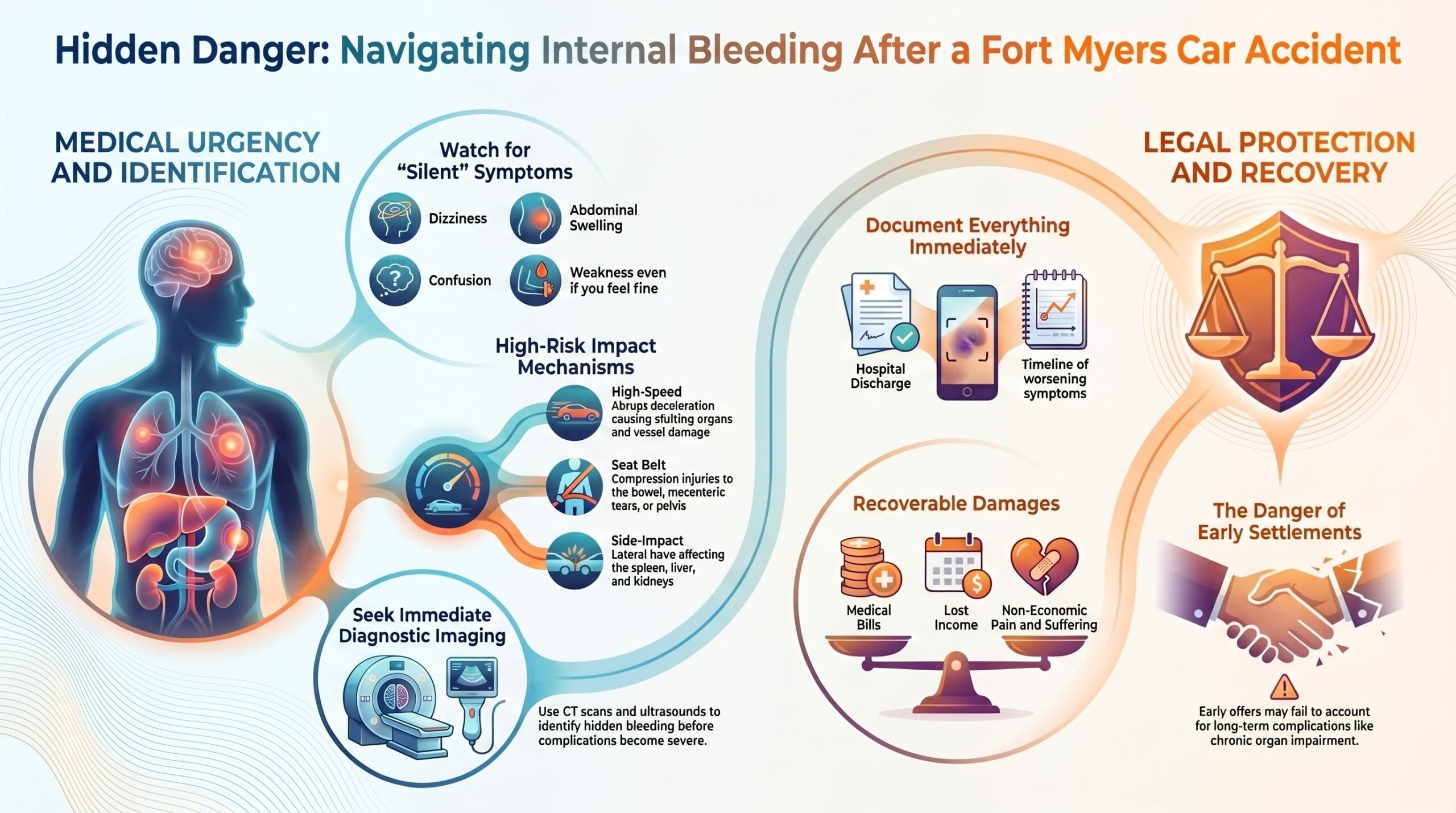
- Monitor and document pain, dizziness, weakness, swelling, nausea, confusion, bruising, and changes in alertness, with dates, photos, and all discharge paperwork.
- Internal bleeding often results from high-speed impacts, seat belt trauma, blunt force, or side-impact collisions affecting organs, blood vessels, or the pelvis.
- A Fort Myers internal bleeding car accident lawyer can use medical records, imaging, crash reports, witnesses, and experts to prove causation and liability.
- You may recover compensation for medical expenses, lost income, reduced earning capacity, and pain and suffering from all responsible parties.
How We Can Help With Your Fort Myers Internal Bleeding Car Accident Injury Claim
Addressing an internal bleeding injury claim after a Fort Myers car accident requires immediate attention to both the medical and legal issues involved. A law firm’s role is to coordinate prompt action that protects the injured person while preserving the ability to pursue compensation responsibly.
Counsel can gather records, communicate with insurers, and document how emergency treatment, hospitalization, and follow-up care affect daily life and family stability. Through focused medical advocacy, the firm can help make certain that providers, adjusters, and supporting witnesses understand the seriousness of hidden trauma. It can also organize evidence of lost income, future care needs, and related expenses, allowing the claim to reflect the full scope of harm. Careful guidance on settlement timing is equally important, because early offers may not account for complications that emerge after initial treatment. Throughout the process, the firm serves with discipline, clarity, and respect, helping clients make informed decisions that support recovery and long-term security for everyone involved.
Understanding Fort Myers Internal Bleeding Car Accident Injury Cases


Many Fort Myers internal bleeding car accident injury cases involve serious trauma that is not immediately visible, making early recognition and careful documentation especially important. In these matters, symptoms may appear gradually, while post-crash bleeding can worsen without obvious external signs. Careful attention to pain, dizziness, weakness, swelling, and changes in alertness often helps families and caregivers respond promptly and responsibly.
OUR CONSULTATIONSARE FREE
START YOUR FREE CASE REVIEW

A proper internal diagnosis usually depends on timely medical evaluation, imaging, and consistent follow-up. Records created soon after the collision may clarify the extent of harm, the progression of symptoms, and the treatment required to protect long-term health. These cases often require a disciplined review of hospital notes, physician opinions, and recovery timelines. For people committed to helping injured neighbors, understanding these claims supports informed decisions, respectful advocacy, and practical service. Clear evidence and prompt care frequently shape both medical outcomes and the legal evaluation of injury severity and damages.
Common Causes of Fort Myers Internal Bleeding Car Accident
Several crash-related events commonly contribute to internal bleeding injuries in Fort Myers car accidents. High-speed collisions and blunt force trauma often place substantial stress on the body, while seat belt injuries can also produce serious internal harm despite their protective purpose. Side-impact crashes present additional danger because the limited space between the occupant and the point of impact can increase the risk of internal organ damage and concealed bleeding.
High-Speed Collisions


High-speed collisions generate immense force, often causing internal bleeding even when external injuries appear limited. On Fort Myers roads, these crashes often result from highway racing, aggressive acceleration, and reduced reaction time, leaving drivers unable to avoid sudden hazards or control their vehicles safely.
When impact occurs at elevated speeds, the body can suffer serious internal injury due to abrupt deceleration and shifting organs. Occupants may initially believe they escaped major harm, yet dangerous bleeding can progress unnoticed in the minutes or hours that follow. Those who serve injured neighbors and families should recognize early warning signs, including dizziness, abdominal pain, weakness, and confusion. Prompt medical evaluation protects health, supports accurate diagnosis, and creates vital documentation. Careful investigation also helps establish how excessive speed contributed to the collision and resulting losses.
Blunt Force Trauma
Blunt force trauma often occurs when a vehicle occupant strikes the guidance wheel, dashboard, door, window, or seat belt assembly during a collision, creating violent pressure that can damage blood vessels and internal organs. These blunt force mechanisms may cause bleeding in the abdomen, chest, or brain, even when external wounds appear limited.
In service to injured individuals and their families, it is important to recognize that trauma patterns are not always immediately visible after a crash. A person may walk away from the scene, yet still face dangerous internal bleeding that worsens over time. Medical evaluation helps identify hidden injuries to the liver, spleen, lungs, or kidneys before complications become severe. Careful documentation, prompt treatment, and informed legal guidance can support recovery and protect the individual’s long-term interests after trauma.
Seat Belt Injuries
One common source of internal bleeding after a Fort Myers car accident is the force exerted by a seat belt during a sudden stop or violent impact. Although restraints save lives, the pressure they place across the chest, abdomen, and pelvis can damage blood vessels and organs beneath the surface. Visible seatbelt abrasions may appear minor, yet they can signal deeper trauma requiring prompt medical evaluation.
In some collisions, the lap portion of the belt compresses the lower abdomen with enough force to cause bowel injury, mesenteric tears, or a lapbelt fracture involving the lumbar spine. These injuries may not produce immediate symptoms, which can delay treatment and increase risk. Careful assessment helps protect injured individuals, supports timely care, and promotes informed decisions focused on recovery and long-term well-being.
Side-Impact Crashes
During a side-impact collision, the limited space between the point of impact and the vehicle occupant can expose the chest, abdomen, and pelvis to substantial force. This mechanism may damage blood vessels and internal organs, even when external injuries appear limited at first.
An informed review of side impact biomechanics helps explain why internal bleeding is a serious concern after T-bone and intersection crashes. Lateral intrusion patterns may compress the torso, shift the body abruptly, and concentrate energy into vulnerable areas, including the spleen, liver, kidneys, and pelvic structures. Those who assist injured people should recognize that symptoms can be delayed, subtle, and progressively dangerous. Prompt medical evaluation and careful documentation often serve both immediate health needs and later efforts to secure accountability, access to treatment, and meaningful support for recovery.
Legal Rights of Fort Myers Internal Bleeding Car Accident Injury Victims
Crash-related internal bleeding can create a medical emergency that also triggers important legal protections for injured victims in Fort Myers. Florida law generally permits injured people to pursue compensation when another party’s negligence causes hidden abdominal, organ, or vascular injuries. These rights may extend beyond the at-fault driver when defective vehicle components, unsafe roadway conditions, medical malpractice, or occupational hazards contribute to the harm.
Key legal protections often include:
- The right to seek damages for medical care, lost income, reduced earning capacity, and pain and suffering.
- The right to investigate all responsible parties, including drivers, employers, manufacturers, or property owners.
- The right to demand accountability through insurance claims or civil litigation within applicable legal deadlines.
Because internal bleeding may worsen before diagnosis, careful legal evaluation helps preserve evidence and identify the full extent of losses. A thorough claim can support financial recovery while advancing safety, responsibility, and service to the broader Fort Myers community.
Steps to Take After a Fort Myers Internal Bleeding Car Accident Injury
After a Fort Myers car accident involving suspected internal bleeding, the priority is to seek immediate medical care, as prompt evaluation can be crucial to both health and recovery. It is also important to document symptoms, medical findings, and all available evidence related to the accident, as thorough records may support any future claim. Once urgent medical needs are addressed, contacting a car accident lawyer can help protect the injured person’s legal interests and guide the next steps.
Seek Immediate Medical Care
Why is immediate medical evaluation so important when internal bleeding is suspected following a Fort Myers car accident? Internal bleeding may progress silently, while a person appears stable and continues assisting others at the scene. Prompt care allows trained professionals to perform an immediate assessment, identify hidden trauma, and begin life-preserving treatment before complications worsen.
Emergency responders should be contacted without delay, because they can follow the proper transport protocol and route the injured person to an appropriate facility. Even when pain seems manageable, dizziness, weakness, abdominal swelling, or confusion may signal a dangerous condition requiring urgent intervention. Seeking immediate medical care protects health, supports responsible decision-making, and helps guarantee that those who serve family, passengers, and the broader community remain available to continue caring for others after the collision.
Document Symptoms And Evidence
Document every symptom and piece of evidence as soon as conditions permit, because internal bleeding injuries can worsen quickly and the earliest record often becomes the most reliable. A clear symptom timeline should note pain levels, swelling, dizziness, bruising, weakness, nausea, and any changes in alertness, with dates and times whenever possible.
Careful evidence preservation also serves those responsible for helping the injured person receive proper support. Photographs of visible injuries, torn clothing, vehicle damage, debris, and the surrounding roadway can provide important context. Copies of discharge papers, imaging results, prescriptions, and follow-up instructions should be kept together in one secure place. If witnesses observed the collision or the injured person’s condition afterward, their names and contact information should be recorded accurately. Thorough documentation strengthens understanding of the injury’s progression.
Contact A Car Accident Lawyer
Consulting a Fort Myers car accident lawyer should occur as early as practicable when internal bleeding is suspected or confirmed, because these cases often involve urgent medical concerns, disputed liability, and fast-moving insurance communications. Early legal guidance helps preserve evidence, coordinate records, and protect the injured person from statements that could later be misinterpreted. Counsel can also evaluate whether negligent driving alone caused the harm, or whether medical malpractice contributed through delayed diagnosis or improper treatment. This careful review supports accountability and informed decisions that may benefit the injured person, family members, and the broader community.
A lawyer also advises on settlement timing, since accepting payment too soon may overlook future surgeries, rehabilitation, lost income, and long-term complications. Prompt representation allows a structured response focused on service, protection, and responsible recovery.
How a Fort Myers Internal Bleeding Car Accident Injury Lawyer Can Help You
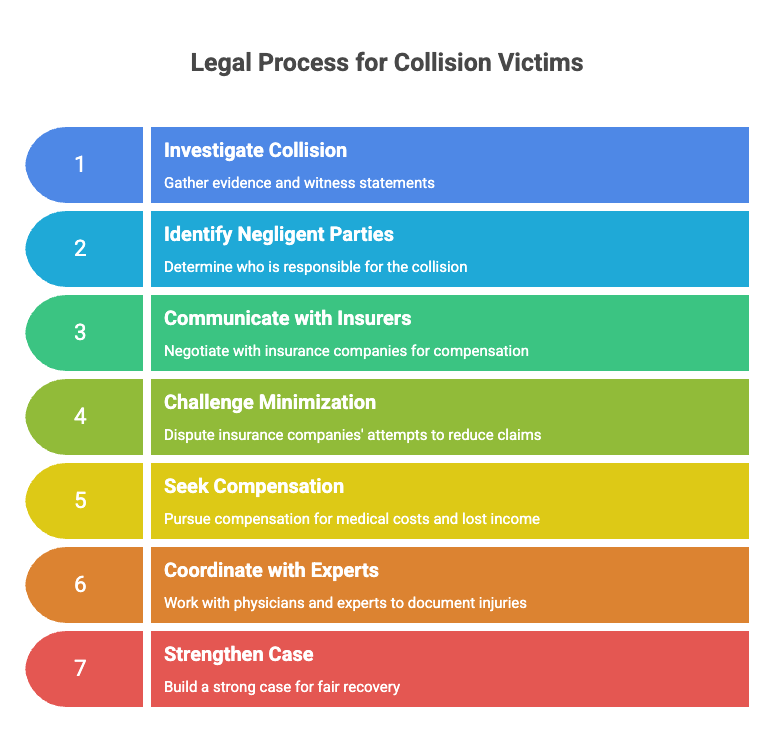
Maneuvering an internal bleeding car accident claim often requires immediate legal guidance, because these injuries can worsen rapidly and may not be fully apparent at the scene of the crash. A Fort Myers internal bleeding car accident injury lawyer helps protect injured people while supporting families focused on care, stability, and service to others. Through Emergency response coordination and Medical advocacy, counsel works to secure treatment records, preserve crucial evidence, and present a clear claim.
Prompt legal help can protect internal bleeding crash victims by preserving evidence, coordinating care, and supporting families through urgent recovery.
- The lawyer investigates the collision, gathers witness statements, and identifies negligent parties before evidence is lost.
- The lawyer communicates with insurers, challenges minimization of hidden injuries, and seeks compensation for medical costs, lost income, and related needs.
- The lawyer coordinates with physicians and experts to accurately document internal injuries and strengthen the case for fair recovery.
This guidance allows injured individuals and those assisting them to prioritize medical responsibility, responsible planning, and the well-being of everyone affected by the crash.
Long-Term Effects of Fort Myers Internal Bleeding Car Accident Injuries
Internal bleeding injuries from Fort Myers car accidents can produce lasting medical consequences, particularly when organ damage continues after the initial trauma. In some cases, symptoms worsen gradually or appear later, which can complicate treatment and extend recovery. These injuries may also create significant emotional strain and financial hardship, especially when ongoing care, lost income, and reduced quality of life become long-term concerns.
Chronic Organ Complications
Chronic organ complications can develop when internal bleeding from a Fort Myers car accident is not identified and treated promptly, allowing reduced blood flow, inflammation, or pressure-related damage to affect vital systems over time.
Persistent injury may impair the liver, kidneys, lungs, or intestines, limiting the body’s ability to recover and function safely. In severe cases, prolonged oxygen deprivation and tissue damage can contribute to organ failure, creating lasting medical needs and profound caregiving burdens. Some individuals also experience immune suppression, which increases vulnerability to infections and slows recovery from related conditions. Ongoing pain, fatigue, nutritional problems, and reduced physical capacity may follow, affecting employment, family responsibilities, and community service. Careful medical evaluation, consistent treatment, and informed legal guidance can help protect long-term well-being and support access to necessary resources.
Delayed Symptom Progression
Even when organ damage is avoided, the effects of internal bleeding after a Fort Myers car accident may continue to unfold in less obvious ways over time. Some individuals experience a delayed onset of symptoms, with fatigue, abdominal discomfort, dizziness, or weakness appearing days after the crash. This pattern can obscure the seriousness of the injury and delay appropriate medical attention.
In other cases, there is a gradual worsening of physical function as concealed blood loss contributes to inflammation, reduced stamina, and lingering pain. Caregivers, family members, and community advocates should remain attentive to changes that seem minor but persist or intensify. Ongoing observation, timely evaluation, and consistent follow-up can help protect the injured person’s health, support recovery, and ensure that subtle complications are identified before they become more dangerous or medically complex later.
Emotional And Financial Impact
Uncertainty often becomes a lasting part of recovery when a Fort Myers car accident causes internal bleeding, because the consequences may extend well beyond the initial medical crisis. Survivors may face persistent anxiety, disrupted routines, and strain within family relationships, especially when pain, fatigue, or repeated follow-up care limits independence and service to others.
The financial burden can also remain significant. Ongoing treatment, reduced earning capacity, and unexpected household expenses may require careful financial planning to preserve stability. In many cases, the emotional toll affects mental health, making counseling or support services an important part of long-term recovery. Families often assume caregiving roles, which can alter employment decisions and daily responsibilities. A clear legal and medical strategy may help injured individuals protect resources while focusing on recuperation and future well-being.
Proving Liability in Fort Myers Internal Bleeding Car Accident Injury Cases
Establishing liability in a Fort Myers internal bleeding car accident injury case requires careful attention to both the cause of the crash and the medical evidence connecting the collision to the injury. Attorneys often rely on police reports, witness statements, photographs, electronic vehicle data, and forensic reconstruction to show how negligent conduct caused the impact. In intricate matters, expert testimony may help explain speed, force, visibility, and driver decision-making.
Medical proof is equally important because internal bleeding may not appear immediately after a collision. Hospital records, diagnostic imaging, physician assessments, and trauma evaluations can demonstrate that the injury was consistent with the crash and not a prior condition. A thorough legal approach also examines traffic laws, road conditions, vehicle maintenance, and any conduct showing distraction, impairment, or reckless driving. By building a clear factual and medical record, counsel places injured individuals in a stronger position to pursue accountability and protect the well-being of those depending on their recovery.
Dealing With Insurance Companies After a Fort Myers Internal Bleeding Car Accident Injury
Why do insurance communications become so significant after a Fort Myers car accident involving internal bleeding? Internal injuries may worsen quickly, and insurers often seek statements before the full medical picture is known. Careful communication helps protect the injured person, supports accurate records, and reduces opportunities for claim tactics that minimize the seriousness of hidden trauma.
A service-minded response focuses on truth, documentation, and patience. Medical updates, diagnostic findings, and expense records should be preserved and shared carefully, because internal bleeding claims can change as symptoms evolve. It is often wise for communications to remain concise and consistent, avoiding speculation about fault, recovery, or future limitations. Insurers may raise questions about prior conditions, delayed symptoms, or treatment gaps, and those issues require measured answers grounded in evidence. Attention to settlement timelines also matters, since premature pressure to resolve a claim can conflict with continuing care needs and a full understanding of damages, losses, and long-term impacts.
What to Expect During a Fort Myers Internal Bleeding Car Accident Injury Claim Process
A Fort Myers internal bleeding car accident injury claim often begins with immediate medical evaluation, which helps protect the injured person’s health and creates vital documentation for the case. From there, the claim investigation typically focuses on accident reports, medical records, liability evidence, and other facts used to assess damages and responsibility. The process may then move into settlement negotiations, and if a fair resolution is not reached, litigation can follow with a timeline shaped by the intricacy of the injuries and the disputed issues.
Immediate Medical Evaluation
In the aftermath of a Fort Myers car accident, immediate medical evaluation is often the most important step when internal bleeding is suspected, because early symptoms may be subtle while the underlying condition remains life-threatening. Physicians typically begin with a physical assessment, blood pressure monitoring, and focused questions about pain, dizziness, weakness, or abdominal swelling. They may order emergency diagnostic tests, including laboratory studies, ultrasound, CT scans, or vascular imaging, to locate hidden bleeding and assess its severity.
Prompt treatment can include observation, blood transfusion, medication, or surgery, depending on the findings. For those committed to protecting others, timely care also creates a clear medical record that documents the injury’s progression and the need for intervention. Early evaluation supports recovery, preserves health, and helps guarantee that urgent needs are not overlooked by caregivers.
Claim Investigation Steps
Expect a careful review of both the collision and the medical evidence once a Fort Myers internal bleeding car accident injury claim begins. Investigators generally collect crash reports, photographs, vehicle damage records, and emergency response documentation to understand how the impact occurred and whether hidden trauma likely developed.
Medical records are then given close attention, including imaging studies, physicians’ notes, surgical reports, and follow-up care recommendations. In serious cases, forensic imaging may help connect internal injuries to the mechanics of the collision. The investigation often includes witness interviewing, scene analysis, and timelines that compare symptoms with treatment history. This process is meant to clarify facts, preserve important evidence, and protect the injured person’s ability to pursue accountability. A thorough investigation also helps caregivers, families, and advocates support informed decisions throughout recovery.
Settlement Negotiation Process
Settlement discussions typically begin after investigators and medical providers have established a clearer picture of liability, injury severity, and projected treatment needs. At this stage, representatives exchange documentation, evaluate losses, and assess whether an insurer is recognizing the full impact of internal bleeding injuries on the injured person and family.
A lawyer generally prepares a demand package that outlines medical expenses, lost income, future care, and human damages. Negotiations may involve counteroffers, policy analysis, and carefully chosen mediation tactics designed to encourage fair resolution without unnecessary delay. Throughout these talks, counsel often explains settlement timelines, identifies low offers, and advises whether additional records or expert input may strengthen the claim. The overall objective is a settlement that supports recovery, protects household stability, and reflects the seriousness of the harm suffered.
Litigation And Case Timeline
From the outset, litigation introduces a more structured phase of an internal bleeding car accident claim, with court deadlines, formal evidence gathering, and procedural requirements shaping the timeline. After filing suit, both sides move through important case milestones, including service of process, written questions, document exchange, depositions, and medical evaluations. Discovery deadlines require careful attention, because missed dates can limit available evidence or delay progress.
During this period, counsel may file motions, address evidentiary disputes, and continue evaluating settlement opportunities that could serve the injured person without trial. If a resolution is not reached, the court sets pretrial conferences and a trial date. Each stage demands organization, patience, and accurate documentation. A disciplined approach helps protect the claim, supports informed decisions, and keeps the process focused on accountability and recovery.
Compensation for Fort Myers Internal Bleeding Car Accident Injury Damages
In cases involving internal bleeding after a Fort Myers car accident, compensation may encompass both the immediate financial losses and the longer-term consequences that follow a delayed or severe injury. Because these injuries may worsen rapidly, careful documentation, prompt treatment, and informed legal review often shape recovery efforts and settlement timelines.
A claim may include reimbursement for emergency transport, hospital care, surgery, diagnostic imaging, follow-up visits, rehabilitation, and necessary in-home assistance. If diagnostic failures, delayed intervention, or other medical errors aggravated the condition, related issues may require separate review for possible medical malpractice. Compensation may also address projected future care, diminished earning capacity, and the costs of ongoing monitoring for complications. In fatal cases, surviving family members may pursue recovery through the appropriate legal process. By building a well-supported claim, counsel can help responsible parties meet their obligations and support the injured person’s stability, continuity of treatment, and ability to continue serving loved ones and the broader Fort Myers community.
Economic vs Non-Economic Damages in Fort Myers Internal Bleeding Car Accident Cases
In Fort Myers internal bleeding car accident cases, damages are generally divided into economic losses and non-economic harm, each requiring a distinct method of evaluation. Economic damages usually include medical expenses, lost income, and other measurable financial losses, while non-economic damages address pain and suffering and the broader effect of the injury on daily life. Strong evidence, including medical records, billing statements, employment documentation, and testimony, is often necessary to support both categories of damages.
Calculating Economic Losses
Precision governs the calculation of economic losses in Fort Myers internal bleeding car accident cases, because these damages are tied to measurable financial harm rather than subjective experience. Attorneys and insurers examine records showing the direct costs of emergency treatment, surgery, hospitalization, rehabilitation, and ongoing medical billing related to the collision.
They also review employment documents to determine lost wages during recovery and any reduction in future earning capacity caused by lasting impairment. When a victim can no longer perform prior duties, vocational and financial experts may estimate long-term income loss with care. Property damage is calculated through repair invoices, replacement valuations, and related transportation expenses. A careful damages assessment helps families pursue compensation that protects stability, supports continued treatment, and preserves the resources needed to care for others after a serious crash.
Valuing Pain And Suffering
Judgment becomes more difficult when a Fort Myers internal bleeding car accident claim turns from measurable financial loss to pain and suffering, because non-economic damages do not appear on a bill or wage statement. Pain valuation considers the human cost of injury, including physical discomfort, emotional strain, loss of normal activities, and disruption to family service and community involvement. Unlike medical expenses, these harms require careful, principled assessment rather than arithmetic. Florida law permits recovery of such losses, yet the amount often depends on juries’ perceptions of severity, duration, and daily impact.
A thoughtful evaluation respects the injured person’s dignity while recognizing the case’s broader purpose, which is to restore fairness after serious harm. In cases of internal bleeding, this category can markedly affect overall compensation when the injury changes ordinary life in lasting ways.
Evidence Supporting Damages
Documentation anchors any claim for damages in a Fort Myers internal bleeding car accident case, because compensation rises or falls on the quality of proof presented for both financial loss and personal harm. Economic damages are commonly supported by medical records, hospital bills, wage statements, pharmacy receipts, and treatment plans that document the costs of emergency care, surgery, follow-up visits, and lost earning capacity. Non-economic damages require different forms of support, including physician notes, mental health evaluations, family observations, and daily journals describing pain, limitations, and disrupted relationships. In more complicated cases, expert testimony helps connect internal injuries to future medical needs, permanent impairment, and diminished quality of life.
Careful documentation allows advocates, insurers, and courts to evaluate harm fairly, promoting accountability while protecting the injured person’s long-term recovery and dignity.
When a Fort Myers Internal Bleeding Car Accident Injury Case Goes to Trial vs Settlement
In many Fort Myers internal bleeding car accident cases, the path to settlement or trial depends on the strength of the medical evidence, the extent of the victim’s damages, and the insurance company’s willingness to offer fair compensation. When records clearly connect the collision to internal injuries, strong medical testimony can increase settlement leverage and encourage meaningful negotiations.
A case may proceed to trial when liability is disputed, damages are minimized, or insurers refuse to account for future care, lost income, and pain. In that setting, trial strategy becomes crucial. Counsel must present a coherent account of how the injury affected the victim’s recovery, family responsibilities, and ability to serve others in daily life. Jury dynamics also matter, because jurors often respond to credible physicians, organized evidence, and consistent witness statements. Although many claims resolve before trial, preparedness for court often improves results, whether through a negotiated settlement or a verdict that reflects the full scope of harm.
The Statute of Limitations for Fort Myers Internal Bleeding Car Accident Injury Cases
After a Fort Myers car accident causes internal bleeding, the time allowed to bring a personal injury claim can become a decisive issue, because missing the filing deadline may bar recovery regardless of how serious the injuries are. Florida law sets deadlines for negligence actions, but nuances of the statute can affect how courts measure the filing period in specific circumstances.
Internal bleeding injuries may involve delayed diagnosis, extended hospitalization, or wrongful death issues, and each factor can influence timing analysis. In limited situations, claims tolling may pause the clock, such as when a defendant cannot be located or another legally recognized condition applies. These exceptions are narrow, and courts generally enforce deadlines strictly. Careful recordkeeping, prompt medical documentation, and attention to procedural rules help protect the ability to pursue compensation that may support treatment, family stability, and community well-being. For those focused on helping injured people recover, understanding the governing timeline is critical to responsible case planning and meaningful service.
When to Contact a Fort Myers Internal Bleeding Car Accident Injury Lawyer
Prompt contact with a Fort Myers internal bleeding car accident injury lawyer is often advisable once signs of internal injury, emergency treatment, disputed liability, or insurer pressure begin to affect the injured person’s medical and legal position. Early communication can help preserve records, witness accounts, imaging results, and discharge instructions before important details are lost or misunderstood.
Contact may also be appropriate when symptoms worsen after the collision, when doctors identify hidden bleeding, or when families must make urgent decisions during emergency timelines. A timely review can assist with gathering crash reports, documenting expenses, and protecting statements from being taken out of context. If delayed diagnosis, hospital errors, or follow-up failures raise concerns, the matter may also involve medical malpractice issues that require careful evaluation. Seeking guidance promptly can support orderly decision-making, encourage responsible documentation, and help injured people and their families remain focused on treatment, recovery, and the practical needs of those depending on them daily.
Why You Need an Experienced Fort Myers Internal Bleeding Car Accident Injury Lawyer
Because internal bleeding claims often involve hidden injuries, rapidly changing medical conditions, and disputed timelines, an experienced Fort Myers internal bleeding car accident injury lawyer can provide the focused legal judgment these cases demand. Such representation helps preserve evidence, coordinate with physicians, and connect the sequence of symptoms, treatment, and losses in a clear, credible manner.
Experienced counsel also identifies all sources of liability, including negligent drivers, vehicle owners, insurers, and, when facts support it, Medical negligence by providers who missed warning signs or delayed emergency care. This work protects injured people and the families who support them by pursuing compensation for surgery, hospitalization, lost income, and future needs. A seasoned lawyer also evaluates long-term harm, including disability, emotional strain, and appropriate Rehabilitation options, so that recovery planning reflects both immediate crises and ongoing service to loved ones and the community. Strong advocacy can reduce uncertainty and allow families to jointly focus on restoration and stability.
How to Choose the Right Fort Myers Internal Bleeding Car Accident Injury Lawyer for Your Case
Selecting the right Fort Myers internal bleeding car accident injury lawyer requires more than reviewing advertisements or general claims of success. A careful evaluation should focus on whether the attorney has handled serious injury cases involving delayed symptoms, emergency treatment, and intricate medical evidence. Families seeking accountability often benefit from lawyers who communicate clearly, respond promptly, and treat injured people with dignity throughout the legal process.
Client interviews can reveal how an attorney approaches investigation, case preparation, and negotiation with insurers. It is also useful to examine courtroom experience, professional standing, and the ability to explain legal options in plain terms. Fee structures should be reviewed early, so families understand contingency arrangements, litigation costs, and how financial obligations may affect recovery. A strong choice is usually a lawyer who combines legal skill with compassion, practical guidance, and a genuine commitment to helping injured individuals pursue resources that support recovery, stability, and long-term well-being after a devastating collision.
About The Law Offices of Anidjar & Levine
At The Law Offices of Anidjar & Levine, injured people in Fort Myers can seek legal representation from a firm that handles car accident claims involving serious and life-threatening harm. The firm serves clients facing internal bleeding injuries with focused advocacy, careful case preparation, and responsive communication at every stage of the legal process.
Its approach reflects a commitment to helping clients restore stability after traumatic collisions. Drawing on the firm’s history, the practice has developed procedures to reduce burdens on families while pursuing compensation for medical care, lost income, and other damages. Attorneys and staff emphasize accessibility, organization, and timely updates, which can be important when a household is managing urgent health concerns.
Prospective clients often review client testimonials to understand how the firm addresses service, professionalism, and results. These accounts, combined with the firm’s record of handling intricate accident matters, present a picture of a legal team dedicated to providing informed counsel and practical support.
Frequently Asked Questions
Can Internal Bleeding Symptoms Appear Days After a Car Accident?
Yes, internal bleeding symptoms can appear days after a car accident. In some cases, delayed symptoms result from occult hemorrhage, where bleeding remains hidden until pressure, blood loss, or organ dysfunction worsens. A careful observer should note abdominal pain, dizziness, weakness, fainting, or unusual bruising, and encourage prompt medical evaluation. Serving an injured person well requires vigilance, because seemingly minor crashes may still produce serious internal injuries requiring immediate treatment.
Are Children More Vulnerable to Internal Bleeding After a Collision?
Yes, children are often more vulnerable to internal bleeding after a collision. Their smaller organ structures, softer bones, and greater surface exposure can allow crash forces to injure tissues without obvious external signs. A developing immune and reparative response may also complicate early assessment. Those serving injured families should recognize that children can decline quickly, making prompt medical evaluation, careful monitoring, and timely follow-up crucial after any significant impact.
What Medical Tests Are Used to Diagnose Internal Bleeding?
Medical tests used to diagnose internal bleeding include a CT scan, Diagnostic ultrasound, blood tests, and, in urgent cases, exploratory procedures. Physicians often begin with a physical examination and monitoring of vital signs, then select imaging based on symptoms and injury patterns. A CT scan can reveal bleeding in organs and tissues, while Diagnostic ultrasound helps identify fluid buildup quickly. Prompt testing supports timely treatment, which helps protect wellbeing and preserve the ability to serve others.
Can Seat Belts Cause Internal Bleeding in a Crash?
Yes, seat belts can cause internal bleeding in a crash, though they often prevent far worse harm. Medical professionals recognize certain seatbelt injuries and restraint patterns as warning signs, especially after high-speed impacts. Bruising across the abdomen or chest may indicate damage to organs or blood vessels. Those assisting injured individuals should encourage immediate medical evaluation, because internal bleeding is not always obvious at first and can become life-threatening without prompt treatment.
How Long Does Recovery From Internal Bleeding Typically Take?
Recovery from internal bleeding typically ranges from several days to many weeks, depending on severity, location, treatment speed, and the person’s overall health. A physician generally evaluates the recovery timeline using imaging, blood work, and changes in symptoms. Common recuperation milestones include stabilized vital signs, reduced pain, improved strength, and restored organ function. Care teams often emphasize follow-up visits, rest, nutrition, and careful monitoring, so the individual can return to serving others safely.
—————————
Internal bleeding after a car accident can lead to serious medical complications and financial hardship, often requiring emergency care and prompt legal attention. Victims in Fort Myers may benefit from understanding their rights, preserving critical evidence, and consulting a qualified Fort Myers Car Accident Lawyer as early as possible.
An experienced attorney can assess the claim, handle insurance disputes, and seek fair compensation. The Law Offices of Anidjar & Levine advocates for injured individuals with dedicated representation and a strong commitment to protecting their interests throughout the legal process.