The Law Offices of Anidjar and Levine help Clearwater residents injured in slip-and-fall accidents understand their legal options and pursue claims when unsafe property conditions cause harm. If you’re an older adult or have a disability, a fall may cause serious injuries, mobility changes, or additional care needs. We can investigate the hazard, preserve available evidence, review how the property was maintained, and communicate with insurers. Compensation may cover medical costs, lost income, pain, and emotional distress. Learn more from a Clearwater Personal Injury Lawyer. Below, we explain the risks, rights, and next steps.
Main Takeaways
- A Clearwater slip-and-fall lawyer can assess whether unsafe property conditions and inadequate maintenance contributed to your fall.
- Older adults and people with disabilities may face greater risks of serious injury, but personal risk factors do not erase property owners’ responsibilities.
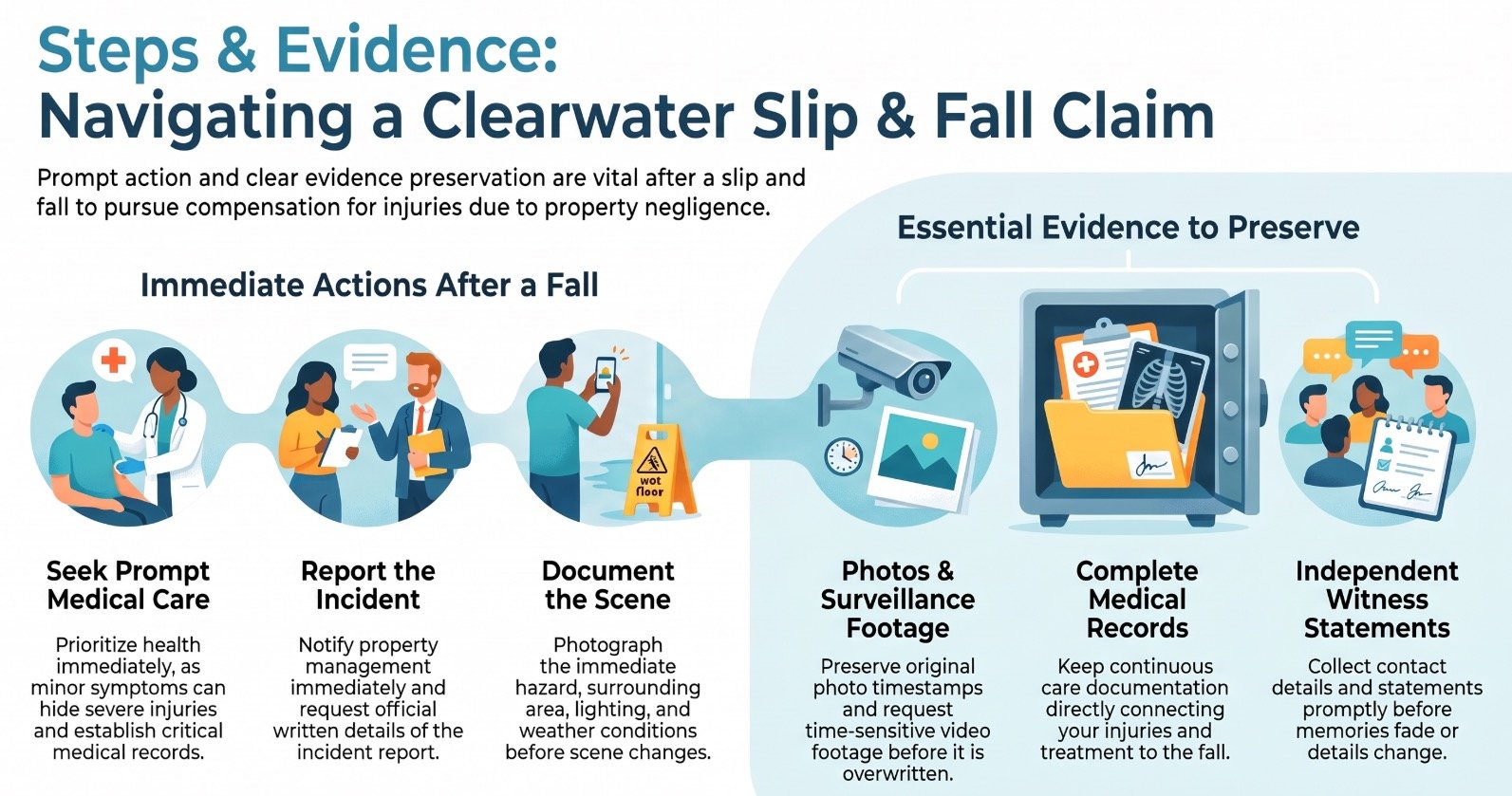
- Seek medical care promptly, report the fall, and document the location, conditions, symptoms, and people notified.
- Preserve photos, witness details, incident reports, medical records, and surveillance footage before it is lost or overwritten.
- A claim review may consider liability, injury-related expenses, lost income, pain, and effects on daily independence.
How We Can Help With Your Clearwater Slip & Fall At-Risk Victims Injury Claim
When a slip and fall injures you or a loved one, we can help you understand your options and pursue a claim against the responsible party. Our team listens carefully, explains each step, and works to protect your interests while you focus on recovery.
We investigate the incident, gather available records, and communicate with property owners, insurers, and other involved parties. We also assess Claim Eligibility by reviewing how the fall occurred, what evidence supports responsibility, and how the injuries have affected your life. This careful review helps us identify a practical path forward without promising an outcome.
Your health merits steady attention. Through Care Coordination, we can help organize medical information and keep your treatment needs connected to the claim process. We’ll track deadlines, prepare required documents, and provide clear updates so you can make informed decisions. By handling legal demands carefully, we aim to ease your burden and pursue fair compensation for your losses.
Don’t Wait. Call Our Florida Personal Injury Lawyers Now!
Understanding Clearwater Slip & Fall At-Risk Victims Injury Cases


Understanding a Clearwater slip and fall injury case starts with identifying the hazard, who controlled the property, and whether reasonable steps could have prevented the fall. We also consider how the incident affected the injured person and what support they need to recover. When you’re caring for an older adult or another at-risk person, a fall can create serious physical, emotional, and financial challenges.
OUR CONSULTATIONSARE FREE
START YOUR FREE CASE REVIEW

Age-related vulnerabilities may make injuries more severe or recovery more difficult, but they don’t diminish anyone’s right to seek accountability. We examine the available evidence, applicable safety duties, and the connection between the unsafe condition and the injury. Our goal is to help you understand your options and make informed decisions without losing sight of the person behind the claim.
A careful review can also help prevent fall risks. By addressing safety concerns through appropriate channels, we can help protect others who use the property. We’ll explain each step clearly and treat your concerns with respect.
Common Causes of Clearwater Slip & Fall At-Risk Victims
Slip and fall hazards often come from wet floors, uneven walkways, and poor lighting. Cluttered pathways can also obstruct safe movement, particularly for people with limited mobility or vision. We’ll explain how these conditions create risks and why property owners should address them promptly.
Wet Floors
Wet floors frequently cause slip-and-fall injuries in Clearwater, especially in grocery stores, restaurants, hotels, and other businesses where spills, tracked-in rainwater, or recently cleaned surfaces can create hazards. When a business fails to address these conditions promptly, visitors may lose their footing and suffer injuries that disrupt daily life. We can help you determine whether staff followed reasonable floor-maintenance practices and responded appropriately to known risks. Effective spill response includes cleaning hazards quickly, posting visible warning signs, and ensuring surfaces are dry before reopening an area to foot traffic. These steps protect customers, employees, and others who rely on a safe environment. If you were hurt, document the location and conditions, report the incident, and seek medical care. We can help you understand your options.
Uneven Walkways


Uneven walkways can cause serious falls when cracked pavement, raised slabs, loose pavers, or poorly maintained steps disrupt a person’s footing. Cracked pavement and raised concrete may develop as surfaces age, shift, or suffer inadequate maintenance. Property owners and managers should inspect paths regularly, promptly repair hazards, and provide safe routes for visitors, workers, and neighbors. When they overlook these responsibilities, a pedestrian may trip, fall, and suffer injuries that affect daily life.
If you’ve been hurt on an uneven walkway, document the location and condition as soon as you can, and seek medical care. We can help you understand how evidence, maintenance records, and witness accounts may clarify what happened. By pursuing accountability, we can encourage safer public spaces and help protect others from preventable injuries.
Poor Lighting
Poor lighting can make otherwise visible hazards hard to detect, increasing the risk of slips and falls in Clearwater homes, businesses, parking areas, and walkways. When property owners fail to maintain adequate illumination, visitors may not see changes in floor level or other dangers in time to respond. Dim stairwells can make it difficult to judge each step, while burned-out bulbs may leave entrances, corridors, and outdoor routes poorly lit. These conditions can affect older adults, children, employees, and anyone carrying items or helping someone else. We can help you assess whether inadequate lighting contributed to a fall and whether the responsible party knew, or should have known, about the problem. Promptly document the location, lighting conditions, and any available maintenance records to preserve important evidence.
Cluttered Pathways
When boxes, merchandise, cords, or other items obstruct a walkway, visitors may not have enough room to avoid them and can trip or fall. Clutter can also conceal changes in floor height or create hazards for people carrying packages, using mobility aids, or watching children. We encourage property owners and managers to keep paths clear, regularly inspect common areas, and promptly remove items left in aisles. These steps help protect customers, employees, and other visitors who rely on safe access. Clutter may create risks beyond falls: Blocked emergency exits can delay evacuation, while obstructed wheelchair access can prevent people from reaching vital areas. If a fall occurs, we can help you examine whether unsafe conditions, inadequate inspections, or delayed cleanup contributed to your injuries and identify options for pursuing accountability.
Legal Rights of Clearwater Slip & Fall At-Risk Victims Injury Victims
If you’re injured in a Clearwater slip and fall, Florida law may allow you to seek compensation from the party responsible for the hazardous condition. We can help you understand your options and protect your interests while you focus on recovery. Property owners and businesses must meet applicable safety duties, and evidence can help establish whether negligence caused your injuries.
Depending on your circumstances, you may be entitled to pursue compensation for:
- Medical expenses and necessary future treatment.
- Lost income and reduced ability to work.
- Physical pain and emotional distress.
- Evidence-based claims against a responsible property owner.
- Fair consideration of protected-class rights and accessibility accommodations.
These rights matter when you serve others or rely on public places to meet daily needs. Disability-related protections may apply, but they don’t automatically establish liability for a fall. We’ll review the facts, identify relevant duties, and explain deadlines and potential challenges. Prompt legal guidance can help preserve records and support a clear, well-documented claim.
Why Do Clearwater Slip & Fall At-Risk Victims Injuries Happen?
Clearwater slip and fall injuries often happen because a property owner or business fails to address a hazard, such as a wet floor, uneven walkway, poor lighting, or loose flooring. When owners overlook these conditions, visitors may lose their footing and suffer serious harm. Spills left unattended, cluttered aisles, broken steps, and missing handrails can also make a property unsafe, particularly for older adults and people with disabilities.
Some risks arise from how hazards affect each person. Age-related balance changes can make it harder to recover from a sudden slip, while medication side effects may cause dizziness or slower reactions. These factors don’t excuse a property owner’s failure to maintain safe premises. They help explain why a seemingly minor hazard can lead to a fracture, head injury, or lasting loss of independence.
By recognizing these causes, we can better spot preventable dangers and support safer spaces for everyone in our Clearwater community.
What Should You Do After a Clearwater Slip & Fall At-Risk Victims Injury?
After a Clearwater slip and fall, seek prompt medical care, even if your injuries seem minor, to protect your health and document your condition. Also report the fall to the property owner or manager and ask them to document the incident. If you’re able, photograph the hazard, the surrounding area, and any visible injuries before the scene changes.
Seek Prompt Medical Care
Make prompt medical care your priority after a slip and fall, even if your injuries seem minor. We can’t always recognize the full extent of an injury immediately, and some symptoms may develop or worsen over time. Contact a qualified medical professional promptly and describe how the fall occurred, what hurts, and any changes you notice. Follow the clinician’s recommendations, including diagnostic tests and referrals, so your condition receives appropriate attention. Keep your follow-up appointments, even if you begin to feel better, and ask questions when instructions are unclear. Medication adherence can support recovery and help prevent avoidable complications; tell your provider about other medicines or health conditions. These steps protect your well-being and make it easier for caregivers and loved ones to support your recovery.
Report the Fall
As soon as you can, report the fall to the property owner, manager, or on-duty employee, even if your injuries seem minor. Prompt reporting helps the business learn from the incident and address a possible hazard before another visitor gets hurt. If you can’t speak with staff yourself, ask a companion or caregiver to notify them for you.
Notify management clearly and calmly. Explain when and where the fall occurred, what happened, and whether you need assistance. Stick to what you know, and avoid guessing about the cause. Ask the person receiving your report to record the incident and provide the name of the staff member handling it.
Before leaving, ask for report details, such as how to get a copy or a reference number. Keep a record of whom you contacted and when.
Document the Scene
After you report the fall, document the scene before conditions change, if you can do so safely. Use your phone to photograph or record the hazard from several angles, including a wider view that shows its location and nearby signs, lighting, or barriers. Capture details such as spilled liquid, uneven flooring, loose mats, or missing warnings. Note the time, exact location, and Weather conditions, especially if rain or moisture contributed to the fall. If anyone witnessed what happened, ask for their name and contact information, but don’t pressure them. Personal safety comes first: don’t touch or move the hazard, enter a dangerous area, or delay medical care to gather evidence. If you can’t document the scene, ask a trusted person to do so and preserve any original files.
Critical Evidence in a Clearwater Slip & Fall At-Risk Victims Injury Case
Strong evidence can help us establish how a slip and fall occurred and how it affected your health. We’ll focus on records and accounts that preserve crucial details before they’re lost or forgotten.
The following evidence may support your claim:
- Incident scene photos: Show the hazard, surrounding area, and any warning signs.
- Surveillance footage: May capture the fall or conditions shortly beforehand.
- Witness statements: Provide independent accounts of what happened.
- Medical records: Document your injuries, treatment, and recovery.
- Incident reports: Record how the property owner or staff documented the event.
Incident Scene Photos
Photographs taken immediately after a Clearwater slip and fall can preserve details that may disappear before an investigation begins. If you’re able, photograph the area before anyone cleans or changes it. Clear images can document spills, uneven flooring, missing warning signs, poor lighting, and other conditions that may have contributed to your fall.
Take wide views to show the scene’s layout, then closer images of the specific hazard. Different camera angles can show its size, location, and how visible it is to people approaching. Include nearby landmarks when possible, but don’t put yourself or others at risk to get a picture. Keep original files and note when and where you took each image; preserving timestamps can help establish when the condition existed. These steps may support a careful, fair investigation.
Surveillance Footage
Surveillance footage can provide a time-sensitive record of the conditions and events surrounding a Clearwater slip and fall. Businesses may overwrite recordings quickly, so we should act promptly to request Video preservation before relevant files disappear. We can identify likely camera placements near entrances, aisles, checkout areas, and where you fell. Footage may show a hazard, how long it remained, lighting conditions, or whether staff responded before or after the incident. It may also clarify the sequence of events and help us assess conflicting accounts. We should request footage from the relevant time period and preserve available recordings in their original form. If you were injured while assisting others, this evidence can help establish what happened and support a fair evaluation of your claim.
Witness Statements
Witness statements can add context that surveillance footage may not capture in a Clearwater slip-and-fall case. A visitor may have seen a spill, a missing warning sign, or how long a hazard remained before someone fell. We can help you identify people who witnessed the incident or its immediate aftermath and ask them to describe what they observed in their own words.
Witness Credibility matters. We’ll consider each person’s opportunity to observe, consistency, and possible relationship to those involved. Prompt Statement Preservation can help protect useful details before memories fade. Record names and contact information, note when and where each person saw events, and keep any written or recorded account unchanged. Don’t coach witnesses or pressure them to take sides. Their independent observations may help clarify what happened and support a fair evaluation of responsibility.
Medical Records
Medical records can provide crucial evidence in a Clearwater slip and fall case, especially for at-risk victims with serious or complicated injuries. They document your condition, the treatment providers recommended, and how your health changed after the fall. We can help you gather records from emergency departments, physicians, rehabilitation facilities, and other providers while protecting your privacy.
Prompt care and consistent follow-up can connect your injuries to the incident and show why you needed particular treatment. Tell each provider how and when the fall occurred, and report new symptoms accurately. Through provider coordination, we can help make certain relevant records are complete and consistent. Careful record retention also matters; keep bills, discharge instructions, prescriptions, and appointment notes. These materials may help establish damages and support a fair claim while you focus on recovery.
Long-Term Effects of Clearwater Slip & Fall At-Risk Victims Injuries
A slip-and-fall injury can affect far more than your immediate recovery, with lasting consequences for your health and daily life. We’ll examine how chronic pain and reduced mobility may limit routine activities and independence. We’ll also explain how emotional distress can persist and why it merits careful consideration.
Chronic Pain
When a slip and fall causes more than a temporary injury, chronic pain can disrupt daily activities long after the initial accident. Persistent pain may follow fractures, back injuries, or muscle and nerve damage. It can interfere with sleep, concentration, and the ability to fulfill work or family responsibilities. We encourage you to document symptoms, treatment, and how pain affects your routine. This information can help your healthcare providers assess your condition and guide appropriate Pain management. Together, you and your care team can identify flare triggers, such as prolonged activity or stress, and discuss ways to reduce their impact. If you’re supporting others, communicating your limits can help you remain involved without worsening symptoms. Our legal team can also explain how medical records may support a claim for injury-related losses.
Reduced Mobility
Chronic pain can also limit mobility after a Clearwater slip and fall, particularly when fractures, joint damage, or back injuries make walking, standing, or climbing stairs difficult. These restrictions may persist after initial treatment and interfere with everyday tasks, including bathing, dressing, preparing meals, and reaching medical appointments. We can help you document how reduced mobility affects your independence and your ability to serve family members or others who rely on you. Some people need a cane, walker, or wheelchair, creating mobility-aid dependence that may require ongoing costs and home adjustments. Others may need help transferring between a bed, chair, or vehicle. We should consider these practical effects when evaluating long-term losses, care requirements, and accommodations. Clear records from your medical providers can help explain the support you need.
Emotional Distress
Beyond physical limitations, a Clearwater slip and fall can cause lasting emotional distress, particularly for people already at greater risk because of age, disability, or other health conditions. You may experience anxiety after accidents, fear of walking in public places, or reluctance to resume routines that once felt safe. These reactions can disrupt sleep, strain relationships, and reduce independence, even after physical injuries begin to recover. We encourage you to take these effects seriously and seek support from qualified mental health professionals. Trauma coping strategies, such as counseling, gradual return to activities, and support from trusted caregivers, can help you rebuild confidence at a pace that respects your needs. If someone else’s negligence caused the fall, we can help you document emotional effects and understand your legal options while you focus on recovery.
Don’t Wait. Call Our Florida Personal Injury Lawyers Now!
Proving Liability in Clearwater Slip & Fall At-Risk Victims Injury Cases
Proving liability in a Clearwater slip and fall case requires evidence that the property owner or responsible party failed to address a dangerous condition and that the failure caused your injuries. We can help you identify the facts that connect the hazard, the responsible party’s conduct, and the harm you suffered.
Useful evidence may include photographs, incident reports, maintenance records, witness accounts, and surveillance footage. These details can show how long a spill, uneven surface, or other danger existed and whether reasonable inspections or repairs could have prevented your fall. Notice requirements matter: we’ll examine whether the owner knew about the condition or should have discovered it through reasonable care. That second issue is often called constructive knowledge.
Your medical records and a clear account of the incident can also help establish causation and document the extent of your injuries. By preserving evidence and investigating the property’s practices, we can pursue accountability, support your recovery, and protect your ability to serve others.
Dealing With Insurance Companies After a Clearwater Slip & Fall At-Risk Victims Injury
After a Clearwater slip and fall, how you communicate with the insurance company can affect your claim. Adjusters may contact you soon after the incident, while you’re managing pain, appointments, and responsibilities to others. We can help you respond carefully and stay focused on accurate information.
You don’t have to provide Recorded statements immediately. Before answering detailed questions, ask who is calling, which insurer they represent, and what information they need. Avoid guessing how the fall happened or how severe your injuries are. If you’re unsure, say so rather than offering an estimate that could later be misunderstood.
An insurer may make an early offer that doesn’t reflect your medical needs or other losses. We can help you assess any proposal and recognize settlement pressure without rushing into a decision. Don’t sign a release or accept payment until you understand the terms and how they may affect your rights. Clear, measured communication can protect your ability to pursue fair compensation while you continue caring for yourself and those who depend on you.
What to Expect During a Clearwater Slip & Fall At-Risk Victims Injury Claim Process
We’ll begin with an initial case review to assess your injuries, the circumstances of the fall, and potential liability. Next, we’ll collect evidence to support your claim and negotiate with the insurer for fair compensation. We’ll explain your options as the claim progresses toward resolution, whether through settlement or further legal action.
Initial Case Review
What happens during an initial case review for a Clearwater slip and fall claim? We begin with a Private consultation, giving you a confidential setting to describe the incident, your injuries, and the challenges you now face. We’ll listen carefully and explain how the claims process may apply to your circumstances.
Next, we assess your eligibility by considering where and when the fall occurred, who may be responsible, and how the injury has affected your health and daily life. We’ll discuss relevant deadlines, potential legal options, and practical concerns, including your priorities and ability to participate in a claim. Our role is to offer clear guidance, not pressure you into a decision. You can ask questions, raise concerns, and decide whether to move forward after understanding the possible next steps. We’ll treat your account with respect and care.
Evidence Collection
Because conditions at a fall site can change quickly, we begin evidence collection as soon as practical. We may photograph the area, document the lighting and weather, and record hazards such as spills, uneven flooring, or missing warning signs. If you can, preserve your clothing and footwear, and share any photographs or messages related to the incident. We’ll identify witnesses and request relevant records, including incident reports and available surveillance footage, before routine practices erase or overwrite them. Evidence Preservation also means keeping original files and noting when and where we obtained each item. Through Chain Documentation, we record who handled materials and how they were stored, helping maintain their reliability. We’ll coordinate these steps with you so your account and supporting evidence stay organized as the claim process moves forward.
Claim Negotiations
During claim negotiations, we present evidence supporting your Clearwater slip-and-fall injury claim and respond to the insurer’s position. We explain how the property hazard, your injuries, and the available records support your account. You can expect the insurer to review the facts, ask questions, and raise concerns about responsibility or the scope of your losses. We assess each response carefully and help you understand what it means for your claim.
Our Settlement strategy reflects your circumstances, priorities, and the evidence gathered. We use negotiation tactics grounded in documented facts rather than pressure or speculation. We’ll keep you informed, discuss important developments, and seek your input before responding to significant proposals. Your service to others matters, and we’ll work to protect your interests while pursuing a fair, evidence-based resolution through the negotiation process.
Resolution And Compensation
Once negotiations conclude, we’ll explain the available paths to resolve your Clearwater slip and fall claim and what each may mean for your recovery. You may accept a settlement, continue negotiations, or pursue a lawsuit if the parties can’t agree. We’ll review any proposed amount against your medical expenses, lost income, future care needs, and other documented losses before advising you.
Settlement timelines vary with the severity of your injuries, the evidence, and the insurer’s response. We’ll keep you informed about important decisions and help you weigh a timely resolution against the possibility of further proceedings. If a settlement includes structured payouts, we’ll explain how payments are scheduled and what that arrangement means for your financial needs.
Our goal is to help you make an informed choice, protect your interests, and secure compensation that supports your recovery and responsibilities to others.
Compensation for Clearwater Slip & Fall At-Risk Victims Injury Damages
If a fall caused by a hazardous property condition leaves you injured, you may be entitled to compensation for your losses. We can help you identify the damages connected to your injury and pursue a fair recovery. Compensation may cover medical care, rehabilitation, necessary assistance, time away from work, and the lasting effects the fall has on your daily life. The specific amount depends on the facts, the available evidence, and how the injury affects you.
Strong documentation of your damages can support your claim. We encourage you to keep medical records, bills, work information, photographs, and notes about your symptoms and recovery. These materials help show the harm you experienced and connect it to the unsafe condition. We’ll also review incident reports, witness accounts, and relevant property records when available.
Settlement valuation requires careful assessment, not guesswork. We can explain how insurers may evaluate a claim, identify gaps in their reasoning, and discuss whether an offer reflects your documented losses and future needs. Our goal is to help you seek a resolution that supports your recovery and responsibilities.
Economic vs. Non-Economic Damages in Clearwater Slip & Fall At-Risk Victims Cases
When we assess a Clearwater slip and fall claim, we separate economic damages, such as medical bills and lost income, from non-economic damages, such as pain and reduced quality of life. Each category captures a different effect of an injury, and both may shape the compensation you can seek. We’ll compare how these damages are documented and evaluated in cases involving at-risk victims.
Economic Damages
Economic damages provide a measurable account of the financial losses caused by a slip and fall. We can help you identify and document costs linked to the incident, so your claim reflects the practical impact on your household and responsibilities. These losses may include medical bills, prescription costs, rehabilitation expenses, and necessary transportation for treatment. Keep invoices, receipts, and insurance statements, and share them with us so we can organize evidence of what you’ve paid and what care may cost in the future.
You may also recover lost wages when injuries prevent you from working. If lasting limitations reduce your ability to earn, diminished earning capacity may form part of the claim. We can review employment records, pay information, and medical assessments to support these calculations and pursue fair compensation.
Non-Economic Damages
A slip and fall can cause losses that don’t appear on bills or pay records, including pain, emotional distress, and limits on daily activities. These harms can affect how you sleep, move, work, and care for the people who depend on you. In a Clearwater claim, non-economic damages may address Pain and Suffering, such as ongoing discomfort, anxiety, or distress linked to the injury. They may also cover loss of Enjoyment when you can no longer take part in hobbies, family activities, or community service that mattered to you. We can help document these effects through your account, observations from people close to you, and relevant medical records. Careful documentation helps explain the injury’s personal impact and supports a compensation claim that reflects the changes you’ve experienced.
Comparing Damage Types
Understanding the difference between economic and non-economic damages helps us present the full impact of a slip-and-fall injury. Economic damages cover measurable financial losses, including emergency care, surgery, rehabilitation, medication, lost wages, and reduced future earning capacity. We can organize bills, employment records, and medical opinions to clearly document these costs.
Non-economic damages address harms that don’t come with a precise price, such as pain, emotional distress, loss of mobility, and reduced enjoyment of daily life. The injury’s nature and lasting effects matter: Fracture classifications can help explain severity, while soft tissue injuries may still cause persistent limitations.
When we compare both categories, we show how an unsafe condition affected your finances, health, and ability to serve others. Careful documentation helps us present a complete, supported claim.
When a Clearwater Slip & Fall At-Risk Victims Injury Case Goes to Trial vs. Settlement
When a slip and fall case in Clearwater involves a victim who faces heightened risks because of age, disability, or an existing medical condition, deciding whether to settle or go to trial requires careful analysis. We’ll assess how the fall affected the person’s daily needs, treatment, independence, and long-term support, then compare the available evidence with the proposed settlement.
Settlement may provide a more predictable resolution and help families arrange care sooner. However, we won’t recommend accepting an offer that fails to account for lasting limitations or future expenses. If negotiations don’t produce fair terms, trial may give the injured person an opportunity to present the full impact of the harm.
Before trial, we’ll organize records and witness accounts and prepare the victim for trial testimony so they can explain what changed. We’ll also consider Jury deliberation factors, including the clarity of the evidence and each witness’s credibility. In partnership, we’ll weigh the risks, needs, and goals before choosing a path.
Florida Laws That May Affect Your Clearwater Slip & Fall At-Risk Victims Case
Because Florida law sets the standards for proving fault and recovering damages, it shapes how we evaluate a Clearwater slip-and-fall case involving an at-risk person. We’ll examine the property owner’s duties and how the injured person’s actions may affect a claim. Florida premises statutes address hazards on property, including conditions that owners knew about or should have discovered.
These principles matter when a fall injures an older adult or someone with a disability.
- We’ll identify whether the property owner owed a duty of reasonable care.
- We’ll assess whether a dangerous condition existed and caused the fall.
- We’ll consider whether the owner knew, or should have known, about the hazard.
- We’ll review how comparative negligence rules may reduce compensation if the injured person shares responsibility.
- We’ll document the person’s needs and losses to clearly describe the harm.
These laws help us evaluate evidence, explain potential responsibility, and pursue fair treatment for people who rely on others’ care and support.
Don’t Wait. Call Our Florida Personal Injury Lawyers Now!
The Statute of Limitations for Clearwater Slip & Fall At-Risk Victims Injury Cases
Florida’s statute of limitations sets a deadline for filing a lawsuit after a slip and fall, and missing it may prevent an injured person from seeking compensation in court.
For most negligence claims in Florida, the deadline is generally two years from the date the injury occurred. Filing deadlines can differ depending on the facts, the parties involved, and the type of claim, so we shouldn’t assume every case follows the same timeline. A claim against a government entity may involve additional notice requirements and shorter periods for action.
Some limitations exceptions may pause or affect the deadline, including circumstances involving a minor or a person who can’t manage their affairs. These rules are specific, and an exception won’t necessarily apply simply because an injury was serious or recovery took time.
If you’re helping an at-risk person after a fall, preserve incident records and note important dates. Acting promptly helps protect their ability to pursue a claim and supports accountability for unsafe conditions.
How a Clearwater Slip & Fall At-Risk Victims Lawyer Can Help You
A lawyer can help us protect an at-risk person’s rights after a Clearwater slip and fall by investigating the incident, preserving evidence, and identifying who may be responsible. We can also seek guidance on medical documentation, care needs, and the financial effects of an injury, so the person receives support suited to their circumstances.
A lawyer can protect an at-risk person’s rights by preserving evidence, identifying responsibility, and helping address medical and financial needs.
A qualified attorney may:
- Review incident reports, photographs, and maintenance records.
- Interview witnesses and request relevant video footage.
- Assess whether a property owner or another party failed to address a hazard.
- Communicate with insurers and respond to settlement proposals.
- Explain available legal options in language families can understand.
When considering representation, we should ask about Attorney qualifications, including experience with premises liability and cases involving vulnerable people. We can also discuss contingency fees, which generally mean legal fees depend on obtaining a recovery, and clarify any case costs in writing. With informed guidance, we can advocate for fair treatment while keeping the injured person’s needs and dignity at the center of each decision.
When to Contact a Clearwater Slip & Fall At-Risk Victims Lawyer
After a slip and fall involving an at-risk person, we should contact a Clearwater lawyer promptly if the injury requires medical care, the cause is disputed, or a property owner or insurer questions responsibility. Early guidance can help us understand what information to preserve while the events are still clear. We should record when and where the fall happened, note possible hazards, and keep photographs, witness details, and relevant communications. Above all, we must prioritize the injured person’s medical needs and follow the care team’s instructions.
Immediate legal consultation may be appropriate when injuries are serious, symptoms worsen, or a deadline may affect the ability to pursue a claim. We don’t need to wait for a complete diagnosis or final bills before asking about next steps. Timing matters because prompt contact gives us time to assess communication, availability, and experience serving vulnerable people. Seeking advice early lets us make informed decisions and support the injured person’s interests without delaying necessary care.
Why You Need an Experienced Clearwater Slip & Fall At-Risk Victims Lawyer
When a fall injures an older adult or another at-risk person, an experienced Clearwater slip and fall lawyer can help us assess whether unsafe property conditions contributed to the incident and what evidence may support a claim. We can also investigate whether a property owner knew, or should have known, about a hazard and failed to address it or provide adequate warning.
These cases may involve serious injuries, limited mobility, or added care needs. A lawyer can document how the fall affected daily life, gather relevant records, and communicate with insurers while you focus on supporting your loved one. We can help preserve evidence such as photographs, incident reports, witness accounts, and maintenance records before it disappears.
Experience matters when evaluating liability and explaining available legal options. Review attorney credentials and Client testimonials to understand a lawyer’s background and approach. With informed guidance, we can pursue accountability while treating an injured person with dignity and respect throughout the process.
How to Choose the Right Clearwater Slip & Fall At-Risk Victims Lawyer for Your Case
Choosing the right Clearwater slip and fall lawyer for an at-risk victim starts with finding someone who understands premises liability and the needs that can follow a serious fall. Start by reviewing each candidate’s experience with injury claims involving unsafe property conditions, vulnerable people, and significant recovery needs. Ask how the lawyer investigates hazards, preserves evidence, and identifies potentially responsible parties. These steps can help protect someone who may depend on others for care and support.
Consider the Attorney’s credentials, including Florida licensure, relevant experience, and a track record with comparable cases. We should also assess communication style. A lawyer should explain options clearly, answer questions, and keep you informed without promising results. Ask who will handle the case, how they will provide updates, and what information they need from you.
Finally, compare proposed fees and representation terms before deciding. A careful choice can help your loved one pursue accountability while allowing you to focus on practical support.
About The Law Offices of Anidjar & Levine
The Law Offices of Anidjar & Levine represents people injured in slip-and-fall accidents, including older adults and others who may need extra support during recovery. We help you understand your options and pursue accountability when unsafe property conditions cause harm. Our team listens to your concerns, explains the legal process, and works to address the practical challenges that can follow an injury.
Our firm’s history reflects a commitment to representing injured people and helping them seek compensation for losses tied to preventable accidents. Every case requires careful attention to its facts, including the hazard, notice, medical needs, and effects on daily life. We work to build a clear claim and keep you informed as it progresses.
Community involvement also matters to us. We value service that supports people beyond the courtroom and recognize the importance of accessible guidance for those facing difficult circumstances. If you’re considering a claim, we can discuss your situation and explain possible next steps with care and professionalism.

Frequently Asked Questions
Can I File a Claim if I Fell on Someone Else’s Property While Using a Wheelchair?
Yes, you may be able to file a claim if a property owner’s negligence caused your fall, even while you were using a wheelchair. We can help you assess whether unsafe conditions, such as inadequate Wheelchair accessibility, contributed to the injury and whether premises liability applies. Your claim may depend on the owner’s knowledge of the hazard, your reason for being there, and the evidence available. Seek medical care and document the scene promptly.
What if the Injured Person Cannot Communicate or Make Decisions Independently?
If the injured person can’t communicate or make decisions independently, we can help you identify who may act on their behalf and protect their interests. A court-appointed guardian, authorized agent, or parent may have authority, depending on the person’s circumstances and applicable law. Communication barriers don’t automatically prevent a claim. We’ll assess decision-making capacity, preserve evidence, and explain how a representative can pursue compensation while respecting the injured person’s needs and rights.
Can a Caregiver or Family Member File a Claim on Behalf of an Injured Victim?
Yes, a caregiver or family member may file a claim for an injured victim, but only with proper Legal authority to act. We can help you determine whether a court-appointed guardian, power of attorney, or other representative may act under applicable law. Once authority is confirmed, take evidence-preservation steps: photograph the hazard, obtain incident reports, identify witnesses, and retain medical records. Prompt action can protect the victim’s rights and support a fair claim.
Are Property Owners Responsible for Falls Caused by Temporary Hazards During Maintenance?
Property owners may be responsible for falls caused by temporary hazards during maintenance when they knew, or reasonably should’ve known, about the danger and failed to address it. We’ll examine whether they repaired the hazard promptly, blocked access, or provided clear Temporary Warning Signs. Maintenance-related hazards don’t automatically establish liability; the circumstances matter. By documenting the scene and reporting the injury, you can help us assess whether the owner took reasonable steps to protect visitors.
Can a Slip-And-Fall Claim Affect an Injured Person’s Public Benefits?
Yes, a slip-and-fall settlement can affect your public benefits, depending on the program and how you handle the funds. We can help you assess Public benefits eligibility before accepting compensation, since SSI and Medicaid may have income or asset limits, while Social Security Disability Insurance generally isn’t means-tested. Careful benefit coordination, including reviewing liens and possible trusts with qualified advisers, can help protect vital coverage and make certain your recovery supports your needs without creating avoidable disruptions.
—————————
A serious fall can affect your health, independence, and financial stability, especially if you’re an older adult or otherwise at risk. The Law Offices of Anidjar and Levine can investigate what happened, preserve evidence, and explain your legal options under Florida law. We’ll handle communications with insurers and pursue compensation supported by the facts. Contact us to discuss your Clearwater slip-and-fall claim and learn how we can protect your interests. For more information, visit our Clearwater Personal Injury Lawyer page.