




If your loved one’s cash, jewelry, or keepsakes go missing in a Fort Lauderdale nursing home, a stolen property lawyer from the Law Offices of Anidjar and Levine can help protect their rights and pursue accountability.
Your legal team can assist with documenting what’s missing, preserving evidence, requesting surveillance footage, and demanding incident reports, visitor logs, and staff schedules.
They can also send a spoliation letter, coordinate with police and the ombudsman, and seek repayment or damages through civil claims.
For broader issues involving neglect or mistreatment, you can also consult a Fort Lauderdale Nursing Home Abuse and Neglect Lawyer to review your options and next steps.
Key Takeaways
- Hire a Fort Lauderdale nursing home stolen property lawyer to protect resident rights, investigate theft, and pursue compensation.
- Document missing items immediately with photos, descriptions, values, receipts, serial numbers, and dates last seen.
- Have your lawyer send a spoliation letter to preserve surveillance footage, incident reports, staff schedules, and visitor logs.
- Report theft to Fort Lauderdale Police and notify the Long-Term Care Ombudsman or DCF for suspected staff misconduct.
- Avoid confronting suspects; your attorney can coordinate with witnesses, law enforcement, insurers, and other parties to strengthen your claim.
How We Can Help With Your Fort Lauderdale Nursing Home Stolen Property Claim
If you suspect a nursing home employee or another resident stole your loved one’s belongings, we can step in quickly to protect their rights and pursue compensation. You’ll get a clear plan, fast action, and respectful communication that keeps your loved one’s well-being first.



You can rely on us to gather records, request security footage, document missing items, and preserve evidence before it disappears. We’ll coordinate family meetings so everyone stays aligned on priorities, timelines, and boundaries, and so your loved one feels supported rather than blamed.
You’ll also have help communicating with administrators and insurers, pushing for immediate safeguards like inventory controls, room changes, or supervised access when needed.
We’ll recommend preventive audits of personal property lists, receipts, and facility logs to reduce future losses and strengthen your claim. Through every step, you’ll serve your loved one with dignity while we handle the pressure.
Understanding Fort Lauderdale Nursing Home Stolen Property Cases
Because theft in a nursing home rarely looks like a simple “missing item,” you need to understand how these cases usually unfold in Fort Lauderdale—quiet losses that repeat over time, sparse documentation, and facilities that blame confusion or misplacement.
Your first task is to treat every report with dignity and detail, so your loved one feels heard, not doubted.
You’ll typically need a clear timeline, photos, and an inventory of valuables, and then you’ll compare that record against what the facility logged. Ask for incident reports, visitor logs, room-change records, and medication administration notes that might show who had access. Request property audits and retain copies of all responses.
If staff say the resident “gave it away,” ask how they verified patient consent and whether anyone documented capacity at the time. You can also note patterns across roommates or shifts without accusing anyone prematurely. By staying methodical and compassionate, you protect residents and strengthen accountability.
Common Causes of Fort Lauderdale Nursing Home Stolen Propertys
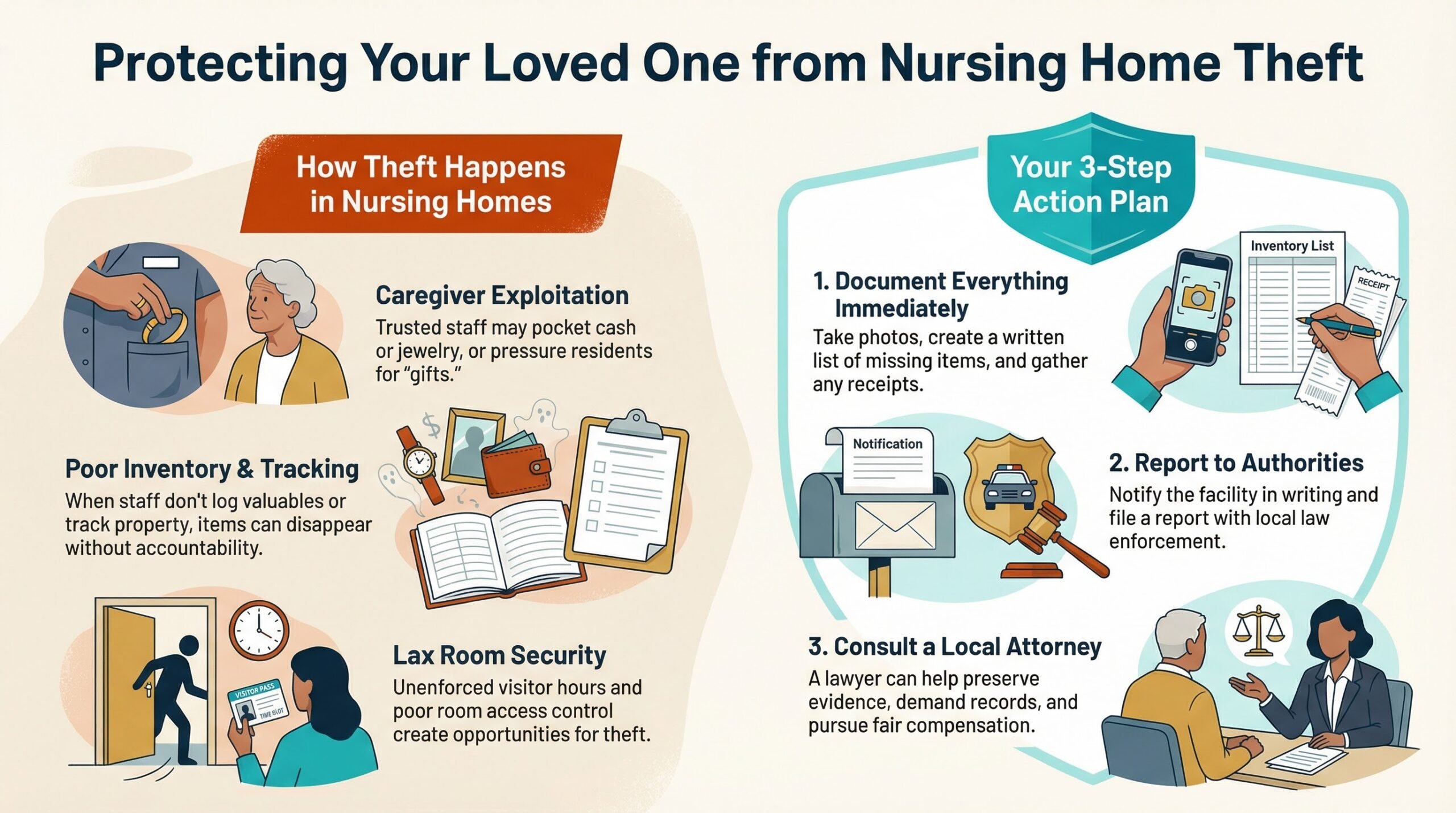
When your loved one’s belongings go missing in a Fort Lauderdale nursing home, the cause often comes down to caregiver theft and exploitation or simple room access lapses.
You can also see losses happen when the facility uses poor inventory and tracking, making it easy for items to disappear without notice.
Even visitors and vendors can cross the line, so you’ll want to know where the breakdown occurred.
Caregiver Theft And Exploitation
Caregiver theft and exploitation can creep in quietly, with a trusted staff member pocketing cash, jewelry, or personal items during routine care.
You may notice small losses first, then a pattern that points to elder abuse and serious trust breaches.
When a caregiver controls medications, schedules, or mobility assistance, they can isolate you or your loved one and pressure you into “gifts,” PINs, or signatures.
You can also face financial exploitation through unauthorized card use, forged checks, or sudden changes in banking habits.
If belongings go missing after specific shifts or you hear excuses that don’t add up, you should document the dates, missing items, and conversations.
You can request an inventory, request an immediate investigation, and seek legal help quickly.
Resident Room Access Lapses
Room access can slip through the cracks in a busy Fort Lauderdale nursing home, and that’s often where stolen property starts. When you see unlatched doors or lax passphrase control, you’re watching an opportunity walk in.


Room sharing can also blur boundaries, letting neighbors, visitors, or float staff enter without clear permission, leading to privacy breaches and missing items. If visitation hours aren’t enforced, you may not know who’s coming and going, especially when hallways get crowded.
You can push for practical safeguards: door alarms on high-risk units, consistent staff training on who may enter, and clear expectations for knocking and identifying themselves. Ask administrators to keep access logs for maintenance, vendors, and agency workers, so your loved one’s space stays respected and secure.
Poor Inventory And Tracking
Too often, missing items in a Fort Lauderdale nursing home trace back to sloppy inventory and tracking. When staff don’t log valuables at admission, label clothing, or record serial numbers, you’re left with guesses instead of facts.
Small gaps—like handwritten lists, shared drawers, or unmonitored laundry runs—make it easy for property to “disappear” without accountability. You can advocate for consistent inventory audits that confirm what residents own, where it’s stored, and when it moves.


You can also push for tracking technology, such as barcodes or RFID tags for clothing, hearing aids, and mobility devices, paired with clear chain-of-custody notes. When you serve residents, you protect their dignity by insisting on systems that prevent loss and provide evidence of what happened.
Visitor And Vendor Misconduct
Although nursing homes screen employees, visitors, and outside vendors, these groups can still create opportunities for theft when access isn’t controlled. If you’re focused on protecting residents, you’ll want strong visitor screening that verifies identity, logs entry and exit, and limits unsupervised movement.
When staff wave people through, purses, wallets, phones, and sentimental items can disappear from rooms or common areas.
You can also push for clear vendor accountability. Delivery drivers, maintenance contractors, and medical suppliers may enter multiple rooms and handle personal belongings while completing tasks. Require badges, assigned escorts, and documented service times.
Ask the facility to restrict storage areas and keep carts or tool bags in sight. When rules aren’t enforced, misconduct becomes easier—and residents pay the price.
Legal Rights of Fort Lauderdale Nursing Home Stolen Property Victims
When your loved one’s belongings go missing in a Fort Lauderdale nursing home, Florida law gives you clear rights to demand answers, safety, and compensation. You can insist the facility honor resident rights, including secure storage, truthful reporting, and protection from retaliation.
You’re entitled to access records and incident documentation, and you can hold the home accountable if weak supervision or poor policies enabled theft. If staff, visitors, or contractors were involved, you can pursue civil remedies and, when appropriate, coordinate with law enforcement to support asset recovery.
You serve your loved one best by standing firm and seeking fairness for every resident who can’t speak up.
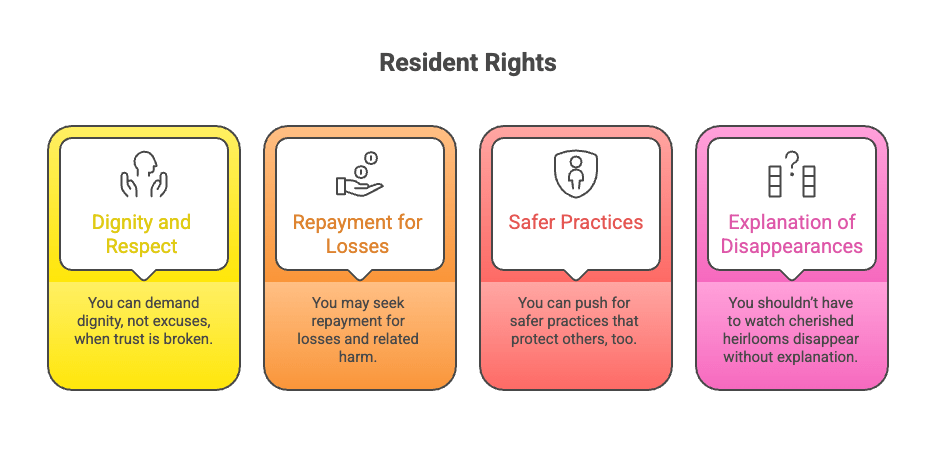
- You shouldn’t have to watch cherished heirlooms disappear without explanation.
- You can demand dignity, not excuses, when trust is broken.
- You may seek repayment for losses and related harm.
- You can push for safer practices that protect others, too.
Steps to Take After a Fort Lauderdale Nursing Home Stolen Property
If you discover stolen property at a Fort Lauderdale nursing home, you should document the missing items immediately with a written list, photos, and any receipts.
Next, report the theft to local law enforcement and notify the facility in writing so there’s a clear record.
Then, consult a local attorney to protect your rights and pursue recovery or compensation.
Document Missing Items Immediately
Start by taking stock the moment you notice something’s missing, then document it right away.
Write down what’s gone, when you last saw it, and where it was kept.
Take clear photos of the storage area, drawers, and any remaining matching items.
Save receipts, serial numbers, appraisals, or gift notes so you can identify the property without doubt.
Ask staff for recent inventory audits and request access to visitor logs so you can narrow the timeline.
Note who entered the room, who assisted with care, and any room changes or cleanings.
If your loved one can communicate, record their account in their own words.
Keep everything in one dated file to protect them and support follow-up.
Report Theft To Authorities
Even though the facility may promise it’ll “look into it,” you should report suspected theft to the proper authorities as soon as you’ve documented what’s missing.
Call Fort Lauderdale Police for immediate theft reports, and notify the Florida Department of Children and Families or the Long-Term Care Ombudsman if you suspect staff misconduct or ongoing risk.
Ask for a case number and the officer’s name, then write down the date, time, and who you spoke with to keep the reporting process clear.
Share only verified details, and provide copies of photos, inventories, receipts, and witness notes.
Don’t confront suspected individuals or post accusations online; it can complicate evidence preservation and resident safety.
If the resident is vulnerable, request a welfare check and increased monitoring.

Consult A Local Attorney
Once you’ve reported the theft and secured a case number, a local Fort Lauderdale nursing home stolen property lawyer can help you protect the resident’s rights and keep the facility accountable.
You’ll get guidance on preserving evidence, requesting surveillance footage, and documenting missing items, replacements, and emotional impact. Your attorney can send a spoliation letter, communicate with the facility, and press for policy changes that safeguard other residents, too.
Ask for local referrals from ombudsman offices, senior advocates, and trusted care providers, then verify licensing and experience with long-term care cases.
Review fee structures upfront, including contingency options, retainers, and costs for records or investigators. Bring the police report, inventories, receipts, photos, and witness names so you can act quickly and compassionately.
How a Fort Lauderdale Nursing Home Stolen Property Lawyer Can Help You
Protect your loved one’s rights by bringing in a Fort Lauderdale nursing home stolen property lawyer as soon as you suspect missing cash, jewelry, medications, or personal items.
Protect your loved one’s rights—contact a Fort Lauderdale nursing home stolen property lawyer the moment you suspect items are missing.
You’ll get clear guidance on reporting theft, addressing privacy concerns, and securing evidence preservation before records disappear or stories change.
Your lawyer can demand incident reports, request surveillance, interview staff and witnesses, and coordinate with law enforcement while shielding your family from intimidation.
You’ll also learn your options for recovering property value and holding the facility accountable through claims and negotiations that prioritize dignity and safety.
When you serve an elder, you shouldn’t have to fight alone.
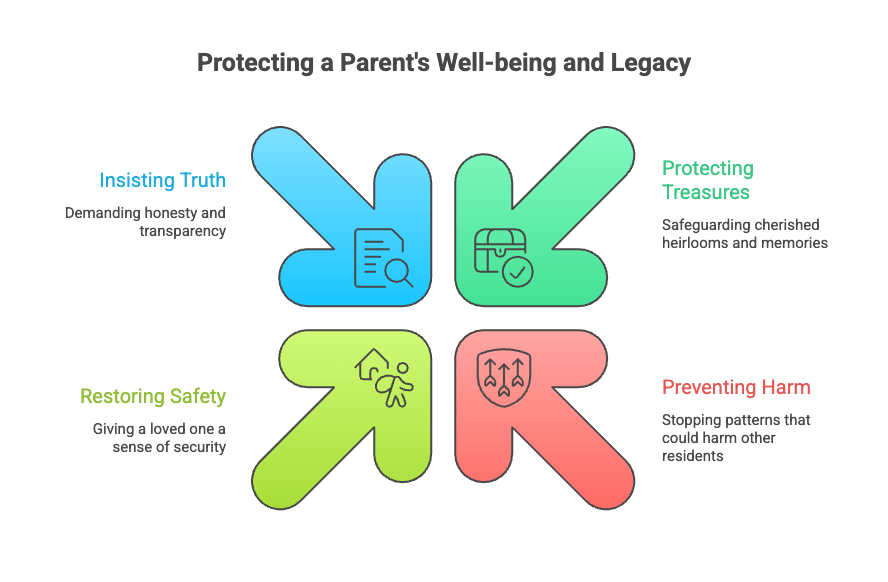
- You’re protecting a parent’s last treasures and memories.
- You’re stopping a pattern that could harm other residents.
- You’re giving your loved one back a sense of safety.
- You’re insisting truth matters, even behind closed doors.
Long Term Effects of Fort Lauderdale Nursing Home Stolen Property Injuries
When someone steals property in a Fort Lauderdale nursing home, you can carry the emotional fallout long after the incident, including anxiety and persistent fear.
You may also face financial hardship over time as you replace necessities, cover unexpected costs, and cope with gaps in insurance or benefits.
Most of all, the theft can erode your trust in care, making it harder to feel safe and advocate for yourself or your loved one.
Ongoing Emotional Distress
Even if the theft itself seems “minor,” stolen property in a Fort Lauderdale nursing home can trigger ongoing emotional distress that lingers long after the item is gone. You may feel violated, embarrassed, or powerless, especially when staff dismisses your concerns or blames forgetfulness.
Those reactions can deepen emotional isolation, making you withdraw from activities and the people you’re trying to connect with.
You might replay the incident through intrusive memories, scanning your room, hiding belongings, or second-guessing caregivers. Sleep can suffer, anxiety can rise, and trust can erode, which affects how you receive care and how safely you advocate for yourself.
When you serve others, you’re used to giving; it’s painful to feel unseen. You merit respectful support, clear reporting, and compassionate accountability.
Financial Hardship Over Time
Ongoing distress often brings a second hit: long-term financial strain. When property disappears from a nursing home, you may face replacement costs, account freezes, and time away from work to file reports and follow up. Those disruptions can trigger income erosion, especially if you’re also covering travel, caregiving gaps, or unpaid leave.
Over months, small expenses stack up: new IDs, monitoring services, shipping personal items, and tighter security measures. You’ll likely make budgeting adjustments, cutting donations, postponing family needs, or reducing volunteer commitments you care about.
You may also absorb higher insurance deductibles or late fees while you untangle records. If you’re supporting a loved one’s dignity and wellbeing, these losses can limit the steady help you want to provide.
Eroded Trust In Care
Although the missing item might seem like a one-time incident, theft inside a nursing home can permanently erode your trust in the care team and the facility’s safeguards.
You may start second-guessing medication delivery, room access, and whether staff truly notice what matters to your loved one. That resident mistrust can spread quickly, making your relative less willing to report pain, ask for help, or participate in activities that support dignity and healing.
You’ll also feel pressure to constantly monitor, which drains the energy you’d rather spend on offering comfort and encouragement.
When theft goes unanswered, it signals weak accountability and slipping care standards. By demanding documentation, improved security, and transparent responses, you help restore confidence and protect other residents.

Proving Liability in Fort Lauderdale Nursing Home Stolen Property Cases
When a resident’s belongings go missing, you can’t just show that the property disappeared—you have to connect the loss to a specific act or failure by the nursing home or its staff. Start by documenting what was owned, when it was last seen, and who had access.
Ask for inventory sheets, admission photos, room-change logs, and incident reports, then compare them to witness accounts from caregivers, roommates, and visitors.
To prove liability, you’ll build a clear chain of custody: who received the item, where it was stored, when it moved, and who signed for it. Look for broken policies—unlocked storage, unchecked visitors, missing camera coverage, or poor supervision during transfers.
Preserve evidence fast by requesting video retention and securing written statements. You can also use expert testimony to explain proper safeguarding standards and how the facility’s lapses created the opportunity for theft or loss.
Above all, keep the focus on protecting the resident’s dignity and safety.
Compensation for Fort Lauderdale Nursing Home Stolen Property Damages
Accountability matters most after a nursing home loses or steals a resident’s belongings, because you deserve compensation that actually makes the resident whole. You can pursue repayment for the item’s fair market value, replacement costs for necessities, and related out-of-pocket expenses, like cancelled cards or locksmith fees.
You may also seek damages for emotional distress when the loss harms dignity and peace.
Use clear compensation procedures: document ownership, photograph the loss, request facility reports, and preserve receipts and bank statements. Track claim timelines by sending prompt written notice, following up on internal investigations, and escalating to insurers or counsel when the facility stalls.
Your advocacy protects vulnerable residents and reinforces a culture of care.
| Loss Type | Evidence You Gather | Recovery Goal |
|---|---|---|
| Jewelry/cash | Photos, appraisals | Value plus fees |
| Clothing/medical aids | Receipts, care plan | Replacement costs |
| Documents/cards | Statements, reports | Restitution and cleanup costs |
The Statute of Limitations for Fort Lauderdale Nursing Home Stolen Property Cases
Even if a missing watch or wallet seems like a small problem at first, Florida’s statute of limitations can cut off your right to recover losses if you wait too long. In Fort Lauderdale nursing home stolen property cases, the filing deadline often depends on the legal theory you use, such as conversion, theft, negligence, or breach of contract.
Because deadlines can differ, you should act as soon as you suspect property is missing.
Start Evidence preservation immediately: photograph the resident’s room, list missing items with serial numbers, request incident reports, and ask for camera footage before it’s overwritten. Document who’d access, including staff schedules and visitor logs. Keep receipts, appraisals, and banking records to support value and ownership.
Also watch for Statute exceptions that may extend time, such as delayed discovery, fraudulent concealment, or a resident’s lack of capacity. Don’t assume extra time applies—confirm quickly and protect your right to serve your loved one.
Why You Need an Experienced Fort Lauderdale Nursing Home Stolen Property Lawyer
A seasoned lawyer helps you spot Elder financial abuse patterns like sudden withdrawals, changed PINs, or coerced “gifts,” and ties them to responsible staff, contractors, or other residents.
You’ll also avoid missteps that can weaken proof, such as informal interviews or incomplete incident reports.
Your attorney can demand internal investigations, send preservation letters, coordinate with law enforcement, and pursue civil remedies when the facility failed to supervise or secure valuables.
With focused Asset recovery, you can work to return property, freeze disputed transactions, and stop future theft—so your advocacy truly serves your loved one.
How to Choose the Right Fort Lauderdale Nursing Home Stolen Property Lawyer for Your Case
Narrowing down the right Fort Lauderdale nursing home stolen property lawyer starts with matching the attorney’s experience to the exact theft scenario you’re facing.
Ask whether they’ve handled missing jewelry, cash, identity theft, or resident account abuse, and how they proved responsibility when staff, visitors, or vendors had access.
You’re advocating for someone who may not be able to speak up, so choose a lawyer who treats dignity as nonnegotiable.
Use attorney consultations to evaluate communication and strategy. You should leave knowing what evidence to gather, which deadlines apply, and how the lawyer will coordinate with the facility, insurers, and law enforcement.
Review client testimonials for specifics on responsiveness, transparency about fees, and results in nursing home-related matters. Also, confirm they’ll pursue both recovery of property value and accountability measures that protect other residents.
Finally, pick someone who explains options plainly and invites your questions without pressure.
About the Law Offices of Anidjar and Levine
Choosing the right lawyer also means knowing who you’re hiring and what kind of support you’ll get throughout the case.
At the Law Offices of Anidjar and Levine, you’ll work with a team that treats your concern as a call to protect someone who can’t always protect themselves.
You’ll get clear communication, prompt callbacks, and guidance that respects your time and your loved one’s dignity.
You won’t have to guess what happens next.
Your attorneys can investigate missing items, review facility policies, interview witnesses, and pursue records that point to theft, neglect, or elder abuse.
They’ll push for staff accountability while keeping your goals in focus—recovering property, seeking compensation, and helping prevent the same harm to others.
You’ll also receive help with paperwork, deadlines, and dealing with insurers, so you can stay centered on care and advocacy.

Frequently Asked Questions
Can Stolen Property Claims Be Filed if the Resident Has Dementia?
Yes, you can file stolen property claims even if the resident has dementia, because the right to protection doesn’t vanish with a diagnosis. You’ll likely address capacity disputes by documenting what happened and who can speak for the resident.
If they can’t participate, you can seek guardian consent or involve a legally authorized representative. You should report the loss promptly, preserve records, and push the facility to cooperate and safeguard others, too.
Do I Need a Police Report Before Contacting a Lawyer?
You don’t always need a police report before contacting a lawyer; you can call first to preserve the legal timeline. A lawyer can advise on police involvement, help you document missing items, and decide whether a report strengthens your claim or prompts a faster investigation.
If there’s immediate danger, theft in progress, or clear evidence, you should contact the police promptly. Acting quickly helps you serve your loved one and preserve evidence.
What Evidence Should Families Preserve Besides Receipts and Photos?
Preserve anything that shows what happened, when, and who had access. You should gather witness statements from staff, residents, and visitors, and note contact info. Save digital logs like passcard entries, camera footage requests, incident reports, and inventory sheets. Keep emails, texts, call notes, and complaint forms.
Document timelines, room change records, and medication/property audits. Secure the item’s packaging or serial numbers. Act quickly so you can protect vulnerable people.
Can the Nursing Home Be Liable for Theft by Another Resident?
Yes, the nursing home can be liable if you show it failed to use reasonable care to prevent foreseeable theft.
You’ll look at resident disputes, prior incidents, staffing levels, and whether supervision policies were followed or ignored. If the facility knew a resident posed a risk and didn’t intervene, secure belongings, or separate residents, you may have a negligence claim.
You can also pursue internal reports, camera logs, and witness statements promptly.
Are Heirlooms or Sentimental Items Compensable Without Clear Market Value?
Yes, you can seek compensation for heirlooms even without a clear market price, but you’ll need proof of ownership, condition, and loss.
You can support damages through emotional valuation and a sentimental appraisal, plus photos, statements, and family history.
Courts may still focus on replacement cost, yet you can argue special value when standard pricing fails.
You should document everything quickly and request incident reports, witness names, and security logs too.
———————
You don’t have to face a Fort Lauderdale nursing home stolen property claim alone.
When your loved one’s belongings go missing, you can take action, protect their rights, and pursue accountability.
Document what’s gone, report the theft, and act quickly to preserve evidence and meet filing deadlines.
With the Law Offices of Anidjar and Levine and an experienced Fort Lauderdale Nursing Home Abuse and Neglect Lawyer on your side, you’ll have guidance through every step and a team that fights for fair compensation and safer care.


We Can Help.