



If you suspect a Fort Lauderdale nursing home has let pneumonia develop or worsen, you’ll want the Law Offices of Anidjar and Levine on your side to act fast, protect your rights, and preserve critical evidence.
A skilled attorney can move quickly to secure complete medical charts, MARs, care plans, staffing records, and any available surveillance before it’s altered or lost, then construct a detailed timeline showing missed symptoms, poor infection control, or delayed treatment.
They’ll negotiate firmly with insurers and facilities and be fully prepared to take your case to trial if necessary.
To learn more about your options, contact a Fort Lauderdale Nursing Home Abuse and Neglect Lawyer and keep reading for crucial steps and warning signs.



Key Takeaways
- A Fort Lauderdale nursing home pneumonia negligence lawyer can protect your rights and build a strong claim when neglect is suspected.
- They quickly secure medical charts, MARs, care plans, staffing records, and surveillance before evidence is lost or overwritten.
- Proving negligence requires showing preventable failures—aspiration precautions, infection control, hydration, monitoring, and timely physician notification—contributed to pneumonia.
- Lawyers coordinate experts, witnesses, and comparisons of facility policies to connect care lapses to illness progression and damages.
- Strong firms communicate clearly, handle liens and benefits, negotiate settlements, and prepare for trial to pursue compensation and accountability.
How We Can Help With Your Fort Lauderdale Nursing Home Pneumonia Negligence Claim
If you suspect a Fort Lauderdale nursing home’s neglect led to your loved one’s pneumonia, we can step in quickly to protect your rights and build a strong claim. You don’t have to carry this alone while you’re trying to keep them safe and comfortable.
We listen, map next steps, and take the pressure off your family.
You can rely on us to gather crucial records, request complete medical documentation, and organize timelines that show what happened and when. You’ll get help coordinating with providers, securing witness statements, and preserving facility logs before they disappear.
We’ll calculate damages that reflect real needs—medical costs, added care, and the personal loss your family feels. Then we’ll handle every call and deadline, so you can stay focused on your loved one’s well-being.
When it’s time, we lead firm settlement negotiations and, if needed, prepare to fight in court.
Understanding Fort Lauderdale Nursing Home Pneumonia Negligence Cases
Because pneumonia can develop quickly in a long-term care setting, understanding what counts as nursing home negligence in Fort Lauderdale helps you spot warning signs and act before vital evidence disappears.
You’re often advocating for someone who can’t speak up, so you need a clear standard: did the facility fail to meet accepted care requirements, and did that failure contribute to illness or a worsening condition?
In practice, negligence may involve breakdowns in policies, supervision, documentation, or communication among caregivers and medical providers. You’ll want to look for whether staff followed physician orders, promptly tracked symptoms, and escalated concerns to qualified clinicians.
Records that reflect consistent staff training and timely resident screening can show the home took reasonable steps—or reveal gaps that put residents at risk.
If you notice unexplained delays, missing charts, or shifting stories, document what you can and request records quickly. Your diligence helps protect others, too.


Common Causes of Fort Lauderdale Nursing Home Pneumonia Negligences
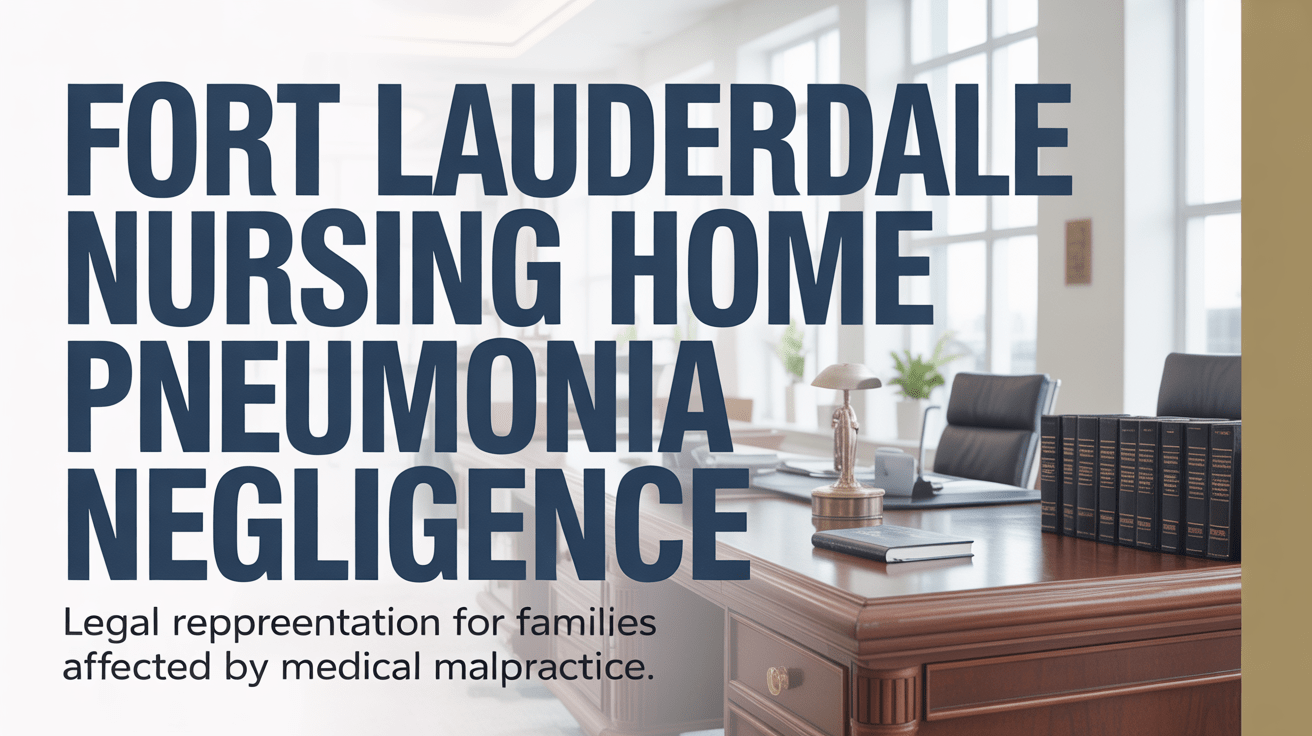
You’ll often see nursing home pneumonia tied to preventable failures like aspiration and choking risks during meals or medication.
You can also trace many cases to poor infection control and staff who don’t recognize symptoms early enough to get timely treatment.
When a facility cuts corners on hydration and nutrition, you’re left with a resident who’s more vulnerable to infection and complications.
Aspiration And Choking Risks
Even with attentive staff, aspiration and choking can happen fast in a nursing home, and they’re common triggers for pneumonia when residents inhale food, liquids, or saliva into their lungs.
You can reduce harm by watching meals closely, honoring swallow precautions, and responding immediately to coughing, wet voice, or breathing changes.
Silent aspiration is especially dangerous because you may not see obvious distress.
Sensory impairment can also dull gag and cough reflexes, raising risk during feeding, oral care, or when residents rush to drink.
| Risk factor | What you may notice | Supportive step |
|---|---|---|
| Weak swallow | Coughing at meals | Request swallow eval |
| Silent aspiration | No cough, fever later | Track subtle changes |
| Sensory impairment | Pocketing food | Provide paced, small bites |
Poor Infection Control
Too often, poor infection control in a Fort Lauderdale nursing home turns a minor cough or routine exposure into full-blown pneumonia. When you’re caring for vulnerable residents, you can’t let shortcuts slide.
Germs spread fast if staff skip hand hygiene, reuse gloves, or move from room to room without proper precautions.
Dirty equipment, shared thermometers, and poorly cleaned nebulizers can carry bacteria straight to fragile lungs. You should expect consistent staff training on isolation protocols, PPE use, and respiratory etiquette, not informal “on-the-job” habits.
You should also insist on regular sanitation audits that verify cleaning schedules, disinfectant contact times, and high-touch surface wipe-downs. When a facility ignores these basics, you’re left managing preventable infections instead of focusing on comfort, dignity, and healing.
Delayed Symptom Recognition
Because pneumonia often starts with subtle changes in older adults, delayed symptom recognition in a Fort Lauderdale nursing home can let a treatable infection spiral into a medical emergency.
You may notice a resident seems more tired, confused, short of breath, or refuses activities, yet the staff dismisses it as “normal aging.”
When no one acts quickly, fever and cough can arrive late, and oxygen levels can drop fast.
You expect caregivers to listen, assess, and report early warning signs to a nurse or physician. Strong staff training helps aides recognize atypical symptoms and escalate concerns without delay.
Consistent symptom tracking—vitals, breathing patterns, mental status, and appetite changes—creates a clear timeline that triggers timely testing and antibiotics. When a facility skips these steps, you’re left managing preventable suffering.
Inadequate Hydration And Nutrition
Overlooking hydration and nutrition puts a Fort Lauderdale nursing home resident on a fast track toward pneumonia. When you serve elders, you can’t treat meals and fluids as routine tasks; they’re frontline defenses.
Poor intake dries mucous membranes, thickens secretions, and weakens cough strength, so bacteria settle in the lungs. Malnutrition also slows healing and blunts the immune response, increasing the risk of aspiration and infection.
You should expect consistent Dehydration monitoring, documented fluid goals, and prompt follow-up when weight drops, urine darkens, or confusion rises.
You should also ensure Nutritional supplementation is offered when residents can’t meet their calorie or protein needs, with swallowing-safe options and dietitian oversight.
If staff ignore these basics, you may be looking at preventable pneumonia negligence in care.
Legal Rights of Fort Lauderdale Nursing Home Pneumonia Negligence Victims
When a Fort Lauderdale nursing home’s lapses lead to pneumonia, you don’t have to accept it as “just part of aging”—Florida law gives you the right to demand accountability. You’re entitled to dignified care, clear communication, and protection from neglect that causes avoidable infections.
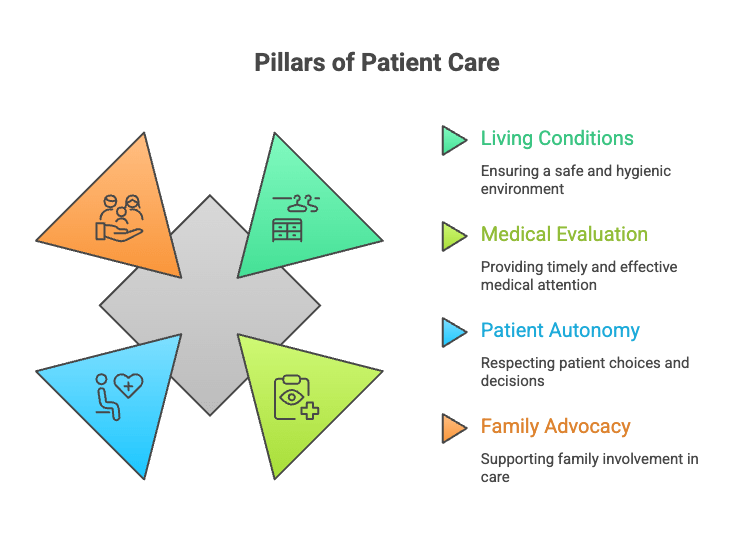
Your rights often include:
- Safe, sanitary living conditions and infection-control practices
- Timely medical evaluation, treatment, and monitoring for respiratory decline
- Respect for Patient autonomy in care choices, consent, and care-plan decisions
- Strong Family advocacy, including access to records and meaningful involvement
You can pursue compensation when negligence triggers hospital stays, lasting breathing limits, or wrongful death. You can also expect facilities to follow staffing, training, and supervision standards that keep vulnerable residents safe.


Steps to Take After a Fort Lauderdale Nursing Home Pneumonia Negligence
If you suspect nursing home pneumonia negligence in Fort Lauderdale, get immediate medical care to protect your loved one and address any complications fast.
Document symptoms and living conditions with notes, photos, and dates, and report your concerns to the facility and the proper authorities.
Then consult counsel to preserve evidence, understand your options, and take the next steps with confidence.
Seek Immediate Medical Care
Act fast and get your loved one evaluated by a doctor or taken to the ER at the first sign of pneumonia—fever, coughing, shortness of breath, confusion, or sudden weakness—because delays can turn a treatable infection into a life-threatening crisis.
Call 911 if breathing worsens, lips look bluish, or they can’t stay awake.
Ask for immediate essential checks, oxygen saturation, and a clinical exam, and request transport if the facility hesitates.
If you can’t reach the primary doctor quickly, use telemedicine triage to get rapid guidance on next steps and whether ER care is urgent. Stay present, speak calmly, and insist on timely evaluation; your family advocacy may be the difference between quick antibiotics and dangerous decline. Arrange follow-up care after discharge and confirm medication orders promptly.
Document Symptoms And Conditions
Often, the clearest way to protect your loved one after suspected nursing home pneumonia negligence is to document everything you see and hear as it happens.
Keep a dated symptom timeline: coughing, fever, shortness of breath, fatigue, confusion, appetite changes, and any decline after meals or repositioning. Note oxygen readings, breathing treatments, and how quickly the staff responds to distress calls.
Take clear photos of the room, including conditions, hygiene, bedding, and any visible signs of dehydration or bedsores that could worsen infection risk.
Write down names and roles of staff on duty, plus what they say and do. Track medication administration times and doses, and flag potential medication errors such as missed antibiotics, delayed nebulizers, or incorrect inhalers.
Save discharge papers, care plans, and your visit notes in one folder.
Report Concerns And Consult Counsel
Once you’ve documented symptoms, room conditions, and staff responses, put those details to work by reporting your concerns in writing to the nursing home administrator and director of nursing and requesting immediate medical evaluation and infection-control measures.
Ask for a written care plan update, a medication list, and physician orders, and request prompt family meetings so everyone aligns on goals and next steps.
If you don’t receive clear answers, elevate the complaint to Florida’s long-term care ombudsman and the Agency for Health Care Administration, and keep copies of everything you send and receive.
Then consult a Fort Lauderdale nursing home pneumonia negligence lawyer to protect your loved one and help the facility improve.
You can ask counsel to secure records, identify gaps in staff training, and pursue accountability while you stay focused on compassionate advocacy.
How a Fort Lauderdale Nursing Home Pneumonia Negligence Lawyer Can Help You
Because pneumonia in a nursing home can escalate quickly, a Fort Lauderdale nursing home pneumonia negligence lawyer can step in quickly to protect your rights and start building your case.
You don’t have to steer through records, rules, or resistant staff alone while you’re trying to care for your loved one.
Your lawyer can:
- Request medical charts, care plans, and incident logs before they disappear
- Interview witnesses and coordinate medical reviews to pinpoint lapses in care
- Use communication strategies to address the facility, insurers, and regulators clearly
- Guide family mediation so relatives stay together, and decisions reflect your loved one’s needs
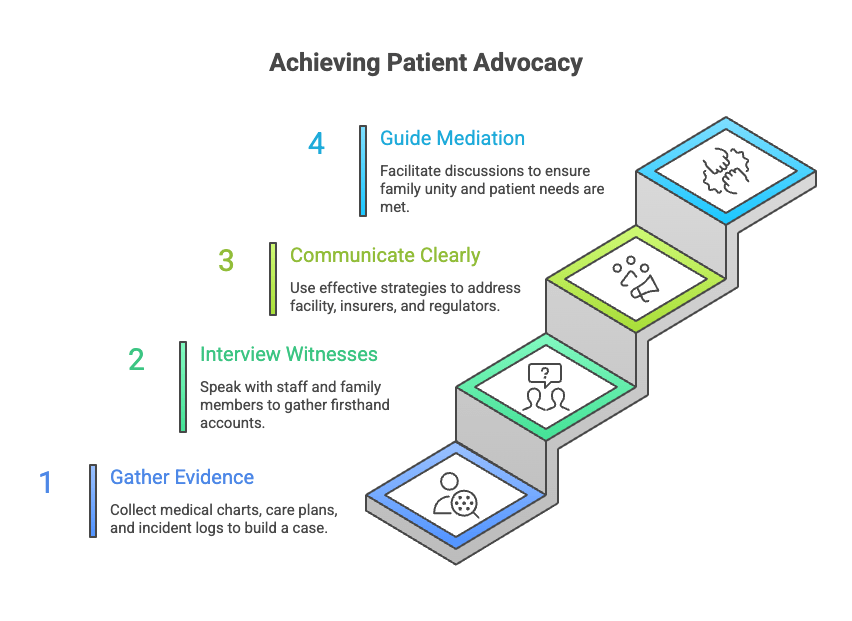
You’ll also get help documenting symptoms, preserving photos and timelines, and calculating losses tied to negligent treatment.
If the facility refuses to cooperate, your lawyer can send formal notices, pursue claims, and negotiate for a fair resolution—so you can stay focused on compassion, safety, and accountability for others.
Long Term Effects of Fort Lauderdale Nursing Home Pneumonia Negligence Injuries
When a nursing home’s pneumonia negligence harms your loved one in Fort Lauderdale, you can face long-term consequences that don’t end after the infection clears.
You may see chronic lung damage risks and lasting cognitive decline that change daily life and care needs.
You might also deal with reduced mobility and independence, making recovery harder and ongoing support crucial.
Chronic Lung Damage Risks
| Risk | What you may notice |
|---|---|
| Scarring | Breathlessness on exertion |
| Obstruction | Wheeze, prolonged coughing |
| Bronchiectasis | Recurrent infections, thick mucus |
| Reduced capacity | Fatigue during basic tasks |
| Oxygen dependence | Need for tanks or concentrators |
Lasting Cognitive Decline
Even after your loved one’s pneumonia clears, the illness and any lapses in care can trigger lasting cognitive decline. Low oxygen, untreated fever, dehydration, or medication errors can leave them more confused, forgetful, or withdrawn than before.
You may notice new trouble following conversations, managing routines, or recognizing familiar people, and it can feel like you’re losing parts of who you are.
You can serve them best by pushing for answers early. Ask the facility to document changes and request neuropsychological testing to measure attention, memory, and executive function.
Then insist on a care plan that includes memory rehabilitation, consistent orientation cues, hydration and nutrition monitoring, and careful medication review.
If staff ignored warning signs, hold them accountable while you protect your loved one’s dignity.
Reduced Mobility And Independence
Cognitive changes often come with a physical setback, too, and pneumonia negligence can leave your loved one moving less and needing more help long after the infection is gone.
You may notice weaker legs, shortness of breath, and fear of falling, which can shrink their world from hallway walks to bed-to-chair transfers. When staff rush care or skip therapy, you’re left managing preventable decline.
You’ll often need mobility aids like walkers, wheelchairs, or oxygen support, plus extra hands for bathing, dressing, and toileting. Reduced strength can also trigger pressure sores and new infections, creating a painful cycle.
As outings and group activities fade, your loved one may withdraw into social isolation. You can advocate for consistent rehab, safe ambulation plans, and accountability when neglect steals independence.
Proving Liability in Fort Lauderdale Nursing Home Pneumonia Negligence Cases
Because pneumonia can develop quickly in a nursing home setting, proving liability in a Fort Lauderdale negligence case starts with showing the illness likely resulted from preventable lapses in care.
You’ll focus on whether staff failed to follow basic infection-control, hydration, repositioning, oral care, and timely monitoring standards, especially for residents with swallowing issues or limited mobility.
You can build your case by securing medical records that document critical signs, oxygen levels, care plans, staffing notes, missed treatments, and delayed physician notifications.
Compare what the facility charted with what it should’ve done under its policies and Florida regulations.
Then use expert testimony to connect those departures to the resident’s pneumonia onset, progression, and avoidability.
You’ll also gather witness statements from family, aides, and nurses, plus photos, logs, and prior survey citations to show patterns.
When you present a clear timeline, you help protect vulnerable residents and strengthen accountability.
Compensation for Fort Lauderdale Nursing Home Pneumonia Negligence Damages
Once you’ve shown the facility’s lapses likely caused or worsened a resident’s pneumonia, the next step is proving the full scope of harm and putting a dollar value on it. You’ll gather records, bills, and expert opinions to connect every loss to the neglect and to honor what your loved one endured.
Your Compensation breakdowns should cover medical treatment, hospitalization, medications, respiratory therapy, and follow-up care.
Include costs of increased supervision, mobility assistance, and necessary equipment, plus transportation to appointments. If pneumonia led to a decline, you can claim future care needs, home-health services, and relocation expenses.
You may also recover lost income if you missed work to advocate, visit, or coordinate care.
Don’t overlook non-economic awards for pain, fear, shortness of breath, loss of dignity, and reduced enjoyment of life. Clear documentation, compassionate witness statements, and a timeline of setbacks help you show impact and push for a fair, service-minded resolution.
The Statute of Limitations for Fort Lauderdale Nursing Home Pneumonia Negligence Cases
Even if the evidence of nursing home neglect looks clear, you still have to act within Florida’s statute of limitations—or you risk losing your right to file a pneumonia negligence claim in Fort Lauderdale altogether. Missing statute deadlines can also limit your ability to protect other residents from the same unsafe care.
| Crucial timing point | What you should do |
|---|---|
| Injury discovered | Document dates, symptoms, and notices. |
| Records requested | Ask promptly; delays can cost time. |
| Notice/administration steps | Track any required pre-suit actions. |
| Ongoing neglect | Preserve proof of continued exposure. |
| Death involved | Confirm the correct deadline category. |
Florida has different limitation periods depending on whether the claim falls under medical negligence, ordinary negligence, or wrongful death. The clock may start when you knew or should’ve known about the pneumonia-related harm.
Limited filing exceptions can apply, but you shouldn’t count on them. Act early so your service-focused efforts stay effective and timely.
Why You Need an Experienced Fort Lauderdale Nursing Home Pneumonia Negligence Lawyer
Although pneumonia can look like an unavoidable complication in a frail resident, an experienced Fort Lauderdale nursing home pneumonia negligence lawyer can quickly identify when it traces back to preventable lapses—missed aspiration precautions, poor oral care, delayed antibiotics, unsafe staffing, or ignored respiratory changes—and build a case that ties those failures to the harm your loved one suffered.
You need experience because these cases turn on medical timelines, facility policies, and proof of causation. Your lawyer can secure charts, MARs, care plans, staffing records, and surveillance before they disappear, then work with clinical experts to explain what should’ve happened and when.
Strong Client communication keeps you informed, prepares you for decisions, and reduces stress while you focus on your loved one’s recovery and dignity.
With a clear Case strategy, your lawyer can pursue accountability, demand safer practices, and seek compensation for hospitalization, pain, and wrongful death losses.
You serve your family best by acting promptly and confidently.
How to Choose the Right Fort Lauderdale Nursing Home Pneumonia Negligence Lawyer for Your Case
Because pneumonia negligence cases hinge on fast-moving medical evidence and facility accountability, you should choose a Fort Lauderdale nursing home pneumonia negligence lawyer who can prove preventable failures—not just suggest them.
Ask how they’ll quickly secure records, preserve surveillance, and consult respiratory and geriatric experts to connect delayed care to harm.
Look for a lawyer who understands how lapses in staff training lead to missed aspiration risks, poor oral care, and skipped turning schedules. You should also choose someone who listens to your goals, explains options plainly, and respects the resident’s dignity, not just the case value.
Evaluate their track record with nursing home claims, their readiness for trial, and their ability to negotiate from strength. Make sure they’ll communicate on a reliable schedule and guide your family advocacy without pressuring quick settlements.
Finally, confirm they can handle liens, benefits, and document requests so you can focus on your loved one.
About the Law Offices of Anidjar and Levine
Turn to the Law Offices of Anidjar and Levine when you need a Fort Lauderdale nursing home pneumonia negligence lawyer who’ll move fast to protect vital evidence and build a clear medical timeline.
You’ll get a team that treats your loved one’s harm as a community concern, not just a case file.
You can expect prompt calls back, clear next steps, and guidance that helps you advocate with confidence.
You’ll work with attorneys who investigate staffing gaps, infection-control failures, and delayed treatment, then connect records, witness accounts, and facility policies into a focused claim.
You won’t have to chase updates; you’ll receive steady communication and practical support for appointments and paperwork.
When you’re deciding who to trust, you can review client testimonials that highlight responsiveness and compassion.
You’ll also see local outreach that reflects a commitment to safer care for elders across Fort Lauderdale.
Frequently Asked Questions
What Signs Suggest Aspiration Pneumonia Rather Than Viral Pneumonia in Nursing Homes?
You’ll suspect aspiration pneumonia when you notice sudden coughing or choking during meals, a wet gurgling voice, difficulty swallowing, drooling, or food pocketing.
You may see fever after eating, foul-smelling sputum, and right lower lobe crackles on exam.
Poor oral hygiene and bad breath can increase risk, and symptoms often follow lying flat or sedation.
Viral pneumonia more often brings a gradual onset, a runny nose, and widespread wheezing.
Can I Obtain My Loved One’s Nursing Home Chart Before Filing a Claim?
Yes—you can often get your loved one’s nursing home chart before you file a claim. You’ll usually request medical records through the facility’s records department using a HIPAA authorization or your legal authority (e.g., a health care proxy, guardian, or personal representative).
Ask for complete chart access: nurse notes, MARs, care plans, incident reports, labs, and transfer summaries. You’ll want these documents so you can advocate well and prevent future harm.
Do Arbitration Agreements in Admission Paperwork Affect My Right to Sue?
Yes, arbitration agreements can limit your right to sue in court, but they don’t always block accountability. You should review the admission paperwork for binding clauses and assess their enforceability under state and federal law.
You can still pursue justice through arbitration, challenge unfair terms, or argue the signer lacked authority. If you’re committed to protecting your loved one and others, you’ll want guidance before you act.
Will Immigration Status Affect a Family’s Ability to Pursue a Negligence Claim?
Immigration status usually won’t stop you from pursuing a negligence claim, and you can often sue regardless of citizenship.
You should still talk with a lawyer about possible immigration consequences of sharing records, giving testimony, or accepting a settlement.
You’re entitled to access to counsel that respects privacy and protects your family.
If you worry about retaliation, ask your attorney about protective orders and safe communication plans.
Document harm promptly.
How Long Do Pneumonia Negligence Cases Typically Take to Resolve in Florida?
In Florida, you’ll often see pneumonia negligence cases resolve in 6–18 months, but intricate matters can take 2 years or more.
Your case duration depends on medical records, expert reviews, and whether the facility cooperates.
Settlement timelines may move faster—sometimes within a few months—if liability is clear and damages are documented.
If you serve a vulnerable loved one, you’ll want steady updates and prompt action.
——————-
If you suspect pneumonia in a Fort Lauderdalenursing home happened because of neglect, you don’t have to handle it alone.
You can protect your loved one, demand answers, and pursue compensation for medical bills, pain, and other losses.
Act quickly, because Florida’s deadlines can limit your options.
A skilled Fort Lauderdale Nursing Home Abuse and Neglect Lawyer can investigate records, consult experts, and negotiate aggressively.
Contact the Law Offices of Anidjar and Levine to discuss your case.


We Can Help.