




If a Fort Lauderdale nursing home misses or delays your loved one’s medication, they may suffer preventable decline, withdrawal, infection, or hospitalization.
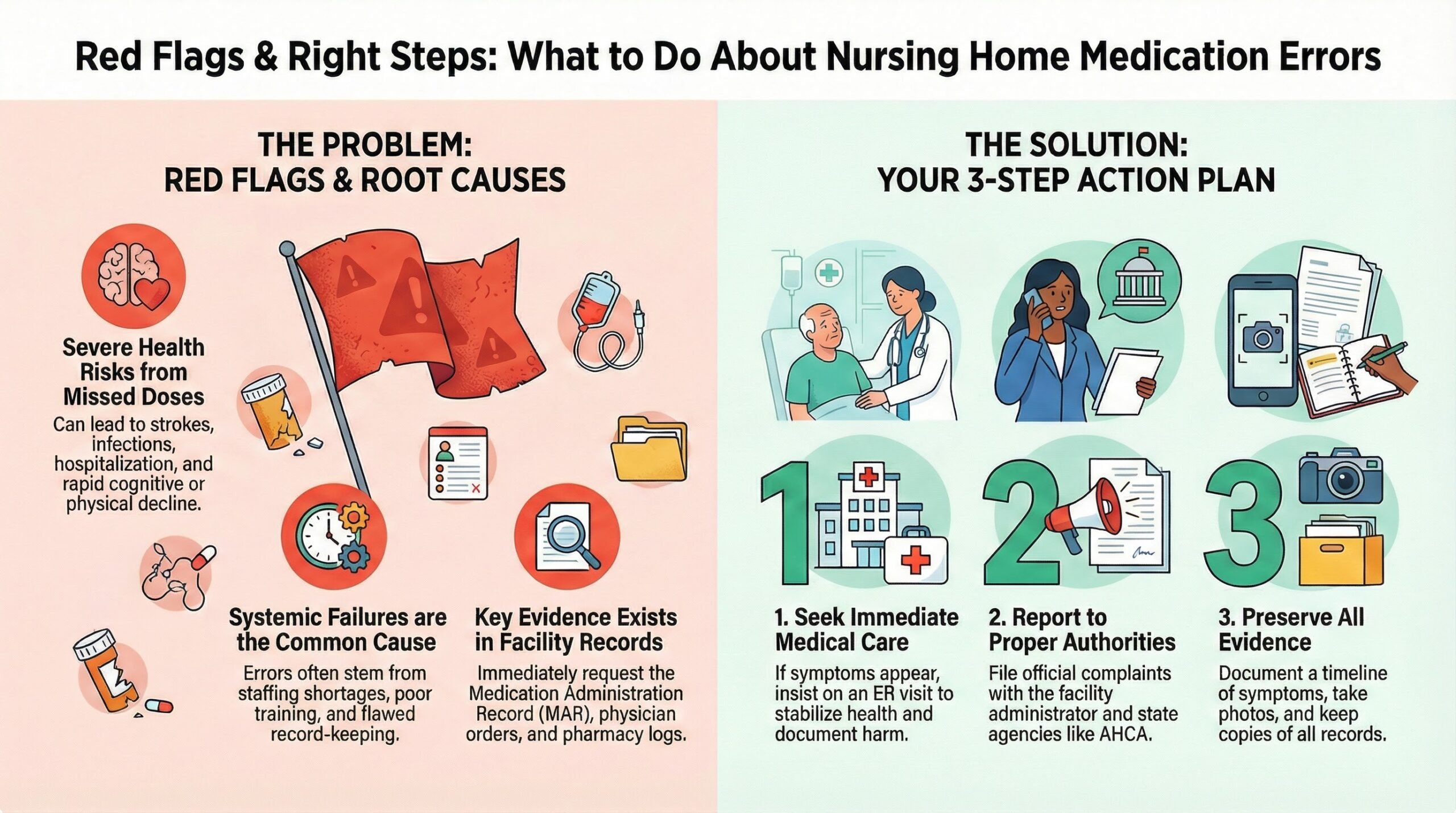
You should request the MAR (medication administration record), physician orders, care plan, and pharmacy delivery logs, and carefully document symptoms and a timeline across shifts.
You can also file grievances and report concerns to Florida AHCA and the Long-Term Care Ombudsman.
A failure-to-administer medication lawyer from the Law Offices of Anidjar and Levine can help secure records quickly, prove liability, and pursue damages—learn more by speaking with a Fort Lauderdale Nursing Home Abuse and Neglect Lawyer.



Key Takeaways
- Missed or delayed nursing-home medications can cause strokes, dangerous withdrawals, infections, hospitalization, and rapid decline; a Fort Lauderdale lawyer can evaluate legal harm.
- Ask the facility immediately for MARs, physician orders, care plans, and pharmacy delivery logs to confirm what was ordered versus what was given.
- Staffing shortages, poor training, and documentation errors often lead to missed doses; counsel can investigate audits, delayed charting, and shift-to-shift communication failures.
- Preserve evidence quickly: keep a timeline of symptoms and staff names, photos of pill packs/labels, and request incident reports and preservation of security footage.
- Report concerns to the administrator, Florida AHCA, the Long-Term Care Ombudsman, and APS if neglect is suspected; an attorney can coordinate complaints and a claim.
How We Can Help With Your Fort Lauderdale Nursing Home Failure to Administer Medication Claim
When a nursing home skips or delays a needed dose, we step in quickly to protect your loved one and your claim. You’ll get clear next steps, so you can stay focused on comfort, safety, and faithfulness to their dignity. We listen, gather records, and preserve evidence before it disappears.
We help you document symptoms, timelines, and staffing gaps that may show preventable neglect.
You won’t face this alone. We handle family communication with steady updates and plain-language answers, so everyone can support the resident without confusion or conflict. We also drive care coordination by connecting medical providers, arranging follow-up evaluations, and ensuring medication lists match orders.
If urgent risks remain, we push for immediate corrective action and safer placement options. We calculate losses, prepare a strong demand, and negotiate firmly. If the facility won’t do what’s right, you’ll be ready to pursue justice in court.
Understanding Fort Lauderdale Nursing Home Failure to Administer Medication Cases
Although a missed or delayed dose can look like a simple mistake, Fort Lauderdale nursing home failure to administer medication cases often point to deeper problems—poor charting, rushed med passes, unsafe staffing, or ignored physician orders—that put residents at serious risk.
When you’re serving a loved one, you need to know what the law recognizes as harm: worsening symptoms, preventable hospitalization, dangerous withdrawal, infections that spread, or a decline that steals independence.
You can also expect consistent medication adherence and clear communication between caregivers across every shift. If records don’t match what you’re told, or you see sudden changes after a “routine” day, trust your instincts and ask for explanations in writing. Request the MAR, care plan, and physician orders, and keep a timeline of missed doses and symptoms. By documenting respectfully and promptly, you help protect your family member and support safer care for others, too.



Common Causes of Fort Lauderdale Nursing Home Failure to Administer Medications
You’ll often see missed doses happen when staffing shortages leave caregivers overloaded and rushing through medication rounds.
You can also run into medication recordkeeping errors, poor staff training practices, and handoff mistakes that keep the right drug from reaching the right resident on time.
Even when the team does everything else right, pharmacy delivery delays and supply issues can still lead to a failure to administer medications.
Staffing Shortages And Overload
Too often, nursing homes facing staffing shortages overload the aides and nurses who handle medication passes, and that pressure leads to missed doses, late administrations, and documentation errors. When you’re caring for many residents at once, you can’t slow down to double-check labels, clarify orders, or notice subtle reactions. Staff burnout sets in, and shift turnover breaks continuity, so you’re constantly catching up instead of serving with steady focus.
| Hallway | Call Lights | Med Cart |
|---|---|---|
| Long | Constant | Heavy |
| Rooms | Too Many | Rushed |
| Needs | Unmet | Delayed |
You want to help every resident feel safe and seen, but overload turns good intentions into triage. Families merit better staffing so care stays compassionate and timely.
Medication Recordkeeping Errors
Missing a chart entry can be all it takes for a resident to go without a vital dose. When MARs aren’t updated, a medication may look “already given,” “on hold,” or “discontinued,” and you may never realize a dose was missed.
Transcription mistakes, illegible notes, wrong resident profiles, and delayed pharmacy updates can also create gaps between the order and the bedside. If you’re committed to protecting residents, you’ll push for clear staff communication at every handoff and verify changes in real time.
You can also advocate for routine electronic audits that flag late entries, duplications, and unexplained omissions. Accurate documentation isn’t paperwork—it’s part of care, and it keeps vulnerable people safe when they can’t speak up.
Poor Staff Training Practices
Often, failure-to-administer cases start with poor staff training—not a single bad decision. When you’re short-staffed, you may rush onboarding, skip competency checks, and leave new aides to “figure it out.” Those training gaps lead to missed doses, incorrect routes, and unsafe crushing or splitting.
With inadequate supervision, corrections come only after harm, not before. You can protect residents by demanding clear med-pass protocols, return demonstrations, and ongoing refreshers that honor each person’s dignity.
| Training lapse | What you see | What a resident feels |
|---|---|---|
| No med-pass drill | Hesitation | Fear |
| No allergy review | Guessing | Betrayal |
| No route teaching | Wrong method | Pain |
| No timing standards | Late doses | Unstable |
| No oversight | Repeated misses | Abandoned |
Pharmacy Delivery And Supply Issues
When medication supplies don’t show up on time, your entire med-pass schedule can unravel fast. You may find carts missing refills, blister packs shorted, or PRN orders still “in transit,” forcing you to choose between delaying doses or scrambling for substitutions. Those gaps can trigger missed antibiotics, unmanaged pain, or dangerous blood sugar swings in residents who depend on you.
Delivery delays also threaten meds that require a strict cold chain, like certain injectables or biologics. If temperatures drift during transport or storage, the drug may lose potency even if it arrives.
You can reduce risk by confirming deliveries, documenting shortages immediately, and escalating to the pharmacy and medical director. Tight inventory audits, par-level tracking, and clear backup sourcing help you keep residents safe and cared for every shift.
Legal Rights of Fort Lauderdale Nursing Home Failure to Administer Medication Victims
Although a Fort Lauderdale nursing home may claim an overlooked dose was a harmless mistake, Florida law gives you clear rights if staff fail to administer medication and you or your loved one suffers harm. You’re entitled to safe, consistent care that honors Patient rights and Consent laws, including informed decision-making and respect for medical directives.
Florida law protects you when a Fort Lauderdale nursing home misses medication and harm results—patient rights and consent still apply.
You can hold the facility accountable when neglect, understaffing, or poor charting causes injury. Your legal protections often include access to records, complaint channels, and the ability to seek compensation for avoidable suffering.
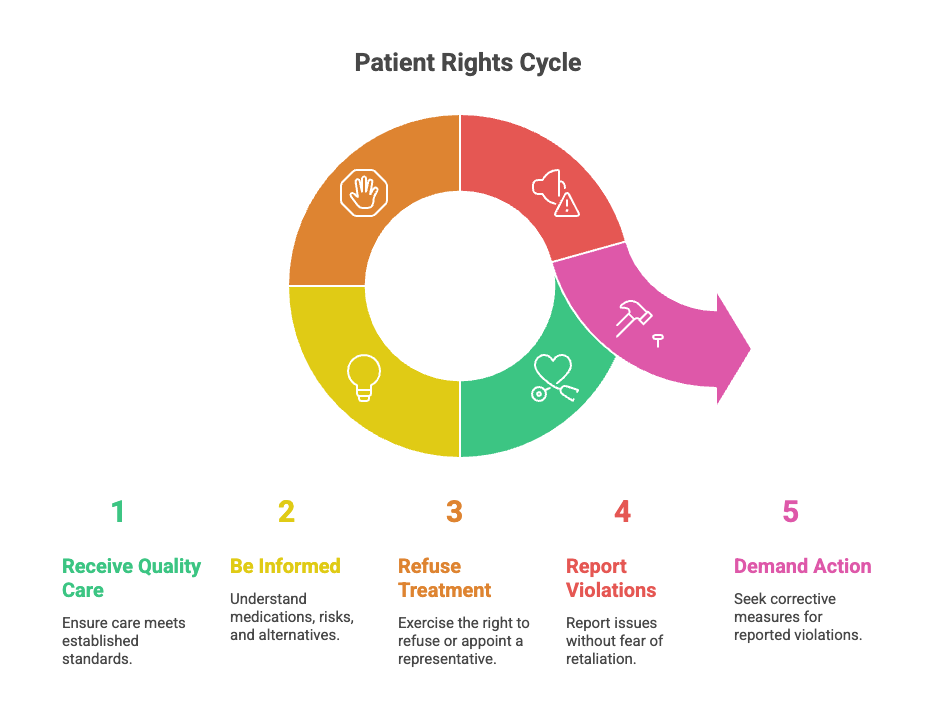
- Receive care that meets accepted nursing and medical standards
- Be informed about medications, risks, and alternatives before changes occur
- Refuse treatment or request a representative under Consent laws
- Report violations without retaliation and demand corrective action
When you advocate, you don’t just protect one resident—you help strengthen safety practices for neighbors, families, and the broader community you serve.


Steps to Take After a Fort Lauderdale Nursing Home Failure to Administer Medication
If you suspect a Fort Lauderdale nursing home failed to administer medication, you should get immediate medical care to protect your loved one’s health.
Next, report the incident to the proper authorities so it’s documented and investigated.
Finally, preserve records and evidence—medication logs, care plans, discharge papers, photos, and witness names—so you can support your claim.
Seek Immediate Medical Care
In the hours after a nursing home misses or delays medication, seek immediate medical care to protect your loved one and document the harm.
Ask for an emergency assessment at the facility or call 911 if symptoms appear—confusion, breathing changes, chest pain, seizure activity, severe weakness, or uncontrolled blood sugar.
If staff downplays the risk, insist on urgent transport to an ER where clinicians can stabilize, run labs, and monitor crucial signs.
Bring a current medication list, allergies, diagnoses, and recent dose times.
Request copies of discharge papers and test results before leaving.
Keep notes on what you observed, when you learned of the missed dose, and who you spoke with.
Your steady advocacy can prevent complications and save a life.
Report To Proper Authorities
Once your loved one’s condition is stabilized and you’ve gathered discharge papers and notes, report the missed or delayed medication to the proper authorities to create an official record and help stop repeat errors.
Start with the facility administrator and request the grievance process, but don’t stop there. File a complaint with Florida’s Agency for Health Care Administration and, if appropriate, the Long-Term Care Ombudsman Program.
If you suspect neglect or intentional misconduct, contact the Florida Department of Children and Families Adult Protective Services and local law enforcement when danger is immediate.
Ask each agency for a reference number to track the case and follow up. Regulatory reporting protects other residents and puts pressure on the home to change.
If staff members want to speak up, remind them that whistleblower protections can shield good-faith reports.
Preserve Records And Evidence
Start locking things down as soon as you spot a missed, delayed, or wrong dose, because medication records can change or disappear fast. Ask for copies of the MAR, physician orders, pharmacy logs, and any incident reports, and note who gave them to you and when. Take photos of pill packs, labels, and room charts, and save emails, texts, and portal messages with digital timestamps.
Write a clear timeline: symptoms, essential signs, calls, and staff names. Request preservation of security footage for the hallway, med cart, and nursing station during the relevant time window, and send the request in writing. If your loved one goes to the ER, obtain discharge papers and lab results.
Keep everything in one folder so you can advocate effectively and serve your loved one well.
How a Fort Lauderdale Nursing Home Failure to Administer Medication Lawyer Can Help You
When a nursing home skips, delays, or mishandles a resident’s medication, a Fort Lauderdale failure to administer medication lawyer can step in quickly to protect your loved one and your case. You’ll get guidance that keeps care the priority while holding the facility to its duties. Your lawyer can coordinate with providers to stabilize treatment, then build a clear timeline that shows what happened, when, and who was responsible. They’ll also demand internal logs, prescriptions, and MARs, and push for Medication audits that reveal pattern problems.
You can best serve your loved one when you’re not battling the system alone; resident counseling helps you communicate effectively without risking misstatements.
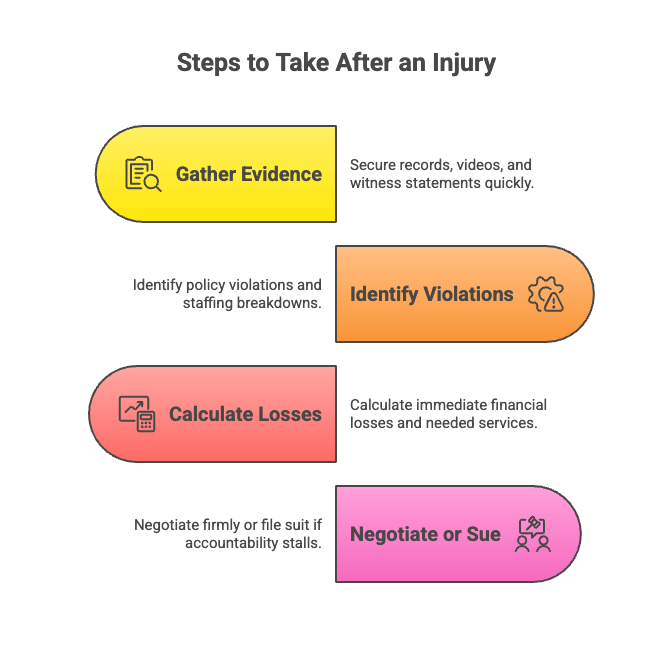
Expect your attorney to:
- Secure records, videos, and witness statements fast
- Identify policy violations and staffing breakdowns
- Calculate immediate financial losses and needed services
- Negotiate firmly or file suit if accountability stalls
Long Term Effects of Fort Lauderdale Nursing Home Failure to Administer Medication Injuries
When a Fort Lauderdale nursing home fails to administer medication, you can face chronic health deterioration that worsens existing conditions and triggers new complications.
You may also experience cognitive and emotional decline, including confusion, anxiety, or depression that lingers long after the missed doses.
If the problem continues, you’re left with a higher mortality risk as preventable setbacks turn into life-threatening events.
Chronic Health Deterioration
Missing even a few vital doses can quietly worsen a resident’s health.
When staff skip heart, diabetes, blood-pressure, or anticoagulant meds, you may see a progressive decline in strength, balance, and mobility. Small setbacks stack up: wounds heal more slowly, breathing grows labored, and pain becomes harder to control.
Missed antibiotics or steroids can trigger immune suppression, leaving you more vulnerable to pneumonia, UTIs, and skin infections that spiral into hospitalization.
Dehydration and electrolyte shifts from missed diuretics or supplements can strain the kidneys and heart.
As someone committed to serving others, you can watch for unexplained weight loss, swelling, recurrent infections, or repeated ER trips and demand prompt medication reviews and accountability.
Cognitive And Emotional Decline
Physical decline often shows up first, but medication lapses can also erode a resident’s mind and mood over time.
When doses are missed or delayed, you may notice confusion, slower thinking, and new trouble following conversations or routines. A resident who once managed simple choices may start forgetting names, meals, or safety steps, even with cues.
You can also see emotional changes that strain relationships and care plans. Missed antidepressants, dementia drugs, or pain meds can trigger mood swings, anxiety, irritability, or withdrawal.
Sleep disruption and unmanaged discomfort often amplify agitation and reduce trust in caregivers. If you serve residents, you can document changes, request timely medication reviews, and ask for memory therapy or behavioral supports to restore stability and dignity.
Increased Mortality Risk
Although a missed dose can look minor at first, repeated failures to administer medication can raise a nursing home resident’s long-term mortality risk. When you’re caring for someone with chronic heart, lung, or diabetic conditions, consistency keeps the body stable and prevents silent deterioration.
Skipped anticoagulants can lead to stroke, missed insulin can trigger dangerous metabolic swings, and untreated infections can become sepsis before symptoms appear.
You also have to take into account elderly frailty: a minor setback can cascade into falls, pressure injuries, dehydration, and rapid functional decline. Medication lapses often overlap with polypharmacy interactions, where timing and dosing prevent harmful side effects or withdrawal. By tracking orders, confirming administration, and speaking up when patterns emerge, you can protect residents’ lives and dignity while supporting families through difficult decisions.
Proving Liability in Fort Lauderdale Nursing Home Failure to Administer Medication Cases
When a nursing home fails to give a resident prescribed medication, proving liability in Fort Lauderdale often comes down to showing a clear chain from the facility’s duty of care to the harm that followed. You’ll focus on what staff should’ve done, what they did instead, and how that gap injured your loved one.
| What you prove | Evidence to gather |
|---|---|
| Duty and policies | Care plan, MARs, facility protocols |
| Breach (missed dose) | Medication audits, shift logs, witness statements |
| Causation | Physician notes, hospital records, timeline of decline |
| Damages (harm) | Labs, vitals, incident reports, photos |
You can strengthen your case by showing patterns: repeated omissions, poor handoffs, or lack of follow-up after a missed dose. You’ll also address consent issues, like whether changes were authorized and documented. If the facility blames the prescriber or the pharmacy, you’ll compare orders, deliveries, and administration records to pinpoint where accountability broke down.
Compensation for Fort Lauderdale Nursing Home Failure to Administer Medication Damages
If a Fort Lauderdale nursing home’s missed medication dose triggers a preventable decline, you can pursue compensation that reflects the full fallout—not just the immediate medical bill.
You can seek reimbursement for ER visits, hospital stays, rehab, new prescriptions, medical equipment, and additional caregiving costs, as well as transportation.
When the error causes infection, stroke, or worsening dementia symptoms, you can also pursue damages for reduced mobility, loss of independence, and the need for long-term monitoring.
You don’t just fight for dollars; you advocate for dignity.
Your claim may include financial compensation for emotional distress, anxiety, and the disruption to family life when you must step in to protect your loved one.
Pain valuation matters, too, because missed meds can bring avoidable suffering, sleep loss, and fear.
If negligence contributed to a death, you can pursue funeral expenses and the family’s related losses.
The Statute of Limitations for Fort Lauderdale Nursing Home Failure to Administer Medication Cases
Because missed-dose cases can move fast from a care lapse to a medical crisis, you should track Florida’s statute of limitations early so you don’t lose your right to sue a Fort Lauderdale nursing home for failing to administer medication—deadlines can run from the date of injury (or discovery), and special notice requirements may apply depending on whether the claim falls under medical malpractice or nursing home negligence.
In Florida, the filing window often depends on how the missed medication is classified. If it’s treated as medical malpractice, shorter time limits and pre-suit notice steps can apply, so you’ll want to gather records immediately. If it’s pursued as nursing home negligence under residents’ rights laws, different deadlines may apply.
Detection challenges are common: symptoms may look like normal aging, and staff notes may be incomplete. To protect your loved one and others, document prescription timelines, request MARs, and confirm when you first learned of the missed doses. Acting promptly preserves options and accountability.
Why You Need an Experienced Fort Lauderdale Nursing Home Failure to Administer Medication Lawyer
Although a missed dose may look like a simple oversight, an experienced Fort Lauderdale nursing home failure to administer medication lawyer can quickly secure MARs and pharmacy logs, lock down witness statements, and frame the case under the right legal theory—medical malpractice or nursing home negligence—so you don’t get trapped by notice rules, shifting records, or blame-shifting defenses.
You need counsel who understands how facilities chart, correct, and sometimes “late-enter” entries, and who can spot gaps through medication auditing before evidence disappears.
When your loved one can’t speak for themselves, you’re often the voice that pushes for answers; a lawyer can turn that family advocacy into enforceable demands, subpoenas, and preserved electronic data.
You’ll also need a clear damages narrative that connects the missed medication to decline, hospitalization, or death, using clinicians who know the standard of care in long-term care.
With experienced guidance, you protect residents and help prevent the next preventable error.
How to Choose the Right Fort Lauderdale Nursing Home Failure to Administer Medication Lawyer for Your Case
Choosing the right Fort Lauderdale nursing home failure to administer medication lawyer determines how fast evidence gets preserved and how confidently you can push back when a facility claims the dose was “given” or quietly edits the chart later.
You’ll want someone who acts quickly with record requests, pharmacy logs, MAR audits, and witness outreach so your loved one’s story doesn’t get buried.
In Client consultations, ask how they’ll prove missed doses, delayed administration, or improper monitoring, and how they’ll connect that failure to harm. Choose a lawyer who explains the plan in plain language and treats your role as a caregiver-advocate with respect.
Review Fee structures carefully: confirm whether it’s contingency-based, what costs might be advanced, and how expenses affect any recovery. Look for steady communication, trauma-informed interviewing, and a track record in Broward County nursing home cases.
If you feel rushed or unheard, keep looking; service starts with listening.
About the Law Offices of Anidjar and Levine
When you reach out to the Law Offices of Anidjar and Levine, you’ll work with a team that moves quickly to protect your loved one’s rights after a nursing home medication error.
You’ll get clear guidance, steady communication, and practical next steps from day one, so you can focus on care and accountability.
You won’t feel left in the dark, because your legal team returns calls promptly and explains options in plain language.
You can expect hands-on case building, including record reviews, witness outreach, and coordination with medical professionals when needed.
You’ll also find reassurance in Client testimonials that reflect compassion, responsiveness, and results-driven advocacy.
With convenient Office locations, you can meet in person when it helps or handle updates remotely when time is tight.
You’ll partner with people who share your commitment to protecting vulnerable residents and serving families with dignity.
Frequently Asked Questions
Will Pursuing a Claim Affect My Loved One’s Current Nursing Home Care?
Pursuing a claim shouldn’t reduce your loved one’s care, and you can protect them by staying involved. Request a documented care plan update, keep notes, and schedule care meetings to reduce family tensions.
If you worry about staff retaliation, report concerns promptly and escalate to the administrator and state regulators. You can often seek changes in staffing or placement. Discuss legal costs early so you can serve wisely.
Can I Transfer My Loved One During the Investigation or Lawsuit?
Yes, you can transfer your loved one during an investigation or lawsuit. You’ll coordinate transfer timing with their doctor to avoid gaps in care, and you’ll handle relocation logistics like records, medication lists, and continuity of therapies.
You can also request a safe discharge plan and confirm the new facility can meet their needs. Keep detailed notes and copies of all communications so you can protect them and support accountability.
What Evidence Should I Request From the Pharmacy Versus the Nursing Home?
Request from the pharmacy: dispensing logs, refill history, delivery confirmations, pharmacist notes, and any prescription verification records showing what was filled, when, and for whom.
From the nursing home, request MARs (medication administration records), nurses’ notes, physician orders, incident reports, shift staffing, and medication cart audit logs.
You’ll also want communication between staff and the pharmacy to spot delays, refusals, or missed doses affecting your loved one.
Do I Need a Medical Expert to Confirm Medication-Related Harm?
You often do need a medical expert to confirm medication-related harm, especially if you’ll pursue a claim. You’ll rely on medical testimony to connect missed doses to the injury and to rule out other causes through a causation analysis.
In clear-cut cases (like documented seizure after anticonvulsant lapses), records may help, but experts still strengthen your story. Acting carefully protects your loved one and helps you advocate responsibly and compassionately.
Can Multiple Family Members Share Decision-Making Authority for the Claim?
Yes—you can share decision-making authority, but you must align it with legal roles and clear documentation.
If you’ve arranged joint guardianship or other shared power, you’ll coordinate choices, signatures, and communications to avoid delays.
You should name one point person for day-to-day updates while you make major decisions jointly.
If you’re not formally appointed, you may need court approval or a personal representative to act.
—————-
When a Fort Lauderdale nursing home fails to give medication, you don’t have to face the fallout alone.
You can protect your loved one by documenting what happened, requesting records, and getting medical care right away.
You can also hold the facility accountable for neglect and work to prevent future harm.
With the Law Offices of Anidjar and Levine and an experienced Fort Lauderdale Nursing Home Abuse and Neglect Lawyer on your side, you’ll understand your options and pursue the compensation and justice your family deserves.


We Can Help.