



If you suspect nursing home neglect in Fort Lauderdale, you need a lawyer who will act fast to protect your loved one and preserve critical evidence like charts, medication logs, staffing records, and surveillance footage before it disappears.
The Law Offices of Anidjar and Levine can help document injuries, handle calls and deadlines, prepare for care-plan meetings, and report concerns to the appropriate agencies.
You may also be able to pursue compensation for medical costs, pain and suffering, and safer long-term care.
Learn more about your options by speaking with a Fort Lauderdale Nursing Home Abuse and Neglect Lawyer today.
Key Takeaways
- A Fort Lauderdale nursing home neglect lawyer can quickly secure charts, medication logs, staffing records, and surveillance before evidence disappears.
- They document warning signs like falls, dehydration, pressure sores, medication errors, and delayed medical responses to prove neglect.
- They manage paperwork, deadlines, and facility communications so families can focus on safety and care decisions.
- They calculate damages and pursue settlements or trial-ready litigation for medical costs, pain, and needed long-term support.
- Choose a firm with fast investigation capacity, clear fee terms, regular updates, and a track record of responsiveness and results.
How We Can Help With Your Fort Lauderdale Nursing Home Neglect Claim
Take control of your loved one’s situation by letting our Fort Lauderdale nursing home neglect lawyers step in to protect their rights. You’ll get a team that listens first, then acts with purpose. You can count on us to gather records, secure witness statements, and preserve evidence before it disappears.
We’ll handle calls, paperwork, and deadlines so you can stay focused on your loved one’s care and dignity.
You won’t face this alone. We’ll prepare you for family meetings with the facility and guide you through every decision, always centered on safety and respect. You’ll know what to document, what questions to ask, and how to respond to pushback.
We’ll pursue fair financial recovery for medical costs, pain, and needed support, and we’ll push for meaningful changes that protect others, too. You serve your family—let us serve you.
Understanding Fort Lauderdale Nursing Home Neglect Cases



Although neglect can look subtle at first, Fort Lauderdale nursing home neglect cases usually involve a clear breakdown in basic care—staff failing to prevent falls, provide hygiene, deliver medications correctly, monitor medical changes, or guarantee proper nutrition and hydration.
When you suspect this kind of harm, you’ll focus on whether the facility met its duty to provide reasonable, consistent care and protect a resident’s dignity.
You can document warning signs with photos, notes, and copies of care plans, incident reports, and medical records. You’ll also track timelines: when symptoms appeared, when you reported concerns, and how the home responded.
That clarity supports patient advocacy and helps you speak up effectively for someone who may not be able to.
You’ll lean on family support to observe patterns across visits, communicate with nurses and administrators, and request care conferences. By staying organized and calm, you can push for safer care and accountability.
Nursing Home Facilities We Generally See Neglect Cases Come in From
Golfcrest Nursing Center Injury Lawyer
A Golfcrest Nursing Center Injury Lawyer represents residents and families harmed by neglect, abuse, medical errors, or unsafe conditions at Golfcrest Nursing Center. They work to investigate facility practices, uncover violations of care standards, and pursue compensation for injuries, medical complications, or wrongful death caused by substandard nursing home care.
Yamato Nursing And Rehabilitation Center Injury Lawyer
A Yamato Nursing And Rehabilitation Center Injury Lawyer represents residents and families harmed by neglect, abuse, medical errors, or unsafe conditions at Yamato Nursing And Rehabilitation Center. They work to investigate care practices, identify violations of state and federal regulations, and pursue compensation for injuries, medical complications, or wrongful death caused by substandard care.
Common Causes of Fort Lauderdale Nursing Home Neglects
When you’re trying to understand why nursing home neglect happens in Fort Lauderdale, you’ll often see the same root problems.
Understaffing and overwork can leave residents unattended, while inadequate training and poor medical oversight can cause missed symptoms, medication errors, and delayed care.
You should also watch for unsafe facility conditions—like fall hazards, poor hygiene, or broken equipment—that put residents at risk every day.
Understaffing And Overwork
Even the best nursing home can slip into neglect if it doesn’t staff enough caregivers for the number of residents.


When you’re committed to honoring elders, you need time to listen, reposition, bathe, and respond quickly. But thin schedules and poor workload ratios force rushed care, missed call lights, and delayed toileting, which can lead to falls, pressure sores, dehydration, or medication mix-ups.
Over time, constant urgency fuels staff burnout, and even compassionate aides can start cutting corners just to survive the shift.
You may notice residents waiting longer, appearing unwashed, losing weight, or showing new bruises. If you see these warning signs, document dates, request staffing information, and speak up immediately to protect your loved one’s dignity and safety.
Inadequate Staff Training
If a facility hires quickly but trains poorly, residents can pay the price in preventable harm. When you serve elders, you need more than good intentions; you need consistent skills, clear routines, and confident judgment.
| Training gap | How can it harm residents |
|---|---|
| No staff certification checks | Unqualified care, missed safety steps |
| Little simulation training | Slow response to falls, choking, and transfers |
| Weak onboarding and coaching | Inconsistent hygiene, meal assistance, and documentation |
You can often spot inadequate training in rushed handoffs, unclear care plans, and staff who “wing it” during basic tasks. Families may notice unexplained bruises, repeated skin issues, or sudden weight loss.
Facilities should run competency tests, refresher courses, and supervised practice so you can deliver compassionate care that protects dignity and prevents neglect.
Poor Medical Oversight
Although a nursing home may employ capable caregivers, poor medical oversight can still preventable problems spiral into serious harm.
When physicians or advanced practitioners don’t round consistently, you may see subtle changes go unaddressed. You might notice missed lab follow-ups, unclear care plans, or orders that aren’t updated as conditions evolve.
That gap can lead to medication errors, such as duplicate prescriptions, incorrect dosages, or dangerous drug interactions. It can also cause diagnostic delays when staff document symptoms but no clinician evaluates them promptly, leaving infections, dehydration, or strokes untreated.
If you’re advocating for a loved one, ask who reviews charts, how often critical trends are escalated, and whether medication reconciliation happens after transfers. Your vigilance can help restore accountability and protect residents’ dignity.

Unsafe Facility Conditions
Weak medical oversight can miss warning signs, but unsafe facility conditions can injure your loved one in an instant. You may see slick floors without warning signs, broken handrails, dim hallways, or faulty beds that trap frail residents.
These building hazards often lead to falls, fractures, and head injuries, especially when staff hurry and ignore maintenance requests.
You can also watch for sanitation lapses, such as soiled linens left too long, overflowing trash, pests, or improperly cleaned bathrooms and equipment. Those conditions invite infections, worsen respiratory issues, and strip residents of dignity.
When you advocate for safer spaces, you honor their worth and protect others, too. Document hazards, report them, and push the facility to fix them promptly. If they don’t, you can seek help.
Legal Rights of Fort Lauderdale Nursing Home Neglect Victims


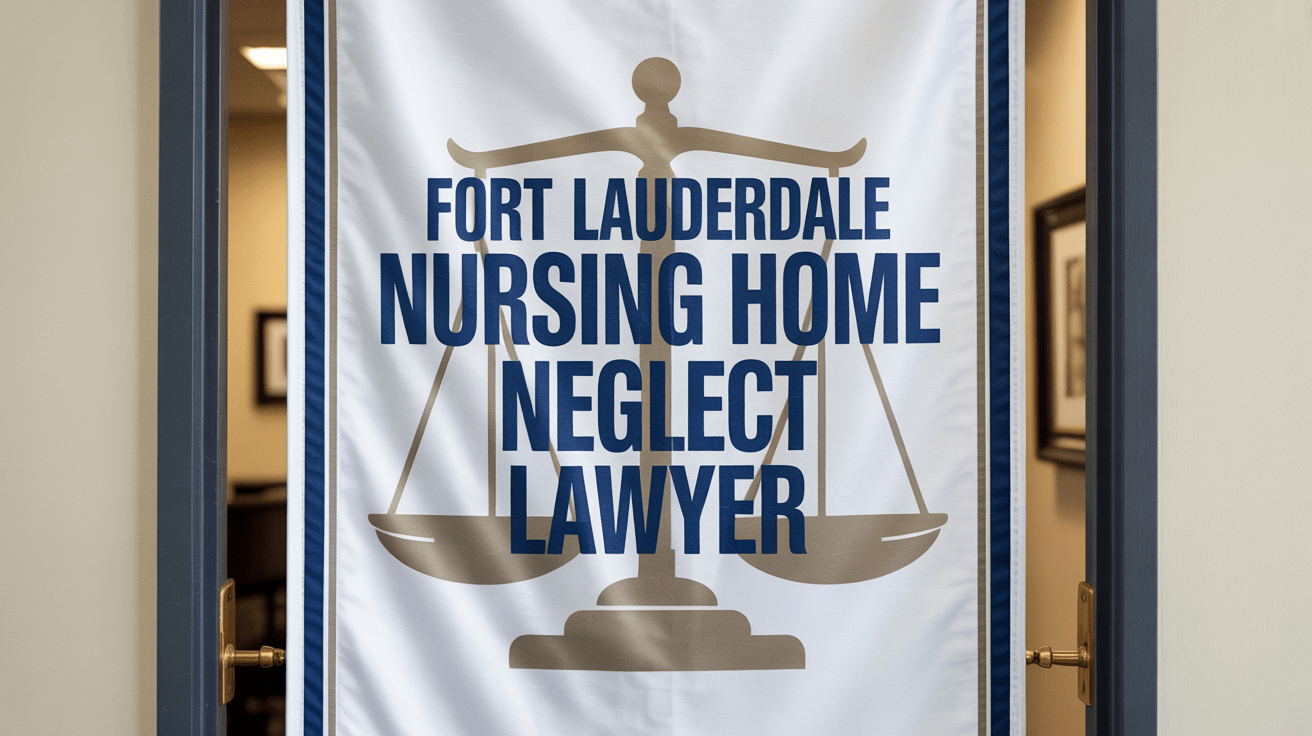
When a Fort Lauderdale nursing home fails to provide safe, dignified care, Florida law gives you clear rights to protect your loved one and hold the facility accountable. You’re entitled to respectful treatment, appropriate medical attention, and freedom from abuse, neglect, and exploitation.
You can also participate in care planning, review records, and question staffing or medication decisions without retaliation. If your loved one lacks consent capacity, you may rely on guardianship authority and advance directives to guide treatment choices and preserve their wishes.
- Right to safety and adequate supervision in daily living and mobility needs.
- Right to proper medical and nursing services that meet professional standards.
- Right to be informed and heard, including access to care plans and records.
- Right to pursue damages for harm, pain, and losses caused by neglect.
Steps to Take After a Fort Lauderdale Nursing Home Neglect
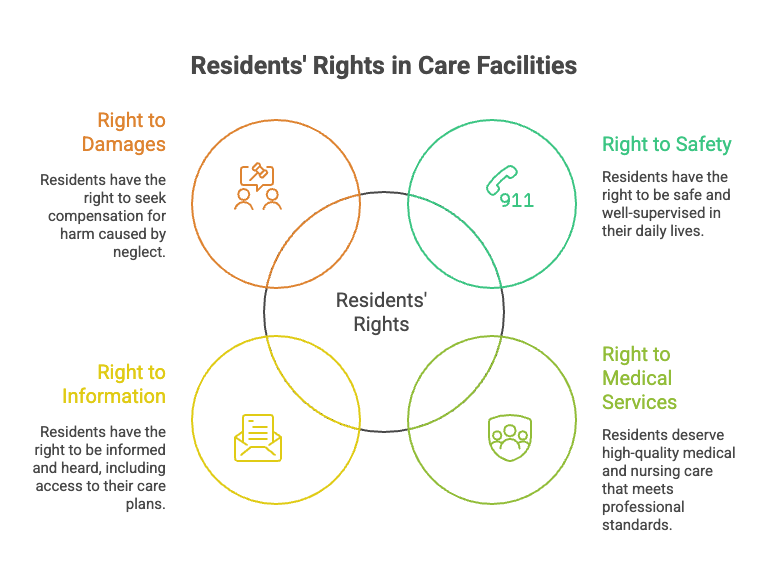
After you suspect nursing home neglect in Fort Lauderdale, you must first make certain the resident’s immediate safety and get medical attention if needed.
Next, document everything—photos, dates, witness names, care notes, and any facility communications—to preserve strong evidence.
Then report the neglect to the proper authorities and contact a nursing home neglect lawyer so you can protect your loved one and pursue accountability.
Ensure Resident Safety
Although it’s difficult to act in the moment, your first priority is the resident’s immediate safety—remove them from harm, request prompt medical evaluation, and document urgent concerns with staff in writing.
Ask for a physician visit or transport to an ER if symptoms warrant it, and stay with the resident until care begins.
Next, insist on practical safeguards. Request increased resident monitoring, including more frequent checks, fall-prevention measures, and supervised transfers.
Confirm medication management: ask who administers doses, when the last dose was given, and whether side effects or interactions could be contributing to the decline.
If the facility can’t provide safe staffing or timely care, request an immediate care-plan meeting and a temporary room change or a higher level of supervision. Keep your focus on dignity, comfort, and harm reduction.
Document Neglect Evidence
In the hours and days following suspected neglect, you need to build a clear paper trail while details stay fresh. Keep a dated log of what you observe, including hygiene issues, missed medications, mood changes, and unsafe room conditions.
Save copies of care plans, incident reports, and billing statements you receive, and note who provided them.
With consent, take photos and video of the environment and your loved one, focusing on injuries, bedsores, signs of dehydration, or soiled bedding.
Preserve clothing or supplies that show neglect in sealed bags.
Collect names, titles, and shift times of staff present.
Calmly interview witnesses—roommates, visitors, aides—then write down exact quotes and contact details.
Organize everything chronologically in one folder.
Report And Seek Legal Help
Once you’ve documented the warning signs, report the neglect right away and get your loved one to safety. Call 911 for urgent danger, then notify the facility administrator in writing.
File a complaint with Florida’s Agency for Health Care Administration and contact the Long-Term Care Ombudsman so an independent advocate can investigate. If you suspect criminal conduct, alert local law enforcement.
Next, speak with a Fort Lauderdale nursing home neglect lawyer so you can protect your loved one’s rights and prevent harm to others. Your attorney can preserve records, interview witnesses, and push for corrective action or compensation.
Support ethical staff whistleblowing by encouraging truthful reports without retaliation. Stay engaged through community outreach, sharing resources with other families, faith groups, and volunteers who serve seniors.
How a Fort Lauderdale Nursing Home Neglect Lawyer Can Help You
Take action quickly when you suspect neglect— a Fort Lauderdale nursing home neglect lawyer can step in to protect your loved one, preserve vital evidence, and hold the facility accountable.
You don’t have to steer reports, records, and reluctant staff alone; your lawyer helps you advocate with clarity and compassion while keeping your loved one’s dignity at the center.
- Investigate fast: request charts, medication logs, staffing records, and surveillance before they disappear.
- Coordinate care and communication: prepare for family meetings, document concerns, and push for immediate safety changes.
- Handle claims and negotiations: calculate damages, demand fair settlements, and take the case to court if needed.
- Support practical decisions: connect you with resources for financial planning and next-step placement options.
When you serve someone vulnerable, legal guidance lets your voice carry weight and your actions create real protection.
Long-Term Effects of Fort Lauderdale Nursing Home Neglect Injuries
When neglect harms your loved one in a Fort Lauderdale nursing home, you may face chronic physical complications that don’t heal cleanly and can limit mobility for years.
You might also see lasting cognitive decline, from confusion and memory loss to worsening dementia-like symptoms.
And you can’t ignore the emotional and social harm—withdrawal, anxiety, depression, and a reduced quality of life often follow.
Chronic Physical Complications
Although many neglect injuries start small, they can evolve into chronic physical complications that permanently limit your loved one’s mobility, independence, and overall health.
When staff ignore repositioning, chronic pressure can turn minor redness into deep ulcers, infections, and lingering pain that demands ongoing wound care.
If hydration, nutrition, or medication routines slip, you may see muscle wasting, poor healing, and repeated hospitalizations that steal precious time and strength.
You can also notice mobility decline when falls, untreated fractures, or delayed therapy leave joints stiff and balance weaker.
That decline often triggers contractures, breathing problems from inactivity, and greater reliance on assistive devices.
Lasting Cognitive Decline
Even if bruises fade and wounds close, neglect can leave your loved one with lasting cognitive decline that’s harder to spot and even harder to reverse. Missed medications, untreated infections, dehydration, and poor nutrition can quietly impair attention, reasoning, and orientation, making everyday choices unsafe.
You can serve them best by watching for new confusion, trouble following routines, or sudden disorganization. Ask for prompt cognitive assessments and insist that the facility document results, changes, and interventions.
You should also request referrals for memory rehabilitation, including structured exercises and therapy plans tailored to their baseline abilities. If staff can’t explain the decline or won’t adjust care, you can step in, gather records, and advocate for safer staffing, timely treatment, and monitoring that protects dignity and function over time.
Emotional And Social Harm
Neglect doesn’t just harm your loved one’s body—it can reshape how they feel, relate, and trust. When staff ignore call lights, skip hygiene, or dismiss pain, your loved one may withdraw, fearing they’re a burden.
Over time, isolation effects can deepen depression, anxiety, and agitation, making visits feel strained instead of comforting.
You may notice less eye contact, fewer stories, or sudden tears when routines change.
You serve best by watching for social red flags, such as refusing activities, avoiding dining rooms, or clinging to one caregiver. These patterns often signal a loss of dignity due to repeated embarrassment, unmet needs, or harsh communication.
Document mood changes, ask direct questions, and push for care-plan updates. If the facility won’t respond, you can seek help and protect their relationships and joy.
Proving Liability in Fort Lauderdale Nursing Home Neglect Cases
When a loved one suffers harm in a Fort Lauderdale nursing home, proving liability means showing the facility (or its staff) owed a duty of care, breached it, and caused measurable injuries. You’ll connect the dots with evidence that speaks for your loved one when they can’t.
| What you look for | How it helps prove breach/causation |
|---|---|
| staffing ratios and schedules | Shows understaffing, missed turning, delayed hygiene, or ignored call lights |
| record audits (charts, meds, incident logs) | Reveals late documentation, gaps in wound care, or medication errors |
| witness accounts and photos | Confirms conditions, timelines, and staff responses to warning signs |
You can also compare policies to what actually happened, then match those failures to medical findings. Gather hospital records, care plans, and physician notes, and request surveillance if available. By staying focused on duty, breach, and causation, you build a clear, service-minded case that protects others from the same neglect.
Compensation for Fort Lauderdale Nursing Home Neglect Damages
Compensation serves as the financial bridge between what a Fort Lauderdale nursing home took from your loved one and what it’ll take to make things right. When you pursue damages, you’re not chasing numbers; you’re restoring dignity and funding real care needs created by neglect.
You can seek financial compensation for medical bills, hospital transfers, therapy, medications, and future treatment plans. You can also recover for out-of-pocket costs, added caregiving, transportation, and necessary safety equipment. If neglect caused relocation, you may claim the expenses of moving to a safer facility.
Non-economic damages matter, too. Through pain valuation, you can show how pressure sores, malnutrition, dehydration, falls, or emotional trauma changed daily life, stole comfort, and limited independence. You honor your loved one by documenting symptoms, photos, care records, and family observations.
With a clear picture of the damages, you help the court hold accountable and support lasting protection for others.
The Statute of Limitations for Fort Lauderdale Nursing Home Neglect Cases
Although you may still feel like you’re piecing alongside what happened, Florida’s statute of limitations puts a firm deadline on filing a Fort Lauderdale nursing home neglect claim. If you wait too long, the court can dismiss your case, no matter how clear the harm feels or how strongly you want to protect others from the same neglect.
Florida’s statute of limitations sets a hard deadline for Fort Lauderdale nursing home neglect claims—wait too long, and your case can be dismissed.
In many situations, you’ll have a limited window to sue, and the clock often starts when the neglect occurs or when you reasonably discover it.
Certain facts can affect your filing deadlines, such as whether the resident lacked capacity, whether records were concealed, or whether the claim involves wrongful death. Because the statute of limitations can turn on these details, you’ll want to document dates, preserve facility notices, and request medical and incident records as soon as you can.
Acting promptly helps you honor your loved one’s dignity and strengthens accountability for every resident in care.
Why You Need an Experienced Fort Lauderdale Nursing Home Neglect Lawyer
Deadlines can close fast, but meeting the statute of limitations is only part of building a strong nursing home neglect case. You need an experienced Fort Lauderdale nursing home neglect lawyer because you’re not just filing paperwork—you’re protecting a vulnerable person and pushing for safer care.
You’ll face layered rules, medical records, and corporate defenses designed to minimize harm. A seasoned lawyer knows how to secure charts, staffing data, and incident reports before they disappear.
They can analyze facility audits, spot patterns like understaffing or missed turning schedules, and connect those failures to injuries such as falls, pressure sores, dehydration, or infections.
You also benefit from counsel who can coordinate medical experts, document damages, and communicate clearly with investigators and insurers.
Most of all, your case becomes a form of family advocacy: you give your loved one a voice and help prevent the same neglect from hurting others.
How to Choose the Right Fort Lauderdale Nursing Home Neglect Lawyer for Your Case
When you’re choosing a Fort Lauderdale nursing home neglect lawyer, focus on who can investigate fast, prove systemic failures, and protect your loved one from retaliation or further harm. Ask how they’ll secure records, photos, staff schedules, and witness statements before evidence disappears.
You should also look for trial readiness, not just settlement talk, because accountability sometimes requires a courtroom.
Choose someone who listens with compassion and purpose. During client interviews, notice whether they ask specific questions about falls, pressure sores, dehydration, medication errors, and staffing ratios.
You’ll want clear communication, regular updates, and a plan that prioritizes your loved one’s safety while the case moves forward.
Compare fee structures in writing, including contingency percentages, costs, and what happens if you switch counsel. Finally, check reviews and disciplinary history, and confirm they’ve handled nursing home cases in Broward County with strong results.
About the Law Offices of Anidjar and Levine
Choosing the right lawyer comes down to who can act fast, build proof, and keep your loved one safe, and that’s the approach the Law Offices of Anidjar and Levine bring to nursing home neglect cases in Fort Lauderdale.
You get a team that moves quickly to secure records, interview witnesses, and document injuries before evidence disappears.
They focus on protecting vulnerable residents, not just processing paperwork, so you can stay present for your family.
Their firm history reflects steady advocacy for injured Floridians and a practical, service-minded culture.
You’ll see it in how they return calls, explain options plainly, and handle insurers and facilities directly.
Client testimonials often highlight compassion, responsiveness, and results, especially when families feel overwhelmed or ignored.
If you want counsel that treats your case like a mission to prevent further harm, you’ll find a partner here.
They’ll push for accountability and the care your loved one merits.
Frequently Asked Questions
Can I Install a Camera in My Loved One’s Nursing Home Room?
Yes, you often can, but you must follow the facility’s policy and state privacy laws.
You’ll need your loved one’s consent when possible, and you can’t record roommates or staff in private moments without proper notice.
Ask about “electronic monitoring” rules, signage, and where cameras may point.
Plan the technical setup carefully—power, Wi‑Fi, secure storage, and access controls—so you protect dignity while staying compliant.
How Do I Obtain My Loved One’s Nursing Home Medical Records in Florida?
You obtain your loved one’s Florida nursing home medical records by requesting them in writing as their legal representative or with a signed HIPAA authorization.
Follow the facility’s HIPAA procedures, including ID, your authority (POA/guardianship), and specify dates and formats.
Ask about fees and the Records timeline; facilities must respond within Florida/HIPAA time limits, often within 30 days.
Keep copies, document contacts, and politely escalate to administration if delays occur.
What Happens if My Loved One Is Moved to Another Facility Mid-Claim?
If your loved one’s moved mid-claim, your case can still proceed, but you must manage the transfer logistics and protect the evidence.
You’ll request records from both facilities, confirm where care responsibility shifted, and document any change in condition.
You’ll also push continuity planning so medications, therapies, and wound care don’t lapse.
You should notify insurers and counsel, update witnesses, and keep dated notes and photos for proof.
Can I Sue if My Loved One Signed an Arbitration Agreement on Admission?
Yes, you can still sue, even if your loved one signed an arbitration agreement. You’ll first challenge arbitration enforceability by reviewing whether the signer had capacity, received clear terms, or faced pressure.
You can also rely on waiver exceptions if the facility acted inconsistently with arbitration, delayed, or litigated first. If arbitration stands, you may still pursue justice there and demand full accountability for harm caused. You’ll protect your loved one.
Will Reporting Neglect Risk Retaliation or Eviction From the Nursing Home?
Reporting neglect shouldn’t lawfully trigger retaliation or eviction, and you can take steps to protect your loved one. You can cite retaliation protections under federal and state nursing-home rules, document care concerns, and report through the ombudsman or regulators.
If the facility threatens discharge, you can use eviction defenses by demanding written notice, the clinical basis, and an appeal hearing. You can also request a care-plan meeting and safer placement options.
—————-
You don’t have to face nursing home neglect in Fort Lauderdale alone.
If you suspect abuse or neglect, you can take action to protect your loved one, document what happened, and pursue compensation for medical costs, pain, and other losses.
An experienced Fort Lauderdale Nursing Home Abuse and Neglect Lawyer can investigate records, interview witnesses, and deal with insurers while you focus on your family.
Call the Law Offices of Anidjar and Levine to discuss your next steps today.


We Can Help.