



If your loved one suffers a head injury in a Fort Lauderdale nursing home, the Law Offices of Anidjar and Levine can move quickly to protect their claim.
You’ll get help securing emergency medical care, documenting symptoms, and preserving crucial evidence—such as incident reports, care logs, staffing records, and surveillance video—before it disappears.
Your attorney can investigate what happened, work with medical experts to prove the cause of the injury, calculate damages, and negotiate a settlement or file a lawsuit to pursue accountability.
Learn more about your options by speaking with a Fort Lauderdale Nursing Home Abuse and Neglect Lawyer and discovering which steps matter most.



Key Takeaways
- A Fort Lauderdale nursing home head injury lawyer investigates promptly, preserving surveillance footage, incident reports, care logs, and witness statements before they are lost.
- They prove liability by showing a duty of care, facility breaches such as unsafe supervision or fall hazards, and medical causation through ER records and imaging.
- They coordinate medical evaluations and expert opinions to document neurological impact, treatment delays, and the effects of injuries on comfort, mobility, and dignity.
- They calculate full damages, including medical bills, future care needs, therapy costs, and pain and suffering, then negotiate aggressively with insurers.
- They guide immediate steps: obtain ER care, photograph injuries, report to APS/AHCA, and file suit if the facility refuses to accept accountability or make improvements.
How We Can Help With Your Fort Lauderdale Nursing Home Head Injury Claim
After a nursing home head injury upends your family’s routine, you need someone who can step in fast, protect your loved one, and push back against the facility’s excuses.
You’ll get a team that gathers incident reports, care logs, video, and witness statements before they disappear.
You’ll have help coordinating medical evaluations and documenting how the injury affects daily comfort, mobility, and dignity.
A dedicated team secures reports, logs, video, and witness statements fast—while documenting how the injury changes comfort, mobility, and dignity.
You won’t have to field insurer calls alone. You’ll receive a clear case valuation based on medical costs, future care needs, and the human impact on your loved one’s quality of life.
You’ll also get guidance on mediation options so you can pursue a respectful resolution when it serves your family’s goals, without surrendering leverage. If the facility won’t act responsibly, you’ll be ready to escalate and demand accountability.
You focus on being present; we handle the fight.
Understanding Fort Lauderdale Nursing Home Head Injury Cases
Although every case turns on its own facts, most Fort Lauderdale nursing home head injury claims follow the same core questions: what caused the impact, who should’ve prevented it, and how badly it changed your loved one’s health and independence.
You’ll focus on duty, breach, causation, and damages, then connect each to records, witnesses, and timelines.
| Crucial question | Proof you’ll gather | Why it matters |
|---|---|---|
| Was there a duty of care? | Admission contract, care plan | Sets the standard owed |
| Did the facility breach it? | Logs, policies, facility inspections | Shows preventable failures |
| Did the breach cause harm? | ER notes, imaging, neuro evals | Links impact to injury |
| What are the damages? | Therapy bills, care needs, journals | Values losses and support |
You’ll also review staffing levels, staff training documentation, and prior complaints to see whether leadership ignored risks. Your goal is accountability that protects residents and helps your loved one heal with dignity.


Common Causes of Fort Lauderdale Nursing Home Head Injuries
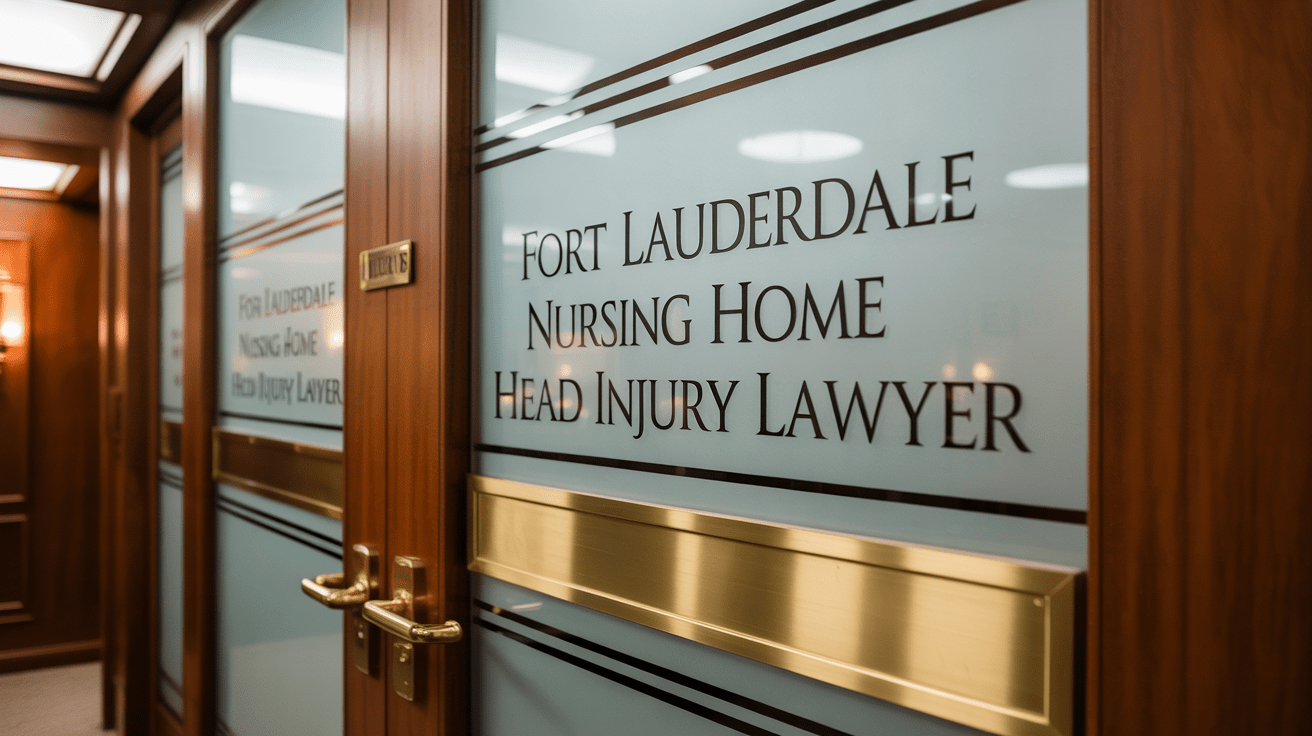
When you’re evaluating a nursing home head injury in Fort Lauderdale, you’ll often trace it back to preventable incidents like slip and fall accidents, wheelchair mishaps, or transfer falls.
You may also see head trauma tied to bed rail or restraint misuse that causes dangerous impacts or entrapment.
If the facility fails to protect residents, assaults and broader neglect can create the conditions for serious injury.
Slip And Fall Incidents
Too often, slip and fall incidents cause serious head injuries in Fort Lauderdale nursing homes because staff members don’t eliminate hazards quickly or supervise high-risk residents closely enough. You can prevent harm by insisting on prompt spill cleanup, dry entry mats, and clear walkways free of cords, clutter, and loose rugs.
You’ll often see danger where basic floor maintenance slips: slick wax, uneven shifts, curled carpeting, or wet bathroom floors without warning signs. You should also ask whether the facility conducts routine lighting inspections, since dim hallways and shadowed thresholds can cause residents to misjudge steps and trip.
When you notice repeated falls, document conditions, request repairs in writing, and advocate for consistent rounding and assistance. Your vigilance protects residents’ dignity and keeps their recovery and comfort at the center.
Wheelchair And Transfer Falls
Wheelchair and transfer falls often trigger devastating head injuries in Fort Lauderdale nursing homes because staff rush or skip basic safety steps during bed-to-chair, toilet, or shower transfers.
When you serve residents, you can’t accept shortcuts that leave someone unsupported mid-pivot or positioned too close to an unlatched chair.
You’ll often see trouble when footrests aren’t moved, brakes don’t hold, or a chair’s worn tires catch on thresholds, which makes Wheelchair maintenance vital.
Poor body mechanics and rushed timing also cause residents to tip or slide, so consistent Transfer training matters. You can help by insisting on clear hand placement, gait-belt use when appropriate, and a calm count before standing.
If a facility ignores these basics, you can document the pattern and seek accountability for the resident you’re protecting.
Bed Rail And Restraint Misuse
Bed rails and restraints can backfire fast in Fort Lauderdale nursing homes, turning “fall prevention” into a direct path to a head injury. When you serve residents, you must match devices to their mobility, cognition, and strength, or they’ll climb over rails, slip under them, or twist free and fall.
You should watch for improper restraints that restrict breathing, cause panic, or force sudden movements that end with a strike to the skull. You’ll also reduce entrapment hazards by checking rail gaps, mattress fit, and worn hardware.
| Risk factor | How head injuries happen | Safer practice |
|---|---|---|
| Rail gaps | Head/neck trapped, impact | Correct sizing, inspections |
| Loose rails | Sudden collapse, fall | Tighten, replace parts |
| Over-restraining | Agitation, forceful escape | Least-restrictive care |
Assaults And Facility Neglect
Although most families worry about accidental falls, assaults, and everyday neglect inside a Fort Lauderdale nursing home can cause the same devastating head injuries.
You may face resident-on-resident violence when supervision slips or rough handling during transfers, bathing, or toileting.
An unchecked visitor can also strike or shove a vulnerable loved one, which is why visitor screening matters as much as locked doors.
Neglect creates danger, too. When call lights go unanswered, meds are missed, or hydration and nutrition are ignored, your loved one can become disoriented and fall into walls, furniture, or floors.
Poor staffing and weak staff training can leave bruises, swelling, or concussions unnoticed until symptoms worsen. If you serve by advocating early, you help protect everyone in the facility.
Legal Rights of Fort Lauderdale Nursing Home Head Injury Victims
When a nursing home’s negligence causes a head injury, Florida law gives you clear rights to demand accountability and financial recovery.
You can assert resident rights to safe care, dignity, and proper supervision, and you can enforce consent laws when treatment decisions were made without lawful permission or informed understanding.
By standing up, you also protect other residents who can’t speak for themselves.
You may pursue compensation for medical bills, rehabilitation, pain and suffering, and future care needs. You can also seek records and transparency in reporting, so the facility can’t hide staffing failures or ignored symptoms.
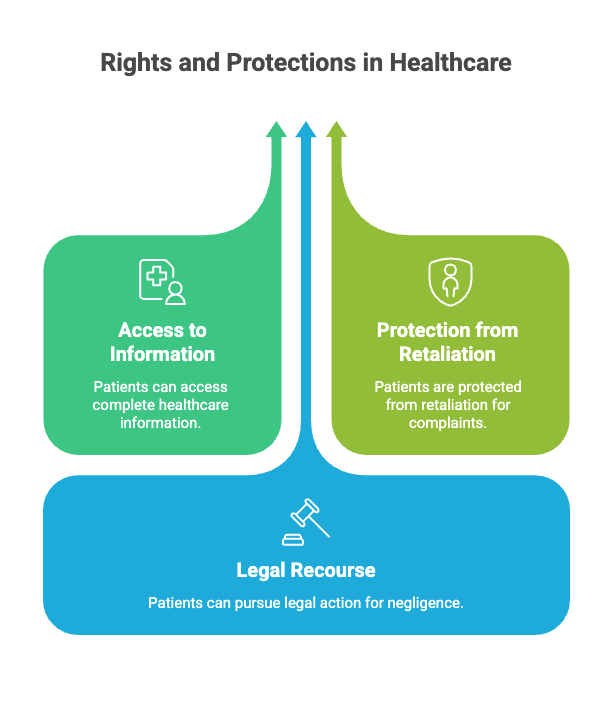
Your rights commonly include:
- Access to complete charts, incident reports, and care plans
- Freedom from retaliation for complaints or legal action
- Claims against the facility and the responsible staff for negligence
If the injury contributed to wrongful death, you can pursue survivor and estate damages under Florida statutes.


Steps to Take After a Fort Lauderdale Nursing Home Head Injury
Get medical care right away so you can protect your loved one’s health and create a clear record of the head injury.
Document everything you can—photos, incident details, staff names, and medical notes—to preserve essential evidence.
Report suspected abuse to the proper authorities and consult counsel promptly to avoid missing crucial deadlines.
Seek Immediate Medical Care
Don’t wait around after a suspected head injury in a Fort Lauderdale nursing home—seek medical care right away. Call 911 or insist the facility contact emergency services, even if symptoms seem mild.
Head trauma can worsen quickly, and early treatment protects the resident you’re trying to serve.
Ask for an emergency assessment by trained clinicians who can assess consciousness, pupils, speech, balance, and other vital signs.
Push for rapid stabilization if there’s vomiting, confusion, severe headache, seizure activity, blood thinners, or any loss of consciousness.
Request transport to an emergency room when needed so imaging and neurologic monitoring happen without delay.
Stay calm, keep the resident still, and share known allergies, medications, and recent falls with responders. Your prompt action can prevent complications and support recovery.
Document Injury And Evidence
Documenting everything from the start can protect your loved one’s health and preserve vital proof if the facility’s account changes.
Use your phone to document injuries, torn clothing, unsafe floors, or broken equipment. Record dates, times, and who you spoke with, and ask staff to put explanations in writing.
If other residents or visitors saw the fall, politely request witness statements and contact details while memories are fresh. Keep copies of care plans, incident reports you’re given, and discharge papers, and store everything in one folder so you can serve your loved one well.
| What to capture | How you’ll use it |
|---|---|
| Bruises/swelling | Track progression |
| Room hazards | Show conditions |
| Written notes | Build timeline |
| Names/contacts | Confirm accounts |
Report Abuse And Consult Counsel
Once you’ve stabilized your loved one and gathered initial evidence, loop in the proper authorities and an attorney right away. File a report with Florida’s Adult Protective Services and the Agency for Health Care Administration, and document your hotline reporting confirmation number.
If the injury suggests criminal neglect or assault, call local law enforcement so they can preserve evidence and interview staff promptly.
Next, consult counsel to protect your loved one’s dignity and safety. A Fort Lauderdale nursing home head injury lawyer can secure records, demand surveillance footage before it’s overwritten, and coordinate medical experts.
You can also request family conferences with administrators to push for immediate care changes, but don’t rely on meetings alone.
Legal guidance helps you prevent retaliation, pursue accountability, and guarantee the facility improves conditions for every resident.
How a Fort Lauderdale Nursing Home Head Injury Lawyer Can Help You
Take control of what happens next by working with a Fort Lauderdale nursing home head injury lawyer who can investigate the incident, preserve vital evidence, and hold the facility accountable.
Take control now with a Fort Lauderdale nursing home head injury lawyer who investigates fast, preserves evidence, and holds facilities accountable.
You’ll get a steady advocate who listens, acts fast, and treats your loved one with dignity while pursuing answers. Your lawyer can interview staff and witnesses, request surveillance footage, review care logs, and coordinate with qualified medical experts to clarify what went wrong and who failed to protect your resident.
You’ll also receive guidance that strengthens family support and steadies financial planning, so you can focus on care and safety, not paperwork and pressure.
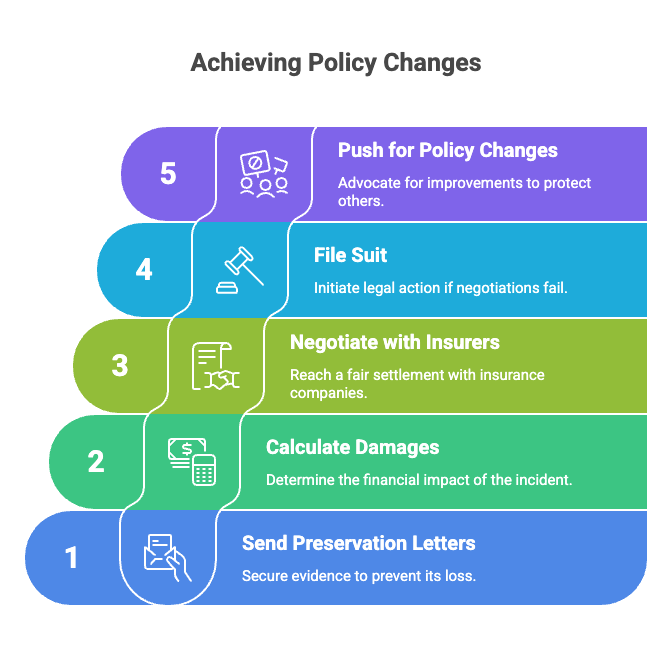
- Send preservation letters and stop evidence from “disappearing.”
- Calculate damages and negotiate with insurers from a position of strength
- File suit when needed and push for policy changes that protect others
Long Term Effects of Fort Lauderdale Nursing Home Head Injury Injuries
After a nursing home head injury, you may face long-term effects that change how you think, feel, and move.
You can experience cognitive decline and even dementia, along with chronic pain and reduced mobility that make daily tasks harder.
You might also notice emotional and behavioral changes, like irritability, anxiety, or withdrawal, that strain relationships and quality of life.
Cognitive Decline And Dementia
Even a seemingly “minor” head injury in a Fort Lauderdale nursing home can trigger lasting changes in how your loved one thinks and behaves.
You may notice new confusion, trouble finding words, or sudden mood shifts that weren’t there before.
When the brain struggles to heal, cognitive decline can accelerate, and dementia symptoms may emerge earlier or intensify, leaving you balancing safety with dignity.
You can help by tracking changes, requesting neurocognitive screening, and pushing for treatment plans that don’t dismiss “normal aging.”
Consistent routines, calm communication, and structured memory exercises can support remaining abilities and reduce distress.
You should also demand caregiver training so staff recognize red flags, document incidents, and respond promptly.
If the facility ignored warning signs or failed to protect your loved one, you can pursue accountability and better care.
Chronic Pain And Mobility
Watch how a head injury can quietly reshape your loved one’s body as much as their mind, setting off chronic pain and mobility problems that don’t fade with time.
You may notice Chronic stiffness in the neck, shoulders, or hips, plus headaches that make sitting, standing, and sleeping harder.
Balance can weaken, steps can shorten, and simple transfers—bed to chair, chair to toilet—may require more help than before.
You can serve them best by tracking pain patterns, reporting changes to the care team, and insisting on safe, consistent therapy.
Physical therapy may include Gait training to rebuild stride, strengthen core muscles, and reduce fall risk.
Ask whether walkers, grab bars, or footwear adjustments could prevent setbacks.
When staff dismisses complaints, you can advocate firmly and document everything for follow-up.
Emotional And Behavioral Changes
Although a head injury may heal on the surface, it can permanently change your loved one’s mood, personality, and behavior in ways that feel confusing and out of character.
You might notice sudden mood swings, irritability, or tearfulness that weren’t there before. They may withdraw from activities, lose interest in relationships, or struggle to show empathy, even when they still care.
You’ll often see changes in impulse control, too. Your loved one may blurt out hurtful comments, make unsafe choices, or become agitated during routine care.
These shifts can strain family bonds and make caregiving harder, but they also signal real brain-based injury, not “bad attitude.”
You can protect their dignity by documenting episodes, requesting neurologic and mental health evaluations, and advocating for adjustments to care plans, supervision, and communication.
Proving Liability in Fort Lauderdale Nursing Home Head Injury Cases
Build a strong nursing home head injury case by proving the facility’s negligence caused your loved one’s harm. Start by identifying the duty of care the home owed, then show how staff broke it through unsafe supervision, fall hazards, delayed treatment, or ignored care plans. You’ll strengthen witness credibility by gathering consistent statements from residents, visitors, and employees, and by comparing them to incident reports, staffing logs, training records, and surveillance footage.
Next, establish medical causation: link the head trauma to the specific lapse in care. You can do this with ER records, neurologist notes, imaging results, medication charts, and timelines that show when symptoms began. Preserve physical evidence, document bruising and environmental hazards, and request internal investigations. When you build a clear chain from rule to breach to injury, you honor your loved one’s dignity and help protect other residents from preventable harm too.
Compensation for Fort Lauderdale Nursing Home Head Injury Damages
Pursue full compensation by documenting every way a nursing home head injury has changed your loved one’s health, independence, and quality of life. You’ll serve them best by gathering records, photos, care logs, and witness notes that show what they’ve lost and what they’ll need to heal.
| Damage Category | What You Can Claim |
|---|---|
| Medical care | medical expenses, rehab, follow-ups |
| Ongoing support | future caregiving costs, aides, therapies |
| Out-of-pocket losses | transportation, equipment, home modifications |
| Human impact | pain, suffering, loss of dignity, emotional distress |
| Accountability | punitive damages when the conduct is reckless |
You can also seek compensation for reduced mobility, cognitive changes, and inability to enjoy daily routines. Don’t let the facility minimize the harm—use detailed timelines and expert opinions to connect the injury to new limitations. When you stay organized, you honor your loved one’s story and protect other residents from repeat harm.
The Statute of Limitations for Fort Lauderdale Nursing Home Head Injury Cases
Time matters in a Fort Lauderdale nursing home head injury case because Florida’s statute of limitations sets a hard deadline to file your lawsuit, and missing it can bar recovery no matter how strong the evidence is.
You’ll want to act quickly so the resident’s medical records, incident reports, and witness memories stay intact and usable.
Florida’s statute of limitations can end your case fast—act quickly to preserve records, reports, and witness memories.
Florida has statute nuances that affect how long you have, including when the clock starts and which legal theory applies.
In some situations, the deadline may run from the injury date; in others, it may start when you reasonably discover the harm or its cause.
When the injured person lacks capacity, additional timing rules can apply. There are also filing exceptions, such as tolling when a facility conceals wrongdoing or when required pre-suit steps pause the countdown.
If you’re trying to protect a vulnerable elder, document dates, request records in writing, and track every notice you send or receive.
Why You Need an Experienced Fort Lauderdale Nursing Home Head Injury Lawyer
Because nursing home head injury claims often involve missing paperwork, shifting stories, and vulnerable witnesses, you need an experienced Fort Lauderdale nursing home head injury lawyer to move fast, lock down evidence, and control the narrative before the facility does.
You can’t wait for incident reports to “turn up.” Your lawyer preserves video, call-light logs, staffing schedules, and medical charts, then connects them to the injury timeline and your loved one’s symptoms.
| What you need | What experience delivers |
|---|---|
| Clear facts | Rapid records, subpoenas, and witness interviews |
| Accountability | Proof of policy lapses and staff training failures |
You also need someone who treats your case as service: protecting a resident who may struggle to speak up, and supporting you as you practice family advocacy without being dismissed or intimidated.
An experienced lawyer coordinates with medical experts, challenges blame-shifting, and pushes for fair compensation that funds care, rehabilitation, and dignity. You stay focused on compassion while your lawyer handles the fight, start to finish.
How to Choose the Right Fort Lauderdale Nursing Home Head Injury Lawyer for Your Case
In the aftermath of a nursing home head injury, choosing the right Fort Lauderdale lawyer can shape everything that happens next—from how fast evidence gets preserved to how seriously the facility takes your claim.
You’re not just hiring a litigator; you’re finding a partner who’ll protect your loved one’s dignity and help prevent future harm to other residents.
Start by asking about experience with head trauma, falls, and facility neglect cases, and whether they’ll move quickly to obtain incident reports, surveillance footage, and medical records.
Pay attention during client interviews: do they listen, explain options plainly, and treat your family with respect?
Ask who’ll handle day-to-day work, how often you’ll get updates, and how they prepare cases for trial if settlement talks stall. Finally, compare fee structures in writing, including costs, contingency percentages, and what happens if you don’t recover.
Choose the lawyer who serves with urgency and integrity.
About the Law Offices of Anidjar and Levine
Turn to the Law Offices of Anidjar and Levine when your loved one suffers a head injury in a Fort Lauderdale nursing home—they’ll act quickly to investigate what happened, preserve vital evidence, and pursue the facility for the care failures that caused the harm.
You’ll get practical guidance from a team that treats your family member’s dignity as the priority, not an afterthought.
During Client consultations, you can share what you’ve seen—unexplained bruising, falls, delayed treatment—and they’ll translate it into a clear legal plan. You won’t have to chase records or track deadlines; they’ll handle calls, documents, and insurer pressure so you can focus on comfort and advocacy.
Their firm’s history reflects service-driven representation: they build cases with medical insight, witness outreach, and detailed documentation, then negotiate firmly or litigate when needed.
If you want accountability and safer care for others, you’ll find a partner ready to act.
Frequently Asked Questions
Can I Transfer My Loved One Without Affecting the Legal Case?
Yes, you can usually transfer your loved one without harming the legal case, as long as you protect patient relocation records and preserve evidence.
You’ll want to notify your attorney, document the reasons for the move, and secure copies of charts, incident reports, photos, and witness names to maintain case continuity.
Don’t sign new waivers without review.
Will the Nursing Home Retaliate if I Hire a Lawyer?
The nursing home shouldn’t retaliate if you hire a lawyer, and you can take steps to reduce the risk. You document care issues, keep communication calm, and ask your attorney how to report concerns quickly.
If you notice staff backlash—cold treatment, delays, sudden “policy” changes—write it down and escalate to administrators or regulators.
You can still focus on your loved one’s dignity while your lawyer explains legal fees and options.
Do We Need Medical Records Before Contacting an Attorney?
You don’t need medical records before you contact an attorney; you can reach out right away.
You’ll help your loved one best by sharing what you already know and gathering medical documentation as it becomes available.
An attorney can request records, preserve evidence, and guide you through the legal timeline so you don’t miss deadlines.
You can also keep notes, photos, and witness names to support care-focused advocacy.
Can I Record Conversations With Nursing Home Staff in Florida?
Yes, you can record conversations with nursing home staff in Florida, but you must follow Florida’s two-party consent laws.
That means you can’t record a private conversation unless everyone involved agrees.
If the talk takes place in a low-privacy setting—like a public hallway—consent may not be required, but it’s risky.
You’ll best protect your loved one by asking for permission, documenting your concerns in writing, and seeking legal guidance.
What if My Loved One Cannot Communicate Details of the Injury?
If your loved one can’t communicate injury details, you can still uncover what happened by watching nonverbal cues and noting behavioral changes like agitation, withdrawal, sleep shifts, or fear around certain staff.
You should request medical records, incident reports, and care notes, and ask for a full assessment by a doctor.
You can speak with roommates and visitors, document bruises or swelling, and promptly escalate concerns to administrators or regulators.
——————-
You don’t have to face a nursing home head injury claim in Fort Lauderdale alone.
When your loved one’s safety is compromised, you can take action to protect their rights and demand accountability.
By documenting what happened, getting proper medical care, and moving quickly within Florida’s deadlines, you strengthen your case.
With the Law Offices of Anidjar and Levine and guidance from a dedicated Fort Lauderdale Nursing Home Abuse and Neglect Lawyer, you’ll be prepared to pursue the compensation and justice your family deserves.


We Can Help.