



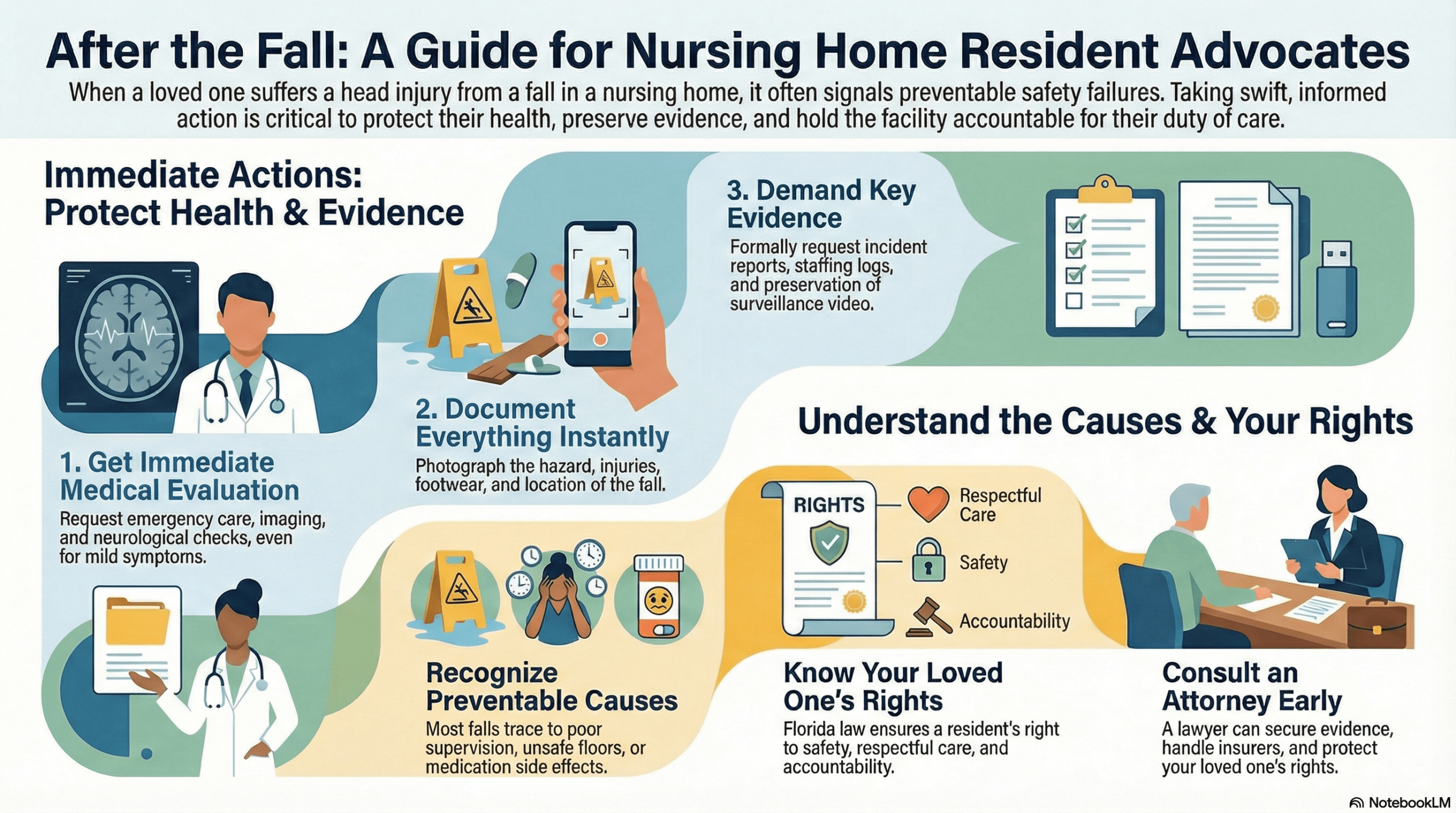
If your loved one suffers a head injury after a Fort Lauderdale nursing home fall, you can’t wait—get medical care fast and document everything.
You should request the incident report, preserve surveillance video, photograph hazards and injuries, and obtain hospital records like CT results and medication lists.
The Law Offices of Anidjar and Levine can act quickly to secure evidence, interview witnesses, and pursue compensation for care, rehab, and pain.
Keep going to see what to do next, and learn how a Fort Lauderdale Nursing Home Abuse and Neglect Lawyer can help protect your loved one’s rights.
Key Takeaways
- Get immediate medical evaluation for any post-fall head injury symptoms and request imaging, neurological checks, and clear discharge warning signs.
- Document the incident fast: time, location, staff actions, witnesses, and photos of hazards, injuries, footwear, and mobility aids.
- Demand preservation of evidence, including incident reports, nursing notes, staffing logs, care plans, and surveillance video, before it’s overwritten.
- Report the fall in writing to the administrator and obtain hospital and facility records linking the fall to the head injury.
- Consult a Fort Lauderdale nursing home fall lawyer early to secure evidence, use medical experts, and handle insurer communications and deadlines.
How We Can Help With Your Fort Lauderdale Nursing Home Fall Resulting in Head Injury Claim
After a nursing home fall leaves your loved one with a head injury, you need answers and action fast. You can’t do everything alone, and you shouldn’t have to. You can lean on our team to move quickly, protect your loved one’s dignity, and lift the burden from your family.


You’ll get clear guidance on what to document, which records to request, and how to preserve essential evidence before it disappears. You’ll also have support preparing for Family meetings, so you can ask focused questions, push for safer care plans, and keep communication respectful and productive.
We’ll coordinate with medical professionals to understand your needs and future support needs, then help you connect the dots to Financial planning, so your family can plan for rehabilitation, ongoing care, and household stability.
If the facility or insurer pressures you, you’ll have someone to handle calls, letters, and deadlines while you stay present for the person you’re serving most.
Understanding Fort Lauderdale Nursing Home Fall Resulting in Head Injury Cases
Recognize this for what it is: a Fort Lauderdale nursing home fall that causes a head injury often signals preventable breakdowns in supervision, fall-risk planning, or basic safety.
A Fort Lauderdale nursing home fall with head injury often points to preventable failures in supervision, fall-risk planning, or basic safety.
When you see bruising, confusion, sudden decline, or ER transport, you’re not just facing “an accident.” You’re confronting a care system that may have failed a vulnerable person who depended on it.
To understand these cases, focus on duty, breach, and harm.
The facility owes your loved one reasonable protection, timely monitoring, and a plan matched to their mobility, medications, and cognitive status.
If the home didn’t follow its own policies, skipped assessments, or ignored warnings, you may have a claim.
Records matter: incident reports, nursing notes, care plans, and hospital findings can show what happened and when.
Strong staff training reduces risk, but paperwork alone isn’t enough.
Your steady family advocacy can help uncover gaps and drive safer care forward for everyone.
Common Causes of Fort Lauderdale Nursing Home Fall Resulting in Head Injurys
You’ll often trace a Fort Lauderdale nursing home fall with a head injury to unsafe flooring, cluttered walkways, or other obstacles that staff didn’t remove.
You can also see falls happen when supervision is thin, medications cause dizziness, or residents aren’t assisted during transfers.
You should watch for poor lighting and missing or loose handrails, since these hazards make a simple misstep far more likely.
Unsafe Flooring And Obstacles
Often, a serious nursing home fall starts with something as basic as unsafe flooring or a misplaced obstacle—slick tile, loose rugs, uneven shifts, cluttered walkways, and poorly secured cords can turn a routine trip to the bathroom or dining room into a sudden head injury, especially when staff don’t spot and fix hazards quickly.
When you’re advocating for a loved one, watch for uneven surfaces at thresholds, worn juncture strips, and wet areas near sinks or showers. Note loose carpeting that buckles or frays, and furniture or equipment left where residents steady themselves.
Poor lighting can hide these dangers, so document dark corners and burnt-out bulbs. If you see hazards, report them in writing and request prompt repairs. Clear pathways and stable footing protect dignity and help residents move safely.
Inadequate Staff Supervision
Too frequently, a resident falls and suffers a head injury simply because no one stayed close enough to supervise them during high-risk moments—transfers from bed to wheelchair, trips to the bathroom, or walks down a hallway.
When you serve elders, you’re their safety net, yet thin staff ratios and unclear supervision policies can leave call lights unanswered and gait belts unused. You can spot this risk when rounding gets skipped, and residents wander unescorted.
Strong supervision means assigning coverage, anticipating needs, and documenting checks so help arrives before a misstep.
| Risk point | What you should make certain |
|---|---|
| Transfers | Hands-on assist, gait belt |
| Toileting | Scheduled checks, prompt response |
| Hallways | Escort for unsteady residents |
Medication Side Effects
Balancing medications can turn routine movement into a fall risk when side effects hit hard. If you’re caring for a resident, you’ll often see dizziness, low blood pressure, blurred vision, sedation, or sudden confusion after new prescriptions or dose changes.
Pain meds, sleep aids, antipsychotics, and blood pressure drugs can weaken balance and slow reflexes, making a simple trip to the bathroom dangerous and raising the chance of a head injury.


You protect residents by insisting on Medication monitoring: reviewing medication lists, tracking timing, and flagging drug interactions. Watch closely for Adverse reactions, especially within the first days of a change. Report symptoms promptly, request reassessment, and document what you observe so the care team can adjust safely.
Poor Lighting And Handrails
Poor lighting and missing or unstable handrails can quickly turn a safe hallway or bathroom into a fall hazard. When residents can’t clearly see thresholds, wet floors, or uneven shifts, you’re more likely to witness a sudden slip that leads to a head injury.
You can help by watching for dim bulbs, glare, and shadowed corners where ambient lighting should guide each step.
Handrails must feel solid, continuous, and reachable. If you notice loose brackets, wobbly rails, or gaps near ramps and toilets, report them right away and document what you saw. Consistent rail maintenance isn’t optional; it’s a daily safeguard.
By advocating for safer lighting checks and sturdy supports, you protect dignity, reduce trauma, and prevent avoidable emergencies.


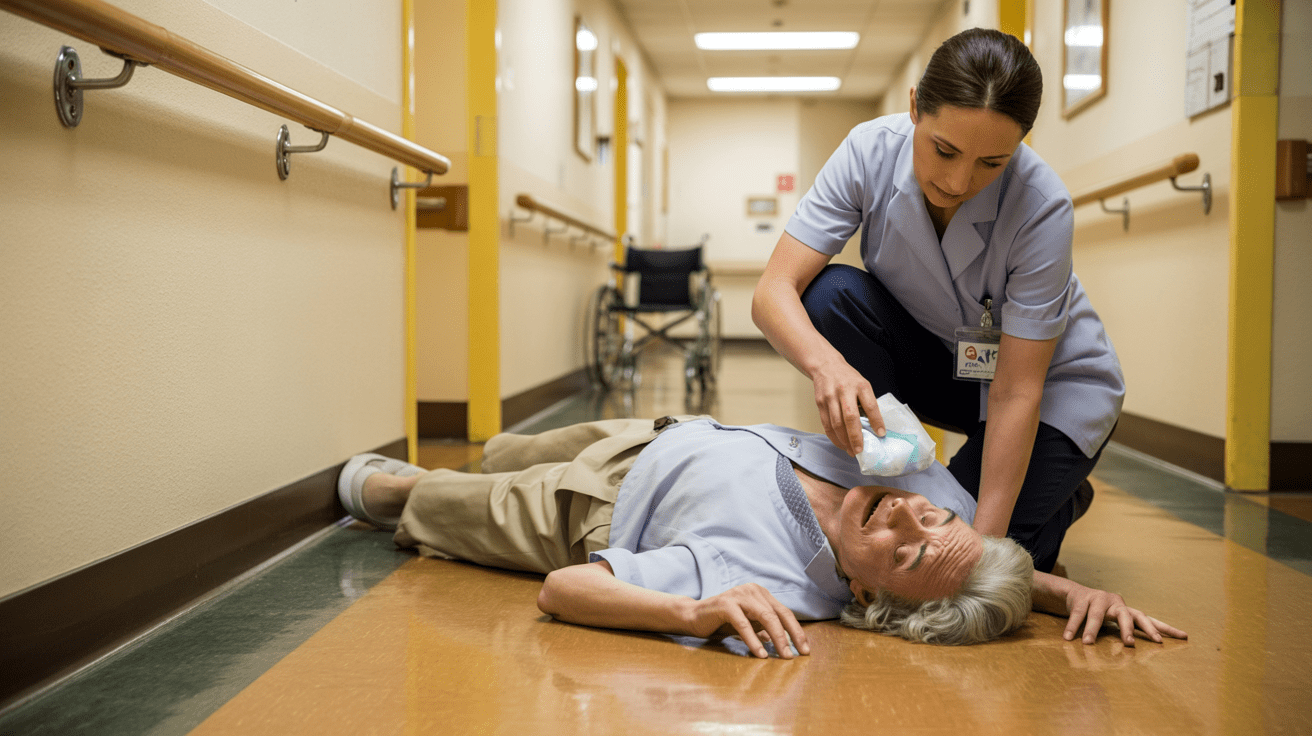
Legal Rights of Fort Lauderdale Nursing Home Fall Resulting in Head Injury Victims
Dignity matters when a nursing home fall in Fort Lauderdale leaves you or a loved one with a head injury, and Florida law gives you clear rights to demand accountability.
Dignity matters after a Fort Lauderdale nursing home fall causes a head injury—Florida law gives you clear rights to demand accountability.
You don’t have to accept excuses or quiet pressure to “let it go.” Your resident rights protect safety, respectful care, and freedom from neglect, and they support family advocacy when you speak up for someone who can’t.
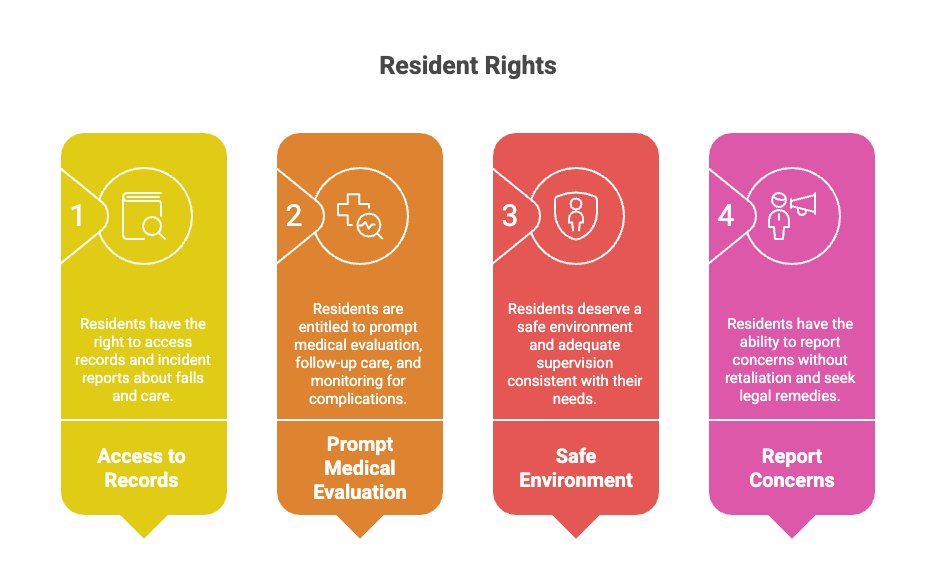
You can assert rights that focus on truth, protection, and fair treatment, including:
- Access to records and incident reports about the fall and care provided
- Prompt medical evaluation, follow-up care, and monitoring for complications
- A safe environment and adequate supervision consistent with the resident’s needs
- The ability to report concerns without retaliation and seek legal remedies
When a facility breaches its duties, you can pursue compensation for medical costs, pain, and related losses, and you can help prevent future harm to others through accountability.
Steps to Take After a Fort Lauderdale Nursing Home Fall Resulting in Head Injury
After a Fort Lauderdale nursing home fall that causes a head injury, you should seek immediate medical care, even if symptoms seem mild.
Next, document the fall and your injuries with photos, notes, witness names, and copies of medical records.
Then report the incident to the facility in writing and consult counsel to protect your rights and preserve evidence.
Seek Immediate Medical Care
Getting medical attention right away can make all the difference when a Fort Lauderdale nursing home fall involves a possible head injury. You can’t assume someone “seems fine” after a bump or brief confusion.
Ask staff to call 911 or transport your loved one for an emergency evaluation, especially with headache, vomiting, dizziness, sleepiness, slurred speech, or changes in mood.
If you’re a caregiver or advocate, stay present, communicate clearly, and make sure the treating team knows about blood thinners, prior strokes, dementia, or past falls. Request imaging and neurological checks when appropriate.
Before discharge, confirm medication changes, warning signs that require return care, and precise follow-up appointments. Acting quickly protects your loved one and helps you serve their dignity and safety.
Document Fall And Injuries
Often, the strongest case starts with what you document in the first hours: record exactly when and where the fall happened, who found your loved one, and what the staff said and did. Write names, titles, and times, and note any delays in help. Take clear photos of the floor, lighting, footwear, mobility aids, bruising, swelling, and any head-wound bandages.
Keep clothing and any torn bedding in a clean bag. Ask for witness statements from residents, visitors, and aides while memories are fresh. Request copies of medical records from the facility and the hospital, including CT results, vitals, and medication lists.
| What to capture | Why it helps |
|---|---|
| Timeline + staff actions | Shows gaps in care |
| Photos + preserved items | Demonstrates hazards and impact |
| Witness + medical records | Verifies facts and injuries |
Report Incident And Consult Counsel
Once you’ve stabilized your loved one, report the fall in writing to the nursing home administrator and demand an incident report that lists the time, location, witnesses, and every staff member involved. Ask for the care plan, staffing logs, and surveillance preservation, and request copies promptly.
Collect names and contact info so you can secure witness statements while memories are fresh, including other residents’ families. If staff resists, stay calm and persistent—you’re advocating with dignity and purpose.
Then consult a Fort Lauderdale nursing home fall lawyer before you speak with the facility’s insurer. Counsel can safeguard your loved one from blame-shifting, manage insurance negotiation, and ensure deadlines and reporting rules are met.
You’ll also learn whether neglect, understaffing, or unsafe conditions contributed and what remedies can improve care going forward.
How a Fort Lauderdale Nursing Home Fall Resulting in Head Injury Lawyer Can Help You
Take control of what happens next after a Fort Lauderdale nursing home fall causes a head injury—because the facility and its insurers may move quickly to limit blame. A dedicated lawyer helps you protect your loved one’s dignity while you serve as their steady advocate.
You won’t have to guess what to do or who to call.
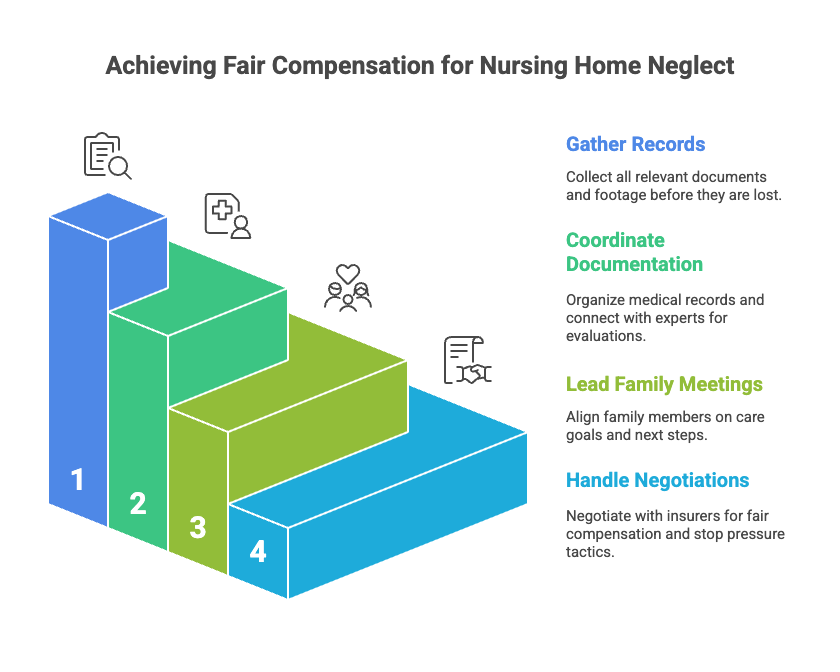
- Gather records, incident reports, staffing logs, and surveillance footage before it disappears
- Coordinate medical documentation and connect you with trusted experts for clear evaluations
- Lead family meetings so everyone aligns on care, goals, and next steps
- Handle insurance negotiations, demand fair compensation, and stop pressure tactics
Your attorney can interview witnesses, preserve evidence, and send formal notices that keep the case on track.
They’ll calculate losses, explain your options, and file suit if the facility won’t take responsibility. With counsel, you can focus on compassion and safety while your legal team pursues accountability.
Long-Term Effects of Fort Lauderdale Nursing Home Fall Resulting in Head Injury Injuries
After a Fort Lauderdale nursing home fall that causes a head injury, you may face long-term cognitive and memory decline that changes how you think and communicate.
You can also live with chronic pain and reduced mobility that limits daily activities and increases your need for care.
On top of that, emotional and behavioral changes can strain relationships and make recovery harder.
Cognitive And Memory Decline
You can serve your loved one best by documenting new symptoms, requesting a timely neurological evaluation, and asking for baseline and follow-up memory tests.
Watch for missed medications, unsafe choices, or sudden changes in decision-making, finances, or consent.
Ask caregivers to report incidents promptly and to adjust routines with patience and dignity.
When a facility’s neglect contributed to the fall, you can seek accountability and resources for proper cognitive care.
Chronic Pain And Mobility
Lasting discomfort often lingers long after a nursing home fall causes a head injury, reshaping how your loved one moves and functions each day.
You may notice headaches that radiate into the neck, sore shoulders, or Chronic stiffness that makes turning, standing, and dressing slow and painful. Pain can flare with therapy, transfers, or even a short walk to meals, so you’ll need to track triggers and advocate for timely evaluations and appropriate treatment.
When balance and strength decline, your loved one might rely on Mobility aids such as walkers, canes, or wheelchairs, and they’ll need staff who use them correctly and consistently.
You can support safer movement by requesting fall-prevention plans, supervised ambulation, and regular reassessments as healing progresses and needs change.
Emotional And Behavioral Changes
Pain and reduced mobility don’t just slow your loved one down—they can also change how they think, feel, and act day to day. After a head injury, you may notice irritability, anxiety, or sudden sadness that doesn’t fit the moment.
These mood swings can strain caregiving routines and leave you second-guessing what to say or do.
You might also see personality shifts: a once-patient resident becomes suspicious, withdrawn, or unusually angry. They may resist help, forget familiar faces, or lash out during bathing or meals. Don’t take it personally—respond with calm structure, simple choices, and consistent reassurance.
Document changes, ask the facility for a care-plan update, and request medical evaluation for depression, medication effects, or post-concussion symptoms. When you advocate steadily, you protect their dignity and safety.
Proving Liability in Fort Lauderdale Nursing Home Fall Resulting in Head Injury Cases
Establishing liability after a Fort Lauderdale nursing home fall that causes a head injury starts with pinpointing exactly what went wrong and who had the duty to prevent it. You’ll focus on whether the facility met its obligations to supervise, maintain safe conditions, and respond promptly when risks appeared.
Review incident reports, care plans, and medical notes to see if warnings were ignored or minimized.
You can prove negligence by showing gaps in staff training and a missed or outdated risk assessment. Look for fall-prevention steps that weren’t followed: assistive devices left out of reach, alarms not activated, wet floors without signage, poor lighting, cluttered walkways, or delayed toileting assistance.
Compare what the staff did to what policies required and what reasonable caregivers would’ve done. Collect witness statements, camera footage, maintenance logs, staffing schedules, and prior complaint history. When you connect those facts to the resident’s head injury, you build a clear, service-centered accountability story.
Compensation for Fort Lauderdale Nursing Home Fall Resulting in Head Injury Damages
After a Fort Lauderdale nursing home fall leads to a head injury, you can pursue compensation that covers both the immediate medical fallout and the long-term impact on your loved one’s daily life.
You can seek compensatory damages for ER care, hospitalization, surgery, imaging, rehabilitation, medications, and follow-up neurology visits. If the injury reduces mobility or cognition, you can also claim costs for assistive devices, therapy, home health aides, and future care planning.
You can pursue recovery for pain, emotional distress, and the loss of enjoyment that often follows traumatic brain injuries. When a fall causes disability, you can request damages tied to increased nursing services and family time spent coordinating care.
If the facility ignored known hazards, understaffed intentionally, falsified records, or violated safety policies, you may also pursue punitive damages to hold it accountable and protect other residents.
The Statute of Limitations for Fort Lauderdale Nursing Home Fall Resulting in Head Injury Cases
Because evidence can disappear quickly in a nursing home fall case, you can’t afford to wait too long to act—Florida’s statute of limitations sets strict deadlines for filing a lawsuit when a Fort Lauderdale fall causes a head injury. If you miss those statute deadlines, you may lose the chance to seek accountability and resources for safer care.
Most negligence and medical malpractice-related claims have different filing windows, and the correct one depends on what caused the fall and who’s responsible. You’ll also need to track notice requirements, incident reporting, and record requests to keep your timeline accurate.
In limited situations, discovery tolling may extend the clock when you couldn’t reasonably know the injury’s cause or when records were concealed, but you can’t assume it applies.
Act promptly by documenting symptoms, requesting charts, and preserving surveillance and witness names. Moving early helps you protect your loved one and prevent similar harm to other residents in the community.
Why You Need an Experienced Fort Lauderdale Nursing Home Fall Resulting in Head Injury Lawyer
When a nursing home fall leads to a head injury, you need more than a general personal injury attorney—you need a Fort Lauderdale lawyer who knows how to move fast, lock down evidence, and prove exactly where the facility’s care failed.
You’re not just seeking compensation; you’re protecting a vulnerable person and helping prevent the same harm to others through accountability.
| What your lawyer does | Why it matters |
|---|---|
| Secures incident reports | Stops “missing” documents |
| Preserves video footage | Captures what staff ignored |
| Obtains medical timelines | Links the fall to brain trauma |
| Interviews witnesses | Confirms staffing and supervision gaps |
| Uses qualified experts | Shows violations of standards |
With experienced representation, you’ll counter blame-shifting and expose patterns like understaffing, improper fall-risk plans, or delayed treatment. Through strong client advocacy, you’ll keep the focus on dignity, safety, and the real cost of preventable injury—so your family’s voice drives meaningful change.
How to Choose the Right Fort Lauderdale Nursing Home Fall Resulting in Head Injury Lawyer for Your Case
Start by narrowing your search to Fort Lauderdale attorneys who routinely handle nursing home falls involving head injuries and who can show you a track record of proving facility negligence under Florida’s long-term care rules.
Ask how they investigate: do they secure incident reports, care plans, staffing logs, and surveillance fast, and do they work with medical experts to connect the fall to the head injury?
Use Client interviews to gauge compassion and follow-through.
You’re not just hiring skill—you’re choosing someone who’ll treat your loved one’s dignity as the priority and keep you informed without pushing you aside.
Request references or case examples that mirror your situation.
Compare Fee structures in writing.
You should understand contingency percentages, costs, and what happens if the case doesn’t recover.
Choose the lawyer who answers plainly, sets realistic expectations, and shows you a plan to protect residents and prevent future harm.
About the Law Offices of Anidjar and Levine
Turn to the Law Offices of Anidjar and Levine if you want a Fort Lauderdale team that takes nursing home fall cases seriously and moves fast to protect vital evidence.
You’ll get a clear plan, regular updates, and help scheduling medical care, transportation, and records requests so your loved one’s needs stay first.
You won’t feel like a file number. You can review client testimonials that highlight responsive communication, respectful advocacy, and results-focused case building.
Your attorneys coordinate with investigators and medical experts, press facilities for incident reports, and pursue compensation for head injury treatment, long-term support, and pain.
If serving others matters to you, you’ll appreciate their community outreach and local presence.
You can lean on a team that treats your case as an opportunity to improve safety for vulnerable residents, hold negligent providers accountable, and encourage better care across Fort Lauderdale and beyond every day.
Frequently Asked Questions
What if the Nursing Home Deletes Surveillance Footage After the Fall?
If the nursing home deletes surveillance footage after the fall, you can still hold them accountable, and it may strengthen your case.
Act fast: send a written video preservation demand and ask your lawyer to seek a court order.
Deletion can trigger spoliation sanctions, letting a judge penalize the facility or instruct the jury to presume the footage was unfavorable.
Keep your focus on protecting residents and preventing future harm.
Can We Request the Resident’s Full Medical Chart Under Florida Law?
Yes—you can request the resident’s full medical chart under Florida law if you have proper legal authority. You’ll typically use a signed HIPAA authorization from the resident or the resident’s legal representative, such as a health care surrogate, guardian, or personal representative.
You should ask for all medical records, including nursing notes, incident reports, medication logs, care plans, and hospital transfers.
Acting promptly helps you protect the resident’s well-being.
How Are Medicare and Medicaid Liens Handled After a Settlement?
You’ll handle Medicare and Medicaid liens by confirming conditional payments, negotiating reductions, and paying them from settlement proceeds before you disburse funds.
For Medicare reimbursement, you request a conditional payment letter, dispute unrelated charges, then obtain a final demand and pay it promptly.
For Medicaid recovery, you verify the state’s lien amount and seek allocation limits when possible.
You keep clear records, communicate transparently, and protect the resident’s net recovery.
Can Arbitration Clauses in Admission Contracts Limit a Lawsuit?
Yes, arbitration clauses in admission contracts can limit a lawsuit by requiring you to resolve disputes in private arbitration instead of court, if they’re valid binding agreements.
You can still challenge them when they’re unclear, coerced, or violate consumer protection laws.
You’ll want to review who signed, what claims they cover, and whether state law restricts them.
If you’re advocating for a resident, you can push for fairness and transparency.
Will Reporting the Incident Risk Retaliation Against My Loved One?
Reporting can feel risky, but you’re protected, and retaliation protection rules prohibit punishing your loved one for speaking up.
You should document concerns, request a care-plan meeting, and submit complaints in writing to administrators and the state ombudsman.
Ask for confirmation that care won’t change and watch for shifts in attention, medication, or room assignments.
If you notice staff repercussions, report them immediately and escalate to regulators or counsel.
—————–
You don’t have to face a Fort Lauderdale nursing home fall resulting in a head injury alone. If you suspect neglect, act quickly to protect your loved one’s health and your legal rights.
Document what happened, request immediate medical care, and report the incident to the facility and proper authorities.
Then let the Law Offices of Anidjar and Levine investigate, gather records, and pursue compensation for medical treatment, pain and suffering, and future care needs.
A dedicated Fort Lauderdale Nursing Home Abuse and Neglect Lawyer can guide you through every step of the process.


We Can Help.