



If a Fort Lauderdale nursing home leaves your loved one in one position too long and pressure sores appear, you can act fast to protect them and your claim.
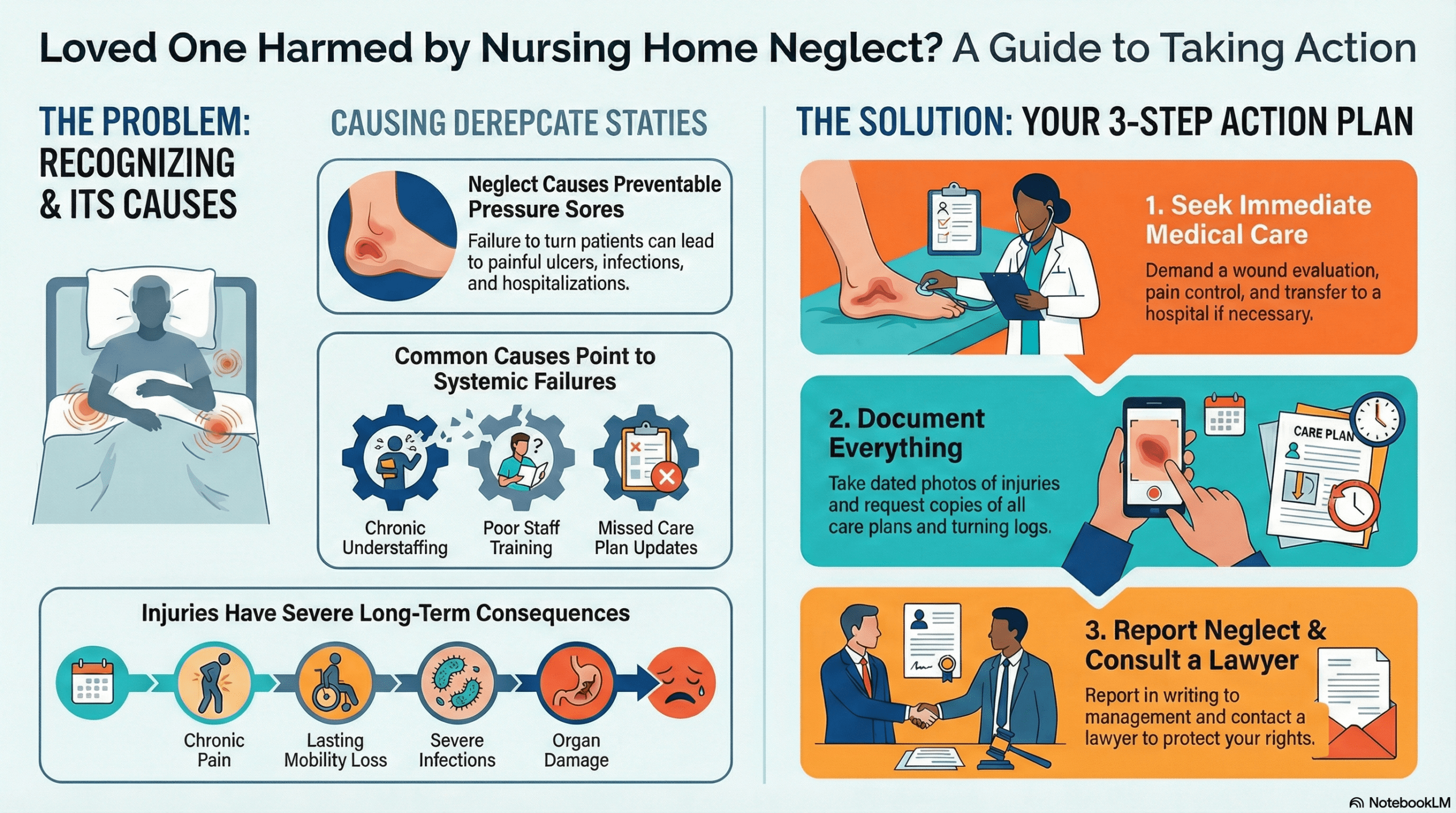
You should demand immediate medical evaluation, wound care, and a clear turning schedule, then document injuries with dated photos and request care plans and turning logs.
A Fort Lauderdale Nursing Home Abuse and Neglect Lawyer can secure records, interview witnesses, and prove neglect caused the harm.
The Law Offices of Anidjar and Levine can guide you through the crucial steps, applicable timelines, and how to pursue compensation for your loved one’s injuries.
Key Takeaways
- Failure to turn or reposition can cause preventable pressure ulcers, infections, and hospitalizations; a Fort Lauderdale lawyer can evaluate nursing home negligence.
- Seek immediate medical care: wound assessment, pain control, hydration, antibiotics if needed, and request a wound-care specialist or higher level of care.
- Document evidence fast: dated photos, daily symptom logs, witness notes, and copies of care plans, turning schedules, skin assessments, and wound records.
- Report in writing to the administrator and the director of nursing; demand a care plan update with specific turning intervals, skin checks, and named staff accountability.
- If the facility delays action, contact Florida’s Long-Term Care Ombudsman and file an AHCA complaint; legal counsel can help preserve evidence and pursue damages.
How We Can Help With Your Fort Lauderdale Nursing Home Failure to Turn or Reposition Patient Claim
When a Fort Lauderdale nursing home doesn’t turn or reposition your loved one as required, you don’t have to take the facility’s excuses at face value—we can step in, investigate what happened, and pursue a claim for the harm that followed.
You’ll get a team that treats your family with dignity and urgency. We gather records, speak with staff and witnesses, and document wounds, care plans, and timelines.
You won’t have to manage hostile administrators alone; we handle calls, letters, and requests while you stay focused on comfort and advocacy. We also prepare you for family meetings so you can ask the right questions and insist on safer care going forward.
If the facility points to “pre-existing” issues, we challenge that narrative with clear evidence and medical insight. Then we conduct an insurance review, identify all available coverage sources, and pursue fair compensation through negotiation or litigation.
Understanding Fort Lauderdale Nursing Home Failure to Turn or Reposition Patient Cases
Although pressure sores and related complications can look “inevitable,” a Fort Lauderdale nursing home failure to turn or reposition case often comes down to basic care that staff didn’t deliver on time or document correctly.
When you’re trying to protect a loved one, you’ll want to understand what “repositioning” means in practice: scheduled turns, skin checks, moisture control, nutrition support, and accurate charting that matches what happened at the bedside.
You can also look at whether the facility respected patient dignity during care—explaining what it’s doing, using gentle handling, and responding promptly to discomfort.
Strong family communication matters, too, because updates about skin changes, care-plan adjustments, and new risks help you advocate before a wound worsens.
In these cases, you’re often piecing together medical records, care plans, wound assessments, and witness accounts to see if the home met accepted standards and whether a preventable decline followed.



Common Causes of Fort Lauderdale Nursing Home Failure to Turn or Reposition Patients
When you investigate why a Fort Lauderdale nursing home didn’t turn or reposition a resident, you’ll often find chronic understaffing that leaves basic care undone.
You may also uncover poor staff training, missed care plan updates, and inadequate patient monitoring that lets pressure risks build unchecked.
Chronic Understaffing Issues
Too often, chronic understaffing in Fort Lauderdale nursing homes leaves overworked aides rushing from room to room, and repositioning tasks get delayed or skipped. When you’re responsible for too many residents, you can’t keep a safe turning schedule, even when you want to.
Missed repositioning increases the risk of pressure injuries, pain, and infection, undermining the dignity you’re trying to protect.
You may also see staff burnout build as double shifts become normal and call-outs rise. Facilities sometimes respond with budget cuts that freeze hiring, reduce CNA hours, or rely on temporary staffing.
That churn disrupts continuity of care and makes it harder to notice early skin changes. If you suspect understaffing contributed to harm, document timing gaps, staffing patterns, and unanswered requests.
Poor Staff Training
Poor staff training often leads caregivers to miss repositioning cues, underestimate how quickly pressure injuries develop, or follow inconsistent turning schedules from shift to shift.
When you’re not coached on skin checks, lift techniques, and documentation, you may rely on guesswork instead of a reliable routine. That can leave residents in pain and families feeling betrayed.
You can prevent this by insisting on clear, repeatable instructions: hands-on simulations that mirror real transfers, contracture risks, moisture management, and bariatric needs.
Pair training with competency assessments so every team member proves they can position pillows correctly, protect bony prominences, and respond to redness before it worsens.
When you train with purpose, you honor dignity, protect healing skin, and make turning schedules a consistent act of care rather than a rushed task.
Missed Care Plan Updates
Staff training can set the baseline, but care can still slip if the resident’s care plan doesn’t keep up with changing needs.
When you don’t update turning schedules after weight loss, new wounds, surgery, or reduced mobility, you unintentionally leave residents vulnerable.
You may assume the old plan still fits, but skin tolerance and pain levels can change quickly, especially after medication adjustments or illness.
Clear staff communication keeps everyone aligned on who needs two-person assistance, which side to avoid, and how often repositioning is needed.
During care handovers—hospital return, unit transfer, or shift change—you need a fresh review, not a copy-and-paste.
When you document updates promptly and share them at handoff, you honor dignity and prevent avoidable harm.
Inadequate Patient Monitoring
Even when a turning schedule looks solid on paper, inadequate monitoring often lets repositioning fall through the cracks. If you can’t verify turns in real time, residents who can’t self-advocate may stay in one position too long, risking painful pressure injuries.
Low staffing ratios, rushed rounds, and poor documentation make it easy to assume someone else already repositioned the resident. You can strengthen oversight by pairing bedside checks with technology such as wearable sensors, then auditing logs and consistently coaching.
| Monitoring gap | What you can do |
|---|---|
| Missed rounds | Use timed check-ins |
| Unclear ownership | Assign one accountable aide |
| Sparse notes | Require turn-time entries |
| Alarm fatigue | Triage alerts, retrain |
| Night shifts | Increase supervision, spot audits |
Legal Rights of Fort Lauderdale Nursing Home Failure to Turn or Reposition Patient Victims
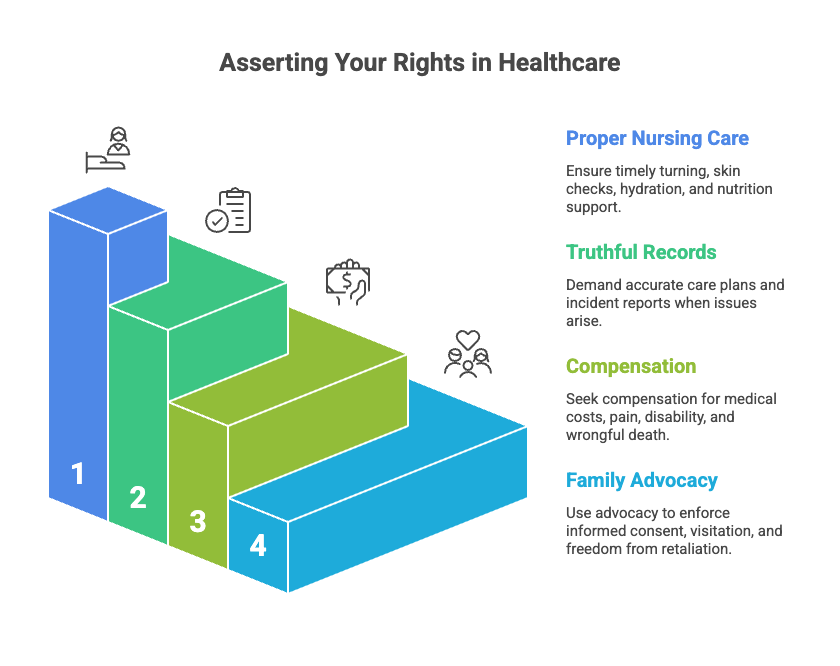
- You’re entitled to proper nursing care, including timely turning, skin checks, hydration, and nutrition support.
- You can demand truthful records, care plans, and incident reporting when wounds, infections, or decline appear.
- You may pursue compensation for medical costs, pain, disability, and wrongful death tied to neglect.
- You can use Family advocacy to enforce informed consent, visitation access, and freedom from retaliation.
Florida law also protects you from neglect and requires facilities to meet professional standards.
When staff ignore repositioning protocols, you can hold the facility and the responsible parties liable for the harm.
Steps to Take After a Fort Lauderdale Nursing Home Failure to Turn or Reposition Patient
If you suspect a Fort Lauderdale nursing home failed to turn or reposition your loved one, get immediate medical care to address pressure injuries and prevent complications.
Document the neglect and injuries by taking photos, saving records, and writing down dates, staff names, and what you observed.
Report the situation to the proper authorities and consult counsel to protect your rights and preserve crucial evidence.
Seek Immediate Medical Care
In the aftermath of a Fort Lauderdale nursing home’s failure to turn or reposition your loved one, seek immediate medical care to stop the harm from getting worse. Ask for a clinical evaluation right away, because pressure injuries can deepen fast and lead to infection, sepsis, or dangerous pain.
If your loved one shows fever, confusion, foul drainage, uncontrolled bleeding, or trouble breathing, call 911 and request emergency transport to a hospital. Don’t let staff “wait and see.”
You can insist on immediate stabilization, including wound assessment, antibiotics when appropriate, hydration, and pain control.
If they’re medically fragile, request a transfer to higher-level care or a wound-care expert. Stay calm, advocate firmly, and focus on comfort, dignity, and safety.
Document Neglect And Injuries
Once you’ve gotten your loved one medically stabilized, start documenting everything you can about the nursing home’s failure to reposition them and the harm it caused.
Photograph pressure sores, bruising, swelling, and any soiled linens, and date each image. Keep a daily log of pain levels, changes in appetite, mood, and mobility, because small shifts can indicate worsening neglect.
Request copies of care plans, turning schedules, skin assessments, and any wound notes, and write down who gives them to you.
Ask for pressure-mapping results or notes indicating whether staff evaluated risk and adjusted support surfaces.
Collect witness statements from roommates, visitors, or aides who saw missed turns or heard complaints.
Save bills, prescriptions, and discharge instructions to track the real cost of healing.
Report And Consult Counsel
After you’ve gathered photos, logs, and records, report the failure to reposition to the nursing home administrator and director of nursing in writing and ask for a written response and an immediate care-plan update.
Request specific turning schedules, skin checks, nutrition support, and wound care, and confirm who’s accountable each shift.
Attend family meetings and bring your notes so everyone aligns on protecting your loved one’s dignity and comfort.
If the facility is delayed, contact Florida’s Long-Term Care Ombudsman and file a complaint with AHCA so oversight can start quickly.
Then consult a Fort Lauderdale nursing home lawyer to review records, preserve evidence, and advise you on next steps without escalating conflict.
Ask about insurance reviews, potential coverage for treatment, and whether negligence may support a claim.
How a Fort Lauderdale Nursing Home Failure to Turn or Reposition Patient Lawyer Can Help You


When a nursing home shrugs off basic turning and repositioning duties and a loved one develops painful bedsores, a Fort Lauderdale nursing home failure to turn or reposition patient lawyer can step in to protect your rights. You don’t have to fight alone; you can advocate with compassion while holding the facility accountable.
Your lawyer gathers records, interviews staff, and connects medical evidence to neglect, so your voice is heard during family meetings and care shifts. You’ll also get guidance on reporting, preserving photos, and avoiding paperwork traps that limit claims.
- Review care plans, turning logs, and skin assessments for gaps
- Demand prompt corrective action and safer staffing practices
- Calculate fair compensation for medical costs and suffering
- Handle insurer calls and negotiate or file suit on your behalf

With a clear legal plan in place, you can focus on your loved one’s comfort, dignity, and healing while you serve as their steady protector.
Long-Term Effects of Fort Lauderdale Nursing Home Failure to Turn or Reposition Patient Injuries
When a Fort Lauderdale nursing home doesn’t turn or reposition you, the harm can follow you long after the bedsores first appear. You can face chronic pressure ulcer complications, lasting mobility loss and pain, and infections that spread and damage organs.
Knowing these long-term effects helps you spot what’s at stake and act quickly to protect your health and rights.
Chronic Pressure Ulcer Complications
Neglect can turn a preventable pressure sore into a chronic wound with life-altering consequences. When staff don’t turn you, tissue breaks down, bacteria enter, and healing stalls.
With proper pressure mapping, you can identify high-risk areas and adjust support surfaces before damage deepens. Wound staging then documents severity, guides treatment, and shows whether care meets professional standards.


If ulcers persist, you may experience recurrent infections, foul drainage, and systemic complications such as cellulitis, osteomyelitis, or sepsis. You might need repeated debridement, IV antibiotics, or surgery, and nutrition support to rebuild tissue.
Chronic wounds also raise dehydration and anemia risks and can worsen existing conditions like diabetes. By advocating for timely assessment and consistent repositioning, you help protect vulnerable residents and uphold compassionate care standards.
Lasting Mobility And Pain
Although pressure injuries often start at the skin, a nursing home’s failure to turn or reposition you can leave lasting mobility limits and chronic pain that don’t resolve after the wound closes.
When deep tissue damage occurs, you may lose strength, range of motion, and confidence to move, especially after weeks of guarding sore areas. You might need mobility aids like walkers, wheelchairs, or transfer boards, and you may require extra assistance with bathing, toileting, and getting to meals—needs that can isolate you from the community you want to serve.
Persistent pain can disrupt sleep, mood, and motivation, making rehabilitation harder. With coordinated therapy and responsible pain management, you can rebuild function, but progress often slows when the facility ignores your comfort and positioning from the start.
Infection And Organ Damage
Because a pressure injury can open a direct pathway for bacteria, a Fort Lauderdale nursing home’s failure to turn or reposition you can lead to infections that linger long after the skin looks “healed.”
Bedsores can progress to cellulitis or bone infection (osteomyelitis), and severe cases can trigger sepsis—an emergency that may damage the kidneys, heart, and other organs.
Even after discharge, you may face repeat hospitalizations, IV antibiotics, and slow wound care that drains your strength and limits how you serve others.
If drug-resistant bacteria develop, treatment options narrow, so antibiotic stewardship is important for protecting you and other vulnerable residents.
Ongoing inflammation and poor circulation can worsen diabetes, strain the heart, and impair kidney function.
In extreme cases, chronic infection can disqualify you from an organ transplant or threaten survival.
Proving Liability in Fort Lauderdale Nursing Home Failure to Turn or Reposition Patient Cases
Build a strong case by showing the nursing home had a duty to prevent pressure injuries and still failed to follow basic turning and repositioning protocols.
You’ll demonstrate duty through care plans, admission assessments, and facility policies that require routine repositioning, skin checks, hydration, and support surfaces to prevent bedsores. Then you’ll show breach by comparing those standards to what actually happened.
Gather turning logs, CNA flow sheets, wound notes, and incident reports; missing entries, identical timestamps, or copied narratives can reveal charting without care.
Use staffing schedules to evaluate staffing ratios during the shifts when breakdown occurred, and match that to call-light records and missed rounds.
Ask for training records and competency checklists to confirm whether aides learned proper offloading and lift techniques.
Finally, connect the failure to the injury with photos, wound staging, and expert review that explains how immobility and neglect caused predictable skin damage.
Fort Lauderdale Nursing Home Failure to Turn or Reposition Patient Lawyer
Compensation for Fort Lauderdale Nursing Home Failure to Turn or Reposition Patient Damages
Once you’ve shown the facility’s duty, the breakdown in turning and repositioning, and the direct link to a pressure injury, the next step is proving the full scope of damages.
You’ll document every medical consequence: wound care, debridement, infection treatment, hospital transfers, rehab, and durable equipment.
Gather invoices, care plans, and expert opinions to ensure your compensation calculation reflects the true cost of the injury now and in the future.
You also merit recovery for human losses.
Use records and witness statements to support pain valuation, including burn-like discomfort, sleep disruption, isolation, and loss of dignity.
If the injury accelerates decline, you can pursue damages for increased assistance needs, reduced quality of life, and the caregiver time your family gives.
When you present clear numbers and compassionate proof, you help hold the facility accountable and protect other residents from the same neglect.
The Statute of Limitations for Fort Lauderdale Nursing Home Failure to Turn or Reposition Patient Cases
Even if you’ve gathered strong evidence that a Fort Lauderdale nursing home failed to turn or reposition a resident and caused a pressure injury, Florida’s statute of limitations can still bar your claim if you wait too long.
You’ll need to track crucial Statute deadlines from the date of injury, death, or when you reasonably discovered the harm, because delay can erase your chance to help your loved one and protect other residents.
In many negligence and medical-related claims, the clock can run quickly, and certain notices or pre-suit steps may apply. Don’t assume the facility’s promises, internal investigations, or insurance talks pause time—they usually don’t.
You should also ask whether Filing exceptions might extend or “toll” the period, such as when records were concealed, the resident lacked capacity, or the defendant left the state. Acting early lets you preserve charts, photos, and witness memories before they fade.
Why You Need an Experienced Fort Lauderdale Nursing Home Failure to Turn or Reposition Patient Lawyer
Act fast, because an experienced Fort Lauderdale nursing home failure to turn or reposition patient lawyer can secure records, identify charting gaps, and lock in witness testimony before the facility “cleans up” its story. You’re not just pursuing a claim—you’re protecting a vulnerable resident and helping prevent the next avoidable pressure injury.
You need a lawyer who understands how repositioning schedules, skin checks, care plans, and wound documentation should align, and who can spot when staffing shortages or ignored alarms cause harm. They’ll work with medical experts to connect the failure to turn with infection, hospitalization, or decline, and they’ll demand accountability through clear, evidence-backed advocacy.
An experienced lawyer also helps you steer Family dynamics by keeping communication focused on the resident’s needs and reducing conflict over decisions. They’ll address Financial planning by evaluating long-term care costs, future treatment, and benefits, so your service-minded choices support dignity and stability.
How to Choose the Right Fort Lauderdale Nursing Home Failure to Turn or Reposition Patient Lawyer for Your Case
Start by narrowing your search to Fort Lauderdale attorneys who routinely handle nursing home neglect cases involving failure to turn or reposition, because this niche depends on fast record preservation, deep familiarity with pressure-injury standards, and the ability to prove how a missed repositioning schedule led to measurable harm. Then vet candidates with focused questions, compassion, and proof of results that honor your loved one’s dignity.
| What you need | What to ask | Why it matters |
|---|---|---|
| Nursing home focus | “How many turning cases?” | Shows niche skill |
| Medical understanding | “How prove causation?” | Links breach to injury |
| Records strategy | “How fast preserve charts?” | Prevents lost evidence |
| Communication | “How handle family dynamics?” | Keeps everyone aligned |
| Fees | “Any cost concerns upfront?” | Avoids surprises |
Choose someone who listens, explains options plainly, and helps you serve your family with steady guidance and urgency.
About the Law Offices of Anidjar and Levine
Client-first advocacy drives the Law Offices of Anidjar and Levine, a Florida injury firm that helps families pursue accountability when nursing home neglect—like missed turning and repositioning—leads to avoidable pressure injuries and lasting harm.
You get a team that listens first, then acts quickly to protect your loved one and your case.
You’ll see their firm history reflects steady work for injured Floridians, with a focus on practical support, clear communication, and respectful service.
When you call, you can expect help gathering records, preserving evidence, and coordinating medical documentation, so you’re not carrying the burden alone.
You’re also kept informed, because timely updates let you make decisions with confidence.
If you value proof of follow-through, review client testimonials to learn how others felt supported through difficult changes. You’ll find a firm built to serve families, not paperwork.
Frequently Asked Questions
What Records Should I Request From the Nursing Home Before Meeting a Lawyer?
Request the resident’s complete medical records, including admission notes, care plans, wound assessments, turning/repositioning logs, vitals, medication administration records, and physician orders. Ask for incident reports, nursing notes, CNA flow sheets, photos, and any family communication logs.
Get staff schedules, staffing ratios, and assignment sheets for the dates involved. Request facility policies on pressure-injury prevention, training records, and audit/QA reports.
You’ll serve best with organized copies.
Can I File a Claim if My Loved One Already Moved to Another Facility?
Yes, you can usually file a claim even after your loved one has moved to another facility. You’ll want to act quickly because transfer timing can affect evidence and deadlines, and liability limitations may restrict who you can hold responsible and how much you can recover.
Gather records from both facilities, document wounds and care plans, and keep photos and notes. By pursuing accountability, you help protect other residents, too.
Do I Need Expert Medical Testimony to Prove a Repositioning Failure?
You don’t always need expert medical testimony, but you’ll often want it to meet liability standards and clearly connect a repositioning failure to harm. If the facts are obvious—missed turning logs, worsening bedsores—your records and witnesses may carry weight.
Still, an expert can explain proper staff training, appropriate turning schedules, and causation. You can honor your loved one by building a clear, careful case rooted in evidence.
Will Pursuing a Claim Affect My Loved One’s Current Care or Placement?
Pursuing a claim usually shouldn’t affect your loved one’s current care or placement, but you should plan for possible care disruption or a placement change.
You can request care-plan meetings, document everything, and involve the ombudsman to maintain high standards.
If staff retaliation or neglect continues, you can move them and still proceed.
You’re advocating to protect them and help prevent harm to others, too.
What if the Nursing Home Altered or Destroyed Turning and Wound-Care Logs?
If the nursing home altered or destroyed turning and wound-care logs, you can still build a strong case. You’ll look for altered timestamps, missing entries, and patterns that don’t match the resident’s condition. You can request originals, metadata, and related records, such as staffing sheets and treatment notes.
Courts may impose sanctions for spoliation, and juries often distrust facilities that hide evidence. You’ll keep advocating for your loved one’s safety.
——————
If a Fort Lauderdale nursing home didn’t turn or reposition your loved one and it led to painful bedsores or other harm, you don’t have to handle it alone.
You can protect your family’s rights, gather records, and hold the facility accountable for negligent care.
An experienced Fort Lauderdale Nursing Home Abuse and Neglect Lawyer can investigate quickly, calculate damages, and meet filing deadlines.
When you’re ready, reach out to the Law Offices of Anidjar and Levine for help.


We Can Help.