



If a Fort Lauderdale nursing home failed to monitor your loved one and it led to a fall, wandering, dehydration, or another preventable decline, you should contact a lawyer quickly.
You can protect your rights, demand records, and push for immediate medical evaluation and safer supervision.
A Fort Lauderdale Nursing Home Abuse and Neglect Lawyer from the Law Offices of Anidjar and Levine can help preserve photos, witness accounts, staffing logs, call-light records, and surveillance before it’s lost.
You’ll also learn how damages and deadlines may affect your legal options.
Key Takeaways
- A Fort Lauderdale nursing home failure-to-monitor lawyer can act fast to protect your loved one and begin building evidence immediately.
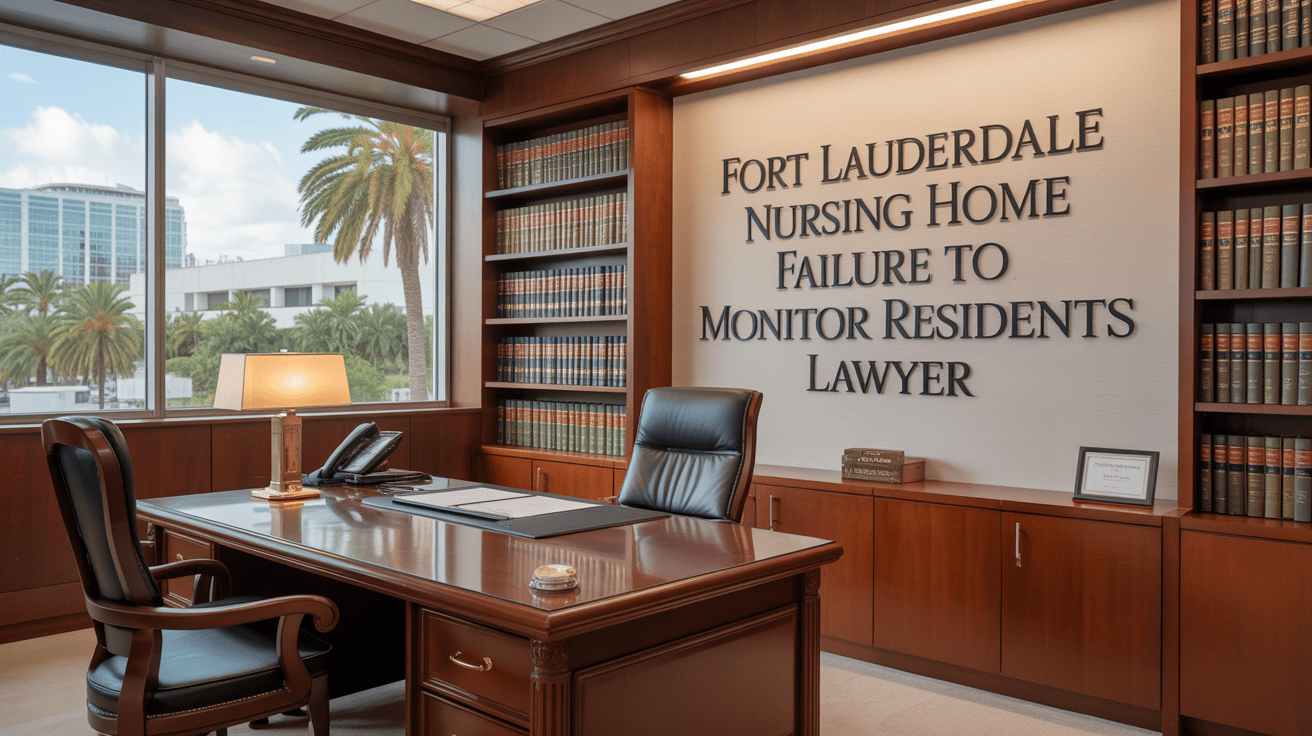
- Failure to monitor includes missed safety checks, unanswered call lights, delayed fall response, wandering incidents, and gaps in hydration or skin assessments.
- Start now: demand medical evaluation, increased supervision, and copies of care plans, incident reports, and monitoring documentation.
- Preserve proof by taking photos, noting dates and staff names, and saving records showing staffing levels, rounding logs, and communication with doctors or family.
- Choose a lawyer with proven nursing home neglect experience, clear contingency fees, a written investigation plan, and regular updates with direct access to counsel.
How We Can Help With Your Claim



From the moment you suspect a nursing home failed to properly monitor your loved one, we can step in to protect your rights and start building your case. You’ll get a team that listens, acts quickly, and keeps your loved one’s dignity at the center of every decision.
You can count on us to gather records, preserve evidence, and communicate with the facility so you don’t carry the burden alone. We’ll prepare you for Family meetings with clear talking points, compassionate guidance, and practical next steps that support safer care.
You’ll also receive help with Financial planning, including organizing medical bills, documenting out-of-pocket costs, and weighing long-term care options while your claim moves forward.
You’ll stay informed with straightforward updates, and you’ll always have a place to ask questions. When you’re ready, we’ll pursue accountability with purpose and care.
Understanding Fort Lauderdale Nursing Home Failure to Monitor Residents Cases
Once you’ve taken steps to protect your loved one and preserve evidence, it helps to understand what “failure to monitor” looks like in Fort Lauderdale nursing homes and why it happens. You’re dealing with situations where residents aren’t observed often enough to prevent harm or respond quickly when trouble starts.


You may see missed safety checks, unanswered call lights, or delayed responses after a fall, wandering episode, or medical change. You might also notice gaps in documentation that should show when staff last assessed hydration, skin condition, pain, or behavior. When staff ratios don’t match resident needs, monitoring can slip even when caregivers mean well.
Facilities may also rely on surveillance technology, but cameras and alarms only help if staff actively watch, document, and respond.
Common Causes of Fort Lauderdale Nursing Home Failure to Monitor Residents
When you suspect a Fort Lauderdale nursing home failed to monitor a resident, you’ll often trace it to understaffing, which leads to neglect and missed checks.
You may also find missed medical assessments, weak fall-prevention measures, and unanswered warning signs.
Many cases worsen because staff don’t communicate clearly or document changes, leaving you without timely intervention or a reliable record.
Understaffing And Neglect
Understaffing can set the stage for neglect in Fort Lauderdale nursing homes, and it often shows up as a simple—but dangerous—failure to monitor residents.
When staffing ratios fall short, you can’t round often enough, answer call lights quickly, or notice changes in behavior, hydration, mobility, or mood.
Overworked aides may rush transfers, skip repositioning, or miss wandering risks, even when they truly want to help.
You may also see corners cut as managers ignore care protocols, delay supervision, or assign tasks to untrained workers.
If you suspect understaffing, document patterns: long response times, repeated unattended falls, soiled linens, or residents left isolated.
You can speak up for dignity and safety—and push facilities to staff responsibly.
Missed Medical Assessments
Even if the staff seems attentive, missed medical assessments can quietly put Fort Lauderdale nursing home residents in danger because problems go unrecognized until they turn into emergencies.
You protect residents by insisting on timely vital signs checks, skin and wound reviews, medication-effect monitoring, hydration and nutrition tracking, and mental-status screenings.
When nurses skip scheduled reassessments, ignore subtle pain cues, or fail to update care plans after a change in condition, you may see infections worsen, pressure injuries deepen, or chronic illnesses destabilize.
You can spot patterns by comparing charts to actual observations and asking why gaps appear. Regular care audits help you confirm assessments occur, document who completed them, and trigger follow-up when results demand action.
If you suspect missed assessments, you should request records and escalate concerns immediately.
Inadequate Fall Prevention
Too often, inadequate fall prevention in Fort Lauderdale nursing homes signals a failure to properly monitor residents, leaving predictable hazards unchecked until someone ends up on the floor.
When you serve older adults, you expect staff to round consistently, keep call lights within reach, and respond fast when someone tries to stand. If they don’t, a resident may rise alone, slip, and suffer a preventable injury.
You also look for basic safeguards: dry floors, proper footwear, clear pathways, and bed or chair alarms used correctly.
Many falls start with environmental hazards like poor lighting, cluttered rooms, or uneven flooring. Others trace back to medication errors that cause dizziness, low blood pressure, or confusion.
When staff ignore these risks, your loved one pays the price, and accountability matters.
Poor Communication And Documentation
When nurses and aides don’t communicate clearly—and don’t document what they see—residents can fall through the cracks in ways that look like “no one was watching.” If you’re serving elders, you can’t rely on memory or hallway updates.
You need quick, consistent handoffs that flag pain, confusion, skin changes, wandering risk, and missed meals or meds.
Without clear notes, the next shift may repeat mistakes, delay care, or overlook a decline requiring a provider. Strong documentation standards keep everyone aligned on baseline status, interventions, and outcomes.
Regular communication audits help you spot patterns: vague charting, incomplete incident reports, and unreturned calls to families or physicians. When you document and speak up, you protect dignity, safety, and trust.
Legal Rights of Fort Lauderdale Nursing Home Failure to Monitor Residents: Victims
Although a nursing home may blame “unavoidable” accidents, you have clear legal rights if a Fort Lauderdale facility fails to monitor a resident and that lapse leads to harm.
Florida law and federal standards protect patient rights, and you can hold a facility accountable when it ignores basic monitoring protocols meant to prevent falls, wandering, dehydration, or pressure injuries.
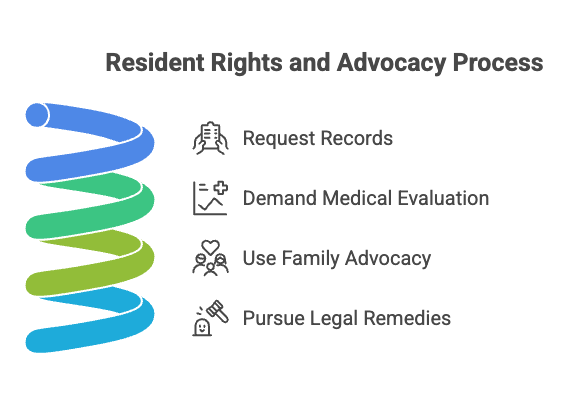
Your rights often include the ability to:
- Request records and care plans showing how staff tracked risks and responded to changes.
- Demand prompt medical evaluation and updated supervision when safety concerns appear.
- Use family advocacy to insist on honest answers, dignity, and respectful treatment.
- Pursue legal remedies for medical costs, pain and suffering, and, in severe cases, wrongful death.
You’re not just seeking compensation—you’re helping protect other residents by reinforcing standards of attentive, compassionate care and encouraging safer staffing and training.
Steps to Take After a Fort Lauderdale Nursing Home Failure to Monitor Residents
First, you need to secure the resident’s immediate safety by requesting urgent medical care and pushing for closer supervision or a safer placement.
Next, you should document the neglect and injuries by taking photos, writing down dates and staff names, and saving care plans, incident reports, and medical records.
Then, you’ll want to consult a Fort Lauderdale nursing home attorney so you can protect your rights and act quickly.
Ensure Immediate Resident Safety
After a Fort Lauderdale nursing home fails to monitor a resident, you should focus on immediate safety—remove them from danger, request prompt medical evaluation, and insist staff document and address the risk right away.
Ask where the resident will stay while staff stabilizes conditions, and request continuous supervision until the threat passes.
If there’s a fall risk, demand assistance with transfers and toileting; if wandering is possible, request secured-unit placement and frequent checks.
Call for emergency protocols when symptoms appear, and don’t accept delays in contacting a physician or EMS.
Use family advocacy to coordinate with nurses, the charge nurse, and the administrator so everyone follows the care plan.
If you can’t get timely action, arrange a hospital transfer or care at an alternative facility immediately.
Document Neglect And Injuries
Once you’ve stabilized your loved one and stopped the immediate risk, start documenting everything that shows the facility failed to monitor them and what harm followed.
Write a clear timeline: dates, times, staff on duty, call-light response delays, wandering episodes, falls, missed repositioning, or medication issues.
Save discharge papers, care plans, incident reports, and any emails or notes you receive.
Gather photographic evidence of bruises, bedsores, weight loss, unsanitary conditions, or broken safety equipment, and label each photo with the date and location.
Ask other residents, visitors, or staff for witness statements, and record what they saw in their own words.
Keep receipts for out-of-pocket costs, track symptoms daily, and store everything in one folder so you can act quickly and protect others from harm, too.
Consult Fort Lauderdale Attorney
Even if the facility promises it’ll “handle it,” you should consult a Fort Lauderdale nursing home attorney as soon as you’ve documented what happened, because essential evidence can disappear fast.
You can protect your loved one and help prevent future harm to others by acting quickly and compassionately.
Bring your notes, photos, medical records, and the names of witnesses or staff involved. Ask the lawyer to request surveillance footage, charting, incident reports, and staffing logs before they’re altered or lost.
During a Free consultation, you’ll learn whether the facts suggest negligent monitoring and what damages may apply. You should also ask about the Fee structure—contingency fees, costs, and what you’ll owe if the case doesn’t resolve.
Then you can move forward confidently and purposefully.


How a Fort Lauderdale Nursing Home Failure to Monitor Residents Lawyer Can Help You
In the wake of a preventable fall, wandering incident, medication mix-up, or missed medical decline, a Fort Lauderdale nursing home failure to monitor residents lawyer can step in quickly to protect your rights and your loved one’s safety.
You don’t have to carry this alone; you can act with purpose and compassion while holding the facility accountable.
Your attorney can support Resident safety and Family advocacy by moving fast to secure proof and stop further harm. They’ll help you document what happened, communicate with staff, and pursue fair compensation without losing sight of dignity and care.
- Obtain records, care plans, incident reports, and surveillance before they disappear.
- Identify policy gaps, staffing failures, and charting inconsistencies that show neglect.
- Coordinate with medical experts to clarify how monitoring should have occurred.
- Handle insurer calls, demand letters, and filings so you can focus on your loved one.

You’ll get clear guidance, timely updates, and a plan that puts residents first.
Long Term Effects of Fort Lauderdale Nursing Home Failure to Monitor Residents’ Injuries
When a Fort Lauderdale nursing home fails to monitor your loved one, injuries can leave long-term damage that doesn’t fade after discharge.
You may face chronic mobility limits and persistent pain, along with lasting cognitive decline that changes daily functioning.
You can also carry ongoing emotional trauma that disrupts sleep, relationships, and overall quality of life.
Chronic Mobility And Pain
Although a fall, untreated sprain, or pressure sore might look like a short-term setback, poor monitoring in a Fort Lauderdale nursing home can turn it into chronic mobility loss and persistent pain that reshapes a resident’s daily life. When staff don’t reposition, assist with transfers, or track swelling, you may experience chronic pain, muscle weakness, and fear of walking.
You can serve your loved one by spotting decline early, insisting on timely assessments, and ensuring Mobility aids fit and are used safely.
| Monitoring gap | Likely impact | How you can help |
|---|---|---|
| Missed repositioning | Stiff joints, sores | Request turn schedules |
| Delayed pain checks | Pain spikes | Ask for documented rounds |
| Unsafe transfers | Re-injury | Demand lift training |
| Ignored PT orders | Loss of strength | Track sessions weekly |
Lasting Cognitive Decline
Because an injury can quietly disrupt sleep, blood flow, and daily routines, a Fort Lauderdale nursing home’s failure to monitor it can trigger lasting cognitive decline that doesn’t reverse after the bruises fade.
When staff miss dehydration, infection, medication side effects, or repeated falls, your loved one’s brain may receive less oxygen and fewer cues to stay oriented. You might notice slower processing, confusion with time and place, and trouble following simple steps during meals or hygiene.
You can serve them best by pushing for prompt assessment, neuro checks, and a care plan that includes memory rehabilitation and daily cognitive stimulation. Ask for structured activities, hearing and vision support, pain control, and sleep tracking, then document changes.
If the facility resists or delays, you’ll need outside medical evaluation and accountability.
Ongoing Emotional Trauma
After a preventable injury goes unaddressed, your loved one may carry fear and humiliation long after the physical pain eases. You may notice withdrawal, startle responses, or sleeplessness that strain emotional resilience and make simple care tasks feel unsafe. When you step in as an advocate, you’re serving both recovery and dignity, not just comfort.
| What you may see | How can you respond |
|---|---|
| Panic during transfers | Request trauma counseling |
| Shame about hygiene needs | Restore privacy and choice |
| Anger or distrust of staff | Document concerns, escalate |
| Tension in family dynamics | Hold calm, unified updates |
| Sadness after loss of function | Support grief processing |
If you act early, you can reduce lasting distress and help your loved one rebuild trust, routine, and hope.
Proving Liability in Fort Lauderdale Nursing Home Failure to Monitor Residents Cases
Build a strong failure-to-monitor case by showing exactly how the nursing home’s lapses led to a resident’s injury. You’ll do that by lining up timelines, records, and witness accounts so the harm doesn’t look like an accident, but a preventable breakdown in care.
Start with care plans, fall-risk scores, and charting to prove what staff knew and what they should’ve done. Compare those duties to what happened during the shift in question.
Request schedules and assignment sheets to evaluate Staffing Ratios and whether aides were stretched too thin to perform required checks. Pull incident reports, call-light logs, and nurses’ notes to spot gaps, late responses, or missing rounds.
Ask for footage, door alarms, and other Surveillance Technology data to confirm movement, elopement risks, or ignored alarms. Use family observations, staff depositions, and expert review to connect policy violations to the injury and show foreseeability and causation clearly.
Compensation for Fort Lauderdale Nursing Home Failure to Monitor Residents’ Damages
Once you’ve shown how missed rounds, ignored alarms, or short staffing caused the injury, the next step focuses on what those failures cost your loved one and your family.
You can pursue damages for emergency care, hospital stays, medications, rehabilitation, and future treatment tied to falls, dehydration, infections, or wandering. You may also seek compensation for pain, suffering, disability, and loss of dignity when neglect steals comfort and independence.
If the injury necessitated a transfer, you can include increased care costs and related out-of-pocket expenses, such as medical equipment and transportation.
You’ll also account for family losses: unpaid time off work, travel, and the emotional strain of stepping in where the facility didn’t.
When Compassion fatigue and burnout drove staff to cut corners, your claim can highlight how systemic failures harmed residents. Your lawyer can document losses, demand full payment, and manage Settlement timelines while keeping your focus on compassionate advocacy.
The Statute of Limitations for Fort Lauderdale Nursing Home Failure to Monitor Residents Cases
Because waiting can cost you the right to recover compensation, you need to track Florida’s filing deadlines early in any Fort Lauderdale nursing home failure-to-monitor case. Florida often gives you limited time to file a negligence or nursing home resident-rights claim, and missing the window can end your case before it starts.
When you act promptly, you protect not only your loved one’s interests but also the safety of other residents who depend on attentive care.
Don’t assume the clock always starts on the injury date. Statute nuances can shift the start time when harm isn’t discovered right away, when records are withheld, or when a resident can’t advocate for themselves. Wrongful death claims may follow different timelines than injury claims, and pre-suit notice or administrative steps can affect scheduling.
Gather incident reports, medical notes, and witness names immediately, then calendar every deadline. Careful documentation helps you serve your family with diligence and respect.
Why You Need an Experienced Fort Lauderdale Nursing Home Failure to Monitor Residents Lawyer
Even if the facility acts apologetic after a monitoring lapse, you still need an experienced Fort Lauderdale nursing home failure-to-monitor lawyer to investigate fast, preserve evidence, and push back against insurers and corporate owners who’ll try to minimize what happened. You can’t rely on internal incident reports or promises of “retraining” when your loved one’s safety was ignored.
You’ll benefit from a lawyer who knows how to secure staffing records, charting, surveillance footage, call-light logs, and prior complaints before they disappear. You’ll also get clear guidance on documenting injuries, coordinating medical care, and communicating with administrators without risking harmful admissions.
When you’re serving an aging parent or vulnerable spouse, you need someone who protects your family’s voice in Family meetings and demands real accountability. An experienced attorney can also help you connect damages to long-term needs, support Financial planning, and pursue resources that improve care now and later.
How to Choose the Right Fort Lauderdale Nursing Home Failure to Monitor Residents Lawyer for Your Case
Sorting through lawyers after a failure-to-monitor incident can feel overwhelming, but a few concrete checks will help you choose the right Fort Lauderdale nursing home attorney for your case. Start with proven experience in nursing home neglect and ask how they’ve handled monitoring lapses, falls, wandering, or medication errors.
Schedule client interviews and notice whether you feel heard, not rushed. You’re serving your loved one best when you pick counsel who explains the next steps plainly and treats residents with dignity. Compare fee structures in writing, including costs, contingency percentages, and what happens if the case doesn’t win.
| What you should feel | What the lawyer should do |
|---|---|
| Relief | Outline a clear investigation plan |
| Respect | Speak to you with patience and care |
| Safety | Protect records and stop retaliation |
| Hope | Pursue accountability, not shortcuts |
Finally, check reviews and discipline history, and insist on regular updates and direct access to your attorney throughout.
About the Law Offices of Anidjar and Levine
Turn to the Law Offices of Anidjar and Levine when you want a Fort Lauderdale nursing home lawsuit team that moves quickly, communicates clearly, and treats your family with respect.
Choose the Law Offices of Anidjar and Levine for a Fort Lauderdale nursing home lawsuit team that acts fast, communicates clearly, and respects your family.
You’ll work with attorneys and staff who listen first, explain your options, and keep you updated without chasing answers.
When a facility fails to monitor a resident, you can’t afford delays, and you won’t get them here.
You’ll get practical help from day one: collecting records, interviewing witnesses, preserving evidence, and coordinating medical reviews so your claim is built to serve your loved one’s best interests.
You’ll also see the firm’s commitment in Client testimonials that highlight responsiveness, compassion, and steady guidance during stressful moments.
Firm awards reflect professional recognition, but your goals stay central—accountability, safer care, and meaningful compensation.
If you’re ready to act, you can call, chat, or schedule a visit and start moving forward today.
Frequently Asked Questions
What Documents Should I Request From the Nursing Home Immediately?
Request these documents right away: complete medical records, care plans, medication administration records, incident/accident reports, nursing notes, physician orders, and wound or fall assessments. Ask for staffing logs, shift schedules, and assignment sheets showing who cared for your loved one. Get communication records, including call logs and emails with family and providers.
Request facility policies, training records, and any video footage. You’ll act quickly, protect others, and preserve vital truth.
Can I Record Conversations With Staff in Florida?
In Florida, you generally can’t record conversations with staff unless everyone involved consents—Florida’s consent laws require all-party consent.
If you record secretly, you risk criminal and civil penalties, even if you’re trying to protect someone.
Ask for permission at the start and document their agreement.
Also consider privacy expectations in patient-care areas; recording there can raise additional issues.
When in doubt, consult a lawyer before recording.
How Do Medicare and Medicaid Affect My Potential Settlement?
Medicare and Medicaid can reduce what you keep because they may claim reimbursement from your settlement for care they paid for—these are crucial Medicare implications.
You’ll need to address any liens before funds get distributed. A large payout can also affect Medicaid eligibility, so you may need planning to avoid losing benefits, such as a special needs trust.
You should document expenses and coordinate with counsel to protect resources for care.
Will Filing a Complaint Trigger Retaliation Against My Loved One?
Filing a complaint shouldn’t trigger retaliation, and laws prohibit retaliation against staff, but you’ll still want to stay alert.
You can reduce risk by documenting concerns, requesting a care-plan meeting, and communicating with supervisors in writing.
Keep your loved one engaged, visit often, and note any sudden changes in mood, care, or staffing.
If you suspect pushback, escalate to the administrator and regulators.
Your steady family advocacy protects them and others, too.
What Happens if the Nursing Home Forces Arbitration Through Admission Paperwork?
If the nursing home forces binding arbitration through admission paperwork, you’ll usually resolve disputes in private, not in court, and you may limit discovery and appeals.
You can still challenge the clause if you show procedural unconscionability, like rushed signing, unequal bargaining power, or missing disclosures.
Ask for the full agreement, note who signed and when, and consult counsel to protect your loved one and serve others responsibly.
———————
When a Fort Lauderdale nursing home fails to monitor your loved one, you don’t have to handle the fallout alone.
The Law Offices of Anidjar and Levine can help you protect your rights, gather crucial records, and take action before deadlines cut off your options.
With the guidance of a Fort Lauderdale Nursing Home Abuse and Neglect Lawyer, you can build a clear case, identify liable parties, and pursue compensation for medical costs, pain, and suffering.
Don’t wait—getting help now can strengthen your claim and support your family’s recovery.


We Can Help.