




If you suspect memory care abuse in Fort Lauderdale, you need help that protects your loved one fast.
You can work with the Law Offices of Anidjar and Levine to secure records, preserve surveillance video, and interview witnesses before evidence disappears.
You’ll also get guidance on documenting injuries, pushing for safer care plans, and coordinating with doctors or relocation. If neglect, falls, medication errors, or exploitation caused harm, you can pursue compensation and accountability.
Keep going to see next steps and timelines, or learn more by speaking with a Fort Lauderdale Nursing Home Abuse and Neglect Lawyer.
Key Takeaways
- A Fort Lauderdale memory care abuse lawyer helps protect your loved one, stop harm, and guide urgent safety steps and reporting.
- They secure evidence fast by requesting records, preserving video, interviewing witnesses, and reviewing care plans and incident reports.
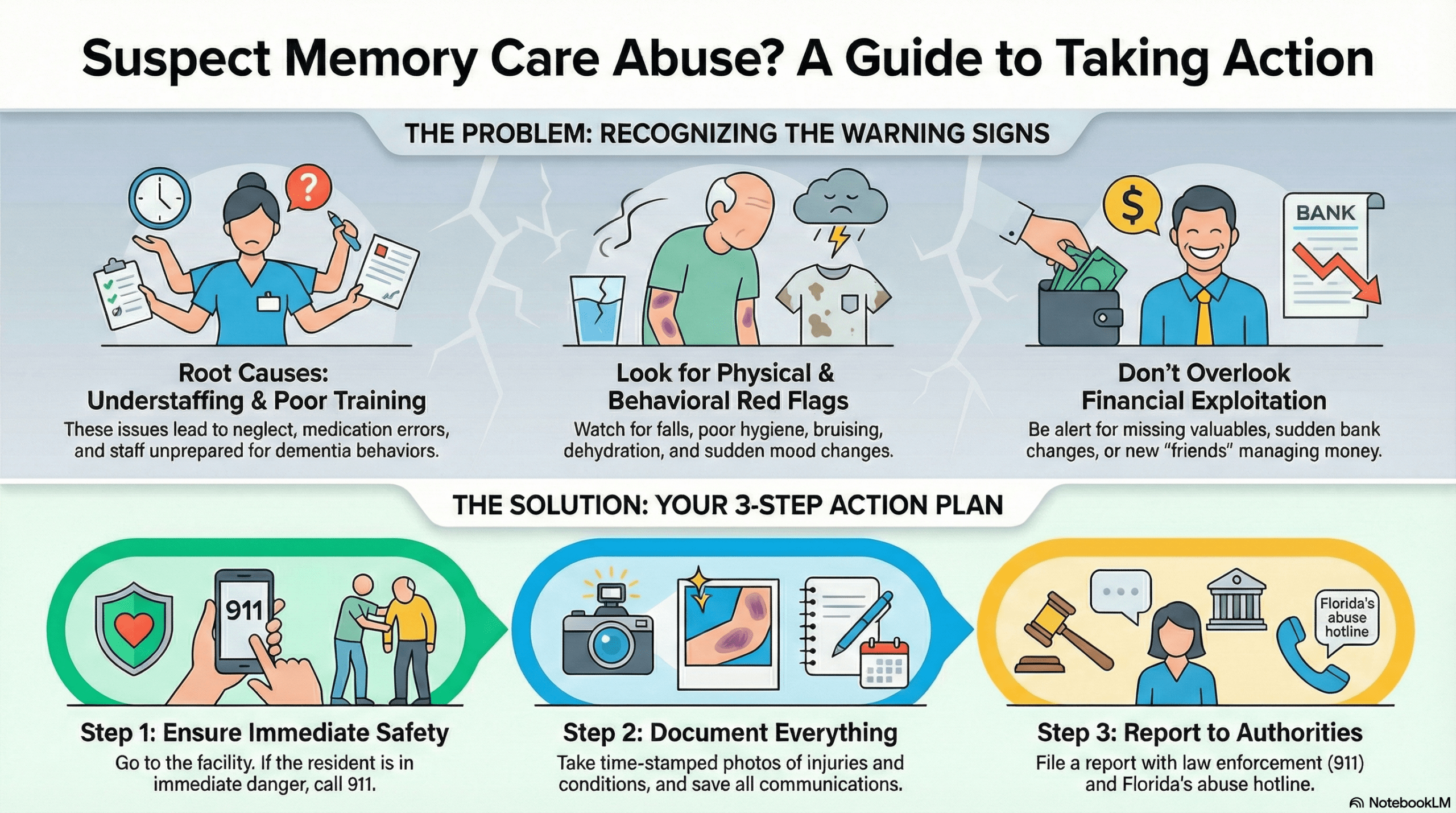
- They identify abuse and neglect signs like falls, dehydration, medication errors, poor hygiene, bruising, and sudden behavior changes.
- They handle communication with facilities and insurers, demand safe-care plans, and coordinate medical care or safer placement if needed.
- They calculate damages, file insurance claims or lawsuits, and pursue accountability for injuries, emotional distress, and related financial losses.
How We Can Help With Your Fort Lauderdale Memory Care Abuse Claim
When you suspect a loved one with dementia has been mistreated in a Fort Lauderdale memory care facility, you need a legal team that can act fast and protect them.
You’ll get practical guidance on immediate steps, from documenting injuries and changes in behavior to requesting records and preserving evidence before it disappears. You’ll also have someone to communicate with the facility and insurers so you don’t carry that burden alone.
You can expect focused patient advocacy: we coordinate with medical providers, help you arrange safer placement when needed, and press for accountability while keeping your loved one’s dignity front and center.



We gather witness statements, review care plans, and calculate losses so your claim reflects the full extent of the harm. You’ll receive clear updates and supportive family counseling so everyone stays aligned, informed, and steady. You serve your loved one best when you act quickly.
Understanding Fort Lauderdale Memory Care Abuse Cases
Understanding these cases means focusing on safety while honoring patient autonomy.
Even with impaired memory, your loved one still merits dignity, choice, and respectful communication.
You’ll often need to steer family dynamics, too—different relatives may interpret behaviors differently or disagree about next steps.
When you document changes, ask specific questions, and request care-plan updates in writing, you create a clearer picture of what’s happening.
If concerns persist, you can escalate to facility leadership and outside authorities without delay.
Common Causes of Fort Lauderdale Memory Care Abuses
You can often trace memory care abuse in Fort Lauderdale to understaffing that leads to neglect and rushed, missed care.
You’ll also see harm when facilities cut corners on training, leaving staff unprepared to handle dementia behaviors safely.
On top of that, medication mismanagement and financial exploitation risks can escalate quickly when oversight and controls are weak.
Understaffing And Neglect
Although memory care facilities promise close supervision, chronic understaffing often makes basic needs an afterthought. When staffing ratios fall short, you’ll see residents waiting too long for toileting, hydration, and repositioning, which can lead to falls, infections, and painful skin breakdown.
You may notice call lights ignored, meals left untouched, or medications delayed because one aide is covering too many people at once.
Under these pressures, caregiver burnout rises, and even well-intentioned staff can become rushed, detached, or short-tempered. Neglect isn’t always dramatic; it’s the quiet pattern of missed baths, unchanged briefs, and unanswered confusion that steals dignity.
If you serve older adults, you can honor them by identifying these warning signs early and ensuring timely care, supervision, and accountability.
Improper Staff Training


When a memory care facility skimps on training, everyday tasks can quickly turn into dangerous mistakes. You’ll see it in rough transfers, ignored cues, and escalated behaviors when staff don’t know de-escalation, dementia communication, or safe mobility techniques.
Residents who need patience and structure instead meet confusion and shortcuts, which can become abuse.
Improper training often follows high staff turnover. New hires get rushed shadowing, inconsistent instructions, or no coaching on residents’ care plans.
You can help by watching for repeated “we didn’t know” explanations, frequent falls, or sudden changes in a loved one’s mood. Facilities that serve well invest in ongoing education, clear protocols, and regular training audits to confirm skills, document competency, and correct gaps before harm occurs.

Medication Mismanagement


Poor training often shows up in the med cart, where rushed or unprepared staff can turn routine dosing into serious harm. You might see missed doses, double dosing, crushed pills given improperly, or medications swapped between residents with similar names.
When a resident has dementia, even small errors can trigger confusion, falls, bleeding, or dangerous drug interactions. You can help protect residents by insisting the facility follows clear dosage protocols, confirms identities at every pass, and documents refusals or side effects immediately.
Ask whether nurses review orders after hospital returns and whether PRN meds require specific, written criteria. Consistent medication audits catch patterns like late administration, frequent PRN use, or unexplained sedation.
If you notice a sudden decline after medication changes, you shouldn’t accept vague explanations.
Financial Exploitation Risks
Too often, memory care residents face financial exploitation because cognitive decline makes it easy for staff, visitors, or even other residents to manipulate accounts, pressure “gifts,” or quietly skim cash and valuables.
You can help by watching for sudden changes at the bank, missing jewelry, unpaid bills, or new “friends” who insist on handling money. Ask the facility about safeguards such as locked storage, spending logs, two-person checks, and limits on access to wallets, cards, and mail.
Identity theft can start with stolen documents or redirected statements, so request secure handling and prompt reporting. Be alert to calls about prizes, urgent wire requests, or investment scams pitched as “safe” opportunities.
If you suspect exploitation, document, report, and seek legal guidance fast.
Legal Rights of Fort Lauderdale Memory Care Abuse Victims
Know this: if your loved one suffers abuse or neglect in a Fort Lauderdale memory care facility, Florida law gives you clear rights to demand safety, dignity, and proper medical attention.
You can insist the facility follow care plans, prevent avoidable harm, and respect consent standards for medications, restraints, and personal care. You’re also entitled to truthful information, timely access to records you’re authorized to receive, and freedom from retaliation when you speak up in service of your loved one.
Florida law protects your loved one in memory care—demand safety, dignified treatment, proper care, and retaliation-free access to authorized records.
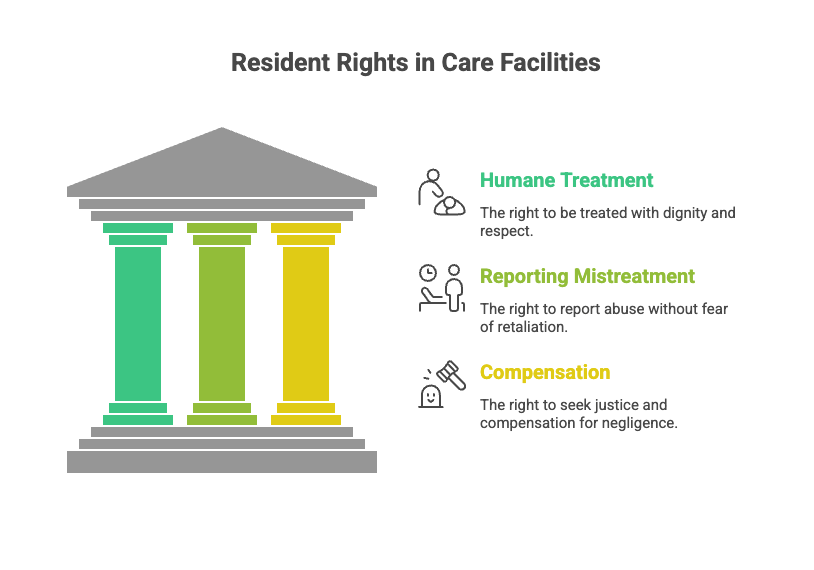
Your core legal protections include:
- The right to humane treatment, adequate supervision, nutrition, hydration, and hygiene.
- The right to report mistreatment and have complaints investigated without intimidation.
- The right to pursue compensation for injuries, pain, and wrongful death when negligence or abuse occurs.
You don’t have to stand alone—advocacy groups can help you understand resident rights and amplify your voice while you protect someone who can’t always protect themselves.
Steps to Take After a Fort Lauderdale Memory Care Abuse
If you suspect memory care abuse in Fort Lauderdale, make sure your loved one is safe right away by removing them from danger and getting medical attention.
Document everything you can, including injuries, photos, dates, names, and any facility records.
Then report the abuse promptly to the appropriate authorities so an investigation can begin.
Ensure Immediate Resident Safety
Act quickly to secure your loved one’s safety the moment you suspect memory care abuse in Fort Lauderdale. Stay calm, but act with purpose: go to the facility, request to see your family member, and remain with them until you’re confident they’re safe.
If they’re in danger, call 911 and ask for immediate medical attention to address pain, dehydration, medication issues, or untreated conditions. Speak to the charge nurse or administrator and insist on a safety plan that removes the suspected abuser from contact right away.
If the facility can’t guarantee protection, arrange emergency relocation to a hospital, a trusted respite setting, or another licensed community. Notify the on-call physician and coordinate with supportive relatives so you don’t shoulder this alone.
Keep your focus on dignity and protection.
Document Injuries And Evidence
Start gathering proof as soon as your loved one is stable, because documentation can fade fast in a memory care setting. Take calm, clear notes and keep everything dated so you can advocate with integrity and compassion.
| What to capture | How to do it |
|---|---|
| Injuries | Use photo documentation from multiple angles, with time stamps |
| Living conditions | Photograph hazards, bedding, and hygiene concerns |
| Records | Request care logs, med lists, incident notes, and billing |
| People | Collect names, roles, and schedules of involved staff |
| Accounts | Ask for witness statements from visitors and residents’ families |
Write down your loved one’s exact words, mood changes, and pain levels right after visits. Save voicemails, texts, and emails. Keep originals, back up files, and don’t edit images.
Report Abuse To Authorities
Once you’ve documented injuries, conditions, and staff details, put that information to work by reporting the suspected abuse to the proper authorities. If your loved one faces immediate danger, call 911 and involve law enforcement right away.
For non-emergency concerns, file a report with Florida’s abuse hotline and request a wellness check. Provide names, dates, photos, medical records, and witness contact information so investigators can act quickly.
You don’t have to carry this alone. Request the facility’s incident report and preserve any camera footage. If you’re a healthcare worker, remember that mandatory reporting rules may require you to notify state agencies, even when supervisors resist.
By speaking up promptly, you protect your loved one and help safeguard other residents who can’t advocate for themselves.
How a Fort Lauderdale Memory Care Abuse Lawyer Can Help You
Protect your loved one and your peace of mind by bringing in a Fort Lauderdale memory care abuse lawyer who knows how to act fast. You don’t have to carry this alone; a lawyer helps you focus on compassionate care while they handle the legal pressure and next steps after you report abuse to authorities.
They can help you:
- Secure evidence quickly by requesting records, preserving video, interviewing witnesses, and documenting injuries before details disappear.
- Improve staff communication by sending formal notices, demanding safe-care plans, and stopping intimidation or retaliation against your family.
- Support your household through referrals for family counseling, guidance on placement options, and clear updates so everyone stays connected and hopeful.

You’ll also get practical help calculating damages, preparing insurance claims, and filing a lawsuit when necessary. When you act promptly, you protect your loved one and set a standard of dignity for others in care.
Long-Term Effects of Fort Lauderdale Memory Care Abuse Injuries
When memory care abuse injures your loved one, you can face lasting physical complications that don’t heal cleanly and require ongoing treatment.
You may also see cognitive and emotional decline accelerate, leading to changes in their behavior, comfort, and independence.
On top of that, you can get stuck with chronic financial and legal burdens as medical bills rise and you fight to protect your rights.
Lasting Physical Complications
Living with injuries from memory care abuse often means facing complications that don’t fade after the bruises do. You may deal with fractures that heal poorly, pressure sores that reopen, or infections that leave lingering weakness.
Even after discharge, you might need physical rehabilitation to restore balance, strength, and safe mobility, especially if neglect caused falls or prolonged bed rest.
You can also face chronic pain from untreated injuries, nerve damage, or stiff joints, making daily tasks harder and increasing fall risk. Limited mobility may lead to muscle loss, blood clots, or breathing issues, so you’ll need consistent medical follow-up and careful care planning.
When you serve an older adult, you can document symptoms, attend appointments, and advocate for safer routines that prevent repeat harm and support lasting physical stability.
Cognitive And Emotional Decline
Although bruises and fractures may heal, abuse or neglect in a Fort Lauderdale memory care facility can speed up cognitive and emotional decline in ways that don’t easily reverse. When you’re trying to protect a vulnerable loved one, you may see new confusion, faster forgetfulness, and withdrawal after frightening incidents or ongoing isolation.
Stress hormones can disrupt sleep and attention, making memory lapses feel sharper and more constant. Without consistent memory stimulation—conversation, familiar routines, and safe engagement—your loved one can lose skills they once held.
You may also notice heightened anxiety, depression, or agitation that erodes emotional resilience and trust in caregivers. As you step in with compassion, document changes, request care-plan updates, and insist on trauma-informed support that restores dignity and steadiness.
Chronic Financial And Legal Burdens
Because abuse in a Fort Lauderdale memory care facility often triggers a cascade of complications, you can end up carrying chronic financial and legal burdens long after the physical injuries fade. You may face long-term liabilities for medical care, relocation costs, and missed work while you advocate for your loved one with compassion and steadiness. Ongoing litigation can drain savings and time, and insurance implications may include denied claims, increased premiums, or coverage disputes.
| Burden | How does it hit you |
|---|---|
| Medical/therapy bills | Out-of-pocket gaps grow |
| Facility transfer costs | New deposits, transport fees |
| Legal fees/court delays | Stress and lost wages |
| Caregiver burnout | Your health and patience suffer |
Document every expense, keep records, and seek guidance so you can keep serving well.
Proving Liability in Fort Lauderdale Memory Care Abuse Cases
When you suspect abuse in a Fort Lauderdale memory care facility, proving liability comes down to connecting the harm to a specific duty and a specific failure. You’ll identify who owed care—staff, administrators, contractors—and what standards applied under Florida regulations, facility policies, and the resident’s care plan.
Then you’ll tie the breach to the injury with timelines, medication records, incident reports, staffing logs, photos, and witness statements.
You can use burden shifting by showing missing charts, altered notes, or unexplained injuries that should’ve been documented; that pressure forces the facility to justify its conduct. You’ll often rely on expert testimony from geriatric nurses, physicians, or long-term care administrators to explain proper supervision, fall prevention, infection control, or safe medication practices.
Keep your focus on protecting vulnerable neighbors: preserve evidence promptly, request records in writing, and report concerns to the appropriate oversight agencies so your proof remains strong.
Compensation for Fort Lauderdale Memory Care Abuse Damages
Accountability often starts with fair compensation that reflects what memory care abuse has taken from your loved one. You can seek damages for medical treatment, therapy, medication changes, and the cost of moving to a safer facility. You may also pursue repayment for stolen funds or improper charges, plus the added caregiving expenses you’ve had to shoulder.
You don’t just fight for numbers—you advocate for dignity. Compensation can include pain and suffering, emotional distress, and the loss of enjoyment of life when abuse deepens confusion, fear, or withdrawal. In settlement negotiation, you can demand that the facility face the full financial impact of its failures and agree to meaningful corrective steps.
When insurers dispute harm or minimize injuries, expert testimony from physicians, geriatric specialists, or financial analysts can connect the abuse to the damage and support a fair resolution for your family and community.
The Statute of Limitations for Fort Lauderdale Memory Care Abuse Cases
Even if the signs of neglect or mistreatment surface slowly, Florida’s statute of limitations still sets a firm deadline for filing a Fort Lauderdale memory care abuse claim. If you wait too long, you may lose the chance to seek accountability and protect other vulnerable residents. You’ll want to track when the harm occurred and when you first could’ve reasonably discovered it, because Discovery deadlines can control when the clock starts and when it ends.
Certain situations can pause or extend time limits through Tolling exceptions. For example, concealment of records, delayed diagnosis, or a resident’s incapacity may affect the application of deadlines. Because these cases often involve dementia, medication changes, and shifting care teams, you should preserve notes, photos, care plans, and incident reports as soon as you suspect wrongdoing.
Acting promptly also helps you secure witness statements and facility documentation before they disappear, ensuring your efforts honor the resident’s dignity and safety for the community.
Why You Need an Experienced Fort Lauderdale Memory Care Abuse Lawyer
Meeting filing deadlines is only part of building a strong memory care abuse case in Fort Lauderdale, because facilities and insurers often move fast to control records and narratives. You need an experienced lawyer who can act immediately: send preservation letters, secure care logs and videos, interview witnesses, and work with medical experts before details disappear.
When a loved one can’t reliably speak for themselves, you must prove what happened through patterns, staffing data, and compliance failures. A seasoned attorney knows how to uncover understaffing, medication errors, and warning signs tied to caregiver burnout, then connect them to harm in a way insurers can’t dismiss.
You also need someone who can handle communications so you don’t get pressured into harmful statements or low settlements.
Experience helps you pursue accountability while protecting your family’s energy, and it can control legal costs by focusing on the evidence that moves the case forward.
How to Choose the Right Fort Lauderdale Memory Care Abuse Lawyer for Your Case
Because memory care abuse cases turn on records, timelines, and expert analysis, you should choose a Fort Lauderdale attorney who can show a track record with assisted living and nursing home claims, not just general personal injury work. Ask how they’ve handled elopement, falls, medication errors, dehydration, and neglect in secured units.
You’ll serve your loved one best by picking counsel who moves fast on evidence holds, obtains charting, staffing logs, surveillance, and EMS reports, and lines up qualified geriatric and nursing experts. Request examples of how they probe caregiver screening, supervision failures, and training gaps, and how they use facility audits and state inspection histories to prove systemic problems.
Confirm they’ll explain options plainly, return calls, and treat your family with dignity. Make sure they’re trial-ready, comfortable against insurers and operators, and clear about fees and next steps.
About the Law Offices of Anidjar and Levine
Focused on protecting vulnerable seniors, the Law Offices of Anidjar and Levine represents Fort Lauderdale families in memory care abuse and neglect claims, pursuing accountability from assisted living and nursing home operators when poor supervision, understaffing, or unsafe practices lead to harm.
You get a team that listens to your concerns, explains your options, and moves your case forward with purpose.
You’ll work with lawyers who investigate records, staffing schedules, incident reports, and care plans to show where a facility failed.
They understand how staffing retention problems, turnover, and training gaps can place residents at risk, and they use that insight to build strong demands and, when needed, file suit.
You can count on clear updates, responsive communication, and help connecting with resources that support your loved one’s safety.
Through community outreach, the firm stays engaged with local needs and reinforces a service-first approach.
You won’t face this alone; you’ll have advocates focused on dignity and prevention.
Frequently Asked Questions
What’s the Difference Between Memory Care and Assisted Living in Florida?
In Florida, memory care and assisted living differ in the specialized support you provide. Assisted living helps residents with daily tasks while encouraging independence. Memory care focuses on the needs of people with Alzheimer’s or dementia, with secure layouts, structured routines, and dementia-specific activities.
You’ll notice key differences in care during training and staffing levels: memory care typically offers more supervision and specially trained staff. If you’re serving others, you match the setting to safety and dignity.
Can I Transfer My Loved One During an Ongoing Abuse Investigation?
Yes, you can transfer your loved one during an ongoing abuse investigation, and you often should if safety’s at risk.
You can request emergency relocation through the facility, your physician, or state agencies while investigators continue their work.
Document concerns, keep medications and records, and notify the investigator of the move.
If emotions run high, you can use family mediation to align decisions and keep everyone focused on protecting them.
How Can I Verify a Memory Care Facility’s Inspection and Complaint History?
You can verify a memory care facility’s history by requesting state inspection records and complaint reports from your state health department or long-term care ombudsman.
Search online licensing portals for citations, fines, and corrective plans, and compare dates to marketing claims.
Call the agency to confirm whether issues were substantiated and resolved.
Ask the facility for its most recent surveys and policies, and speak with families to corroborate.
Document everything carefully.
Will Reporting Abuse Affect My Loved One’s Medicaid or Medicare Benefits?
Reporting abuse typically won’t affect your loved one’s Medicaid or Medicare; their benefit eligibility stays based on medical and financial rules, not whether you speak up.
You may face reporting consequences, such as a facility’s retaliation attempt or paperwork delays, but agencies can help protect services.
Document everything, keep copies of notices, and ask the caseworker to confirm coverage in writing.
Can We Recover Compensation for Stolen Personal Items or Financial Exploitation?
Yes—you can often recover compensation for financial exploitation and stolen belongings. You’ll document missing items, bank activity, and facility records, then report the theft to the administrator and law enforcement.
You can pursue restitution through insurance claims, civil lawsuits, or, when appropriate, criminal court orders. You’ll also request accountings from any caregiver with access to funds.
Acting quickly protects evidence and helps your loved one’s dignity.
——————–
You don’t have to face memory care abuse in Fort Lauderdale alone.
If you suspect neglect, physical harm, financial exploitation, or emotional mistreatment, act quickly to protect your loved one and preserve critical evidence.
Know your rights, report the abuse, and seek medical care right away.
An experienced Fort Lauderdale Nursing Home Abuse and Neglect Lawyer can investigate the facility, identify those responsible, and pursue the compensation your family deserves.
Contact the Law Offices of Anidjar and Levine to discuss your options today.


We Can Help.