
The Law Offices of Anidjar and Levine, a Florida medical malpractice delivery complications law firm, evaluates whether negligent prenatal, labor, delivery, or postnatal care caused preventable harm to a mother or child. The review may involve fetal monitoring, delayed cesarean sections, medication errors, emergency response, informed consent, and neonatal outcomes. Medical experts assess the standard of care and causation, while attorneys preserve records, identify damages, and address Florida’s notice and filing requirements. Learn more from a Florida Personal Injury Lawyer about the evidence, deadlines, and legal considerations involved in these claims.
Main Takeaways
- A Florida medical malpractice lawyer evaluates whether prenatal, labor, delivery, or postnatal care breached accepted standards.
- Attorneys investigate delayed cesareans, fetal-monitoring failures, medication errors, birth injuries, and inadequate emergency responses.
- Qualified medical experts help establish whether negligent care caused the mother’s or child’s injury, disability, or death.
- Lawyers preserve medical records, review timelines, communicate with insurers, and assess future medical and financial losses.
- Florida claims involve strict deadlines and procedural requirements, so prompt legal consultation is important.


How We Can Help With Your Florida Medical Malpractice Delivery Complications Injury Claim
A Florida medical malpractice delivery complications lawyer can help families evaluate whether negligent prenatal, labor, delivery, or postnatal care contributed to a mother’s or child’s injuries. The lawyer may organize medical records, consult qualified medical professionals, and identify questions concerning monitoring, diagnosis, informed consent, treatment, or emergency response. This review can help clarify potential legal options without guaranteeing a specific outcome.
Legal assistance may also involve communicating with healthcare providers, insurers, and other parties while preserving relevant evidence. Counsel can explain filing deadlines, required notices, and the information needed to assess damages, including medical expenses, rehabilitation, lost income, and ongoing care. Families caring for an injured loved one may benefit from guidance to reduce confusion during a difficult period.
The lawyer can distinguish a medical negligence matter from unrelated employment disputes, such as wrongful discharge or workplace harassment. Careful case preparation supports informed decisions and helps ensure that the family’s concerns receive appropriate, respectful attention throughout the claim process.
OUR CONSULTATIONSARE FREE
START YOUR FREE CASE REVIEW

Understanding Florida Medical Malpractice Delivery Complications Injury Cases
When a mother or newborn suffers harm during pregnancy, labor, delivery, or postnatal care, the circumstances may warrant review as a Florida medical malpractice delivery complications case. Such cases examine whether healthcare professionals provided care consistent with accepted standards and whether a preventable error caused injury, disability, or death.
A careful evaluation may include prenatal records, Maternal health screening documentation, fetal monitoring, delivery notes, medication records, and discharge instructions. For an injured newborn, Neonatal resuscitation outcomes and subsequent developmental evidence may help clarify the nature and extent of harm. The review generally considers medical causation, applicable standards, and the losses experienced by the child or family.
Florida law also imposes procedural requirements, including pre-suit investigation and notice obligations in many medical malpractice claims. Because deadlines and evidentiary issues can affect legal rights, families often benefit from timely guidance. A qualified attorney can coordinate appropriate medical review, help preserve records, assess damages, and pursue accountability through a respectful, service-focused process.
Common Causes of Florida Medical Malpractice Delivery Complications
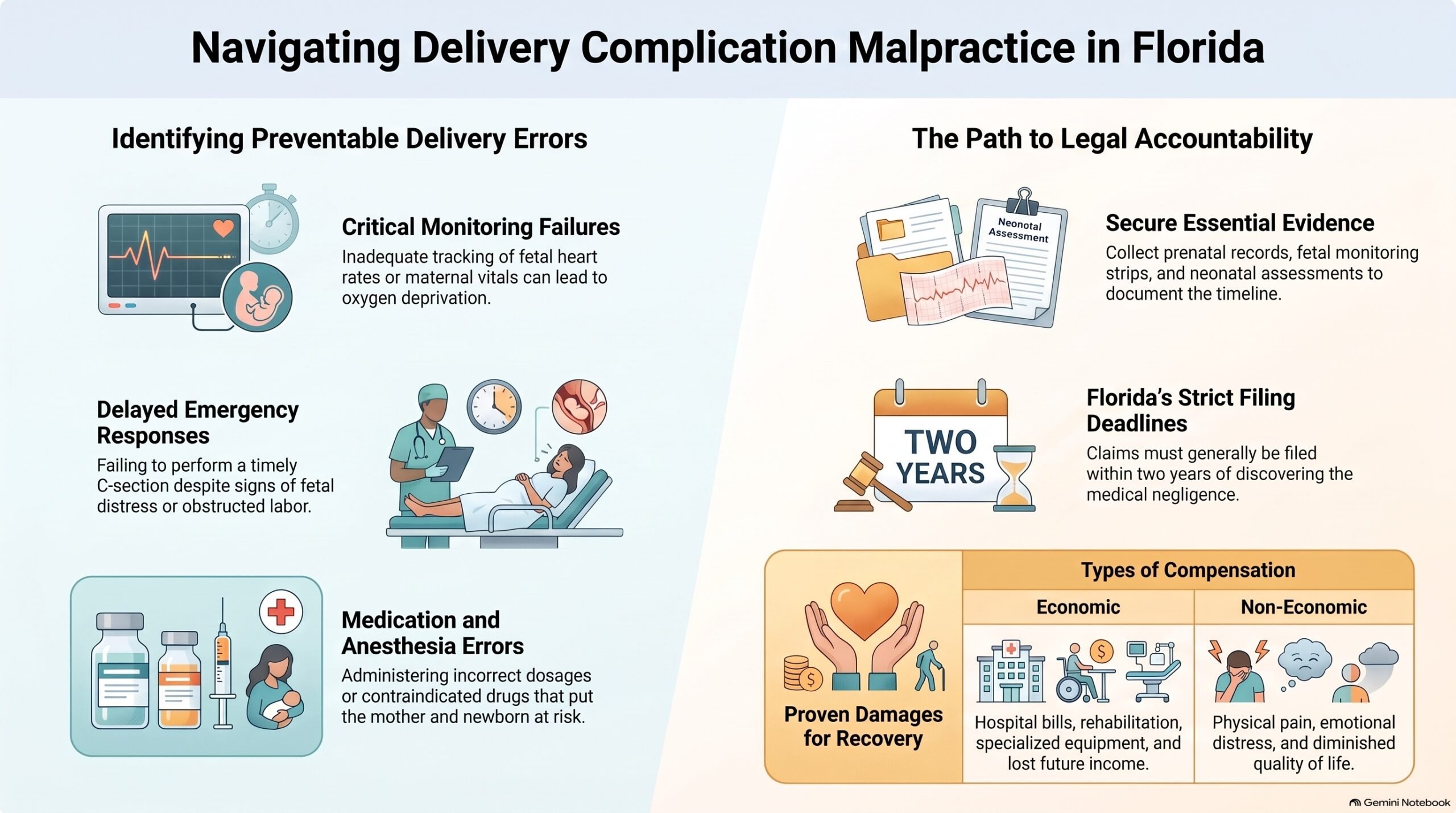
Common causes of Florida medical malpractice delivery complications may include delayed Cesarean sections, inadequate management of birth injuries, medication errors, and failures to monitor the mother or infant. Each issue can involve missed warning signs, improper decisions, or departures from accepted medical standards. A careful review of medical records and delivery procedures may help determine whether negligence contributed to the resulting harm.
Delayed Cesarean Sections
Delayed cesarean sections can cause serious harm when medical personnel fail to respond promptly to signs of fetal distress, obstructed labor, placental complications, or other urgent conditions. Timely assessment and decisive coordination may be crucial when vaginal delivery becomes unsafe. Misdiagnosed labor can cause staff to underestimate progression, overlook worsening symptoms, or postpone surgical consultation. Other contributing factors may include inadequate fetal monitoring, communication failures, unavailable operating room personnel, or failure to obtain informed consent promptly. Negligence in anesthesia may also contribute when preparation, evaluation, or administration is unreasonably delayed after a cesarean becomes necessary. A careful review generally considers medical records, monitoring strips, staffing, hospital protocols, and the timeline of clinical decisions. Such a review can help determine whether the delay departed from the accepted standard of care and caused legally recognized harm.
Birth Injury Mismanagement
Birth injury mismanagement may occur when medical providers fail to recognize, prevent, or appropriately respond to complications during labor, delivery, or the immediate postpartum period. Providers are expected to monitor fetal and maternal conditions, identify warning signs, and coordinate timely interventions when distress or trauma develops. Errors may include inadequate fetal monitoring, improper response to shoulder dystocia, unsafe delivery techniques, or failure to obtain appropriate consulting assistance. Maternal neglect can arise when reported symptoms, documented risk factors, or changing clinical findings receive insufficient attention. Wrongful labor management may also involve allowing unsafe progression, failing to reassess a developing complication, or discharging a patient without adequate evaluation and instructions. Resulting injuries can include oxygen deprivation, fractures, nerve damage, or developmental impairment. Careful documentation and independent review may clarify whether preventable mismanagement contributed.
Medication Errors
When medications are prescribed, administered, or monitored improperly during labor and delivery, the resulting complications may place both the mother and newborn at significant risk. Errors can involve incorrect dosages, contraindicated drugs, delayed treatment, or failures to recognize dangerous interactions. Misdiagnosis risks may increase when symptoms are incorrectly attributed to routine labor discomfort, leading clinicians to select inappropriate medications or overlook urgent conditions. Anesthesia mistakes, including excessive dosing, improper administration, or failure to account for allergies, can cause respiratory distress, dangerously low blood pressure, neurological injury, or impaired newborn adaptation. Other medication errors may involve inaccurate records, unclear instructions, or communication failures among providers. Hospitals and clinicians have a duty to verify orders, explain risks, and use safeguards that reduce preventable harm during childbirth.
Failure To Monitor
Beyond medication errors, inadequate monitoring during labor and delivery can prevent medical teams from recognizing maternal or fetal distress in time to respond. Effective maternal monitoring may include tracking blood pressure, oxygen saturation, contractions, temperature, and other indicators of changes in medical condition. Fetal heart rate assessments can also reveal signs of fetal distress, including sustained abnormalities that may require repositioning, additional testing, expedited delivery, or emergency intervention. Failure to perform these evaluations, document findings, or respond appropriately can increase the risk of oxygen deprivation, birth injuries, hemorrhage, or other serious complications. Monitoring responsibilities generally involve nurses, physicians, midwives, and other professionals working in tandem. When required observations are missed, or concerning results are disregarded, a qualified attorney can review the records to determine whether the care departed from accepted medical standards.
Don’t Wait. Call Our Florida Personal Injury Lawyers Now!


Legal Rights of Florida Medical Malpractice Delivery Complications Injury Victims
Florida delivery-complication injury victims may have legal rights when a healthcare provider’s negligent conduct causes preventable harm to a mother or child. Florida law may permit an injured patient or eligible family member to pursue compensation after establishing negligence, causation, and legally recognized damages. A qualified attorney can evaluate records, deadlines, and available remedies while treating each family with dignity and care.
Florida families may have legal options when negligent delivery care causes preventable harm to a mother or child.
Potential legal protections and remedies may include:
- Compensation for medical expenses, rehabilitation, and future healthcare needs
- Damages for lost income, reduced earning capacity, and necessary assistance
- Recovery for physical pain, emotional distress, or diminished quality of life
- Claims involving a child’s long-term disability or wrongful death
Patients may also have rights concerning informed consent, including disclosure of material risks and reasonable alternatives. Documentation involving labor, delivery, discharge instructions, and postpartum care can support an informed evaluation. Florida’s medical negligence statutes contain strict filing requirements and procedural conditions, so prompt legal review may preserve evidence and protect available claims. Families serving vulnerable patients can help by encouraging timely medical and legal guidance.
Why Do Florida Medical Malpractice Delivery Complications Injuries Happen?
Delivery-complication injuries may occur when a healthcare provider fails to recognize or respond appropriately to risks affecting the mother or child. Causes may include inadequate prenatal monitoring, missed warning signs, delayed treatment, or failure to follow established standards during labor and delivery. Communication failures can prevent physicians, nurses, and experts from sharing important information about fetal distress, maternal hypertension, infection, or other developing conditions.
Laboratory negligence may also contribute when test results are misread, delayed, or not communicated to the responsible provider. Medication errors, improper use of monitoring equipment, and insufficient preparation for an emergency can further increase preventable risks. During cesarean sections or other procedures, surgical tool errors, incorrect technique, or failure to account for changing conditions may cause trauma, oxygen deprivation, hemorrhage, or infection.
Not every adverse outcome establishes malpractice, because some complications arise despite appropriate care. However, injuries may warrant careful professional evaluation when they appear connected to avoidable omissions, unreasonable delays, or departures from accepted medical practices.
What Should You Do After a Florida Medical Malpractice Delivery Complications Injury?
After a suspected delivery-related medical malpractice injury, the patient or family should seek immediate medical care to address complications and protect the mother’s or child’s health. They should document symptoms, treatments, medical records, provider communications, and other relevant details. Consulting a qualified Florida medical malpractice lawyer can help evaluate the circumstances and preserve potential legal claims.
Seek Immediate Medical Care
When a delivery complication may have resulted from medical negligence, the mother or newborn should receive immediate medical care, regardless of whether the injury initially appears minor. Prompt evaluation can identify conditions that worsen without treatment and may protect both patients from additional harm. Families should recognize emergency symptoms, including difficulty breathing, seizures, unusual sleepiness, severe bleeding, persistent vomiting, fever, weakness, or changes in feeding, movement, or responsiveness. Contact the hospital immediately if any concerning symptom appears, and call emergency services when urgent transportation or life-saving assistance is necessary. A parent or caregiver should clearly explain the delivery history and current changes to medical professionals. Treatment decisions should remain focused on safety and stabilization. Medical evaluation also allows qualified providers to assess whether further monitoring, testing, or expert care is required.
Document The Complications
A thorough record of the delivery complications should begin as soon as the mother or newborn receives medical care. Clinical documentation should include discharge papers, test results, medication lists, monitoring records, and communications with healthcare providers. Copies should be requested promptly and stored securely, since records may be updated or difficult to retrieve later.
The family should maintain an incident timeline identifying the delivery date, procedures, symptoms, consultations, diagnoses, treatments, and changes in condition. Entries should use specific dates and times, distinguish observed facts from assumptions, and identify the professionals involved. Written descriptions of maternal symptoms and photographs of visible injuries may provide useful context when appropriate. Records should also track neonatal outcomes, including feeding difficulties, breathing concerns, developmental findings, hospital transfers, and continuing care. A neutral, organized account can help preserve accurate information for those evaluating the injury.
Consult A Malpractice Lawyer
Consulting a Florida medical malpractice lawyer can help a family determine whether delivery complications may have resulted from negligent medical care and whether legal action is available. Counsel can conduct a patient timeline review, examining prenatal records, labor notes, fetal monitoring, medication history, delivery decisions, and newborn treatment. This review may identify departures from accepted standards and clarify how those departures contributed to injury. Families should preserve medical records, discharge instructions, bills, photographs, and communications with healthcare providers or insurers. A lawyer can also explain Florida’s filing deadlines, consent requirements, potential damages, and the importance of obtaining qualified medical support. If an insurer denies related benefits, counsel may assist with an insurance denial appeal while separately evaluating malpractice claims. Prompt consultation helps support evidence and supports informed decisions focused on the injured patient’s needs.
Critical Evidence in a Florida Medical Malpractice Delivery Complications Injury Case
Critical evidence can establish whether negligent medical care caused delivery complications and the resulting injuries. A Florida medical malpractice case may rely on medical records, birth injury documentation, expert testimony, and evidence of damages and expenses. Each category should be collected and reviewed carefully to support a clear, legally sufficient claim.
- Medical Records: Prenatal, labor, delivery, and neonatal records may reveal treatment decisions, delays, or departures from accepted standards.
- Birth Injury Documentation: Diagnostic reports, photographs, rehabilitation records, and physician assessments can demonstrate the nature and extent of the child’s injuries.
- Expert Witness Testimony: Qualified medical experts may explain the applicable standard of care, whether it was breached, and how that breach caused harm.
- Damages and Expenses: Bills, care projections, lost-income records, and related financial documentation can support claims for past and future losses.
Medical Records
When delivery complications lead to a suspected medical malpractice claim, medical records provide the chronological evidence needed to evaluate what occurred and whether the providers met the applicable standard of care. Prenatal notes, admission records, nursing observations, medication logs, fetal monitoring strips, operative reports, and discharge summaries may reveal decisions, timing, communications, and responses to changing conditions. These materials can help qualified reviewers identify deviations from accepted practice and assess whether earlier intervention might have altered the outcome. Requests should address HIPAA compliance so information is obtained lawfully while protecting patient privacy. Record retention policies may affect how long hospitals, physicians, and other providers preserve relevant files, making prompt preservation important. Attorneys may also compare entries from multiple providers, noting inconsistencies, missing information, late additions, or unexplained alterations that warrant further investigation.
Birth Injury Documentation
Birth injury documentation builds on the medical records used to reconstruct the delivery and may provide specific evidence of the child’s condition, treatment, and long-term needs. Relevant materials can include neonatal assessments, diagnostic imaging, therapy evaluations, prescription records, developmental reports, and photographs documenting physical limitations. Parents may also preserve a timeline describing symptoms, appointments, care instructions, and changes in functioning. Postpartum communication with physicians, nurses, and insurers should be retained, including messages concerning warning signs, follow-up care, or denied services. These records may clarify when an injury became apparent and how it affected the child’s daily life. Organized documentation can support accurate damages calculations and informed insurance negotiation. Families should store originals securely, maintain dated copies, and avoid altering entries. A legal professional can help identify gaps and preserve evidence.
Expert Witness Testimony
Expert witness testimony can help explain whether a healthcare provider’s conduct during pregnancy, labor, delivery, or newborn care met the applicable medical standard of care. In a Florida medical malpractice case, a qualified physician, nurse, or expert may review records, identify departures from accepted practices, and describe how those departures may relate to a claimed delivery complication. Expert witness qualifications commonly include relevant education, clinical experience, professional licensing, and familiarity with the procedures at issue. The expert must base medical opinions on reliable evidence rather than speculation. Courtroom credibility also matters, because clear explanations, consistent reasoning, and impartial presentation can help the judge or jury evaluate competing accounts. Counsel may challenge an expert’s methods, experience, or conclusions, making careful preparation and accurate documentation important throughout the litigation process.
Damages And Expenses
Damages and expenses provide principal evidence in a Florida medical malpractice delivery complications case because they document the financial and personal consequences allegedly caused by negligent medical care. Records may include hospital invoices, rehabilitation costs, prescription receipts, equipment expenses, and projected costs for continuing treatment. Employment records and expert evaluations can establish lost income, reduced earning capacity, and the value of required caregiving. Documentation of pain, disability, emotional distress, and diminished quality of life may support noneconomic damages. When a death occurs, surviving relatives may pursue wrongful death compensation for qualifying losses, including funeral expenses and lost support. Counsel also evaluates whether punitive damages are legally available; punitive damages limits and heightened proof requirements apply under Florida law. Organized, accurate evidence helps courts assess fair recovery and supports families serving injured loved ones through difficult circumstances.
Long-Term Effects of Florida Medical Malpractice Delivery Complications Injuries
Long-term injuries from delivery complications may result in lifelong physical disabilities that require continuing care and assistance. Families may also face ongoing medical expenses, including rehabilitation, specialized equipment, and related treatment. Emotional and developmental challenges can further affect a child’s education, relationships, independence, and overall quality of life.
Lifelong Physical Disabilities
When medical negligence during delivery causes a severe birth injury, the resulting physical disability may affect movement, coordination, communication, and independent functioning for the remainder of the child’s life. Conditions such as cerebral palsy, nerve damage, and spinal injuries can limit strength, balance, mobility, or fine motor control. Some children may require assistance with daily activities, adaptive equipment, or supervision as they mature. Cerebral Palsy Care can support positioning, mobility, communication, and participation in school and community life. Birth Trauma Counseling may help the child and family address emotional challenges associated with altered abilities, dependency, and social barriers. A lasting disability can also affect education, relationships, and future independence. When negligence is suspected, careful review of medical records may clarify responsibility and protect the child’s legal interests.
Ongoing Medical Expenses
Many children with birth injuries require ongoing medical care that extends well beyond initial treatment and rehabilitation. Continuing expenses may include expert visits, prescription medications, diagnostic testing, physical equipment, home nursing, and periodic surgeries. These costs can persist for years or become permanent when injuries cause significant physical limitations. Families may need a medical bills review to identify reasonable charges, unpaid balances, and services connected to the injury. Treatment plan documentation can help establish the frequency, purpose, and expected duration of future care. A qualified attorney may consult physicians, life-care planners, and financial professionals to estimate these expenses responsibly. Accurate projections support a claim for compensation designed to preserve access to necessary treatment. Careful records also help families coordinate providers, insurers, and public benefit programs while reducing avoidable financial disruption.
Emotional And Developmental Challenges
Emotional and developmental challenges can affect children with birth injuries throughout childhood and into adulthood. Difficulties may include anxiety, reduced confidence, behavioral changes, communication problems, and challenges forming relationships. Some children experience delays in early learning development that require speech therapy, occupational therapy, specialized education, or individualized classroom support. As academic and social demands increase, previously subtle impairments may become more apparent and affect independence, employment prospects, and overall quality of life. Families may also face Postpartum mental health issues, including depression, anxiety, or trauma, particularly when complications produce ongoing caregiving responsibilities. Early evaluations, coordinated treatment, and consistent advocacy can help identify needs and promote meaningful progress. When negligent delivery care contributed to an injury, documentation of developmental assessments, counseling, educational services, and related expenses may help clarify the long-term impact.
Proving Liability in Florida Medical Malpractice Delivery Complications Injury Cases
Proving liability in a Florida medical malpractice delivery complications case requires evidence that a healthcare provider breached the accepted standard of care and that the breach caused the mother’s or child’s injuries. Attorneys typically obtain prenatal records, delivery notes, fetal monitoring strips, laboratory results, and expert opinions to determine whether clinicians responded appropriately to warning signs. The evidence must connect a specific departure, such as delayed intervention or improper medication, to a defined injury. Florida law generally requires qualified medical experts to establish the applicable standard and explain causation. A careful investigation also identifies each responsible provider, facility, and potentially relevant act or omission. Jurisdictional strategy can affect where a claim proceeds, while case filing errors may jeopardize otherwise valid rights. Although a wrongful denial may arise in related proceedings, an insurance appeal concerns coverage rather than medical negligence itself. Counsel serving injured families should preserve evidence, meet statutory deadlines, and present the facts with accuracy, compassion, and professional discipline.
Don’t Wait. Call Our Florida Personal Injury Lawyers Now!
Dealing With Insurance Companies After a Florida Medical Malpractice Delivery Complications Injury
When a delivery complication may have resulted from medical negligence, communications with insurers should be handled carefully and with a clear understanding of the claim’s legal and financial implications. A parent or injured patient may receive requests for recorded statements, medical authorizations, employment information, or detailed accounts of the event. Before responding, the individual should consider seeking legal guidance to protect their privacy and avoid making statements that could be misinterpreted.
Insurance claim denials may cite disputed causation, alleged preexisting conditions, incomplete documentation, or policy limitations. Denial letters should be preserved and reviewed promptly, as they may identify issues that require evidence or formal challenges. Insurers may also present early settlement offers before the full extent of treatment, rehabilitation, lost income, or long-term care needs is known.
Effective settlement negotiation tactics include documenting damages, organizing medical records, valuing future needs, and relying on objective expert opinions. A representative can communicate with adjusters, address unfair positions, and pursue a resolution that supports the injured family’s recovery while maintaining professional, informed advocacy throughout discussions.
What to Expect During a Florida Medical Malpractice Delivery Complications Injury Claim Process
A Florida medical malpractice delivery complications claim typically begins with an initial case evaluation to assess the facts, applicable deadlines, and potential legal issues. The process may then involve gathering medical records and other evidence, followed by a medical expert’s review of whether professional standards were violated. Depending on the evidence and negotiations, the matter may resolve through settlement or proceed to trial.
Initial Case Evaluation
During an initial case evaluation, a Florida medical malpractice delivery complications lawyer reviews the mother’s and newborn’s medical records, the course of labor and delivery, and the injuries allegedly caused by negligent care. The lawyer assesses whether the facts suggest a breach of the applicable medical standard and whether that breach plausibly caused harm. The evaluation may also address potential damages, including medical expenses, future care, lost income, and lasting impairment. A careful damages assessment helps determine whether pursuing a claim is practical and supports informed decisions about settlement timing. Counsel may explain litigation risks, applicable deadlines, and the possibility of a wrongful denial by an insurer. Early preservation of records is emphasized to protect relevant documentation. This consultation provides a structured assessment while allowing families to contemplate compassionate, responsible next steps.
Evidence Gathering Process
Because delivery-complication claims often depend on a detailed medical timeline, the evidence-gathering process typically begins with collecting prenatal, labor and delivery, neonatal, and follow-up treatment records. These documents may reveal symptoms, decisions, communications, monitoring results, and changes in the infant’s condition. Relevant hospital policies, medication records, billing materials, and electronic chart entries may also be preserved. The legal team may identify nurses, physicians, technicians, family members, and other witnesses who observed important events. A Witness statement can help document what occurred, when it occurred, and how concerns were communicated. An imaging analysis may organize existing ultrasound, MRI, CT, or other diagnostic images for comparison with written records. Prompt collection helps protect information that could become unavailable, altered, or difficult to locate later.
Medical Expert Review
When the available records suggest that a delivery complication may have resulted from medical negligence, qualified medical experts review the evidence to assess whether the care met applicable professional standards. Their Clinical Review may include prenatal records, fetal monitoring strips, medication charts, imaging, operative reports, and discharge instructions. Experts compare the providers’ decisions against accepted Negligence Standards, taking into account the circumstances known at each stage of labor and delivery. They also evaluate causation, including whether a different response could reasonably have prevented or reduced the injury. Counsel typically selects experts who satisfy relevant expert criteria and possess experience with comparable obstetric events. Experts may identify documentation gaps, conflicting entries, delayed interventions, or unclear communication requiring clarification. Their opinions help define the medical issues, identify responsible parties, and organize the claim’s factual foundation.
Settlement Or Trial
After a medical expert review, a Florida medical malpractice delivery complications claim may proceed to settlement negotiations or trial, depending on the evidence, the disputed issues, and the parties’ willingness to resolve the matter. During negotiations, counsel evaluates medical records, projected care needs, lost income, and other damages while developing a negotiation strategy that reflects the claim’s strengths and risks. The healthcare provider or insurer may accept, reject, or counter an offer. If the parties cannot reach a fair resolution, litigation continues toward trial. Trial preparation may include depositions, witness preparation, expert testimony, exhibit organization, and motions addressing admissibility or legal issues. Throughout the process, the claimant’s legal team should clearly explain developments, protect the family’s interests, and pursue accountability while respecting the need for compassionate, patient-focused service. Decisions remain with the claimant.
Compensation for Florida Medical Malpractice Delivery Complications Injury Damages
Compensation for delivery complications caused by medical malpractice may cover the child’s and mother’s past and future medical expenses, rehabilitation, lost income, diminished earning capacity, and pain and suffering. A claim may also seek funds for specialized equipment, home assistance, therapy, and continuing care when injuries require long-term support. The recoverable amount depends on medical evidence, legal liability, and the documented effect of the complications on daily life and future needs. A Liability strategy overview should identify the negligent conduct, establish that it caused the injury, and explain how the resulting losses can be supported under Florida law. Evidence checklist requirements include prenatal records, fetal monitoring strips, delivery notes, neonatal records, diagnostic studies, physician opinions, billing documentation, and testimony concerning care requirements. Attorneys serving affected families may coordinate medical and financial evaluations to present a complete claim. Prompt preservation of records and careful documentation can help protect the interests of both mother and child throughout negotiations or litigation.
Economic vs Non-Economic Damages in Florida Medical Malpractice Delivery Complications Cases
Economic damages may include medical expenses, rehabilitation costs, lost income, and future care required after delivery complications. Non-economic damages address less measurable harms, such as pain, emotional distress, disability, and diminished quality of life. Recoverable compensation is calculated by evaluating both categories, the supporting evidence, and applicable Florida medical malpractice limitations.
Economic Damages Explained
When a delivery complication results from medical negligence, the resulting damages may include both economic and non-economic losses. Economic damages represent measurable financial costs connected to the injury. They may include emergency treatment, hospitalization, medication, rehabilitation, medical equipment, and travel for necessary care. If a child sustains a lasting disability, the calculation may also address future caretaking costs, specialized education, assistive technology, home modifications, and diminished ability to earn income. Parents may document these losses through medical records, invoices, employment information, expert life-care plans, and financial projections. In wrongful death claims, recoverable economic losses can include funeral expenses, medical costs incurred before death, and the financial contributions the deceased would likely have provided. Careful documentation helps ensure that responsible parties are held accountable for verifiable harm.
Non-Economic Damages Considered
Non-economic damages address the personal consequences of a delivery-related injury that cannot be measured through bills or financial records. In Florida medical malpractice cases, these damages may reflect physical pain, emotional distress, disability, disfigurement, loss of enjoyment, and diminished quality of life. A newborn’s injury can also affect family relationships, parental responsibilities, and the child’s anticipated ability to participate in ordinary activities. When a death results from negligent obstetric care, Wrongful death claims may permit recovery for survivors’ grief, loss of companionship, and mental anguish, subject to applicable Florida law. These damages differ from punitive damages, which are intended to punish exceptionally wrongful conduct rather than compensate for personal suffering. Their availability and legal treatment depend on the facts, applicable statutes, and evidence presented in the case.
Calculating Recoverable Compensation
The value of a delivery-related medical malpractice claim is generally assessed by separating economic damages from non-economic damages. Economic damages may include past and projected medical care, rehabilitation, assistive equipment, lost income, reduced earning capacity, and costs associated with a child’s lifelong support. Reliable billing records, employment documentation, care plans, and life-care projections help establish these amounts.
Non-economic damages address pain, disability, disfigurement, emotional distress, loss of enjoyment, and diminished quality of life. Florida law may limit certain non-economic damages, depending on the defendant and the applicable circumstances, so careful legal analysis is crucial. Evidence preservation strategies should begin promptly, including securing medical records, fetal monitoring data, photographs, and witness information. Expert review timelines also matter because qualified medical and economic experts must evaluate causation, prognosis, and future losses before a demand or lawsuit is prepared.
When a Florida Medical Malpractice Delivery Complications Injury Case Goes to Trial vs Settlement
Decisions about whether a Florida medical malpractice delivery complications case proceeds to trial or resolves through settlement depend on the strength of the evidence, the extent of the child’s or mother’s injuries, and the parties’ assessment of potential liability and damages. Settlement may provide earlier financial support, greater privacy, and more predictable outcomes for families focused on long-term care. However, negotiations require a realistic valuation supported by medical records, treatment projections, and testimony concerning future needs.
A trial may be appropriate when liability remains disputed, or an insurer offers inadequate compensation. Counsel develops a trial strategy by organizing timelines, examining witnesses, and presenting medical evidence clearly. Expert credibility can greatly influence how jurors evaluate whether care met professional expectations and caused the claimed harm. Jury verdicts may produce substantial awards, but results are uncertain. Litigation risks include delay, expense, emotional strain, and unfavorable findings. Attorneys generally weigh these factors while helping families pursue accountability and preserve resources for recovery.
Florida Laws That May Affect Your Florida Medical Malpractice Delivery Complications Case
Florida medical malpractice delivery complication cases are governed by laws that affect deadlines, required pre-suit procedures, proof of negligence, and available damages. Florida law requires careful evaluation before a claim proceeds, helping restore patients and promote accountability in healthcare.
- Informed consent: Providers may face liability when material risks, alternatives, or consequences were not adequately explained before treatment.
- Medical record retention: Complete prenatal, delivery, and neonatal records can clarify decisions, timing, communications, and resulting harm.
- Expert review protocols: A qualified medical expert generally must assess whether the care departed from the applicable standard of care and caused injury.
- Statutory notice requirements: Written notice and supporting investigation steps may be required before filing suit, giving providers an opportunity to respond.
Other laws may address vicarious liability, comparative fault, caps on certain damages, and documentation of economic losses. These rules can materially affect a family’s ability to seek accountability and support future care. Counsel serving affected families should review the facts promptly and explain each procedural obligation in clear, accessible terms.
Don’t Wait. Call Our Florida Personal Injury Lawyers Now!
The Statute of Limitations for Florida Medical Malpractice Delivery Complications Injury Cases
Timely action is particularly important in Florida medical malpractice delivery complication cases because the statute of limitations can bar a claim if it is not filed within the applicable period. Florida generally requires a medical negligence action to be filed within two years after the incident is discovered, or should reasonably have been discovered. An absolute four-year statute of repose may apply, subject to limited exceptions, including concealment, misrepresentation, or fraud. Claims involving children may be subject to distinct rules, particularly when an injury occurs at birth, and those provisions require careful evaluation. The discovery rule can also raise difficult questions concerning when a parent or patient had sufficient information to recognize possible negligence. Statute deadlines may differ depending on the facts, the patient’s age, and the defendant’s conduct. Filing requirements can include pre-suit investigation and notice before a lawsuit is commenced. Because missed deadlines can permanently eliminate legal rights, records and dates should be reviewed promptly and accurately.
How a Florida Medical Malpractice Delivery Complications Lawyer Can Help You
When a delivery complication may have resulted from medical negligence, a Florida medical malpractice delivery complications lawyer can evaluate the circumstances and identify potential legal claims. The lawyer may coordinate medical record review, consult with qualified experts, and explain how professional standards apply to the care provided.
Key services may include:
- Investigating prenatal, labor, delivery, and newborn-care records
- Identifying departures from accepted medical standards
- Calculating medical costs, future care needs, and other damages
- Developing a settlement strategy or preparing for trial
Counsel can also communicate with insurers, organize evidence, and protect the family’s interests during negotiations. A lawyer will assess the essential statute governing the claim and determine how legal requirements affect available remedies. Where liability is disputed, expert testimony may clarify whether delayed treatment, medication errors, inadequate monitoring, or improper delivery techniques caused harm. By managing procedural demands and presenting a structured case, legal counsel allows families to focus on supporting the affected parent or child while pursuing accountability through appropriate legal channels.
When to Contact a Florida Medical Malpractice Delivery Complications Lawyer
Recognizing the appropriate time to consult a Florida medical malpractice delivery complications lawyer can protect a family’s ability to investigate and pursue a potential claim. Legal guidance may be appropriate when a newborn or birthing parent experiences unexpected injuries, complications, disability, or death following labor, delivery, or prenatal care. A consultation can help clarify whether the outcome may involve negligent diagnosis, treatment, monitoring, communication, or informed consent.
Families should seek advice promptly, even when medical records remain incomplete or the cause of an injury is uncertain. The Statute of Limitations and other filing requirements may restrict the time available to act, while evidence and witness recollections can become more difficult to preserve. Early contact also allows organized Client Communication with healthcare providers and insurers, reducing the risk of inconsistent statements or overlooked records.
A consultation does not necessarily require filing a lawsuit. It provides an opportunity to review known facts, identify needed documentation, and determine whether further investigation is warranted. Prompt attention supports informed decisions during a difficult period.
Why You Need an Experienced Florida Medical Malpractice Delivery Complications Lawyer
An experienced Florida medical malpractice delivery complications lawyer is essential because these claims require careful analysis of medical standards, causation, and Florida’s procedural requirements. Delivery injuries may result from intricate interactions among prenatal conditions, clinical decisions, monitoring, and emergency responses. Determining whether care departed from the applicable Medical Standard requires review of records, timelines, testimony, and accepted professional practices.
Counsel can help preserve evidence, identify responsible parties, and coordinate qualified medical experts who can explain how an error may have contributed to a child’s or parent’s harm. Proving Negligence generally requires more than showing that an unfavorable outcome occurred; the evidence must connect a specific breach to measurable injury and resulting losses. An experienced lawyer also understands notice rules, filing deadlines, damages, and other requirements that can affect the importance of a claim. By addressing these issues systematically, legal counsel helps families pursue accountability and supports the broader goal of promoting safer, more compassionate medical care.
How to Choose the Right Florida Medical Malpractice Delivery Complications Lawyer for Your Case
Selecting the right Florida medical malpractice delivery complications lawyer requires careful evaluation of the attorney’s experience, resources, and approach to complex birth injury claims. Families should examine whether counsel has handled cases involving delayed treatment, oxygen deprivation, surgical errors, or other delivery-related injuries. Experience with medical records, hospital protocols, and expert testimony can markedly affect case preparation.
A qualified lawyer should explain potential claims clearly, identify applicable deadlines, and describe how evidence will be gathered. The evaluation should also include questions about access to obstetric specialists, nurses, economists, and independent medical reviews. These professionals may help determine whether negligence caused the child’s condition and establish the extent of future care needs.
Communication is equally important. Counsel should provide realistic assessments, respond promptly, and treat the family’s concerns with respect. Prospective clients should also ask how the lawyer addresses a wrongful deposition, conflicting medical opinions, and settlement decisions. A careful selection process helps guarantee informed, compassionate representation.
About The Law Offices of Anidjar & Levine
The Law Offices of Anidjar & Levine represents individuals and families pursuing compensation for injuries arising from medical negligence, including delivery complications and birth injuries.
Its legal team reviews medical records, consults qualified professionals, and evaluates whether healthcare providers met applicable standards of care.
The firm may assist clients in understanding potential claims involving delayed treatment, inadequate monitoring, surgical errors, or failures to respond to fetal distress.
The firm’s approach emphasizes clear communication and individualized case assessment.
Attorneys explain legal options, potential challenges, and available remedies while working to protect clients’ interests throughout negotiations or litigation.
This process can help families address medical expenses, ongoing care needs, lost income, and other documented damages.
Beyond legal representation, the firm recognizes the importance of patient advocacy and access to Community resources.
By helping clients identify supportive services and preserve relevant evidence, the firm seeks to promote informed decisions and accountability.
Results depend on each case’s facts, applicable law, and available proof.

Frequently Asked Questions
Can I File a Claim if My Baby’s Injury Was Diagnosed Years After Delivery?
A claim may be possible, but eligibility depends on when the injury was discovered, when negligence reasonably should have been identified, and the child’s age. Evidence of delayed diagnosis, including medical records, expert opinions, and developmental assessments, may help establish causation and support an exception to ordinary filing deadlines. Statute limitations timing is critical in Florida, where special rules may apply to minors and birth-related injuries. A qualified attorney should review the circumstances promptly.
Can I Pursue a Claim Against a Midwife, Nurse, or Birth Center?
A claim may be pursued against a midwife, nurse, or birth center when negligent care caused a preventable injury and legal requirements are satisfied. Midwife liability may involve improper monitoring, delayed referral, or failure to respond to complications. Birth center claims can concern staff conduct, unsafe policies, or inadequate emergency transfer procedures. Records, expert review, licensing standards, and filing deadlines generally determine whether the case is viable and who may be responsible.
Does Signing a Hospital Consent Form Waive My Malpractice Rights?
Signing a hospital consent form generally does not waive malpractice rights. Implied Consent Myths often suggest that accepting treatment means accepting every possible error, but consent typically addresses known risks, not negligent care. Enforceability Limits may invalidate broad waivers, especially when language is unclear, public policy is implicated, or essential information was withheld. A patient should preserve records and seek qualified legal guidance to determine whether negligence caused injury and supports a claim.
Can Grandparents or Family Members Recover Damages in a Delivery Complications Case?
Grandparents or other relatives generally cannot recover damages merely because a delivery complication injured a child or parent. Standing for damages usually depends on legally recognized family claims and proof of specific losses, such as medical expenses, lost support, or, where permitted, severe emotional harm. If the complication results in death, eligible relatives may possess wrongful death rights under Florida law. Eligibility and recoverable damages depend on statutory relationships and case-specific evidence.
What Happens if the Negligent Healthcare Provider Has Moved Out of Florida?
If a negligent healthcare provider has moved out of Florida, the claim may still proceed, but jurisdictional challenges may arise. A court must determine whether Florida has jurisdiction over the out-of-state defendant, often based on the treatment provided, professional contacts, or harm resulting within the state. The defendant may be served through applicable interstate procedures. Because medical malpractice deadlines and procedural requirements are strict, prompt legal evaluation helps preserve evidence and protect the injured family’s rights.
—————————
Florida families affected by delivery complications may face significant medical, emotional, and financial challenges.
When negligence contributes to an injury, understanding available legal rights is essential.
A qualified Florida medical malpractice delivery complications lawyer can review medical records, identify potential breaches in the standard of care, and explain the requirements for pursuing compensation.
The Law Offices of Anidjar and Levine offer guidance throughout this process, helping injured patients and families evaluate their claims based on the specific facts of their circumstances.
For additional legal information, visit a Florida Personal Injury Lawyer.