The Law Offices of Anidjar and Levine, a Florida medical malpractice birth and obstetric injuries law firm, evaluates whether negligent prenatal, delivery, or postpartum care caused harm to a mother or child. The review may address delayed cesarean delivery, inadequate fetal monitoring, medication errors, improper instrument use, and communication failures. Medical records, monitoring strips, expert testimony, and documented damages can help establish duty, breach, causation, and compensation. Florida deadlines and pre-suit requirements also apply. For broader legal assistance, consult a Florida Personal Injury Lawyer to understand potential claims and available options.
Main Takeaways
- A Florida birth injury lawyer evaluates whether prenatal, delivery, or postpartum care departed from accepted medical standards.
- Potential claims may involve delayed C-sections, inadequate fetal monitoring, improper instruments, medication errors, or delayed diagnosis.
- Attorneys review medical records, fetal monitoring, delivery notes, expert opinions, and evidence connecting negligence to injury.
- Recoverable damages may include medical expenses, rehabilitation, future care, lost income, pain, disability, and related losses.
- Florida medical malpractice deadlines and pre-suit requirements make prompt legal evaluation important.
How We Can Help With Your Florida Medical Malpractice Birth & Obstetric Injuries Claim
When a birth or obstetric injury may have resulted from medical negligence, an experienced Florida medical malpractice attorney can investigate the circumstances and identify the parties who may be legally responsible. The attorney can begin with an initial consultation to learn about the delivery, treatment, medical history, and resulting harm. This discussion may help assess claim eligibility while explaining potential legal options and important procedural requirements.


A careful review of prenatal records, fetal monitoring, delivery notes, medication records, and hospital policies can help clarify what occurred. When appropriate, qualified medical professionals may conduct an expert review to evaluate whether the care met accepted standards and whether a breach contributed to the injury. Based on those findings, counsel can develop a case strategy focused on protecting the family’s interests and presenting reliable evidence.
The legal team may also coordinate communications, preserve relevant records, address insurer inquiries, and pursue compensation for medical care, rehabilitation, future needs, and other legally recoverable losses. Each matter receives individualized attention and informed guidance.
Understanding Florida Medical Malpractice Birth & Obstetric Injury Cases
OUR CONSULTATIONSARE FREE
START YOUR FREE CASE REVIEW

Understanding a Florida medical malpractice birth and obstetric injury case requires examining the medical care provided before, during, and immediately after delivery. The evaluation generally considers whether healthcare professionals followed accepted standards, communicated key findings, obtained informed consent, and responded appropriately to changing conditions. Medical records, fetal monitoring strips, diagnostic results, discharge instructions, and witness accounts may help establish what occurred and when.
A case may involve injuries affecting the birthing parent, the newborn, or both. Legal analysis typically addresses duty, breach, causation, and damages, while recognizing that an unfavorable outcome alone does not prove malpractice. Florida’s filing deadlines and pre-suit requirements can greatly affect a potential claim, making timely guidance important.


Families may also benefit from patient advocacy resources that clarify records, referrals, and available assistance. Postpartum support services can address recovery needs while the legal review proceeds. A careful, compassionate assessment helps preserve evidence, explain options, and identify services that support affected families throughout the process.
Don’t Wait. Call Our Florida Personal Injury Lawyers Now!
Common Causes of Florida Medical Malpractice Birth & Obstetric Injuries
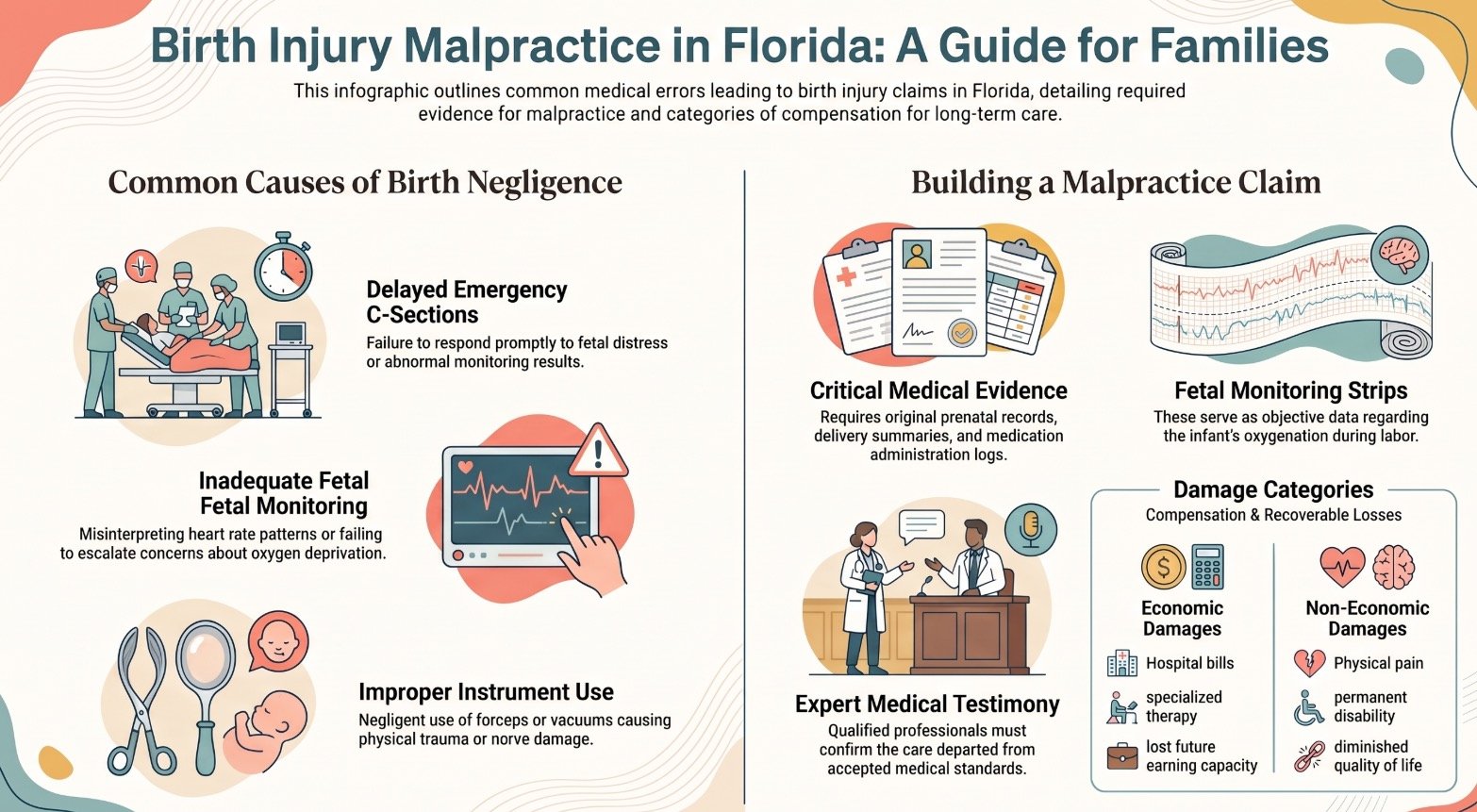
Common causes of Florida medical malpractice birth and obstetric injuries include delayed emergency C-sections, inadequate monitoring for fetal distress, and improper forceps use. Medication and anesthesia errors may also cause serious harm to the mother or newborn when providers miscalculate dosages, overlook contraindications, or fail to respond to complications. Each circumstance requires careful review of the medical records, clinical decisions, and applicable standards of care.
Delayed Emergency C-Section
A delayed emergency cesarean section may constitute medical malpractice when healthcare providers fail to recognize fetal distress, respond promptly to abnormal monitoring, or obtain timely surgical cure. Once an emergency delivery becomes medically indicated, avoidable delays in surgical preparation, anesthesia, operating-room access, or physician communication can increase risks to both patient and child. Prolonged oxygen deprivation may cause fetal hypoxia, potentially resulting in brain injury, developmental impairment, or stillbirth. Delayed intervention may also allow complications such as uterine rupture, infection, or postpartum hemorrhage to develop. Liability generally depends on whether the care team departed from accepted standards and whether that departure caused injury. Medical records, fetal monitoring strips, staffing documentation, operative reports, and expert review may help clarify the timeline, decisions, and consequences involved.
Failure To Monitor Fetal Distress
When fetal monitoring is not performed adequately, or abnormal results are not addressed promptly, healthcare providers may fail to recognize signs of fetal distress and take timely corrective action. Continuous or appropriately scheduled assessment can reveal changes in fetal heart rate, oxygenation, or uterine activity that require evaluation. Nurses, physicians, and other staff must interpret findings accurately, document developments, and escalate concerns without unnecessary delay. Communication failures between team members may prevent vital information from reaching the provider responsible for intervention. In some cases, staffing shortages, inadequate training, equipment problems, or failure to follow established protocols contribute to missed warning signs. Maternal advocacy can support questions and requests for clarification, but it cannot replace competent clinical monitoring. When inadequate surveillance causes preventable harm, affected families may seek legal guidance regarding potential medical negligence.
Improper Use Of Forceps
Improper use of forceps may cause preventable birth injuries when the instrument is applied without adequate assessment of fetal position, station, pelvic dimensions, or cervical dilation. Excessive traction, repeated attempts, improper placement, or use despite an obstructed delivery can contribute to facial injuries, skull fractures, nerve damage, bleeding, and oxygen deprivation. Providers generally must evaluate whether operative delivery is appropriate, obtain informed consent when circumstances permit, and stop when safe progress is not achieved. A careful review may examine fetal monitoring, examination findings, forceps selection, application technique, timing, and the decision to continue or abandon the procedure. Evidence of birth injury can include medical records, imaging, photographs, and expert opinions. A hospital negligence analysis may also consider supervision, staffing, training, and adherence to accepted obstetric standards.
Medication And Anesthesia Errors
Medication and anesthesia errors may cause preventable birth injuries when drugs are selected, dosed, administered, or monitored improperly during labor, delivery, or neonatal care. Medication dosing errors can involve incorrect amounts of oxytocin, antibiotics, anticoagulants, or emergency medications, potentially causing oxygen deprivation, bleeding, seizures, or other complications. Anesthesia dosage mistakes may result in inadequate pain control, excessive sedation, maternal respiratory distress, or reduced oxygen reaching the fetus. Errors can also arise from overlooked allergies, drug interactions, incomplete medical histories, confusing labels, or failures to monitor essential signs and fetal responses. Healthcare professionals are expected to verify orders, calculate doses carefully, communicate changes, and respond promptly to adverse effects. When negligence contributes to injury, affected families may seek experienced legal guidance to evaluate records and protect the child’s interests.
Legal Rights of Florida Medical Malpractice Birth & Obstetric Injury Victims
Florida victims of medical malpractice resulting in birth or obstetric injuries may have the right to seek compensation when negligent prenatal care, labor management, delivery, or postpartum treatment causes harm to the mother or child. Florida law generally requires proof that a healthcare provider violated applicable medical negligence standards and that the violation caused legally recognizable damages. An attorney can review records, consult qualified experts, and explain deadlines that affect a potential claim.
Florida medical malpractice claims may arise when negligent prenatal, delivery, or postpartum care causes birth or obstetric injuries.
Victims may pursue damages for medical care, rehabilitation, lost income, pain, disability, and other documented losses. Important rights may include:
- Compensation eligibility based on causation and damages
- Access to relevant medical records and expert review
- Notice and filing protections under Florida law
- Claims involving hospital accountability or individual providers
Patient consent does not excuse negligent treatment, incomplete disclosure, or departures from accepted care. Families may also seek guidance concerning a child’s future medical and support needs. Prompt legal consultation can help preserve evidence and support informed decisions while respecting the family’s need for compassionate assistance.
Why Do Florida Medical Malpractice Birth & Obstetric Injuries Happen?
Birth and obstetric injuries may occur when a healthcare provider fails to recognize risks, respond to complications, or provide treatment consistent with accepted medical standards. Common causes include delayed diagnosis, inadequate fetal monitoring, medication errors, and failure to perform a timely cesarean delivery when circumstances require one. Injuries may also result from improper use of forceps or vacuum devices, insufficient assessment of maternal health conditions, or failure to follow established protocols.
Communication failures can contribute when physicians, nurses, and other providers do not accurately share changes in a patient’s condition, test results, or treatment needs. Staffing problems, inadequate supervision, and incomplete medical records may further increase risks. Consent also remains important. Patients should generally receive clear information about proposed procedures, material risks, alternatives, and potential consequences. When providers omit that information or proceed without valid consent, preventable harm and legal concerns may arise. Each case requires careful review of the medical facts and applicable standards.
What Should You Do After a Florida Medical Malpractice Birth & Obstetric Injury?
After a suspected birth or obstetric injury, the patient and family should seek immediate medical care to address urgent conditions and establish appropriate treatment. They should document symptoms, diagnoses, treatments, medical records, and related expenses as evidence of the injury’s effects. Consulting a qualified Florida birth injury lawyer can help assess potential malpractice and explain available legal options.
Seek Immediate Medical Care
Prompt medical evaluation should be obtained whenever a mother or newborn shows signs of a possible birth or obstetric injury, even if the symptoms initially appear minor. A qualified clinician can assess the condition, identify complications, and provide treatment before harm progresses. Concerning maternal symptoms may include severe bleeding, escalating pain, fever, breathing difficulty, chest pain, fainting, seizures, or sudden weakness. Newborn warning signs include breathing problems, poor feeding, unusual sleepiness, seizures, persistent vomiting, fever, or changes in color or movement. Families and caregivers should follow postpartum safety plans and seek emergency assistance when symptoms are severe or rapidly worsening. Warning signs recognition is especially important after a difficult delivery, delayed treatment, medication concern, or unexpected change in the mother’s or infant’s condition. Never postpone medical guidance to wait for improvement.
Document the Injury
When a mother or newborn may have suffered an injury related to medical care, timely documentation can help preserve important medical and legal information. A responsible caregiver should create a Document injury timeline beginning with labor, delivery, treatment, discharge, and any later evaluations. The record should include dates, times, healthcare providers, procedures, medications, instructions, and observed changes. Parents or relatives should list symptoms progression carefully, noting feeding difficulties, breathing changes, unusual movements, developmental concerns, pain, or other abnormalities. Retain photographs, discharge papers, appointment summaries, prescriptions, and written communications in an organized, secure file. Records should remain factual and avoid speculation about causes. Medical providers should receive accurate updates, while copies of relevant materials should be preserved without altering original documents or deleting electronic messages.
Consult a Birth Injury Lawyer
Consulting a Florida birth injury lawyer can help a family evaluate whether medical care during pregnancy, labor, delivery, or postnatal treatment may have failed to meet the applicable standard of care. A lawyer can review medical records, identify potential departures from accepted practice, and explain whether an investigation or claim may be appropriate. Families should provide prenatal records, delivery notes, imaging, billing documents, and a timeline of symptoms and diagnoses. Counsel may also assess Patient consent laws, including whether material risks, alternatives, and procedures were adequately explained. Prenatal care disparities can provide important context, although they do not alone establish negligence. Prompt legal guidance can preserve evidence, clarify filing deadlines, and connect families with qualified medical reviewers. This process supports informed decisions and helps protect the child’s long-term interests.
Critical Evidence in a Florida Medical Malpractice Birth & Obstetric Injuries Case
Critical evidence can establish what occurred during labor, delivery, and the newborn’s subsequent treatment, while helping clarify whether medical negligence contributed to the injury.
Primary sources may include:
- Medical records
- Fetal monitoring strips
- Expert medical testimony
- Birth injury documentation
Together, these materials can support a careful evaluation of causation, the applicable standard of care, and the extent of resulting harm.
Medical Records
Medical records often provide the most objective evidence in a Florida medical malpractice birth or obstetric injury case, documenting the care provided before, during, and after delivery. Prenatal visits, admission notes, consent forms, medication records, delivery summaries, nursing observations, and discharge documents may help establish what providers knew and which decisions they made. Errors, omissions, delayed entries, or inconsistencies can raise important questions about compliance with accepted standards of care. The records should be preserved in their original form, with a clear Chain of custody identifying when documents were created, stored, transferred, or amended. Qualified counsel may obtain certified copies and seek expert review to assess whether the documented treatment caused or contributed to the child’s or mother’s injuries. These materials can support accountability and informed service to affected families.
Fetal Monitoring Strips
When fetal monitoring strips are preserved accurately, they may provide important evidence about the fetus’s condition and the clinical team’s response during labor and delivery. These records can show heart-rate patterns, changes associated with contractions, and periods suggesting reduced oxygenation. They may also document whether monitoring was continuous, whether staff recognized concerning patterns, and how promptly they responded. In a Florida birth-injury case, the strips can be compared with nursing notes, medication records, delivery times, and neonatal findings to clarify the sequence of events. Missing, altered, or incomplete recordings may limit evaluation of possible maternal negligence. Properly maintained strips can help establish whether delays or inadequate responses contributed to infant trauma. Their preservation also supports a transparent review that respects affected families and promotes accountability in obstetric care.
Expert Medical Testimony
In a Florida medical malpractice birth-injury case, expert medical testimony can help explain whether the care provided during pregnancy, labor, delivery, or the immediate newborn period met accepted professional standards. Qualified obstetricians, maternal-fetal experts, neonatologists, or other appropriate professionals may evaluate the circumstances and identify departures from reasonable medical practice. Their opinions can address whether a provider recognized warning signs, responded appropriately, and acted within applicable necessary standards of care. Expert review may also explain medical causation, including whether a claimed injury was more likely than not connected to negligent treatment rather than an unavoidable complication. Because jurors may lack specialized medical knowledge, clear testimony can provide critical context and assist fair decision-making. Counsel may also consider relevant professional qualifications during jury selection when reviewing potential understanding and impartiality.
Birth Injury Documentation
Careful documentation can be critical in evaluating a suspected birth injury and determining whether negligent care contributed to the child’s condition. Medical records may reveal changes in fetal heart rate, medication timing, delivery decisions, resuscitation efforts, and provider communications. Accurate obstetric charting can help establish a timeline and identify whether staff recognized warning signs, followed appropriate procedures, and responded within a reasonable period.
Additional evidence may include nursing notes, laboratory results, imaging studies, discharge summaries, and follow-up treatment records. Hospital protocol reviews can clarify the standards applicable to monitoring, emergency intervention, and newborn assessment. Preserving these materials promptly helps prevent gaps or alterations that could obscure important facts. A qualified medical professional and legal team may compare the documentation with accepted practices, helping families pursue accountability and necessary support.
Don’t Wait. Call Our Florida Personal Injury Lawyers Now!
Long-Term Effects of Florida Medical Malpractice Birth & Obstetric Injuries
Birth and obstetric injuries linked to medical malpractice may produce developmental delays that affect learning, communication, mobility, and independence. Some children require lifelong medical care, therapy, assistive devices, or specialist education, creating substantial and continuing expenses. These demands can also place significant emotional and financial strain on the child and family, particularly when long-term support is uncertain.
Developmental Delays
When medical negligence during pregnancy, labor, or delivery disrupts oxygen or blood flow to the brain, a child may later experience developmental delays affecting speech, movement, learning, behavior, or social interaction. These concerns may emerge gradually, making consistent observation and evaluation important. Neonatal developmental screening can identify early warning signs and help clinicians compare progress with expected milestones. If delays are documented, families may pursue coordinated therapies, educational accommodations, and other services designed to strengthen communication, mobility, cognition, and daily functioning. Long-term neurodevelopmental support can provide structured guidance as abilities and challenges become clearer over time. Medical records, screening results, and professional assessments may also help establish whether preventable errors contributed to the child’s condition. Legal counsel can review these materials and explain available options for accountability and assistance.
Lifelong Medical Needs
Lifelong medical needs may arise when preventable oxygen deprivation, physical trauma, infection, or delayed treatment during pregnancy, labor, or delivery causes lasting injury. Depending on the condition, a child may require ongoing neurological evaluations, rehabilitation, mobility assistance, communication therapy, customized equipment, or prescription management. Long-term care can coordinate these services across changing stages of development and adulthood. Families may also need disability planning to address future treatment, education, housing, transportation, and personal assistance needs. Documented medical bills can include hospital care, surgeries, therapy, assistive devices, and routine monitoring over many years. Caregiver support may be necessary when an individual cannot safely perform daily activities on their own. A qualified Florida medical malpractice attorney can help identify responsible parties and pursue compensation intended to support medically necessary care throughout the individual’s lifetime.
Emotional And Financial Strain
The long-term effects of preventable birth injuries can place substantial emotional and financial strain on both the injured individual and the family. Ongoing therapy, assistive equipment, home modifications, and lost earning capacity may create expenses that persist throughout adulthood. Parents or caregivers may also reduce work hours or leave employment to coordinate medical appointments and provide daily assistance. Financial hardship planning can help families evaluate public benefits, insurance coverage, structured settlements, and future care costs. Emotional recovery support is equally important because grief, anxiety, frustration, and caregiver exhaustion can affect family relationships and decision-making. Counseling, support groups, and coordinated social services may strengthen coping skills and reduce isolation. A qualified legal professional can help preserve evidence, assess damages, and pursue compensation intended to support stability, dignity, and long-term care.
Proving Liability in Florida Medical Malpractice Birth & Obstetric Injuries
Establishing liability in a Florida medical malpractice birth injury case requires evidence that a healthcare provider violated the accepted standard of care and that the violation caused harm to the mother or child. Attorneys typically examine prenatal records, fetal monitoring strips, imaging, medication histories, delivery notes, and neonatal documentation to identify preventable errors. To prove medical causation, you must connect the alleged negligence to a specific injury, such as oxygen deprivation, nerve damage, infection, or maternal hemorrhage. Because birth outcomes may involve intricate medical factors, an expert testimony strategy is often essential. Qualified obstetricians, nurses, neonatologists, or other experts can explain what competent care required, how the provider’s conduct departed from that standard, and why the injury probably resulted. Evidence may also include witness accounts, hospital policies, and timelines showing delayed assessment or treatment. A careful investigation helps protect families and promotes accountability while distinguishing negligence from unavoidable complications or recognized risks. Florida law also imposes procedural requirements, including pre-suit investigation and timely filing, which counsel must address.
Dealing With Insurance Companies After a Florida Medical Malpractice Birth & Obstetric Injuries Injury
After a Florida medical malpractice birth injury, insurance companies may seek early statements, medical authorizations, or settlement discussions before the full extent of the child’s or mother’s injuries is known. Families serving an injured child should approach these contacts cautiously, because casual remarks may be interpreted as admissions or used to minimize damages. A representative may request complete records, employment information, or access to unrelated medical history. Review such requests before signing or releasing anything.
Effective communication strategies include keeping discussions factual, avoiding speculation, documenting every contact, and directing substantive questions to qualified legal counsel. Negotiation tactics may address medical expenses, rehabilitation, future care, lost income, and the effects of permanent impairment. Insurers may present an early offer that does not reflect long-term needs. Carefully evaluating available evidence and projected costs helps protect the family’s interests. Counsel can also manage communications while families focus on the child’s care and recovery.
What to Expect During a Florida Medical Malpractice Birth & Obstetric Injuries Claim Process
A Florida birth-injury claim typically begins with an initial case evaluation to assess the facts, potential negligence, and applicable legal requirements. Medical record review then helps establish the standard of care and the connection between the alleged negligence and the injury, while settlement negotiations may resolve the matter without litigation. If no appropriate settlement is reached, trial preparation involves developing evidence, consulting qualified experts, and presenting the claim in court.
Initial Case Evaluation
During an initial case evaluation, a Florida medical malpractice attorney reviews the circumstances surrounding the birth or obstetric injury to determine whether the available facts may support a negligence claim. The discussion generally covers client intake details, including the pregnancy history, delivery events, reported injuries, diagnoses, treatment, and resulting care needs. The attorney may ask when concerns arose, which professionals participated, and how the injury has affected the child or parent. Attorney investigation steps can include identifying potential defendants, confirming applicable deadlines, examining causation issues, and considering whether qualified medical testimony may be required. The evaluation also addresses practical concerns, such as family priorities, potential costs, and the anticipated claim process. No outcome is guaranteed, but a careful assessment helps determine whether further investigation is appropriate and how to support the family.
Medical Record Review
Medical record review is crucial to evaluating a Florida birth or obstetric injury claim because the records provide primary evidence of what occurred before, during, and after delivery. Attorneys and qualified medical professionals examine prenatal notes, fetal monitoring strips, medication records, imaging, operative reports, discharge summaries, and follow-up documentation. The review may identify signs of a pelvic injury, delayed treatment, inadequate monitoring, or departures from accepted medical standards. It also compares entries from different providers to detect documentation errors, missing information, or unexplained changes. Patient communication records can show whether providers clearly addressed risks, symptoms, and treatment options. The review may also reveal consent violations when procedures or interventions lack adequate authorization. This organized analysis helps clarify causation, damages, and responsible parties.
Settlement Negotiations
Once the medical record review clarifies the facts, settlement negotiations may begin with the responsible provider, insurer, or defense counsel. The claimant’s legal representative typically presents a demand supported by medical evidence, liability analysis, documented losses, and projections for future care. Why settlement strategy matters becomes clear when evaluating both immediate needs and long-term consequences of a birth injury. Discussions may cover medical expenses, rehabilitation, lost earning capacity, pain, disability, and the child’s ongoing support needs. Negotiating compensation terms also requires examining insurance limits, payment structures, confidentiality provisions, and releases of liability. Review each proposal carefully, especially when future treatment remains uncertain. A settlement may provide timely resources and greater predictability, but accept it only after an informed evaluation of its adequacy and lasting effects.
Trial Preparation
If settlement efforts do not resolve the dispute, trial preparation focuses on organizing evidence, identifying witnesses, and developing a clear presentation of liability and damages. Case strategy meetings help the legal team evaluate medical records, expert opinions, fetal monitoring, delivery documentation, and testimony from treating professionals. Counsel may prepare the parent or guardian for deposition and trial testimony by explaining procedures, likely questions, and the importance of accurate, consistent answers. Experts commonly address whether providers followed accepted standards and whether any departure caused injury. Attorneys also calculate past and future medical care, rehabilitation, lost opportunities, and other recoverable losses. Before trial, both sides complete jury selection steps, exchange exhibits, file motions, and establish courtroom procedures. This preparation supports a focused presentation that seeks accountability and resources for the child’s needs.
Compensation for Florida Medical Malpractice Birth & Obstetric Injury Damages
When negligent prenatal care, labor management, delivery, or postnatal treatment causes harm, a Florida medical malpractice claim may allow the injured patient or child to seek compensation for legally recognized damages. Recovery may address the consequences of preventable medical errors affecting the mother, newborn, or both. Depending on the evidence, a claim may involve physical impairment, developmental limitations, emotional suffering, or the loss of a parent’s support and companionship. Wrongful birth claims may arise when negligent counseling or testing deprives parents of material information needed for reproductive decisions. In prenatal injury cases, medical records, expert opinions, and causation evidence help establish whether a provider’s conduct caused the claimed harm. Florida law also imposes procedural requirements, including pre-suit investigation and timely filing. An experienced attorney can protect the family’s interests, coordinate qualified medical review, and pursue an outcome focused on long-term care, dignity, and accountability. Each case requires individualized evaluation because damages depend on the injury and its consequences.
Economic vs Non-Economic Damages in Florida Medical Malpractice Birth & Obstetric Injuries Cases
Florida medical malpractice birth and obstetric injury claims may include economic damages for medical care, rehabilitation, lost income, and other measurable financial losses. Non-economic damages may address pain, suffering, disability, emotional distress, and diminished quality of life. Because Florida damage limits and statutory requirements may affect recovery, courts must carefully evaluate applicable restrictions in each case.
Economic Damages
Economic damages in a Florida medical malpractice birth or obstetric injury claim compensate for measurable financial losses caused by the negligent care. These losses may include emergency treatment, hospitalization, surgery, rehabilitation, prescription medication, medical equipment, and necessary follow-up services. An economic damages calculation generally examines invoices, employment records, insurance payments, and expert assessments to determine amounts already incurred and reasonably expected. When an injury requires continuing assistance, future medical costs may include consultant visits, therapies, assistive devices, home modifications, attendant care, and anticipated procedures. Lost income can also be recoverable when a parent misses work to provide necessary care or when an injured child later experiences reduced earning capacity. Attorneys and medical experts commonly organize this evidence to present a well-supported financial claim that promotes accountability and helps fund necessary care.
Non-Economic Damages
Non-economic damages address the personal effects of a birth or obstetric injury that cannot be measured through bills or income records. This overview of non-economic damages includes physical pain, disability, disfigurement, loss of enjoyment of life, and diminished quality of life. For an injured child, the assessment may consider lasting limitations, developmental challenges, and the need to cope with altered abilities. A parent may also experience grief, anxiety, loss of companionship, or disruption of the expected family relationship. Emotional trauma compensation can recognize psychological harm resulting from negligent care, including fear, depression, and post-traumatic stress. These damages differ from economic losses because they do not depend on documented expenses or wages. Evidence may include medical opinions, therapy records, caregiver testimony, and accounts describing daily consequences.
Florida Damage Limits
Although Florida law does not impose a single universal cap on every medical malpractice award, statutory limits may affect certain non-economic damages in qualifying cases. Economic damages generally cover documented medical treatment, rehabilitation, lost earnings, and future care, while non-economic damages address pain, suffering, disability, and loss of enjoyment of life. Review applicable statutes and current court decisions because caps and exceptions can depend on the defendant’s status and claim type. Families should also compare wrongful death damages, which may include survivors’ losses and estate-related expenses, with damages available to an injured child or parent. A liability waiver impacts consent and contractual defenses but cannot automatically excuse negligent medical care. Separately, hospital reporting duties may create records relevant to liability, although compliance with reporting duties does not itself establish damages.
Don’t Wait. Call Our Florida Personal Injury Lawyers Now!
When a Florida Medical Malpractice Birth & Obstetric Injury Case Goes to Trial vs Settlement
A Florida medical malpractice birth or obstetric injury case may resolve through settlement or proceed to trial, depending on the strength of the evidence, the parties’ willingness to negotiate, and the extent of the child’s or mother’s injuries. Settlement can provide greater predictability, reduce litigation stress, and deliver compensation without requiring testimony in open court. It may also support timely access to medical care, rehabilitation, equipment, and other services. However, negotiations may require extensive records, expert opinions, and careful valuation of future needs. Payout timelines vary because approval, documentation, and payment processing can take additional time.
Trial may become necessary when liability or damages remain disputed, settlement offers are inadequate, or a jury must evaluate the evidence. Evidence challenges can include incomplete records, conflicting expert testimony, and uncertainty about causation. A trial may produce a larger award, but it also involves delay, expense, and no guaranteed outcome. Experienced counsel can assess both paths while protecting the injured family’s interests.
Florida Laws That May Affect Your Florida Medical Malpractice Birth & Obstetric Injury Case
Florida law can greatly affect how a birth or obstetric injury claim is evaluated, negotiated, and litigated. The Florida Statutes establish duties, damage rules, evidentiary standards, and procedural requirements that may influence whether a healthcare provider or facility is legally responsible. A careful review can help identify issues affecting families and support fair accountability.
Florida law shapes birth injury claims by defining duties, evidence, liability, procedures, and potential compensation for affected families.
- Medical standards guide whether care departed from accepted obstetric practice.
- Expert requirements may require qualified testimony to explain negligence and causation.
- Preemption rules can limit or displace certain state-law claims involving federal regulation.
- Vicarious-liability principles may determine whether hospitals answer for employees or agents.
Other laws may address informed consent, agency relationships, comparative fault, and available damages. Their application depends on the facts, the providers involved, and the injury’s alleged cause. Because these rules can materially affect a child’s or parent’s ability to obtain meaningful relief, counsel commonly evaluates records, policies, testimony, and applicable authorities carefully. This analysis also helps guarantee that advocacy remains accurate, responsible, and focused on serving affected families.
The Statute of Limitations for Florida Medical Malpractice Birth & Obstetric Injuries Cases
When a birth or obstetric injury claim must be filed is governed by Florida’s medical malpractice statute of limitations, which generally requires legal action within a specified period after the alleged negligence is discovered or reasonably should have been discovered. Florida law also imposes special rules for minors, including provisions that may extend the filing period when an injury occurs during delivery or involves a child. However, these exceptions are limited and do not eliminate the need for timely evaluation. Additional requirements may include pre-suit investigation and notice to potential defendants before filing a complaint. Families should preserve medical records concerning prenatal care, labor, delivery, and postnatal treatment, because the dates and information contained in those records may affect when the limitations period began. Delays can prevent recovery for medical expenses, lifelong care, lost opportunities, and Pediatric compensation. Because statutory deadlines can depend on specific facts, prompt attention helps protect a child’s interests and supports informed decisions without compromising available legal rights.
How a Florida Medical Malpractice Birth & Obstetric Injuries Lawyer Can Help You
Because birth-related medical malpractice claims often involve complex medical records and long-term consequences, legal counsel can provide structured guidance from the initial case evaluation through resolution. A Florida medical malpractice birth and obstetric injuries lawyer can help by:
- Reviewing prenatal, delivery, neonatal, and follow-up records for potential departures from accepted standards.
- Consulting qualified medical experts to assess causation, preventability, and future care needs.
- Managing Evidence preservation, including records, imaging, fetal monitoring, photographs, and relevant communications.
- Coordinating client communication so families receive clear updates about investigation, documentation, and litigation decisions.
Counsel can also identify responsible parties, calculate medical expenses and lost income, and evaluate rehabilitation, assistive services, and lifelong support. When appropriate, the lawyer may negotiate with insurers or present a carefully supported claim in court. This work lets families focus on a child’s recovery while the legal team handles procedural requirements and factual development. A compassionate, organized approach helps protect the family’s interests and supports accountability within the healthcare system without promising a particular result.
When to Contact a Florida Medical Malpractice Birth & Obstetric Injury Lawyer
Prompt legal guidance may be appropriate as soon as a family suspects that prenatal, delivery, or postnatal care fell below accepted medical standards and caused harm. Early contact with a Florida medical malpractice birth and obstetric injuries lawyer can help protect the child’s and family’s interests while important information remains available.
A consultation may be warranted after unexplained delays, missed warning signs, medication errors, inadequate monitoring, emergency complications, or injuries identified after discharge. Families should seek emergency guidance when a newborn or parent requires continuing medical care, while keeping treatment decisions focused on safety and recovery.
Record preservation should begin promptly. Medical charts, fetal monitoring strips, imaging, prescriptions, discharge instructions, bills, photographs, and communications may clarify what occurred. An attorney can coordinate expert review to assess whether care complied with applicable standards and whether the alleged departure caused injury.
Because Florida law imposes urgent deadlines and specific procedural requirements, waiting can jeopardize a potential claim. A timely consultation lets you organize facts, protect evidence, and evaluate legal options without disrupting ongoing medical care.
Why You Need an Experienced Florida Medical Malpractice Birth & Obstetric Injury Lawyer
An experienced Florida medical malpractice birth and obstetric injuries lawyer can evaluate detailed medical facts, identify potential departures from the standard of care, and determine whether those departures caused harm. This review may involve prenatal records, imaging, fetal monitoring, delivery notes, and neonatal treatment.
Experience is particularly important when a Premature Birth, oxygen deprivation, physical injury, or developmental impairment may relate to delayed diagnosis or insufficient intervention. A lawyer can assess whether providers recognized warning signs, followed accepted protocols, communicated vital information, and responded appropriately as conditions changed. In a Misdiagnosed Pregnancy, the consequences may affect both parent and child, requiring careful analysis of timing, foreseeable risks, and available treatment options.
An experienced advocate also coordinates qualified medical experts who can explain complex evidence clearly. This support helps families pursue accountability and protect the child’s long-term interests while respecting the seriousness of the injuries involved. Careful legal evaluation can clarify responsibility and preserve meaningful access to compensation for necessary medical, rehabilitative, and supportive services.
How to Choose the Right Florida Medical Malpractice Birth & Obstetric Injuries Lawyer for Your Case
Choosing the right Florida medical malpractice birth and obstetric injuries lawyer requires careful evaluation of the attorney’s experience with detailed childbirth injury claims. Families should examine whether the lawyer understands prenatal monitoring, labor complications, emergency procedures, and the medical evidence needed to establish negligence. Experience with similar cases can help counsel identify responsible parties, evaluate long-term care needs, and pursue appropriate compensation.
A careful selection process should also assess Client communication. The lawyer should explain complex issues clearly, respond within reasonable timeframes, and provide reliable case-strategy updates as evidence develops. Prospective clients may ask who will handle the claim, how experts are selected, and what resources support investigation and litigation.
Professional credentials, disciplinary history, peer reputation, and documented results may offer additional insight, although past outcomes cannot guarantee future success. The right lawyer should show patience, integrity, and a commitment to protecting families while keeping expectations realistic. A thorough consultation can help determine whether the attorney’s approach, availability, and experience align with the case’s specific needs.
About The Law Offices of Anidjar & Levine
The Law Offices of Anidjar & Levine represents individuals and families in Florida pursuing claims involving medical negligence, including birth and obstetric injuries. The firm’s attorneys investigate circumstances that may involve delayed treatment, inadequate monitoring, surgical errors, or failures to recognize urgent complications. Their work may include reviewing medical records, consulting qualified professionals, and identifying whether healthcare providers departed from accepted standards of care.
With knowledge across Different practice areas, the firm can address related personal injury and wrongful death matters that may arise from a difficult medical event. Its attorneys seek to explain legal options clearly, communicate with involved families, and pursue compensation for medical expenses, ongoing care, lost income, and other documented losses. Local legal expertise can help you understand Florida procedures, filing requirements, and the evidence needed to support a claim. The firm’s client-focused approach helps families navigate complex litigation while supporting their ability to make informed decisions about service, accountability, and recovery.

Frequently Asked Questions
Can I Afford a Florida Medical Malpractice Birth Injury Lawyer Without Upfront Payment?
A family may afford a Florida birth-injury lawyer through a contingent fee arrangement, meaning payment generally depends on recovering compensation. This structure often permits representation with no upfront attorney fee, helping families pursue accountability despite financial hardship. During a legal consultation, the attorney should explain eligibility, case expenses, fee percentages, and alternative payment options. Families should review the written agreement carefully, ask questions, and understand whether costs remain payable if the claim is unsuccessful.
Will My Child’s Medical Malpractice Case Affect Their Future Government Benefits?
A medical malpractice settlement may affect a child’s government benefits, particularly needs-based programs such as Medicaid or Supplemental Security Income. Eligibility can depend on how funds are received, whether they are placed in a properly established special needs trust, and applicable eligibility timelines. Because settlement proceeds may alter financial-resource limits, the child’s family should consult a competent attorney and benefits adviser before accepting funds. Planning can help preserve crucial public assistance.
Can Grandparents Participate in a Florida Birth Injury Lawsuit?
Grandparents generally cannot bring or control a Florida birth injury lawsuit solely because they are family members. Grandparent standing is usually limited unless a grandparent is the child’s legal guardian, personal representative, or has suffered a legally recognized independent injury. Parents typically pursue the child’s claim and related damages. Unauthorized filings or attempts to direct litigation may constitute wrongful involvement, so families should obtain guidance from qualified counsel before participating.
Are Birth Injury Lawsuit Settlements Taxable in Florida?
Birth injury lawsuit settlements are generally not taxable in Florida when they compensate for personal physical injuries or medical expenses. However, portions representing punitive damages, interest, or other noncompensatory amounts may create federal tax obligations, because Florida has no individual state income tax. Taxable settlements require careful classification before distribution. Families should also examine treatment deductions, structured payments, attorney fees, and benefit eligibility with a qualified tax professional and counsel serving injured children.
Can I Change Lawyers if I’M Dissatisfied With My Current Birth Injury Attorney?
A client can generally change lawyers if dissatisfied with a birth injury attorney, although the decision should be handled carefully. The client should review the representation agreement, notify current counsel in writing, and arrange a prompt transfer of records. The Dismissal process may require court approval if litigation has begun. Fee withdrawal, lien rights, and payment for completed work may affect the shift. A replacement lawyer should assess deadlines before accepting the matter.
—————————
Families affected by suspected birth or obstetric malpractice may face serious medical, financial, and emotional challenges. Understanding Florida law, preserving evidence, and complying with applicable deadlines are important steps in protecting a potential claim. An experienced medical malpractice attorney can review the circumstances, consult qualified medical professionals, and pursue compensation for eligible injuries and losses. The Law Offices of Anidjar and Levine offers informed guidance and dedicated representation, helping injured patients and families evaluate their legal options. For related legal assistance, visit our Florida Personal Injury Lawyer resource.