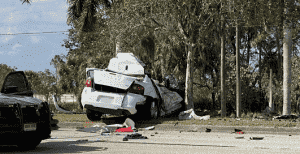
Fort Myers Car Accident Lawyer at Law Offices of Anidjar and Levine examines the crash, preserves vehicle and scene evidence, reviews maintenance and repair records, and works with experts to determine why the brakes failed and who may be liable.
Potentially responsible parties can include drivers, repair shops, manufacturers, or fleet owners. Counsel also manages insurer communications and pursues compensation for medical costs, lost income, and related losses.
The sections below explain the process, rights, and practical next steps.
Main Takeaways
- A Fort Myers brake failure car accident injury lawyer investigates the crash, identifies liable parties, and reviews maintenance, recall, and inspection records.
- They preserve critical evidence like vehicle damage, brake components, photos, witness statements, towing records, and electronic data.
- Common causes of brake failure include worn pads, fluid leaks, defective parts, negligent repairs, and poor vehicle maintenance.
- Liability may extend to drivers, repair shops, manufacturers, fleet owners, or others responsible for brake safety and upkeep.
- A lawyer handles communications with insurers and pursues compensation for medical bills, lost income, pain and suffering, and property damage.
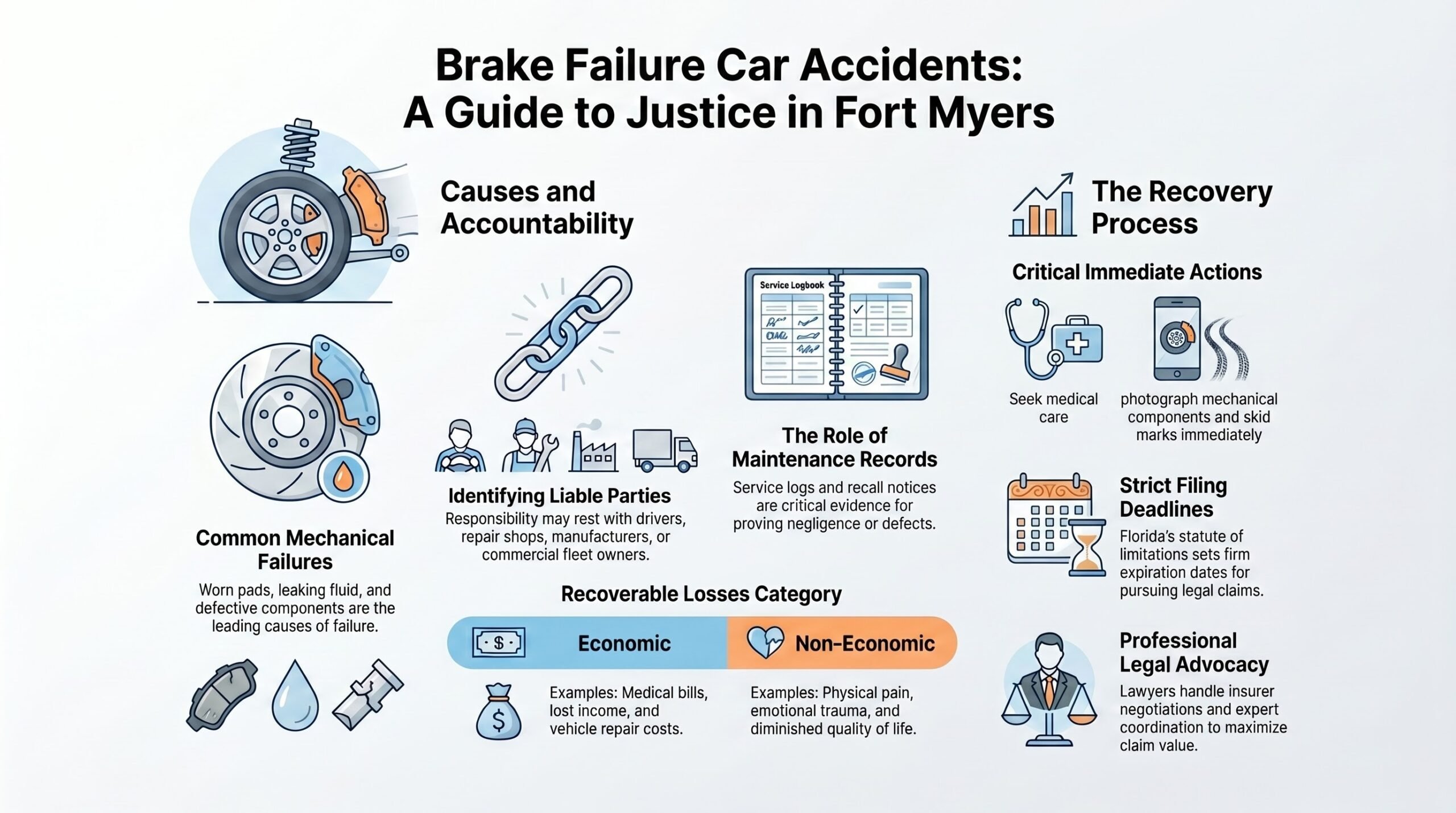


How We Can Help With Your Fort Myers Brake Failure Car Accident Injury Claim
After a brake failure collision, a Fort Myers brake failure car accident injury lawyer can assist by evaluating the facts of the crash, identifying all potentially liable parties, and developing a claim supported by strong evidence. The firm’s role is to protect injured people while allowing families to focus on recovery and service to one another during a difficult period.
Counsel may gather repair records, inspection reports, witness statements, photographs, and electronic data, then organize these materials into a clear demand for compensation. Guidance may also extend to practical matters, including coordination with Emergency towing providers, communication with insurers, and documentation of medical care, lost income, and property damage.
Throughout the process, the legal team may offer structured updates that reduce confusion and support Stress management for clients and caregivers. By handling deadlines, negotiations, and claim preparation with discipline, counsel helps clients pursue accountability and secure resources needed to restore stability, meet obligations, and continue caring for others.
OUR CONSULTATIONSARE FREE
START YOUR FREE CASE REVIEW

Understanding Fort Myers Brake Failure Car Accident Injury Cases
A clear understanding of Fort Myers brake failure car accident injury cases begins with the factors that can cause a vehicle to lose stopping power and the legal issues that follow. These claims often require careful review of vehicle condition, driver conduct, crash evidence, and the extent of physical and financial harm suffered.
In many cases, investigators examine maintenance records, brake inspections, witness statements, electronic data, and roadway conditions to determine whether negligence played a role. They also assess how the loss of braking affected reaction time, steering control, and emergency braking efforts before impact. Medical documentation, repair estimates, and employment losses help measure damages and guide fair compensation discussions.
For those committed to protecting others, understanding this process supports informed decisions and timely action. A thorough legal evaluation can identify responsible parties, preserve crucial evidence, and promote accountability, which helps injured people pursue recovery while encouraging safer practices throughout the Fort Myers community for all.
Common Causes of Fort Myers Brake Failure Car Accident
Several factors commonly contribute to brake failure accidents in Fort Myers, each of which can materially impair a vehicle’s ability to stop safely. Worn brake pads, leaking brake fluid, and defective brake components often create dangerous driving conditions, particularly when problems go undetected. Poor vehicle maintenance also remains a frequent cause, as neglected inspections and repairs can allow minor brake issues to develop into serious mechanical failures.
Worn Brake Pads
Even routine brake pad wear can become a serious safety hazard if ignored for too long. As pads thin, stopping distances often increase, braking response may weaken, and metal components can begin contacting one another under pressure. This pattern of deterioration can place drivers, passengers, pedestrians, and other motorists at unnecessary risk.
Responsible vehicle care includes attention to pad wear and prompt inspection when noise indications appear, such as squealing or grinding during normal stops. Those warning signs often suggest that protective material has been markedly reduced. In busy Fort Myers traffic, compromised braking can contribute to rear-end collisions, intersection crashes, and avoidable injuries.
Consistent maintenance helps protect the public and supports safer road conditions for everyone. Timely service remains one of the most effective ways to prevent brake-related accidents.
Leaking Brake Fluid
Neglect of hydraulic system integrity can quickly undermine a vehicle’s ability to stop safely. When brake fluid escapes from lines, seals, or connections, hydraulic pressure drops, and the pedal may feel soft, delayed, or sink toward the floor. Even a small loss can lengthen stopping distance and place others at risk.
Careful vehicle stewardship includes checking fluid levels, identifying damp areas near wheels, and watching for warning lights. Using the correct brake fluid grade also matters, because improper fluid can accelerate seal wear and reduce dependable braking performance.
A master cylinder leak is especially serious, since it can impair pressure throughout the entire braking system. Prompt inspection and repair help protect drivers, passengers, pedestrians, and the broader Fort Myers community from preventable harm caused by brake failure on busy roads every day.
Defective Brake Components
Brake-component defects can compromise stopping power with little warning, particularly when worn, poorly manufactured, or improperly installed parts interfere with normal brake operation. Faulty calipers, defective brake lines, damaged rotors, and substandard pads may all contribute to dangerous brake frailty, especially during sudden stops or heavy traffic conditions in Fort Myers.
When a manufacturer issues a component recall, it may indicate a known hazard affecting many vehicles on the road. In some cases, defects arise from design errors, contaminated materials, or assembly failures that reduce braking reliability despite ordinary use. For those seeking to protect passengers, pedestrians, and fellow drivers, recognizing the role of defective components is crucial. Careful investigation after a crash can help identify whether a hidden defect contributed to the brake failure and resulting harm.
Poor Vehicle Maintenance
Beyond defective parts, poor vehicle maintenance is another frequent source of brake failure accidents in Fort Myers. When owners delay brake service, ignore warning signs, or skip routine vehicle inspections, worn pads, leaking fluid, and damaged lines may go unnoticed until a collision occurs. In many cases, preventable neglect places passengers, pedestrians, and other motorists at serious risk.
A careful review of maintenance records often helps reveal whether proper care was provided before the crash. Missed service intervals, unresolved repair recommendations, and a pattern of deferred maintenance can indicate how negligence contributed to the brake failure.
For families seeking accountability and safer roads, this evidence may be important. It helps demonstrate how responsible maintenance protects the community and why every vehicle owner has a duty to keep braking systems in safe operating condition.


Legal Rights of Fort Myers Brake Failure Car Accident Injury Victims
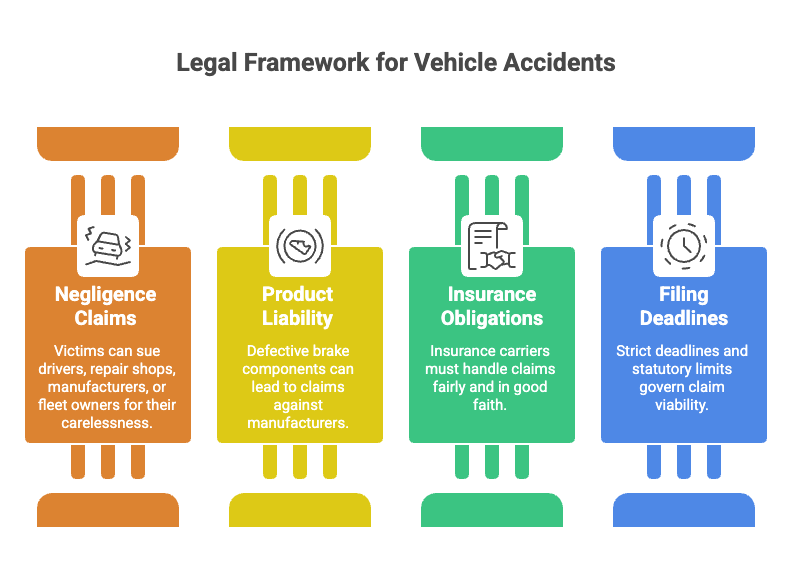
Accountability often begins with a clear understanding of the legal rights available after a brake failure collision in Fort Myers. Injury victims may pursue compensation when negligence, defective parts, or improper repairs contributed to the crash. Florida law recognizes claims for medical expenses, lost income, pain and suffering, and other related losses.
These rights reflect consumer protections intended to promote safer vehicles and responsible conduct.
- Victims may seek damages from negligent drivers, repair shops, manufacturers, or fleet owners.
- Product liability principles may apply when defective brake components caused or worsened the impact.
- Insurance obligations can require carriers to evaluate claims fairly and in good faith.
- Filing deadlines and statutory limits govern how long a claim may remain legally viable.
A careful legal review can identify all potentially responsible parties and preserve the opportunity to recover full damages. In service to injured individuals and their families, legal advocacy helps uphold safety, accountability, and the broader public good in Southwest Florida communities.
Steps to Take After a Fort Myers Brake Failure Car Accident Injury
After a Fort Myers brake failure car accident injury, prompt medical evaluation is vital to protect both health and any future injury claim. It is also important to preserve crash-scene evidence, including photographs, vehicle damage, witness statements, and any signs of mechanical failure. Contacting a car accident lawyer early can help guarantee that crucial evidence is secured and that the injured person’s legal interests are properly addressed.
Seek Immediate Medical Care
In the moments following a Fort Myers brake failure car accident, immediate medical care should be treated as a priority, even when injuries do not appear severe at first. Shock and adrenaline can hide symptoms, while internal trauma, spinal damage, or brain injuries may worsen without prompt evaluation.
Calling 911 or requesting emergency transportation allows trained responders to assess urgent needs and direct the injured person to appropriate treatment. A timely examination also creates medical records that connect injuries to the collision and support continuity of care. Family members, caregivers, and community-minded advocates can assist by encouraging follow-up appointments, monitoring symptoms, and helping the injured person understand discharge instructions.
When complications arise, medical advocacy may help patients communicate concerns, obtain referrals, and secure rehabilitative services needed for meaningful recovery.
Preserve Crash Scene Evidence
At the crash scene, preserving available evidence can materially affect the ability to establish how the brake failure occurred and who may bear legal responsibility. If conditions permit, damaged vehicle positions, skid marks, fluid leaks, warning lights, roadway debris, and traffic controls should be documented promptly through careful photograph preservation. Images taken from multiple angles can assist investigators and insurers in evaluating mechanical issues and impact dynamics.
Practical witness coordination is also important. Names, contact information, and brief observations from bystanders, passengers, and nearby workers may help clarify events before memories fade. A copy of the police report number should be retained, and any notes regarding unusual pedal feel, dashboard alerts, or recent repair work should be recorded accurately. These steps support accountability and help protect all affected parties after a collision.
Contact A Car Accident Lawyer
Following a Fort Myers brake failure collision, prompt contact with a car accident lawyer can help protect crucial evidence and clarify the legal issues that may arise from a suspected mechanical defect, negligent maintenance, or unsafe repair work.
An attorney may coordinate inspections, secure repair records, and communicate with insurers while the injured person focuses on recovery and family responsibilities. Early legal guidance can also identify liable parties, including drivers, repair shops, manufacturers, or vehicle owners. Many firms offer free consultations, allowing families to understand options without immediate financial pressure.
A lawyer familiar with local resources may also direct clients toward medical care, transportation assistance, and documentation support. Timely legal help often strengthens a claim and promotes accountability, benefiting both the injured individual and the broader community by fostering safer practices.
How a Fort Myers Brake Failure Car Accident Injury Lawyer Can Help You
Navigating through a brake failure accident claim often requires prompt legal guidance, because these cases may involve driver negligence, defective vehicle components, poor maintenance, or a combination of contributing factors. A Fort Myers brake failure car accident injury lawyer helps injured people pursue accountability, protect evidence, and manage insurer communications. With disciplined investigation and Client empathy, counsel supports families seeking fair outcomes and a path toward service-centered recovery.
Prompt legal guidance helps Fort Myers brake-failure accident victims protect evidence, address complex liability issues, and pursue fair, compassionate recovery.
- Reviewing maintenance records, recalls, inspection reports, and crash evidence to identify fault.
- Coordinating with experts who evaluate brake systems, roadway conditions, and vehicle damage.
- Handling insurer contact, settlement discussions, and Emergency response documentation with care.
- Preparing a strong claim that reflects medical costs, lost income, and other proven losses.
Through each stage, legal counsel provides organized guidance, clear communication, and steady advocacy. This assistance allows injured individuals and those caring for them to focus on immediate responsibilities while a qualified representative advances the claim with diligence, compassion, and professionalism.
Long-Term Effects of Fort Myers Brake Failure Car Accident Injuries
Brake failure car accidents in Fort Myers can produce lasting consequences that extend well beyond the initial emergency response and medical treatment. Many injured individuals face chronic pain challenges and permanent mobility limitations, which may interfere with employment, daily responsibilities, and overall independence. These physical burdens are often accompanied by emotional trauma effects, creating long-term hardships that can require continued medical care, rehabilitation, and psychological support.
Chronic Pain Challenges
Enduring pain is one of the most disruptive long-term consequences of a Fort Myers brake failure car accident, especially when injuries involve the spine, nerves, joints, or surrounding soft tissue. Even after initial treatment, many individuals face chronic flare-ups that interrupt sleep, concentration, work responsibilities, and daily caregiving. Persistent discomfort may also contribute to anxiety, irritability, and emotional strain, affecting relationships and overall well-being.
For families committed to supporting an injured loved one, these challenges often require patience, structure, and consistent medical guidance. Effective pain management may include medication oversight, physical therapy, injections, counseling, and lifestyle adjustments tailored to the person’s condition. Thorough documentation of symptoms, treatment responses, and ongoing limitations can help demonstrate how lasting pain continues to burden the injured person and those providing care.
Permanent Mobility Limitations
Chronic pain often exists alongside permanent mobility limitations, particularly when a Fort Myers brake failure car accident causes severe damage to the spine, joints, muscles, or peripheral nerves. These injuries may restrict walking, standing, lifting, reaching, or balance, leaving injured people dependent on sustained medical care and practical support.
Long-term limitations frequently require rehabilitation, assistive devices, and home modifications that promote safety, accessibility, and dignity in daily life. Some individuals cannot return to former employment, household responsibilities, or community service roles without substantial accommodation. Others need ongoing help with transportation, bathing, dressing, or meal preparation.
When mobility losses become permanent, families and caregivers often reorganize routines to provide consistent assistance. Careful legal evaluation can help document these lasting impairments and the future costs associated with treatment, support, and adapted living needs.
Emotional Trauma Effects
Emotional trauma may persist long after the physical injuries from a Fort Myers brake failure car accident begin to recover. Survivors may experience anxiety, sleep disturbance, panic, depression, or intrusive memories that interfere with work, family responsibilities, and community service. For some, the collision may awaken childhood triggers, intensifying fear responses and complicating recovery.
These psychological effects can also alter relationships. A person may withdraw from loved ones, struggle with trust, or develop attachment disruption that affects caregiving roles and social stability. Such changes may limit the ability to consistently support others, even when the desire to help remains strong. Professional counseling, trauma-informed care, and patient support from family members often play a vital role in restoring emotional functioning, rebuilding confidence, and promoting long-term resilience after a serious brake failure crash.
Proving Liability in Fort Myers Brake Failure Car Accident Injury Cases
Establishing liability in a Fort Myers brake failure car accident case requires a careful review of how the mechanical failure occurred and whether any party failed to act with reasonable care. Courts and investigators often examine maintenance records, repair invoices, recall notices, and the vehicle’s condition after impact to identify the source of the problem.
A proper brake inspection may reveal worn pads, leaking fluid lines, defective components, or negligent repair work. Liability can rest with a driver who ignored warning signs, a mechanic who performed careless service, a manufacturer that released a dangerous part, or another party responsible for upkeep. Expert testimony is frequently necessary to explain how the braking system failed and whether the failure could have been prevented through ordinary diligence.
Witness statements, event data, and photographs may further support the timeline of negligence. Careful proof of fault helps injured people pursue accountability and supports safer conduct that protects others on Fort Myers roads.
Dealing With Insurance Companies After a Fort Myers Brake Failure Car Accident Injury
Once the source of brake failure and potential fault have been identified, attention often turns to the insurance process, where early statements and settlement discussions can materially affect the outcome of an injury claim. Insurers may request recorded statements, broad medical authorizations, or quick resolutions before the full scope of harm is understood.
A careful, service-minded approach helps protect injured people and their families. Documentation of medical care, lost income, vehicle damage, and daily limitations can strengthen communication with carriers. Because post-accident stress often affects memory and decision-making, measured responses are usually wiser than immediate answers.
Insurance representatives may also use claim negotiation tactics designed to limit payouts or shift responsibility. Clear records, consistent statements, and respectful persistence often support a fairer evaluation. When liability involves defective parts, poor maintenance, or multiple parties, insurance issues can become more complicated. Thoughtful guidance can help individuals respond with confidence, preserve important rights, and remain focused on recovery and the well-being of others.
What to Expect During a Fort Myers Brake Failure Car Accident Injury Claim Process
A Fort Myers brake failure car accident injury claim often begins with the initial filing, followed by the collection of records, vehicle inspections, and other evidence needed to evaluate the mechanical failure and the resulting injuries. The process then turns to questions of liability and damages, including whether a driver, repair shop, manufacturer, or another party may be responsible for the collision and the losses that followed. Depending on the strength of the evidence and the parties’ positions, the matter may conclude through settlement negotiations or proceed into litigation.
Initial Claim Filing
At the outset, the claim filing typically begins with a careful review of the crash, the allegations of brake failure, and the injuries reported by the claimant. Counsel or a claims professional typically outlines filing deadlines, confirms insurance information, and prepares a documentation checklist to ensure nothing vital is overlooked.
This stage often includes submitting notice to the appropriate insurer, identifying all potentially responsible parties, and summarizing medical treatment, lost income, and other immediate losses. A service-minded approach emphasizes accuracy, timeliness, and respect for everyone affected, because organized filings can reduce delays and support fair consideration.
Claimants are generally asked to provide contact information, policy details, basic accident facts, and available records that describe the harm suffered. Early communication also helps establish expectations regarding forms, authorizations, and next procedural steps.
Evidence And Inspection
During the evidence and inspection phase, the claim typically shifts from preliminary reporting to a focused examination of how the brake failure occurred and whether it can be substantiated through reliable proof. Investigators may secure the vehicle, photograph components, and preserve repair histories, maintenance invoices, and recall notices.
A forensic inspection can identify worn pads, fluid leaks, defective lines, or electronic malfunctions that may have contributed to the collision. Brake documentation is often reviewed alongside towing records, event data, witness statements, and scene images to build a clear factual timeline. Professionals handling this stage generally emphasize careful preservation, accurate chain of custody, and prompt expert review. This disciplined process helps ensure that those seeking to protect others and support recovery have reliable information before the claim proceeds with insurers.
Liability And Damages
With the mechanical evidence in place, the claim generally turns to liability and damages, where insurers and counsel assess who may be legally responsible and what losses can be fairly attributed to the brake failure collision. Responsibility may extend to a negligent driver, vehicle owner, repair shop, parts manufacturer, or any other party whose conduct created a danger to others. Comparative negligence can also reduce recovery if an injured person is found partly at fault.
Damages typically include medical costs, lost income, property loss, pain and suffering, and future care needs supported by records and expert opinion. In more serious cases, Punitive damages may be examined when evidence suggests reckless disregard for safety, such as knowingly ignoring defective brakes. A careful evaluation helps injured people pursue accountability while protecting the well-being of families and communities.
Settlement Or Litigation
Finding one’s way through a Fort Myers brake failure injury claim often begins with settlement discussions, though litigation may become necessary when fault, causation, or damages remain disputed. Early negotiations usually focus on medical records, repair evidence, expert findings, and insurance coverage, with careful settlement strategies to resolve the matter efficiently and fairly.
When insurers undervalue losses or deny responsibility, formal litigation can protect the injured person’s interests and preserve important evidence. Attorneys generally file a complaint, conduct discovery, depose witnesses, and consult mechanical or medical experts as needed. Courts may require mediation before trial, creating another opportunity for resolution. If no agreement is reached, a judge or jury determines liability and compensation. Understanding litigation timelines helps families plan, support recovery, and make informed decisions that uphold accountability and community well-being.
Compensation for Fort Myers Brake Failure Car Accident Injury Damages
Accountability often becomes the central issue when pursuing compensation for car accident injury damages from a Fort Myers brake failure. Recovery may involve several losses caused by the collision, including medical care, rehabilitation needs, lost income, diminished future earnings, property damage, and necessary household assistance. In severe cases, claims may also address emotional compensation when trauma, anxiety, or lasting distress affect daily functioning and the ability to care for others.
A careful legal review generally connects each claimed loss to evidence, such as treatment records, employment history, repair estimates, expert opinions, and witness statements. This process helps present a clear picture of how brake failure changed the injured person’s health, work capacity, and family responsibilities. When liability is disputed, attorneys may examine maintenance records, manufacturer defect reports, inspection reports, and commercial service practices.
A well-supported claim seeks fair compensation that reflects both immediate harm and continuing burdens, while aiding injured individuals in restoring stability and continuing to serve their families and communities with dignity.
Economic vs Non-Economic Damages in Fort Myers Brake Failure Car Accident Cases
In Fort Myers brake failure car accident cases, damages are generally divided into economic and non-economic categories, each addressing a different type of loss. Economic damages typically include measurable financial harm, such as medical bills, lost income, and property damage, while non-economic losses often involve pain and suffering, emotional distress, and reduced quality of life. Establishing the value of these damages usually requires supporting records, expert opinions, and other evidence that connects the collision to the claimant’s losses.
Economic Damages Explained
After a brake failure collision in Fort Myers, economic damages refer to the measurable financial losses tied directly to the crash, while non-economic damages address the harder-to-quantify human consequences, such as pain, suffering, and diminished quality of life. In practice, economic damages may include emergency care, hospitalization, surgery, rehabilitation, medications, transportation to appointments, property damage, and other documented expenses.
They also cover lost wages when injuries prevent a person from working, as well as reduced future earnings if lasting limitations affect long-term employment capacity. Records such as invoices, pay stubs, repair estimates, tax returns, and expert opinions often help establish value. By identifying these objective losses, a legal claim can better reflect the resources needed to restore stability, support recovery, and protect a household from avoidable financial hardship after a serious crash.
Non-Economic Losses Overview
Distinction matters when evaluating non-economic losses in a Fort Myers brake-failure car accident case because these damages address the personal effects of an injury that do not appear on bills or wage records. They often include physical pain, emotional suffering, mental anguish, inconvenience, disability, disfigurement, and diminished enjoyment of daily life.
Unlike medical expenses or lost income, these harms reflect how an injury changes a person’s ability to care for family, participate in community life, and serve others consistently and with dignity.
Within this category, pain valuation and loss quantification remain conceptual tools for understanding intangible harm, not fixed ledger entries. A careful overview recognizes that non-economic losses seek to acknowledge human impact more fully, separating measurable financial costs from the lived consequences that extend beyond treatment and recovery periods.
Proving Damage Value
Accuracy becomes central when proving the value of damages in a Fort Myers brake failure car accident case, because both economic and non-economic damages must be supported by credible evidence rather than assumptions. Economic losses are typically shown through medical bills, wage records, repair estimates, and future care projections. Non-economic harm, including pain, emotional distress, and loss of normal life, requires careful comparative valuation based on facts, consistency, and documented impact.
Courts and insurers often seek expert testimony from physicians, vocational experts, and economists to link injuries to lasting limitations. Witness statements, treatment histories, and daily-life changes may also strengthen the claim. A disciplined presentation of damages helps guarantee fair compensation, promotes accountability, and supports families seeking resources needed to restore stability, continue recovery, and serve their communities with dignity.
When a Fort Myers Brake Failure Car Accident Injury Case Goes to Trial vs Settlement
Determining whether a Fort Myers brake failure car accident injury case proceeds to trial or resolves through settlement depends on the strength of the evidence, the extent of the injuries, and the parties’ willingness to accept a reasonable outcome. Counsel evaluates liability evidence, medical records, repair findings, and witness testimony to determine whether settlement negotiations may provide fair compensation without prolonged dispute.
When insurers undervalue serious harm or contest responsibility, Trial strategy becomes more important. A case may proceed to court when expert analysis of brake defects, maintenance failures, or commercial vehicle practices must be presented clearly to a jury. Trial can offer accountability and full consideration of losses, but it also involves added time, expense, and uncertainty.
Settlement, by contrast, may reduce stress and deliver resources sooner for medical care, household stability, and community support. In either path, careful preparation helps protect injured individuals and promotes outcomes that respect both justice and practical service to others.
The Statute of Limitations for Fort Myers Brake Failure Car Accident Injury Cases
In Florida, the statute of limitations sets a firm deadline for filing a lawsuit arising from a Fort Myers brake failure car accident injury, and missing that deadline can bar recovery regardless of the claim’s underlying validity. These claim deadlines promote fairness by requiring disputes to be raised while evidence, witness recollections, and vehicle records remain available for careful review.
For many negligence actions, Florida law provides a limited period to sue, although specific facts may affect the calculation. The date of the collision, the nature of the injuries, and whether a defective brake system or negligent maintenance contributed to the crash can influence how a claim is evaluated. Certain exceptions may pause or alter filing periods, but they are narrow and fact-dependent. Prompt attention to records, repair invoices, inspection reports, and medical documentation helps preserve information that may benefit injured people and the broader community. Respecting statutory time limits supports accountability and protects the orderly administration of justice for all.
When to Contact a Fort Myers Brake Failure Car Accident Injury Lawyer
After a brake failure collision in Fort Myers, contacting a car accident injury lawyer as soon as practical often helps preserve vital evidence and clarify the legal issues that may affect a claim. Early contact may be especially important when a damaged vehicle, brake parts, maintenance records, or scene evidence could be lost, repaired, or discarded before proper review.
Prompt communication also supports orderly next steps for those seeking to protect others involved, including guidance on documenting injuries, notifying insurers, and obtaining post-accident counseling when emotional distress follows a traumatic event. A lawyer may also help identify whether immediate inspection of the vehicle is needed before repairs begin, particularly when repair alternatives are being considered by an insurer or repair shop.
In many cases, legal guidance should be sought soon after emergency medical needs are addressed, and again whenever new symptoms, disputed facts, or questions about vehicle preservation arise during the claims process or investigation stage.
Why You Need an Experienced Fort Myers Brake Failure Car Accident Injury Lawyer
Because brake failure collisions often involve overlapping questions of driver conduct, vehicle maintenance, product integrity, and causation, an experienced Fort Myers brake failure car accident injury lawyer can provide focused analysis that a routine accident claim may not require.
Such representation helps identify whether negligence rests with a motorist, repair facility, manufacturer, fleet operator, or another party whose actions placed others at risk. Counsel can secure maintenance logs, Brake inspection records, event data, witness statements, and expert evaluations before pivotal evidence is lost. This work supports a disciplined Litigation strategy designed to explain how the failure occurred and how the injuries followed.
Experienced counsel also protects injured people from incomplete narratives offered by insurers or opposing parties. By presenting clear facts and well-supported damages, a lawyer helps pursue accountability in a manner that promotes safety, responsible conduct, and fair recovery. In service-oriented communities, that guidance can support both individual recovery and broader public protection after preventable roadway harm.
How to Choose the Right Fort Myers Brake Failure Car Accident Injury Lawyer for Your Case
When selecting legal representation for a brake failure collision claim, careful attention should be given to a lawyer’s experience with mechanically complex motor vehicle cases, rather than general accident matters alone. A qualified attorney should understand evidence related to brake systems, vehicle inspections, maintenance records, and liability issues involving drivers, repair shops, manufacturers, or fleet owners.
Prospective clients should also review Client testimonials for consistent signs of professionalism, communication, and commitment to securing fair outcomes. Meaningful service often appears in how clearly an attorney explains legal options and in how an attorney treats injured individuals with dignity. Fee structures merit equal review, especially whether representation is offered on a contingency basis and how litigation costs are handled.
It is also wise to weigh courtroom readiness, access to expert witnesses, and responsiveness during initial consultations. By carefully comparing these factors, injured people and supportive family members can select counsel equipped to pursue accountability and protect the resources needed for recovery and continued service to others.
About The Law Offices of Anidjar & Levine
The Law Offices of Anidjar & Levine presents a client-centered approach to Fort Myers brake-failure car accident cases, combining personal injury advocacy with close attention to the mechanical and legal details that often determine liability.
The firm evaluates collision evidence, vehicle maintenance records, and possible manufacturing defects to build claims that reflect both accountability and community care.
Its firm history reflects sustained work on behalf of injured Floridians who need practical legal guidance after serious crashes.
Through accessible communication and responsive case management, the office seeks to reduce burdens on families while pursuing compensation for medical costs, lost income, and long-term recovery needs.
Review of attorney profiles shows experience in negotiating with insurers, preparing cases for litigation, and addressing the unique issues present in brake failure accidents.
This combination of service, preparation, and discipline positions the firm as a resource for those seeking justice while protecting the well-being of others affected by a preventable roadway incident.
Frequently Asked Questions
Can Bad Weather Worsen Liability in a Brake Failure Car Accident?
Yes, bad weather can increase liability in a car accident caused by a brake failure. It may heighten a driver’s duty to inspect brakes, reduce speed, and adjust for reduced visibility and slippery surfaces. If a driver ignores known weather risks or fails to maintain the vehicle, liability may increase. Courts and insurers often examine whether reasonable care was exercised under the conditions, especially when safer choices could have protected others from foreseeable harm.
Are Rental Car Companies Ever Responsible for Brake Failure Accidents?
Yes, rental car companies may be responsible for brake failure accidents when they neglect inspections, ignore known defects, or fail to perform maintenance duties under rental agreements. Liability often depends on service records, recall compliance, and whether the company acted reasonably to protect drivers and the public. In some cases, manufacturer negligence also contributes, especially when defective brake components caused the failure. Careful investigation helps identify each party responsible and supports fair recovery.
Can Recalled Brake Parts Affect My Injury Claim?
Yes, recalled brake parts can materially strengthen an injury claim. A recall may help show product liability, especially when defective components contributed to the crash and resulting harm. It can also support allegations of manufacturer negligence if the company knew, or should have known, about the danger and failed to act promptly. However, claim outcomes still depend on causation, notice, maintenance history, and whether responsible parties took reasonable corrective steps.
What if Brake Failure Caused a Multi-Vehicle Crash?
If a brake failure caused a multi-vehicle crash, liability may extend beyond a single driver. An investigation often examines mechanical negligence, maintenance records, manufacturer defects, and each driver’s conduct before impact. In chain-reaction collisions, shared fault may apply when several parties contributed to the harm. Careful documentation helps injured people pursue fair compensation while protecting others from similar preventable events. A thorough legal and mechanical review is usually crucial for determining responsibility accurately.
Do Commercial Trucks Have Different Brake Maintenance Requirements?
Yes, commercial trucks have stricter brake maintenance requirements than passenger vehicles. Federal and state rules mandate regular commercial inspections, documented repairs, and out-of-service standards when defects are found. Carriers must guarantee safe operation through scheduled maintenance programs, while drivers share responsibility through pre-trip checks and prompt reporting. Effective driver training supports compliance, protects the public, and helps reduce preventable crashes caused by worn, damaged, or improperly adjusted braking systems on roadways.
—————————
Brake failure accidents in Fort Myers often involve serious injuries, disputed liability, and important evidence that must be preserved quickly.
Victims may benefit from understanding their legal options, documenting losses, and obtaining prompt legal guidance from a Fort Myers Car Accident Lawyer.
An experienced attorney can evaluate mechanical defects, maintenance records, and other parties’ negligence to build a strong claim.
Law Offices of Anidjar and Levine assists injured individuals by pursuing fair compensation and providing focused representation throughout the claims process.