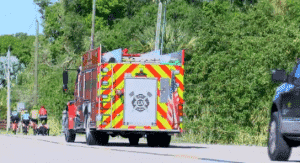
A Fort Myers Car Accident Lawyer from Law Offices of Anidjar and Levine assists victims with preserving crash evidence, identifying liable parties, and documenting injuries through medical records, witness statements, and electronic data.
Counsel also manages insurer communications, addresses comparative negligence issues, and pursues compensation for medical expenses, lost income, property damage, and pain-related losses.
Because interstate collisions often involve multiple insurers, commercial vehicles, or jurisdictional complications, experienced legal guidance can be essential.
The sections below explain what matters most.
Main Takeaways
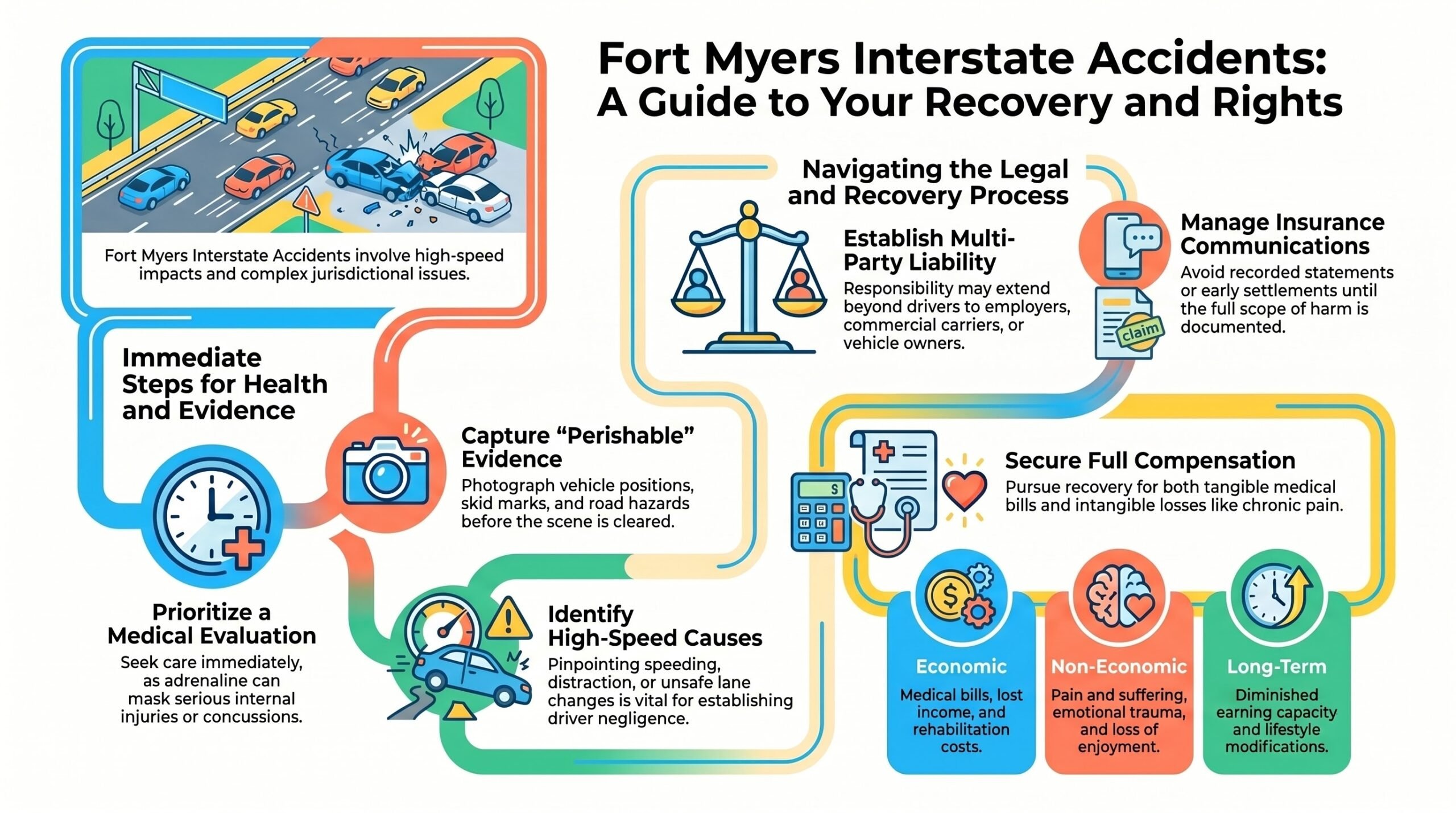
- Seek immediate medical evaluation after a Fort Myers interstate crash, because adrenaline can mask serious injuries and records help support an injury claim.
- Preserve evidence by photographing vehicles, skid marks, hazards, weather conditions, and injuries, and by gathering witness names, contact details, and statements.
- Interstate crashes often involve speeding, tailgating, distraction, impairment, unsafe lane changes, or poor vehicle maintenance, especially in heavy traffic.
- A Fort Myers interstate car accident injury lawyer can use police reports, medical records, dash cams, and expert analysis to prove liability and damages.
- Compensation may cover medical bills, rehabilitation, lost income, reduced earning capacity, pain, emotional trauma, and needed lifestyle or transportation changes.


How We Can Help With Your Fort Myers Interstate Car Accident Injury Claim
Navigating an interstate car accident injury claim in Fort Myers often requires immediate legal attention, especially when liability is disputed, multiple insurers are involved, or the collision results in serious injuries. Effective counsel provides structured support that protects the injured person’s ability to recover fair compensation while reducing avoidable stress on families and caregivers.
A Fort Myers interstate car accident injury lawyer assists by gathering crash reports, preserving evidence, coordinating witness statements, and organizing medical documentation needed to support the claim. Counsel also manages insurer communications, evaluates damages, and addresses attempts to minimize losses or shift blame. By tracking treatment progress and related expenses, the legal team presents a clear demand that reflects present and future needs.
Guidance on settlement timelines helps clients make informed decisions without accepting inadequate offers too soon. Throughout the process, representation remains focused on accountability, stability, and the practical resources that injured people need so they may continue to serve their households, workplaces, and communities with confidence.
OUR CONSULTATIONSARE FREE
START YOUR FREE CASE REVIEW

Understanding Fort Myers Interstate Car Accident Injury Cases
In the context of Fort Myers traffic litigation, interstate car accident injury cases often involve a distinct set of legal and factual issues that can affect both liability and the scope of recoverable damages. These matters may include crashes involving out-of-state drivers, commercial carriers, differing insurance policies, and evidence gathered across multiple states, all of which require careful review and organized advocacy.
A service-minded legal approach focuses on protecting injured people while guiding families through complex procedural demands. Counsel often reviews Interstate protocols, insurance coordination, medical documentation, and applicable filing requirements to ensure that claims are presented accurately and efficiently.
Jurisdictional conflicts can also arise when parties, insurers, or witnesses are connected to different states, making venue and governing law important issues from the outset. In these cases, strong representation helps preserve evidence, clarify legal duties, and support fair compensation for medical expenses, lost income, pain, and other documented losses after serious interstate collisions in Fort Myers.
Common Causes of Fort Myers Interstate Car Accident
Several recurring factors contribute to interstate car accidents in Fort Myers, often turning routine traffic conditions into serious collisions. Common causes include speeding and tailgating, distracted driving, impaired driver negligence, and unsafe lane changes, each of which can sharply reduce a driver’s ability to react safely. Identifying these patterns helps clarify how liability may arise and why interstate crashes frequently produce severe injuries.
Speeding And Tailgating
Excessive speed and tailgating create a dangerous combination on Fort Myers interstates, where heavy traffic, sudden slowdowns, and high travel speeds leave little margin for error. When drivers follow too closely, they reduce reaction time and increase the force of impact in chain-reaction collisions.
This conduct often reflects speed-related psychology, including impatience, overconfidence, and pressure to maintain pace with surrounding traffic. Safe interstate travel requires disciplined judgment, lawful following distances, and attention to changing road conditions. Proper vehicle maintenance also matters, because worn brakes, poor tire tread, and steering problems can make it harder to avoid a crash once traffic compresses.
Those who seek to protect others on the road recognize that responsible driving habits help prevent serious injuries and support a safer Fort Myers community for all travelers.
Distracted Driving Risks
Among the leading causes of interstate collisions in Fort Myers, distracted driving presents a persistent and preventable danger. Even a brief lapse in attention can deprive a driver of the time needed to respond to changing traffic conditions, roadside hazards, or sudden stops at highway speeds.
Common distractions include phone use, adjusting navigation systems, reaching for objects, and eating that pulls eyes or hands away from driving. On crowded interstates, those few seconds can place families, commuters, and emergency responders at serious risk.
Drivers who remain attentive help protect not only themselves, but every person sharing the roadway. A careful, service-minded approach to travel encourages safer decisions, strengthens community well-being, and reflects the responsibility that every motorist owes to others on Fort Myers roads each day.
Impaired Driver Negligence
Impaired driving compounds the dangers already present on Fort Myers interstates by reducing judgment, slowing reaction time, and weakening a driver’s ability to control a vehicle safely. Alcohol, illegal drugs, and prescription impairment each can leave motorists unable to respond responsibly to changing traffic conditions, placing surrounding families and travelers at serious risk.
Negligence in these cases often involves more than obvious intoxication. Some drivers overestimate their fitness after drinking, while others ignore medication warnings that caution against operating a vehicle. Investigations may also examine breathalyzer limitations, because a chemical test does not always capture the full extent or source of impairment.
Careful review of medical records, witness statements, officer observations, and crash evidence helps identify dangerous conduct and supports efforts to protect injured people and strengthen community safety for all.
Unsafe Lane Changes
Unsafe lane changes create a high-risk chain reaction on Fort Myers interstates, where dense traffic, varying vehicle speeds, and limited space leave little margin for error. When drivers merge without signaling, misjudge following distance, or ignore lane discipline, nearby motorists may brake suddenly, swerve, or collide. These incidents often involve failure to properly check mirrors and poor blind-spot awareness, especially around commercial trucks and motorcycles. Responsible roadway conduct requires patience, careful observation, and respect for others’ safety.
By maintaining steady speeds, signaling early, and confirming adequate clearance before moving laterally, drivers help reduce preventable harm. Unsafe lane changes can produce severe injuries, multi-vehicle crashes, and lasting hardship for families, passengers, and first responders working to protect the community and restore order after devastating interstate collisions.


Legal Rights of Fort Myers Interstate Car Accident Injury Victims
After a collision on I-75 or another major highway near Fort Myers, injured victims retain important legal rights under Florida law. These rights exist to protect physical recovery, financial stability, and accountability when negligent conduct causes harm. Florida’s comparative negligence framework may reduce compensation if a victim shares fault, yet it does not automatically bar recovery. Careful attention to the nuances of the statute also matters, because filing deadlines and insurance rules can affect the value and viability of a claim.
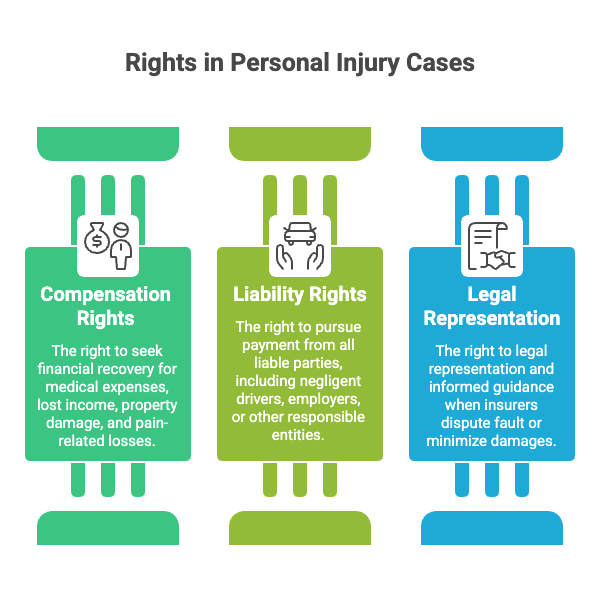
Key rights may include:
- The right to pursue compensation for medical expenses, lost income, property damage, and pain-related losses.
- The right to seek payment from all liable parties, including negligent drivers, employers, or other responsible entities.
- The right to legal representation and informed guidance when insurers dispute fault or minimize damages.
For individuals committed to serving family and community, understanding these protections supports responsible decision-making and helps preserve resources needed for recovery, continued work, and long-term care.
Steps to Take After a Fort Myers Interstate Car Accident Injury
After a Fort Myers interstate car accident injury, prompt medical evaluation is a crucial first step, as it protects both health and the accuracy of injury documentation. Attention should also be given to preserving evidence at the crash scene, including photographs, witness information, and other details that may support a future claim. Early contact with an attorney is likewise important, because legal guidance can help restore the injured person’s rights and prevent costly mistakes.
Seek Immediate Medical Care
In the moments following a Fort Myers interstate car accident, obtaining immediate medical care should be treated as a priority, even when injuries appear minor at first. Adrenaline can conceal pain, while internal injuries, concussions, and soft tissue damage may worsen without prompt evaluation by qualified professionals.
Calling for Emergency transport may be necessary when symptoms include severe pain, dizziness, bleeding, loss of consciousness, or difficulty breathing. Even when first responders do not recommend hospital admission, a timely medical assessment helps protect health and creates a clear treatment record.
Individuals focused on caring for family members should remember that personal recovery supports continued service to loved ones and the community. If symptoms continue after discharge, a telemedicine follow-up can provide guidance, monitor changes, and support appropriate next steps.
Document Crash Scene
Documenting the crash scene can preserve vital evidence and reduce later disputes about how a Fort Myers interstate collision occurred. If physical condition allows, an injured person should safely observe the area and record details before vehicles are moved or debris is cleared. This careful approach may protect others by helping establish an accurate account.
Useful documentation often includes photographing evidence such as vehicle positions, skid marks, roadway hazards, traffic signs, weather conditions, and visible injuries. Names, contact information, and witness statements should also be collected when possible, because memories can fade quickly.
A person may also note the time, lane location, direction of travel, and any statements made by drivers. When completed calmly and respectfully, this record can support insurers, medical providers, and public safety efforts seeking fair and informed outcomes.
Contact An Attorney
When questions about liability, insurance coverage, and medical losses begin to emerge, contacting an attorney can help protect an injured person’s interests and clarify the next steps. Legal counsel may review police reports, medical records, witness statements, and insurance communications, then explain how Florida law may affect compensation and deadlines.
An attorney can also manage insurer contact, preserve evidence, and assess whether additional parties share responsibility for the crash. Many firms offer a free consultation, which allows families to obtain guidance without immediate financial pressure.
Through contingency representation, an injured person may pursue recovery for treatment costs, lost income, and other damages without paying attorney’s fees upfront. Prompt legal support often strengthens a claim and allows the injured person to focus on recuperation, service to loved ones, and long-term stability.
How a Fort Myers Interstate Car Accident Injury Lawyer Can Help You
How can a Fort Myers interstate car accident injury lawyer make a meaningful difference after a serious highway collision? By providing organized, informed guidance, legal counsel helps injured people and their families focus on recovery while protecting their rights. An attorney evaluates liability, preserves critical evidence, and coordinates Traffic reconstruction when the circumstances of the crash are disputed or complicated.
A lawyer’s work often includes practical support that serves the client and the broader community:
- Investigating police reports, witness statements, medical records, and roadway evidence.
- Managing insurer communications and leading settlement negotiations with clarity and discipline.
- Calculating damages accurately, then preparing litigation when fair payment is refused.
This assistance can reduce avoidable mistakes, strengthen a claim, and promote accountability on heavily traveled interstates. With a careful, service-minded approach, legal representation helps clients make responsible decisions, pursue just compensation, and move forward with greater confidence during a challenging period after a devastating collision.
Long-Term Effects of Fort Myers Interstate Car Accident Injuries
Fort Myers interstate car accident injuries often produce long-term consequences that extend well beyond the initial medical emergency. Many individuals face chronic pain and reduced mobility, while others experience cognitive difficulties and emotional trauma that interfere with daily functioning. These ongoing effects can also create substantial financial strain and lasting lifestyle changes, particularly when treatment, lost income, and reduced independence continue over time.
Chronic Pain And Mobility
In the aftermath of a serious interstate collision, chronic pain and reduced mobility often become lasting consequences that extend well beyond the initial medical emergency. Survivors may face persistent discomfort in the back, neck, shoulders, or joints, limiting daily movement and physical independence. Chronic stiffness can make routine tasks, caregiving duties, and employment responsibilities more difficult to perform safely and consistently.
Medical treatment often includes rehabilitation, pain management, and ongoing evaluation to preserve function and prevent further decline. Some individuals require Mobility aids, such as braces, canes, or walkers, to maintain stability and continue serving their families and communities. When these limitations interfere with work and household needs, a careful legal review may help document the full extent of harm and support access to resources needed for long-term recovery.
Cognitive And Emotional Trauma
Beyond the visible physical injuries, a serious interstate collision may also produce lasting cognitive and emotional trauma that disrupts nearly every aspect of daily life. Survivors may experience memory lapses, reduced concentration, slower processing, and confusion that interfere with communication, caregiving, and other responsibilities centered on helping others. Emotional consequences can be equally serious.
PTSD symptoms may include intrusive memories, hypervigilance, sleep disturbance, and avoidance of traffic or crowded settings. Some individuals also develop anxiety, depression, irritability, or emotional lability, making relationships and routine interactions more difficult to navigate with patience and consistency.
These effects are often misunderstood because they are not immediately apparent, yet they can persist for months or years. Careful documentation, clinical evaluation, and supportive treatment are often crucial to promote meaningful recovery and long-term stability.
Financial And Lifestyle Impact
Lasting injuries from an interstate collision often extend from physical and psychological harm into significant financial and lifestyle disruption. Medical bills, rehabilitation costs, reduced earning capacity, and transportation expenses can place sustained pressure on a household’s stability. In severe cases, job loss follows prolonged recovery, limited mobility, or an inability to meet prior work demands.
These consequences often require substantial lifestyle adjustments. Families may need to modify living spaces, change caregiving roles, postpone educational plans, or reduce community involvement to support the injured person’s daily needs.
Financial strain can also affect long-term savings, housing security, and access to continued treatment. A careful legal evaluation helps identify present and future losses, which may assist families seeking resources to restore stability, preserve dignity, and continue serving others despite ongoing limitations.
Proving Liability in Fort Myers Interstate Car Accident Injury Cases
Establishing liability in a Fort Myers interstate car accident injury case requires a careful examination of how the collision occurred, which parties were involved, and whether any driver or other entity failed to use reasonable care. This process often begins with police reports, photographs, roadway conditions, and vehicle damage patterns, all of which can clarify the sequence of events and identify contributing factors.
A thorough review also considers witness credibility and electronic evidence, including dash cameras, traffic footage, cell phone records, and vehicle data systems. These sources may reveal speeding, distraction, unsafe lane changes, fatigue, or impaired driving. In some cases, liability may extend beyond an individual driver to an employer, vehicle owner, maintenance provider, or governmental entity responsible for road design or hazards.
Medical records and expert analysis can further link the crash to the claimed injuries. Careful fact gathering supports accountability and helps injured people pursue justice in a way that honors safety, responsibility, and community well-being.
Dealing With Insurance Companies After a Fort Myers Interstate Car Accident Injury
A Fort Myers interstate car accident injury claim often shifts quickly from the crash scene to communications with insurance companies, where statements, records, and settlement discussions can markedly affect the outcome. Insurers may request recorded statements, broad medical authorizations, or quick acceptance of a payment before the full scope of harm is understood.
A careful approach helps protect injured people and the families who depend on them. Communications should remain accurate, limited, and well-documented, because small inconsistencies can be used to reduce value or to support a claim denial. Supporting materials, including medical records, wage information, and repair estimates, should be organized before policy negotiation begins.
It is also important to recognize that insurers serve their financial interests, even when representatives appear cooperative and concerned. Thoughtful advocacy can help make certain that responses are timely, evidence-based, and aligned with the injured person’s actual losses, while preserving the ability to pursue fair compensation and meaningful accountability for all involved.
What to Expect During a Fort Myers Interstate Car Accident Injury Claim Process
A Fort Myers interstate car accident injury claim typically begins with the initial filing, where notice of the accident and supporting information are submitted to the insurer. The process then generally moves into the insurance investigation and the review of medical evidence, as adjusters assess liability, damages, and the extent of the reported injuries. Depending on the strength of the evidence and the parties’ positions, the claim may conclude through settlement or proceed to trial.
Initial Claim Filing
Prompt filing of the initial claim often sets the direction of a Fort Myers interstate car accident injury case. Early notice helps preserve critical records, identify the parties involved, and establish a clear timeline of losses. A careful filing generally includes basic accident facts, injury information, available medical documentation, and notice of property damage. It also requires attention to nuances of the statute and claim deadlines, because missing procedural requirements can limit recovery.
In many cases, counsel helps organize documents, confirm jurisdictional details, and present the claim in a complete, accurate manner. This orderly beginning supports families seeking accountability and recovery resources, while reducing avoidable disputes over notice. A well-prepared initial filing does not resolve the case, but it often creates a stronger foundation for later negotiations, litigation decisions, and responsible service to injured community members.
Insurance Investigation Steps
Once the initial claim is submitted, the insurance investigation usually begins with a detailed review of the collision, the reported injuries, and the available supporting records. Adjusters commonly gather police reports, photographs, witness statements, and property damage estimates to understand how the crash occurred and who may bear responsibility. In more intricate interstate collisions, carriers may rely on forensic reconstruction to compare vehicle positions, speeds, and roadway conditions.
Insurers also verify timelines, examine prior claims history, and conduct a social media investigation to identify statements or images they believe relate to the event. Recorded interviews may be requested from drivers, passengers, or witnesses. Throughout this phase, careful documentation and consistent communication often help protect the integrity of the claim and support an efficient process that serves all involved parties fairly.
Medical Evidence Review
During the medical evidence review, close attention is given to the full scope of treatment, the timing of symptoms, and the connection between the interstate collision and the reported injuries. Records from emergency care, consultants, therapists, and diagnostic providers are examined for consistency, causation, and documented limitations affecting daily life and service to others.
This stage may include forensic imaging, physician notes, medication history, and rehabilitation progress. When questions arise, expert testimony can clarify how trauma occurred, why symptoms developed, and whether preexisting conditions were worsened by the crash.
Objective findings often carry significant weight, especially when pain, loss of mobility, or cognitive changes are involved. A careful review helps present a clear, credible account of harm, while respecting the injured person’s dignity, recovery needs, and long-term ability to contribute meaningfully.
Settlement Or Trial
After the medical record is organized and supported, attention turns to whether the interstate injury claim will resolve through settlement or proceed to trial. Counsel evaluates liability, damages, insurance limits, and witness credibility to determine the most responsible course for all involved.
Settlement discussions often begin with a demand package, followed by negotiations shaped by documented losses and future care needs. Strong evidence can improve Settlement leverage, especially when defense risks are clear. If fair terms are not offered, trial preparation becomes necessary. That stage may include depositions, motion practice, expert testimony, and careful assessment of Jury dynamics.
A courtroom decision can provide full accountability, but it also brings delay, expense, and uncertainty. Throughout the process, disciplined preparation helps protect the injured person while encouraging a just, service-minded resolution.
Compensation for Fort Myers Interstate Car Accident Injury Damages
Accountability is a central concern in Fort Myers interstate car accident claims, particularly when serious injuries produce substantial financial and personal losses. Compensation seeks to restore stability, encourage responsible conduct, and provide injured people with resources needed to recover and continue supporting their families and communities. A careful claim presentation often documents medical treatment, rehabilitation needs, diminished earning capacity, and the practical impact of trauma on everyday functioning.
When misconduct is especially reckless, punitive damages may be pursued to promote public safety and deter similar behavior on heavily traveled interstate corridors. Attorneys and insurers also examine pain valuation, using medical records, treatment history, credible testimony, and expert analysis to measure how injuries disrupt mobility, sleep, relationships, and independence.
Effective legal advocacy aligns evidence with Florida law, identifies all liable parties, and anticipates insurer strategies that minimize claims. This disciplined approach can improve recovery outcomes while honoring the broader goal of protecting others from preventable harm and future roadway negligence.
Economic vs Non-Economic Damages in Fort Myers Interstate Car Accident Cases
Fort Myers interstate car accident claims often involve two primary categories of compensation, economic damages and non-economic damages. Economic damages generally address measurable financial losses, such as medical expenses, lost income, and other documented costs, while non-economic losses concern pain, suffering, and reduced quality of life. In either category, the strength of a claim depends on clear evidence that connects the interstate crash to the losses being asserted.
Economic Damages Explained
Clarity is essential when evaluating damages in a Fort Myers interstate car accident case, because compensation is generally divided into economic and non-economic losses. Economic damages refer to measurable financial harm caused by the collision. These losses often include hospital bills, rehabilitation costs, prescription expenses, property damage, and other documented out-of-pocket losses.
They may also include lost wages when injuries prevent a person from working during recovery. In more serious cases, compensation can address diminished earning capacity and future earnings if long-term limitations reduce the ability to maintain prior employment.
Records such as invoices, payroll statements, tax returns, and expert opinions often help establish value. A careful assessment of these damages supports fair recovery, promotes financial stability, and helps injured individuals continue providing for their families and communities.
Non-Economic Losses Overview
While economic damages focus on documented financial losses, non-economic damages address the personal harm that does not appear on invoices or wage records. In Fort Myers interstate car accident cases, these losses often include physical pain, emotional distress, diminished enjoyment of life, disfigurement, and lasting inconvenience after serious injuries.
Because these effects shape daily living and relationships, courts may recognize their significance even when no direct bill exists. Pain valuation seeks to reflect the human cost of suffering, limitations, and disruption to a person’s ability to care for family, work, or serve the community.
Non-economic damages may also include loss of consortium, which concerns harm to companionship, affection, and support within a marriage. Collectively, these damages acknowledge that collision injuries can alter far more than finances alone for victims.
Proving Interstate Crash Damages
In interstate collision claims, proving damages requires more than listing injuries or expenses, because each category of loss must be supported by credible evidence that connects the crash to the harm alleged. Economic damages often include medical bills, rehabilitation costs, lost income, and diminished earning capacity, supported by records, expert opinions, and forensic valuation when future losses remain uncertain.
Non-economic damages, such as pain, emotional distress, disability, and loss of enjoyment, require consistent testimony, treatment history, and observations from those who serve the injured person daily. Because interstate crashes may involve a comparative jurisdiction analysis, counsel must evaluate which state’s rules govern fault, damage limits, and proof standards. Careful documentation helps assure that compensation reflects actual harm and promotes meaningful recovery for injured individuals and their families.
When a Fort Myers Interstate Car Accident Injury Case Goes to Trial vs Settlement
After a serious interstate collision in Fort Myers, the path to resolving an injury claim often turns on whether liability is reasonably clear, the medical evidence is well documented, and the insurer is prepared to offer compensation that reflects the full extent of the losses. When those factors align, settlement may provide a faster, more predictable result and reduce strain on injured people and their families.
A case may proceed to trial when fault is disputed, damages are minimized, or an insurer refuses to negotiate fairly. In that setting, thorough preparation strengthens settlement leverage, because opposing parties must weigh the risk of a public verdict. Trial also introduces jury dynamics, which can affect how testimony, medical records, and witness credibility are received.
Counsel often evaluates whether a negotiated resolution will better protect the injured person’s long-term needs, or whether presenting the case in court is necessary to pursue accountability and full financial recovery through the justice system.
The Statute of Limitations for Fort Myers Interstate Car Accident Injury Cases
Timing also shapes the outcome of a Fort Myers interstate car accident injury claim, because Florida law limits how long an injured person has to file suit. In most negligence actions, the filing period is strict, and a missed deadline can preclude recovery regardless of the severity of the injury or clear liability. This rule encourages prompt action, preserves evidence, and supports fair treatment for all involved parties.
Certain circumstances may alter the standard filing window. Courts may examine deadline exceptions involving minors, incapacitated individuals, or defendants who leave the state. In limited situations, discovery tolling may apply when an injury or its cause could not reasonably have been identified earlier. However, tolling is narrow, fact-specific, and not available in every case.
Wrongful death claims can follow different timing rules than personal injury cases, which makes careful attention vital. Accurate records, prompt reporting, and awareness of filing limits help injured people protect their ability to pursue accountable, service-minded relief.
When to Contact a Fort Myers Interstate Car Accident Injury Lawyer
Seek legal guidance as soon as possible when a Fort Myers interstate car accident causes serious injury, disputed fault, or involvement from multiple drivers, insurers, or commercial vehicles. Early contact helps preserve evidence, document injuries, and protect statements from being misinterpreted during a rapidly developing post-crash timeline. It also supports families who are trying to act responsibly while meeting medical and practical needs.
Prompt consultation is also appropriate when symptoms worsen after initial treatment, when an insurer requests a recorded statement, or when medical costs begin to exceed policy limits. Legal guidance may be necessary if a crash involves uninsured motorists, roadway hazards, or questions about claim thresholds under Florida law. Reaching out early can help ensure that deadlines are met, records are gathered, and communication remains orderly and service-oriented.
This step allows injured people and those supporting them to focus on recovery, transportation, caregiving, and other obligations while important legal issues are addressed carefully.
Why You Need an Experienced Fort Myers Interstate Car Accident Injury Lawyer
Early legal involvement often matters because interstate collision claims can quickly become complex, and that complexity is one reason an experienced Fort Myers interstate car accident injury lawyer may be needed. Crashes spanning state lines often involve multiple insurers, commercial carriers, and conflicting procedures. Without informed guidance, injured people and their families may struggle to protect evidence, meet deadlines, and present losses clearly.
An experienced lawyer helps identify liable parties, interpret Interstate regulations, and address Jurisdiction disputes that can delay recovery. That level of knowledge supports fair treatment for those harmed and reduces the risk that technical mistakes will undermine a valid claim. Counsel can also coordinate medical records, crash reports, and witness statements to strengthen accountability.
For individuals focused on recuperation and caring for others, capable legal representation provides structure, advocacy, and practical support. In serious interstate cases, experience is not merely helpful; it can materially influence the outcome and recovery.
How to Choose the Right Fort Myers Interstate Car Accident Injury Lawyer for Your Case
In evaluating legal representation after an interstate collision, the selection of the right Fort Myers interstate car accident injury lawyer should rest on more than advertising or general familiarity with personal injury law. Effective attorney selection often begins with reviewing interstate case experience, courtroom readiness, and a record of responsive communication with injured people and their families.
Careful client interviews can reveal whether counsel listens well, explains procedures clearly, and approaches each matter with respect for the client’s needs and obligations to others. A suitable lawyer should understand multistate insurance issues, preserve essential evidence, and build a strategy that protects financial recovery without unnecessary conflict.
It is also prudent to examine fee structures, staffing support, and availability for regular updates throughout the claim. When these factors align, injured individuals are better positioned to choose representation that advances accountability, promotes stability, and helps them continue caring for those who depend on them during a difficult recovery period.
About The Law Offices of Anidjar & Levine
Once the qualities of effective representation have been identified, attention often turns to the law firm itself and the standards that guide its work.
The Law Offices of Anidjar & Levine is often recognized for a client-centered approach that emphasizes responsiveness, careful preparation, and practical advocacy for injured people and their families throughout Florida.
Discussion of the firm history commonly highlights a commitment to accessible legal service and consistent communication during difficult periods.
In matters involving interstate collisions, the firm is associated with thorough case development, coordination with insurers, and attention to the financial and personal burdens clients may face after serious injuries.
Its community involvement also reflects values that resonate with readers who prioritize service to others.
By maintaining a visible presence beyond the courtroom, the firm projects a broader commitment to public well-being.
That combination of professional focus and civic awareness may help prospective clients assess whether the organization aligns with their expectations and goals.
Frequently Asked Questions
Can Interstate Accident Claims Involve Out-Of-State Drivers or Insurance Policies?
Yes, interstate accident claims can involve out-of-state drivers or insurance policies. Such cases often require careful review of jurisdiction, liability standards, and coverage terms, especially when out-of-state defendants are involved. They may also present disputes with foreign insurers, which can affect claim handling, deadlines, and settlement efforts. A thorough legal analysis helps injured parties protect their rights, responsibly serve their families, and pursue fair compensation across state lines.
How Are Toll Road or Express Lane Accidents Handled Differently?
Toll road or express lane accidents are handled with added review of roadway rules, electronic records, and operator policies. Liability may turn on lane assignment, signage, restricted access points, and whether tolling disputes affected vehicle movements. Investigators often examine camera footage, transponder data, maintenance records, and contract terms involving private roadway managers. Questions about express lanes? May arise only if unclear markings, payment issues, or managed-lane rules contributed to the collision.
Can Dashboard Camera Footage Help Prove an Interstate Crash Claim?
Yes, dashboard camera footage can materially strengthen an interstate crash claim by showing vehicle positions, lane changes, speed, signals, and road conditions. Its value depends on prompt preservation of dashcam footage, because overwritten files may be lost. Courts and insurers also examine video authentication to confirm accuracy, timing, and chain of custody. When properly preserved and verified, such footage can clarify disputed facts and support fair outcomes for all affected parties involved.
What if a Rental Car Was Involved in the Interstate Accident?
If a rental car was involved, the claim often requires review of the rental agreement, the driver’s insurance, and any purchased collision coverage. Responsibility may depend on who was driving, whether permission existed, and how rental liability provisions apply. The rental company’s insurer, the driver’s personal carrier, or another at-fault party may share payment obligations. Careful documentation helps protect injured parties and supports fair, service-minded claim resolution for all.
Do Interstate Accidents Raise Federal Trucking Regulation Issues?
Yes, interstate accidents can raise federal trucking regulation issues when a commercial carrier is involved. An objective review often considers FMCSA compliance, including driver hours, maintenance records, cargo securement, and qualification standards. Federal preemption may also affect which state law claims or safety rules can apply. Careful analysis helps identify duties owed to the public and supports informed decisions that protect injured persons and promote responsible transportation practices nationwide.
—————————
Interstate collision injuries in Fort Myers often involve significant medical, financial, and legal consequences.
By understanding the causes of these crashes, the rights of injured victims, and the steps required after an accident, claimants can better protect their interests.
A qualified Fort Myers Car Accident Lawyer can evaluate liability, manage insurer communications, and pursue fair compensation.
Law Offices of Anidjar and Levine provides the focused legal guidance and advocacy many injured individuals need during this difficult process.