Law Offices of Anidjar and Levine assists injured victims with preserving vehicle data, surveillance footage, medical records, and witness statements before indispensable evidence disappears.
Counsel can investigate work schedules, phone records, crash reports, and other signs of exhaustion to prove liability and damages.
Legal representation also helps manage insurer communications, calculate medical costs, lost income, and future needs, and protect filing deadlines.
The sections below explain what victims should know and do next. Learn more from a Fort Myers Car Accident Lawyer.
Main Takeaways
- Seek immediate medical care after a fatigue-related crash, because hidden injuries and delayed symptoms can affect both recovery and your injury claim.
- Preserve evidence quickly by photographing the scene, collecting witness information, and securing police reports, vehicle data, and nearby surveillance footage.
- A Fort Myers car accident lawyer can investigate fatigue through work schedules, phone records, rest logs, witness statements, and commercial driving records.
- An attorney can identify liable parties, handle insurer communications, and pursue compensation for medical bills, lost wages, pain, and future care.
- Prompt legal representation helps meet Florida filing deadlines, protect critical evidence, and build a stronger claim when driver fatigue caused the collision.


How We Can Help With Your Fort Myers Driver Fatigue Car Accident Injury Claim
In the aftermath of a fatigue-related collision, effective legal representation can play a central role in protecting an injured person’s claim. A law firm serving Fort Myers clients can manage essential tasks so injured individuals and their families can focus on recuperation and caring for others. Counsel may gather records, preserve electronic data, interview witnesses, and coordinate a prompt fatigue assessment when driver alertness is at issue.
Attorneys may also identify responsible parties, calculate present and future losses, and address insurers that attempt to minimize harm. Careful review of logs, communications, and rest scheduling practices can reveal whether proper safeguards were ignored. Throughout the process, legal counsel can explain options clearly, meet filing deadlines, and prepare a persuasive demand or court presentation.
This structured support helps protect dignity, strengthen evidence, and pursue fair compensation for medical costs, lost income, rehabilitation needs, and the broader impact the crash has had on daily life.
OUR CONSULTATIONSARE FREE
START YOUR FREE CASE REVIEW

Understanding Fort Myers Driver Fatigue Car Accident Injury Cases
At the outset, understanding Fort Myers driver fatigue car accident injury cases requires close attention to how exhaustion affects perception, reaction time, judgment, and vehicle control. These cases often involve evidence showing that diminished driver vigilance reduced the ability to respond safely to traffic conditions, lane changes, signals, or sudden hazards.
A careful review commonly examines crash reports, witness statements, vehicle data, work and rest histories, and medical findings. In some matters, fatigue biomarkers and observable behavior may help illustrate whether impairment was present before impact. Legal evaluation also considers how fatigue-related limitations compare to the duty every motorist owes to protect others on Florida roads.
For individuals committed to serving their families and communities, these cases carry practical and moral importance. A sound understanding helps injured people recognize that fatigue is not a minor issue but a serious safety concern that can cause preventable harm, substantial losses, and lasting physical and emotional consequences.
Common Causes of Fort Myers Driver Fatigue Car Accidents
Several recurring factors contribute to driver fatigue accidents in Fort Myers, often impairing alertness and judgment before a collision occurs. Sleep deprivation, the demands of long-haul driving, and exhaustion caused by shift work frequently reduce a driver’s ability to react safely to road conditions. In addition, the effects of certain medications and alcohol can intensify drowsiness, creating a significant risk of serious crashes.
Sleep Deprivation Risks
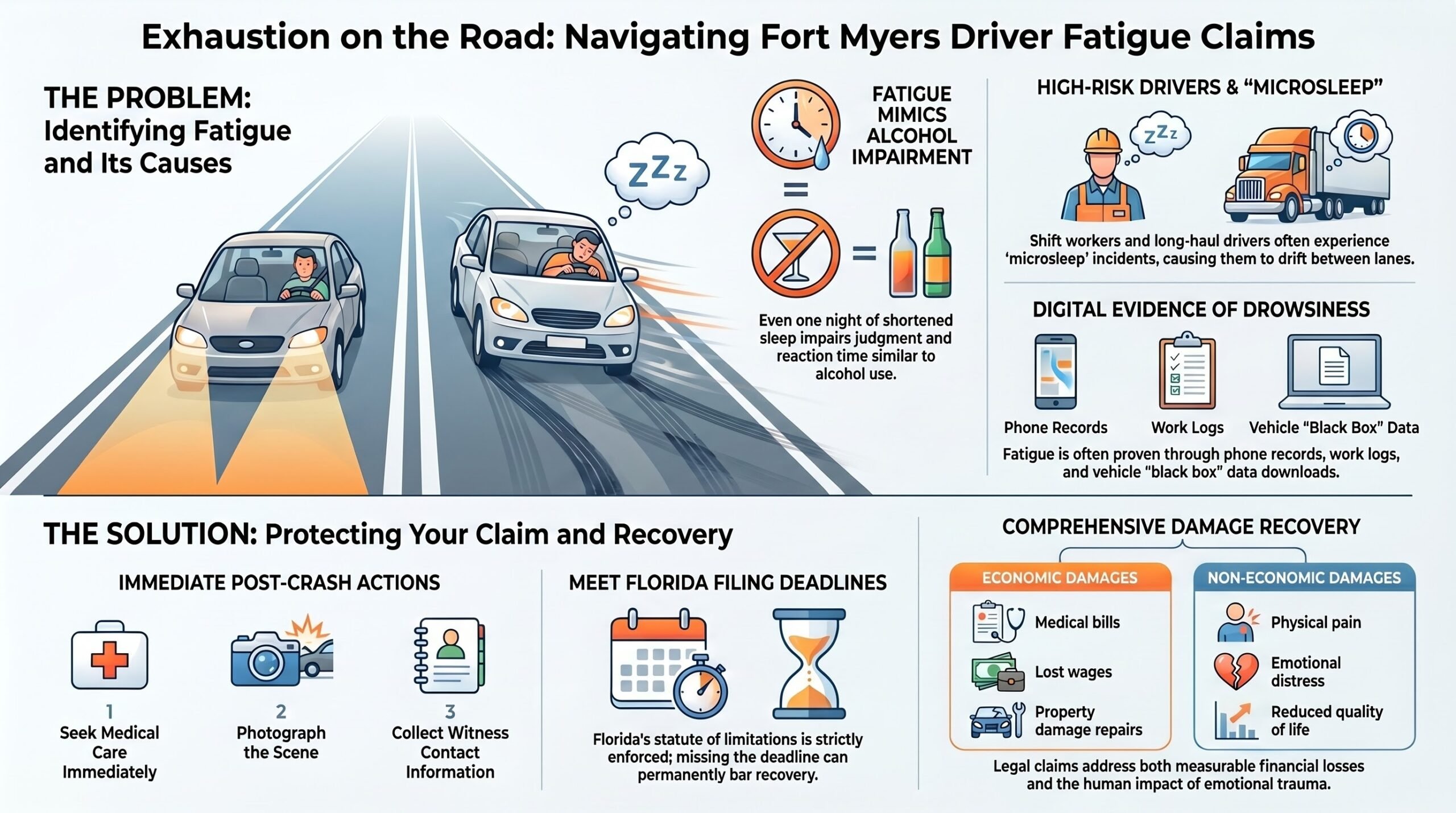
Operating a vehicle after too little sleep poses a measurable risk of serious collisions because sleep deprivation slows reaction time, impairs judgment, and reduces a driver’s ability to stay alert to changing road conditions. Even one shortened night can impair attention in ways similar to alcohol use, placing other motorists, passengers, cyclists, and pedestrians at unnecessary risk.
Sleep loss also contributes to Circadian disruption, which can intensify drowsiness during early-morning or late-evening travel. In these periods, Microsleep incidents may occur without warning, causing a driver to miss traffic signals, drift between lanes, or fail to brake in time. People and organizations committed to protecting others often encourage adequate rest, responsible scheduling, and prompt recognition of fatigue warning signs before any trip begins on Fort Myers roads.
Long-Haul Driving Demands
Long-haul driving demands add another well-recognized source of fatigue-related crashes in Fort Myers, particularly when drivers spend extended hours behind the wheel with limited opportunities for meaningful rest. Commercial drivers and others covering substantial distances may face physical strain, reduced alertness, and slower reaction times as the trip continues. These risks can increase during overnight hauls, when natural sleep rhythms already work against sustained concentration.
Even when carriers and drivers attempt to comply with mileage limits, pressure to meet delivery schedules may lead to fewer breaks, rushed meals, and continued driving despite warning signs of exhaustion. For families and community members sharing the road, these conditions can create preventable dangers. A careful review of route expectations, rest opportunities, and driving records often helps identify whether long-haul demands contributed to a serious collision.
Shift Work Exhaustion
Balancing irregular schedules with insufficient sleep often leaves shift workers vulnerable to dangerous fatigue on Fort Myers roads. Nurses, first responders, hospitality staff, and other vital employees may finish overnight duties with reduced alertness, slower reaction times, and impaired judgment, placing nearby motorists at risk.
Exhaustion often develops when rotating hours disrupt the body’s natural sleep-wake cycle and limit meaningful rest between assignments. Without effective Shift schedule strategies, workers may struggle to recover before commuting, especially after consecutive night shifts or extended duty periods.
Circadian adaptation may also remain incomplete, leading to drowsiness during early-morning or late-afternoon drives. Employers and workers who prioritize predictable scheduling, adequate rest windows, and safe transportation planning can better protect the community. Recognizing shift work exhaustion as a preventable hazard supports safer roads and stronger care for others.
Medication And Alcohol Effects
Beyond fatigue caused by demanding work schedules, certain medications and alcohol can further reduce a driver’s alertness and ability to respond safely on Fort Myers roads. Prescription pain relievers, sleep aids, antihistamines, and anti-anxiety drugs may slow reaction time, blur judgment, or cause drowsiness, especially when dosage instructions are ignored. Medication interactions can intensify these effects and create unexpected impairment.
Alcohol impairment also remains a serious public safety concern. Even small amounts may reduce coordination, divide attention, and weaken decision-making, particularly when combined with fatigue or prescription drugs. Those committed to protecting others on the road should recognize these risks and act with care. Choosing a sober, fully alert driver, reviewing medication warnings, and arranging alternative transportation can help prevent avoidable collisions and protect the Fort Myers community.


Legal Rights of Fort Myers Driver Fatigue Car Accident Injury Victims
Understanding these rights is vital for any Fort Myers driver fatigue accident victim seeking accountability and financial recovery. Florida law may allow injured parties to pursue compensation for medical costs, lost income, property damage, and pain and suffering when another driver’s negligence caused the collision. In serious cases, victims may also seek support for long-term care needs and vocational rehabilitation when injuries affect future work capacity.
Florida law may support recovery for medical bills, lost income, pain and suffering, and future care needs after a fatigue-related crash.
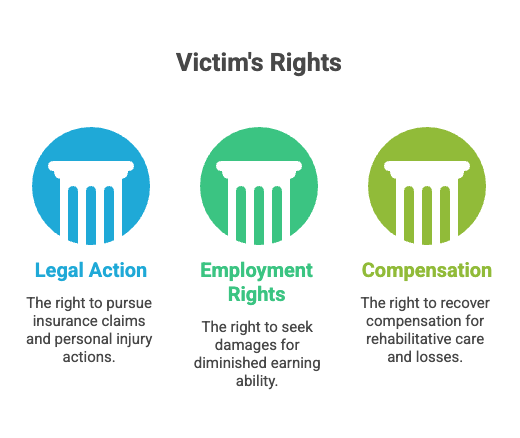
Key legal protections may include:
- the right to pursue an insurance claim or personal injury action against liable parties
- the right to seek damages for diminished earning ability and related employment rights concerns
- the right to recover compensation for rehabilitative care, household assistance, and other documented losses
These rights can help families restore stability while continuing to serve their communities and loved ones. A clear understanding of available remedies, insurance obligations, and liability principles often strengthens a victim’s ability to obtain fair treatment under Florida’s civil justice system and avoid unfair claim denials.
Steps to Take After a Fort Myers Driver Fatigue Car Accident Injury
After a Fort Myers driver fatigue car accident injury, several immediate steps can help protect both health and legal interests. Medical attention should be sought as soon as possible, and the accident should be thoroughly documented with photographs, reports, and witness statements. An attorney should then be contacted to assess the circumstances, preserve evidence, and explain the available legal remedies.
Seek Medical Attention
In the hours following a Fort Myers driver-fatigue car accident, prompt medical evaluation should be a priority, even when injuries appear minor at first. Adrenaline may conceal pain, and some conditions, including concussions, internal bleeding, and soft tissue trauma, may worsen without immediate attention.
An emergency evaluation can identify urgent injuries, stabilize the individual, and guide early treatment decisions. Seeking care also helps protect the well-being of passengers, family members, and others who depend on that person’s recovery and continued service.
Physicians may recommend imaging, medication, rest, or specialist referrals based on symptoms and examination findings. Care should not end after the first visit. Follow-up monitoring is often necessary to track delayed symptoms, adjust treatment, and support the safest possible physical recovery over time.
Document The Accident
A thorough record of the crash can preserve vital facts that may become harder to verify with time. After immediate medical needs are addressed, helpful documentation should begin as soon as conditions safely allow. Names, contact details, and insurance information should be collected from all involved parties.
The scene should be recorded carefully through photographic evidence showing vehicle positions, road markings, traffic signals, debris, weather, and visible injuries. Brief notes should capture the time, location, and any statements made by drivers or passengers. When bystanders observed the collision, witness statements may provide valuable independent accounts of erratic driving, delayed reactions, or signs of fatigue.
Copies of the police report number, towing information, and repair estimates should also be retained. Organized records can support informed decisions and responsible care for others later.
Contact An Attorney
When significant injuries, disputed facts, or insurance pressure follow a Fort Myers driver fatigue crash, legal counsel should be considered without unnecessary delay. An attorney can evaluate liability, preserve evidence, and manage communications that may otherwise harm a valid claim. Prompt guidance often helps families protect medical records, wage loss information, and witness statements before details fade.
Counsel may also identify whether fatigue involved employer demands, commercial driving violations, or negligent scheduling practices. Many firms offer after hours consultations, which can help injured people seek direction while continuing to care for others.
Through contingency arrangements, representation is often available without upfront attorney fees, reducing financial strain during recovery. Early legal support may strengthen negotiations, promote fair compensation, and allow injured individuals to focus on recover and service to their households and communities.
How a Fort Myers Driver Fatigue Car Accident Injury Lawyer Can Help You
After a fatigue-related collision, a Fort Myers driver fatigue car accident injury lawyer can protect an injured person’s interests by evaluating the facts, identifying liable parties, and building a claim supported by evidence. Counsel may review police reports, phone records, witness statements, and employer policies to determine whether poor driver alertness, missed rest breaks, or scheduling pressures contributed to the crash.
A careful legal approach often includes:
- preserving vehicle data, surveillance footage, and medical records before they are lost
- working with experts to connect fatigue indicators to unsafe driving decisions
- handling insurer communications so the injured person can focus on recovery and family responsibilities
An attorney may also calculate present losses, document nonfinancial harm, and pursue fair compensation through negotiation or litigation. Throughout the process, legal counsel serves by providing structure, accountability, and informed guidance. That support can help injured people make sound decisions, protect community well-being, and seek resources needed to move forward with dignity and stability.
Long-Term Effects of Fort Myers Driver Fatigue Car Accident Injuries
The long-term effects of driver fatigue car accident injuries often extend well beyond the initial recovery period. Many individuals face chronic pain challenges, lasting cognitive impairment, and emotional trauma effects that can disrupt daily functioning, employment, and personal relationships. These ongoing consequences often require continued medical care and careful legal evaluation to account for the full scope of harm.
Chronic Pain Challenges
Living with persistent pain can alter nearly every aspect of an accident victim’s daily routine, particularly when injuries from a Fort Myers driver fatigue crash involve the spine, neck, shoulders, or soft tissue. Ongoing discomfort may limit mobility, reduce stamina, and complicate work, caregiving, and household responsibilities for months or years.
Many individuals require coordinated treatment, including physical therapy, medication oversight, and structured rehabilitation. Effective sleep management is often vital, as pain frequently disrupts rest and slows recovery. Providers may also recommend pain coping strategies that support emotional resilience and help patients maintain meaningful routines.
When chronic symptoms persist, families and community caregivers often adjust schedules and resources to provide practical support. These lasting burdens can affect independence, financial stability, and overall quality of life, underscoring the serious consequences of fatigue-related collisions.
Lasting Cognitive Impairment
Cognitive impairment can remain a significant long-term consequence of injuries sustained in a Fort Myers driver fatigue car accident, particularly when the collision causes a traumatic brain injury or prolonged oxygen deprivation. Survivors may experience persistent problems with memory, concentration, processing speed, language, and judgment, all of which can limit independence and reduce the ability to care for others effectively.
Comprehensive evaluation often includes neurological testing, imaging, and, when fatigue-related sleep disruption is suspected, a sleep study. Treatment may involve medication management, structured therapy, and cognitive rehabilitation designed to strengthen daily functioning.
Families who seek early intervention can better support recovery, coordinate services, and help injured individuals maintain dignity, safety, and meaningful participation in work, caregiving, and community responsibilities in the long term after serious crashes.
Emotional Trauma Effects
Enduring emotional trauma often follows a Fort Myers driver fatigue car accident, especially when the event involves sudden violence, severe injury, or the loss of a sense of safety on the road. Survivors may experience anxiety, depression, sleep disruption, and post-traumatic stress that interferes with daily functioning and personal stability.
These effects often extend beyond the injured person, influencing Family dynamics, caregiving responsibilities, and the emotional well-being of spouses, children, and other loved ones. A once-routine trip may become a source of fear, leading to avoidance of driving, social withdrawal, and reduced confidence in ordinary activities.
Compassionate support, trauma-informed counseling, and consistent medical follow-up can help restore resilience. Early recognition of emotional harm also allows families and advocates to respond with patience, structure, and practical care.
Proving Liability in Fort Myers Driver Fatigue Car Accident Injury Cases
How is liability established when a Fort Myers crash appears to stem from driver fatigue? Liability is generally proven by evidence showing that a tired driver failed to exercise reasonable care and that the failure directly caused injury. Investigators often review crash-scene facts, vehicle damage, cell phone records, work schedules, and witness statements to identify signs of exhaustion prior to impact.
Additional evidence may come from driver monitoring data, dash camera footage, black box downloads, and medical or employment records that reveal inadequate rest. In commercial cases, logbooks, delivery demands, and company policies may show pressure to keep driving despite fatigue.
Expert testimony can help explain delayed reaction times, lane drifting, braking patterns, and the likely contribution of fatigue to the collision. Courts and juries then consider whether the driver knew, or should have known, that continuing to drive created an unreasonable risk to others. Clear documentation helps injured people pursue accountability and support the well-being of affected families.
Dealing With Insurance Companies After a Fort Myers Driver Fatigue Car Accident Injury
After a Fort Myers driver fatigue car accident injury, communication with insurance companies often becomes an essential part of the claims process. Insurers may request recorded statements, medical authorizations, or quick settlements that appear helpful but may not reflect the injured person’s full losses. Careful attention to wording and timing can protect both accuracy and fairness for everyone involved.
A disciplined approach usually includes preserving claims documentation, such as medical records, repair estimates, photographs, wage information, and correspondence. These materials help present a clear picture of how the collision affected daily life, work, and family responsibilities.
It is also wise to remain alert to common adjuster tactics, including efforts to minimize symptoms, shift blame, or pressure you into accepting an early offer. Respectful, organized communication often serves injured people and their loved ones best. When responses are measured and supported by records, insurance discussions are more likely to stay focused on facts rather than assumptions or unnecessary disputes.
What to Expect During a Fort Myers Driver Fatigue Car Accident Injury Claim Process
A Fort Myers driver fatigue car accident injury claim typically begins with an initial evaluation of the facts, the injuries involved, and the available insurance coverage. The process then focuses on gathering evidence of driver fatigue, while negotiations with insurers often shape whether the matter can be resolved efficiently. If a fair agreement is not reached, the claim may proceed toward settlement discussions or trial.
Initial Claim Evaluation
At the outset of a Fort Myers driver fatigue car accident injury claim, the initial evaluation typically focuses on whether the available facts support liability, causation, and compensable damages. During this stage, counsel commonly reviews the collision summary, medical treatment history, insurance information, and the client’s account of losses. A free consultation often helps injured individuals and families determine whether the matter warrants formal pursuit.
The evaluation also clarifies practical expectations. It may outline the likely timeline for the claim, explain insurance requirements, and identify immediate steps to protect the injured person’s interests and support community well-being. Attorneys may assess comparative fault issues, available coverage, and the general value of economic and noneconomic harm. This early review helps people make informed decisions and proceed with greater confidence, stability, and purpose after a serious crash.
Evidence Of Driver Fatigue
Because fatigue rarely leaves a single obvious marker, proving it in a Fort Myers car accident injury claim usually requires a careful review of circumstantial and documentary evidence. Investigators often examine crash-scene facts, driving patterns, phone records, surveillance footage, and witness statements for microsleep indicators, such as delayed braking, drifting, or failure to react.
Additional evidence may include work schedules, delivery logs, electronic data, toll receipts, and medical history showing sleep deprivation or circadian disruption. When commercial vehicles are involved, hours-of-service records, dispatch communications, and onboard data can reveal extended driving or inadequate rest.
Attorneys may also compare the timing of the collision with known fatigue-risk periods, such as overnight travel or early-morning commutes. Taken collectively, these materials can help establish whether driver exhaustion likely contributed to the collision and resulting harm.
Negotiations With Insurers
Once evidence of driver fatigue has been gathered, the claim typically enters negotiations with insurers, where liability and damages are closely examined. Adjusters often review medical records, repair estimates, wage-loss documentation, and witness statements while comparing these materials against policy limits and exclusions.
During this phase, Policy tactics may include requesting recorded statements, challenging causation, or minimizing the extent of injuries. Careful responses help protect the integrity of the claim and support fair evaluation.
Negotiation timing can vary depending on treatment progress, document collection, and the insurer’s internal review process. A disciplined approach keeps communications organized and focused on verified losses. By presenting complete information and anticipating common objections, claim representatives can better advocate for compensation that supports recovery, accountability, and the well-being of those affected by the collision.
Settlement Or Trial
In the next phase of a Fort Myers driver fatigue car accident injury claim, the matter may resolve through settlement or proceed toward trial, depending on the strength of the evidence, the extent of the damages, and the parties’ willingness to compromise.
Counsel typically evaluates Settlement timing by weighing medical progress, evidence of liability, and the practical costs of litigation. A fair settlement can provide timely support for treatment, lost income, and family stability, while avoiding prolonged uncertainty. If negotiations remain inadequate, trial preparation becomes critical, including witness development, exhibit review, and expert testimony.
Jury dynamics may influence strategy because jurors often respond differently to evidence of fatigue, responsibility, and preventable harm. Throughout this stage, careful guidance helps injured individuals make informed decisions that protect their interests and promote accountability and public safety.
Compensation for Fort Myers Driver Fatigue Car Accident Injury Damages
What compensation may be available after a Fort Myers driver fatigue car accident depends on the nature and extent of the injuries, the financial losses involved, and the evidence showing how the crash affected the injured person’s life. Helpful proof may include medical records, employer statements, a Sleep study, and Workplace policies that show whether fatigue risks were ignored or preventable.
In many cases, compensation is pursued through an insurance claim or personal injury action supported by careful documentation. Records of emergency care, follow-up treatment, rehabilitation needs, medication costs, lost income, and reduced ability to perform regular duties can strengthen the claim. Testimony from physicians, vocational experts, family members, and other witnesses may also help demonstrate the practical consequences of the collision.
A lawyer may evaluate available coverage, identify all potentially responsible parties, and present evidence in a way that supports a fair result for the injured person and the family members depending on that support.
Economic vs Non-Economic Damages in Fort Myers Driver Fatigue Car Accident Cases
In Fort Myers driver fatigue car accident cases, damages generally fall into two categories: economic damages, which cover measurable financial losses, and non-economic damages, which address the personal effects of an injury.
Economic damages may include medical expenses, lost income, and other documented costs, while non-economic losses often involve pain and suffering, emotional distress, and reduced quality of life. Establishing the value of either type of damage typically requires records, testimony, and other evidence that connects the losses to the crash and supports the amount claimed.
Economic Damages Explained
Many fatigue-related car accident claims in Fort Myers involve economic damages, which refer to the measurable financial losses caused by the collision. These damages are documented through bills, estimates, invoices, employment records, and other objective evidence. They commonly include emergency care, hospital treatment, rehabilitation costs, medication expenses, lost wages, and future reductions in earning capacity. Property loss also falls within this category, covering vehicle repairs, replacement costs, and other damaged personal items.
A careful review of economic damages helps injured people and their families understand the practical impact of a crash and seek resources needed for recovery. In service-oriented legal advocacy, establishing these losses with accuracy can support a fair claim and encourage accountability. Clear financial proof often strengthens negotiations with insurers and promotes more responsible case resolution for everyone involved.
Non-Economic Losses Overview
Beyond financial costs, driver fatigue collisions in Fort Myers often produce non-economic losses that are no less significant, even though they are not tied to receipts or wage records. These harms may include physical pain, emotional distress, anxiety, loss of enjoyment, inconvenience, scarring, and reduced ability to participate in family or community life.
In a legal claim, non-economic damages recognize the human consequences of an injury and how daily life can change after a preventable crash. They address diminished quality of life, strained relationships, sleep disruption, and the emotional burden of ongoing limitations. For families committed to caring for others, these losses can profoundly affect service, companionship, and ordinary routines. A careful discussion of pain valuation helps distinguish these personal harms from measurable financial losses alone.
Proving Damage Value
Assigning a reliable value to damages in a Fort Myers driver fatigue car accident case requires more than identifying the categories of harm involved. Economic losses are often proven through medical bills, wage records, repair estimates, and expert analysis. In more serious cases, forensic accounting may be used to measure lost earning capacity, business interruption, or future financial impact with greater accuracy.
Non-economic damages require a different form of proof, yet they are no less important to a fair result. Pain, emotional distress, disability, and loss of enjoyment of life are commonly supported by treatment records, testimony from relatives, and professional evaluations. When long-term injury is involved, life care planning can help show future needs and expenses, allowing compensation to reflect both immediate loss and ongoing burdens for injured people.
When a Fort Myers Driver Fatigue Car Accident Injury Case Goes to Trial vs Settlement
In a Fort Myers driver fatigue car accident injury case, the path toward settlement or trial generally depends on the strength of the evidence, the seriousness of the injuries, and the extent of disagreement over fault and damages. Settlement is often favored when medical records, witness statements, crash reports, and fatigue-related proof create a clear picture of liability and loss for all involved.
Trial becomes more likely when insurers minimize harm, dispute causation, or refuse fair compensation despite substantial evidence. In those circumstances, counsel may evaluate jury dynamics, because community perspectives can shape how negligence, credibility, and long-term suffering are understood. Trial preparation also requires attention to expert testimony, demonstrative evidence, and appellate strategy, especially if significant legal rulings may affect the outcome.
A service-minded approach remains important in either path. Careful negotiation can protect resources and reduce stress, while thoughtful trial advocacy may be necessary to pursue accountability and secure support for ongoing medical and personal needs.
The Statute of Limitations for Fort Myers Driver Fatigue Car Accident Injury Cases
After a Fort Myers driver fatigue car accident, the statute of limitations sets the legal deadline for filing a personal injury lawsuit, and missing that deadline can bar recovery regardless of how strong the underlying claim may be. In Florida, these filing deadlines are strictly enforced, making timely action crucial for injured people and families seeking accountability and support.
Several factors can affect the applicable period, including the date of injury, the identity of the parties involved, and whether a wrongful death claim is asserted. These nuances of the statute matter because a seemingly small factual difference may change how long a claimant has to proceed. Courts generally expect claims to be filed within the governing time limit, and delays can weaken access to evidence, witness recollections, and other proof needed to serve justice.
Careful attention to dates, records, and procedural requirements helps preserve the opportunity to pursue compensation while honoring the legal process and the needs of everyone affected.
When to Contact a Fort Myers Driver Fatigue Car Accident Injury Lawyer
Statutory deadlines define how long a claim may remain viable, but the timing of legal guidance can matter just as much to the strength of a driver fatigue car accident case. Early contact is often prudent after a crash involving suspected exhaustion, delayed reactions, reduced driver alertness, or evidence that a motorist skipped needed rest breaks.
Prompt action may help preserve photographs, electronic data, witness accounts, and employment or scheduling records that could clarify how fatigue contributed to the collision. Medical evaluation should also occur quickly, both to protect health and to document injuries in a clear timeline.
Families who aim to protect others on the road may also consider contacting counsel when an insurer requests statements, disputes fault, or minimizes the seriousness of the harm. Reaching out soon after the accident can support orderly communication, informed decision-making, and careful management of deadlines, records, and recovery needs while the facts remain accessible and more reliable.
Why You Need an Experienced Fort Myers Driver Fatigue Car Accident Injury Lawyer
Guiding a driver fatigue car accident claim often requires more than a basic understanding of traffic law, because these cases can involve subtle evidence, disputed liability, and insurance tactics that obscure the role of exhaustion in the crash.
An experienced Fort Myers driver fatigue car accident injury lawyer can identify evidence that others may miss, including logbooks, phone records, surveillance footage, and employer documentation related to rest-break policies. Legal counsel can also work with experts in fatigue detection to connect driving behavior, delayed reactions, and scheduling demands to the collision. This focused approach helps protect injured people and the families who depend on them.
Experience also matters when insurers argue that distraction, weather, or ordinary negligence caused the crash instead of exhaustion. A seasoned lawyer can present a clear theory of liability, calculate full losses, and pursue compensation for medical care, lost income, and future needs. Effective representation supports accountability and promotes safer practices that benefit the wider community.
How to Choose the Right Fort Myers Driver Fatigue Car Accident Injury Lawyer for Your Case
In evaluating legal representation, an injured person should look for a Fort Myers driver fatigue car accident injury lawyer with specific experience handling fatigue-related collision claims, not merely general car accident cases. Relevant experience may include proving drowsy driving through records, witness statements, and disciplined case preparation.
A careful selection process also considers communication, professionalism, and commitment to service. During client interviewing, the lawyer should ask focused questions, explain likely challenges, and describe a practical strategy tailored to the facts. An injured person should also review the attorney’s record with negotiations and trial preparation, since fatigue cases can involve disputed liability.
Clear explanations of fee structures are equally important, because transparency helps families plan responsibly while pursuing accountability. Attention should also be given to responsiveness, available resources, and whether the lawyer treats the matter with dignity and respect. Choosing counsel on these factors can support both recovery and the broader goal of protecting others in the community.
About The Law Offices of Anidjar & Levine
For individuals seeking representation after a fatigue-related collision, The Law Offices of Anidjar & Levine presents a client-focused practice with experience handling personal injury and motor vehicle accident claims in Florida.
The firm is known for responsive communication, practical guidance, and an approach centered on helping injured people regain stability after serious disruptions.
Its attorneys and legal staff investigate crash causes, document losses, and pursue compensation through insurance negotiations or, when necessary, litigation.
This service-oriented model reflects values many community-minded clients respect, including accountability, diligence, and careful attention to each person’s circumstances.
Through Anidjar Insights, the firm emphasizes informed decision-making and clear expectations during the legal process.
The Levine Legacy is reflected in a continuing commitment to accessible representation and consistent client support.
For Fort Myers families affected by driver-fatigue accidents, the firm offers a structured, professional resource for pursuing justice while addressing the practical needs that often follow an injury.
Frequently Asked Questions
Can Weather Conditions Worsen Fatigue-Related Car Accidents in Fort Myers?
Yes, weather conditions can worsen fatigue-related car accidents in Fort Myers. Rain, fog, and storms create poor visibility and slippery roads, which demand faster reactions and sustained attention from already tired drivers. Fatigue can delay braking, impair judgment, and reduce lane control under these hazardous conditions. Those who seek to protect others should recognize that adverse weather and driver exhaustion jointly can markedly increase crash risk and injury severity greatly.
Are Commercial Truck Drivers More Often Involved in Fatigue-Related Crashes?
Yes, commercial truck drivers are more often involved in fatigue-related crashes because long hours, demanding driver schedules, and extended roadway exposure increase risk. Commercial carriers must follow rest regulations, yet fatigue still develops through tight delivery demands, nighttime driving, and inadequate sleep. Those who serve injured people should recognize that these collisions often involve preventable safety failures. Careful review of logbooks, dispatch records, and compliance history can help clarify responsibility.
Can Sleep Apnea Contribute to Driver Fatigue Accident Risks?
Yes, sleep apnea can markedly increase driver fatigue accident risks. It disrupts normal sleep, reduces alertness, and contributes to cognitive impairment that slows reaction time and weakens judgment. A person with untreated sleep apnea may experience daytime drowsiness, microsleeps, and reduced attention behind the wheel. Recognizing this condition and encouraging proper diagnosis and treatment helps protect drivers, passengers, and others on the road from preventable harm and serious collisions.
Do Fatigue-Related Accidents Happen More Often at Specific Times?
Yes, fatigue-related accidents occur more often during late nights and early mornings, when the body’s natural sleep cycle reduces alertness and slows reaction time. They also increase after long work hours, extended driving periods, and insufficient rest. Those who seek to protect others should recognize these high-risk periods and respond with care, planning, and prevention. Consistent sleep, regular breaks, and honest self-assessment help reduce avoidable harm on the road.
Can Dashboard Cameras Help Show Signs of Driver Drowsiness?
Yes, dashboard cameras can help show signs of driver drowsiness, especially when they support driver monitoring features like eyelid tracking. Footage may reveal prolonged blinking, head nodding, lane drifting, delayed reactions, or periods of inattention. Such evidence can assist investigators, insurers, and those seeking to protect others by clarifying whether fatigue likely contributed to a crash. However, camera quality, angle, lighting, and data retention limits can affect reliability.
—————————
Driver fatigue accidents in Fort Myers often involve serious injuries, disputed liability, and significant financial losses.
A clear understanding of the causes, legal rights, and required post-accident steps can materially affect the outcome of a claim.
With experienced legal guidance from the Law Offices of Anidjar & Levine and support from a Fort Myers Car Accident Lawyer, injured parties may better protect their interests and pursue full compensation.