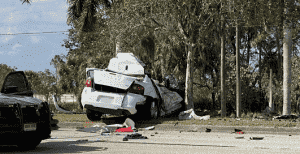
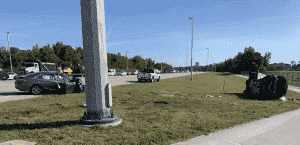
The Law Offices of Anidjar and Levine can help preserve photographs, witness statements, crash reports, medical records, and electronic data before crucial details are lost.
Early legal involvement also helps identify liable parties, evaluate insurance coverage, and prevent damaging statements or missed deadlines.
Counsel can manage insurer communications, document medical causation, and pursue compensation for treatment, lost income, and pain-related losses.
The following sections explain how these steps can strengthen an injury claim.
Learn more from a Fort Myers Car Accident Lawyer.
Main Takeaways
- A Fort Myers car accident lawyer can quickly preserve crash evidence, including photos, witness statements, police reports, medical records, and vehicle data.
- Early legal help protects your rights by managing communications with insurers and avoiding missed deadlines or harmful statements.
- An attorney can investigate fault by reviewing driver conduct, roadway conditions, surveillance footage, and other evidence that may prove liability.
- Prompt medical treatment documents injuries, supports causation, and helps connect your symptoms and losses to the collision.
- A lawyer can assess damages and insurance coverage to pursue compensation for medical bills, lost income, and long-term effects.


How We Can Help With Your Fort Myers Car Accident Evidence Injury Claim
Evaluate the facts carefully. A Fort Myers car accident lawyer can help build a strong injury claim by identifying liable parties, preserving essential evidence, and managing communication with insurers. This support allows injured people and their families to focus on recovery while legal work proceeds in an organized, service-minded manner.
Counsel may gather records, interview witnesses, secure photographs, and coordinate with qualified experts when needed. An attorney may also review insurance policies, explain available options, and prepare clear documentation showing losses related to treatment, income disruption, and daily limitations. When medical liens arise, careful attention can protect the client from unnecessary financial strain and support a more balanced resolution. During settlement negotiations, legal representation can present facts persuasively, respond to delay tactics, and seek fair compensation without compromising accuracy.
Throughout the process, consistent guidance, timely updates, and respectful advocacy help clients make informed choices and pursue accountability with confidence, dignity, and practical support.
OUR CONSULTATIONSARE FREE
START YOUR FREE CASE REVIEW

Understanding Fort Myers Car Accident Evidence Injury Cases
In Fort Myers car accident injury cases, a clear understanding of the legal and factual issues can shape the course of a claim from the outset. Injury cases often depend on careful documentation, timely treatment, and credible evidence showing how the collision affected daily functioning, employment, and long-term recovery.
A proper evaluation considers liability, damages, and the relationship between the crash and the reported harm. Medical causation is central because insurers frequently question whether symptoms arose from the accident or from prior conditions. Records, imaging, expert opinions, and consistent follow-up care may help clarify that connection. Comparative negligence also matters under Florida law, since compensation can be reduced when an injured person is found partly responsible. A disciplined review of witness statements, photographs, vehicle damage, and treatment history helps establish a balanced picture.
For families seeking to serve and protect loved ones, understanding these elements supports informed decisions and encourages responsible advocacy throughout the claims process.
Common Causes of Fort Myers Car Accident Evidence Injuries
Several recurring factors contribute to serious vehicle collisions in Fort Myers, often with preventable consequences. Common causes include distracted driving hazards, speeding and reckless conduct, drunk driving crashes, and poor road conditions that increase the risk of loss of control or reduced reaction time. A clear understanding of these causes helps frame how liability and damages may be evaluated after an accident.
Distracted Driving Hazards
Distracted driving remains one of the most common causes of car accidents in Fort Myers, because it diverts a driver’s attention from the road at pivotal moments. Even brief lapses can prevent a driver from noticing stopped traffic, pedestrians, or changing signals in time to respond safely.
Common distractions include phone use, in-vehicle conversations, adjusting navigation systems, eating, and roadside distractions such as billboards or emergency scenes. Each activity reduces visual, manual, or mental focus, increasing the likelihood of harmful mistakes. Those committed to protecting neighbors and strengthening community safety often encourage attentive driving habits, hands-free alternatives, and thoughtful trip preparation before departure. By recognizing these hazards and promoting responsible conduct, individuals help reduce preventable collisions and support a safer Fort Myers for families, visitors, workers, and everyone who shares local roads.
Speeding And Recklessness
Beyond distraction, speeding and reckless driving also play a major role in Fort Myers collisions by reducing the time and distance needed to avoid a crash. When motorists exceed posted limits, follow too closely, weave through traffic, or ignore signals, they create conditions in which small errors can have serious consequences.
From a public safety perspective, these behaviors endanger families, workers, pedestrians, and others who rely on responsible roadway conduct. Aggressive driving often occurs alongside speeding, especially during congestion, lane changes, and impatient passing. In response, speed-related enforcement efforts seek to deter preventable harm and encourage safer choices. Evidence in these cases may include skid marks, event data recorders, surveillance footage, and witness observations, all of which can help establish how reckless conduct contributed to injury, property loss, and community risk.
Drunk Driving Crashes
Impairment remains one of the most dangerous causes of Fort Myers car accidents, because alcohol can markedly reduce a driver’s judgment, coordination, reaction time, and ability to recognize hazards. Even small amounts of alcohol may undermine safe decision-making, increase stopping distance, and intensify the severity of collisions. Communities that prioritize protecting others often recognize that prevention, education, and accountability are vital responses.
Drunk driving cases may also involve underage drinking, which presents additional legal and safety concerns for families and the public. After a crash, investigators may examine field sobriety observations, toxicology results, and questions involving breathalyzer accuracy. This evidence can help clarify fault, support injured individuals, and encourage safer conduct on local roads. Careful documentation is often crucial when seeking fair recovery and promoting public safety.
Poor Road Conditions
Not every Fort Myers car accident stems from driver misconduct, because unsafe roadway conditions can also create serious collision risks. Uneven pavement, missing signage, poor lighting, and debris may reduce driver reaction time and vehicle stability, especially during heavy traffic or severe weather. In some cases, drainage failures allow standing water to collect, increasing the likelihood of hydroplaning and multi-vehicle impacts.
When road hazards contribute to a crash, a careful investigation may identify whether a public agency or contractor failed to maintain safe conditions. Evidence such as maintenance records, inspection reports, photographs, and witness statements can clarify how long a defect existed and who had notice. These facts may support claims involving pothole liability or other dangerous defects, helping injured people pursue accountability and resources needed for medical care and recovery.


Legal Rights of Fort Myers Car Accident Evidence Injury Victims
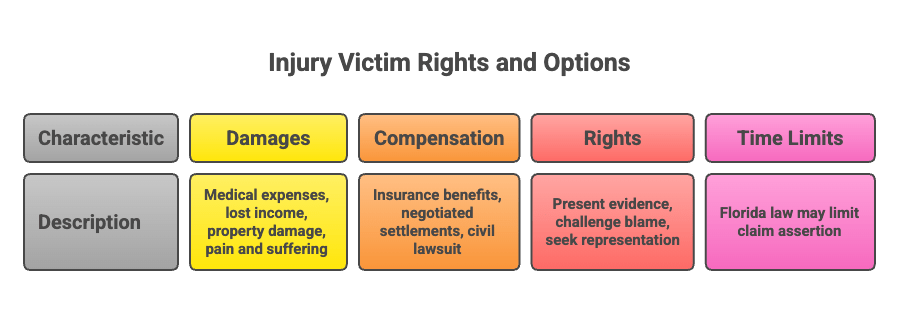
After a car accident in Fort Myers, injury victims generally have the legal right to seek compensation from the party responsible for the harm. These victim rights are designed to protect recovery, financial stability, and dignity while promoting accountability and safer conduct within the community.
- Injury victims may pursue damages for medical expenses, lost income, property damage, and pain and suffering.
- Compensation options can include insurance benefits, negotiated settlements, and, when necessary, a civil lawsuit against responsible parties.
- Victims also have the right to present evidence, challenge unfair blame, and seek representation that, with care, advances their interests.
- Florida law may limit the time available to assert claims, making legal awareness important for preserving rightful recovery.
A careful legal evaluation can clarify whether another driver, a vehicle owner, or another entity shares responsibility. By understanding these protections, community-minded individuals can better support injured neighbors and encourage lawful, responsible behavior after serious collisions.
Steps to Take After a Fort Myers Car Accident Evidence Injury
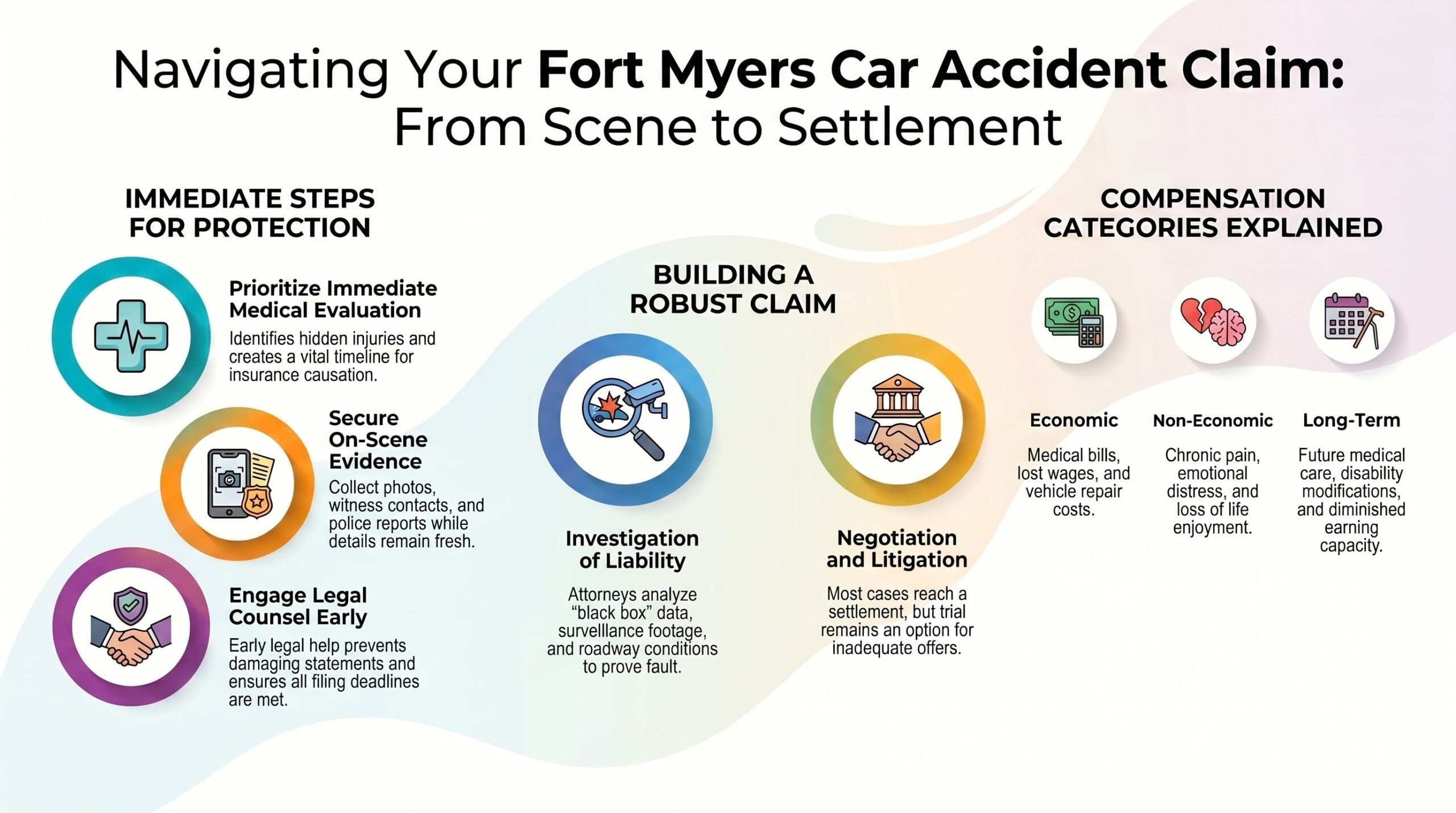
After an injury, prompt medical care is vital to protect both health and the documentation of the harm sustained. It is also important to gather crucial evidence, including photographs, witness information, and official reports, while details remain fresh and available. Early contact with an injury lawyer can help preserve legal options, guide communication with insurers, and support a more organized claim process.
Seek Immediate Medical Care
In the hours following a car accident, seeking immediate medical care should be treated as a priority, even when injuries appear minor at first. A prompt evaluation supports personal well-being and protects others who may depend on that individual’s ability to recover responsibly.
Medical professionals can provide an urgent assessment to identify hidden injuries, including concussions, internal trauma, and soft tissue damage that may worsen without treatment. Early care also provides immediate documentation of symptoms, diagnoses, and recommended treatments, which helps establish a clear timeline of the injury. Following prescribed care, attending follow-up appointments, and monitoring changes in pain or mobility can strengthen recovery and reduce complications. In service-minded communities, taking health concerns seriously reflects responsibility, preserves long-term functioning, and helps ensure that injured people remain able to support their families and broader obligations.
Gather Critical Evidence
Prompt medical attention should be followed by a careful effort to preserve and collect evidence related to the collision. Responsible action at this stage can protect facts that may later clarify how the crash occurred and who was affected.
Useful steps include scene preservation through photographs of vehicle damage, road conditions, debris, traffic signals, and visible injuries. If possible, names and contact information should be recorded for all involved parties and any bystanders. Witness statements can be especially valuable when memories are fresh and details remain clear. Copies of the police report, medical records, towing receipts, and repair estimates should also be organized and retained. A written summary of events, symptoms, and limitations may further support an accurate account while helping others understand the full impact of the incident.
Contact An Injury Lawyer
As soon as circumstances permit, contacting an injury lawyer can help protect legal interests and prevent avoidable mistakes during the early stages of a claim. Counsel may explain rights, preserve evidence, and manage communications with insurers so the injured person can focus on recovery and family responsibilities.
A lawyer often offers a free consultation and a thorough case evaluation to assess liability, damages, and available insurance coverage. This guidance can help individuals act responsibly toward those who depend on them, while pursuing fair compensation for medical care, lost income, and future needs. Early legal support also reduces the risk of missed deadlines, harmful statements, or incomplete documentation. When serious injuries follow a Fort Myers car accident, prompt legal advice can strengthen the claim and support a more orderly recovery process.
How a Fort Myers Car Accident Evidence Lawyer Can Help You
After a collision, a Fort Myers car accident lawyer can provide essential guidance by evaluating the facts of the case, identifying potentially liable parties, and explaining the legal options available under Florida law. This support often helps injured people and their families make crucial decisions while continuing to care for others in their community.
Through evidence preservation and witness interviewing, counsel can strengthen a claim and reduce preventable disputes.
- A lawyer can gather crash reports, photographs, medical records, and electronic data before important details are lost.
- A lawyer can communicate with insurers, present supporting documentation, and seek fair compensation for losses.
- A lawyer can coordinate with qualified experts when liability, vehicle damage, or roadway conditions require closer review.
- A lawyer can manage deadlines, court filings, and negotiations so clients can focus on recovery and daily responsibilities.
Long-Term Effects of Fort Myers Car Accident Evidence Injuries
Car accident injuries may produce lasting consequences that extend well beyond the initial recovery period. Many individuals experience chronic pain that affects daily function, while others face reduced mobility or permanent disability that alters work and personal independence. In addition, emotional trauma can persist after the collision, influencing mental health, relationships, and overall quality of life.
Chronic Pain Challenges
Persistence of pain is often one of the most disruptive long-term effects of motor vehicle collision injuries, particularly when damage to the spine, soft tissues, or nerves does not fully mend. Lingering discomfort may interfere with sleep, concentration, and daily responsibilities, even when outward healing appears complete. Many injured people also experience Chronic fatigue, which can deepen physical strain and emotional stress over time. Pain flare-ups may arise without warning after routine activity, medical treatment, or extended rest.
These recurring symptoms often require careful documentation, consistent clinical evaluation, and compassionate support from those assisting with recovery. A thorough understanding of chronic pain challenges helps advocates, caregivers, and legal professionals recognize the continuing burden an injured person may carry long after the collision itself.
Mobility And Disability
Long-term pain often extends beyond discomfort alone, because it can gradually limit movement and reduce a person’s ability to perform ordinary tasks without assistance. After a serious collision, lasting injuries may affect walking, standing, lifting, driving, and safe movement throughout the home or workplace. Some individuals require canes, braces, or prosthetics, while others depend on wheelchairs for daily mobility.
These changes often create practical service needs for families and caregivers. Homes, vehicles, and public spaces may require modifications that improve wheelchair accessibility and reduce safety risks. Recovery may also involve ongoing rehabilitation, transportation support, and assistive technology that supports communication, mobility, or self-care. When disability becomes permanent, careful planning is often needed to preserve independence, support dignity, and guarantee reliable access to vital community resources.
Emotional Trauma Impact
Beyond the physical injuries themselves, many collision victims experience lasting emotional trauma that affects daily functioning, relationships, and overall quality of life. Anxiety, disrupted sleep, depression, and post-traumatic stress may persist long after visible wounds begin to mend. Some individuals avoid driving, withdraw from family roles, or struggle to maintain employment and community involvement.
These psychological effects often require careful documentation because they can influence treatment needs, recovery timelines, and future stability. Professional counseling, consistent support, and trauma-informed care may help restore emotional resilience over time. When advocates, caregivers, and legal representatives recognize these invisible harms, they are better equipped to serve injured people with compassion and accuracy. A thorough claim should account for emotional suffering as seriously as physical impairment and ongoing medical care needs.
Proving Liability in Fort Myers Car Accident Evidence Injury Cases
Establishing liability in injury cases requires a careful review of how the collision occurred, who owed a duty of care, and whether that duty was breached. This process often begins with police reports, photographs, witness statements, medical records, and vehicle damage assessments, all of which help clarify the sequence of events and identify negligent conduct.
In Fort Myers car accident claims, attorneys evaluate whether a driver acted unreasonably by speeding, failing to yield, driving distracted, or violating traffic laws. They may also examine roadway conditions, visibility, and mechanical defects when multiple possible causes are present. Florida’s comparative negligence rules can reduce recovery if an injured person shares fault, making factual accuracy especially important. In some disputes, burden shifting affects which party must present stronger proof on a specific issue. A careful, service-minded legal approach focuses on accountability, truthful evidence, and the protection of injured people while respecting the responsibilities owed by everyone on the road.
Dealing With Insurance Companies After a Fort Myers Car Accident Evidence Injury
After a Fort Myers car accident injury, communications with insurance companies often shape the direction and value of a claim. Insurers may request recorded statements, broad medical authorizations, or quick settlement discussions before the full impact of injuries is known. A careful, service-minded approach helps protect the injured person and supports fair treatment for everyone involved.
Clear documentation, measured responses, and consistent records are crucial when addressing adjusters. Insurance representatives may minimize symptoms, question medical necessity, or rely on claim-denial tactics to reduce payouts. Thoughtful policy negotiation can help clarify coverage limits, available benefits, and disputed losses without unnecessary conflict. Legal guidance often assists by organizing evidence, identifying unfair practices, and ensuring communications remain accurate and respectful. This support allows injured individuals and their families to focus on recovery and community responsibilities, while protecting their interests during difficult circumstances. A disciplined response to insurers can preserve credibility and strengthen financial recovery after a serious collision.
What to Expect During a Fort Myers Car Accident Evidence Injury Claim Process
The injury claim process generally begins with the initial filing, followed by the collection of evidence and supporting documentation that establishes liability and damages. Once the claim is submitted, the insurance company typically reviews the materials, investigates the incident, and issues a response regarding coverage, fault, or compensation. From that point, the matter may proceed toward a negotiated settlement or require litigation if the parties cannot reach a fair resolution.
Initial Claim Filing
Beginning an injury claim in a Fort Myers car accident case typically involves notifying the appropriate insurance carriers, identifying the liable parties, and gathering the basic records needed to support the claim. Early notice helps preserve rights and promotes a more orderly process for everyone involved. Counsel often reviews policy terms, confirms coverage sources, and addresses nuances in the statute that may affect the claim.
During this stage, attention usually turns to required forms, insurer communications, and filing deadlines. Accurate party information, collision details, and preliminary injury reporting are commonly submitted to open the claim and prevent avoidable disputes. A careful filing approach supports fair treatment, respects the needs of injured individuals and their families, and positions the matter for responsible evaluation under Florida law and procedures.
Evidence And Documentation
Clarity becomes especially important during the evidence and documentation phase of a Fort Myers car accident injury claim, because the strength of the matter often depends on the quality and consistency of the supporting records. Medical charts, repair estimates, photographs, witness statements, and employment records are typically gathered and organized with care. When electronic data is involved, digital forensics may help preserve text messages, vehicle data, surveillance footage, or phone records.
A disciplined chain of custody helps show that materials were collected, stored, and presented without alteration. Providers, employers, and witnesses may be asked to provide timely documentation so the file accurately and respectfully reflects losses. Thorough documentation also helps demonstrate how the injury affected daily responsibilities, family support, and the ability to continue serving others in work and community life.
Insurance Company Response
Once records have been assembled and preserved, attention often turns to how the insurance company responds during a Fort Myers car accident injury claim. Adjusters commonly review medical reports, repair estimates, photographs, and witness statements before evaluating coverage and liability. They may request recorded statements, authorizations, or additional documentation to measure the extent of losses and verify consistency.
A careful response process can protect injured people and support fair treatment for everyone involved. However, delays, low valuations, claim denials, or repeated requests for unnecessary information may raise concerns. In some situations, an insurer’s conduct can suggest bad faith, particularly when communication is misleading or important facts are ignored. Close monitoring of deadlines, correspondence, and policy language helps maintain accountability and promotes a more transparent claims process for all parties involved.
Settlement Or Litigation
In many Fort Myers car accident claims, the process advances toward either negotiated settlement or formal litigation after the insurer has evaluated liability, damages, and supporting evidence. Settlement discussions often focus on medical costs, lost income, future care, and pain-related losses. Counsel may present organized evidence to encourage a fair resolution and reduce delays for everyone affected.
If negotiations stall, filing suit may become necessary to preserve rights and seek accountability. Litigation can include discovery, depositions, motions, and court-ordered conferences. Parties may also consider the benefits of mediation, especially when a respectful compromise could conserve time, costs, and emotional strain. However, when liability remains in dispute or compensation offers remain inadequate, jury trials may be the final recourse. Throughout either route, careful preparation helps protect the injured person’s interests while supporting a just outcome for the broader community.
Compensation for Fort Myers Car Accident Evidence Injury Damages
Securing compensation for injury damages requires a careful assessment of how the accident affected every part of a victim’s life. A thorough claim examines medical treatment, physical limitations, emotional strain, and disruptions to daily responsibilities, while remaining focused on a fair, evidence-based recovery for the harmed person and those who support them.
Legal counsel typically gathers records, expert opinions, and testimony to show the full extent of the injury and its lasting consequences. This process may include proof of rehabilitation needs, diminished earning capacity, and future lost income when the victim cannot return to the same work. In rare cases involving especially reckless conduct, punitive damages may also be pursued to hold the wrongdoer accountable and reinforce community safety. Careful documentation, consistent treatment, and credible witnesses often strengthen the claim. By presenting a clear picture of harm and need, an attorney helps position the victim to obtain compensation that supports stability, restoration, and responsible future care.
Economic vs Non-Economic Damages in Fort Myers Car Accident Evidence Cases
In car accident cases, damages are generally divided into economic and non-economic categories, each serving a distinct purpose in a compensation claim. Economic damages often include medical expenses, lost wages, and property repair costs, while non-economic losses may involve pain and suffering, emotional distress, and loss of enjoyment of life. The value of these damages must be supported by records, testimony, and other evidence that establishes both the financial impact and the personal consequences of the injury.
Economic Damage Examples
Clarity is essential when identifying economic damages in a Fort Myers car accident case, because these losses are measurable and supported by objective documentation. Common examples include emergency treatment bills, hospital charges, rehabilitation costs, medication expenses, and future medical care tied to the injury. Financial recovery may also include lost wages when an injured person misses work, as well as reduced earning capacity if physical limitations affect long-term employment.
Vehicle repair invoices, towing charges, rental transportation, and property replacement for a totaled car are also economic losses. In some cases, claimants may document home health services, medical equipment, or travel expenses for treatment. Careful recordkeeping allows families, insurers, and legal professionals to assess these damages accurately, helping to ensure resources are available to support recovery and restore practical stability after a collision.
Non-Economic Losses
While economic damages address financial losses that can be documented with bills and records, non-economic losses concern the personal effects of a crash that do not carry a fixed dollar amount. These harms often include physical suffering, emotional distress, diminished enjoyment of daily life, and lasting trauma that affects relationships and service to others. In Fort Myers car accident cases, non-economic damages may also reflect disfigurement, permanent impairment, and loss of companionship when injuries alter family roles and close bonds.
Because these consequences are deeply personal, pain valuation involves careful consideration of how the injury changes a person’s comfort, independence, and ability to contribute meaningfully at home, work, and in the community. This category recognizes human loss beyond measurable expenses and seeks fair acknowledgment of those intangible burdens endured.
Proving Damage Value
Precision matters when proving damage value in Fort Myers car accident cases, because the strength of a claim often depends on how clearly each loss is supported and explained. Economic damages are typically established through medical bills, wage records, invoices, and repair estimates that show measurable financial harm. Non-economic damages require a different form of proof, often relying on treatment notes, physician opinions, daily limitations, and testimony describing pain, emotional distress, and reduced quality of life.
Effective damage valuation connects these categories to the collision through organized evidence and consistent documentation. A careful presentation helps insurers, judges, and juries understand both immediate costs and lasting human consequences. In service-oriented legal advocacy, accurate valuation supports fair recovery, protects injured individuals, and promotes accountability for preventable harm within the community.
When a Fort Myers Car Accident Evidence Injury Case Goes to Trial vs Settlement
In many Fort Myers car accident cases, the question of whether an injury claim will proceed to trial or settle depends on several practical and legal factors. Strong evidence, credible witnesses, and clear medical records often encourage settlement because both sides can better assess risk and responsibility.
A case may move toward trial when liability is disputed, damages are minimized, or insurers refuse fair compensation. Trial preparation can increase settlement leverage by showing readiness to present a persuasive claim before a judge or jury. Attorneys also evaluate jury dynamics, since community attitudes, witness appeal, and the intricacy of the facts may affect outcomes. Settlement is often preferred when it offers timely support for medical care, lost income, and family stability. Trial may be necessary, however, when accountability requires a public decision or when negotiations do not reflect the true extent of harm. Each path should be weighed carefully, with attention to service, fairness, and long-term recovery.
The Statute of Limitations for Fort Myers Car Accident Evidence Injury Cases
Under Florida law, every car accident injury claim is governed by a filing deadline known as the statute of limitations. This rule establishes how long an injured person has to bring a lawsuit after a collision. If that period expires, the court may bar recovery regardless of the severity of harm or the strength of the evidence. For individuals focused on protecting others and preserving accountability, understanding this deadline is vital.
Florida law may also recognize deadline tolling in limited circumstances, which can pause or extend the running of time. Certain claim exceptions may apply as well, depending on the claimant’s age, legal capacity, or the defendant’s conduct after the crash. However, these exceptions are narrow and fact-specific. Delays can jeopardize records, witness recollections, and insurance documentation. Prompt attention to the applicable time limits helps preserve evidence, support fair outcomes, and ensure that injured people remain positioned to seek lawful compensation.
When to Contact a Fort Myers Car Accident Evidence Lawyer
When should an injured person contact a Fort Myers car accident lawyer after a collision? In most situations, contact should occur as soon as urgent medical needs are addressed and basic reporting is completed. An early consultation helps preserve evidence, document injuries, and reduce avoidable mistakes when speaking with insurers or gathering records. Prompt action also supports others involved, because accurate facts and timely notice can clarify responsibility and encourage fair resolution.
Delays may complicate a claim even when the injured person believes recovery will be straightforward. Witness memories fade, physical evidence disappears, and repair or treatment records may become harder to obtain. Florida filing deadlines matter, yet statute exceptions sometimes alter the timeline in limited circumstances. Those exceptions should never be assumed. A timely conversation with counsel can help an injured person understand immediate obligations, protect important information, and make informed decisions that serve personal recovery and broader accountability after a serious crash.
Why You Need an Experienced Fort Myers Car Accident Evidence Lawyer
After a serious collision, an experienced Fort Myers car accident lawyer can provide structure and judgment at a time when legal, medical, and insurance issues often arise simultaneously. That guidance matters because early decisions may affect evidence, treatment records, financial recovery, and a family’s ability to move forward responsibly.
Experienced counsel provides seasoned representation in intricate injury matters by identifying liability issues, preserving documentation, and responding to insurers’ tactics with a nuanced strategy. A lawyer with substantial accident experience understands how to connect crash evidence, witness accounts, medical opinions, and damages in a clear and credible presentation. This level of preparation can reduce avoidable mistakes and help protect the injured person’s long-term interests.
For people motivated by care for others, strong legal advocacy also supports stability for dependents and households. It creates a more reliable path toward accountability, practical relief, and resources needed for recovery and continued service to loved ones.
How to Choose the Right Fort Myers Car Accident Evidence Lawyer For Your Case
In selecting a Fort Myers car accident lawyer, careful evaluation of qualifications, experience, and professional approach is crucial to the strength of any injury claim. Effective Attorney selection begins with reviewing licensure, trial background, negotiation history, and familiarity with Florida insurance practices. A lawyer’s record in vehicle collision matters often reflects the discipline needed to protect injured people and support their families.
Case fit also merits close attention. A firm should communicate clearly, respond promptly, and explain legal options in a way that helps clients make informed decisions. Observing whether the lawyer listens carefully, values documentation, and prepares for litigation can reveal how the case may be handled. The fee structure, available resources, and willingness to thoroughly investigate damages should also be considered. When these factors align, individuals are better positioned to choose representation that advances accountability, promotes recovery, and serves the broader goal of restoring stability after a serious accident.
About The Law Offices of Anidjar & Levine
A careful review of a lawyer’s qualifications naturally leads to the law firm itself, including its values, resources, and approach to client service. The Law Offices of Anidjar & Levine is often evaluated through its commitment to responsive communication, practical guidance, and service-centered representation for injured people and their families in Fort Myers.
Its Firm history reflects growth within the Florida personal injury practice, supported by an emphasis on accessibility and organized case management. Observers frequently note the firm’s attention to client needs, including help with scheduling, updates, and insurance concerns during recovery. Client testimonials commonly describe professionalism, compassion, and steady advocacy, qualities that matter to individuals seeking to protect others while pursuing accountability.
The firm’s structure also suggests the capacity to investigate accidents, gather records, and build claims efficiently. For those comparing legal options after a car accident, this profile may indicate a law office prepared to combine legal skill with consistent service and meaningful client support.
Frequently Asked Questions
Can I Recover Deleted Dashcam Footage After a Fort Myers Car Accident?
Yes, deleted dashcam footage may sometimes be recovered after a Fort Myers car accident, depending on overwrite status, device condition, and storage settings. A detached assessment would recommend immediate preservation efforts, professional data recovery, and a review of any cloud backups associated with the camera or mobile application. Prompt action often serves all involved parties by protecting relevant evidence. Legal counsel and a qualified technician can help determine whether recovery remains feasible.
Who Owns Black Box Data After a Fort Myers Collision?
Black box data from a Fort Myers collision is usually controlled by the vehicle owner, though access may be granted to insurers, law enforcement, lienholders, or courts. Data ownership can also be affected by vehicle manufacturers, service agreements, and privacy terms. Because retrieval often requires consent, a warrant, or legal process, prompt preservation is important. Careful handling helps guarantee the information remains available to support accountability, fair claims evaluation, and the public interest.
Can Weather Reports Be Used as Evidence in My Injury Claim?
Yes, weather records and meteorology reports can support an injury claim when road, visibility, or storm conditions affected the incident. They may help show whether a driver should have reduced speed, used greater caution, or postponed travel. Courts and insurers often consider such evidence alongside witness statements, photographs, and crash reports. When carefully obtained and interpreted, these materials can strengthen a factual presentation focused on accountability, safety, and fair recovery.
Are Social Media Posts Admissible in Fort Myers Car Accident Cases?
Yes, social media posts may be admissible in Fort Myers car accident cases if they are relevant, authentic, and lawfully obtained. Courts may review posts, photos, comments, and messages when they bear on injuries, fault, or credibility. However, privacy concerns and context misinterpretation often affect how such evidence is evaluated. Careful legal review helps guarantee that social media material is presented accurately, fairly, and in a manner that supports just outcomes.
How Long Is Traffic Camera Footage Typically Preserved After an Accident?
Traffic camera footage is typically preserved for a limited time, often ranging from several days to a few months, depending on the agency and system involved. Retention periods vary widely between municipalities, transportation departments, and private operators. Public access is also limited, and footage may be deleted automatically unless requested promptly. Those seeking to serve injured parties effectively should act quickly, because early preservation requests can be crucial to protecting valuable evidence.
—————————
A Fort Myers car accident evidence injury lawyer can help preserve crucial proof, assess liability, and protect an injured person’s right to fair compensation. Prompt action often strengthens a claim, especially when evidence may fade or be lost over time.
By working with an experienced Fort Myers Car Accident Lawyer, accident victims may better understand their options and avoid costly mistakes. Law Offices of Anidjar & Levine provides focused guidance and representation for those pursuing recovery after a serious Fort Myers car accident.