

If you or a loved one suffered harm from a delayed diagnosis, misread imaging, or other negligent stroke care in Orlando, you should get medical treatment first, preserve records, and speak with the Law Offices of Anidjar and Levine promptly.
An attorney can secure charts, imaging, witness statements, and expert review to assess causation, liability, and damages while handling insurers and deadlines.
If you need help from an Orlando Medical Malpractice Lawyer, you can also recover compensation for long-term care, lost income, and lasting impairments, as outlined below.
Main Takeaways
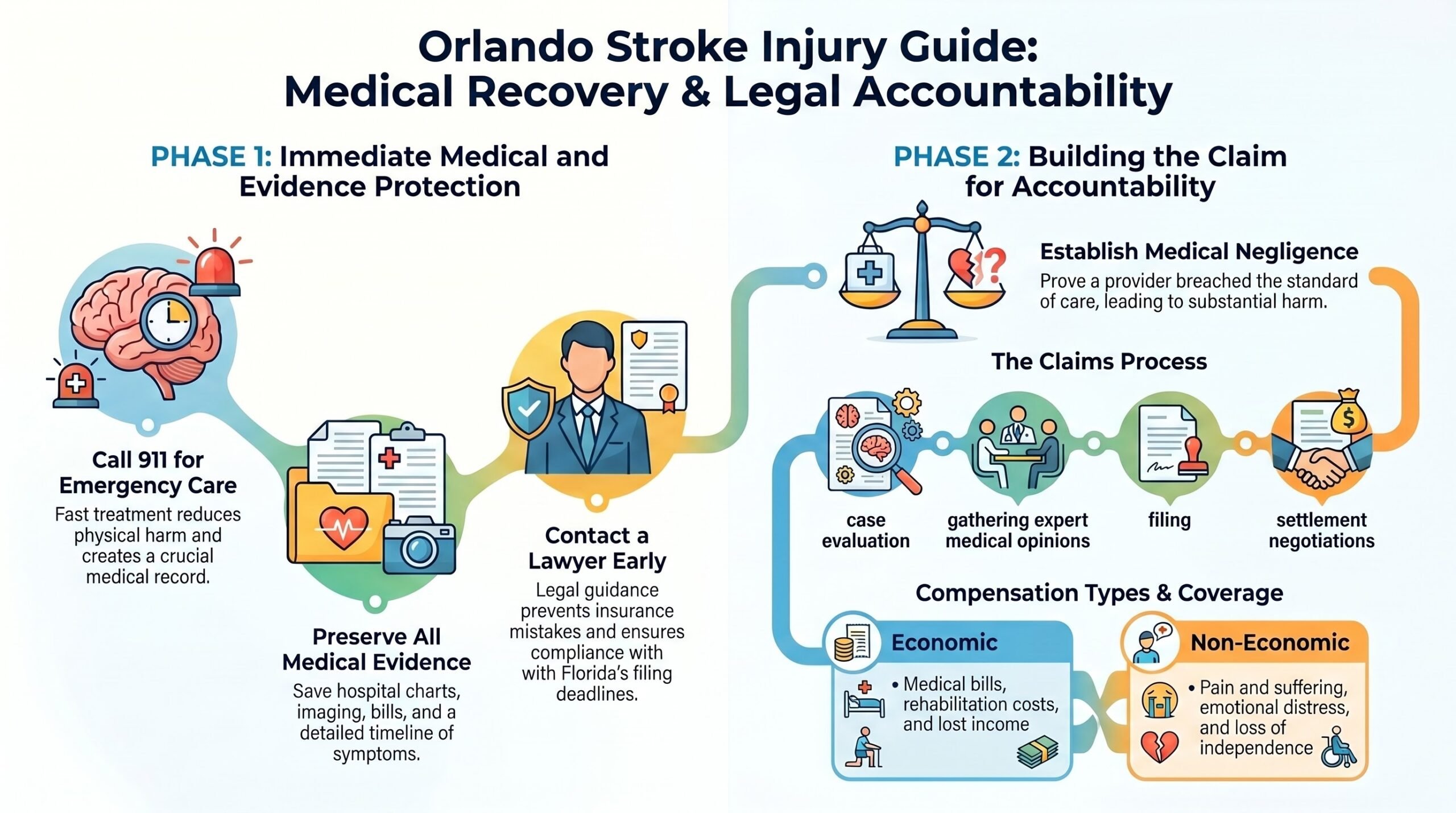
- Get emergency care immediately for stroke symptoms by calling 911, because fast treatment can reduce harm and protect your health and claim.
- Preserve evidence by saving medical records, imaging, bills, prescriptions, photos, and a timeline of symptoms, treatment, and provider communications.
- An Orlando stroke injury lawyer investigates delayed diagnosis or negligent treatment, gathers expert support, and connects the provider’s actions to worsening harm.
- A legal team handles insurers, secures hospital charts and witness statements, and calculates damages for medical costs, lost income, and long-term care.
- Contact a lawyer early after emergency treatment to protect deadlines, avoid insurer mistakes, and assess whether Florida medical negligence laws support compensation.


How We Can Help With Your Orlando Stroke Injury Claim
Steer your stroke injury claim with a legal team that understands both the medical intricacy and the financial stakes involved. You need counsel that listens carefully, acts promptly, and keeps your goals at the center of every decision.
We help you organize records, preserve critical evidence, and communicate with insurers and providers so your claim moves forward efficiently. You receive clear guidance on deadlines, documentation, and next steps, which reduces confusion and protects your position. Our approach emphasizes client support, because responsive communication helps you make informed choices for yourself and those who depend on you.
We also assist with recovery planning by identifying immediate financial concerns, coordinating supporting information, and preparing a demand that reflects your losses and future needs. Throughout the process, you can focus on healing and serving your family and community, while we manage negotiations, address obstacles, and pursue the compensation needed to restore stability and support long-term care.
OUR CONSULTATIONSARE FREE
START YOUR FREE CASE REVIEW

Understanding Orlando Stroke Injury Cases
Because stroke injury claims often involve urgent medical questions and disputed timelines, understanding how these cases work is vital to protecting your rights. You need clear records, prompt evaluations, and a careful review of when symptoms appeared, how providers responded, and whether delays worsened the outcome for you or your loved one.
In Orlando stroke injury cases, you must often prove that a medical professional failed to meet the accepted standard of care and that this failure caused substantial harm. Your claim may involve hospital charts, imaging studies, expert opinions, rehabilitation plans, and long-term financial losses. You should also document the ongoing impact on daily life, including mobility, communication, employment, and the need for caregiver support.
While your case focuses on accountability, it can also encourage safer practices, stronger stroke prevention efforts, and better treatment systems that serve future patients. By acting quickly and methodically, you help protect both your family and the broader community alike.
Common Causes of Orlando Stroke
You should understand that several serious health conditions can greatly increase your risk of stroke in Orlando. High blood pressure, smoking and tobacco use, diabetes and obesity, and underlying heart disease can each damage your blood vessels or disrupt normal blood flow. When you recognize these common causes, you can better understand how a stroke may occur and why prompt legal and medical action matters.
High Blood Pressure
Rising blood pressure places constant strain on the arteries and remains one of the most significant causes of stroke. When your pressure stays elevated, vessel walls can narrow, weaken, or rupture, reducing healthy blood flow to the brain. That damage may develop quietly over time, even when you feel well and remain active in your work.
If you serve others, protecting your health helps you remain dependable for your family, community, and profession. Through consistent hypertension management, you can lower your risk by following medical advice, taking prescribed medication, limiting sodium, exercising regularly, and managing stress. Blood pressure awareness also matters because routine monitoring helps you recognize dangerous patterns before they lead to a life-altering event. Early action often restores both your future and your ability to care for others.
Smoking And Tobacco
High blood pressure often works alongside another major stroke risk, smoking and tobacco use. When you smoke, chemicals damage blood vessels, increase the risk of clotting, and reduce oxygen delivery to your brain. Those effects can quickly increase your chances of an ischemic or hemorrhagic stroke.
If you serve others, protecting your health helps you remain present for your family, your work, and your community. Quitting tobacco can lower stroke risk over time, and avoiding cigarettes, cigars, and smokeless products matters.
Vaping risks also merit attention, because nicotine and other substances may harm blood vessels and circulation. Secondhand exposure can endanger people around you, including children, older adults, and anyone with existing health concerns. By stopping tobacco use and limiting exposure, you take a meaningful step toward stroke prevention overall.
Diabetes And Obesity
Balance often becomes harder to maintain when diabetes and obesity affect the body at the same time. When blood sugar remains uncontrolled, circulation and nerve function can suffer, increasing diabetes risks and making daily movement less stable. Excess weight also places added strain on your body, reducing mobility and making recovery from any health event more difficult.
If you care for others, you understand how important prevention is. You can reduce stroke-related risks by maintaining regular checkups, healthy eating, physical activity, and consistent medication use when prescribed.
These steps strengthen your ability to serve your family and community with steadiness and purpose. Obesity prevention matters because even modest weight loss can improve blood sugar control and reduce harmful inflammation. Early attention to these issues helps protect your long-term well-being and independence.
Heart Disease Risks
Because your heart and blood vessels work as one system, heart disease can sharply increase your risk of stroke. When your arteries narrow or harden, blood flow to the brain can drop or become blocked. Irregular heart rhythms, especially atrial fibrillation, can also send dangerous clots toward the brain without warning.
If you serve others, protecting your health helps you remain dependable for the people who rely on you. Careful cholesterol management, blood pressure control, and regular cardiac care can lower your risk.
You should also understand whether a genetic predisposition affects your family, because inherited conditions may raise stroke danger even when symptoms seem mild. By recognizing heart disease early and following treatment closely, you fortify your ability to work, care for loved ones, and continue helping your community daily.


Legal Rights of Orlando Stroke Injury Victims
When a stroke injury results from negligence, you have the right to seek compensation under Florida law for the losses that follow. Your claim may include medical costs, lost income, diminished earning ability, pain and suffering, and long-term care.
You also retain important patient rights, including clear information, informed consent, and fair treatment throughout your recovery. If negligence limited timely diagnosis or treatment, those violations matter.
Your legal rights also support dignity, stability, and access to rehab when you need sustained care to keep serving your family and community.
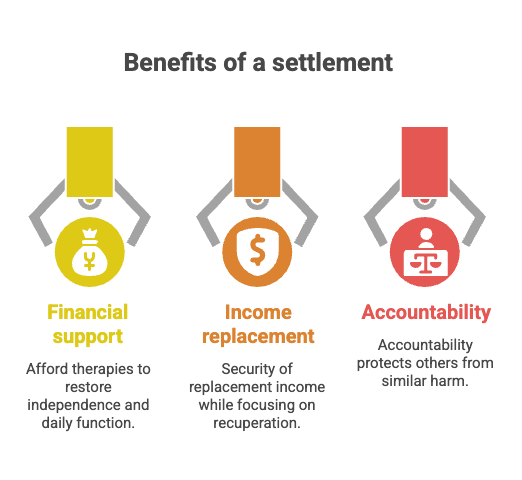
Consider what may be at stake:
- The ability to afford therapies that restore independence and daily function.
- The security of a replacement income while you focus on recuperation.
- The accountability that can protect others from similar harm.
Florida law may allow you to pursue damages from hospitals, physicians, nurses, or other responsible parties. By asserting your rights, you honor both your recovery and the well-being of those who depend on you.
Steps to Take After an Orlando Stroke Injury
After an Orlando stroke injury, you should seek immediate medical care, because prompt treatment protects your health and creates a crucial record of your condition. You should also document key evidence, including medical records, witness information, and any details about how the injury occurred, so you can preserve facts that may support your claim. Once you’ve taken these initial steps, you should contact a lawyer who can protect your rights and guide you through the legal process.
Seek Immediate Medical Care
Even if your symptoms seem minor or improve quickly, you should seek immediate medical care, since a stroke can worsen without prompt treatment, and early intervention may limit lasting harm. Call 911 at once so trained responders can begin an emergency assessment and arrange transport coordination to the nearest appropriate hospital. Do not drive yourself, and do not wait for symptoms to return or intensify.
Every minute matters because doctors may have time-sensitive options that protect brain function and improve recovery. If you are with someone else, encourage that person to stay calm, follow dispatcher instructions, and communicate any visible changes to emergency personnel. By acting quickly, you give yourself the best chance to recover, preserve independence, and continue serving your family, your work, and your community with strength and purpose afterward.
Document Key Evidence
Prompt medical treatment protects your health, and careful documentation can safeguard your legal claim. As soon as you are able, gather every detail connected to the stroke injury and its effects on your daily life. Keep copies of hospital discharge papers, test results, prescriptions, bills, and follow-up instructions in one secure place.
You should also preserve photos, videos, and other digital records that show conditions before, during, and after the event. Write down dates, times, symptoms, medications, and conversations with providers while memories remain clear.
If family members, coworkers, or bystanders observed warning signs or delays in care, ask them to prepare witness statements. Organized evidence helps you present an accurate account, supports those assisting with your recuperation, and protects your ability to pursue accountability for preventable harm later.
Contact A Lawyer
When should you contact a lawyer following an Orlando stroke injury? You should reach out as soon as possible after receiving emergency care and documenting crucial evidence.
Early legal guidance helps protect your rights, preserve records, and prevent costly mistakes during insurance discussions. If you are supporting a loved one, timely action also strengthens your ability to advocate for proper care and accountability.
A qualified attorney can review medical records, identify negligence, and explain whether your claim has validity under Florida law. If you need help finding counsel, a trusted lawyer referral service may provide useful direction.
During your consultation, ask about experience with stroke injury cases, communication practices, and fee structures. By securing prompt legal advice, you place yourself in a stronger position to pursue justice and meaningful support.
How an Orlando Stroke Injury Lawyer Can Help You
Because stroke injury cases often involve complex medical evidence and disputed timelines, an Orlando stroke injury lawyer can help you identify the cause of the harm, preserve vital records, and build a clear claim for compensation. Your attorney can gather hospital charts, imaging results, witness statements, and staffing records, then work with medical experts to explain where care failed. You also gain guidance on stroke prevention concerns and access to recovery resources that support your family’s immediate needs.
A lawyer also gives your service-minded values a practical path forward by helping you pursue accountability with dignity.
Your claim can help protect others from similar harm while seeking needed financial relief.
An attorney may help you:
- Secure crucial evidence before it disappears.
- Communicate with insurers without risking your claim.
- Calculate damages fairly and present them with credible support.
With focused legal counsel, you can make informed decisions, protect your rights, and pursue justice responsibly for everyone affected.
Long-Term Effects of Orlando Stroke Injuries
After a stroke, you may face lasting cognitive and memory changes that affect your judgment, concentration, and ability to manage daily tasks. You may also experience mobility and coordination challenges, which can limit your independence and make routine activities more difficult. In addition, you may notice emotional and behavioral effects that can influence your relationships, recovery, and overall quality of life.
Cognitive And Memory Changes
Although a stroke may leave no obvious physical mark, it can markedly alter how you think, process information, and retain memories for months or years. You may struggle with concentration, planning, decision-making, and communication, even when you remain deeply committed to helping your family and community each day.
You might notice short-term forgetfulness, difficulty following conversations, or problems organizing simple tasks that once felt routine. Changes in visual memory can make it harder to recognize familiar places, recall written details, or manage schedules accurately. These cognitive losses often affect employment, relationships, and your ability to serve others with confidence.
Careful medical evaluation, rehabilitation, and consistent support can improve function, but recovery may remain uneven. Understanding these lasting effects helps you protect your rights and seek appropriate legal and financial resources.
Mobility And Coordination Challenges
Adjusting to life after a stroke often means confronting persistent weakness, poor balance, and reduced coordination that can limit how safely and independently you move. You may struggle with standing, walking, reaching, or climbing stairs, especially when one side of your body remains weaker or less responsive.
These limitations can affect how you care for loved ones, serve your community, and manage daily responsibilities. Rehabilitation often includes gait training, strength work, and repetitive exercises that help retrain movement patterns and improve stability.
You may also rely on assistive devices such as canes, walkers, or braces to reduce the risk of falls and support safer mobility. When another party’s negligence caused your stroke, understanding these long-term physical challenges can help demonstrate the full extent of your losses and future care needs clearly.
Emotional And Behavioral Effects
Because a stroke can disrupt the parts of the brain that regulate mood, judgment, and impulse control, you may face lasting emotional and behavioral changes that affect every part of daily life. You may experience mood swings, irritability, anxiety, depression, or reduced patience, even when you remain committed to serving your family and community with compassion and consistency.
These changes can strain relationships, interfere with work, and lead to social withdrawal when frustration or embarrassment becomes difficult to manage. You may also notice poor decision-making, impulsive actions, or a diminished ability to read social cues.
Recognizing these symptoms matters because timely counseling, structured therapy, and strong family support can help you restore stability. If another party’s negligence caused your stroke, legal guidance can protect your future and secure needed resources.
Proving Liability in Orlando Stroke Injury Cases
When a stroke occurs after a delayed diagnosis, improper treatment, or a preventable medical error, proving liability requires more than showing that serious harm occurred. You must connect the provider’s actions to the injury through clear evidence, credible records, and informed medical analysis. In Orlando stroke cases, this often means demonstrating medical negligence, a delayed diagnosis, or another breach of the accepted standard of care.
To build a strong claim, you should gather imaging results, treatment timelines, medication records, and witness accounts. Expert review is usually crucial because a qualified physician can explain what competent care is required and how the provider failed to meet that obligation.
You also need to show causation, meaning the mistake likely worsened the stroke, reduced treatment options, or caused lasting impairment. By organizing the facts carefully and acting promptly, you place yourself in a stronger position to seek accountability and protect others from similar harm in the future.
Dealing With Insurance Companies After an Orlando Stroke Injury
Although insurers may present themselves as cooperative after an Orlando stroke injury, their primary goal is often to limit what they pay and resolve the claim on terms that protect their financial interests. You should approach every conversation carefully, because adjusters often use settlement tactics designed to reduce the value of your losses and secure statements that may later be used against you.
You can protect yourself by keeping records of medical care, expenses, missed work, and the ways the injury affects your ability to serve your family and community. Do not rush to accept a quick offer before you understand your full needs. In claim negotiation, clear documentation and disciplined communication strengthen your position.
You should avoid speculation, provide accurate information, and direct complicated questions through legal counsel when necessary. By staying organized and measured, you help preserve your rights and improve your ability to pursue fair compensation that supports recovery and continued care.
What to Expect During an Orlando Stroke Injury Claim Process
You can expect your Orlando stroke injury claim to begin with an initial case evaluation, where your lawyer assesses the facts, identifies liability, and explains your legal options. From there, you’ll need to gather strong medical evidence, file the claim within the required deadlines, and prepare for negotiations with the insurer. If a fair settlement isn’t reached, your case may proceed to trial, where your attorney presents the evidence and argues for the compensation you merit.
Initial Case Evaluation
At the outset of an Orlando stroke injury claim, your attorney will review the basic facts of the event, the medical timeline, and the records that may show how the stroke occurred and who may be legally responsible. During a free consultation, you can explain what happened, identify crucial dates, and describe how the injury affected your ability to care for others and meet daily responsibilities.
Your lawyer will assess whether negligence, delay, or miscommunication may have contributed to the harm. You should expect direct questions, careful listening, and an honest discussion about possible claims, deadlines, and obstacles. This initial review also helps shape a practical case strategy, enabling your legal team to determine the next steps and protect your interests from the outset. It sets a focused, informed foundation.
Gathering Medical Evidence
Gathering medical evidence becomes one of the most important parts of an Orlando stroke injury claim, because the records often show when symptoms appeared, what providers knew, and whether delays in diagnosis or treatment worsened the outcome.
You should expect your legal team to collect complete medical records from hospitals, emergency responders, consultants, and rehabilitation providers. These documents help establish timing, symptoms, treatment decisions, and the lasting effects on your health and ability to serve your family and community.
Your attorney may also request an imaging review of CT scans, MRIs, and related studies to determine whether warning signs were missed or misread. In many cases, expert physicians examine the evidence and explain how proper care could have remedied harm. This careful process builds a clear, credible account of what happened and why it matters.
Filing The Claim
Once the medical evidence has been organized, filing the claim usually marks the point where your Orlando stroke injury case moves from investigation to formal legal action. At this stage, your attorney prepares the complaint, identifies liable parties, and submits required documents to the proper court or insurer. You help by carefully reviewing facts, providing complete records, and answering questions promptly so nothing important is missed.
During this part of the claims process, accuracy matters because small errors can delay progress or weaken your position. Your lawyer also tracks filing deadlines, serves notice on the opposing side, and confirms that procedural rules are followed. By staying responsive and organized, you strengthen the foundation of your case and support a process designed to secure accountability, protect your rights, and serve your family well.
Settlement Or Trial
Consider this stage the point where your Orlando stroke injury claim may resolve through settlement negotiations or proceed to trial if the opposing side refuses to offer fair compensation.
Your attorney evaluates settlement dynamics, weighs medical evidence, and measures long-term losses against any offer. You remain focused on recovery and supporting your family, while counsel protects your interests with disciplined communication and preparation.
If negotiations stall, you should expect a clear trial strategy built on expert testimony, records, and witness accounts. Your lawyer prepares you for testimony, explains courtroom procedures, and presents the full impact of the stroke on your life and ability to serve others. Whether your case settles or reaches a verdict, this phase demands patience, informed decision-making, and steady advocacy to secure meaningful accountability and resources for your future.
Compensation for Orlando Stroke Injury Damages
Secure the compensation you merit by identifying every stroke-related loss the injury has caused. You need a clear record of hospital treatment, rehabilitation, prescriptions, assistive devices, and future care needs. Your claim should also reflect transportation costs, home modifications, and reliable caregiver support when daily tasks become difficult.
You also strengthen your case by documenting how the stroke changed your ability to work, volunteer, and continue serving your family or community. If you need post-stroke vocational assessment, retraining, or workplace accommodations, those consequences deserve careful attention. Medical opinions, therapy notes, wage records, and expert evaluations can connect the injury to each ongoing limitation.
An Orlando stroke injury lawyer helps you assemble persuasive evidence, calculate the full scope of your damages, and present a demand that insurers can’t dismiss. With thorough preparation, you place yourself in the strongest position to pursue meaningful financial recovery and protect your long-term stability.
Economic vs Non-Economic Damages in Orlando Stroke Cases
In an Orlando stroke case, you may recover economic damages for measurable losses such as medical bills, rehabilitation costs, lost income, and future care expenses. You may also seek non-economic damages for harder-to-measure harm, including pain and suffering, emotional distress, and the loss of your ability to enjoy daily life.
To recover the full value of your claim, you must prove that the stroke caused these financial and personal losses through medical records, expert opinions, and other supporting evidence.
Economic Damage Categories
Stroke injury claims in Orlando often involve two distinct forms of compensation: economic damages and non-economic damages. Economic damages cover measurable financial losses tied to your stroke and recovery. If another party caused the harm, you can pursue payment for emergency care, hospitalization, surgery, medication, rehabilitation expenses, and ongoing therapy.
You may also recover lost wages when your condition keeps you from working, along with diminished earning capacity if you can’t return to your prior role. In some cases, economic damages include home health assistance, medical equipment, transportation to appointments, and costs for modifying your home.
These losses matter because they affect your ability to support yourself and continue serving others. Careful documentation, billing records, and expert evaluations help establish the full value of your claim with credibility.
Non-Economic Loss Factors
Because a stroke can alter nearly every part of your daily life, non-economic damages address losses that don’t appear on bills or pay stubs. You may face chronic discomfort, emotional distress, loss of independence, and the inability to enjoy relationships, routines, and service to others in the way you once did.
These factors reflect human harm, not financial entries. Pain valuation considers the severity, duration, and daily effect of your suffering. Life impairment addresses how the stroke limits mobility, speech, cognition, and participation in family, faith, and community responsibilities.
You may also experience anxiety, depression, embarrassment, or reduced companionship with a spouse. When these losses reshape your identity and your ability to care for others, non-economic damages recognize that your injury reaches far beyond measurable expense or any simple accounting alone.
Proving Stroke-Related Damages
When a stroke injury claim moves forward, proving damages requires clear evidence that ties each loss to the event and shows how deeply it has affected your finances and your daily life. You’ll need records that document medical bills, rehabilitation costs, lost income, and reduced earning capacity. These economic damages often depend on expert opinions and long-term valuation of future care needs.
You must also prove non-economic damages, including pain, emotional distress, cognitive decline, and loss of independence. Testimony from family members, caregivers, and treating physicians can show how your condition limits your ability to serve others, maintain relationships, and complete daily tasks.
A psychiatric assessment may strengthen claims involving anxiety, depression, or personality changes. Strong documentation helps you present a complete, credible picture of your losses in Orlando.
When an Orlando Stroke Injury Case Goes to Trial vs Settlement
Although many Orlando stroke injury claims resolve through negotiated settlement, some proceed to trial if the parties dispute liability, causation, or the full value of your damages. Your attorney will assess medical proof, witness credibility, and insurance resistance to determine whether a settlement serves your interests or whether trial offers a stronger path to accountability and fair compensation.
Settlement trends often favor resolution when evidence is clear, projected care costs are well documented, and both sides understand the risks of continued litigation. Trial becomes more likely when insurers minimize the stroke’s impact, challenge negligence, or refuse to value lifelong losses appropriately.
Jury dynamics also matter because jurors may respond strongly to credible testimony about preventable harm, rehabilitation needs, and the ways your injury affects those you serve each day. By preparing every case as if it will be tried, your lawyer strengthens negotiation leverage and positions you to pursue a result that reflects truth, dignity, and responsibility.
The Statute of Limitations for Orlando Stroke Injury Cases
Even if your stroke injury claim appears strong, Florida’s statute of limitations can bar your right to recover compensation if you don’t file suit on time. In many cases, you have a limited period to pursue damages, and missing those filing deadlines can end your case before the facts are fully heard. That reality matters when you seek accountability and resources that help you continue serving your family and community.
You should also know that the exact deadline can depend on how the stroke injury occurred. A medical negligence claim may follow different timing rules than another personal injury matter. In limited situations, tolling exceptions may pause or extend the clock, such as when pivotal facts weren’t reasonably discoverable or a legally recognized disability affected the injured person.
Still, courts apply these exceptions narrowly. If you want to protect your claim, you must understand the applicable timeline and preserve your right to seek meaningful compensation under Florida law.
When to Contact an Orlando Stroke Injury Lawyer
Filing deadlines matter, but so does acting before evidence fades and liability questions become harder to prove. You should contact an Orlando stroke injury lawyer as soon as you suspect negligent medical care, delayed treatment, or preventable complications contributed to the stroke. Early intervention helps preserve records, secure witness statements, and identify responsible parties while facts remain accessible.
You also benefit from guidance as your family balances recovery with service to a loved one. A lawyer can explain legal timelines, protect important documentation, and help you avoid missteps when insurers or providers request statements. If you are coordinating caregiver support, managing mounting expenses, or trying to understand future care needs, timely legal counsel can provide structure for urgent decisions.
Reaching out early also helps you evaluate compensation options, including medical costs, lost income, rehabilitation, and long-term assistance. Prompt action supports accountability and strengthens your ability to pursue meaningful relief for your family.
Why You Need an Experienced Orlando Stroke Injury Lawyer
Because stroke injury claims often involve complex medical timelines and disputed standards of care, you need an experienced Orlando stroke injury lawyer who can connect the facts, identify where treatment failed, and present a clear theory of liability.
Your lawyer helps you pursue accountability with purpose, especially when delayed diagnosis, medication errors, or missed warning signs caused preventable harm. By working with qualified medical experts, your attorney can analyze records, establish causation, and show how earlier intervention could have improved outcomes. This matters when you seek resources for rehabilitation, caregiver support, and long-term planning.
An experienced advocate also understands the broader value of stroke prevention, because systemic failures often reveal risks that affect other patients and families. When you take legal action, you are not only protecting your own future. You are also encouraging safer practices, better communication, and stronger standards within the healthcare system. That service can honor your loved one’s suffering while helping safeguard others.
How to Choose the Right Orlando Stroke Injury Lawyer for Your Case
When you’re choosing an Orlando stroke injury lawyer, focus on experience with medical malpractice claims, access to respected medical experts, and a clear record of handling cases that involve delayed diagnosis or treatment errors.
You should also evaluate how carefully the lawyer listens to your concerns and explains each step of the case. A strong attorney will investigate hospital records, identify signs of caregiver negligence, and connect your injury to specific acts or omissions. Ask whether the lawyer has trial experience, because insurers often respond more seriously when they know counsel is prepared to proceed.
Look for transparent communication, realistic guidance, and a commitment to protecting your family’s well-being. You merit someone who respects your desire to serve and support your loved one while pursuing accountability. The right lawyer will treat your case with urgency, compassion, and discipline, helping you seek fair compensation and safer care for others in your community through meaningful legal action.
About The Law Offices of Anidjar & Levine
Client-centered representation defines The Law Offices of Anidjar & Levine, a firm that helps Orlando families pursue accountability after a stroke injury caused by medical negligence.
When you seek counsel here, you receive responsive service, clear communication, and focused advocacy designed to protect your family’s future and uphold your values of care and responsibility.
You can learn from the firm’s history, which reflects years of representing injured Floridians with diligence and professionalism.
The attorneys investigate delayed diagnosis, medication errors, surgical mistakes, and other negligent acts that may lead to devastating stroke outcomes.
They build claims carefully, document losses thoroughly, and pursue compensation that supports treatment, rehabilitation, and long-term needs.
You also benefit from accessibility, because the firm emphasizes prompt updates and direct attention to your concerns.
Client testimonials further illustrate how the team treats people with respect, compassion, and urgency.
If you want legal help that aligns with service, accountability, and practical guidance, this firm offers meaningful support.
Frequently Asked Questions
Can I Switch Lawyers During My Orlando Stroke Injury Case?
Yes, you can change attorneys during your case if your current representation no longer serves your needs or your family’s best interests. You should review your fee agreement carefully, then notify your lawyer in writing and promptly retain new counsel. Most injury claims involve contingency transfer issues, which your new attorney can usually handle. By acting decisively, you protect your rights and help guarantee your case continues with focused, competent advocacy.
Will My Stroke Injury Claim Affect My Immigration Status?
Usually, your stroke injury claim won’t affect your immigration status, because seeking compensation for harm isn’t a prohibited act. You should still review possible immigration consequences if your case involves public benefits, fraud allegations, or inconsistent records. You can protect yourself and those who depend on you by coordinating your injury attorney with an immigration lawyer. If concerns arise, immigration waivers may help address specific issues and preserve your options.
Can Family Members File Claims if the Victim Cannot Communicate?
Yes, your family members may file claims on your behalf if you can’t communicate, provided they have proper legal authority. You should know that a power of attorney may allow a trusted person to act for you. If no such authority exists, a court may appoint a guardian ad litem. Your family can then protect your interests, pursue compensation, and help make certain your care and financial needs receive attention.
Are Stroke Injury Settlements in Orlando Subject to Taxes?
Usually, you won’t owe taxes on settlement amounts tied to physical injuries, but you may face tax liability on punitive damages, interest, or compensation not directly linked to medical harm. You should review every category carefully, because how funds are allocated matters. With proper settlement structuring, you can often reduce avoidable tax consequences and protect resources that help you continue to serve your family and meet long-term care needs.
How Long Should I Keep Medical Records After My Case Ends?
You should keep your medical records for at least seven years after your case ends, and longer if you have ongoing treatment, disability claims, or tax issues. Strong record retention protects your wellness history and supports future legal or insurance needs. When you no longer need them, use secure medical disposal methods, such as shredding paper files or permanently deleting digital copies, to protect your privacy and the privacy of those you serve.
—————————
If you suffered a stroke-related injury in Orlando, you need clear legal guidance and prompt action.
You can protect your rights by understanding the cause of your injury, preserving evidence, and seeking counsel as soon as possible.
An experienced Orlando Medical Malpractice Lawyer can assess your claim, explain your options, and pursue the compensation you may be entitled to.
The Law Offices of Anidjar and Levine can help you move forward with informed, strategic, and focused legal support.

