
If your surgery in Orlando left you with preventable complications, worsening pain, or unexpected disability, you may have a Florida medical malpractice claim. You can seek compensation for medical bills, lost income, reduced earning capacity, pain, and lasting harm if a surgeon, anesthesiologist, or hospital breached the accepted standard of care.
You should get prompt medical attention, preserve records, and speak with the Law Offices of Anidjar and Levine quickly.
For more information, visit our Orlando Medical Malpractice Lawyer.
The sections below explain what can strengthen your case.
Main Takeaways
- An Orlando failed surgery malpractice lawyer can assess whether negligent surgical care caused preventable complications, disability, added treatment, or unnecessary pain.
- Florida malpractice claims generally require proof of duty, breach of the accepted standard of care, and direct causation through records and expert review.
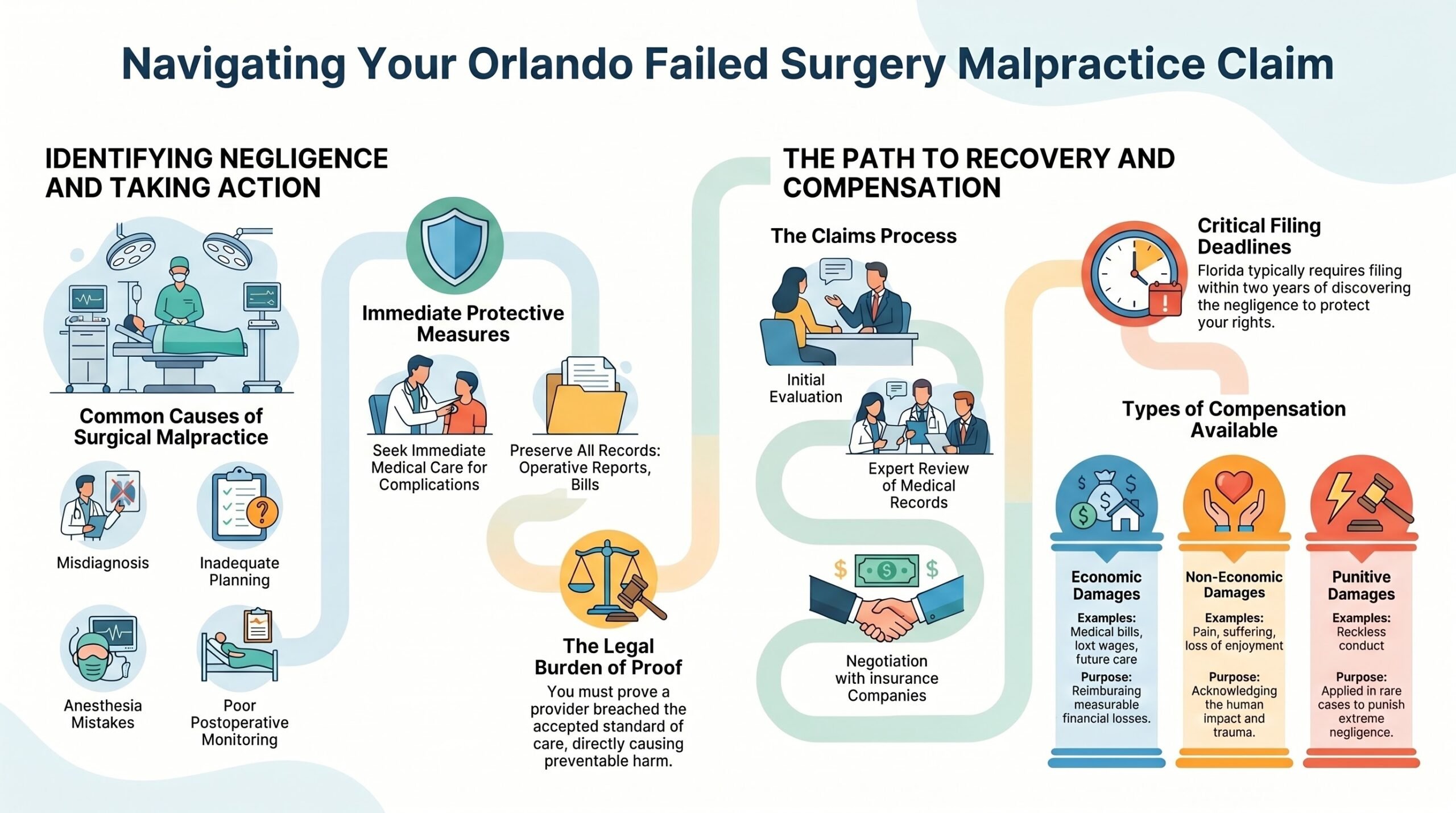
- Common failed surgery malpractice issues include misdiagnosis, poor surgical planning, anesthesia mistakes, communication breakdowns, and inadequate postoperative monitoring.
- After suspected surgical negligence, seek immediate medical care, follow treatment instructions, and document symptom changes, complications, and provider communications.
- Preserve operative reports, consent forms, imaging, bills, discharge papers, photographs, and receipts, and contact a lawyer quickly to protect deadlines.
How We Can Help With Your Orlando Failed Surgery Malpractice Injury Claim
Start by securing experienced legal guidance, because a failed surgery malpractice claim often turns on complex medical records, expert review, and clear proof that a provider’s error caused your injury. When you seek our help, you gain a team that organizes evidence, preserves deadlines, and communicates with insurers and providers on your behalf with discipline.
You merit representation that reflects your commitment to protecting your family and serving your community. We provide Client support by promptly answering questions, clearly explaining each step, and carefully preparing your claim. We work to document losses, identify responsible parties, and build a persuasive demand that supports a strong Settlement strategy. If negotiation becomes necessary, you can rely on us to advocate for fair compensation without losing sight of your long-term recovery.
Our goal is to shoulder the legal burden, so you can focus on recuperating, responsibilities, and the people who depend on your steadiness each day.
Understanding Orlando Failed Surgery Malpractice Injury Cases


Because a poor surgical outcome doesn’t always mean malpractice occurred, understanding how Orlando failed surgery malpractice injury cases work is essential before you pursue a claim. You must show that a provider owed you a duty of care, failed to meet the accepted medical standard, and directly caused preventable harm.
OUR CONSULTATIONSARE FREE
START YOUR FREE CASE REVIEW

In these cases, your records, expert review, and timeline matter greatly. You need to examine what your surgeon and hospital staff knew, documented, and communicated before, during, and after the procedure. Courts often look closely at surgical team communication, whether pivotal information was shared, and whether avoidable breakdowns affected your treatment. The informed consent process also matters because you are entitled to clear explanations of material risks, expected benefits, and reasonable alternatives before surgery.
When you understand these legal elements, you can pursue accountability in a way that protects your well-being and helps promote safer care for other patients and families in Orlando.
Common Causes of Orlando Failed Surgery Malpractice
When you examine failed surgery malpractice in Orlando, you’ll often find that the problem begins before the operation itself, with misdiagnosis or inadequate surgical planning. You may also see serious harm caused by anesthesia administration errors, which can quickly turn a routine procedure into a life-altering event. After surgery, poor postoperative monitoring can allow preventable complications to worsen, strengthening the basis of your malpractice claim.
Misdiagnosis Before Surgery


Although surgery often appears to be the central event, a failed procedure may begin with a misdiagnosis long before you enter the operating room. When a physician identifies the wrong condition, recommends surgery too soon, or overlooks clear warning signs, you may undergo an unnecessary operation that never addresses the true problem.
You trust medical professionals to use proper Diagnostic testing, review your history carefully, and recognize whether a delayed diagnosis has allowed your condition to worsen. When they fail to do so, the harm can extend beyond the surgery itself, affecting your recovery, your ability to care for others, and your long-term wellbeing. If your operation was affected by a preventable diagnostic error, you may have grounds to seek accountability and to protect other patients from similar harm in the future.
Inadequate Surgical Planning
Before a surgeon makes the first incision, careful planning should define the procedure, anticipate known risks, and account for your specific medical condition. When that planning is rushed or incomplete, you may face preventable harm that diligent providers should have addressed beforehand.
Inadequate surgical planning can involve poor review of imaging, failure to confirm the correct approach, or neglecting a complete surgical checklist. You depend on physicians to evaluate your history, medications, allergies, and prior procedures, then build a safe operative strategy. Strong team coordination also matters because every member should understand roles, equipment needs, and contingency plans. If a surgeon proceeds without that preparation, pivotal details can be missed, complications can escalate, and your recovery can become far more difficult. Careful planning protects patients and supports responsible medical service.
Anesthesia Administration Errors
Too often, anesthesia administration errors turn a routine operation into a serious medical crisis. When an anesthesiologist or surgical team miscalculates medications, ignores allergies, or fails to review your medical history, you can suffer preventable harm. Dosing errors may deprive you of adequate sedation or deliver excessive anesthesia, placing your brain, heart, and lungs at risk.
You trust medical professionals to protect you while you are most vulnerable. If they intubate improperly, delay recognizing airway complications, or use the wrong drug combination, the consequences can be severe. These mistakes can cause oxygen deprivation, cardiac instability, or awareness during surgery. By identifying how anesthesia errors occurred, you can seek accountability, protect your family, and help promote safer surgical care for others in the Orlando community and beyond today.
Poor Postoperative Monitoring
Surgical negligence doesn’t end when the procedure is over, because poor postoperative monitoring can allow preventable complications to escalate without timely treatment. After surgery, you depend on nurses and physicians to track pain, bleeding, oxygen levels, infection, and signs of internal injury. When caregivers miss delayed measurements, ignore alarming symptoms, or fail to respond promptly, your condition can deteriorate quickly.
You may suffer avoidable harm if a hospital’s staffing shortages leave too few professionals to assess you, document changes, or communicate concerns to the surgical team. Inadequate observation can delay treatment for sepsis, hemorrhage, blood clots, or respiratory distress. If this failure harmed you or someone you serve, an Orlando surgery malpractice lawyer can evaluate whether negligent postoperative care contributed to the outcome and your losses.
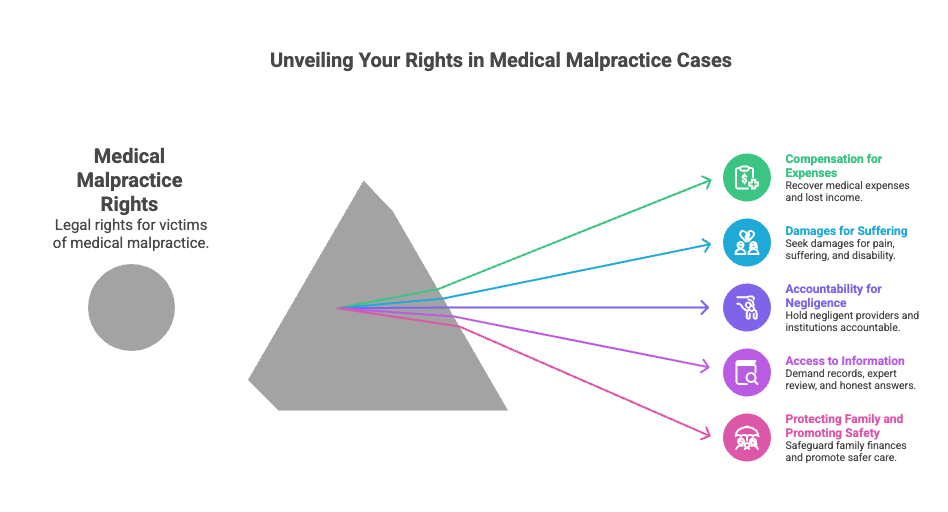
Legal Rights of Orlando Failed Surgery Malpractice Injury, Victims
When a failed surgery causes avoidable harm, you have the right to pursue compensation under Florida medical malpractice law. You may seek damages when a surgeon, hospital, or medical team breaches the accepted standard of care and causes injury. Your legal rights also include patient advocacy and informed consent, meaning you should receive clear information about material risks, benefits, and alternatives before treatment.
After avoidable surgical harm, Florida law protects your right to answers, accountability, and compensation for negligent medical care.
- You can pursue compensation for medical expenses, lost income, and reduced earning capacity.
- You may recover damages for pain, suffering, disability, and diminished quality of life.
- You have the right to hold negligent providers and institutions accountable through a civil claim.
- You may demand records, expert review, and honest answers about what occurred.
- You can protect your family’s financial stability while promoting safer care for others.
Steps to Take After an Orlando Failed Surgery Malpractice Injury
After a failed surgery injury in Orlando, you should seek immediate medical care to protect your health and create a clear record of your condition. You should also preserve all medical records, bills, discharge papers, and communications, because this documentation can be essential to your claim. As soon as possible, you should consult a malpractice lawyer, who can assess your case, protect your rights, and guide your next steps.
Seek Immediate Medical Care
Seeking immediate medical care should be your first priority if you believe a failed surgery has caused new complications, worsening pain, or unexpected symptoms. Prompt treatment can protect your health, reduce further harm, and show that you acted responsibly when warning signs appeared. If you cannot travel safely, call 911 for urgent transport to the nearest emergency department.
Tell medical providers exactly what changed after surgery, when symptoms began, and how severe they are. Ask for an immediate assessment so doctors can identify internal bleeding, infection, nerve damage, or other serious conditions before they worsen. Follow all treatment instructions carefully, attend recommended follow-up care, and seek focused evaluation when needed. By acting quickly, you protect your ability to continue serving your family, your work, and your community with strength and stability.
Preserve All Medical Records
In addition to getting prompt treatment, you should preserve every medical record connected to the surgery and the complications that followed. Gather discharge papers, operative reports, consent forms, prescriptions, imaging results, billing statements, and follow-up instructions. Request complete copies from every provider, including hospitals, surgeons, consultants, and rehabilitation teams.
Keep your records organized by date, and note when symptoms changed or new treatment began. Save photographs of visible injuries and retain receipts for medications, travel, and medical supplies. Create digital backups so important documents remain accessible if originals are lost. Strong record retention helps you explain what happened clearly, support those caring for you, and protect your ability to make informed decisions. Careful documentation also promotes continuity of care, which can improve recovery and reduce avoidable confusion for everyone involved.
Consult A Malpractice Lawyer
Once you’ve gathered and organized your medical records, you should speak with an Orlando surgery malpractice lawyer as soon as possible. You need clear guidance about your rights, deadlines, and the strength of your potential claim. An attorney can review whether surgical errors, poor follow-up care, or failures involving patient consent contributed to your injury.
How an Orlando Failed Surgery Malpractice Injury Lawyer Can Help You
When a surgical error leaves you with serious complications, an Orlando failed surgery malpractice injury lawyer can protect your rights, investigate what went wrong, and build a claim supported by medical evidence. You need clear guidance, strong patient advocacy, and a legal strategy focused on accountability, fairness, and service to your family’s future and well-being.
After a failed surgery, the right Orlando malpractice lawyer helps protect your rights and pursue accountability for your family’s future.
- Reviews surgical records, consent forms, and timelines carefully
- Consults qualified experts about standards of care and surgical alternatives
- Identifies negligence, communication failures, and preventable operating room mistakes
- Calculates damages, including medical costs, lost income, and added care needs
- Negotiates firmly with insurers and prepares your case for trial
Your lawyer helps you act promptly, preserve evidence, and avoid statements that could weaken your claim. With disciplined preparation, you can pursue compensation and encourage safer medical practices for others in your community. That service-minded purpose often gives your case deeper meaning and direction for everyone involved.
Long-Term Effects of Orlando’s Failed Surgery Malpractice Injuries
After a failed surgery, you may face chronic pain and lasting disability that limit your ability to work, move, and manage daily responsibilities. You may also experience emotional and psychological trauma, including anxiety, depression, and a reduced sense of security in your health and future. In many cases, you must continue medical treatment, which can increase your financial strain and extend the injury’s impact for years.
Chronic Pain And Disability
Although a failed surgery may begin as a single medical event, its effects can extend far beyond the operating room, leaving you with chronic pain, reduced mobility, and lasting disability. You may struggle to stand, walk, lift, or complete routine tasks without assistance. Persistent pain can interfere with sleep, delay recovery, and contribute to chronic fatigue that limits your ability to serve your family, work faithfully, or care for others.
When complications damage nerves, muscles, joints, or surrounding tissue, you may face permanent functional impairment. That loss can affect your independence, your earning capacity, and your need for ongoing medical treatment, rehabilitation, or assistive devices. If negligent surgical care caused these lasting limitations, you merit accountability and resources that help you rebuild stability and continue supporting those who depend on you.
Emotional And Psychological Trauma
The harm from a failed surgery often reaches beyond physical limitations and into your emotional wellbeing. You may struggle with fear, grief, anger, or shame as your daily routines change and your sense of security weakens. These reactions can affect how you lead, support, and care for others.
You might also experience anxiety, depression, sleep disruption, or post traumatic stress after a preventable surgical injury. Flashbacks, mistrust, and emotional numbness can strain your relationships and reduce your ability to serve your family, workplace, or community with confidence. Over time, these burdens may isolate you and erode your independence. Healthy coping strategies, including counseling, spiritual support, journaling, and trusted social connections, can help you regain stability, strengthen resilience, and preserve the compassion you bring to the people who rely on you.
Ongoing Medical Treatment
Managing the consequences of a surgical error often requires far more than a single corrective procedure. You may face months or years of medical appointments, testing, and specialized care as doctors work to address complications and preserve your quality of life.
Your recovery may involve continuing rehabilitation to restore strength, movement, and independence. You might also need ongoing pain management, including medication oversight, injections, or therapeutic interventions that help you function each day. Follow-up surgeries, assistive devices, home modifications, and coordinated care from multiple providers can place serious demands on your time, finances, and ability to serve your family or community. When treatment becomes a long-term obligation, the impact extends beyond physical restoration. It can reshape your routines, responsibilities, and future plans in lasting and significant ways.
Proving Liability in Orlando Failed Surgery Malpractice Injury Cases
When a surgery goes wrong in Orlando, proving liability requires more than showing that you suffered a poor outcome. You must establish that a surgeon, hospital, or medical team breached the accepted standard of care and directly caused your injuries. That often requires records, timelines, witness accounts, and expert review. You may also need to show failures in informed consent, such as failing to warn you about material risks or alternatives before the procedure.
You strengthen your case by documenting symptoms, follow-up care, and how the failed surgery changed your ability to work, care for family, and serve your community. Florida law also imposes deadlines and procedural requirements, so you must act promptly to avoid statute defenses. A careful legal investigation can identify whether the error involved surgical technique, anesthesia, infection control, monitoring, or postoperative neglect. With disciplined proof, you can pursue accountability and protect others from preventable harm in the future.
Dealing With Insurance Companies After an Orlando Failed Surgery Malpractice Injury
Although you may expect an insurer to evaluate a failed surgery claim fairly, its goal is often to limit what it pays and secure statements that weaken your position. You should respond carefully, keep your comments brief, and avoid guessing about your condition, treatment, or future needs. When an adjuster contacts you, remember that every conversation may affect your rights and your ability to continue serving your family and community.
You can protect yourself by saving letters, emails, bills, and notes about pain, missed work, and daily limitations. During claim negotiation, focus on documented facts rather than on the insurer’s pressure to settle quickly. If the company delays communication, misrepresents coverage, or ignores evidence, those actions may suggest bad faith tactics. You do not have to accept unfair treatment or a rushed resolution. By staying organized and measured, you place yourself in a stronger position to pursue accountability and safeguard your recovery and stability.
What to Expect During an Orlando Failed Surgery Malpractice Injury Claim Process
When you pursue an Orlando failed surgery malpractice injury claim, you can expect the process to begin with an initial case evaluation and a careful review of your medical records and other evidence. Your attorney will then file the necessary claim documents, communicate with insurers and opposing counsel, and negotiate for a fair resolution based on the facts of your case. If a settlement can’t be reached, you should be prepared for litigation and, if necessary, a trial.
Initial Case Evaluation
Before an Orlando failed surgery malpractice claim can move forward, your attorney will conduct an initial case evaluation to determine whether the facts support a viable legal action. During this meeting, you will explain what happened, how the outcome differed from your patient’s expectations, and what losses you’ve experienced.
Your lawyer will assess whether a provider may have breached the accepted standard of care and whether that breach likely caused your harm. You may discuss the surgical recommendation, the risks you were told about, and whether consent documentation accurately reflected those discussions. This early review also helps identify potential defendants, deadlines, and practical concerns affecting your claim. By preparing a clear timeline and an honest account, you help your legal team evaluate your matter efficiently and pursue accountability in ways that serve justice and protect others.
Evidence And Medical Records
After your attorney determines that your claim may be viable, the next step is to gather the evidence and medical records that will show what happened in the operating room, what care you received afterward, and how the failed surgery affected your recovery.
You can expect your legal team to obtain medical documentation, including surgical notes, consent forms, nursing charts, discharge instructions, and follow-up records. They may also request an imaging review to compare preoperative studies with postoperative results and identify signs of error or preventable complications. If needed, your attorney may consult qualified medical experts who can explain whether your treatment met accepted standards. By organizing these records carefully, you help build a clear account of your experience, support accountability, and strengthen your ability to seek answers that may protect others from similar harm later.
Filing And Negotiation Steps
If your attorney concludes that the evidence supports a valid claim, they’ll begin the formal filing process by preparing the required notice, reviewing Florida malpractice deadlines, and identifying the surgeons, facilities, or other providers who may be legally responsible. Your lawyer will also continue evidence preservation, gather supporting records, and coordinate expert consultation to confirm how the surgical error caused harm.
Next, your attorney will present the claim to the appropriate parties and communicate with insurers, defense counsel, and medical providers. You can expect requests for additional information, written responses, and careful review of damages, timelines, and liability issues. Throughout this stage, your legal team should keep you informed, protect your rights, and organize each step so you can focus on recovering and caring for those who depend on your strength and service.
Settlement Or Trial
Once the parties have exchanged records, expert opinions, and settlement positions, your Orlando failed-surgery malpractice claim may be resolved through a negotiated settlement or proceed to trial. If settlement talks succeed, you can secure compensation sooner and focus on recovery, family, and continued service to others. Your lawyer will explain offers, liens, and release terms before you decide.
If the defense refuses fair payment, your case may move to a jury trial or a Bench trial. You should expect witness testimony, medical experts, exhibits, and careful arguments about negligence, causation, and damages. The court controls Verdict timing, so final resolution may take longer than settlement. Even then, trials can serve a larger purpose by holding providers accountable and encouraging safer care for future patients and the Orlando community.
Compensation for Orlando Failed Surgery Malpractice Injury Damages
Recovering compensation for a failed surgery malpractice injury in Orlando requires clear proof of how the error altered your health, finances, and daily life. You must show that a provider’s mistake directly caused added treatment, disability, or lasting complications. Strong medical records, expert opinions, and testimony from people who know your daily struggles can support your claim.
You may pursue payment for hospital bills, corrective procedures, rehabilitation, medications, home care, and lost wages when your recovery keeps you from work. If the malpractice reduced your ability to earn or continue serving your family and community, that impact matters. In rare cases involving reckless conduct, punitive damages may also apply. You should also document physical limitations, missed responsibilities, and the ways the injury changed your routine. Careful evidence gives your attorney leverage in negotiations and credibility in court. By acting promptly, you protect your right to seek accountability and secure the resources necessary for mending and stability.
Economic vs Non-Economic Damages in Orlando Failed Surgery Malpractice Cases
When you pursue a failed surgery malpractice claim in Orlando, you may seek economic damages for measurable losses such as medical bills, lost income, and future care costs. You may also recover non-economic damages for harm that doesn’t come with a fixed price, including pain, suffering, and loss of enjoyment of life. To prove either type of surgical injury damage, you’ll need clear records, credible expert opinions, and strong evidence connecting the surgeon’s error to your losses.
Economic Damages Explained
Clarity matters when you evaluate damages after a failed surgery malpractice case in Orlando. Economic damages address the measurable financial harm you suffer because of a medical provider’s negligence. They often include hospital bills, corrective procedures, rehabilitation costs, medication expenses, medical equipment, and transportation for treatment. You may also recover lost wages if your injury kept you from working during recovery.
In serious cases, economic damages extend beyond current bills. If your condition limits your ability to return to the same job, you may claim Future earnings that you’re reasonably expected to forgo. You can also seek compensation for home health assistance, necessary household services, and other out-of-pocket costs tied directly to the surgical error. Careful records, billing statements, employment documents, and expert opinions help prove these losses credibly and precisely.
Non-Economic Losses Overview
Financial records show only part of the harm a failed surgery can cause. You may also endure losses that do not appear on invoices yet affect your daily life, relationships, and your ability to serve your family and community with steadiness.
Non-economic losses include physical pain, emotional distress, anxiety, loss of enjoyment of life, scarring, and reduced companionship. If your condition limits sleep, mobility, intimacy, or confidence, those harms matter. Pain valuation seeks to measure the extent to which these effects disrupt your ordinary routines and long-term well-being. You may also need grief counseling when a surgical error changes your future or damages a loved one’s support and presence. These losses recognize your human experience, not just your financial burden, and reflect the broader impact that negligent care can have on every part of life.
Proving Surgical Injury Damages
Establishing surgical injury damages requires more than describing what went wrong in the operating room; you must connect the failed procedure to the full scope of harm it caused. You prove economic damages through medical bills, rehabilitation costs, lost wages, and reduced earning capacity. You prove non-economic damages by showing pain, disability, emotional distress, and the impact on your daily service to family and community.
Strong documentation matters. Treatment records, employment evidence, and expert testimony help demonstrate how the injury changed your health, work, and future needs. If the defense raises comparative negligence, you must show why the surgeon’s errors, not your conduct, caused the primary loss. Careful proof gives the court a clear basis to value your damages fully and fairly under Florida law in Orlando malpractice litigation.
When an Orlando Failed Surgery Malpractice Injury Case Goes to Trial vs Settlement
Although many Orlando failed surgery malpractice claims resolve through negotiated settlement, some cases must proceed to trial when the parties dispute liability, the extent of the injury, or the value of future medical needs and losses.
If your claim settles, you may receive compensation sooner, reduce stress, and avoid the uncertainty of jury dynamics. Settlement can also protect your privacy and lower litigation costs, which may preserve more resources for your recovery and your family’s care. However, if the insurer denies responsibility or minimizes lasting harm, a trial may become necessary.
At trial, your lawyer presents records, witnesses, and expert testimony to show how the surgical error occurred and how it changed your life. You may seek accountability not only for yourself, but also to help protect future patients from similar harm. A thoughtful attorney will weigh risk, evidence, and community standards, then advise whether a settlement serves your interests or whether a jury should decide your case based on justice.
The Statute of Limitations for Orlando Failed Surgery Malpractice Injury Cases
Whether your failed surgery malpractice claim settles or goes to trial, you still must act within Florida’s filing deadlines or risk losing the right to recover damages altogether. In many medical malpractice cases, you generally have two years from when you knew, or reasonably should have known, that negligence caused your injury. Florida law also imposes a four-year repose period in most situations, which can cut off claims even when harm surfaces later.
Because families often seek accountability to protect others, understanding these nuances of the statute matters. Certain tolling exceptions may pause or extend deadlines, including cases involving fraud, concealment, or specific circumstances affecting minors. However, these exceptions apply narrowly and require careful factual support. Pre-suit investigation and notice requirements can also affect timing, so you should track events, records, and dates with precision. If you wait too long, the court may dismiss your case permanently, regardless of how serious the surgical error or resulting losses may be.
When to Contact an Orlando Failed Surgery Malpractice Injury Lawyer
If you suspect that a surgical mistake caused unexpected complications, you should contact an Orlando failed surgery malpractice injury lawyer as soon as possible. Early action helps you preserve records, document symptoms, and protect your ability to seek accountability. You should also reach out when your recovery suddenly worsens, a provider gives inconsistent explanations, or follow-up care reveals preventable harm.
You may need guidance after infections, internal injuries, anesthesia errors, retained instruments, or wrong-site procedures. A lawyer can help you organize medical records, identify timelines, and support informed patient advocacy while you focus on mending and caring for others. You should also consider making contact after obtaining second opinions indicating that your outcome was avoidable or that your treatment fell below accepted standards.
Even if you are unsure, prompt legal consultation can clarify whether your concerns warrant further review. Acting quickly also helps preserve witness recollections and important medical evidence for evaluation.
Why You Need an Experienced Orlando Failed Surgery Malpractice Injury Lawyer
Because surgical malpractice claims often turn on detailed medical evidence, strict deadlines, and aggressive defense strategies, you need an experienced Orlando failed surgery malpractice injury lawyer who can evaluate the facts with precision and act quickly to protect your interests.
You merit counsel that understands how hospitals document errors, defend surgeons, and challenge causation. An experienced lawyer can review records, identify departures from accepted standards, and determine whether inadequate surgical consent contributed to your injury. Your attorney can also secure expert testimony to explain complicated medical issues clearly and persuasively.
That preparation strengthens your claim and helps you pursue compensation for medical costs, lost income, and future care. Just as important, skilled representation allows you to focus on recovery and supporting those who depend on you. By pursuing accountability, you not only protect your own future but also encourage safer practices that can spare other patients and their families from preventable surgical harm in your community.
How to Choose the Right Orlando Failed Surgery Malpractice Injury Lawyer for Your Case
Start by looking closely at a lawyer’s experience with failed surgery and broader medical malpractice claims in Orlando, since the right attorney won’t simply file paperwork, but will know how to investigate surgical errors, interpret complex records, and challenge well-prepared hospital defenses.
You should also assess how the lawyer communicates, because clear guidance helps you make decisions that protect your family and honor your commitment to those who depend on you. Ask direct questions about similar cases, trial readiness, and the firm’s approach to managing experts and evidence. Discuss client expectations early, so you understand timelines, likely challenges, and your role in supporting the claim. Review fee structures carefully, including contingency terms, litigation costs, and expense due dates.
You should choose counsel who listens respectfully, explains options plainly, and treats your case as a serious matter of accountability. When your lawyer combines skill, transparency, and steady advocacy, you place your case in stronger hands and pursue justice with confidence.
About The Law Offices of Anidjar & Levine
Once you know what to look for in surgical malpractice counsel, it helps to understand what The Law Offices of Anidjar & Levine offers to injured patients and their families in Orlando.
When you seek legal help after a failed surgery, you need a firm that treats your concerns with respect and urgency. The Law Offices of Anidjar & Levine serve clients through responsive communication, careful case preparation, and advocacy focused on meaningful recovery.
You can review client testimonials to see how the firm supports people during difficult periods and keeps them informed at each stage.
The firm’s history also reflects a longstanding commitment to representing injured Floridians with professionalism and discipline.
If your goal is to protect your family, promote accountability, and pursue fair compensation, you benefit from counsel that understands both the medical issues and the personal cost of preventable harm.
With that foundation, you can move forward confidently and make informed decisions about your next steps.
Frequently Asked Questions
Can I Switch Doctors While Pursuing a Failed Surgery Malpractice Claim?
Yes, you can change physicians while pursuing a failed surgery malpractice claim. Your health comes first, and you should obtain a second opinion if you need safer treatment or clearer answers. When you change physicians, keep complete records, follow medical advice, and document the reason for the transfer. Those steps help protect your wellbeing and support your recovery. You should also tell your attorney promptly, so your case strategy stays accurate and strong.
Are Cosmetic Surgery Errors Treated Differently Under Florida Malpractice Law?
Yes, cosmetic surgery errors can be treated somewhat differently under Florida malpractice law, though you must still prove the same core elements. You need to show cosmetic negligence, a breach of accepted aesthetic standards, causation, and actual harm. Because these procedures are often elective, informed consent and documented expectations may be subject to closer scrutiny. If your surgeon promised specific results or ignored recognized standards, you may have a stronger claim.
Can Family Members File Claims for Surgery-Related Loss of Companionship?
Yes, you may file a claim if surgery-related negligence causes a loved one’s death, because Florida law allows certain family members to pursue wrongful death damages. You can seek compensation for loss of companionship, guidance, and emotional damages, depending on your relationship to the deceased. If the patient survives, these claims usually aren’t available on their own. You should review the facts promptly, since filing deadlines and eligibility rules can affect your family’s recovery.
How Do Medical Board Complaints Differ From Malpractice Lawsuits?
Medical board complaints and malpractice lawsuits serve different purposes. You file a board complaint to initiate a disciplinary process, which protects patients and may result in a provider being disciplined. You file a malpractice lawsuit to seek compensation for harm caused by care that fell below the standard of care. The board doesn’t award damages to you, while a court can. You can pursue both when doing so helps protect others and address your losses.
What if a Surgical Error Worsened a Pre-Existing Condition?
If a surgical error worsened your pre-existing condition, you may still have a valid malpractice claim. You must show that the error caused measurable harm, including a worsened prognosis, beyond your original illness. Careful records, expert review, and attribution of complications help separate the condition’s natural course from avoidable injury. By documenting that difference, you can seek accountability, protect others from similar harm, and pursue compensation for added losses and suffering.
—————————
If you’ve suffered harm after a failed surgery, you need clear guidance and strong legal support. You can pursue accountability when medical negligence results in serious injury, additional treatment, or lasting complications.
By acting promptly, preserving records, and speaking with an experienced Orlando Medical Malpractice Lawyer, you protect your rights and strengthen your claim.
The Law Offices of Anidjar and Levine can assess your case, explain your options, and help you seek the compensation you are entitled to.

