

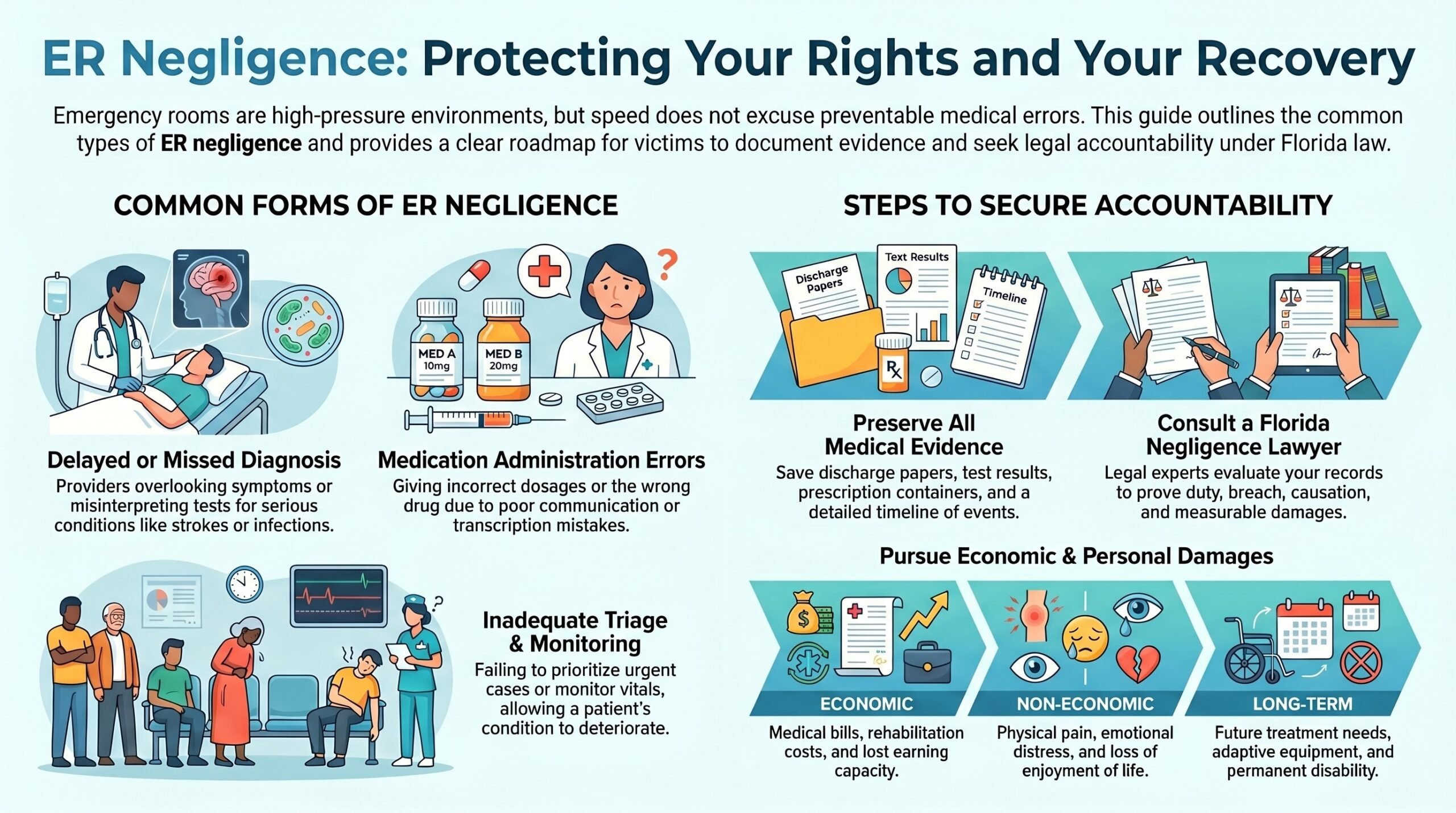
The Law Offices of Anidjar and Levine can help you pursue compensation when an ER’s preventable mistake, such as a delayed diagnosis, medication error, or poor monitoring, causes added harm. You should seek prompt medical care, preserve records, photographs, and timelines, and avoid speculative statements to insurers.
Your lawyer can evaluate duty, breach, causation, and damages, then handle notices, experts, and negotiations.
Learn more from our Orlando Medical Malpractice Lawyer.
The sections below explain the steps, rights, and claim process in greater detail.
Main Takeaways
- Seek immediate medical care, follow discharge instructions, and document all symptoms to protect your health and create a clear record.
- Preserve evidence by saving discharge papers, test results, bills, photographs, prescription containers, and a written timeline of staff and events.
- Consult an Orlando emergency room negligence lawyer promptly to assess records, identify liable parties, and explain Florida claim deadlines.
- Avoid speculation with insurers, decline overly broad authorizations, and be cautious of quick settlement offers that ignore future medical needs.
- Proving an emergency room negligence claim requires showing duty, breach, causation, and damages through records, timelines, and expert review.
How We Can Help With Your Orlando Emergency Room Negligence Injury Claim
Protect your rights by seeking legal guidance as soon as you suspect emergency room negligence caused your injury. When you contact our team, you receive focused support designed to protect your recovery and your ability to continue serving your family and community.
We help you gather records, preserve evidence, and identify the facts that matter most. You can rely on us to communicate with insurers, document losses, and explain each step clearly, so you can make informed decisions with confidence. Our approach to patient advocacy keeps your needs at the center of the process, while our attention to claim timelines helps you avoid preventable delays. We also work with qualified professionals when needed to strengthen your claim and present it effectively.
Throughout your case, you receive honest guidance, prompt updates, and practical answers. With disciplined preparation and steady representation, you can pursue accountability and fair compensation while focusing on recovery and the people who depend on you.
Understanding Orlando Emergency Room Negligence Injury Cases
When emergency room providers fail to meet the accepted standard of care, the consequences can be immediate and severe. In these cases, you must show that a provider owed you competent treatment, breached that duty, and caused measurable harm. Emergency settings move quickly, but speed doesn’t excuse preventable mistakes or disregard for your safety and dignity.


You may have a valid claim if negligent emergency care worsened your condition, delayed recovery, or caused additional injury. Strong cases often depend on medical records, expert review, and a clear timeline connecting the provider’s conduct to your losses. Issues involving informed consent can also matter when you weren’t given the material information needed to make treatment decisions. As you seek accountability, patient advocacy remains vital.
By standing up for proper care, you don’t just protect your own future; you also help encourage safer practices for other patients and families who depend on emergency rooms during vulnerable moments.
Common Causes of Orlando Emergency Room Negligence
OUR CONSULTATIONSARE FREE
START YOUR FREE CASE REVIEW

When you seek emergency care, negligence often begins with delayed diagnosis errors that allow serious conditions to deteriorate before proper treatment starts. You may also face harm from medication administration mistakes or inadequate patient monitoring, both of which can quickly place your health at greater risk. Poor triage decisions can further compound these failures by delaying attention to urgent symptoms and preventing you from receiving timely, appropriate care.
Delayed Diagnosis Errors
Because emergency rooms must make rapid decisions, diagnostic errors can occur when providers overlook important symptoms, fail to order appropriate tests, or misinterpret early signs of a serious condition. When this happens, you may lose valuable treatment time, and your health can worsen before anyone recognizes the true problem.


You trust emergency professionals to evaluate injuries and illnesses carefully, especially when immediate action protects future well-being. Yet diagnostic delays can affect strokes, internal bleeding, infections, and even missed fractures that seem minor at first glance. If a provider dismisses persistent pain, abnormal critical signs, or clear warning indicators, the consequences may become severe and lasting. By identifying whether an avoidable delay occurred, you can pursue accountability, support recovery, and help encourage safer emergency care for other patients in your community.
Medication Administration Mistakes
Medication administration errors also rank among the most serious forms of emergency room negligence, especially in fast-paced settings where staff must act quickly and accurately. When you seek emergency care, you trust providers to verify each medication, confirm allergy reconciliation, and prevent transcription errors before treatment begins. Yet failures can lead to a wrong dosage, confusion involving look-alike drugs, or improper pediatric dosing that places a vulnerable patient at risk.
Errors may also occur when an infusion pump is programmed incorrectly or when clinicians misread orders during urgent handoffs. If this happened to you or someone you serve, the consequences can be severe and preventable. Care teams must follow clear medication safety protocols, communicate precisely, and protect every patient with the diligence, competence, and respect that emergency treatment requires.
Inadequate Patient Monitoring
Although emergency rooms must move quickly, they still have a duty to monitor each patient closely, recognize changes in condition, and respond without delay. When that monitoring breaks down, you may suffer preventable harm that compassionate, attentive care should have avoided. Staff must track every critical sign, reassess symptoms, and act when warning signs appear.
Inadequate patient monitoring can result from understaffing, poor communication, delayed reassessments, or alarm fatigue, which can cause alerts to be missed or ignored. If your condition worsens and no one notices, treatment may come too late to prevent serious injury. You trust emergency providers to remain vigilant, especially when you cannot advocate for yourself. When they fail to observe, document, and respond appropriately, their negligence can undermine recovery and place your safety at unnecessary risk and suffering.
Poor Triage Decisions
Careful monitoring matters only if the emergency room assigns the right level of urgency at the outset. When staff make poor triage decisions, you may wait while a life-threatening condition worsens. In an Overcrowded waiting area, rushed judgments can cause providers to miss signs of stroke, sepsis, internal bleeding, or cardiac distress.
You depend on Triage protocols to identify who needs immediate care, who can safely wait, and what symptoms require escalation. When a hospital ignores those standards, delays can lead to preventable harm, longer recovery, or death. If you serve a loved one after an emergency room mistake, you need clear answers about whether the staff properly assessed symptoms, documented risks, and responded within the time that a reasonably careful provider would have met.
Legal Rights of Orlando Emergency Room Negligence Injury Victims
Accountability matters when an emergency room’s mistakes leave you with a worsened condition, added medical costs, or lasting harm. You have legal rights under Florida law, including the right to pursue damages when negligent care causes preventable injury. You may seek recovery for medical expenses, lost income, pain, disability, and future treatment needs.
Patient advocacy also matters because your voice helps protect both your recovery and the safety of care for others in the community.
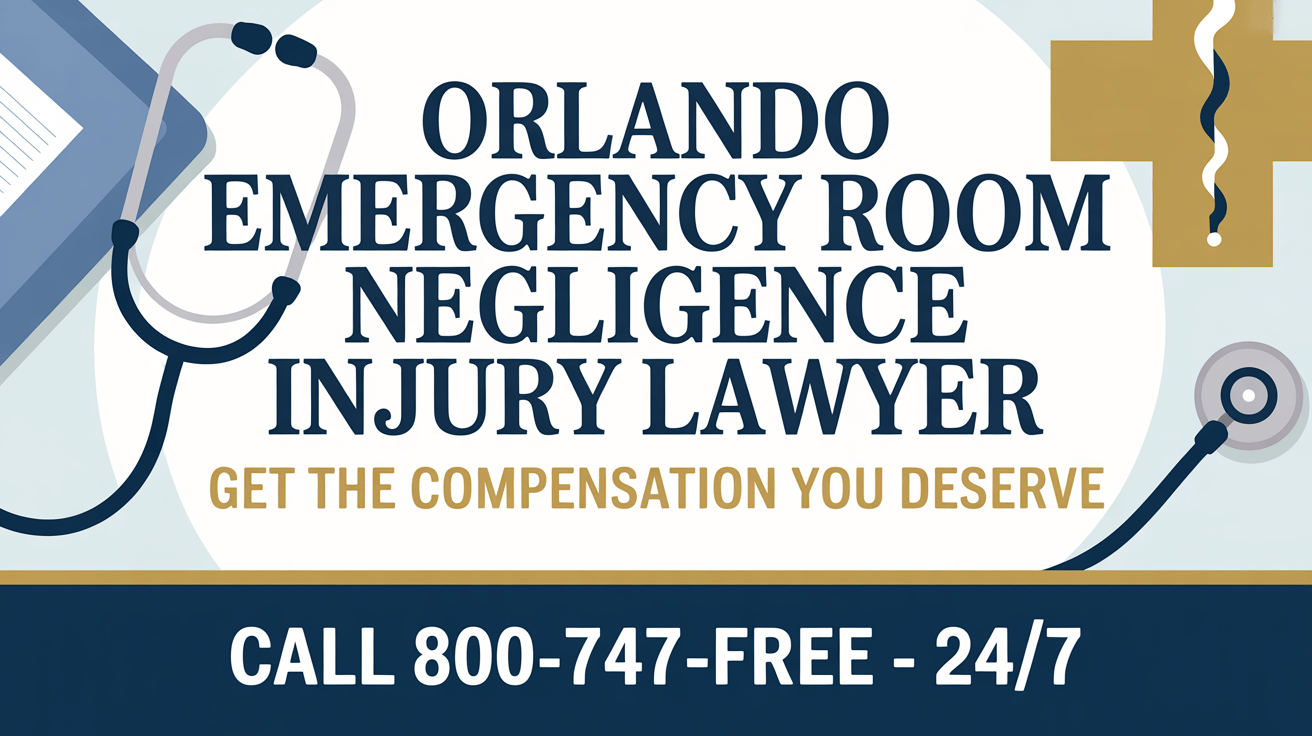
- You can demand answers about negligent diagnosis, medication errors, or delayed treatment.
- You may pursue compensation for current and future losses.
- You have rights involving informed consent and proper emergency evaluation.
- Compensation timelines can affect when claims must be resolved or filed.
- You can hold providers and institutions accountable for harmful conduct.
Steps to Take After an Orlando Emergency Room Negligence Injury
After an Orlando emergency room negligence injury, you should seek immediate medical care to protect your health and create a clear record of your condition. You should also preserve records and evidence, including discharge papers, test results, bills, and any notes about what occurred. Once you’ve taken those steps, you should consult an Orlando lawyer who can assess your claim and explain your legal options.
Seek Immediate Medical Care
Prioritize immediate medical evaluation, even if the emergency room’s mistake caused the injury, because prompt treatment safeguards your health and creates a clear record of what went wrong. Seek care from a qualified provider who can perform an immediate assessment of your condition and address worsening symptoms without delay.
If your injuries require focused treatment, ask for transfer coordination to another facility equipped to meet your needs. You should clearly describe every symptom, follow discharge instructions carefully, and return for additional care if your condition changes. Acting quickly protects your well-being and helps you remain able to support and serve those who depend on you. Timely medical attention can also reduce complications, improve recovery, and demonstrate that you took reasonable steps to protect your health after the negligence occurred, thereby preventing further harm.
Preserve Records And Evidence
Once you’ve obtained prompt medical treatment, preserve every record and piece of evidence related to the emergency room incident, because those materials can show what happened, when it happened, and how the negligence affected you.
Request copies of discharge papers, test results, medication records, billing statements, and follow-up instructions. Save photographs of visible injuries, prescription containers, and any medical devices. Write a clear timeline while events are still fresh, and include staff members’ names, dates, and conversations. Ask family members or others who observed the incident to provide witness statements promptly. Keep damaged personal items and organize digital files carefully, so nothing is lost or altered.
Strong chain preservation helps protect the integrity of your evidence. By acting carefully and thoroughly, you strengthen your ability to seek accountability and protect others from similar harm.
Consult An Orlando Lawyer
Clarity matters when you’re deciding how to protect your rights after an emergency room negligence injury. When you consult an Orlando lawyer promptly, you gain guidance that helps you serve your family, protect your recovery, and pursue accountability with purpose. An attorney can evaluate records, identify liable parties, and explain how Florida deadlines may affect your claim.
During a legal consultation, you should bring discharge papers, bills, photographs, and notes about what happened. Clear documentation helps your lawyer assess whether negligent treatment, delayed diagnosis, or poor communication caused further harm. Your attorney may also work with a medical advocate to interpret care issues and strengthen your position. By seeking counsel early, you preserve evidence, avoid missteps with insurers, and take a disciplined step toward justice, restoration, and meaningful protection for others.
How an Orlando Emergency Room Negligence Injury Lawyer Can Help You
Find your way through the aftermath of emergency room negligence with counsel that can quickly assess what happened, preserve essential evidence, and explain whether you have a viable claim under Florida law. You need a lawyer who understands medical malpractice standards, acts promptly, and protects your interests through disciplined patient advocacy from the first consultation onward.
Navigate emergency room negligence with prompt, disciplined legal counsel that preserves evidence and clarifies your options under Florida law.
- Review records, imaging, orders, and timelines for pivotal errors
- Identify providers, hospitals, and insurers that may bear liability
- Secure expert opinions needed to support your claim
- Handle notices, filings, negotiations, and court deadlines carefully
- Pursue compensation that helps you continue serving your family and community
Your attorney also communicates with providers and insurers, so you can focus on recovery and responsibilities to others. By building a clear, evidence-based case, your lawyer strengthens your position and helps you make informed decisions at every stage. That guidance can prevent costly mistakes and protect your voice.
Long-Term Effects of Orlando Emergency Room Negligence Injuries
When an emergency room error harms you, the effects often continue long after your initial treatment ends. You may face chronic physical complications, lasting emotional trauma, and growing financial and career strain that disrupts nearly every part of your life. Understanding these long-term consequences helps you recognize the full extent of your losses and why legal action may be necessary.
Chronic Physical Complications
Because emergency room errors often delay diagnosis or proper treatment, the harm rarely ends when you leave the hospital. You may face chronic physical complications that interfere with your health, your work, and your ability to care for others. Chronic pain can persist for months or years when fractures, infections, spinal injuries, or internal bleeding go untreated.
You may also experience mobility decline after a missed stroke, delayed surgery, or improper wound care. Weakness, nerve damage, joint instability, and reduced range of motion can limit daily tasks and rehabilitation progress. In some cases, untreated complications lead to repeated hospitalizations, corrective procedures, or permanent impairment. When negligence causes these lasting conditions, you merit answers and accountability, especially if your injuries now require ongoing medical support, adaptive equipment, or long-term assistance.
Lasting Emotional Trauma
The damage from an emergency room error often extends beyond chronic physical complications and into your mental and emotional well-being. You may relive the event, lose sleep, or feel persistent fear when seeking future medical care. Anxiety, depression, irritability, and distrust can affect your relationships, your service to others, and your sense of purpose. These emotional injuries are real, and they merit careful attention.
With proper support, you can begin to restore stability and confidence. Professional counseling can help you identify trauma responses and pursue effective therapy approaches tailored to your needs. You may also benefit from healthy coping strategies, such as structured routines, mindfulness, faith-based support, and trusted community connections. When emotional trauma remains untreated, it can quietly shape your daily life and limit your ability to recover fully.
Financial And Career Strain
Although physical recovery may be your immediate focus, the long-term financial and career consequences of an emergency room mistake can be just as disruptive. You may face mounting medical bills, reduced hours, and lost wages as you try to regain stability. If your injuries limit mobility, concentration, or stamina, returning to the work you value may become difficult. That career disruption can affect promotions, professional reputation, and your ability to continue serving others in your role.
You may also need rehabilitation, adaptive equipment, or ongoing treatment, all of which place added pressure on your household finances. When negligence changes your earning capacity, the effects often extend far beyond the initial injury. A careful legal claim can help you pursue compensation that reflects both your present losses and the future opportunities you may no longer have.
Proving Liability in Orlando Emergency Room Negligence Injury Cases
When you pursue an emergency room negligence claim in Orlando, proving liability requires more than showing that your condition worsened after treatment. You must establish that the medical provider owed you a duty of care, breached that duty, and directly caused measurable harm. This often requires careful review of records, timelines, and hospital protocols.
You also need to prove medical causation, which means linking the provider’s action or inaction to your injury rather than to an underlying illness. In many cases, expert testimony is vital because a qualified medical professional can explain how the emergency room staff failed to meet accepted standards. You strengthen your case by preserving discharge papers, test results, medication records, and witness accounts. If your goal is to protect others from similar harm, building clear evidence matters.
A well-supported claim helps show what happened, why it was preventable, and how the negligence changed your recovery and future.
Dealing With Insurance Companies After an Orlando Emergency Room Negligence Injury
After an Orlando emergency room negligence injury, insurance companies often move quickly to limit what they pay, so you need to approach every call, form, and settlement discussion with caution. You should give accurate facts, but you shouldn’t speculate, minimize symptoms, or accept blame. Keep copies of records, bills, prescriptions, and written communications, because clear documentation strengthens your position and protects your ability to serve your family and community.
You also need to recognize common insurer tactics, including requests for broad medical authorizations, pressure to provide recorded statements, and early settlement offers that ignore future care needs. During claim negotiation, stay focused on the full impact of the negligence, including added treatment, lost income, and pain. If an adjuster challenges your injuries or delays responses, remain professional and consistent. Careful communication helps prevent misunderstandings that can harm your claim. Strong legal guidance can help you respond strategically and protect your interests with confidence.
What to Expect During an Orlando Emergency Room Negligence Injury Claim Process
You can expect your claim process to begin with an initial case evaluation, where your lawyer reviews what happened and assesses whether the emergency room’s actions fell below the accepted standard of care. From there, you’ll work through evidence and record gathering, including medical records, billing documents, witness statements, and expert review, to support the full extent of your injuries and losses. If settlement negotiations don’t produce a fair result, your attorney can file suit and prepare your case for trial, where you may pursue the compensation you’re owed.
Initial Case Evaluation
Because emergency room negligence claims often involve urgent treatment decisions, your initial case evaluation focuses on whether the medical provider failed to meet the accepted standard of care and whether that failure caused your injury. During this first review, you explain what happened, when symptoms began, and how your condition changed after treatment. You may also discuss your medical history, prior diagnoses, and any conditions that could affect causation.
Your attorney assesses whether your claim appears legally viable, identifies potential defendants, and considers important statute nuances that may affect timing and notice requirements. This stage also helps clarify your goals, whether you seek accountability, financial recovery, or answers that may protect others from similar harm. A careful evaluation gives you direction and helps you move forward with confidence.
Evidence And Record Gathering
Building a strong emergency room negligence claim starts with gathering the records and evidence that show what happened, when it happened, and how the provider’s actions affected your condition. You should expect your legal team to collect medical charts, triage notes, medication logs, imaging results, discharge instructions, and billing records. They may also secure ambulance reports, hospital policies, and electronic data that reveal timing and treatment decisions.
Your attorney may use forensic photography to document visible injuries, equipment conditions, or scene details that support your account. Witness interviews can clarify what staff, family members, or other patients observed during crucial moments. You can help by preserving follow-up care records, symptom notes, and communication with providers. Careful record gathering gives your claim a factual foundation and helps establish whether preventable harm occurred.
Negotiation And Settlement Steps
Once the available records have been reviewed, settlement discussions often begin with a demand package that outlines the emergency room’s alleged negligence, the harm it caused, and the compensation sought for medical costs, lost income, and related losses.
From there, you and your lawyer evaluate responses from insurers or hospital representatives and refine a careful settlement strategy. You may receive questions, requests for clarification, or counteroffers that test the strength of your claim. Your attorney guides the timing of negotiations, helping you avoid rushed decisions before your condition and future needs are fully understood. As talks continue, you weigh the proposed terms against the real impact on your family, your recovery, and your ability to serve others. If a fair resolution emerges, you can accept compensation that supports recovery, accountability, and the resources needed to move forward with confidence.
Filing Suit And Trial
If negotiations don’t produce a fair result, your lawyer may file a lawsuit against the responsible hospital, physician, nurse, or other medical provider and move the claim into formal litigation. You’ll enter discovery, where both sides exchange records, question witnesses, and evaluate the strength of the evidence.
Your attorney will build a trial strategy focused on proving how emergency room negligence caused your injuries and losses. You may participate in depositions, medical examinations, and case preparation, while expert testimony explains the standard of care and where providers failed. As the court sets deadlines, settlement timing often becomes crucial, because meaningful offers sometimes arise before trial. If your case proceeds, jury selection helps identify fair jurors who can evaluate intricate medical facts. Through each stage, your lawyer advocates for accountability, justice, and safer care.
Compensation for Orlando Emergency Room Negligence Injury Damages
Because emergency room negligence can leave you facing lasting medical, financial, and personal harm, compensation may cover far more than your immediate hospital bills. You may seek payment for corrective treatment, rehabilitation, medications, future care needs, lost income, reduced earning ability, and the practical support your family must provide while you recover.
You may also pursue compensation for the human impact of negligent emergency care. When a delayed diagnosis, medication error, or discharge mistake changes your daily life, the law can recognize pain, emotional recovery, loss of independence, and damage to important relationships. A strong claim can also advance accountability, encouraging safer practices and meaningful policy reform within hospitals and emergency departments. By pursuing full compensation, you don’t just protect your own future.
You also help promote higher standards for patients who depend on emergency providers during vulnerable moments. An experienced Orlando emergency room negligence lawyer can assess your losses and fight for a result that reflects the true extent.
Economic vs Non-Economic Damages in Orlando Emergency Room Negligence Cases
You can seek economic damages for measurable losses, such as medical bills, lost income, and future treatment costs tied to emergency room negligence. You may also recover non-economic damages for harder-to-measure harm, including pain, suffering, emotional distress, and loss of enjoyment of life. To secure the full value of your claim, you must show clear proof of both categories of damages through records, expert opinions, and credible testimony.
Economic Damages Explained
Clarity matters when distinguishing economic from non-economic damages in an Orlando emergency room negligence case. Economic damages cover the measurable financial losses you sustain because negligent treatment disrupted your health, work, and stability. These losses often include medical bills for emergency care, follow-up treatment, rehabilitation, medication, and assistive equipment. You may also recover lost wages if your injury keeps you from working during recovery.
When negligence affects your long-term ability to work, future earning losses may also apply. In some cases, property damage, such as broken personal items during the incident, can become part of your claim. By documenting invoices, pay records, repair estimates, and expert evaluations, you help build a clear picture of what the negligence has cost you and your family. This supports fair accountability.
Non-Economic Losses Overview
While economic damages address specific financial losses, non-economic damages compensate for the personal harm an emergency room negligence injury causes in your daily life. These losses recognize that harm extends beyond bills and wages. You may endure ongoing physical pain, emotional distress, anxiety, disfigurement, or loss of companionship. You may also face limits on mobility, sleep, family relationships, and your ability to serve others as you once did.
Non-economic losses focus on how the injury changes your experience of living. They address pain valuation and the reduction in your quality of life after negligent emergency care. If your injury leaves you withdrawn, fearful, or unable to participate in meaningful activities, those effects matter. A complete claim should account for these human consequences, not just the measurable financial costs you have incurred.
Proving Damage Value
Putting a reliable value on damages is the next step after identifying the full scope of your losses. You must prove economic damages with records that show medical bills, follow-up treatment, lost income, and future care needs. A careful damage appraisal links each expense to the emergency room error and demonstrates how the negligence affected your financial stability.
You must also establish non-economic damages, including pain, disability, emotional distress, and loss of enjoyment of life. These harms do not come with invoices, so you rely on testimony, medical opinions, daily journals, and family observations. Strong documentation supports jury persuasion by helping others understand what you endured and why fair compensation matters. When you present both categories clearly, you strengthen your claim and protect the resources your family and community may depend on.
When an Orlando Emergency Room Negligence Injury Case Goes to Trial vs Settlement
An Orlando emergency room negligence case may resolve through settlement or proceed to trial, and that decision often turns on the strength of the evidence, the extent of your injuries, and the willingness of the hospital, physician, or insurer to accept responsibility. If liability is clear, settlement negotiations may produce fair compensation without the delay, expense, and uncertainty of court. That path can help you focus on recovery and serving your family and community.
If the defense denies fault, disputes causation, or minimizes your losses, a jury trial may become necessary. At trial, your attorney presents records, expert testimony, and witness accounts to prove negligence and damages. You should also consider whether the proposed settlement reflects your medical needs, lost income, pain, and future care. A careful lawyer will compare litigation risks against settlement value, explain each option, and pursue the course that best protects your interests while honoring the full impact of the harm you suffered.
The Statute of Limitations for Orlando Emergency Room Negligence Injury Cases
After weighing the settlement against the trial, you must also pay close attention to the deadline for filing an Orlando emergency room negligence claim. Florida law generally limits how long you have to bring a medical negligence case, and missing that period can prevent any recovery, regardless of how serious the harm is.
You should act with care because these cases often involve nuances of the statute that affect when the clock starts. In some situations, the timeline may begin when you knew, or reasonably should’ve known, that emergency room negligence caused your injury. Certain filing exceptions may also apply, including rules involving minors, concealed wrongdoing, or other specific facts. Even so, courts enforce these deadlines strictly, and delays can weaken evidence, limit witness recall, and hinder your ability to pursue accountability. If your goal is to protect your family and serve others by preventing similar harm, respecting the statute of limitations is a critical first step.
When to Contact an Orlando Emergency Room Negligence Injury Lawyer
Often, you should contact an Orlando emergency room negligence injury lawyer as soon as you suspect that a medical mistake in the emergency department caused avoidable harm. Early action helps you protect records, preserve witness recollections, and understand important Timing thresholds before valuable evidence disappears or deadlines approach quickly.
You should also reach out if your condition worsens after discharge, if staff ignore serious symptoms, or if delayed testing or treatment leads to additional injury. If a loved one cannot advocate for themselves, you may need prompt legal guidance to ensure they are served and protected. Quick contact supports Emergency advocacy by identifying what happened, securing documentation, and clarifying whether the harm may relate to negligent triage, medication errors, misdiagnosis, or premature discharge.
You do not need complete proof before making the call. You only need a reasonable concern that emergency care failed to meet accepted standards and caused preventable damage. Acting promptly strengthens your ability to respond responsibly and protect others.
Why You Need an Experienced Orlando Emergency Room Negligence Injury Lawyer
Reaching out promptly is only the first step, because emergency room negligence claims usually involve complex medical records, disputed timelines, and strong resistance from hospitals and insurers. You need experienced legal counsel to connect the facts, identify breaches in care, and show how those failures caused preventable harm.
An experienced Orlando emergency room negligence injury lawyer helps you protect both your recovery and your ability to serve your family and community. Medical malpractice cases often turn on expert review, documentation, and compliance with strict procedural rules. Without skilled guidance, important evidence can be overlooked or challenged. Your lawyer can pursue records, consult qualified medical experts, and present a clear account of what happened.
Strong Patient advocacy also matters when institutions minimize mistakes or shift blame. With seasoned representation, you can seek accountability, secure resources for ongoing care, and help encourage safer emergency treatment for others who rely on timely, competent medical attention every day.
How to Choose the Right Orlando Emergency Room Negligence Injury Lawyer for Your Case
Because emergency room negligence claims depend on both medical proof and strict legal procedure, choosing the right Orlando emergency room negligence injury lawyer can directly affect the strength of your case. You should look for a lawyer with specific experience handling hospital and emergency care negligence claims, not just general personal injury matters.
Begin with Client interviews that reveal how clearly the lawyer explains your rights, deadlines, and likely challenges. Ask how the attorney investigates records, consults medical experts, and prepares for negotiation or trial. You should also review the lawyer’s communication style, because consistent updates help you make informed decisions while caring for yourself and your family.
Examine Fee structures carefully so you understand costs, contingency terms, and case expenses before signing anything. A strong lawyer will offer transparency, demonstrate preparation, and show genuine respect for your goals. When you choose counsel thoughtfully, you place your case in capable hands and strengthen your ability to seek accountability.
About The Law Offices of Anidjar & Levine
When you pursue an emergency room negligence claim, The Law Offices of Anidjar & Levine provides representation that focuses on careful case development, clear communication, and practical guidance from start to finish. You receive responsive support, strategic advocacy, and a legal team that works to protect your interests while respecting your goals and your desire to care for those who depend on you.
As you evaluate your options, the firm’s history reflects sustained service to injured Floridians and a commitment to accountability in intricate medical negligence matters. You can expect attorneys who investigate records thoroughly, consult qualified experts, and explain each step in plain terms so you can make informed decisions.
Client testimonials often highlight accessibility, professionalism, and consistent attention to individual needs, which can matter greatly during a stressful recovery. If you need counsel that values preparation, service, and results, this firm offers a disciplined approach designed to help you pursue fair compensation and move forward with confidence.
Frequently Asked Questions
Can Family Members Access Emergency Room Records After a Negligence Incident?
Yes, you can access emergency room records after a negligence incident, but usually only with patient consent or valid proxy access. If the patient can’t authorize release, you must show legal authority, such as guardianship, healthcare surrogate status, or estate representation. You should act promptly, preserve all records, and follow hospital procedures carefully. By securing complete documentation, you strengthen your ability to advocate responsibly, protect the patient’s interests, and support informed next steps.
Are Telemedicine Consultations in Emergency Rooms Held to the Same Standards?
Yes, you can expect telemedicine consultations in emergency rooms to meet the same professional standards as in-person care. Providers must assess symptoms, make timely decisions, and protect patient safety during virtual triage. When they fail, telemedicine liability may arise if that lapse harms someone you seek to help. You should review whether the clinician gathered enough information, responded appropriately, and followed accepted emergency protocols under the circumstances presented.
How Are Language Interpretation Failures Handled in Emergency Room Negligence Claims?
Language-interpretation failures in emergency room negligence claims are assessed by examining whether poor communication caused a harmful medical error. You must show that Interpreter accuracy fell below reasonable standards and that Documentation gaps obscured informed consent, symptoms, or discharge instructions. Courts review hospital policies, staff actions, charting, and available interpreter services. If those failures delayed diagnosis or treatment, you can pursue accountability and seek resources that protect future patients.
Can Hospital Overcrowding Contribute to Emergency Room Negligence Liability?
Yes, hospital overcrowding can contribute to liability for emergency room negligence. You may show that staffing shortages, limited bed availability, or delayed triage caused providers to miss symptoms, postpone treatment, or discharge patients too soon. Overcrowding doesn’t excuse substandard care. If you serve an injured patient or family, you’ll need evidence linking the crowding conditions to a preventable harm, because liability depends on whether the hospital failed to meet reasonable care standards.
Do EMTALA Violations Relate to Emergency Room Negligence Injury Cases?
Yes, EMTALA violations can relate directly to emergency room negligence injury cases. If you’re serving a harmed patient, you should examine whether the hospital met EMTALA requirements, including its screening obligations and duties to stabilize or appropriately transfer. A violation may support evidence that care fell below required standards, especially when delayed evaluation or improper discharge worsened injuries. You can use those facts to strengthen accountability and protect vulnerable patients.
—————————
If you suffered harm because of emergency room negligence in Orlando, you don’t have to manage the aftermath alone. You can protect your rights by acting promptly, preserving records, and seeking qualified legal guidance from the Law Offices of Anidjar and Levine.
An experienced lawyer can evaluate your claim, explain your options, and pursue the compensation you may merit. For help from an Orlando Medical Malpractice Lawyer, you’ll be better prepared to hold negligent providers accountable and move forward with greater certainty after a serious and preventable medical injury.

