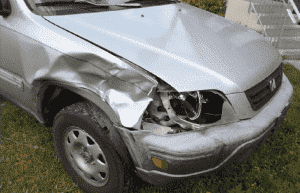
If you’re seeking a Fort Myers car accident head and brain lawyer, The Law Offices of Anidjar and Levine can help you understand your options after a crash causes a concussion or other brain injury. Symptoms may appear later, so prompt medical evaluation and follow-up care are important. We can review medical records, investigate how the collision occurred, preserve relevant evidence, and explain potential insurance benefits and compensation under Florida law. Learn more about your options with a Fort Myers Personal Injury Lawyer and how we support injured people and their families.
Main Takeaways
- A Fort Myers car accident lawyer can investigate the crash and identify evidence relevant to a head or brain injury claim.
- Seek prompt medical evaluation after a head impact or symptoms such as headache, confusion, dizziness, nausea, or memory problems.
- Preserve medical records, crash photographs, witness details, and a dated log of symptoms and daily limitations.
- Neurologists or neuropsychologists can help explain diagnoses, treatment needs, and impacts on work, caregiving, and daily activities.
- Florida PIP benefits may apply; additional recovery from an at-fault party may be available when legal requirements are met.


How We Can Help With Your Fort Myers Car Accident Head & Brain Injury Claim
A head or brain injury after a Fort Myers car accident can affect your health, work, and daily life, sometimes before the full extent becomes clear. We’ll listen carefully, learn how the injury has changed your routine, and help you identify practical steps toward recovery and accountability.
During a Legal Consultation, we’ll discuss your concerns, explain how our team can support you, and answer questions about working with us. We can help organize records, communicate with insurers, and keep important deadlines in view while you focus on treatment and family responsibilities.
We’ll also provide updates so you understand the Claim Timeline and know what to expect at each stage. If you’re supporting others while managing an injury, we can help reduce the administrative burden and make space for your priorities. Our approach centers on clear communication, careful preparation, and respect for your circumstances. You don’t have to manage each task alone; we’ll work with you to pursue a fair resolution and protect your interests.
OUR CONSULTATIONSARE FREE
START YOUR FREE CASE REVIEW

Understanding Fort Myers Car Accident Head & Brain Injury Cases
Because head and brain injuries can emerge or worsen after a crash, we look beyond the initial symptoms when evaluating a Fort Myers car accident claim. A person may seem alert but develop headaches, confusion, memory problems, or light sensitivity hours later. We encourage you to seek prompt medical care and follow your provider’s recommendations to protect your health and create reliable documentation.
Concussion misconceptions can lead people to dismiss symptoms because they did not lose consciousness or feel immediate pain. In reality, a concussion can affect daily activities and require careful assessment. We review medical records, diagnostic findings, and changes in your ability to work or care for others to understand the injury’s effects.
Helmet effectiveness also has limits: helmets can reduce certain risks, but they cannot prevent every head or brain injury. We consider the evidence in context and explain how documented injuries may relate to the crash, helping you make informed decisions about your claim.
Common Causes of Fort Myers Car Accident Head & Brain Injuries
We often see head and brain injuries result from distracted driving, speeding, reckless behavior, and impaired drivers. Intersection and rear-end collisions can also cause forceful impacts, even when vehicles appear to sustain limited damage. As we examine these common causes, we’ll explain how they can lead to serious injuries in Fort Myers crashes.
Distracted Driving
How does distracted driving lead to head and brain injuries in Fort Myers car accidents? When drivers look away from the road, even briefly, they may miss traffic changes, pedestrians, or stopped vehicles. A collision can then cause a person’s head to strike a window, wheel, or another surface, resulting in a concussion or more serious brain injury.
Dashboard distraction can draw attention from driving as motorists adjust navigation, music, or vehicle settings. Phone notifications may also tempt drivers to read or respond instead of watching the road. These choices can put passengers, other motorists, and nearby pedestrians at risk.
We can help you identify whether distraction contributed to a crash and gather relevant evidence. By seeking accountability, we can support your recovery and help protect others from preventable harm.
Speeding And Reckless Driving
When drivers speed or disregard traffic laws, they have less time to respond to hazards and may strike another vehicle with greater force. In Fort Myers, these choices can cause severe head and brain injuries, including concussions and lasting cognitive impairment. A driver who weaves through traffic, ignores signals, or follows too closely puts everyone on the road at risk. Strong Speed Limit Enforcement can help discourage dangerous behavior and protect the community. Reckless Driving Penalties may also hold drivers accountable, though consequences cannot undo an injury. If a crash has harmed you or someone you care for, we can help investigate whether speeding or reckless conduct contributed. We’ll identify evidence, explain your legal options, and pursue compensation to support treatment, recovery, and your family’s needs.
Impaired Driving
Because alcohol and drugs can impair judgment, coordination, and reaction time, impaired drivers pose a serious risk on Fort Myers roads. Prescription medications and illegal substances can also affect alertness, even when drivers don’t recognize their limitations. When an impaired person gets behind the wheel, a collision may cause traumatic brain injuries, concussions, or other serious harm. We can help protect our community by planning a sober ride, intervening when someone appears unable to drive safely, and reporting immediate dangers to law enforcement. DUI checkpoints and sobriety testing can help officers identify drivers whose abilities may be compromised. If you or someone you love has suffered a head or brain injury in a crash involving suspected impairment, seek medical care promptly and preserve relevant records. We can help you understand your options for pursuing accountability.
Intersection And Rear-End Collisions
Impaired driving is one source of serious crashes, but many Fort Myers head and brain injuries also occur at intersections and in rear-end collisions. Drivers may run red lights, fail to yield, turn without checking for oncoming traffic, or misjudge another vehicle’s speed. Poor visibility, confusing signs, and inadequate signal timing can also contribute. Intersection design can increase danger when blocked sight lines or long crossing distances leave little time to react. In rear-end crashes, a driver who follows too closely or looks away may strike a stopped vehicle with substantial force. Rear-end dynamics can cause occupants’ heads to move suddenly, even when a collision seems minor. We can help injured people seek answers, document how a crash occurred, and pursue accountability while they focus on recovery and supporting loved ones.
Don’t Wait. Call Our Florida Personal Injury Lawyers Now!


Legal Rights of Fort Myers Car Accident Head & Brain Injury Victims
A head or brain injury from a Fort Myers car accident can affect your health, work, and daily life long after the crash. We can help you understand your legal rights and take informed steps while you focus on recovery and supporting those who depend on you.
Florida no-fault rights may let you seek personal injury protection benefits from your insurer, subject to policy limits and legal requirements. If your losses exceed available coverage, you may have grounds to pursue compensation from an at-fault party when Florida law permits.
We can help you consider:
- Medical expenses, rehabilitation costs, and future care needs.
- Lost income, reduced earning capacity, and other documented losses.
- Evidence supporting responsibility and the extent of your injuries.
Florida’s comparative negligence rules may reduce compensation if you share responsibility for the crash. We can review available records, explain potential deadlines, and communicate with insurers on your behalf. Prompt legal guidance can help preserve evidence and protect your claim while you make decisions in your family’s best interests.
Why Do Fort Myers Car Accident Head & Brain Injuries Happen?
Understanding your legal options begins with understanding how a crash can cause head or brain injuries. During a collision, a sudden stop or change in direction can force the head to strike a window, steering wheel, or other surface. Even without direct impact, the brain may move inside the skull as the body accelerates and decelerates, causing a concussion or more serious trauma.
Several factors can increase the risk. Speed, distracted driving, impaired driving, and failure to yield can turn an ordinary trip into a forceful collision. A seat belt can reduce the chance of ejection and limit movement, but it can’t prevent every injury. Vehicle safety features, including airbags and head restraints, may also affect how occupants experience impact.
Roadway design matters, too. Poor visibility, confusing intersections, inadequate lighting, or unsafe road conditions can contribute to crashes. When we recognize these causes, we can better recognize how preventable choices and hazards may have harmed you and disrupted your ability to care for others.
What Should You Do After a Fort Myers Car Accident Head & Brain Injury?
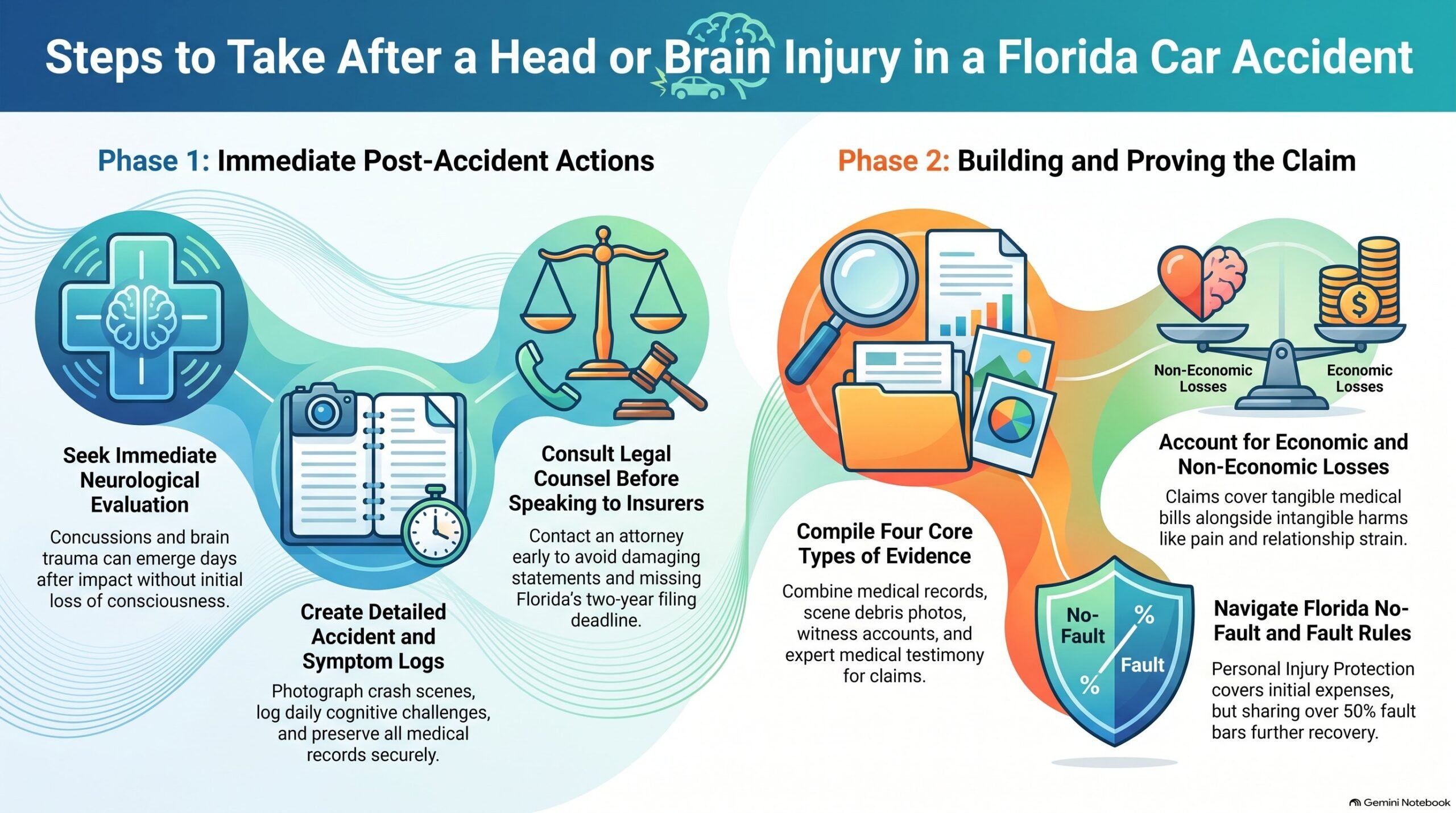
After a Fort Myers car accident involving a head or brain injury, we should seek immediate medical care, even if symptoms seem mild. Document the crash by preserving photos, witness details, and medical records. We should also contact a brain injury lawyer to understand our legal options and protect our rights.
Seek Immediate Medical Care
Even if you feel well after a Fort Myers car accident, seek medical care promptly because head and brain injuries may not cause obvious symptoms right away. We can protect our health and support those who depend on us by taking possible injuries seriously. Visit an Emergency department or contact a medical professional as soon as possible, especially after a blow to the head, loss of consciousness, or confusion. A clinician can perform a neurological screening, assess symptoms, and determine whether imaging or further observation is needed. Tell the provider about the collision and any changes you notice, including headache, dizziness, nausea, memory problems, or unusual fatigue. Follow medical instructions and arrange recommended follow-up care, even if symptoms seem mild. Prompt evaluation helps identify complications and guides appropriate treatment.
Document the Accident
Prompt medical care can address head and brain injuries, while careful documentation can help preserve a clear record of how the Fort Myers collision occurred and affected you. When it’s safe, we can record the date, time, location, weather, traffic conditions, and sequence of events. Note the names and contact details of witnesses, along with the responding officers’ information and any report number. Photo documentation can capture vehicle damage, road conditions, visible injuries, and relevant signs or signals. Preserve original images and avoid altering them. Keep medical records, discharge instructions, receipts, and communications in one secure place. Diary entries can help us track symptoms, treatment, missed work, and changes in daily activities. Write promptly and factually, including details that may seem minor. Accurate records can help others understand the injury’s effects.
Contact a Brain Injury Lawyer
Because brain injuries can affect memory, judgment, and communication, we shouldn’t wait to seek legal guidance after a Fort Myers crash. A lawyer can help us protect our rights while we focus on medical care and recovery. We can ask a trusted family member or friend to join conversations, take notes, and help us remember important details.
During an Initial consultation, we should describe the collision, symptoms, treatment, and any communication with insurers. We can ask how the lawyer will investigate, preserve evidence, and coordinate with medical professionals to understand the injury’s effects. We should also discuss the Legal fee structure, including costs and when fees are due, before deciding whether to proceed.
Prompt guidance helps us make informed choices and pursue fair compensation without neglecting your health or responsibilities to others.
Don’t Wait. Call Our Florida Personal Injury Lawyers Now!
Critical Evidence in a Fort Myers Car Accident Head & Brain Injury Case
Strong evidence can help us show how the crash occurred and how it caused your head or brain injury. We’ll review medical records, scene evidence, and witness statements, then assess whether expert testimony can clarify disputed facts.
Collectively, these sources can support a clear account of your losses.
- Medical records document your diagnosis, treatment, and recovery.
- Scene evidence may include photographs, vehicle damage, and crash reports.
- Witness statements and expert testimony can help explain what happened and the injury’s effects.
Medical Records
After a Fort Myers car accident, how can medical records help establish the extent of a head or brain injury? They create a timeline of symptoms, diagnoses, treatment, and recovery, helping us explain how the injury has affected your daily life and ability to serve others. Emergency department notes, imaging results, physician assessments, and therapy records may document symptoms that aren’t immediately apparent, such as memory problems or headaches.
We can help you request and organize relevant records, while checking for documentation gaps that could obscure your condition or treatment needs. Consistent care and accurate reporting help clinicians track changes and guide treatment. Record preservation matters because providers may retain records for limited periods. We’ll work with you to identify missing files, clarify inconsistencies, and present a complete account of your injury and ongoing needs.
Accident Scene Evidence
How can accident scene evidence help establish what caused a head or brain injury in a Fort Myers car accident? Scene documentation can help us reconstruct the collision and connect its force to the harm you suffered. Photographs, measurements, and vehicle inspections may reveal impact points, damage patterns, and road conditions. Roadway skid marks can indicate braking, loss of control, or the vehicles’ paths before impact. Vehicle Debris may help identify where a collision occurred and how the vehicles moved afterward. We can also examine traffic signals, sight lines, and nearby hazards to assess whether a driver had an opportunity to avoid the crash. When gathered promptly, this evidence can preserve details that weather, traffic, or repairs may erase. A careful investigation helps us present a clear account and seek fair support for your recovery.
Witness Statements
Witness statements can help explain how a Fort Myers collision occurred and whether its force could have caused a head or brain injury. We can speak with people who saw the crash, heard the impact, or observed your condition immediately afterward. Their accounts may clarify traffic signals, vehicle movements, visible confusion, or changes in your ability to communicate. These details can support your symptom description, especially when a brain injury affects memory or concentration.
Witness Credibility matters. We consider each person’s opportunity to observe, consistency, and possible bias, and we compare accounts with available records. Prompt Statement Preservation is also important because memories can fade and witnesses may become difficult to locate. We can document contact information and obtain clear, dated accounts. By treating witnesses respectfully, we help protect reliable evidence and support a fair review of your claim.
Expert Testimony
Expert testimony can help explain how a Fort Myers crash caused a head or brain injury and how that injury may affect your recovery. We can work with qualified medical professionals to clarify diagnoses, treatment needs, and the ways symptoms may limit daily activities. Their opinions can help connect the collision to your condition and explain what support you may need over time.
Expert qualifications matter. A neurologist, neuropsychologist, or other appropriate expert should have relevant training and experience, and the opinion should rely on sound medical evidence. We’ll review each expert’s background and assess whether their conclusions address the issues in your case.
Careful testimony preparation helps experts present findings clearly and respond to questions. We can organize medical records, identify important topics, and help make certain the testimony serves as an accurate account of your injuries and recovery needs.
Long-Term Effects of Fort Myers Car Accident Head & Brain Injuries
After a Fort Myers car accident, a head or brain injury may cause lasting cognitive challenges that affect memory, focus, and daily tasks. We can help you understand how emotional changes may emerge over time and influence your relationships and well-being. You may also need ongoing medical care, which can shape your recovery and future expenses.
Cognitive Challenges
A brain injury from a Fort Myers car accident can affect memory, concentration, and decision-making long after visible injuries have recovered. You may struggle to follow conversations, organize tasks, or recall details that once seemed routine. These cognitive challenges can complicate work, family responsibilities, and the service you provide to others.
We can help you understand why careful medical evaluation matters. A health care provider may recommend rehabilitation, cognitive testing, or practical Memory strategies, such as calendars, reminders, and written checklists. You may also find that noise, bright lights, or busy settings cause sensory overload and make it harder to focus. Documenting these difficulties and following treatment recommendations can help clarify how the injury affects daily life. With appropriate support, you can build routines that protect your independence and sustain meaningful responsibilities while recovery continues.
Emotional Changes
Emotional changes can persist long after visible injuries from a Fort Myers car accident have recovered. A head or brain injury may affect how you respond to stress, connect with others, and manage everyday responsibilities. Mood swings, irritability, anxiety, or sadness can strain relationships and make work or family life more difficult. You may also notice personality changes that feel unfamiliar to you or concern the people who rely on your support. These reactions aren’t signs of weakness; they can reflect how the injury affects emotional regulation. We can help you recognize that these changes may reflect serious, lasting harm rather than a personal failing. When you understand what has changed, you can explain your experience to loved ones, seek appropriate support, and protect the relationships and commitments that matter to you.
Ongoing Medical Care
When a Fort Myers car accident causes a head or brain injury, ongoing medical care may remain necessary long after the initial treatment ends. We can help you understand why follow-up appointments, rehabilitation, and medication reviews matter as symptoms change. Some people need support from neurologists, therapists, or other professionals to address memory problems, headaches, balance issues, or changes in daily functioning. Care coordination helps these providers share information and align recommendations, while treatment continuity can reduce gaps in care. We encourage you to keep records of appointments, symptoms, and expenses, and to follow your clinicians’ guidance. With clear documentation, we can better explain how the injury affects your life and the services you need. Consistent care may support recovery and help you serve your family and community.
Proving Liability in Fort Myers Car Accident Head & Brain Injury Cases
Proving liability in a Fort Myers car accident that causes a head or brain injury requires evidence showing how the crash happened and who failed to act with reasonable care. We can help you identify the facts that connect another driver’s conduct to your injuries. Useful evidence may include police reports, photographs, vehicle damage, traffic camera footage, witness statements, and records documenting your symptoms and treatment.
When the circumstances remain disputed, Accident reconstruction may help explain vehicle speeds, positions, and the sequence of impact. We can also examine whether a driver was distracted, speeding, impaired, or failed to yield. These details matter because a head injury may not appear immediately, and clear documentation can help show how the collision affected your health and daily responsibilities.
Florida’s comparative negligence rules may reduce recovery if you share responsibility, but they don’t automatically bar a claim. We’ll assess the available evidence carefully and explain how it supports your case.
Dealing With Insurance Companies After a Fort Myers Car Accident Head & Brain Injury
After documenting how the crash caused your head or brain injury, you may need to address insurers seeking information about the claim. We can help you respond carefully while protecting your privacy and recovery interests. Insurers may ask for recorded statements, medical authorizations, or symptom details. Before you sign documents or agree to an account of the crash, we should review the insurer’s requests and explain how your answers could affect the claim.
We can also examine available coverage, including Policy limits, and identify whether other insurance may apply. Brain injuries can require ongoing care, so we should consider future treatment needs rather than focus only on current bills. Keep copies of correspondence, note calls, and avoid guessing when answering questions. If an insurer delays, misrepresents coverage, or pressures you to accept an inadequate payment, those actions may raise concerns about bad faith practices. We can help you communicate accurately and advocate for fair consideration while you focus on your health and responsibilities.
What to Expect During a Fort Myers Car Accident Head & Brain Injury Claim Process
We’ll begin with an initial case evaluation to assess how the crash and your head or brain injury may affect your claim. We’ll then gather medical records and other evidence to support your losses, then address the insurer’s position through negotiations. If the parties can’t reach a fair settlement, we’ll explain what to expect if your case proceeds to trial.
Initial Case Evaluation
What should you expect during an initial case evaluation for a head or brain injury claim in Fort Myers? During an Initial consultation, we’ll listen to your account, learn how the crash has affected your daily life, and discuss your priorities. You can ask questions and explain what support you need, including how the injury may affect your ability to care for others.
We’ll conduct a Case assessment by reviewing the circumstances of the collision, identifying potentially responsible parties, and considering the losses you may be able to claim. We’ll also explain the general legal process, likely challenges, and important deadlines in clear terms. This conversation helps us determine whether we can represent you and what steps may serve your interests. You’ll decide whether to proceed, without pressure or any promise of a particular outcome.
Medical Evidence Collection
Because head and brain injuries may not appear fully in the hours or days after a crash, medical evidence can be essential to showing how the collision affected you. We’ll help you identify records that document your symptoms, diagnosis, treatment, and recovery. These may include emergency department notes, imaging results, expert evaluations, therapy records, and observations from your treating providers. With your HIPAA authorization, we can request relevant records while protecting your privacy and limiting collection to information related to your claim. Through provider coordination, we’ll work to obtain complete documentation and clarify gaps or delays in care. We may also help organize a symptom timeline and preserve evidence of how your injuries affect daily activities. Accurate, consistent medical records can help explain your needs and support a clear account of the harm you’ve experienced.
Insurance Negotiations
Once the medical records establish the nature and effects of your head or brain injury, we can begin negotiating with the insurance company. We’ll present evidence of your diagnosis, treatment, symptoms, and how the injury affects your daily responsibilities. This may include medical bills, lost income, and statements from people who have observed changes in your health or abilities.
Insurers may question whether treatment was necessary, dispute the injury’s connection to the crash, or minimize its long-term impact. We’ll respond with documented facts and explain why your claim reflects the harm you’ve experienced. We’ll also review available Policy limits, since they can affect the insurer’s potential payment. Our negotiation tactics will remain focused on accuracy, fairness, and protecting your interests while keeping you informed about communications and requests throughout the process.
Settlement Or Trial
After negotiations, we’ll assess whether the insurer’s offer fairly accounts for your head or brain injury, its effects on your daily life, and any future care needs. We’ll explain the strengths and risks of accepting a settlement, so you can make an informed decision that supports your recovery and responsibilities to those who depend on you.
If the offer falls short, we may recommend filing a lawsuit and preparing for trial. We’ll gather medical records, consult qualified experts, and develop a clear courtroom presentation showing how the crash affected you. You’ll understand each step and have opportunities to discuss important choices with us. At trial, both sides present evidence, and the judge or jury evaluates the claim. Jury deliberation follows closing arguments, but no outcome is guaranteed. We’ll pursue a fair resolution while keeping your priorities at the center.
Compensation for Fort Myers Car Accident Head & Brain Injury Damages
Head and brain injuries from a Fort Myers car accident can require extensive treatment and disrupt a person’s ability to work and manage daily life. We can help you identify compensation that reflects your current and future needs. Depending on the evidence, a claim may account for emergency care, hospitalization, surgery, rehabilitation, medication, and ongoing therapy. It may also cover lost income when symptoms prevent you from working, as well as reduced earning ability if you can’t return to your former role.
Some people need Home modifications, assistive devices, or transportation to attend treatment and maintain independence. A claim may also seek compensation for pain, emotional distress, and the loss of activities that once brought meaning to daily life. We’ll work with you and your family to document how the injury affects your routines, relationships, and care needs. Medical records, employment information, and professional assessments can help support a complete demand. Our goal is to pursue resources that protect your recovery and help you continue serving those who depend on you.
Economic vs Non-Economic Damages in Fort Myers Car Accident Head & Brain Cases
We’ll distinguish economic damages, such as medical bills, lost income, and future care costs, from non-economic losses, including pain and reduced quality of life. To support your claim, we’ll explain how records, expert opinions, and other evidence can help establish the extent and value of each loss.
Economic Damage Categories
A serious head or brain injury can create financial losses that continue long after a Fort Myers car accident. We can help you identify and document these economic damages so you can pursue compensation while focusing on your recovery and responsibilities to others.
Past wage losses may include income you missed while receiving treatment or recovering. We can review pay records, employer statements, and work history to calculate those amounts. If your injury limits your ability to return to your former job or work schedule, it may also affect your future earning capacity. We can assess likely long-term income changes using medical evidence, vocational evaluations, and financial records.
Economic damages may also include medical care, rehabilitation, prescription costs, and necessary assistance at home. We can organize receipts and professional estimates to support a clear, evidence-based claim.
Non-Economic Losses
Beyond measurable financial costs, a head or brain injury may cause non-economic losses such as pain, emotional distress, and reduced enjoyment of daily life. These harms can affect how you care for your family, contribute at work, and serve your community. Unlike medical bills or lost income, non-economic damages reflect personal effects that don’t have a fixed price. Persistent headaches, memory changes, or anxiety may limit activities that once gave you purpose. Loss of enjoyment can also arise when you can no longer participate in hobbies, maintain routines, or share meaningful experiences with loved ones. Some injuries strain communication and trust, damaging relationships at home or among friends. We recognize that these losses can change daily life, even when they aren’t easily measured financially.
Proving Your Damages
To prove damages after a Fort Myers car accident involving a head or brain injury, we must connect the crash to your losses and support each claim with reliable evidence. Medical records, diagnostic imaging, and treating providers’ opinions can help establish the injury and its effects. We’ll document economic damages, including medical bills, lost income, rehabilitation expenses, and future costs supported by qualified assessments. Pay records, invoices, and care plans can show what you’ve paid and what treatment may require.
Non-economic damages address harms without a fixed price, such as pain, emotional distress, and reduced independence. Your testimony, loved ones’ observations, and clinical notes may help explain these changes. Damage valuation considers both categories and the evidence behind them. By organizing records and presenting a clear account, we can help others understand how the injury has affected your life.
Don’t Wait. Call Our Florida Personal Injury Lawyers Now!
When a Fort Myers Car Accident Head & Brain Injury Case Goes to Trial vs Settlement
When a Fort Myers car accident causes a head or brain injury, deciding whether to settle or go to trial depends on the strength of the evidence, the expected long-term effects, and the insurer’s willingness to offer fair compensation. We can evaluate medical records, expert opinions, and the impact on your ability to work and care for others before advising you.
A settlement can provide compensation sooner and avoid the uncertainty, expense, and demands of a trial. We’ll review any offer against your documented losses and future care needs, rather than pressure you to accept an amount that falls short.
If negotiations don’t produce a fair result, we may present your case in court. Trial testimony from you, medical providers, and other witnesses can help explain how the injury changed your life. During Jury deliberations, jurors weigh the evidence before reaching a decision. We’ll prepare you for each stage, clearly discuss risks, and support an informed choice that serves your long-term interests.
Florida Laws That May Affect Your Fort Myers Car Accident Head & Brain Case
The decision to settle or go to trial also depends on Florida laws that shape how we prove fault, value damages, and meet filing deadlines in a Fort Myers head or brain injury case. Florida’s no-fault system generally requires injured drivers to seek initial benefits through their own PIP coverage, subject to policy limits and eligibility rules. Serious injuries may support a claim against the at-fault driver for additional losses.
We’ll also consider comparative negligence. If you’re found partly responsible, your compensation may be reduced by your share of fault. Under Florida’s modified comparative negligence rule, you may be barred from recovery if your responsibility exceeds 50 percent. Evidence such as crash reports, medical records, and witness accounts can help establish what happened.
Key issues may include:
- Whether PIP benefits cover eligible medical expenses and lost income.
- Whether the injury meets Florida’s serious-injury threshold for a liability claim.
- How each party’s conduct affects fault allocation and potential recovery.
The Statute of Limitations for Fort Myers Car Accident Head & Brain Injury Cases
Because filing deadlines can determine whether an injured person may pursue compensation, we’ll identify the statute of limitations that applies to your Fort Myers head or brain injury case. In Florida, most negligence lawsuits arising from car crashes must be filed within two years of the accident. Missing this Filing deadline can bar your claim, regardless of how serious your injuries are or how much support your recovery may require.
Head and brain injuries sometimes become apparent only after symptoms develop or medical evaluations reveal their cause. Florida’s Discovery rule may affect when a limitations period begins in certain cases, but it doesn’t automatically extend the deadline for every crash-related injury. Exceptions may also apply in limited circumstances, including cases involving minors or delayed discovery of an injury.
We encourage you to treat the accident date as an important reference point and confirm the deadline that governs your circumstances. Acting promptly helps protect your ability to seek accountability and resources that support your recovery and those who depend on you.
How a Fort Myers Car Accident Head & Brain Lawyer Can Help You
After a head or brain injury in a Fort Myers car accident, we can help you understand your legal options and take steps to protect your claim. We’ll investigate the collision, explain how Florida law applies, and build a case strategy around your injuries, treatment, and long-term needs. Our goal is to help you pursue fair compensation while you focus on recovery and the people who depend on you.
We can support your claim by:
- Gathering crash reports, witness accounts, medical records, and other evidence that clarifies how the injury occurred.
- Consulting qualified medical and financial professionals to assess your care needs, lost income, and future costs.
- Handling insurer communications and negotiations through focused attorney advocacy, while keeping you informed about important decisions.
Brain injuries may affect memory, concentration, work, and daily responsibilities. We’ll present those effects clearly and respectfully, using documented evidence rather than assumptions. If the insurer disputes responsibility or the value of your losses, we can explain available legal steps and advocate for your interests throughout the process.
When to Contact a Fort Myers Car Accident Head & Brain Lawyer
Contact a Fort Myers car accident head and brain lawyer as soon as possible if you suspect a brain injury, even if symptoms seem mild or appear later. Headaches, confusion, memory changes, or unusual fatigue may develop after the crash, so seek medical attention promptly and keep records of your symptoms and care.
Early consultation timing helps us understand important deadlines and preserve details while they’re fresh. Contact counsel before speaking at length with an insurer or signing documents that could affect your claim. We can explain what information to gather and how to communicate carefully while you focus on treatment.
Choosing Counsel matters when you’re also managing recovery and family responsibilities. Look for a lawyer who listens, explains the process clearly, and respects your priorities. If you’re helping an injured loved one, contact us when you notice concerning changes or need guidance about next steps. We’ll discuss your circumstances and help you make informed decisions without pressure. You don’t need to wait for a diagnosis before asking questions.
Why You Need an Experienced Fort Myers Car Accident Head & Brain Lawyer
When a car accident causes a suspected head or brain injury, an experienced lawyer can help protect your claim while you focus on medical care. These injuries may affect memory, concentration, mood, or the ability to work, and symptoms can emerge or change over time. We can help you document how the injury affects daily life and preserve records that support your account.
Attorney Experience matters when insurers question symptoms, dispute treatment, or argue that a condition existed before the crash. We can review medical evidence, consult qualified professionals when needed, and explain how the collision may have contributed to your condition. Our Case Strategy can also address lost income, ongoing care, and other losses without losing sight of your recovery.
How to Choose the Right Fort Myers Car Accident Head & Brain Lawyer for Your Case
Choosing the right Fort Myers car accident head and brain lawyer means finding someone who can evaluate complex medical evidence and explain how your injury affects your life. We can start by reviewing the Attorney’s credentials, including licensing, relevant experience, and a track record of handling traumatic brain injury claims. Ask how the lawyer investigates crashes, works with medical professionals, and calculates losses such as future care needs or reduced earning capacity. These questions help us assess whether the lawyer can address the specific demands of your case.
We should also discuss communication expectations before you decide. Find out who will answer questions, how often you’ll receive updates, and how quickly the team typically responds. A lawyer should clearly explain your legal options, listen to your concerns, and respect your priorities. If serving others matters to you, choose someone who treats your recovery and responsibilities with care. Compare consultation answers and fee terms, then select counsel whose approach, experience, and communication style give you confidence.
About The Law Offices of Anidjar & Levine
At the Law Offices of Anidjar & Levine, we represent people injured in car accidents in Fort Myers and throughout Florida.
When a crash causes a head or brain injury, we help you understand your options and pursue compensation for your losses.
We understand that recovery may involve medical care, time away from work, and difficult decisions for your family.
Our Firm history reflects a commitment to helping injured people seek accountability and move forward.
We listen to your concerns, explain the legal process, and develop a strategy based on the facts of your case.
We’ll communicate with you and address your questions as your claim progresses.
Our work also includes community involvement, because serving others extends beyond the courtroom.
We support efforts that benefit local residents and families across Florida.
If you’re considering legal help after a car accident, we can discuss your circumstances and explain how our team may assist.
Contact us to schedule a consultation and learn your next steps.
Frequently Asked Questions
Can a Brain Injury Appear Days After a Fort Myers Car Accident?
Yes, a brain injury can appear days after a Fort Myers car accident, even if you initially feel well. Watch for delayed symptoms, including worsening headaches, dizziness, confusion, nausea, memory problems, or unusual fatigue. These may be concussion warning signs and require prompt medical evaluation. Seek emergency care for repeated vomiting, seizures, weakness, or difficulty waking. Timely assessment helps protect your health and supports informed decisions about treatment and recovery.
Can I Pursue a Claim if I Had a Pre-Existing Brain Condition?
Yes, we can help you pursue a claim even if you had a pre-existing brain condition. You may seek compensation when a crash worsens that condition, though you’ll need evidence linking the decline to the collision. Medical history evidence, treatment records, and expert opinions can help distinguish your prior symptoms from new harm. We’ll review the facts carefully and explain your options, so you can make informed decisions while protecting your health and serving your family.
What if I Cannot Afford Medical Treatment After a Car Accident?
If you can’t afford medical treatment after a car accident, we can help you explore practical options without delaying necessary care. Review your auto policy for medical payment coverage, which may pay eligible expenses regardless of fault. We can also discuss treatment financing, provider payment arrangements, or health insurance coverage. Keep records of symptoms, bills, and missed appointments, and seek urgent care for serious symptoms. Prompt documentation can support both your recovery and claim.
Can Family Members Seek Compensation for Changes in a Loved One’s Personality?
Yes, family members may seek compensation for personality changes caused by a loved one’s accident, but recovery depends on the claim and applicable law. We can help you understand Legal standing, since relatives generally cannot recover independently for another person’s injuries. However, an injured person’s representative may pursue damages, and certain close relatives may have claims for their own losses in limited circumstances. We’ll assess the evidence and explain how Family impact may affect available options.
How Can I Document Cognitive Symptoms That Are Difficult to Observe?
We can document hard-to-observe cognitive symptoms by keeping a Daily symptom journal that records dates, triggers, duration, and effects on work, conversations, and routine tasks. Add specific examples, such as forgetting instructions or losing focus, rather than general impressions. Use cognitive task tracking to note performance on familiar activities, including planning, reading, or managing appointments. With your permission, we can also gather observations from trusted family members and share consistent records with your healthcare provider.
—————————
A serious head or brain injury can affect your health, finances, and future long after a Fort Myers car accident.
The Law Offices of Anidjar and Levine can review the crash, explain your legal options, and help you pursue compensation supported by medical and other evidence.
Don’t assume an insurer’s offer reflects the full impact of your injuries.
Contact us to discuss your claim and the steps available to protect your rights.
Learn more about a Fort Myers Personal Injury Lawyer.